All about photo.com: photo contests, photography exhibitions, galleries, photographers, books, schools and venues.
Get Published in print AND win $1,000 CASH PRIZES. Theme: Portrait
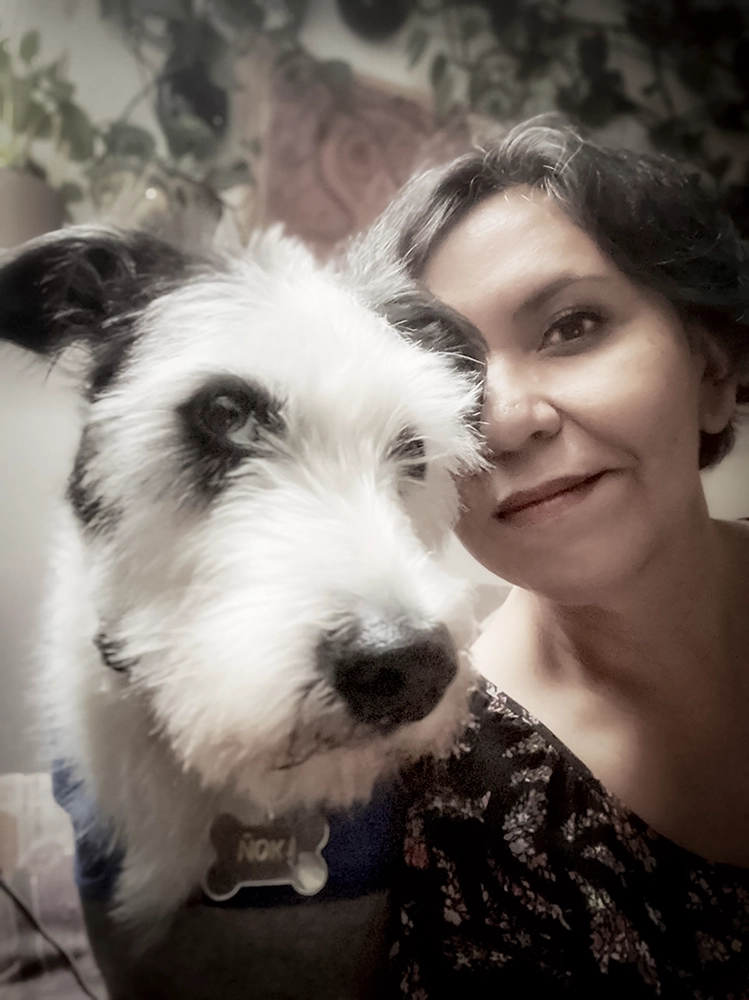
Olivia Vivanco
Olivia Vivanco
Olivia Vivanco

Olivia Vivanco

Country: Mexico

I am a Mexican visual artist. My work explores human movement, focusing on migration from within the migrant experience itself and the traces it leaves behind. I draw on anthropological tools to approach migration as a social phenomenon. Photography has always been my starting point, which I expand by incorporating other audiovisual languages.

I have exhibited my work at Museo Carrillo Gil, Museo Universitario del Chopo, Centro de la Imagen, Centro Cultural de España, and Alianza Francesa de México, among others, as well as internationally in Colombia, Chile, Denmark, France, Germany, Morocco, Puerto Rico, Spain, and the United States.

In 2019, I was a beneficiary of the FONCA Artistic Residence grant. In 2017, I was selected for the exhibition “The Great Machine IV” at Embarrat, Festival of Contemporary Creation in Spain; for “Caledoscopio steady-cam,” presented at the 1st International Week of Video Creation in Lanzarote; and for the “3rd Contemporary Photography Competition in Mexico.” In 2016, I was selected for the “XII Femsa Biennial” and the “2nd National Biennial of Landscape.” In 2013, I was awarded First Place in the “19th Latin American Documentary Photography Contest” in Colombia and Third Place in the “XXXII ENAH Anthropological Photography Contest.” In 2010, I received the FONCA grant for the promotion of projects and cultural co-investment for the publication of the book Guadalupe. Other recognitions include the selection of my short film Isalia at the festivals “Pantalla de Cristal” and “Mujeres en el Cine y la Televisión” (2009), and First Place in the “Photographic Report Contest Stories of Mexican Women,” organized by the UN High Commissioner for Human Rights in Mexico.

My work is part of the artist’s book collection of the Alumnos Foundation, the documentary video archive of Curtadoc in Brazil, and the Benetton Collection.

Passing Through
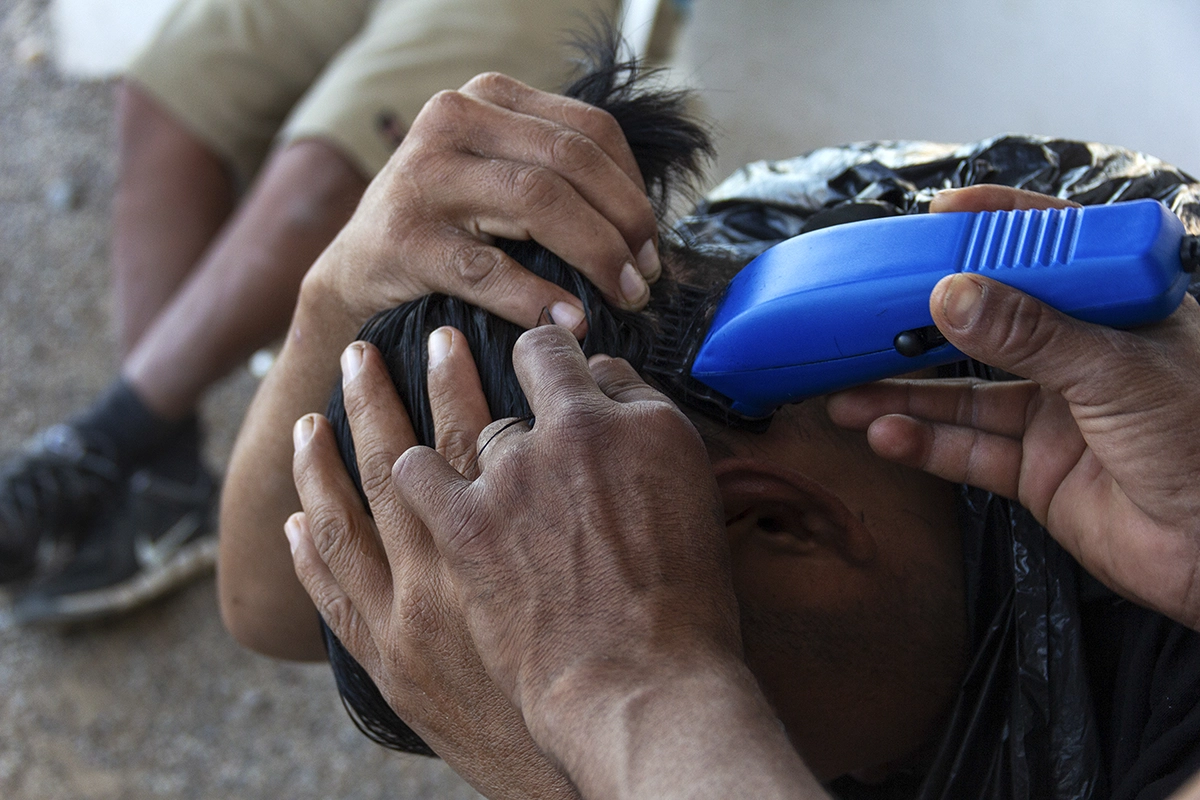
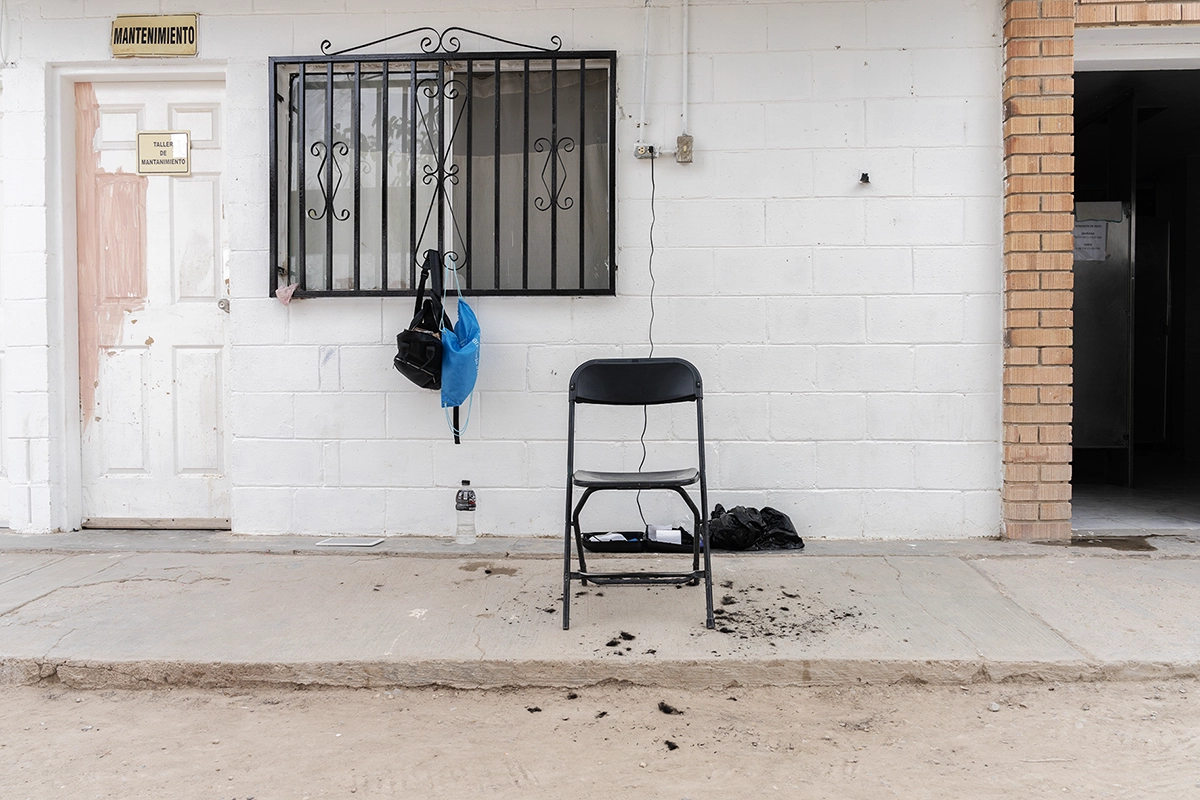
Passing Through emerges from a reflection on how to represent the migrant experience without resorting to images that may expose, stigmatize, or oversimplify those living through displacement.

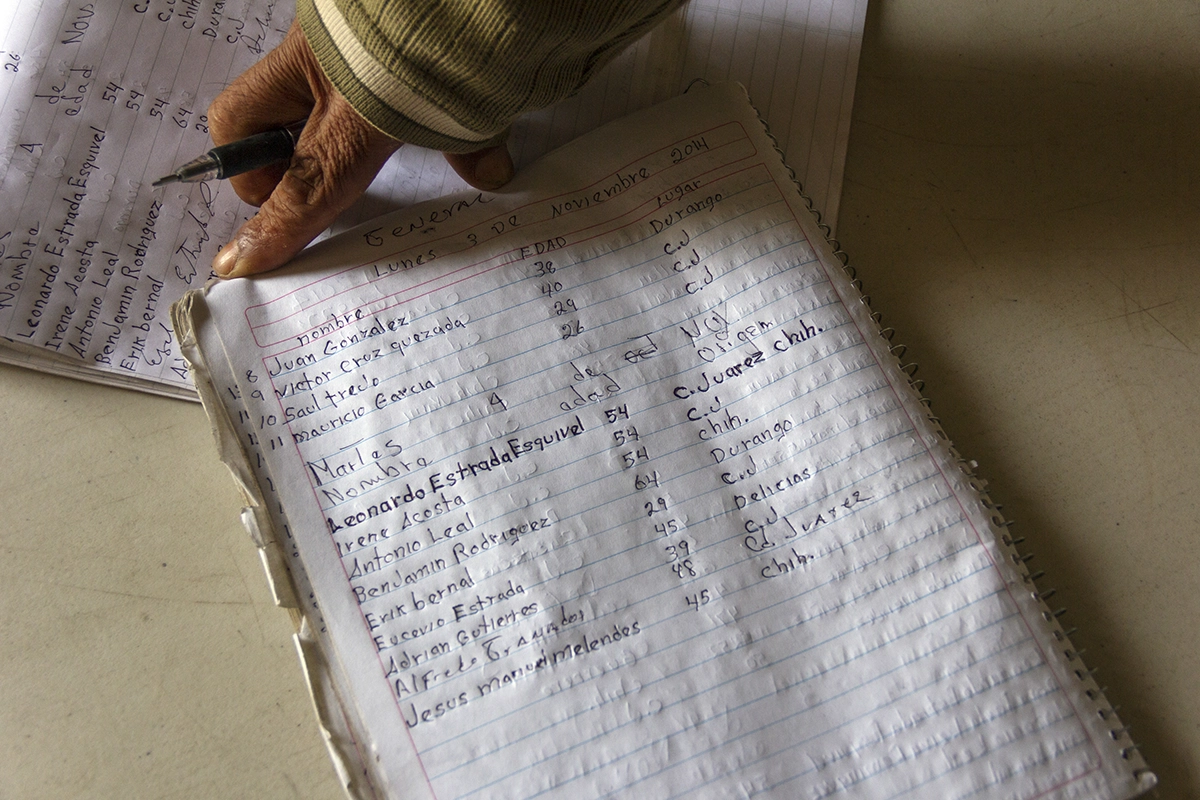
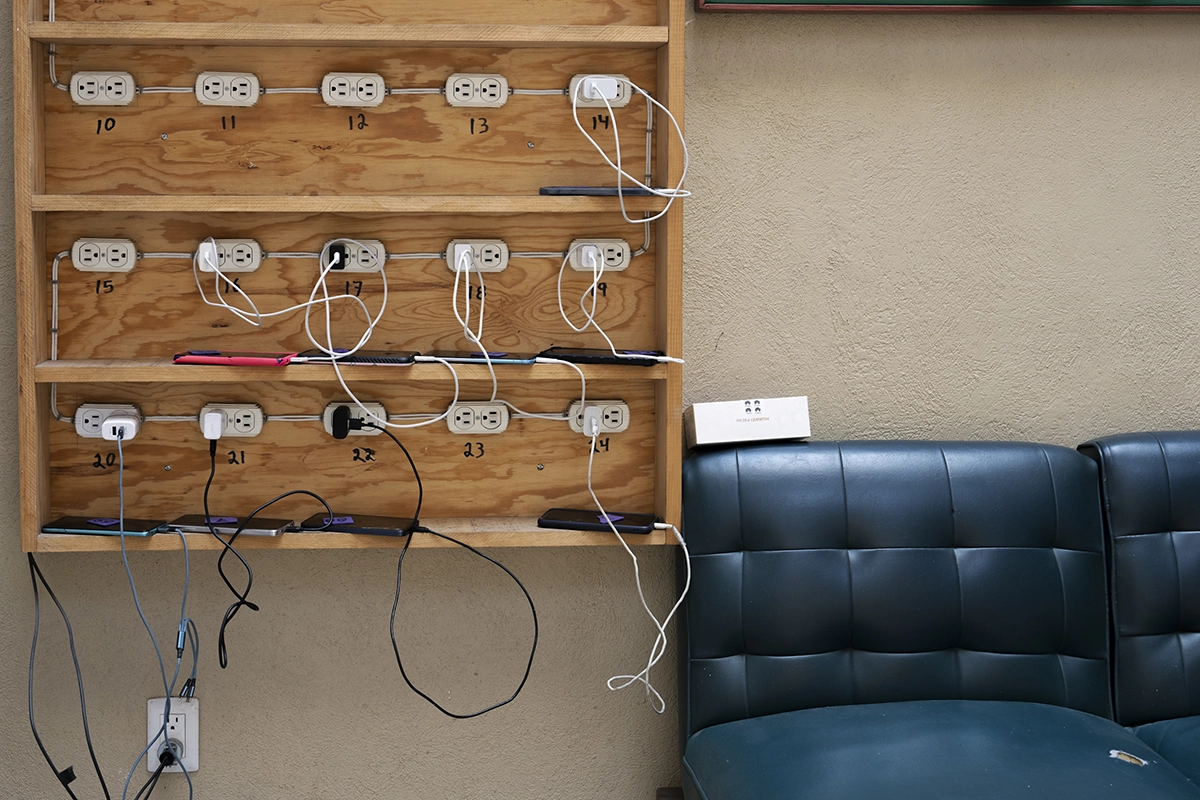
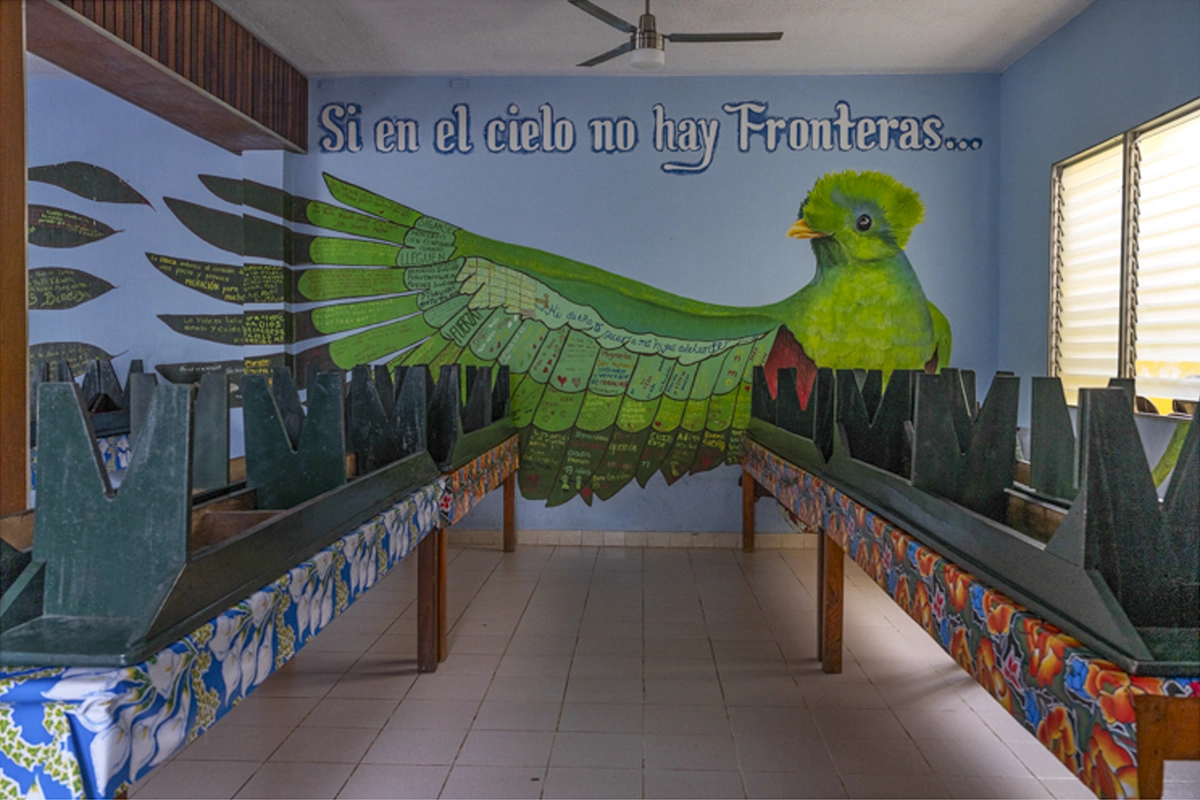
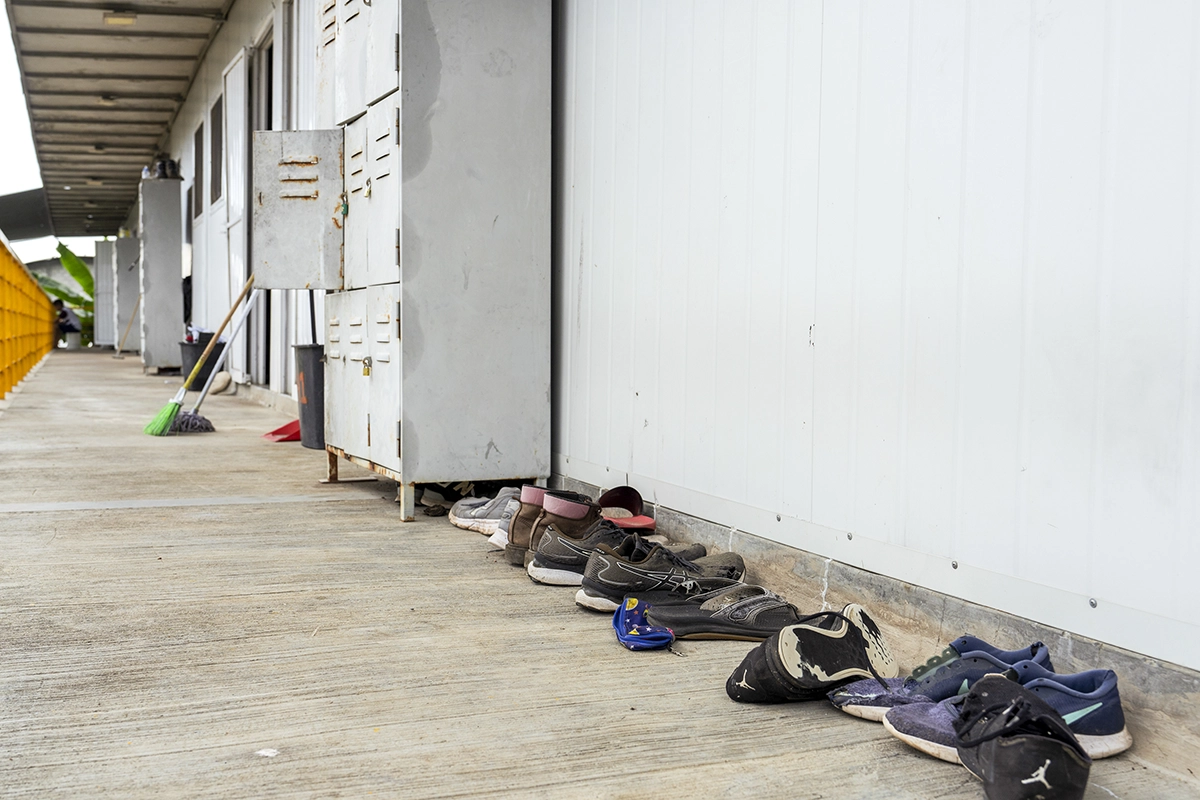
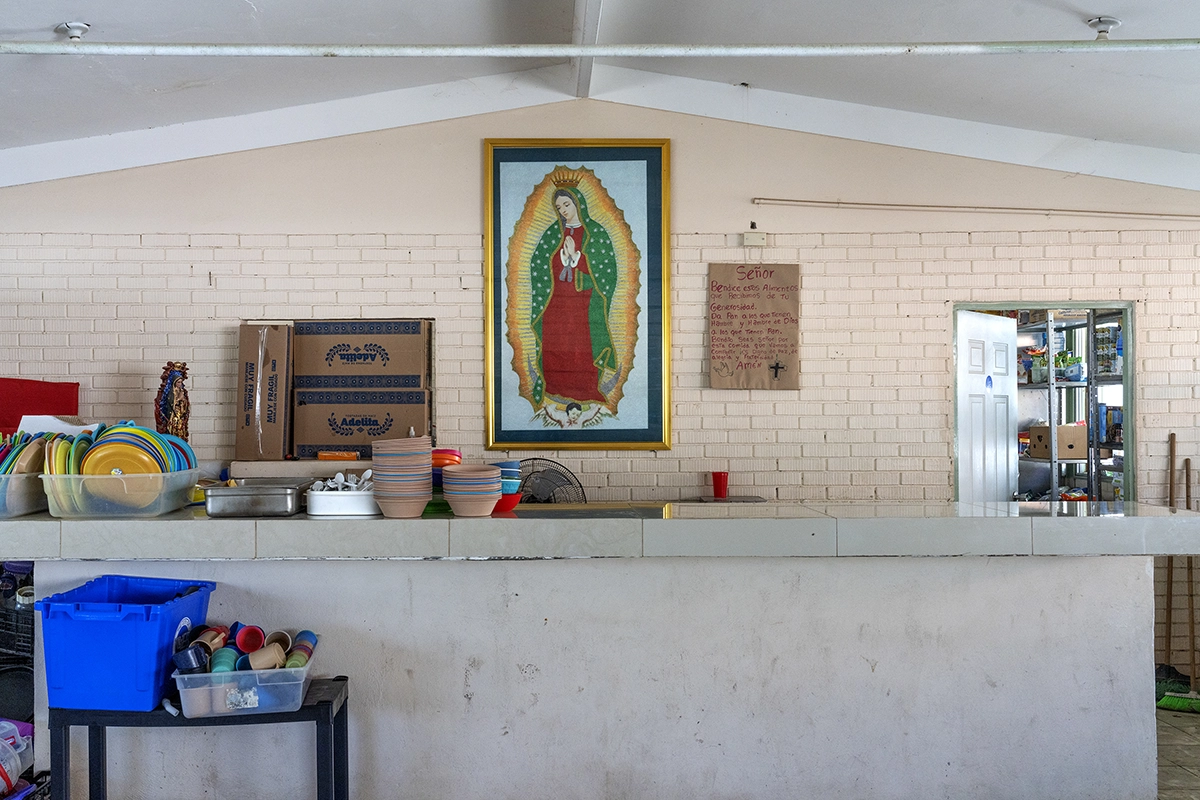
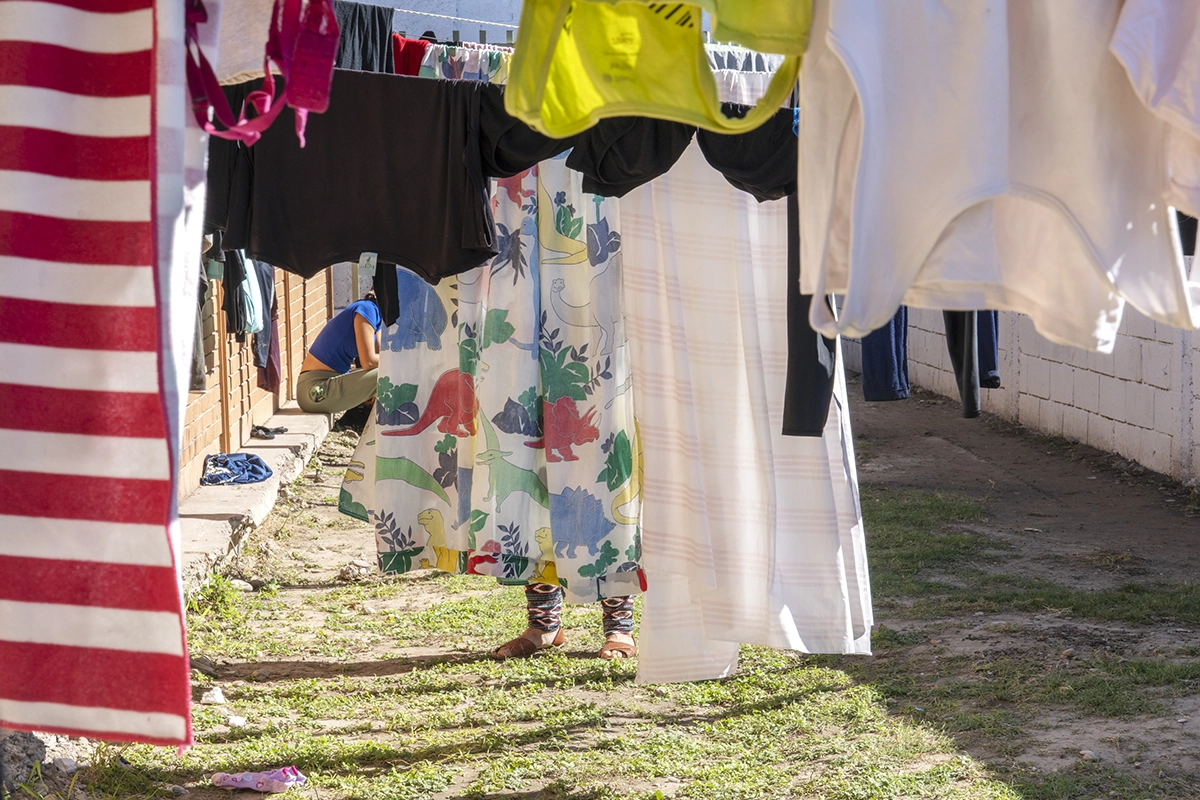
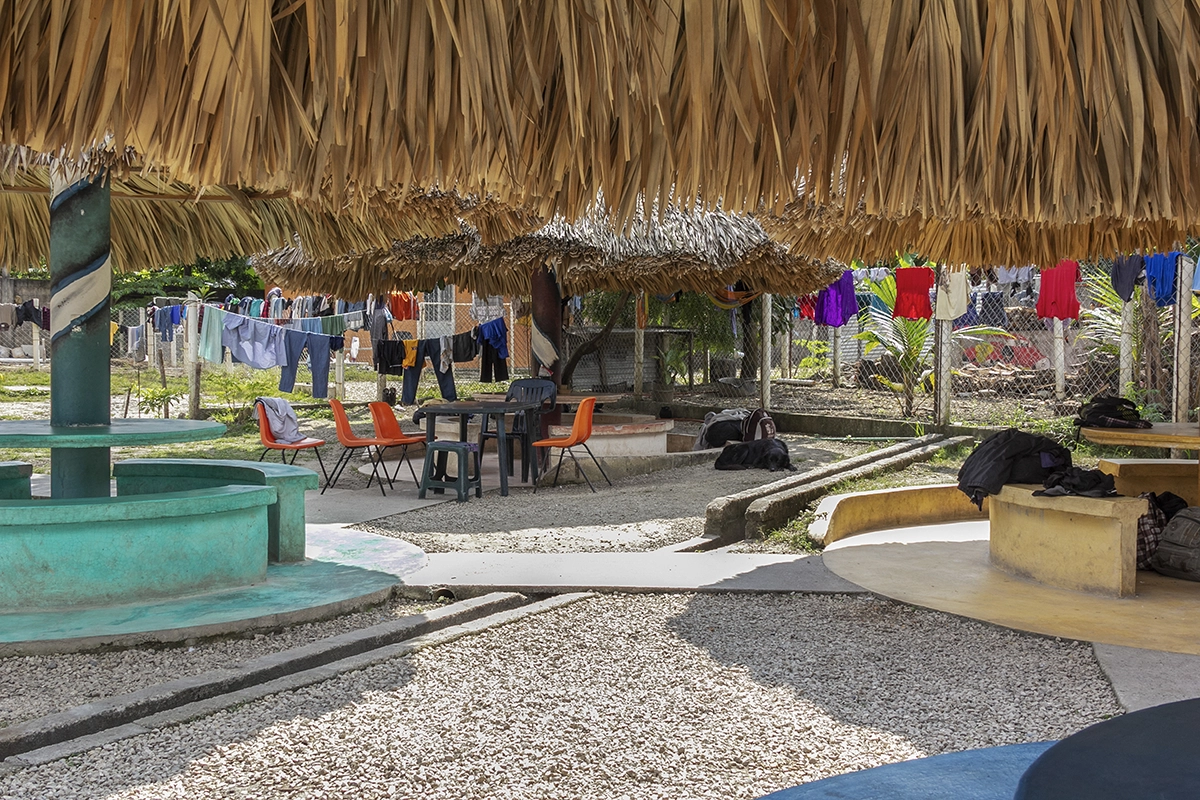
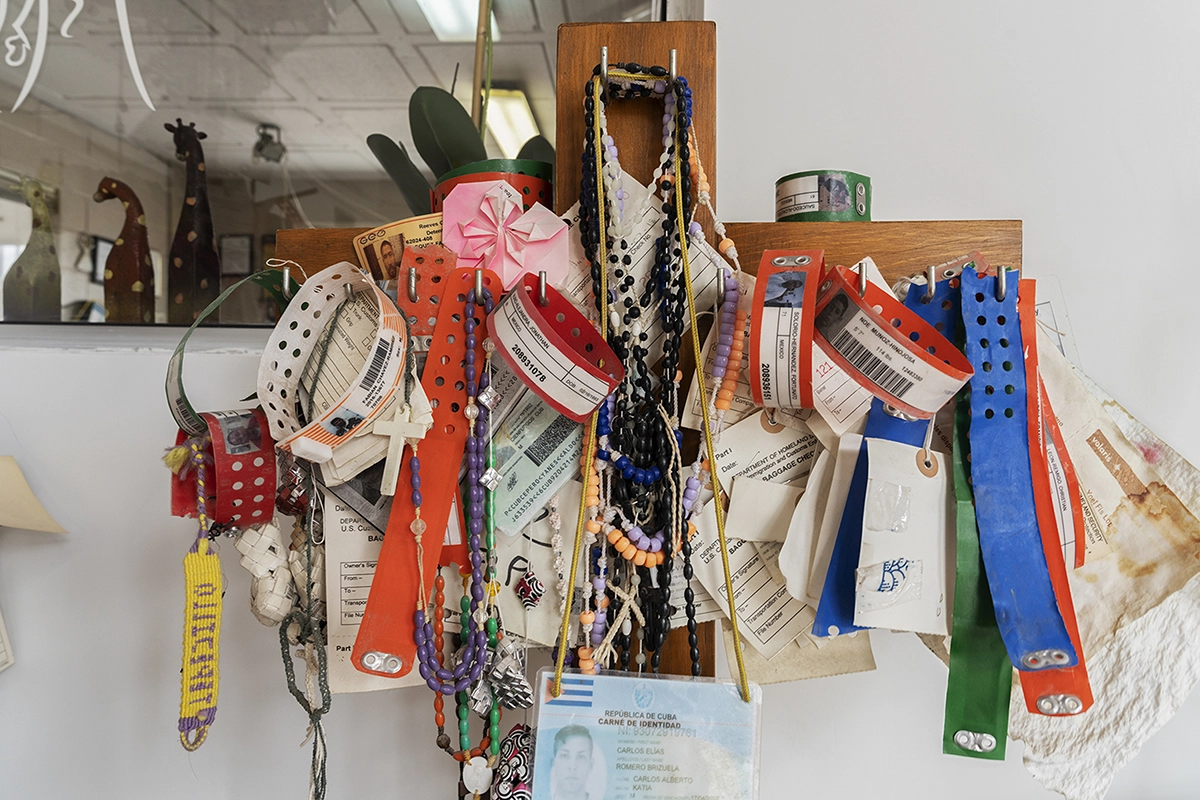
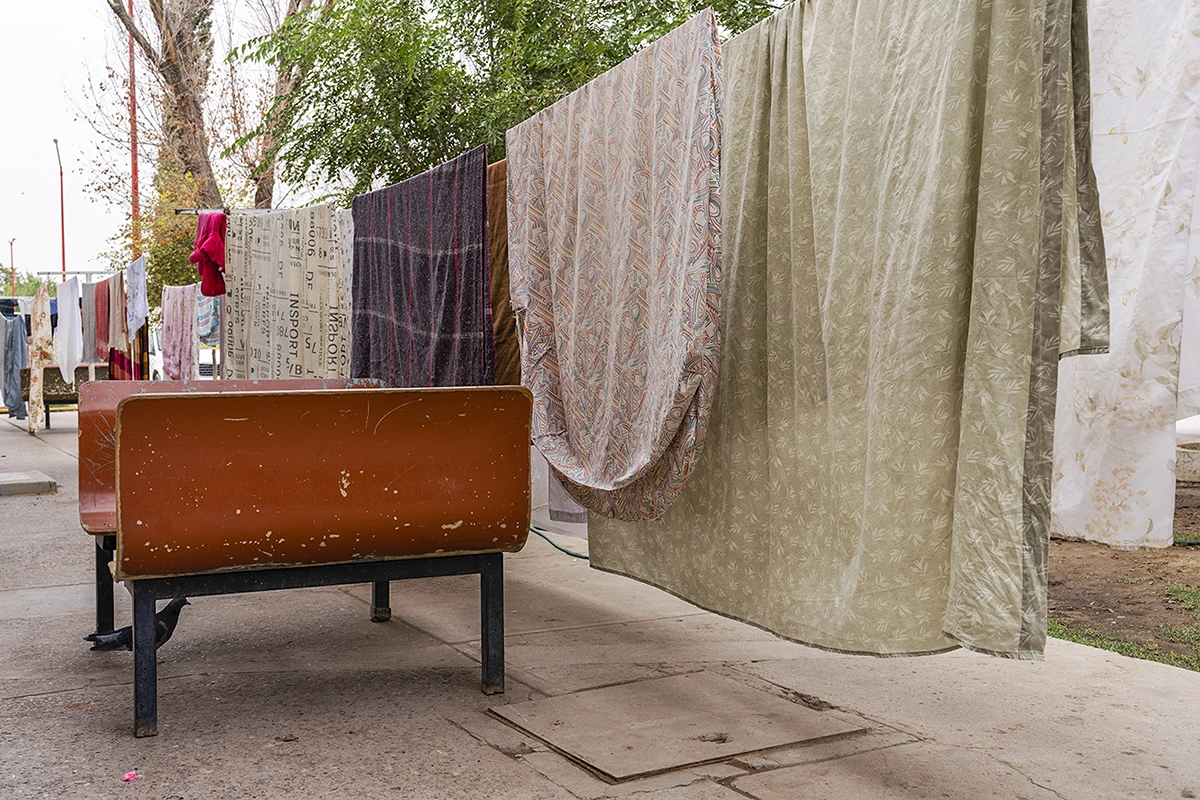
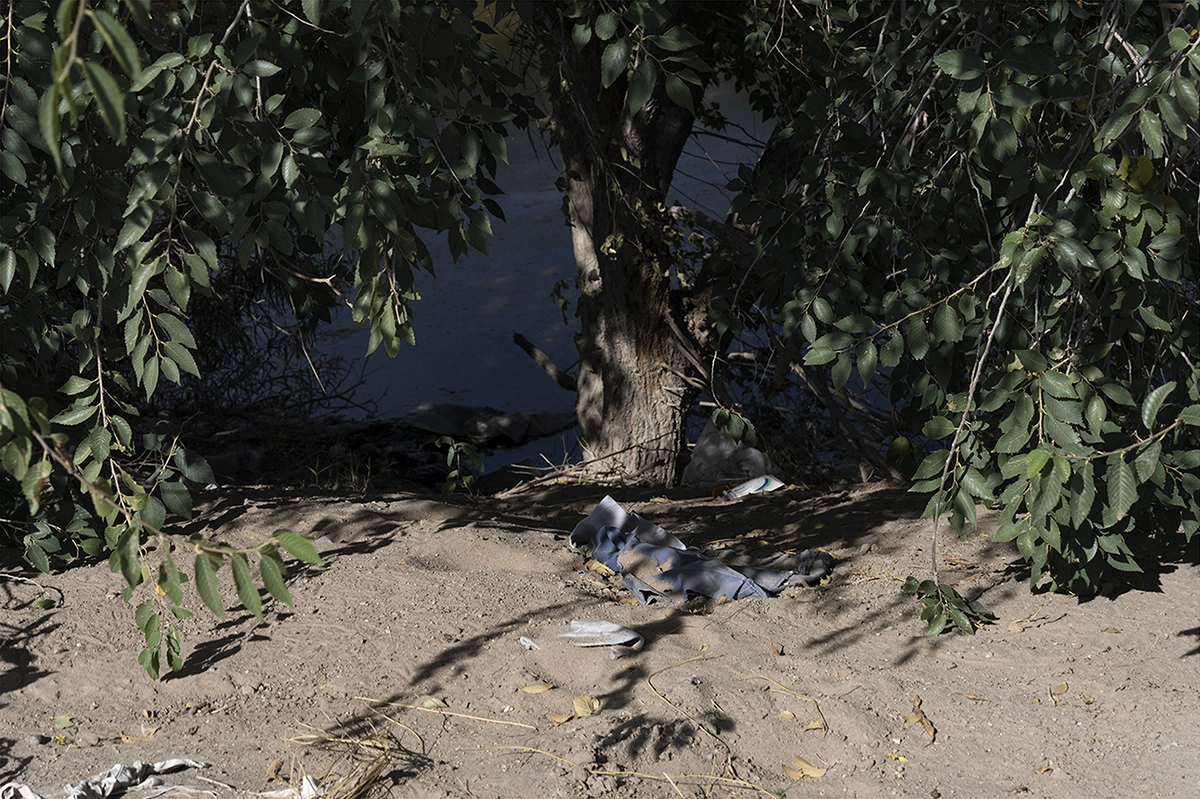
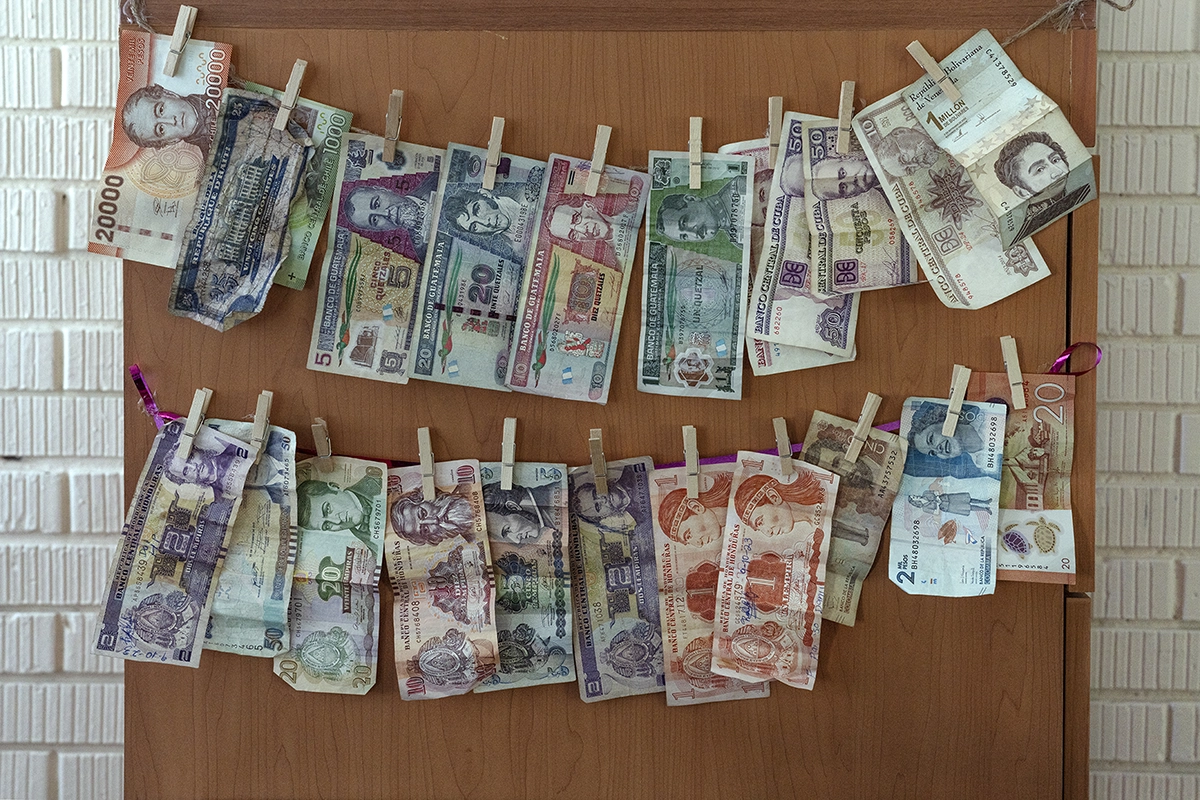
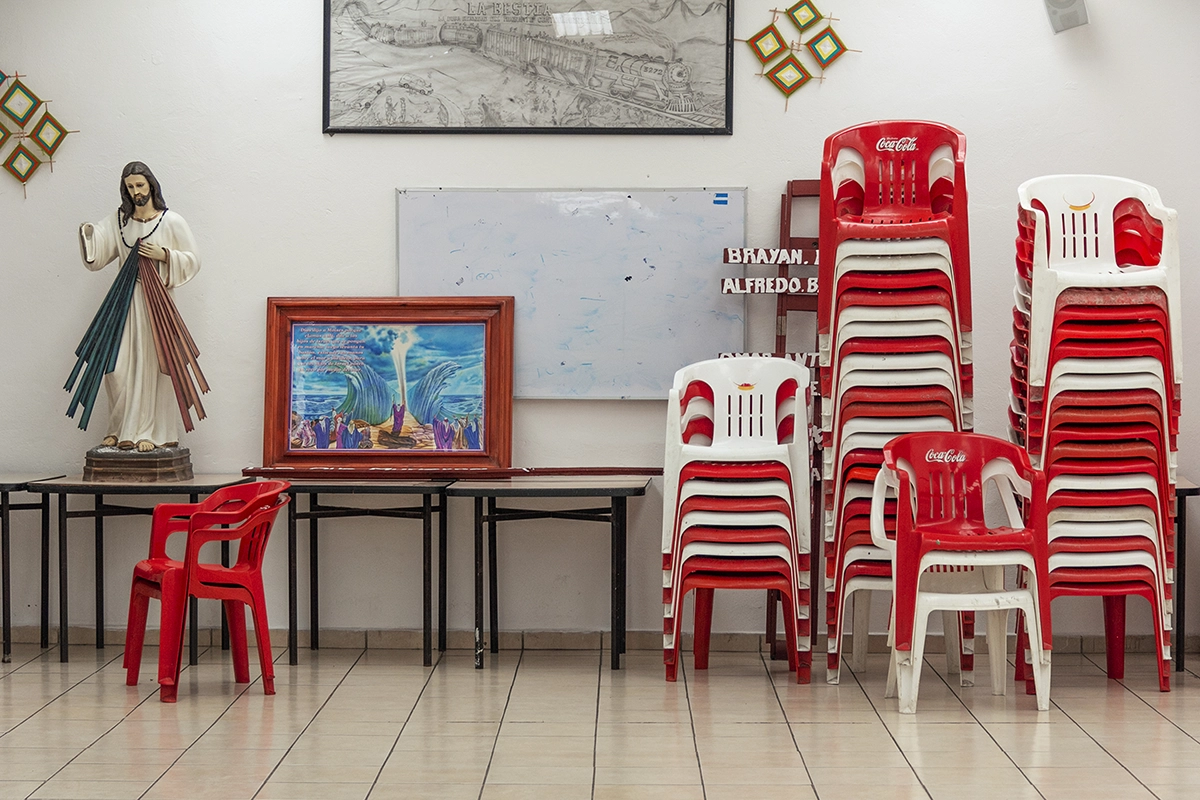
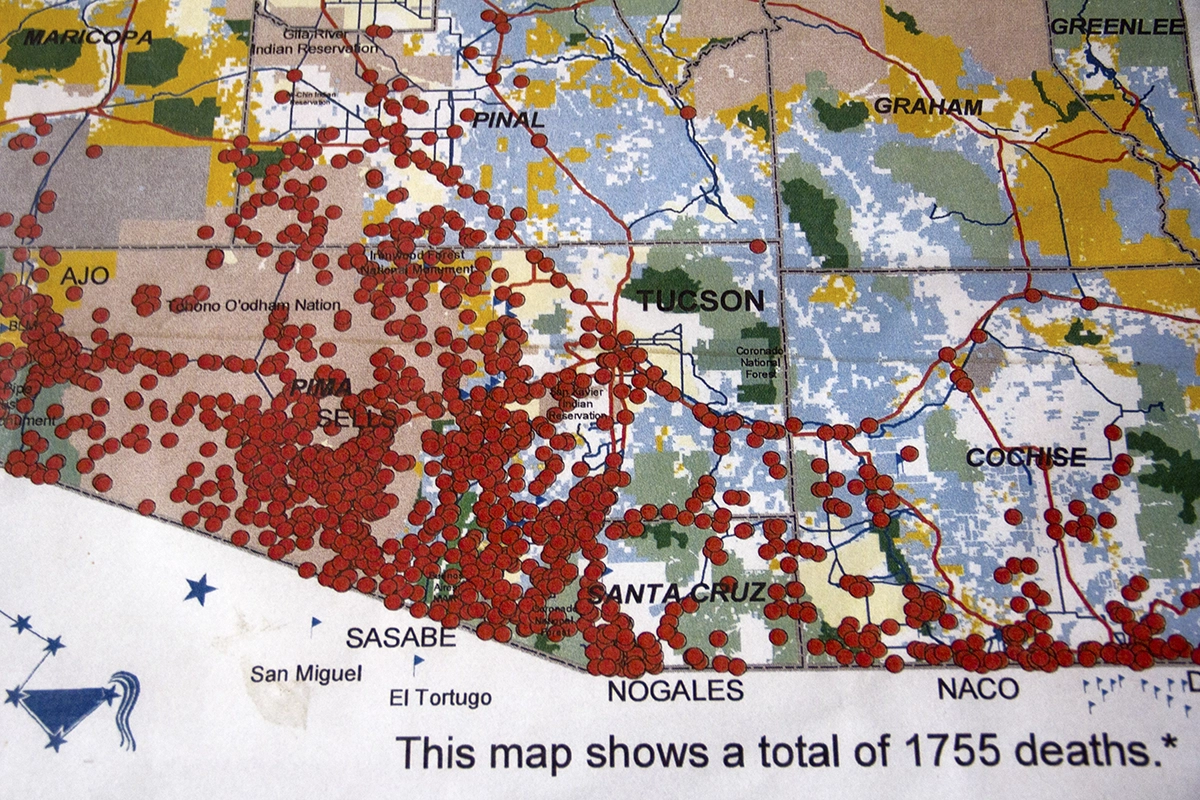
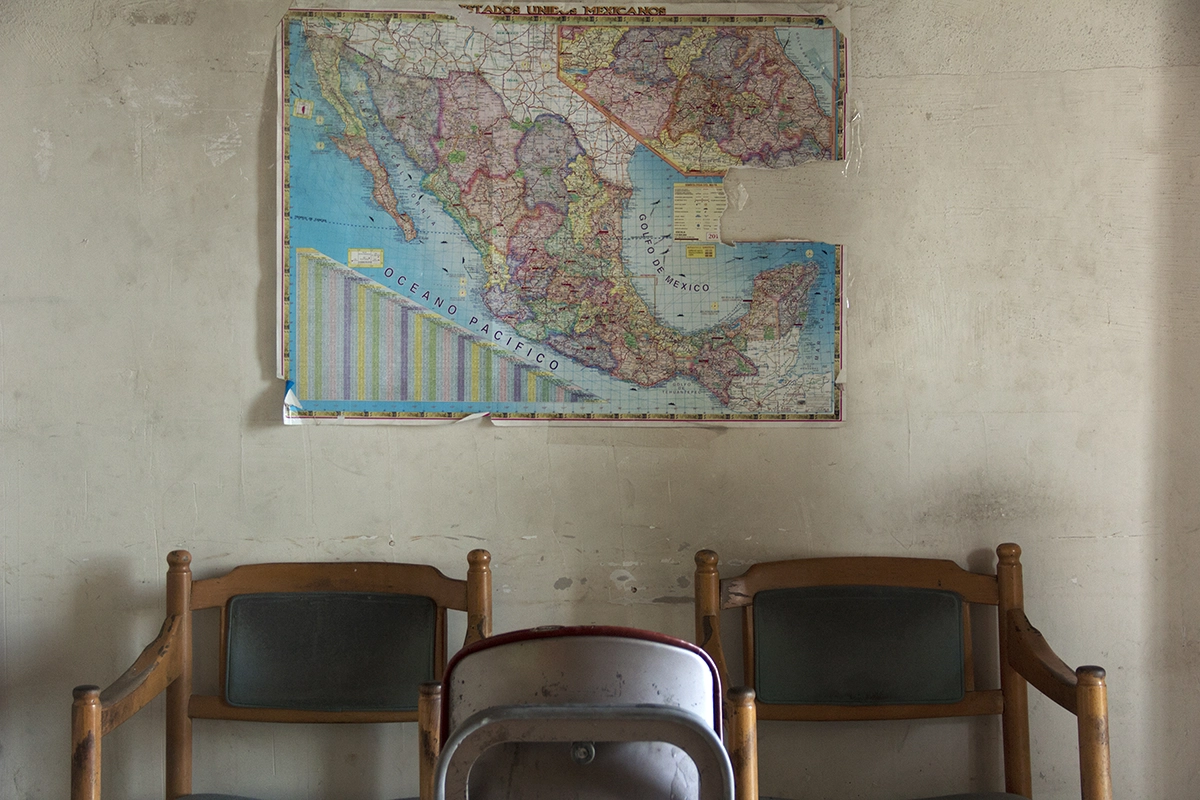
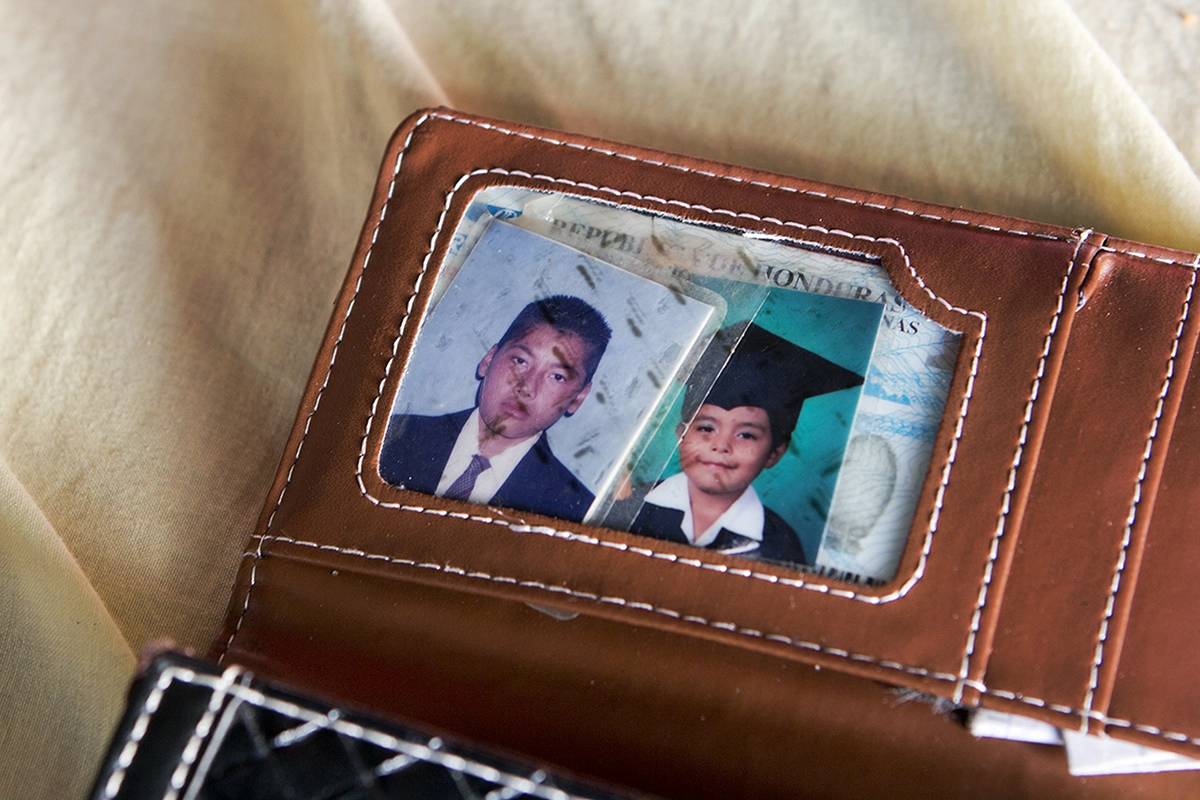
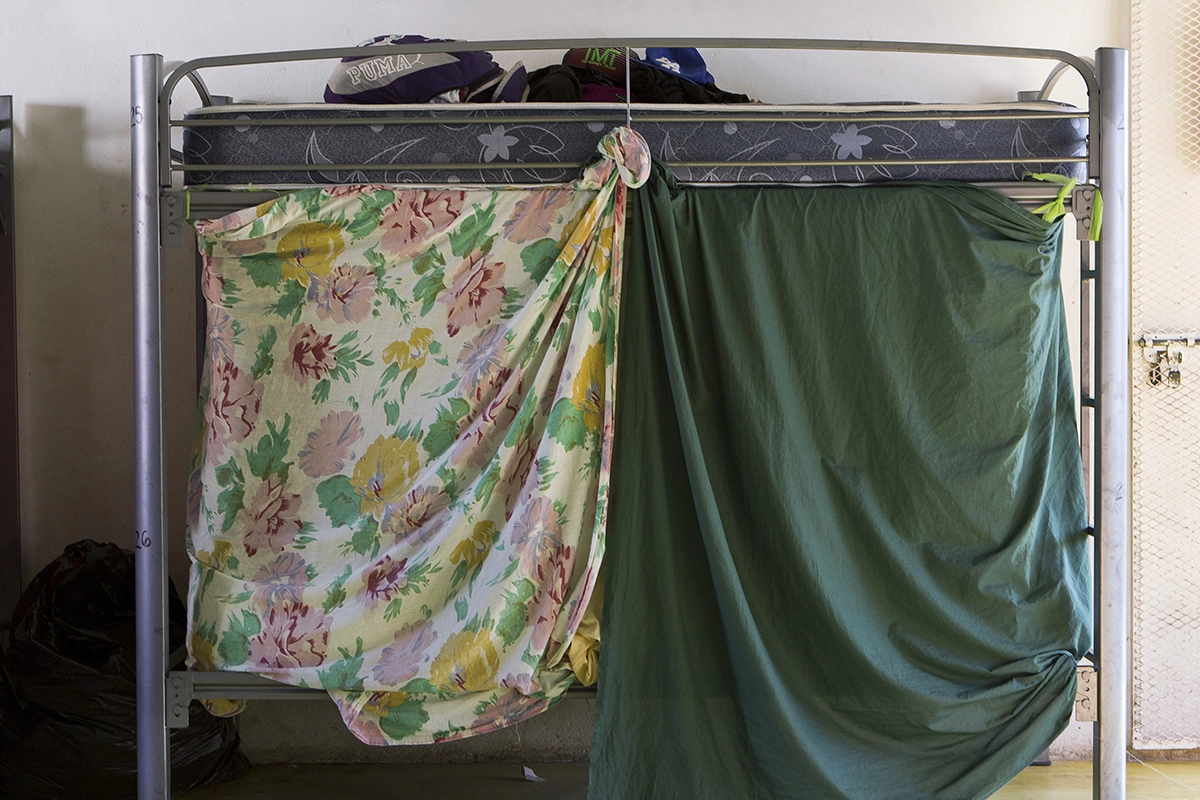
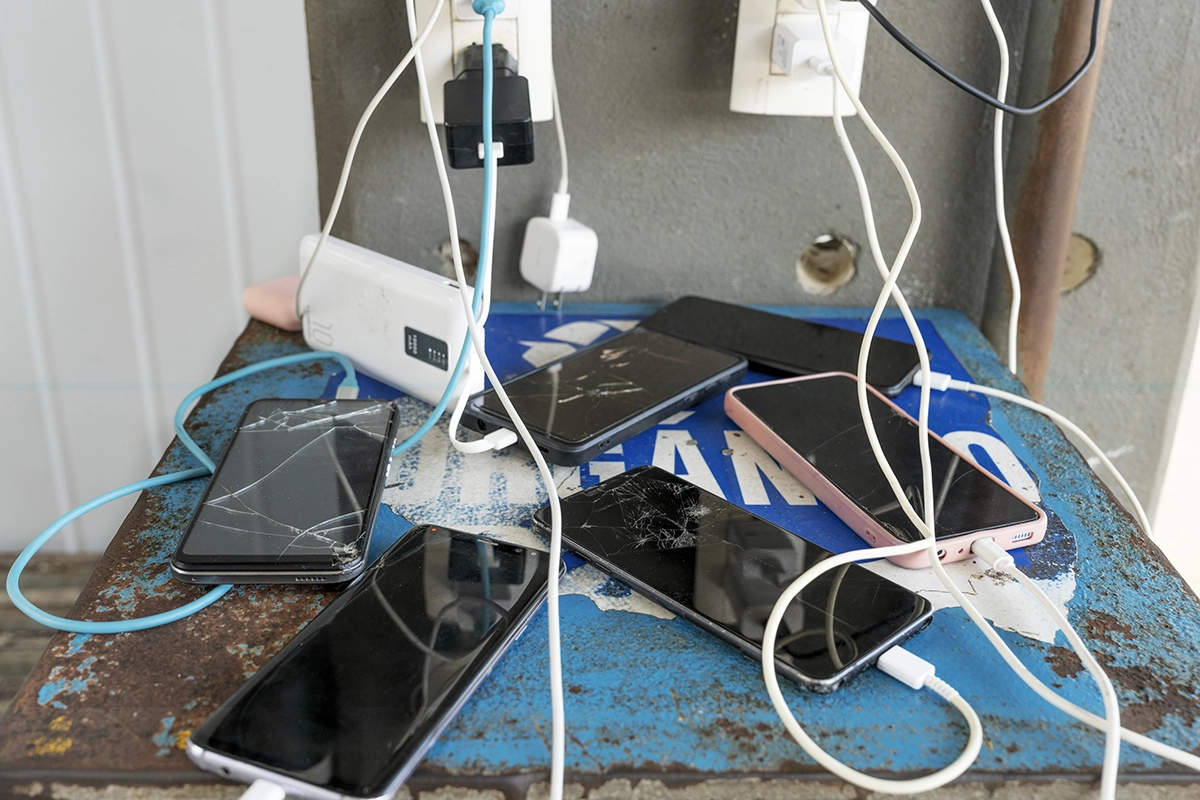
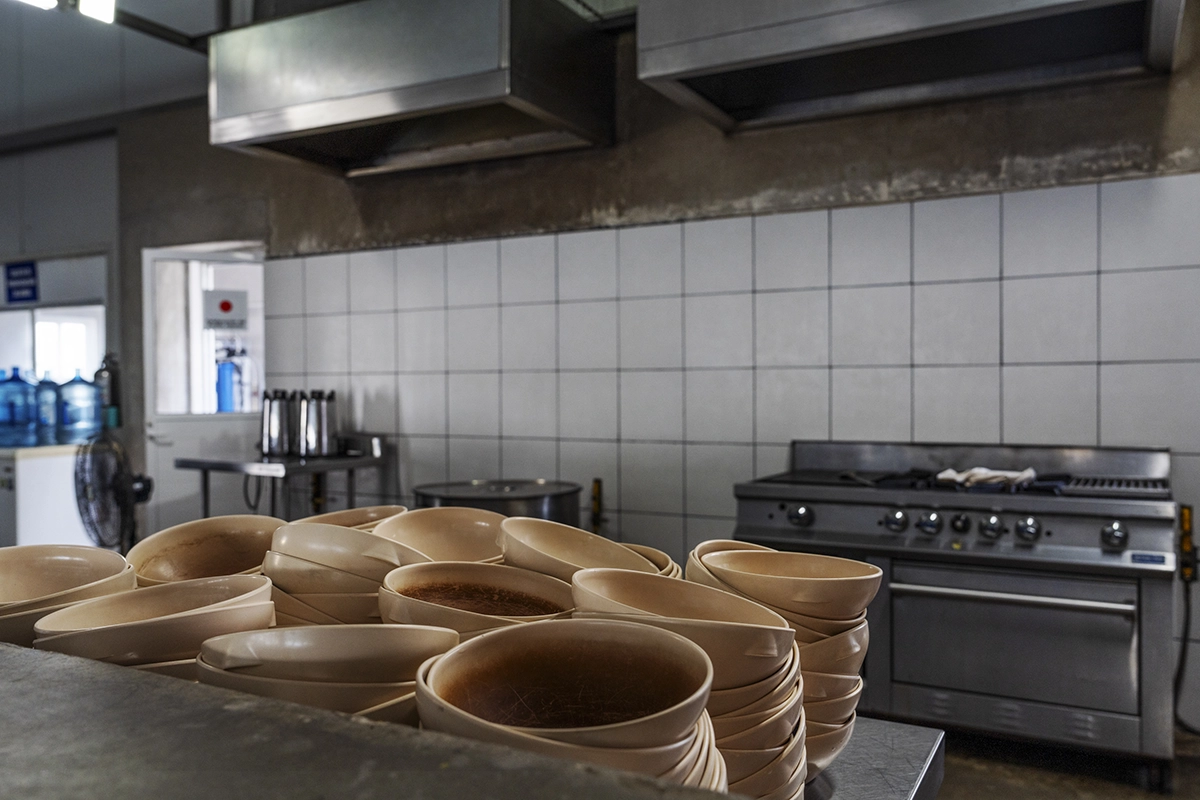
Through journeys along migratory routes, shelters, and transitional spaces across Mexico, the project focuses on the traces, objects, and territories that bear witness to these experiences. I am interested in observing roads, refuges, and abandoned belongings as marks of presence, memory, and resilience—objects that function as deferred portraits, capable of speaking about those who were there without directly exposing their identities.

Rather than solely documenting a humanitarian crisis, Passing Through seeks to create forms of representation that remain sensitive to the dignity of migrants, avoiding criminalization and stereotypical portrayals. The photographed spaces—rooms, dining halls, pathways, railway tracks—appear as temporary scenarios marked by waiting, uncertainty, and constant mobility.

My practice combines observation, listening, and accompaniment, understanding that these territories are shaped not only by violence, but also by strategies of survival, solidarity, and hope.

This project proposes a gaze that shifts attention from the face to the trace, from spectacularized events to the memory embedded in objects and spaces, constructing a visual narrative that seeks to foster awareness of the migrant experience from an ethical, critical, and deeply human perspective.

 

Inspiring Portfolios

Call for Entries
AAP Magazine #57 Portrait
Publish your work in our printed magazine and win $1,000 cash prizes
 
Stay up-to-date  with call for entries, deadlines and other news about exhibitions, galleries, publications, & special events.

More Great Photographers To Discover

Terri Gold
United States
1955
Terri Gold is a photographer known for her poetic infrared and color imagery of people from the remote corners of the globe. Her ongoing project "Still Points in a Turning World" explores our universal cross-cultural truths: the importance of family, community, ritual and the amazing diversity of its expression. As the timeless past meets the imminent future, indigenous cultures that still follow their traditional way of life are rapidly disappearing. At risk is a vast archive of knowledge and expertise. What is the value of ancient practices? What will be discarded and what will be treasured? If we share our stories and appreciate the mysteries of every realm, we may gain a deeper understanding of that which lies both behind and ahead of us. Her work has garnered many awards, is shown in galleries internationally and published extensively. Recent publications of her work include articles in the BBC Picture Desk, The Huffington Post, aCurator, and Featureshoot. She had a solo show at the Salomon Arts Gallery in New York in 2018. Her work won the Grand Prize in Shadow and Light magazine competition in 2019 and in The Santa Fe Photographic Workshops’ "Diversity" competition. She has received recent awards in the International Photography Awards, Prix de la Photographie, Paris (Px3), Humanity Photo Awards, and the Black and White Spider Awards. She is always happiest with a camera or three in her hands. Statement In the Sahel desert in Chad, the nomadic Wodaabe people spend months apart, searching out pastures for their herds and shelter for the families. When the rains are good, the clans celebrate with an extraordinary courtship ritual and beauty contest called The Gerewol and it's the men who are on parade. The sweltering desert region of Chad seems an unlikely place to be so concerned with beauty yet it is an integral part of the Wodaabe culture. They consider themselves to be the most beautiful people on earth. They display their beauty as a spiritual act, full of dignity and honor. Each person is an artist and they are their art. A living canvas. The intensity rises as they dance all night in their technicolor dreamcoats, a surreal line-dance. Many different arrangements are made at the festival, some for the night, some for a lifetime. All is possible at the Gerewol...
Ming Smith
United States
1973
Ming Smith is an American photographer. She was the first African-American female photographer whose work was acquired by the Museum of Modern Art in New York City. Smith was born in Detroit, Michigan, and raised in Columbus, Ohio. After graduating from Howard University in 1973, she moved to New York City, where she found work modeling. While in New York she met photographer Anthony Barboza, who was an early influence. Smith's approach to photography has included in-camera techniques such as playing with focus, darkroom techniques like double exposure, collage techniques and paint on prints. Her work is less engaged with documentation of events than with expression of experience. It has been described as surreal and ethereal, as the New York Times observed: "Her work, personal and expressive, draws from a number of artistic sources, preeminently surrealism. She has employed a range of surrealist techniques: photographing her subjects from oblique angles, shooting out of focus or through such atmospheric effects as fog and shadow, playing on unusual juxtapositions, even altering or painting over prints." Smith's early work was composed of photos that were shot quickly to produce elaborate scenes, and due to this process many of her photos have double dates. She has used the technique of hand-tinting in some of her work, notably her Transcendence series. Ming Smith has photographed many important black cultural figures during her career, including Alvin Ailey and Nina Simone. In 1973 Smith was featured in the first volume of the Black Photographers Annual, a publication closely affiliated with the Black Arts Movement of the 1960s and early 1970s. Smith had her first exhibition at Cinandre, a hairdressing salon, in 1973 as well. At Cinandre, she met Grace Jones, whom she photographed wearing a black and white tutu on occasion. Smith recalls that she and Jones would talk about surviving as black artists. Smith reflects on the memories by saying: "We came out of Jim Crow. And so just coming to New York and trying to be a model or anything was new." Two years later (1975), Smith became the first female member of the Harlem-based photography collective Kamoinge, under director Roy DeCarava. The Kamoinge Workshop was founded in New York in 1963 to support the work of black photographers in a field then dominated by white men. The collective, which still exists today, has undertaken a range of initiatives, including exhibitions, lectures, workshops, and the publishing of portfolios for distribution to museums. Smith participated with Kamoinge in three groups shows in New York and Guyana. Smith dropped off a portfolio at the Museum of Modern Art (MOMA), where the receptionist mistook her for a messenger. When she returned, she was taken into the curator's office. Susan Kismaric named a price for Smith's work, which Smith declined due to the price not paying off her bills. Kismaric asked Smith to reconsider, which she eventually did. Shortly after, she became the first Black woman photographer to be included in the collections of the Museum of Modern Art (MOMA) in New York City. In addition to the MOMA, Smith's art has been featured at the Schomburg Center for Research in Black Culture and the Smithsonian Anacostia Museum & Center for African American History and Culture in Washington, D.C. Smith has twice exhibited at the Bellevue Hospital Centre in Morristown, New Jersey, through their Art in the Atrium exhibitions. The first was in 1995, for Cultural Images: Sweet Potato Pie, an exhibit curated by Russell A. Murray. In 2008 she contributed as part of the exhibition New York City: In Focus, part of Creative Destinations 2008 Exhibition of African American Art. Smith's photographs are included in the 2004 Ntozake Shange book The Sweet Breath of Life: A Poetic Narrative of the African-American Family and Life. In 2010, her work was included in MOMA's exhibition Pictures by Women: A History of Modern Photography. This exhibition recontextualized Smith's work alongside that of Diane Arbus and marked a growing interest in Smith's work. Organized by curator Roxana Marcoci, it was curated by Sarah Meister through the Department of Photography. In 2017, a major survey exhibition of Smith's work was held at the Steven Kasher Gallery in New York. The exhibition featured 75 vintage black-and-white prints that represented Smith's career. Smith has collaborated with filmmaker Arthur Jafa in the Serpentine Sackler Gallery's 2017 show, Arthur Jafa: A Series of Utterly Improbable, yet Extraordinary Renditions (Featuring Ming Smith, Frida Orupabo and Missylanyus). That same year, she was featured in the Tate Modern group exhibition Soul of a Nation: Art in the Age of Black Power, curated by Mark Godfrey and Zoé Whitley. The show received international acclaim before traveling to Crystal Bridges Museum of American Art, The Brooklyn Museum, The Broad, the de Young Museum of San Francisco and the Museum of Fine Arts, Houston. Since then, Smith's work was featured in solo presentations by Jenkins Johnson Gallery both at Frieze New York and Frieze Masters in 2019, the former of which receiving the Frieze Stand Prize. In 2020, Ming's work will be included in the group exhibition Working Together: Louis Draper and the Kamoinge Workshop at the Virginia Museum of Fine Arts in Richmond, VA. From there, the exhibition will travel to The J. Paul Getty Museum in Los Angeles, CA, and the Whitney Museum of American Art, New York, NY.[19] Smith's work is in museum collections including the National Gallery of Art, Whitney Museum of American Art, Brooklyn Museum of Art, Philadelphia Museum of Art, Detroit Institute of Arts, Virginia Museum of Fine Arts, and the Schomburg Center for Research in Black Culture. Some of Smith's work displayed in the Museum of Modern Art depicts motherhood in Harlem. These photos are taken using a documentary style way of photographing these subjects. Ming Smith lives and works in New York City.Source: Wikipedia Ming Smith is known for her informal, in-action portraits of black cultural figures, from Alvin Ailey to Nina Simone and a wide range of jazz musicians. Ming’s career emerged formally with the publication of the Black Photographer’s Annual in 1973. She was an early member of the Kamoinge Workshop, an association of several generations of black photographers. Ming has traveled extensively, showing her viewers a cosmopolitan world filled with famous landmarks and extraordinary landscapes. People continue to be her most treasured subjects. This is most apparent in her series depicting African American life. Ming’s early style was to shoot fast and produce complicated and elaborate images in the developing and post-printing processes, so that many of her pictures carry double dates. She experimented with hand-tinting in My Father’s Tears, San Miguel de Allende, Mexico (1977/1979). Ming continues to expand the role of photography with her exploration of image and paint in the more recent, large-scale Transcendence series. Ming’s place in photography’s 175-year history was recognized by her inclusion in the Museum of Modern Art’s groundbreaking exhibition Pictures by Women: A History of Modern Photography in 2010. Ming Smith's photography is held in collections in the Museum of Modern Art, New York; the Schomburg Center for Research in Black Culture, New York; the Smithsonian Anacostia Museum & Center for African American History and Culture, Washington, DC and the AT&T Corporation.Source: Steven Kasher Gallery
Adam Bartos
United States
1953
Adam Bartos visited local speedways in rural New York, Florida and New Mexico where drivers race the super-stock class of car on quarter-mile dirt oval tracks. This elemental class of driver-owned racecar competes without corporate sponsorship, for minimal prize money, simply for the pure thrill and sport of weekend motor racing on tracks all over the U.S. The intrinsic aesthetic Bartos captures is that of a rather crude and utilitarian technology glamorized by the singularity of its purpose and accumulated patina, acquired at high speeds on dirt tracks.It is said that stock car racing originated in the 1920s, during prohibition, when "moon runners" began boasting about the speeds of their nighttime trips, often on backcountry roads, illegally transporting liquor. Soon they began to race with each other for sport on weekends. (Famously, Robert Mitchum played one of these runners in the 1950’s cult classic, Thunder Road).Adam Bartos’s work has been exhibited widely. His books include: International Territory (Verso, 1994), which looks at the aging modern architecture of the United Nations’ headquarters and, implicitly, the ideals which created it; Kosmos (Princeton Architectural Press, 2001), a then inconceivable look into the Russian space program; Boulevard (Steidldangin, 2005), a dialogue between Paris and Los Angeles; Yard Sale Photographs (Damiani Editore, 2009) and Darkroom (Steidldangin, 2012). His work is in the collections of the J. Paul Getty Museum, Los Angeles; the Museum of Fine Arts, Houston; the Museum of Modern Art, New York; the Whitney Museum of American Art, New York; the San Francisco Museum of Modern Art, and others. In 2013, he was shortlisted for the Prix Pictet, a global award in photography and sustainability, for his series Yard Sale Photographs.
Tatiana Wills
United States
1969
Tatiana Wills is an artist photographing creatives, highlighting the personality behind the artistic practice. Over the course of her multifaceted career, Wills ran the photo department at a notable entertainment agency in Los Angeles. While spearheading guerrilla marketing campaigns, her longing to be a part of a burgeoning art community was reignited, and she embarked on a personal project about the outsider art scene of the early aughts. She has photographed the likes of Shepard Fairey, Mister Cartoon, Gabrielle Bell, David Choe, Saber One, and Molly Crabapple. Other series in her vast repertoire include notable dancers and choreographers Kyle Abraham, Lucinda Childs, Jacob Jonas, and Michaela Taylor, along with a multitude of dance artists, all of which is inspired through a lifetime of documenting her daughter, Lily, and witnessing her journey to become a professional ballerina. Her photography book, Heroes & Villains: Portraits of Contemporary Artists, with Roman Cho, is a collection of portraits featuring more than 100 of the most iconic figures in the contemporary creative world. Her work has appeared in numerous major magazines, including GQ, Time, Juxtapoz, Nylon, IdN, LALA Magazine, on the silver screen in Banksy's street art documentary, Exit Through the Gift Shop, and on street banners in New York City and throughout Europe. She has exhibited in several galleries winning several awards along the way. She currently lives and works in Los Angeles, California. Statement To look at another person with intention is to engage in a moment of pure vulnerability. Especially now. There is so much available to us that shapes how we present and form ourselves for others that much of what constitutes us is also based on performance. My work is about looking past these performances and arriving at a kind of unvarnished selfhood. Portraiture has a long and complex history with representation, but, no matter its form, it is also uncompromising in its commitment to exploring what makes us us. Our appearances and our gestures, how we occupy space in the world. It is a way of looking not only at ourselves but viewing each other as well, a nexus between private and public, interior and exterior, approachability and distance. As someone deeply invested in and inspired by other artists in various fields, my current project has led to photographing creatives whose work often takes precedence over their own being. This project has culminated in my exploration of dancers, who, by the very nature of their field, are usually looked upon solely for the dexterity of their bodies and the ways in which those bodies can perform. My work pares them back, peeling away the performative qualities that usually define them, to arrive at that moment of vulnerability where they are free to be themselves in a new limelight. Exclusive Interview with Tatiana Wills
Laurent De Gebhardt
My childhood and adolescence were nourished by painting galleries and museums. Portrait and nude were my preference. After my studies, I crossed the Sahara and moved to the African bush for 2 years as a teacher then moved to Reunion Island where I began to make photo reports for NGOs. For a few years now, I have developed personal projects in artistic residency, mainly oriented towards the intimate and the portrait. My inner universe is imbued with a quest for an "original state" prior to any injury. The face is very often a revealing which does not deceive of this interior state and this quest specific to each one. Fascinated by the energy given off by the expression of a face, my work tries to draw closer with portraits to the reading of these inner states, perhaps to find my own way. Taxidermus Taxidermus is a series produced with the staff of the St-Denis Natural History Museum (Reunion Island). I wanted to play with the same characteristic codes of the first photos of the 19th century. The characters created posed with studied seriousness, in classic postures based on carefully chosen elements: armchair, desk, mirror, easel... Adventure and travel stories nourished my imagination from childhood and I found behind the scenes of the museum an atmosphere suitable for reviving these stories. I installed lights to recreate these chiaroscuro from the Flemish school and with the assistance of a team I dressed and styled these characters using authentic period costumes. I also found period objects in local associations and my hairdressing assistant studied period hairstyles to reproduce them as closely as possible
Fred Herzog
Canada
1930 | † 2019
Fred Herzog devoted his artistic life to walking the streets of Vancouver as well as almost 40 countries with his Leica, photographing - mostly with color slide film - his observations of the street life with all its complexities. Herzog ultimately became celebrated internationally for his pioneering street photography, his understanding of the medium combined with, as he put it, "how you see and how you think" created the right moment to take a picture. Fred was born Ulrich Herzog in Stuttgart, Germany in 1930 and spent his childhood in Rottweil, Germany. He lost both of his parents during the war, and in 1946 Herzog went to work as an apprentice in his grandparents' hardware store. Disillusioned by the ravages of war and the situation in Germany, he emigrated to Canada in 1952 and settled in Vancouver in 1953. During the next several years. Herzog studied photography magazines while working aboard ships for the CPR steamship line, and in 1957 he was hired as a medical photographer at St. Paul's Hospital. In 1961, he became the head of the Photo/Cine Division in the Department of Biomedical Communications at UBC, and in 1970 was appointed Associate Director of the Department. Herzog was also hired as an Instructional Specialist in the Fine Arts Department at Simon Fraser University in 1967, and in 1969 became an instructor in the Fine Arts Department at UBC. Herzog had a walking route through Vancouver that enabled him to build friendships with other photographers and neighborhood residents and gave him an acute understanding of the daily life and soul of Vancouver. Over the course of several decades, Herzog produced a substantial body of color photographs, taking urban life, second-hand shops, vacant lots, neon signage, and the crowds of people who have populated city streets over the past years as his primary subjects. Herzog's use of color was unusual in the 1950s and 60s, a time when fine art photography was almost exclusively associated with black and white imagery. Additionally, Herzog photographed using Kodachrome slide film which was notoriously difficult to print. For decades he remained virtually unknown until his mid-seventies when printing technology caught up, allowing him to make archival pigment prints that matched the exceptional color and intensity of the Kodachrome film. A retrospective exhibition, Fred Herzog: Vancouver Photographs, was held at the Vancouver Art Gallery in 2007 and was the first major recognition of Herzog's body of work. Herzog exhibited his work both in Canada and internationally, including the exhibitions Fred Herzog: Photographs, C/O Berlin, Germany (2010), Fred Herzog: A Retrospective, Equinox Gallery, Vancouver (2012), Eyes Wide Open! 100 Years of Leica Photography, Haus der Photographie, Hamburg, Germany (2015), Photography in Canada, 1960-2000, National Gallery of Canada, Ottawa (2017), and many others. In 2010 Herzog received an Honorary Doctorate from Emily Carr University of Art and Design, and in 2014 he received the Audain Prize for Lifetime Achievement in the Visual Arts. An artist profile on Herzog was featured on the Knowledge Network for the series Snapshot: The Art of Photography II in 2011. In 2014, Herzog's photograph Bogner's Grocery (1960) was released as a limited edition stamp as part of Canada Post's Canadian Photography Series. Herzog died on September 9, 2019 at age 88.Source: Wikipedia
Advertisement
AAP Magazine #57 Portrait
Win a Solo Exhibition in June
AAP Magazine #57 Portrait

Latest Interviews

Exclusive Interview with Carolyn Moore
American photographer Carolyn Moore explores the inner landscape of emotion, memory, and personal transformation through a deeply intuitive photographic practice. Her work unfolds as a quiet dialogue between artist and viewer, where images become a space for reflection, vulnerability, and connection.
Exclusive Interview with Luca Desienna and Laura Estelle Barmwoldt
For over seven years, Of Lilies and Remains has explored the depths of the goth and darkwave underground, unfolding in Leipzig—a city long associated with a vibrant and enduring subcultural scene. Moving between iconic gatherings such as Wave-Gotik-Treffen and more intimate moments on the fringes, the project offers a rare and immersive glimpse into a world often misunderstood, yet rich in expression and community. Created by Luca in collaboration with Laura Estelle Barmwoldt, the work embraces a cinematic and deeply personal approach. Rather than documenting from a distance, it moves within the scene itself, capturing its atmosphere, its codes, and its quiet contradictions. The title Of Lilies and Remains hints at this duality—where beauty and darkness, fragility and strength coexist. As the book prepares for its release, we spoke with both artists about the origins of the project, their process, and what it means to document a subculture that continues to evolve while remaining true to its spirit.
Exclusive Interview with Matthew Finley
American photographer Matthew Finley turns inward, using photography as a way to explore identity, memory, and emotional truth. Based in Los Angeles, his practice moves between performance, gesture, and found imagery, creating a visual language that is both intimate and deeply personal
Exclusive Interview with Jan Janssen
Dutch photographer Jan Janssen explores universal human experiences through his long-term project It Matters, winner of the May 2025 Solo Exhibition. Begun in 2016, the series captures intimate moments of everyday life—love, loss, connection, and belonging—across Central and Eastern Europe. Working in countries such as Turkey, Azerbaijan, and Armenia, Janssen spends extended time within communities, building relationships based on trust and respect. His approach allows him to move beyond observation, revealing deeply human and authentic moments. Rooted in travel and personal discovery, It Matters reflects Janssen’s search for what connects us all in an increasingly divided world. The project is ongoing and will culminate in a photobook scheduled for publication in 2026.
Exclusive Interview with Henk Kosche
German photographer Henk Kosche turns his lens toward the streets of Halle an der Saale, capturing everyday life in the late years of the former German Democratic Republic. At the time, Kosche was studying design and exploring the city with his camera, drawn to the atmosphere of its industrial landscape and the quiet rhythms of daily life. His series Street Photography at the End of the 80s, selected as the Solo Exhibition for July 2025, revisits a body of work created just before a period of profound change. Rediscovered decades later in a small box of 35mm negatives, these photographs offer glimpses of a city and its people at a moment suspended between the familiar and the unknown.
Exclusive Interview with Anastasia Samoylova
Anastasia Samoylova is an American artist whose photographic practice is shaped by close observation and a deep attentiveness to place. Working between documentary and formal exploration, she photographs landscapes, architecture, and everyday scenes with a sensitivity to light, structure, and atmosphere. Since relocating to Miami in 2016, her work has increasingly focused on how environments—both natural and built—carry social, cultural, and emotional traces. We asked her a few questions about her practice and her way of seeing, to better understand the thoughts and experiences that shape her work—while allowing the images themselves to remain open and speak in their own time.
Exclusive Interview with Marijn Fidder
Marijn Fidder is a Dutch documentary photographer whose work powerfully engages with current affairs and contemporary social issues. Driven by a deep sense of social justice, she uses photography to speak on behalf of the voiceless and to advocate for the rights of those who are most vulnerable. Her images have been widely published in major international outlets including National Geographic, CNN Style, NRC Handelsblad, Volkskrant, GUP New Talent, and ZEIT Magazin. Her long-term commitment to disability rights—particularly through years of work in Uganda—culminated in her acclaimed project Inclusive Nation, which earned her the title of Photographer of the Year 2025 at the All About Photo Awards. She is also the recipient of multiple prestigious honors, including awards from World Press Photo and the Global Peace Photo Award. We asked her a few questions about her life and work.
Exclusive Interview with Josh S. Rose
Josh S. Rose is a multidisciplinary artist working across photography, film, and writing. His practice bridges visual and performing arts, with a strong focus on movement, emotion, and the expressive potential of the image. Known for his long-standing collaborations with leading dance companies and performers, Rose brings together authenticity and precise composition—a balance he describes as “technical romanticism.” His work has been commissioned and exhibited internationally, appearing in outlets such as Vogue, at the Super Bowl, in film festivals, and most recently as a large-scale installation for Lincoln Center for the Performing Arts. A sought-after collaborator, he has worked with major artists, cultural institutions, and brands, following a previous career as Chief Creative Officer at Interpublic Group and the founder of Humans Are Social. We asked him a few questions about his life and work.
Interview with Maureen Ruddy Burkhart
Photographer Maureen Ruddy Burkhart brings a quietly attentive and deeply human sensibility to her exploration of the world through images. Shaped by a life immersed in photography, film, and visual storytelling, her work is guided by intuition, observation, and an enduring interest in the emotional undercurrents of everyday life. With a practice rooted in both fine art traditions and documentary awareness, she approaches her subjects with sensitivity, allowing subtle moments to emerge naturally rather than be imposed. Her series Til Death, selected as the Solo Exhibition for February 2025, reflects this long-standing commitment to photography as a space for reflection rather than spectacle. Drawn to moments that exist just outside the expected frame, Burkhart’s images suggest narratives without resolving them, leaving room for ambiguity, humor, and quiet connection. We asked her a few questions about her life and work.
Call for Entries
AAP Magazine #57 Portrait
Publish your work in our printed magazine and win $1,000 cash prizes