All about photo.com: photo contests, photography exhibitions, galleries, photographers, books, schools and venues.
FINAL DAYS TO WIN A SOLO EXHIBITION IN MAY 2026
Leonor Benito de la Lastra
© Joaquín Paredes Piris (Colidión)
Leonor Benito de la Lastra

Leonor Benito de la Lastra

Country: Spain

I was born in Barcelona. Yet my definitive connection to art and photography comes from Salamanca, where I studied at the Faculty of Fine Arts at its university until 1992. In 1997, I created a space entirely devoted to this medium, “El Fotógrafo,” which remained active until 2015. There I began to study the history of photography, the noble processes, optical devices… a way of seeing through photography.

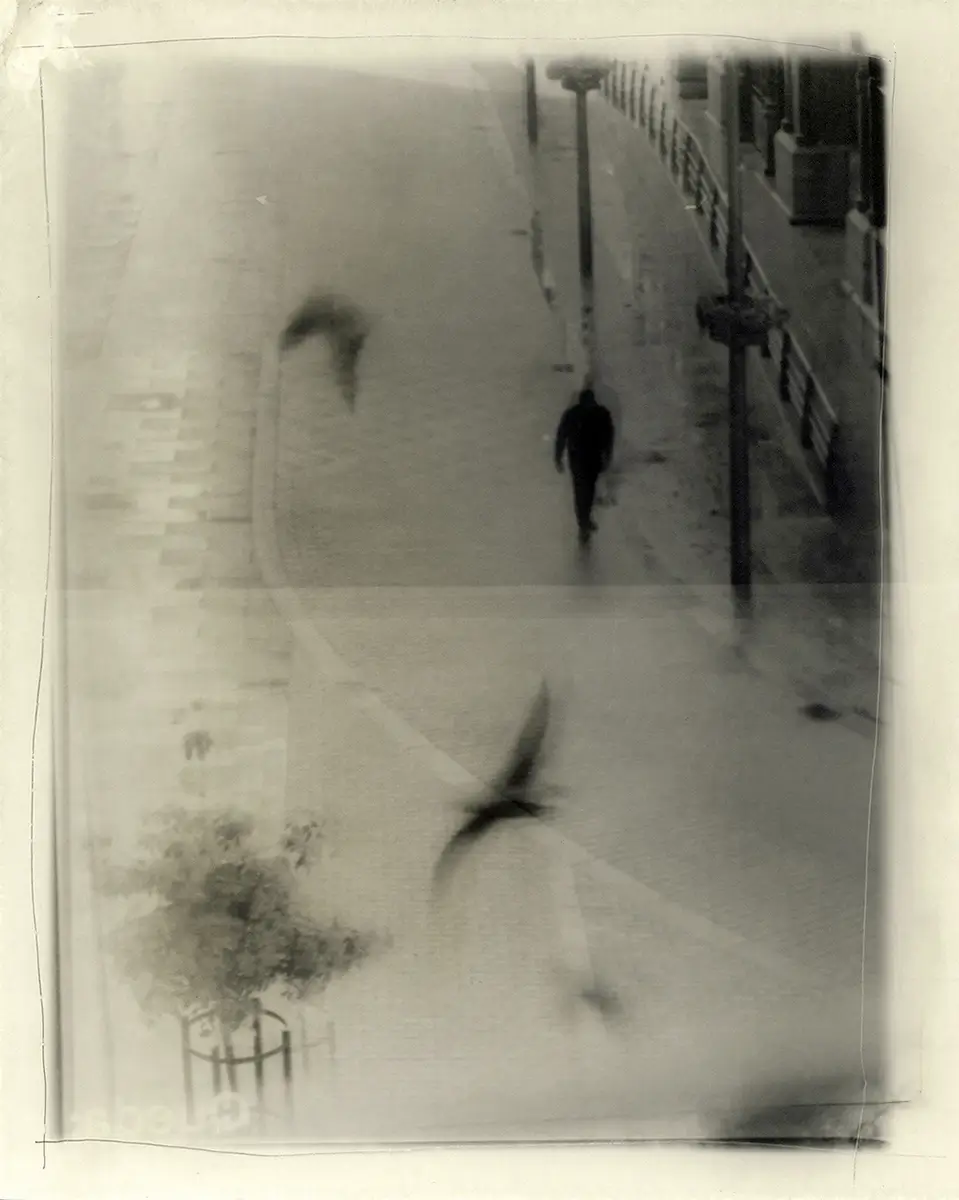
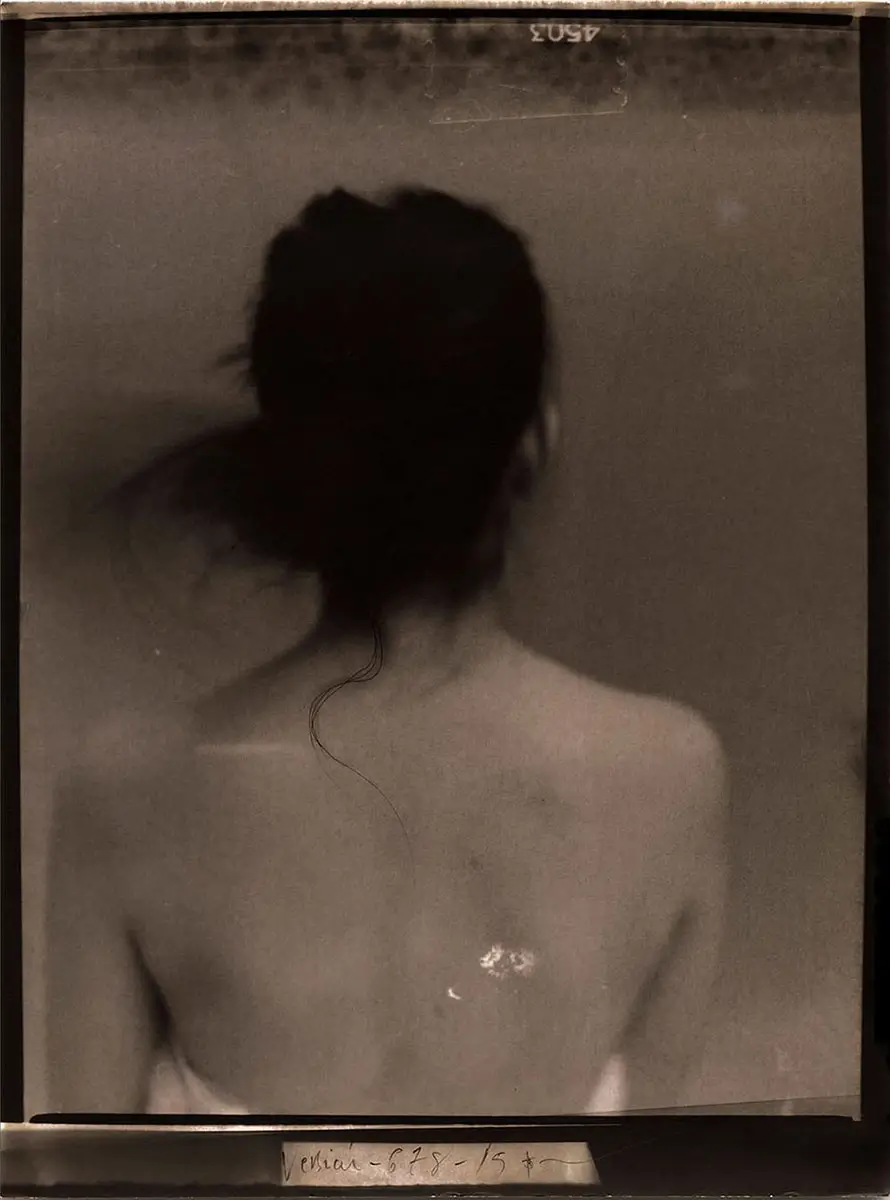
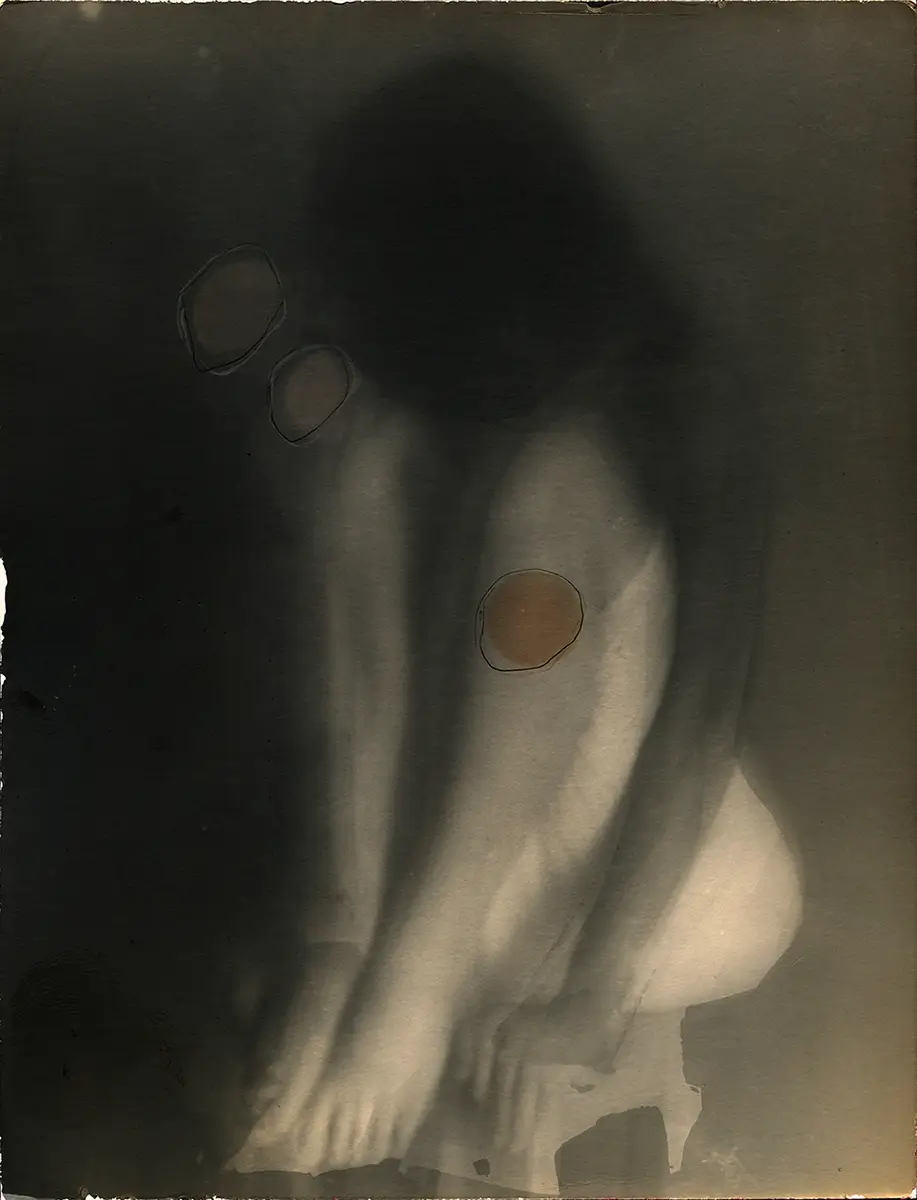
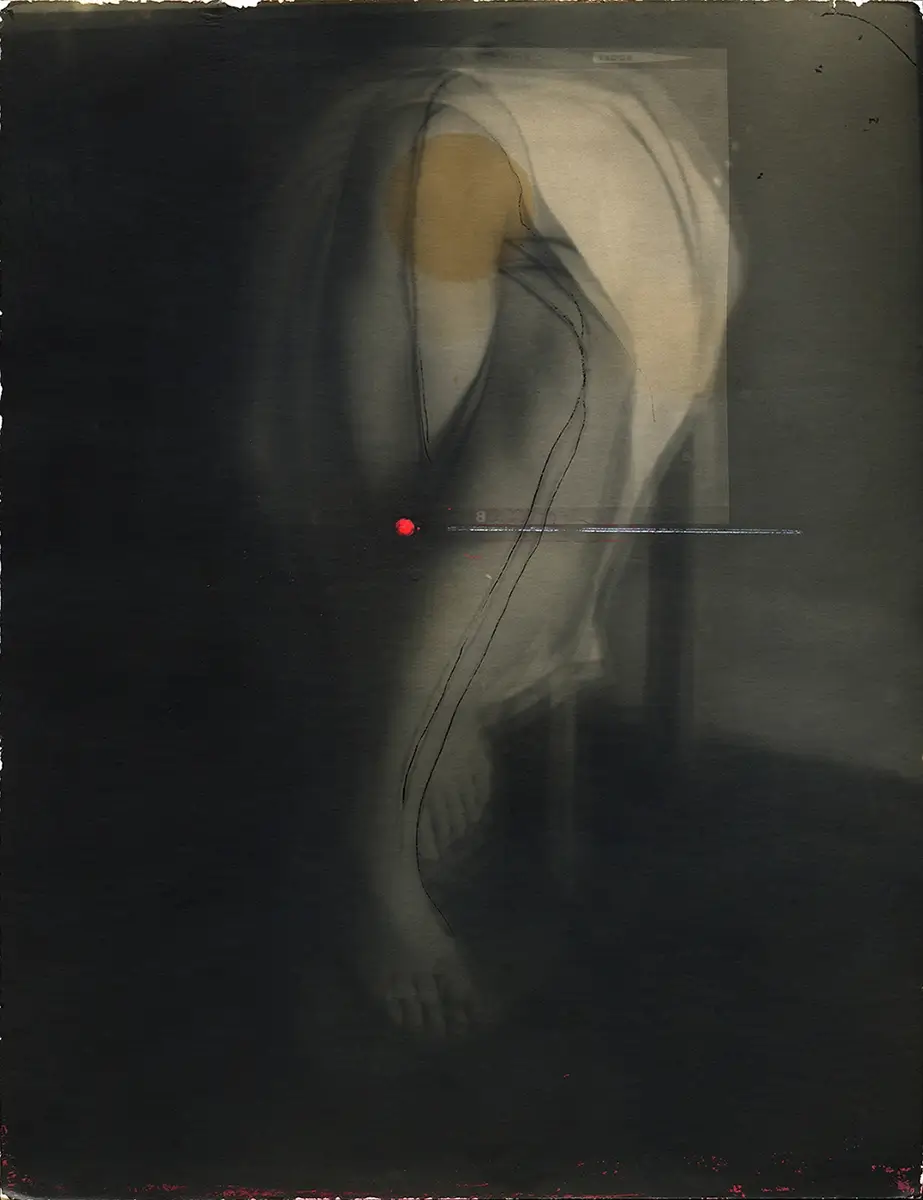
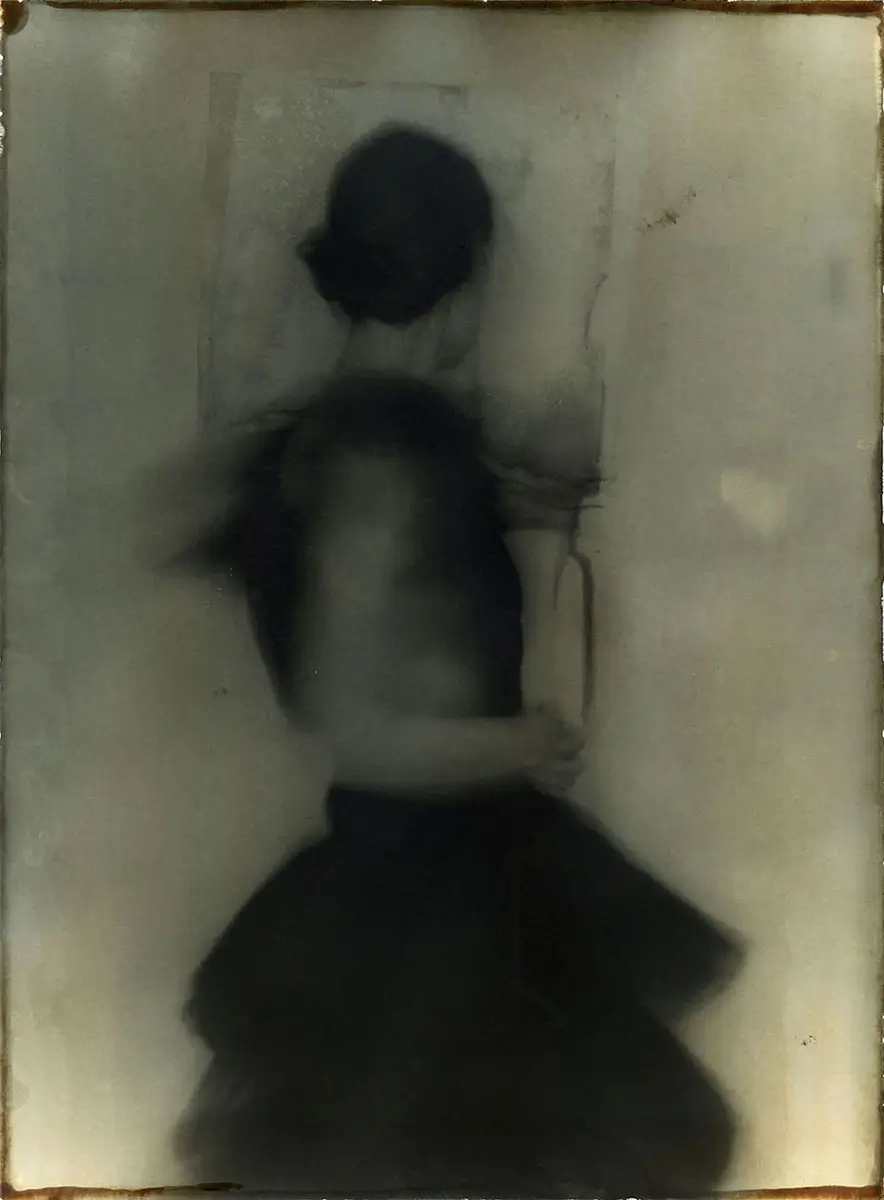
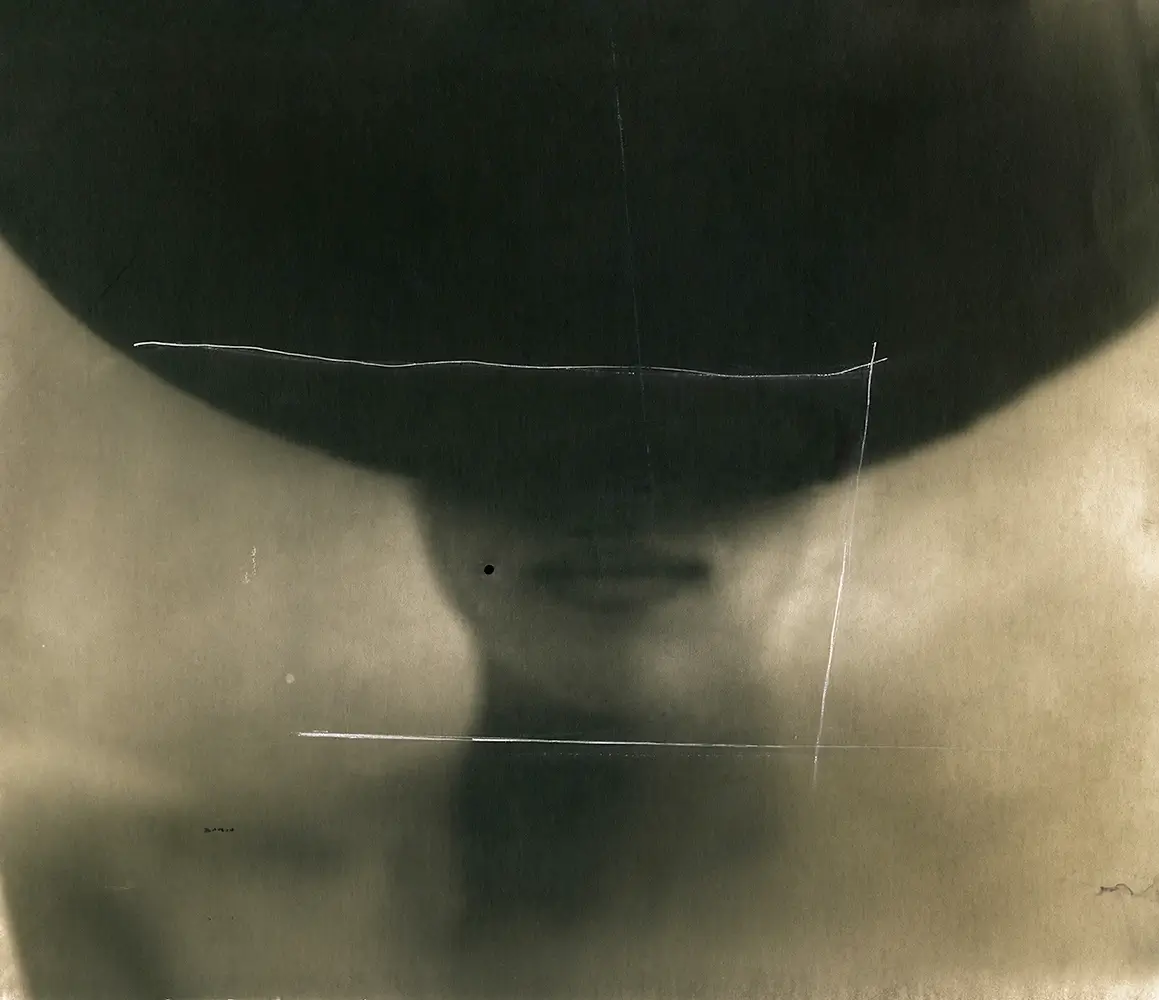
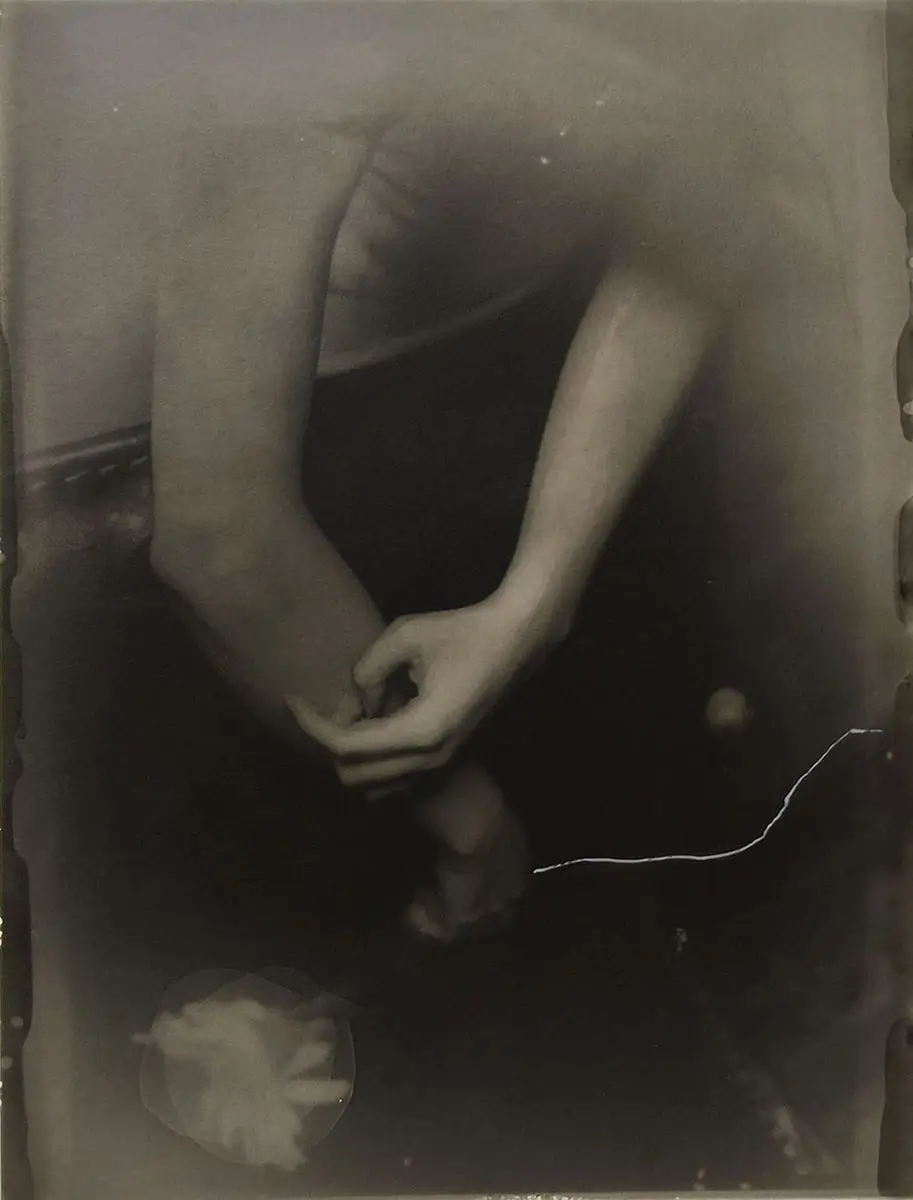
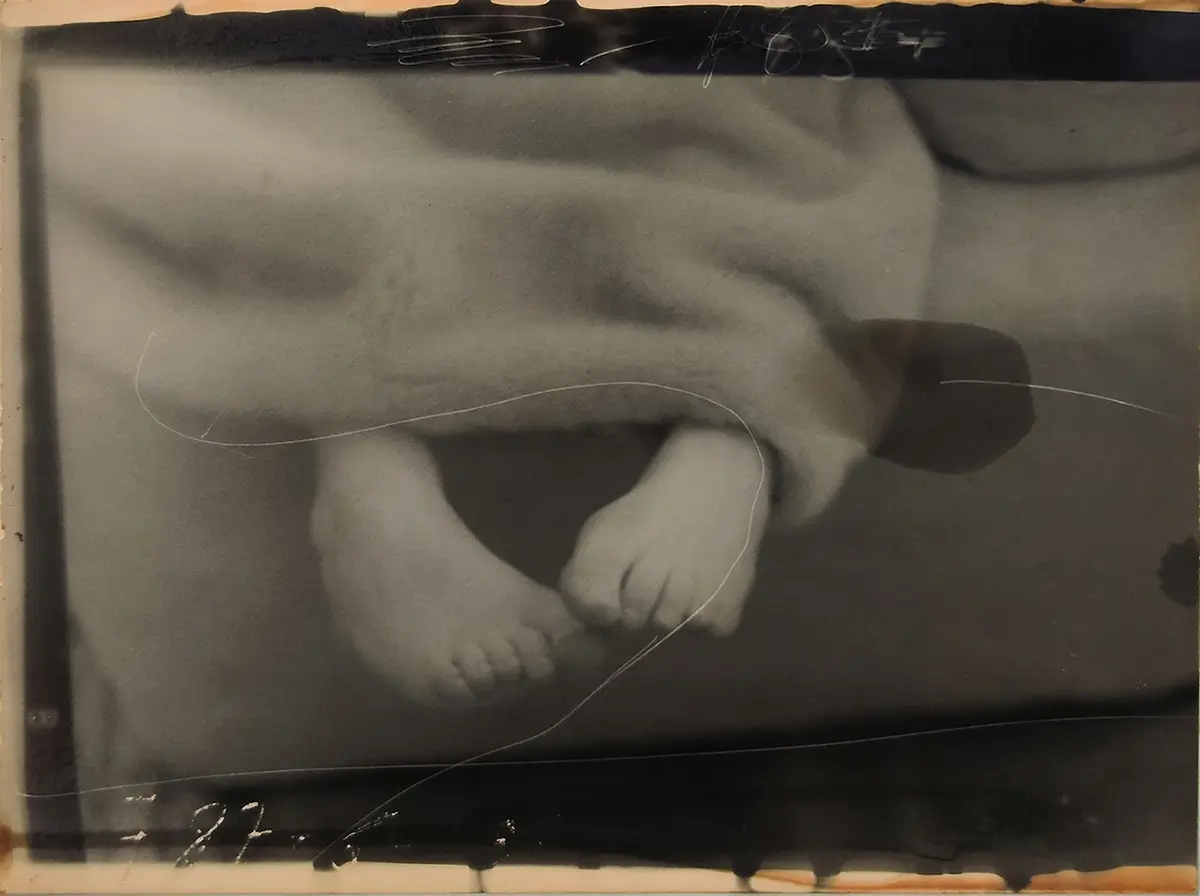
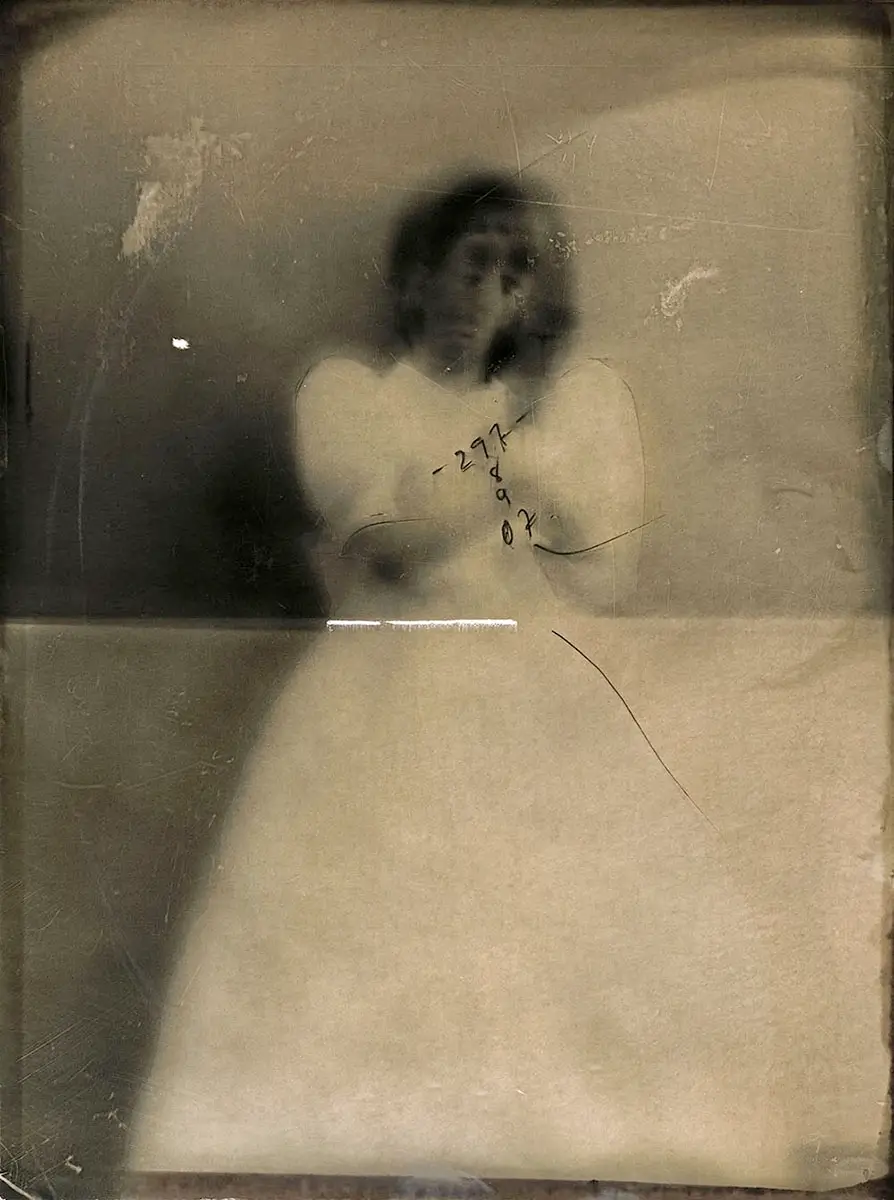
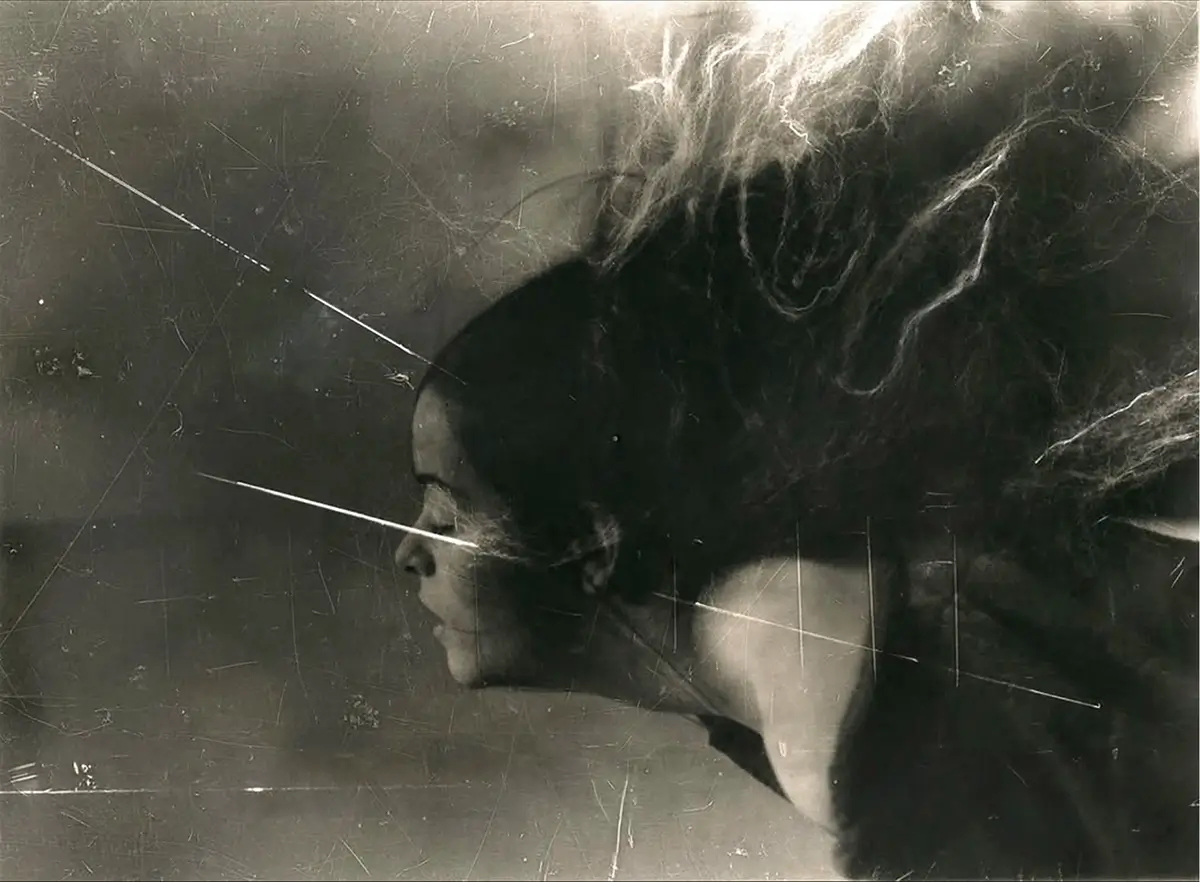
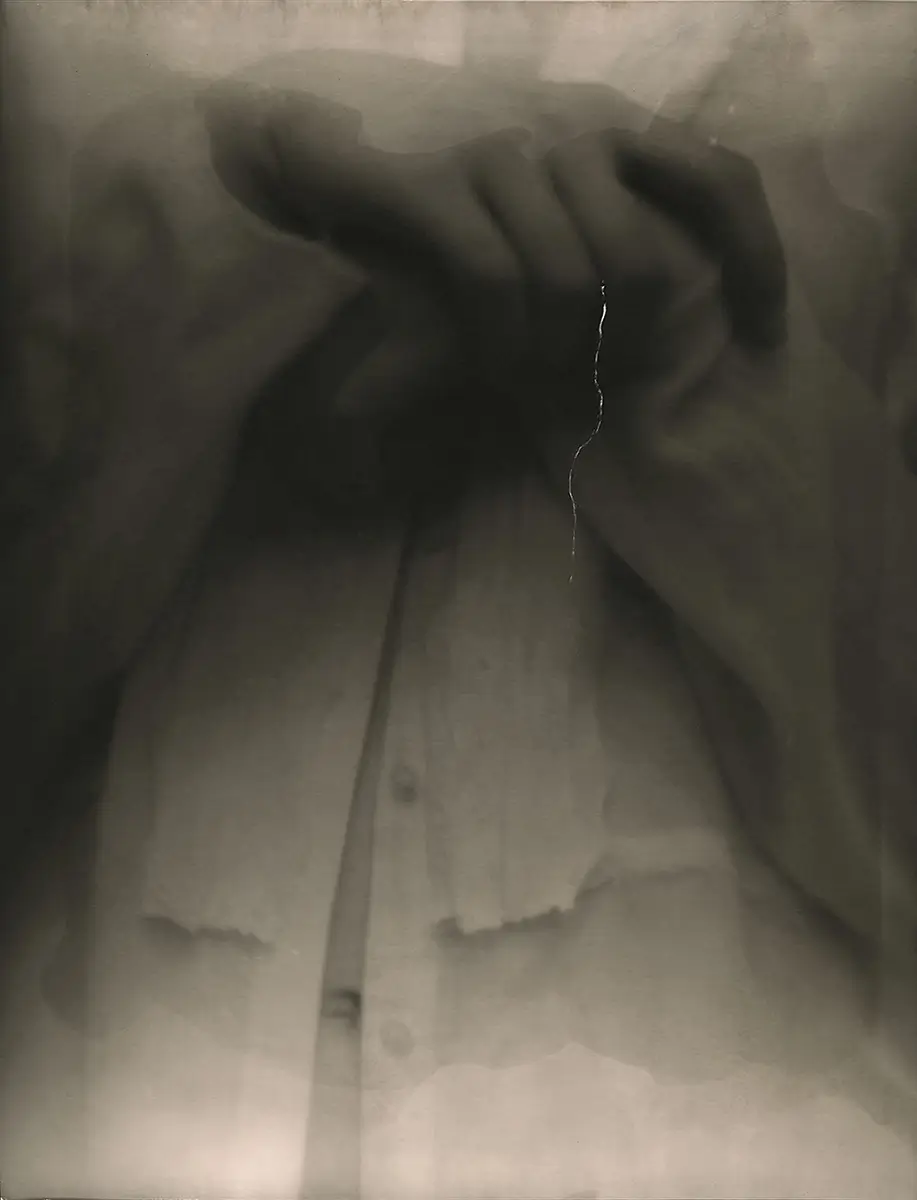
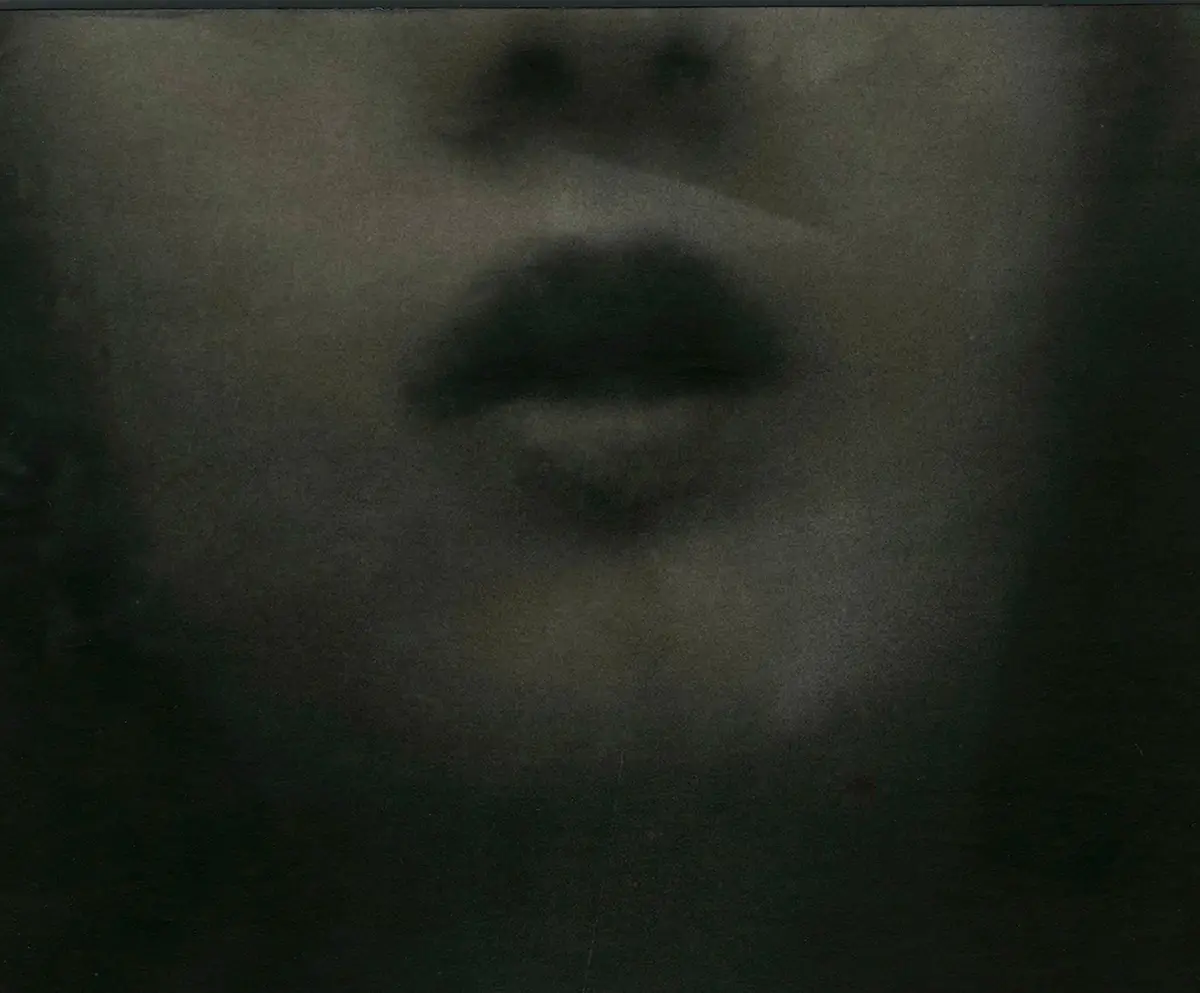
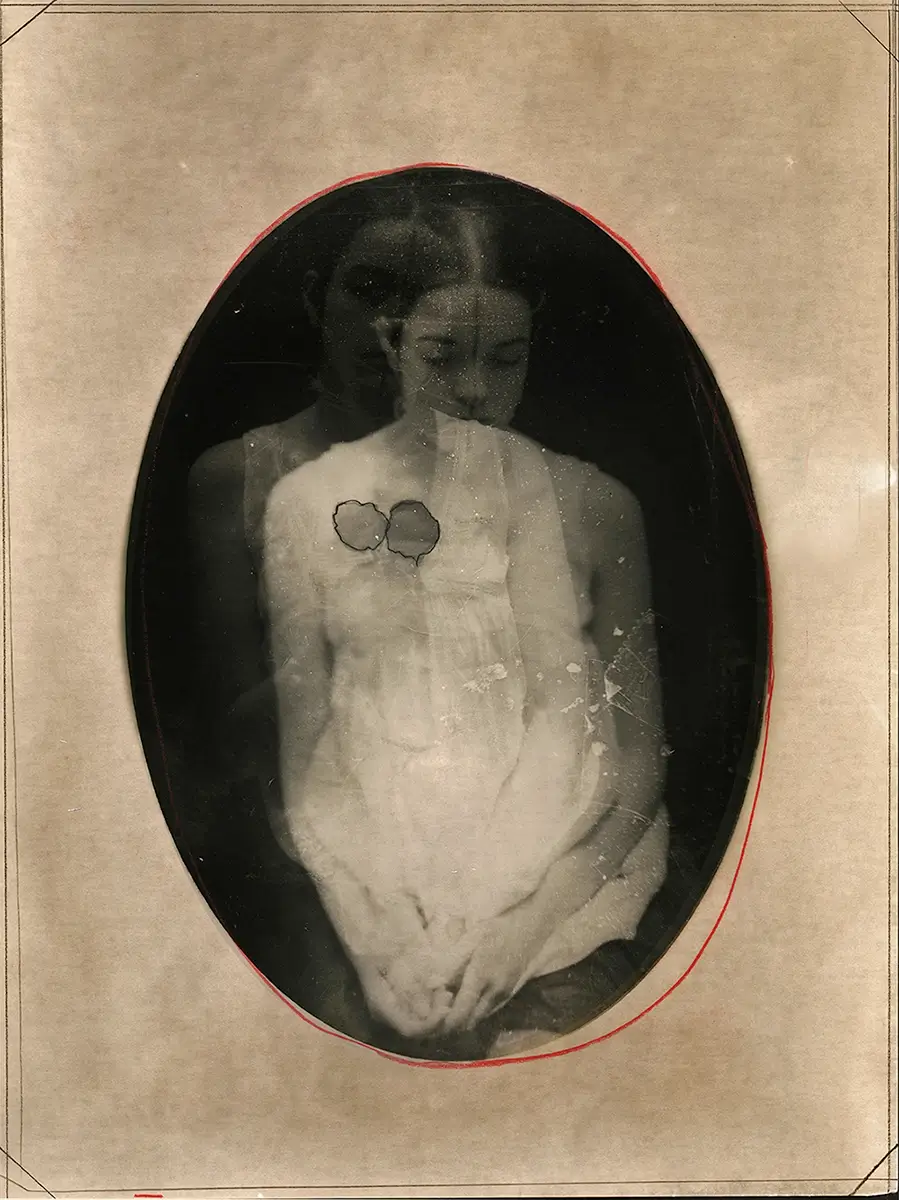
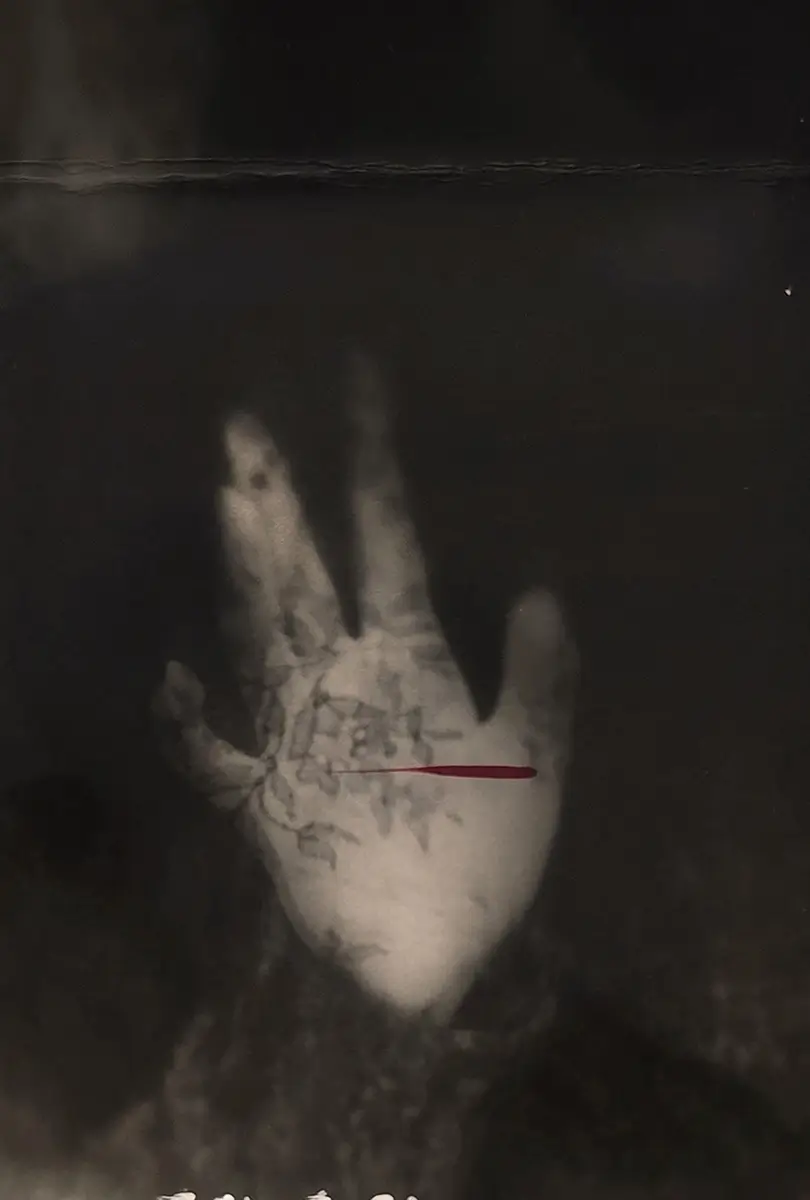
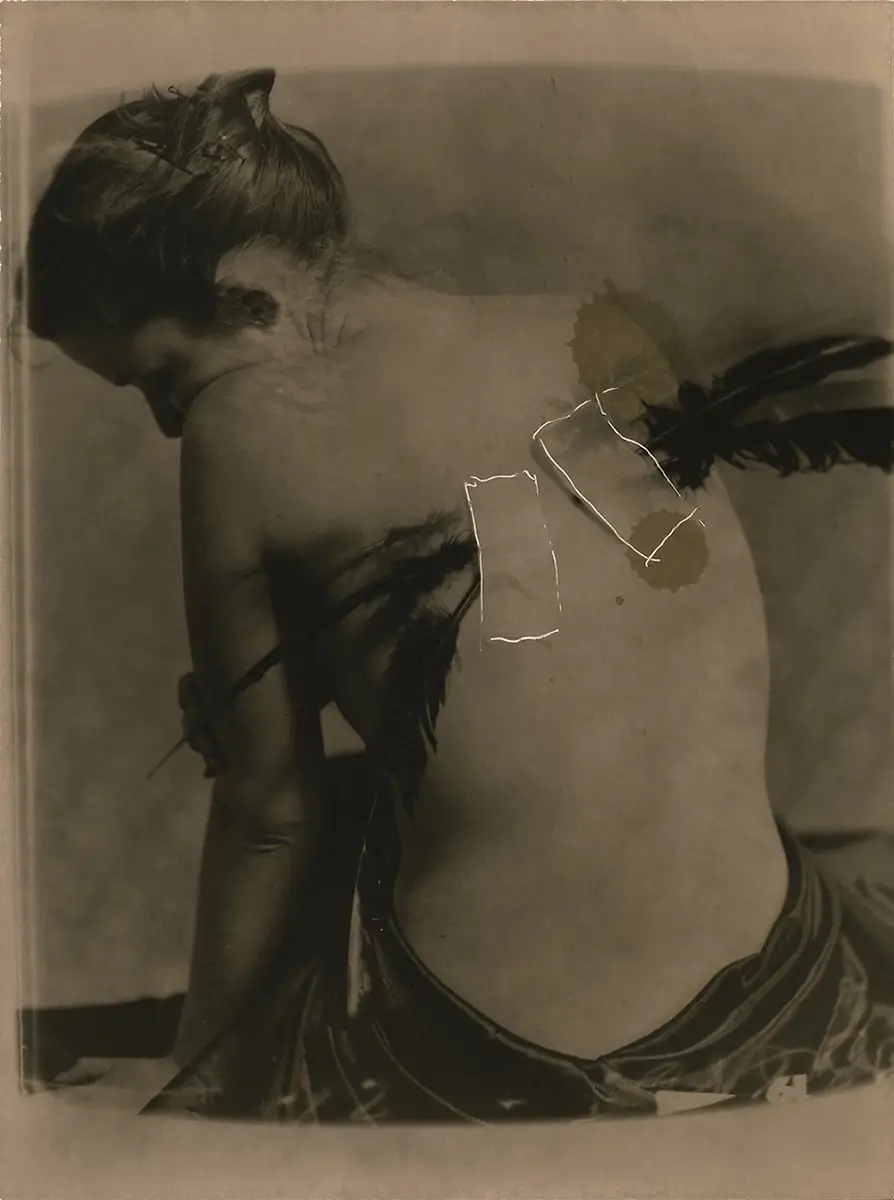
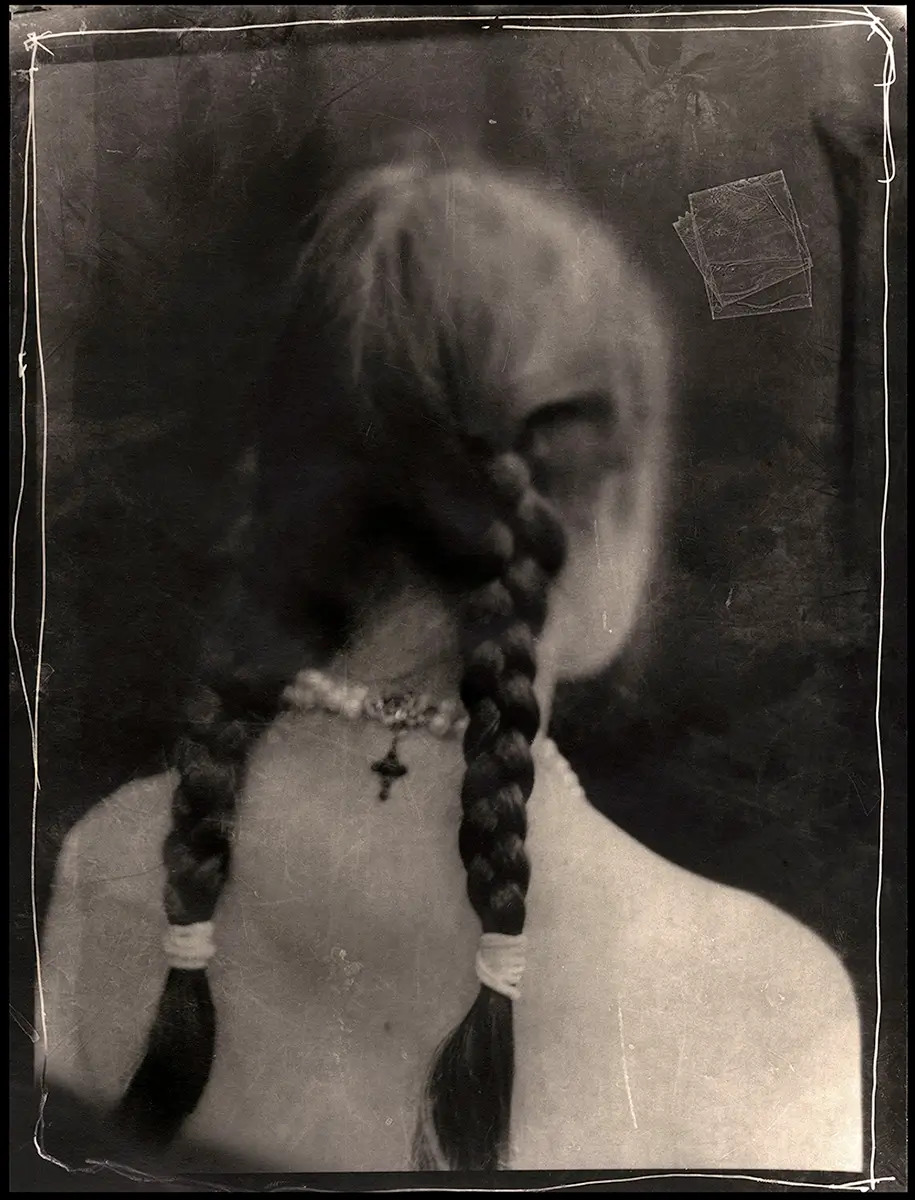
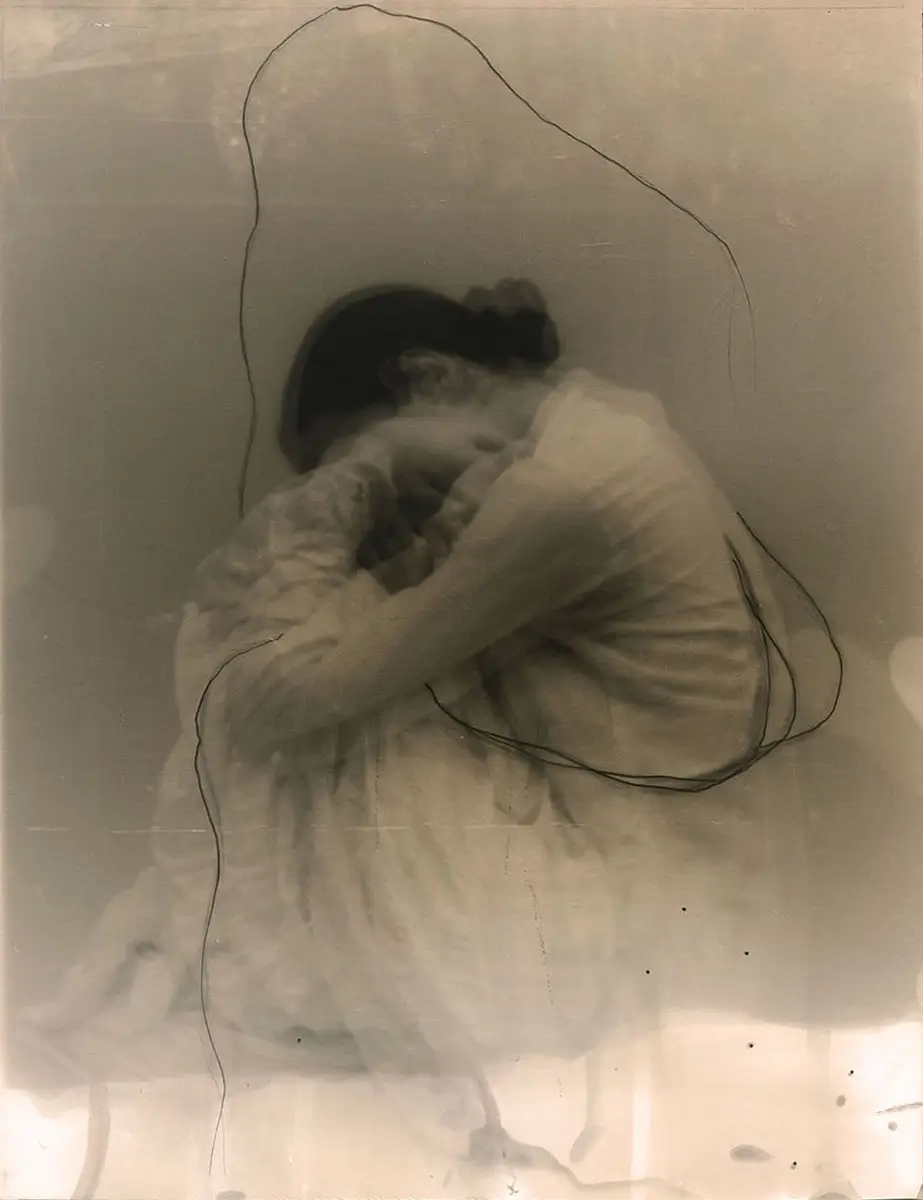
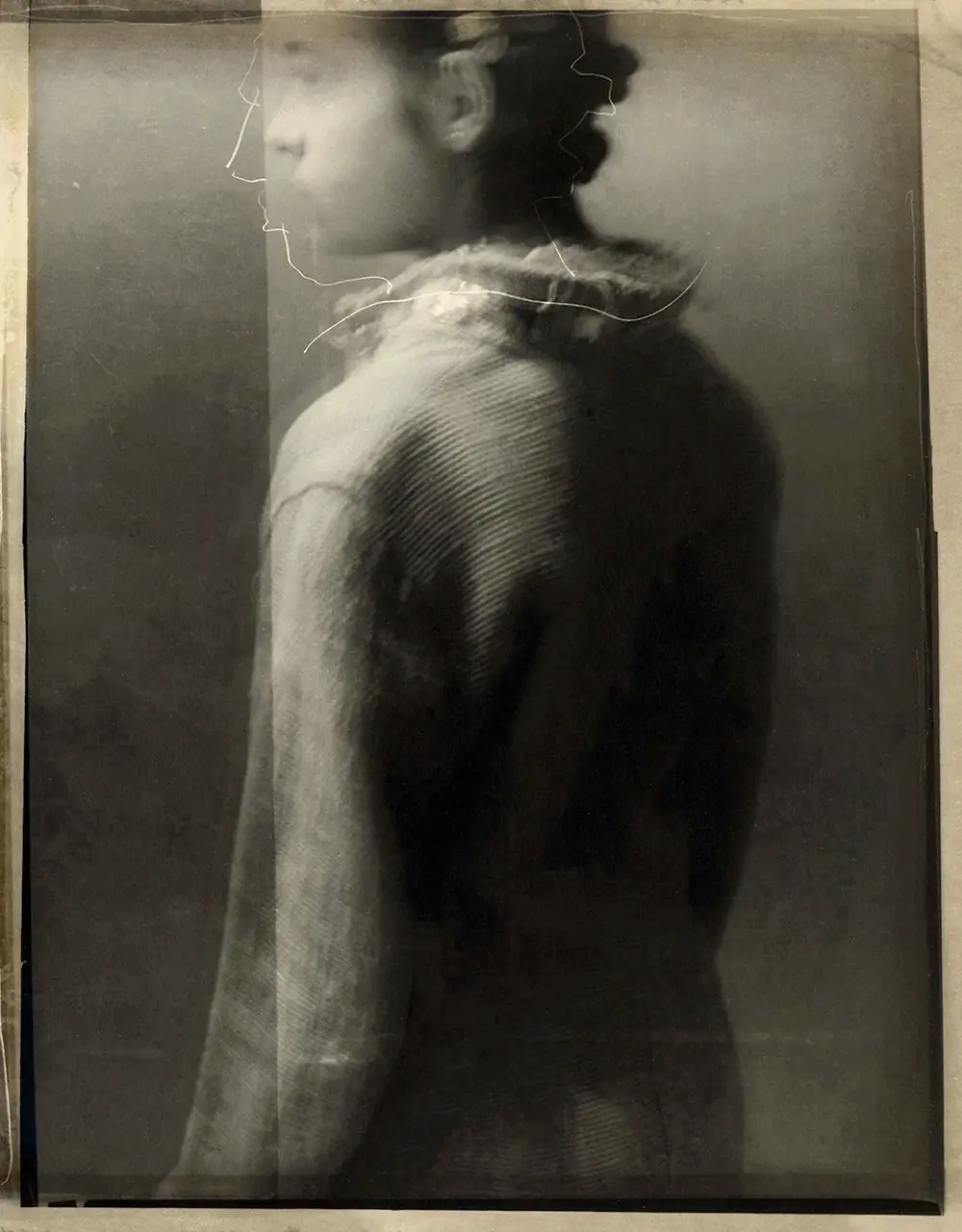
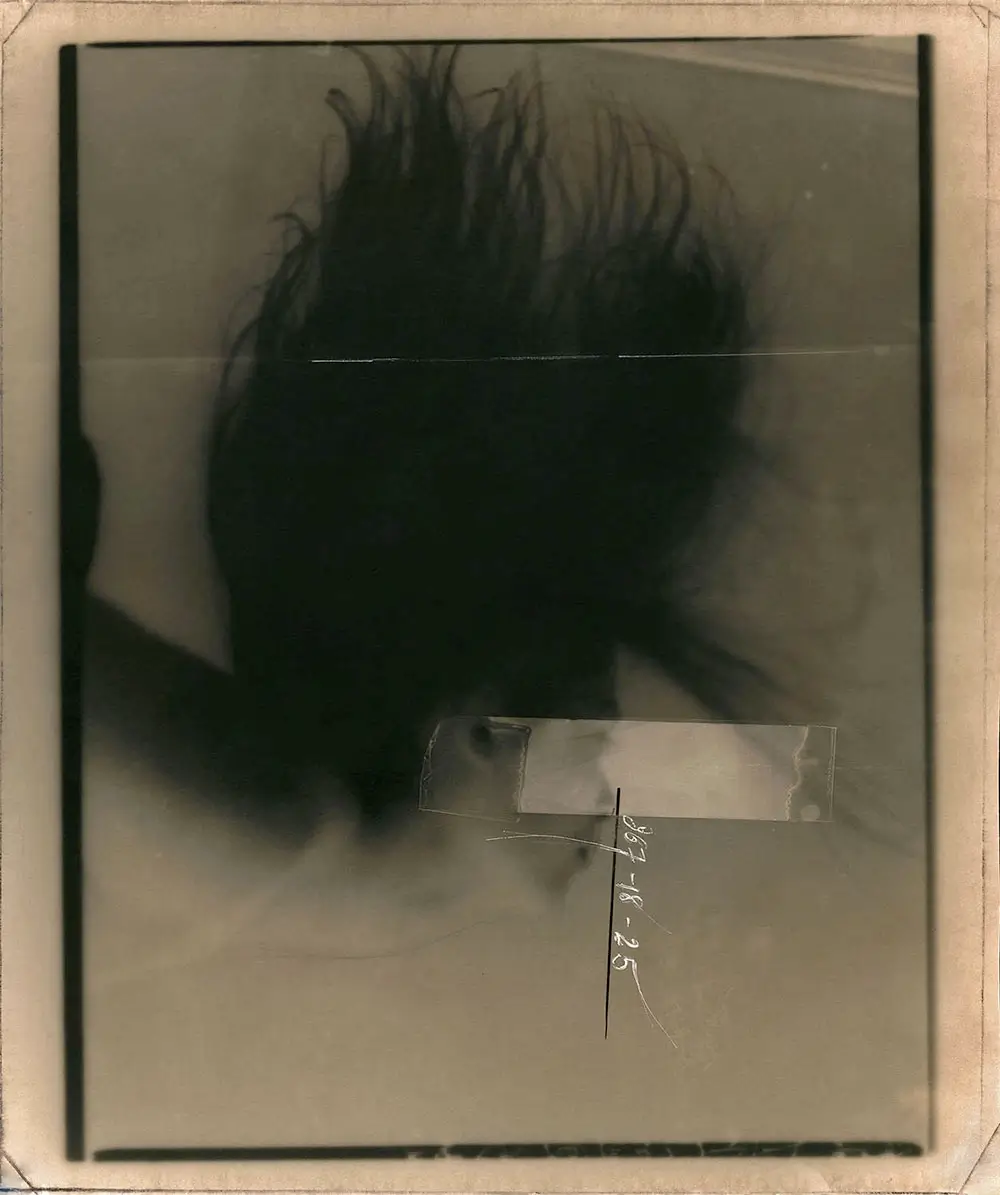
I have chosen analogue technique, black-and-white, the chemical process. These are my field of expansion. This attentive observation of the life of images is simultaneously an investigation into their nature, an attempt to delve into the invisible interiors of the photographic.

Statement
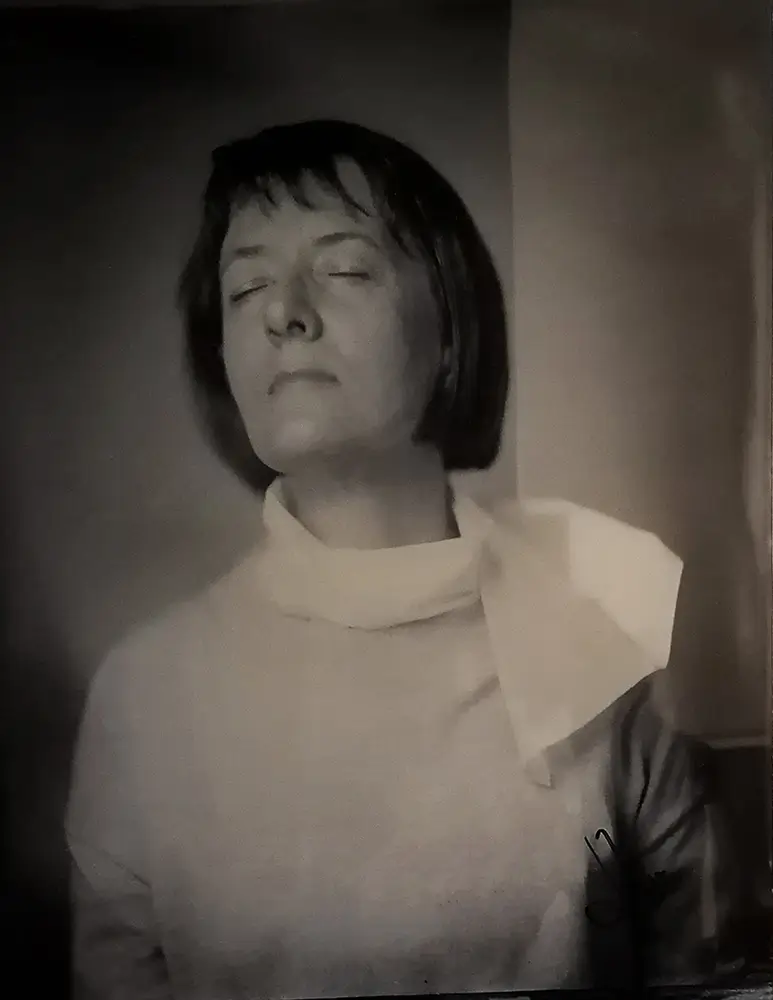
It is difficult to explain my work because it is difficult to explain oneself. Photographic practice, for me, constitutes an intimate act—an act of interpretation, definition, and expression of my own self. Photography has always been part of my life; it is my life. And I work alone with it. Solitude is the indispensable metaphor of the photographer. I work first as an observer and subsequently as a manipulator. It is within that solitary practice that I come to discover myself.

My work assumes a distinctly experimental character: an approach to the nature of the photographic medium and an inquiry into my own presence within the work.

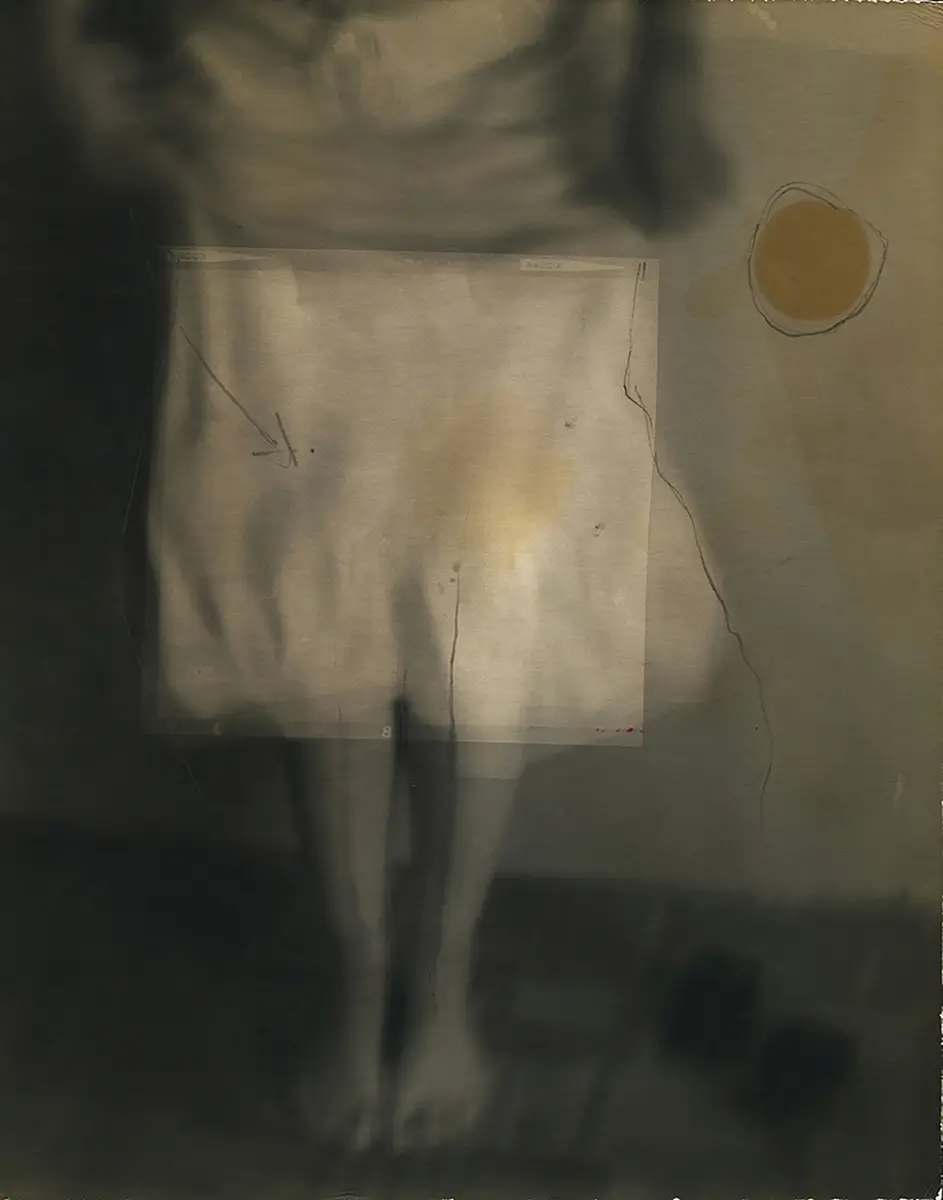
I employ a technique of destruction, recomposition, and montage that intensifies ruptures and dissonance, generating a field of plasticity understood as the organic condition of representational space.

It is a chemical black-and-white practice in which the darkroom becomes an encompassing space: a poetics of process—perhaps the true subject of my work.

A return to emotion: photography as an art of the sensible. A return, as well, to the aura.

AAP Magazine

AAP Magazine 55 Women

 

Inspiring Portfolios

Call for Entries
AAP Magazine #57 Portrait
Publish your work in our printed magazine and win $1,000 cash prizes
 
Stay up-to-date  with call for entries, deadlines and other news about exhibitions, galleries, publications, & special events.

More Great Photographers To Discover

Garry Winogrand
United States
1928 | † 1984
Garry Winogrand was an American street photographer, known for his portrayal of U.S. life and its social issues, in the mid-20th century. Photography curator, historian, and critic John Szarkowski called Winogrand the central photographer of his generation. Winogrand was influenced by Walker Evans and Robert Frank and their respective publications American Photographs and The Americans. Henri Cartier-Bresson was another influence although stylistically different. Winogrand worked as a freelance photojournalist and advertising photographer in the 1950s and 1960s. Between 1952 and 1954 he freelanced with the PIX Publishing agency in Manhattan on an introduction from Ed Feingersh, and from 1954 at Brackman Associates. Winogrand's beach scene of a man playfully lifting a woman above the waves appeared in the 1955 The Family of Man exhibition at the Museum of Modern Art in New York which then toured the world to be seen by 9 million visitors. His first solo show was held at Image Gallery in New York in 1959. His first notable exhibition was in Five Unrelated Photographers in 1963, also at MoMA in New York, along with Minor White, George Krause, Jerome Liebling, and Ken Heyman. Winogrand was known for his portrayal of American life in the early 1960s. Many of his photographs depict the social issues of his time and in the role of media in shaping attitudes. He roamed the streets of New York with his 35mm Leica camera rapidly taking photographs using a prefocused wide angle lens. His pictures frequently appeared as if they were driven by the energy of the events he was witnessing. Winogrand's photographs of the Bronx Zoo and the Coney Island Aquarium made up his first book The Animals (1969), a collection of pictures that observes the connections between humans and animals. He received three Guggenheim Fellowships to work on personal projects, a fellowship from the National Endowment for the Arts, and published four books during his lifetime. He was one of three photographers featured in the influential New Documents exhibition at Museum of Modern Art in New York in 1967 and had solo exhibitions there in 1969, 1977, and 1988. He supported himself by working as a freelance photojournalist and advertising photographer in the 1950s and 1960s, and taught photography in the 1970s. His photographs featured in photography magazines including Popular Photography, Eros, Contemporary Photographer, and Photography Annual. Critic Sean O'Hagan wrote in 2014 that in "the 1960s and 70s, he defined street photography as an attitude as well as a style – and it has laboured in his shadow ever since, so definitive are his photographs of New York"; and in 2010 that though he photographed elsewhere, "Winogrand was essentially a New York photographer: frenetic, in-your-face, arty despite himself." Phil Coomes, writing for BBC News in 2013, said "For those of us interested in street photography there are a few names that stand out and one of those is Garry Winogrand, whose pictures of New York in the 1960s are a photographic lesson in every frame." In his lifetime Winogrand published four monographs: The Animals (1969), Women are Beautiful (1975), Public Relations (1977) and Stock Photographs: The Fort Worth Fat Stock Show and Rodeo (1980). At the time of his death, his late work remained undeveloped, with about 2,500 rolls of undeveloped film, 6,500 rolls of developed but not proofed exposures, and about 3,000 rolls only realized as far as contact sheets being made.Source: Wikipedia Photography is not about the thing photographed. It is about how that thing looks photographed. -- Garry Winogrand A native New Yorker, Garry Winogrand became known for his street photography blending documentary and photojournalist styles and freezing his subjects in spontaneous and bizarre moments. Winogrand typically used a wide-angle lens mounted on a Leica 35mm camera and photographed prolifically, leaving 2,500 rolls of shot but undeveloped film and 300,000 unedited images upon his death. The tilted horizon and feeling of chaos in his images belie his careful compositions concerned with capturing surface detail and energy. Winogrand believed that the act of framing and photographing something transformed it. His images are often confrontational and take moments out of context, positioning Winogrand as an outside observer of human gestures and actions. Among Winogrand’s favorite subjects were women, and he described himself as being “compulsively interested in women” and having “compulsively photographed women.” A large part of Winogrand’s images in the collection of the MoCP form part of the Women are Beautiful portfolio (1981), which was initially published as a monograph in 1975. For the monograph, John Szarkowski, curator of photography at the Museum of Modern Art in New York at the time, selected eighty-five images featuring women from hundreds of photographs by Winogrand. The resulting book offers a random collection of women caught on the street, in parks, getting into cars, at parties, marching in parades, skinny-dipping in ponds, etc. The images capture not only Winogrand’s attraction to the women he photographed, but also the styles, activities, gestures, and energies pertaining to gender in the 1960s and 1970s, an era of transition during second-wave feminism and the sexual revolution. In the monograph and in the portfolio, Winogrand wrote: “Whenever I’ve seen an attractive woman, I’ve done my best to photograph her. I don’t know if all the women in the photographs are beautiful, but I do know that the women are beautiful in the photographs.”Source: Museum of Contemporary Photography
Liu Bolin
China
1973
Liu Bolin is an artist born in China’s Shandong province in 1973, and he earned his Bachelor of Fine Arts from the Shandong College of Arts in 1995 and his Master of Fine Arts from the Central Academy of Fine Arts in Beijing in 2001. His work has been exhibited in museums around the world. Also known as "The Invisible Man", Liu Bolin's most popular works are from his "Hiding in the City" series; photographic works that began as performance art in 2005. Liu belongs to the generation that came of age in the early 1990s, when China emerged from the rubble of the Cultural Revolution and was beginning to enjoy rapid economic growth and relative political stability. Since his first solo shows in Beijing in 1998, Liu Bolin’s work has received international recognition. Among other international venues, his distinctive photographs and sculptures have been shown at the major contemporary photography festival Les Rencontres d'Arles and he had solo shows at Dashanzi Art Zone in Beijing (2007), Galerie Bertin-Toublanc in Paris (2007), Eli Klein Fine Art in New York (2008), Galerie Paris-Beijing in Paris and Brussels (2013), Boxart Gallery in Verona (2008), Forma Foundation for Photography in Milan (2010). To celebrate US President Obama's visit to China, he made an effigy of Obama in his honor. He now lives and works in Beijing, China. Source: Wikipedia Born in 1973 in the northern province of Shandong, Liu Bolin trained at the prestigious Central Academy of Fine Arts, a student of the renowned artist Sui Jianguo, who mentored him at the beginning of his career. Liu belongs to the generation that came of age in the early 1990s, when China emerged from the rubble of the Cultural Revolution and was beginning to enjoy rapid economic growth and relative political stability. Liu Bolin is best known for his series of performance photography Hiding in the City. Since his first solo shows in Beijing in 1998, Liu Bolin’s work has received international recognition. Among other international venues, his distinctive photographs and sculptures have been shown at the major contemporary photography festival Les Recontres d'Arles and he had solo shows at Dashanzi Art Zone in Beijing (2007), Galerie Bertin-Toublanc in Paris (2007), Eli Klein Fine Art in New York (2008), Boxart Gallery in Verona (2008/2010). He now lives and works in Beijing. Source: Box Art Gallery Better known as The Invisible Man in media circles. He discusses the social concerns of his home country through his artistic practice, most prominently through his ‘camouflage’ installations. Traversing mediums such as performance, photography, Liu Bolin dissects the tense relationship between the individual and society by ‘disappearing’ into environments which are sites of contention and criticism. His “Hiding in the City” series has been displayed in numerous museums and institutions across the globe. Inspired by his powerful visual messages, artists and institutions and organizations such The Louvre (Paris, France), Harper’s Bazaar Magazine, JR, Carlos Cruz-Diez, Jon Bon Jovi and Kenny Scharf have invited Liu Bolin to collaborate on creative projects.Source: Liu Bolin Studio
Norm Diamond
United States
1948
Norm Diamond spent thirty years as an interventional radiologist in Dallas, Texas. Treating severely ill and injured patients on a daily basis had a profound effect on him, which he came to fully understand when he retired and began his second career as a fine art photographer. Mentored by Cig Harvey since 2013, he began making work focused on themes of memory, loss, and isolation. In his first major project, What Is Left Behind - Stories from Estate Sales, he visited several hundred estate sales searching for and photographing objects left by one generation for the next. Daylight Books published this work as a monograph in 2017. In his next series, Doug's Gym, he chronicled the last six months of a dilapidated, yet beautiful old gym in downtown Dallas. It was owned by 87-year-old Doug Eidd, who had run the gym since 1962. Both he and the gym came from a bygone era never to be seen again. Kehrer Verlag published Doug's Gym in 2020. Diamond has now returned to an old project, Dark Planet. It reflects his worldview drawn from his experiences as a physician, his family background, and current events. The images reflect the same themes he has photographed for his two previous projects, but they are not tethered to specific locations or settings. Diamond was named a finalist in the Photolucida Critical Mass competitions of 2015, 2016, 2018, 2019, and 2020. The Afterimage Gallery in Dallas and the Cumberland Gallery in Nashville have hosted solo shows of his work. His prints are in the hands of private collectors and have also been shown in multiple galleries and museums including Ogden Museum of Southern Art, Griffin Museum of Photography, Masur Museum of Art, Houston Center for Photography, Center for Fine Art Photography, and Center for Photographic Art. Doug's Gym: The Last of Its Kind By Norm Diamond Doug's Gym: The Last of Its Kind Norm Diamond What Is Left Behind: Stories From Estate Sales
Roman Vishniac
Russia/United States
1897 | † 1990
Roman Vishniac was a Russian-American photographer, best known for capturing on film the culture of Jews in Central and Eastern Europe before the Holocaust. A major archive of his work was housed at the International Center of Photography until 2018, when Vishniac's daughter, Mara Vishniac Kohn, donated it to The Magnes Collection of Jewish Art and Life at the University of California, Berkeley. Vishniac was a versatile photographer, an accomplished biologist, an art collector and teacher of art history. He also made significant scientific contributions to photomicroscopy and time-lapse photography. Vishniac was very interested in history, especially that of his ancestors, and strongly attached to his Jewish roots; he was a Zionist later in life. Roman Vishniac won international acclaim for his photos of shtetlach and Jewish ghettos, celebrity portraits, and microscopic biology. His book A Vanished World, published in 1983, made him famous and is one of the most detailed pictorial documentations of Jewish culture in Eastern Europe in the 1930s. Vishniac was also remembered for his humanism and respect for life, sentiments that can be seen in all aspects of his work. In 2013, Vishniac's daughter Mara (Vishniac) Kohn donated to the International Center of Photography the images and accompanying documents comprising ICP's Roman Vishniac Rediscovered travelling exhibition. In October, 2018, Kohn donated the Vishniac archive of an estimated 30,000 items, including photo negatives, prints, documents and other memorabilia that had been housed at ICP to the Magnes Collection of Jewish Art and Life, a unit of the University of California at Berkeley's library system.Source: Wikipedia As the Nazis rose to power in Berlin, Vishniac photographed the ominous changes in the city and also worked to document Germany-Jewish relief and social service organizations. In 1935, the American Jewish Joint Distribution Committee (AJDC) hired Vishniac to travel to Eastern Europe and take photographs documenting Jewish poverty and relief efforts to be used in its fundraising campaigns. In 1939, Vishniac pursued other AJDC assignments in Western Europe and worked as a freelance photographer there. After the German invasion of France, he was arrested and sent to an internment camp. With help from the AJDC and the remainder of his family’s resources, he secured the release and immigrated with his wife and two children to the United States via Portugal in December 1940. They settled in New York, where Vishniac worked as a photographer, making portraits and documenting Jewish refugees and American-Jewish community life. In 1947, Vishniac returned to Europe to document the aftermath of the war and the plight of refugees and those living in displaced persons camps. Back in the United States, Vishniac continued his work as photographer and scientist and became a pioneer in the new field of photomicroscopy. Vishniac’s photographs of Jewish life in prewar Eastern Europe gained renown in the aftermath of the Holocaust and were used to illustrate numerous books. Many people today are familiar with his work from his book A Vanished World (1983). However, the public saw only a small fraction of Vishniac’s work before his daughter, Mara Vishniac Kohn, entrusted his images to ICP and the Museum. This project makes them available to the public at large in hopes of learning more about the subjects of his photographs.Source: Unites States Holocaust Memorial Museum As an amateur photographer, Roman Vishniac took to the streets with his camera throughout the 1920s and ’30s, offering an astute, often humorous visual commentary on his adopted city and experimenting with new and modern approaches to framing and composition. Documenting the rise of Nazi power, he focused his lens on the signs of oppression and doom that soon formed the backdrop of his Berlin street photography. From 1935 to 1938, while living in Berlin and working as a biologist and science photographer, he was commissioned by the American Jewish Joint Distribution Committee (JDC), then the world’s largest Jewish relief organization, to photograph impoverished Jewish communities in Central and Eastern Europe. On New Year’s Eve, 1940, he arrived in New York and soon opened a portrait studio. At the same time, he began documenting American Jewish communal and immigrant life and established himself as a pioneer in the field of photomicroscopy. In 1947, Vishniac returned to Europe and documented Jewish displaced persons camps and the ruins of Berlin. During this time, he also recorded the efforts of Holocaust survivors to rebuild their lives and the work of the JDC and other Jewish relief organizations in providing them with aid and emigration assistance.Source: International Center of Photography
Terry Richardson
United States
1965
Terry Richardson is an American fashion and portrait photographer. He was born in New York City, the son of Norma Kessler, an actress, and Bob Richardson, a fashion photographer who struggled with schizophrenia and drug abuse. Richardson's father was Irish Catholic and his mother is Jewish. Following the divorce of his parents, Richardson moved to Woodstock, New York, with his mother and stepfather, English guitarist Jackie Lomax. Richardson later moved to the Hollywood neighborhood of Los Angeles, where he attended Hollywood High School. He moved with his mother to Ojai, California, where he attended Nordhoff High School when he was 16. Richardson originally wanted to be a punk rock musician rather than a photographer. He played bass guitar in the punk rock band The Invisible Government for four years. Terrence Richardson played bass for a variety of other punk bands in Southern California including Signal Street Alcoholics, Doggy Style, Baby Fist, and Middle Finger. Richardson's mother reportedly gave him his first snapshot camera in 1982, which he used to document his life and the punk rock scene in Ojai. In 1992, Richardson quit music and moved to the East Village neighborhood of New York City, where he began photographing young people partying and other nightlife. It was in New York City that he had his first "big break." His first published fashion photos appeared in Vibe in 1994. His Vibe spread was shown at Paris' International Festival de la Mode later that year. Following the showing, Richardson shot an advertising campaign for fashion designer Katharine Hamnett's spring 1995 collection. The campaign was noted for images of young women wearing short skirts with their pubic hair showing. Throughout his career, Richardson has shot the campaigns of fashion brands and designers such as: Marc Jacobs, Aldo, Supreme, Sisley, Tom Ford, and Yves Saint Laurent. He has also worked for magazines such as Rolling Stone, GQ, Vogue, Vanity Fair, and Harper's Bazaar. Richardson has produced several campaigns for Diesel, including the 'Global Warming Ready' which won a Silver Lion for Print at Cannes Lions International Advertising Festival in 2007. He has produced several private portraits for the company's founder, Renzo Rosso. In September 2011, they hosted a mutual book launch together with fashion editor Carine Roitfeld, at Colette in Paris. In 2012 Richardson embarked on his first solo exhibition at Los Angeles's OHWOW Gallery, titled Terrywood. In May 2012, a video of model Kate Upton performing the Cat Daddy dance for Richardson in his studio went viral. In December 2012, Lady Gaga announced that Richardson was filming a documentary about her life. Proud Boys founder Gavin McInnes defended Richardson in 2004, saying his work was criticized by "first-year feminist" types. There are several repeating themes in Richardson's work, notably that of putting high-profile celebrities in mundane situations and photographing them using traditionally pedestrian methods, such as the use of an instant camera. His work also explores ideas of sexuality, with many of the pieces featured in his books Kibosh and Terryworld depicting full-frontal nudity and both simulated and actual sexual acts. Initially, many of Richardson's subjects would be shot before a white background but he eventually expanded to other backdrops. He is also known for posing with his subjects, often giving them his trademark glasses so they may "pretend to be him" or, in the case of actress Chloë Sevigny, posing them in makeup and costume so that they look like him. Richardson counts Larry Clark, Nan Goldin, Diane Arbus and Robert Frank as early influences on his artistic style. His work has been praised by Helmut Newton. Richardson described his style as, "Trying to capture those unpremeditated moments when people's sexualities come up to the surface." Richardson is also known for his nonsexual portraiture. He has taken portraits of a wide variety of celebrities and politicians. Since 2001, Richardson has been accused by multiple models of sexual misconduct. In 2017, brands and magazines that had worked with Richardson in the past began distancing themselves from him, and said they would no longer employ him. He has not actively worked as a photographer since 2018. Source: Wikipedia
Enri Canaj
Albania
1980
Enri Canaj was born in Tirana, Albania, in 1980. He spent his early childhood there and moved with his family to Greece in 1991, immediately after the opening of the borders. He is based in Athens and covers stories in Greece and the Balkans. He studied photography at the Leica Academy in Athens. In 2007 he took part in a British Council project on migration, attending a year-long workshop with Magnum photographer Nikos Economopoulos. Since 2008, he has been a freelance photographer for major publications such as Time Lightbox, CNN Photo, New York Magazine, MSNBC Photography, The Wall Street Journal, Courrier International, Vice Magazine, The Financial Times, Newsweek, Paris Match, Le Monde Diplomatique, sample of his work has been exhibited at the Museum of Contemporary Art of Thessaloniki personal exhibition, HANOVER LUMIX Festival, Arles Festival, Benaki Museum Athens, Museum of Photography Thesaloniki, BOZAR Center for Fine Arts, Cultural Foundation of the National Bank of Greece in Athens, at the Bilgi Santral in Istanbul, the European Parliament in Brussels and the Athens Photo Festival, New Delhi Foto Festival.Source: Magnum Photos In 2010, statistics stated that some 90% of all illegal border crossings into the EU take place in Greek territory, with immigrants coming mostly from the Middle East, North Africa and South Asia, a reflection of the geopolitical conflicts currently ravaging each region, and the influx continues. These people are common a sight in Athens, as western tourists take part in the cultural tourism that keeps this city alive; peddling cheap products made in China – a crude image of capitalism eating its own tail. And yet, despite the ease with which this situation might be covered in bursts by the mainstream press, Enri Canaj’s work has consistently surrounded themes of migration within the Balkans, and more specifically the experience of immigrants in Greece, suggesting a dedication to a cause, rather than a newsworthy story. Since 2007, when he took part a yearlong project on migration with Magnum photographer Nikos Economopoulos entitled the City Streets Project organized by the British Council, this focus has become one of the key aspects to his work. And despite his professional status as a photojournalist, Canaj’s images reveal a more personal relationship to the situation of the migrant on the ground, given that Canaj himself was an immigrant who came to Greece from his native Albania in 1991 at the age of eleven. Having experienced first hand what it’s like to exist on the outside looking in, Canaj translates what he sees, and sends it back out into the world so as to reflect a sense of humanity in the lives of those so often treated as less than.Source: Aint-Bad In June 2019 Enri Canaj became a Magnum Photos associate. At-present he is based in Athens and covers stories in Greece, the Balkans, west & north Europe focusing on the migration matter.
Advertisement
AAP Magazine #57 Portrait
Win a Solo Exhibition in May
AAP Magazine #57 Portrait

Latest Interviews

Exclusive Interview with Carolyn Moore
American photographer Carolyn Moore explores the inner landscape of emotion, memory, and personal transformation through a deeply intuitive photographic practice. Her work unfolds as a quiet dialogue between artist and viewer, where images become a space for reflection, vulnerability, and connection.
Exclusive Interview with Luca Desienna and Laura Estelle Barmwoldt
For over seven years, Of Lilies and Remains has explored the depths of the goth and darkwave underground, unfolding in Leipzig—a city long associated with a vibrant and enduring subcultural scene. Moving between iconic gatherings such as Wave-Gotik-Treffen and more intimate moments on the fringes, the project offers a rare and immersive glimpse into a world often misunderstood, yet rich in expression and community. Created by Luca in collaboration with Laura Estelle Barmwoldt, the work embraces a cinematic and deeply personal approach. Rather than documenting from a distance, it moves within the scene itself, capturing its atmosphere, its codes, and its quiet contradictions. The title Of Lilies and Remains hints at this duality—where beauty and darkness, fragility and strength coexist. As the book prepares for its release, we spoke with both artists about the origins of the project, their process, and what it means to document a subculture that continues to evolve while remaining true to its spirit.
Exclusive Interview with Matthew Finley
American photographer Matthew Finley turns inward, using photography as a way to explore identity, memory, and emotional truth. Based in Los Angeles, his practice moves between performance, gesture, and found imagery, creating a visual language that is both intimate and deeply personal
Exclusive Interview with Jan Janssen
Dutch photographer Jan Janssen explores universal human experiences through his long-term project It Matters, winner of the May 2025 Solo Exhibition. Begun in 2016, the series captures intimate moments of everyday life—love, loss, connection, and belonging—across Central and Eastern Europe. Working in countries such as Turkey, Azerbaijan, and Armenia, Janssen spends extended time within communities, building relationships based on trust and respect. His approach allows him to move beyond observation, revealing deeply human and authentic moments. Rooted in travel and personal discovery, It Matters reflects Janssen’s search for what connects us all in an increasingly divided world. The project is ongoing and will culminate in a photobook scheduled for publication in 2026.
Exclusive Interview with Henk Kosche
German photographer Henk Kosche turns his lens toward the streets of Halle an der Saale, capturing everyday life in the late years of the former German Democratic Republic. At the time, Kosche was studying design and exploring the city with his camera, drawn to the atmosphere of its industrial landscape and the quiet rhythms of daily life. His series Street Photography at the End of the 80s, selected as the Solo Exhibition for July 2025, revisits a body of work created just before a period of profound change. Rediscovered decades later in a small box of 35mm negatives, these photographs offer glimpses of a city and its people at a moment suspended between the familiar and the unknown.
Exclusive Interview with Anastasia Samoylova
Anastasia Samoylova is an American artist whose photographic practice is shaped by close observation and a deep attentiveness to place. Working between documentary and formal exploration, she photographs landscapes, architecture, and everyday scenes with a sensitivity to light, structure, and atmosphere. Since relocating to Miami in 2016, her work has increasingly focused on how environments—both natural and built—carry social, cultural, and emotional traces. We asked her a few questions about her practice and her way of seeing, to better understand the thoughts and experiences that shape her work—while allowing the images themselves to remain open and speak in their own time.
Exclusive Interview with Marijn Fidder
Marijn Fidder is a Dutch documentary photographer whose work powerfully engages with current affairs and contemporary social issues. Driven by a deep sense of social justice, she uses photography to speak on behalf of the voiceless and to advocate for the rights of those who are most vulnerable. Her images have been widely published in major international outlets including National Geographic, CNN Style, NRC Handelsblad, Volkskrant, GUP New Talent, and ZEIT Magazin. Her long-term commitment to disability rights—particularly through years of work in Uganda—culminated in her acclaimed project Inclusive Nation, which earned her the title of Photographer of the Year 2025 at the All About Photo Awards. She is also the recipient of multiple prestigious honors, including awards from World Press Photo and the Global Peace Photo Award. We asked her a few questions about her life and work.
Exclusive Interview with Josh S. Rose
Josh S. Rose is a multidisciplinary artist working across photography, film, and writing. His practice bridges visual and performing arts, with a strong focus on movement, emotion, and the expressive potential of the image. Known for his long-standing collaborations with leading dance companies and performers, Rose brings together authenticity and precise composition—a balance he describes as “technical romanticism.” His work has been commissioned and exhibited internationally, appearing in outlets such as Vogue, at the Super Bowl, in film festivals, and most recently as a large-scale installation for Lincoln Center for the Performing Arts. A sought-after collaborator, he has worked with major artists, cultural institutions, and brands, following a previous career as Chief Creative Officer at Interpublic Group and the founder of Humans Are Social. We asked him a few questions about his life and work.
Interview with Maureen Ruddy Burkhart
Photographer Maureen Ruddy Burkhart brings a quietly attentive and deeply human sensibility to her exploration of the world through images. Shaped by a life immersed in photography, film, and visual storytelling, her work is guided by intuition, observation, and an enduring interest in the emotional undercurrents of everyday life. With a practice rooted in both fine art traditions and documentary awareness, she approaches her subjects with sensitivity, allowing subtle moments to emerge naturally rather than be imposed. Her series Til Death, selected as the Solo Exhibition for February 2025, reflects this long-standing commitment to photography as a space for reflection rather than spectacle. Drawn to moments that exist just outside the expected frame, Burkhart’s images suggest narratives without resolving them, leaving room for ambiguity, humor, and quiet connection. We asked her a few questions about her life and work.
Call for Entries
Win A Solo Exhibition in May
Get International Exposure and Connect with Industry Insiders