All about photo.com: photo contests, photography exhibitions, galleries, photographers, books, schools and venues.
Submit your Best Project to Win a Solo Exhibition this March!
Chris van Dolleweerd

Chris van Dolleweerd

Country: Netherlands

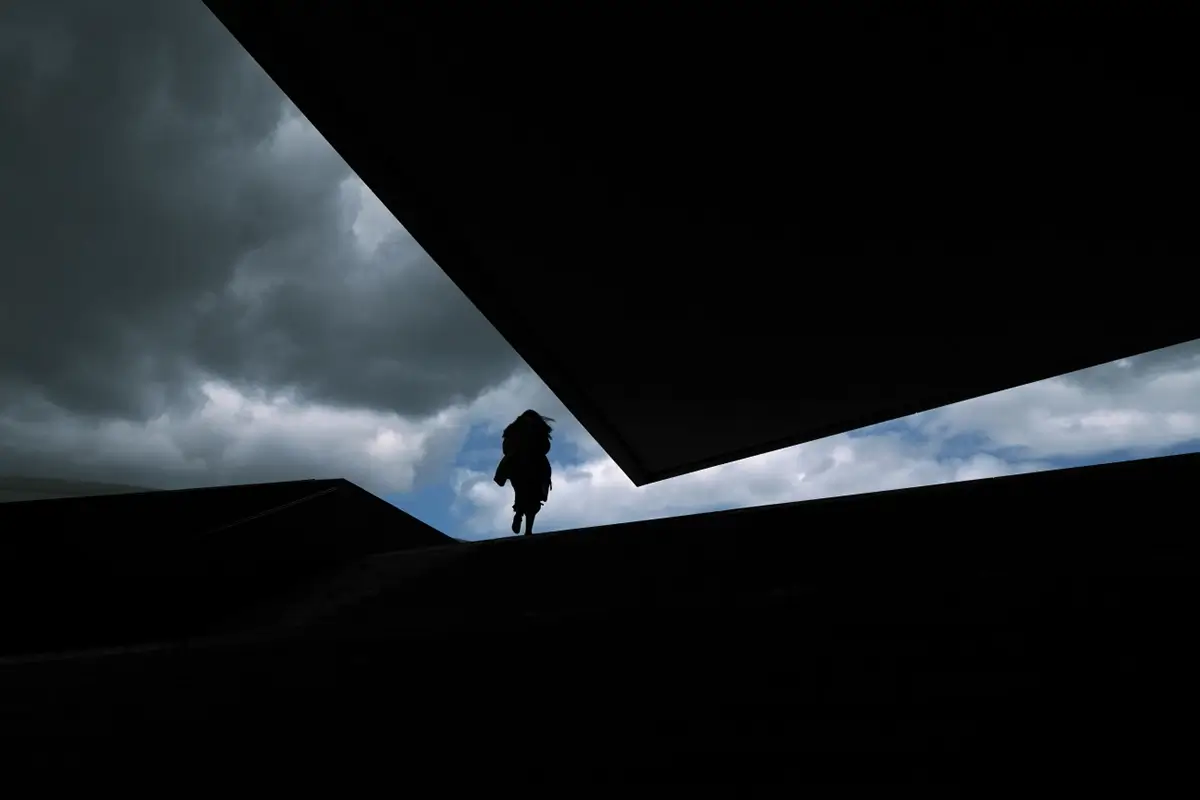
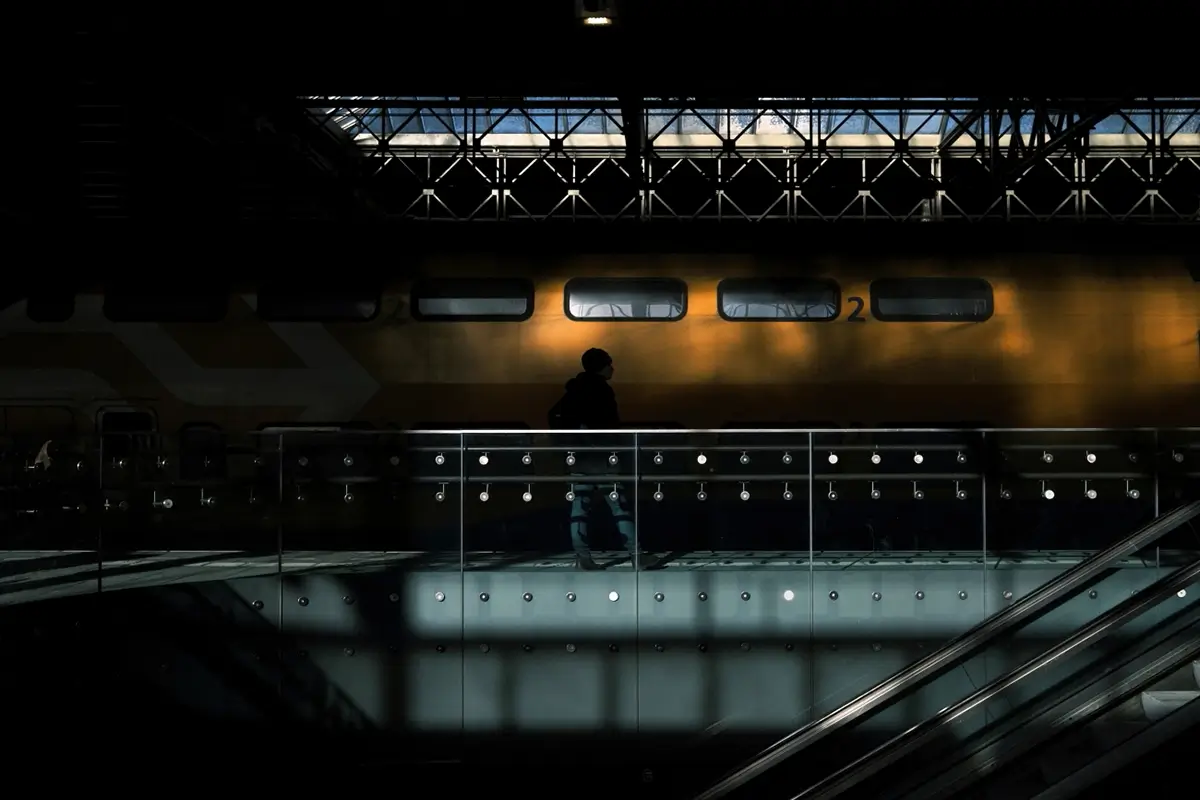
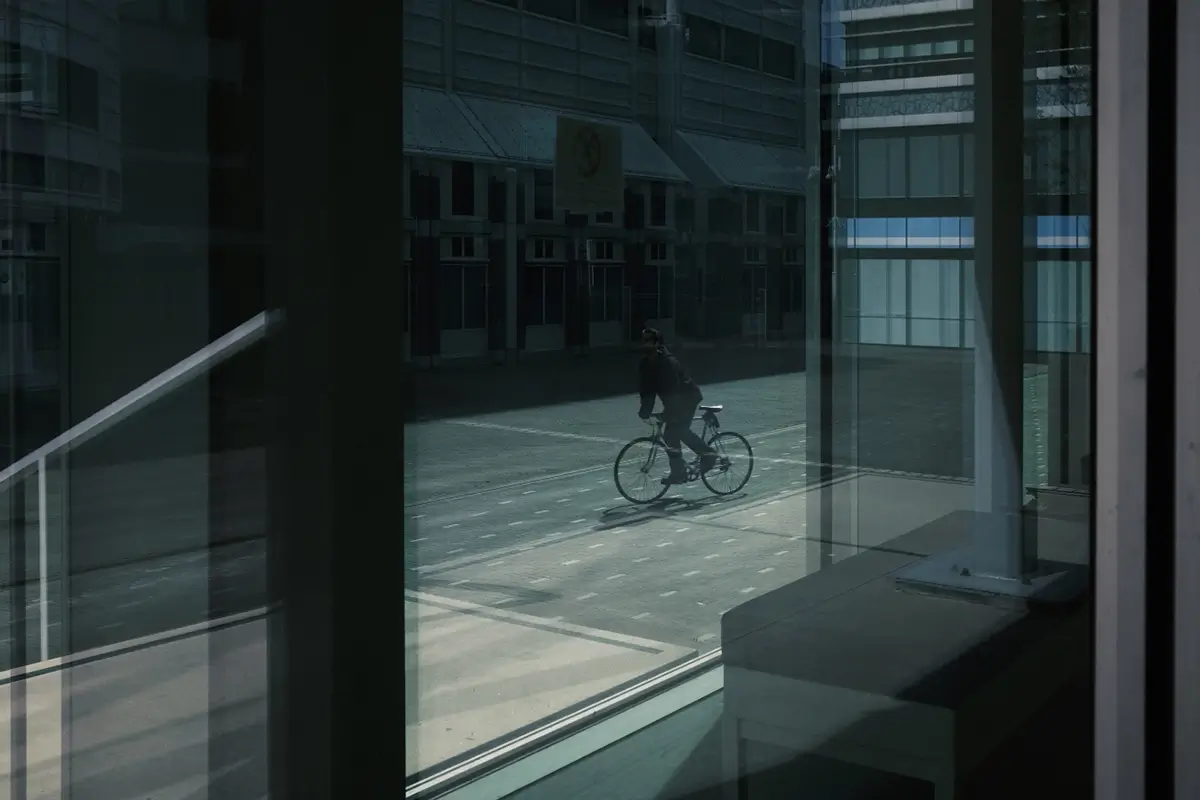
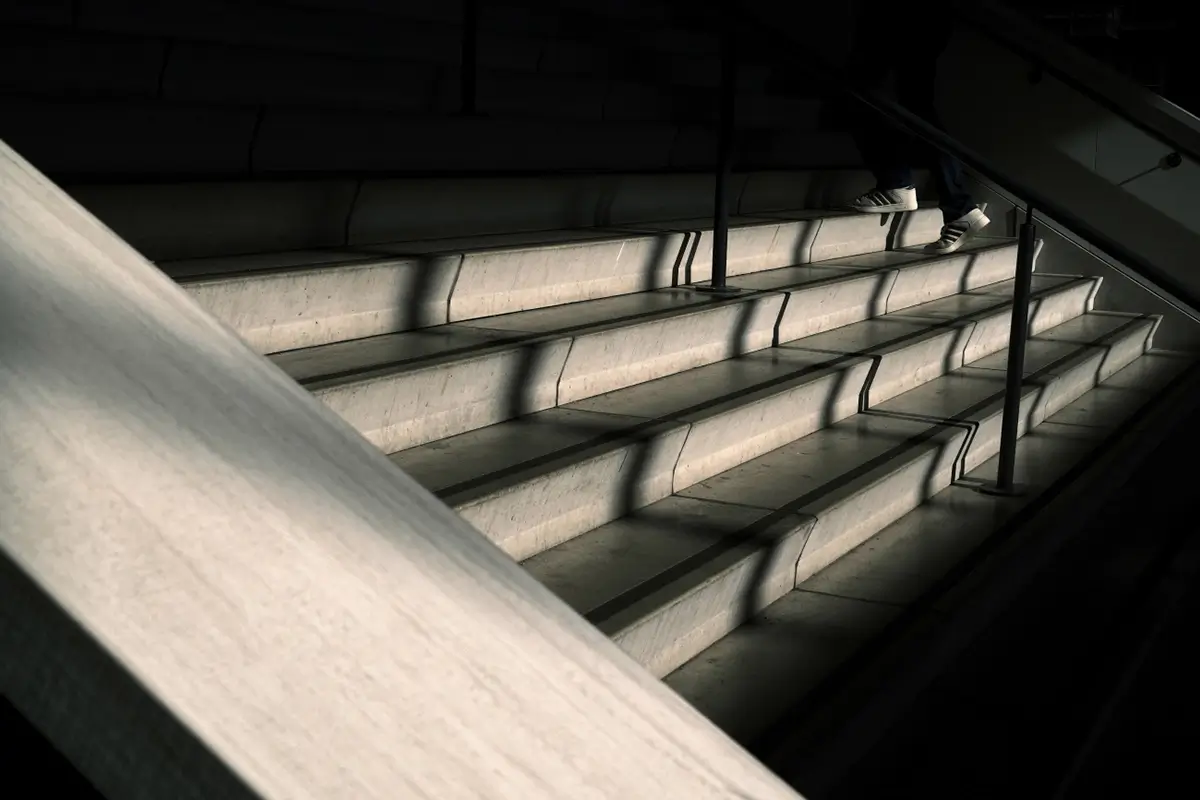
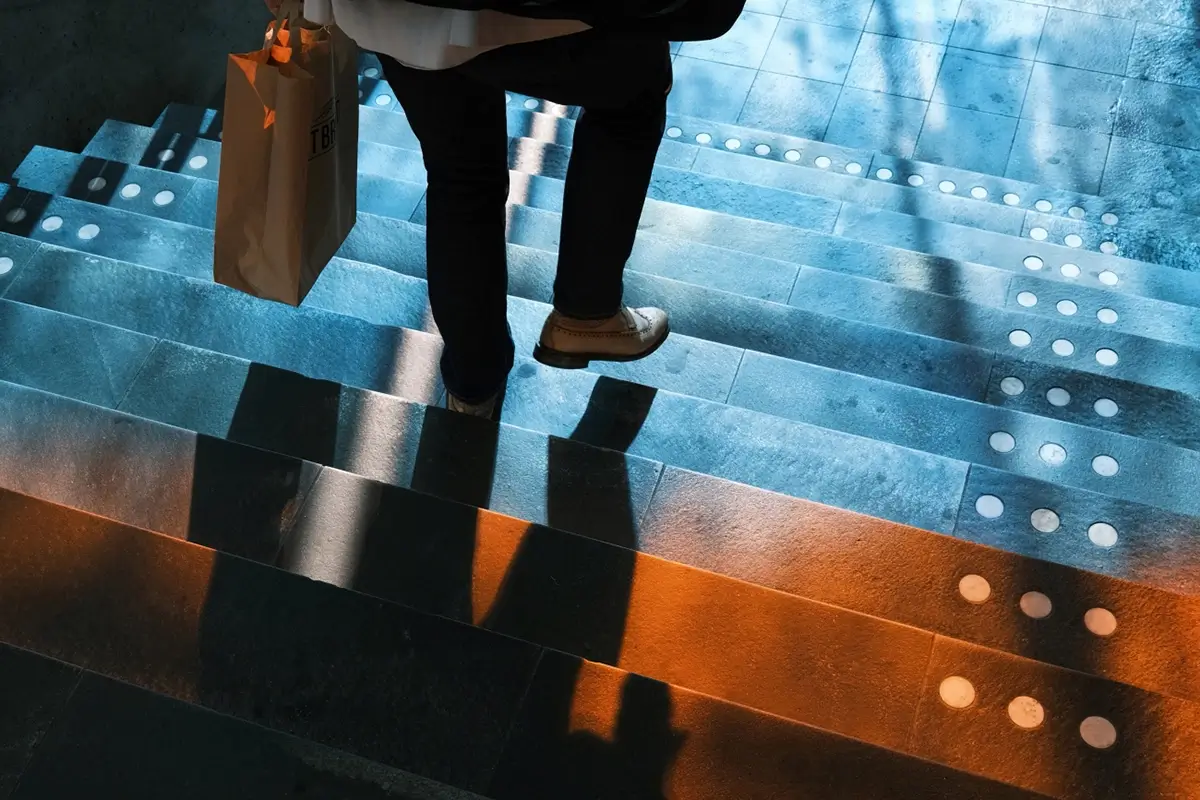
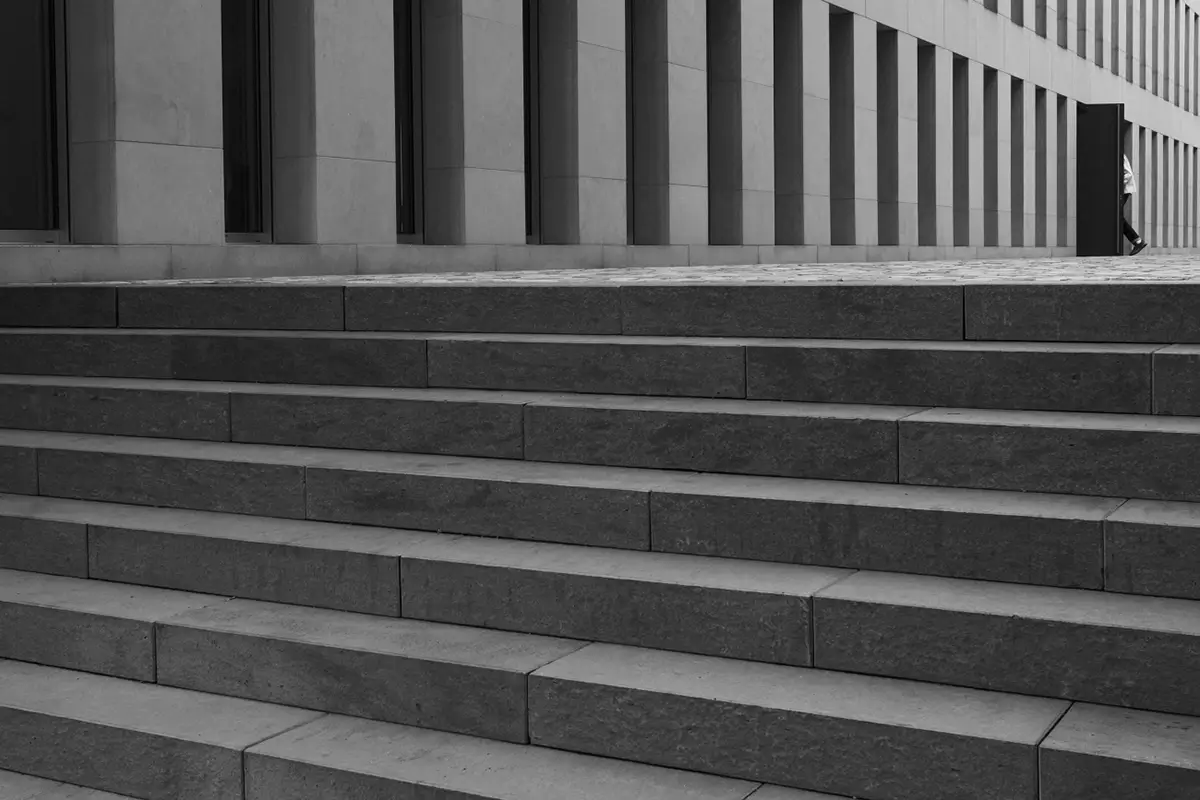
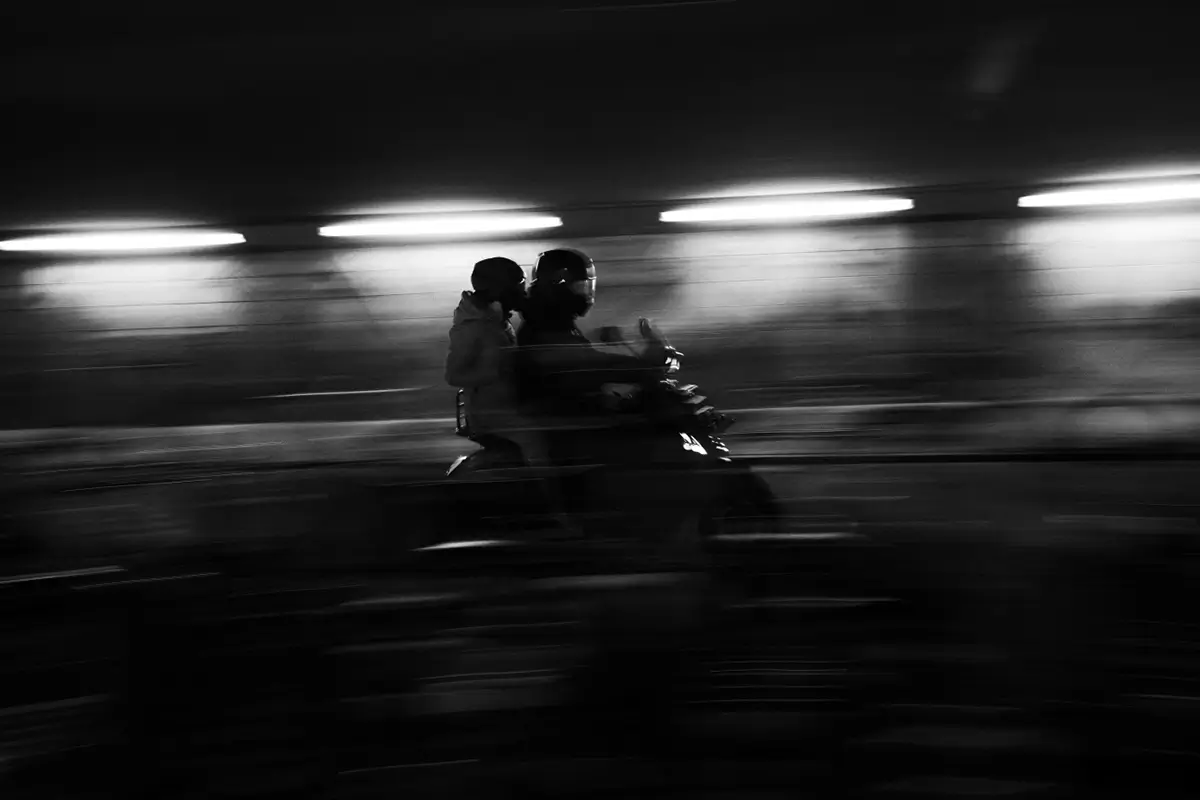
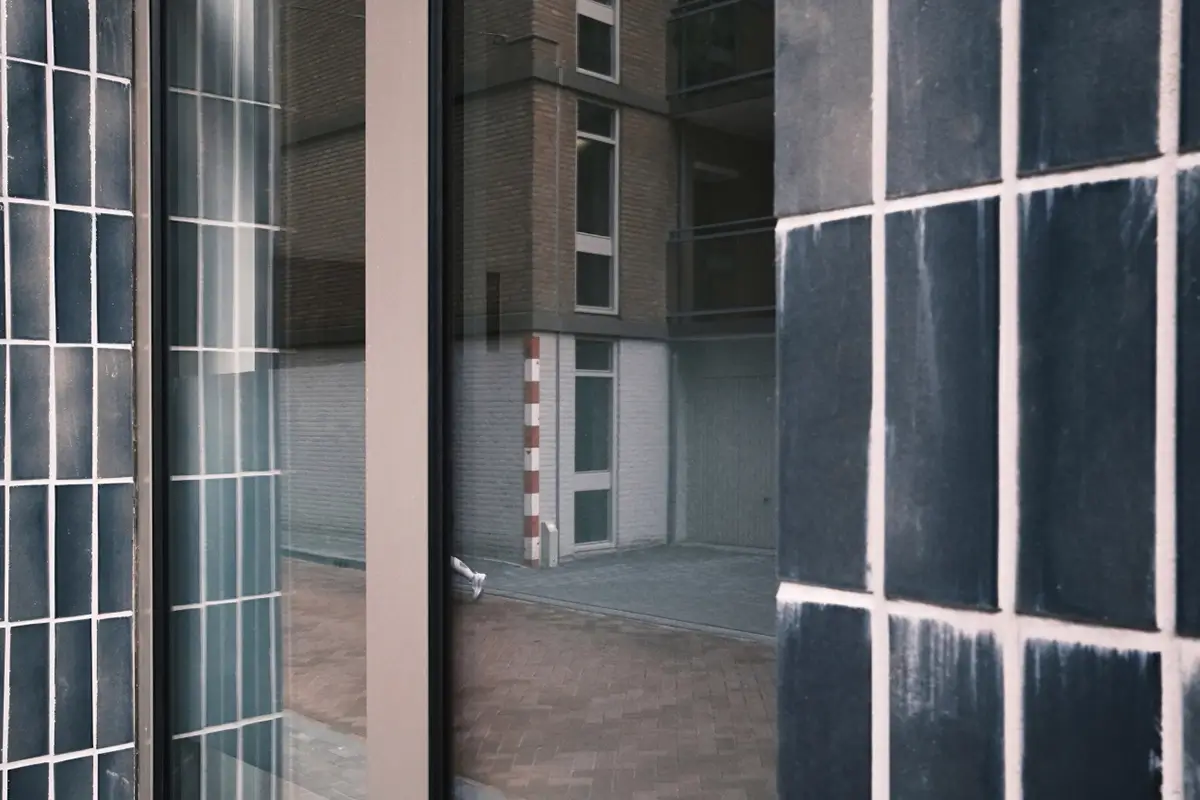
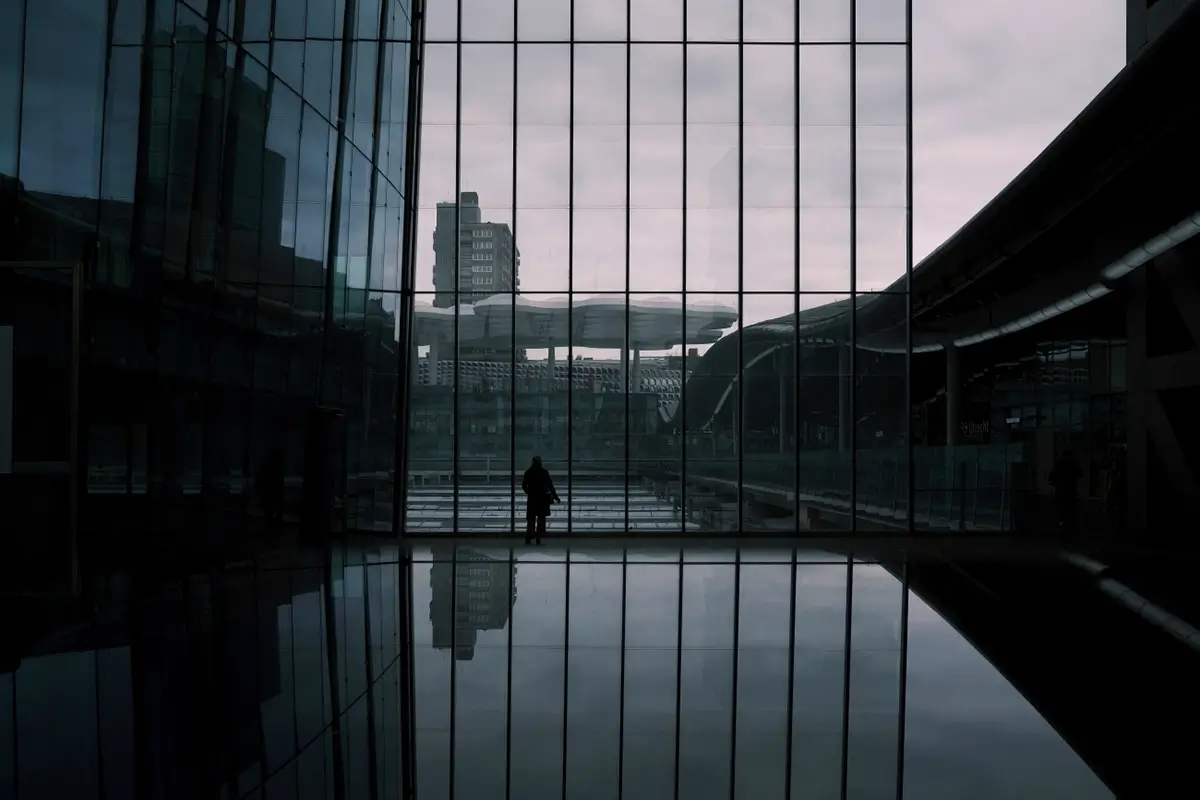
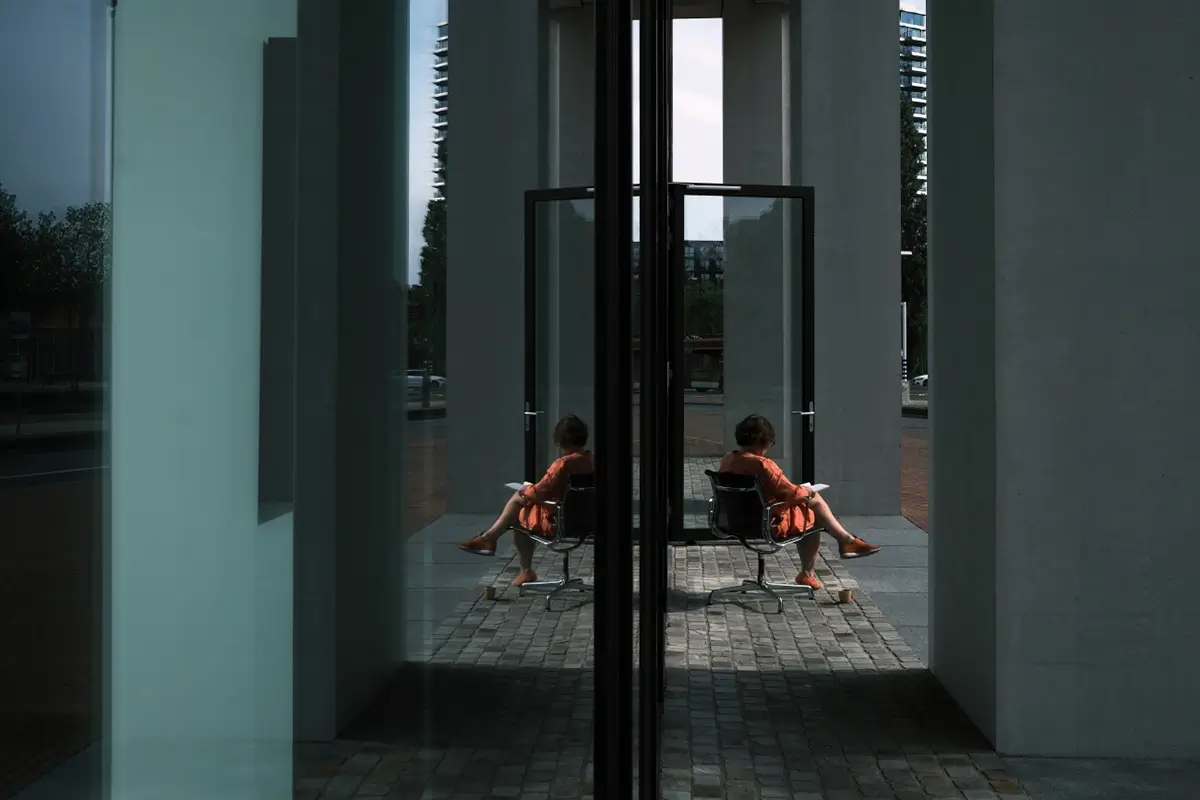
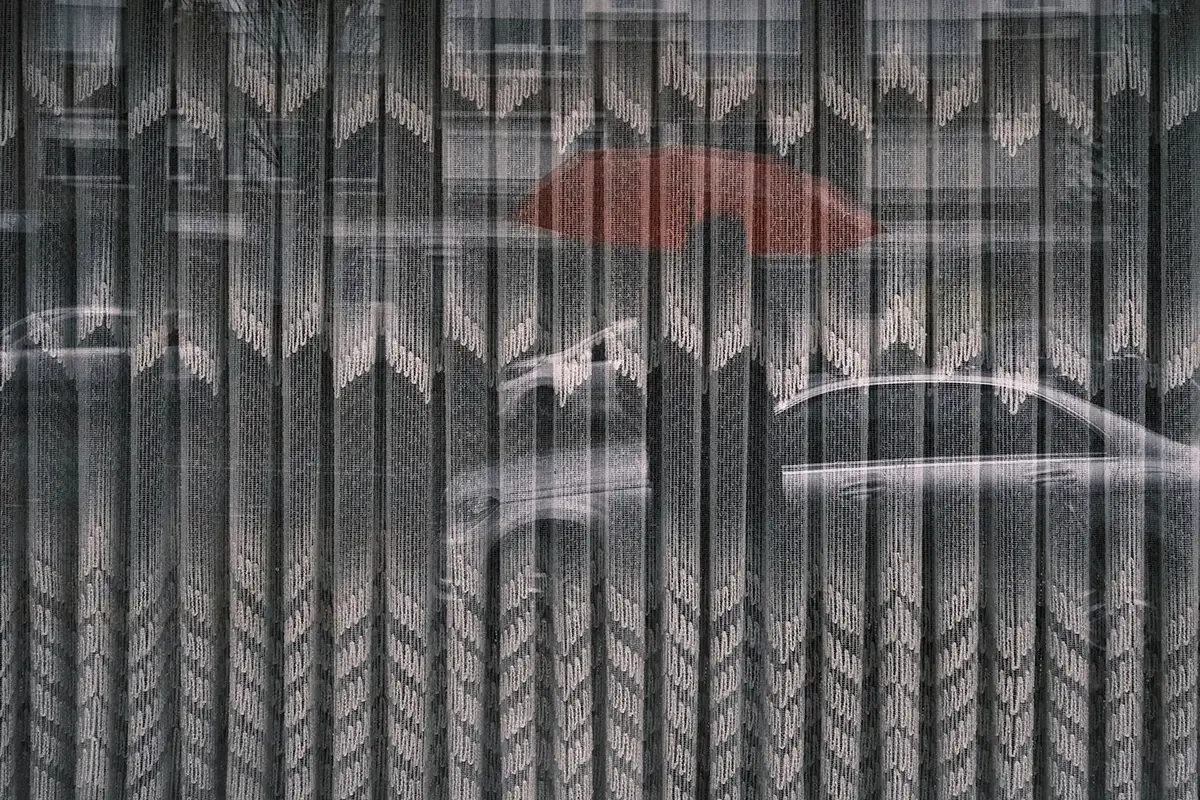
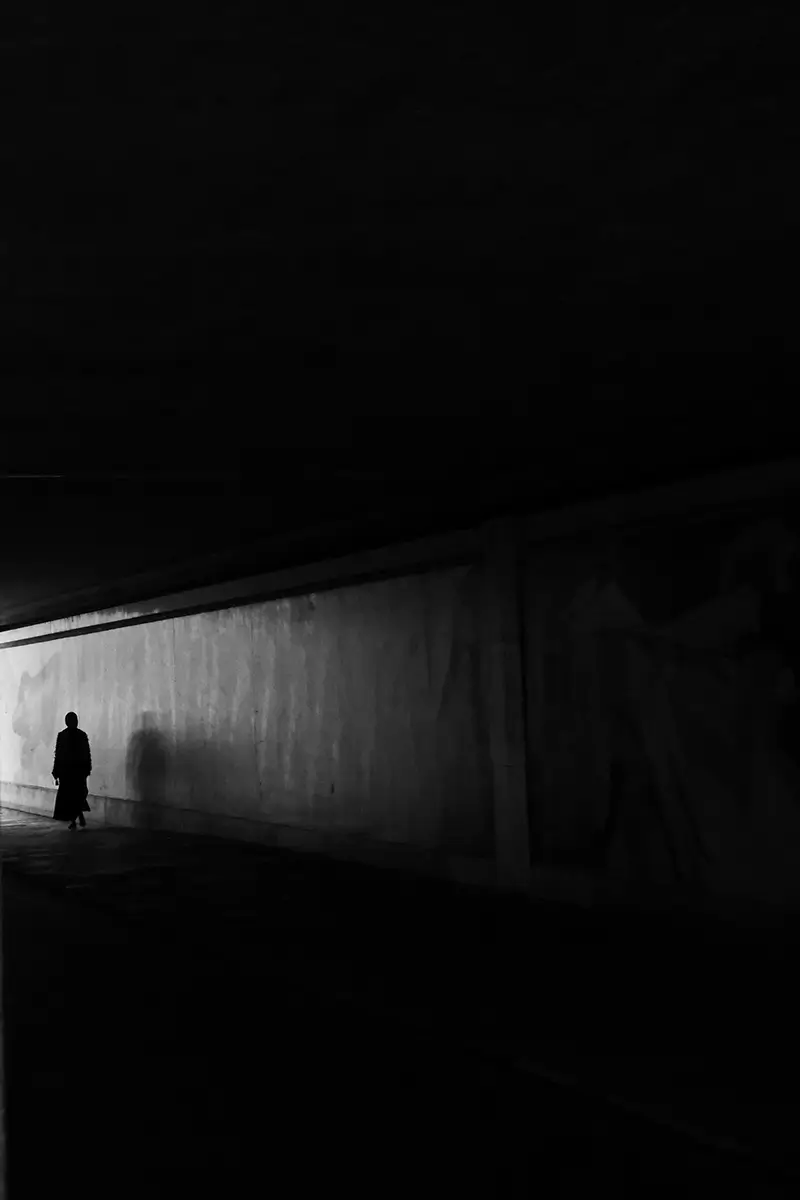
Chris van Dolleweerd is a Dutch photographer who approaches the city as a quiet stage of light, lines, and chance. In his street photography, it is not the hustle that takes center stage, but the moment of stillness—when people and their surroundings briefly meet in form and rhythm. His work is characterized by clean compositions, the play of shadow, and a strong graphic eye. Figures often appear as silhouettes or shadows, integrated into the larger whole of architecture and space. It is photography that both observes and invites observation—thoughtful, poetic, and precise. Chris is guided by observation and intuition. He waits patiently for the moment when a scene arranges itself, without intervention. His images do not tell stories but evoke feelings—of calm, structure, or wonder at the everyday.

AAP Magazine

AAP Magazine 52 Street
 

Inspiring Portfolios

Call for Entries
AAP Magazine #55 Women
Publish your work in our printed magazine and win $1,000 cash prizes
 
Stay up-to-date  with call for entries, deadlines and other news about exhibitions, galleries, publications, & special events.

More Great Photographers To Discover

Saul Leiter
United States
1923 | † 2013
Saul Leiter was an American photographer and painter whose early work in the 1940s and 1950s was an important contribution to what came to be recognized as the New York school of photography. Saul Leiter was born in Pittsburgh, Pennsylvania. His father was a well-known Talmud scholar and Saul studied to become a rabbi. His mother gave him his first camera at age 12. At age 23, he left theology school and moved to New York City to become an artist. He had developed an early interest in painting and was fortunate to meet the Abstract Expressionist painter Richard Pousette-Dart. Pousette-Dart and W. Eugene Smith encouraged Leiter to pursue photography and he was soon taking black and white pictures with a 35 mm Leica, which he acquired for a few Eugene Smith prints. In 1948, he started taking color photographs. He began associating with other contemporary photographers such as Robert Frank and Diane Arbus and helped form what Jane Livingston has termed the New York School of photographers during the 1940s and 1950s. Leiter worked as a fashion photographer for the next 20 years and was published in Show, Elle, British Vogue, Queen, and Nova. In the late 1950s the art director Henry Wolf published Leiter’s color fashion work in Esquire and later in Harper's Bazaar. Edward Steichen included Leiter’s black and white photographs in the exhibition Always the Young Stranger at the Museum of Modern Art in 1953. Leiter’s work is featured prominently in Jane Livingston’s book The New York School (1992) and in Martin Harrison’s Appearances: Fashion Photography since 1945 (1991). In 2008, the Fondation Henri Cartier-Bresson in Paris mounted Leiter's first museum exhibition in Europe with an accompanying catalog. Leiter is the subject of a 2012 feature-length documentary In No Great Hurry - 13 Lessons in Life with Saul Leiter, directed and produced by Tomas Leach. Leiter is a featured subject, among others, in the documentary film Tracing Outlines (2015) by 2nd State Productions. Martin Harrison, editor and author of Early Color (2006), writes, "Leiter’s sensibility . . . placed him outside the visceral confrontations with urban anxiety associated with photographers such as Robert Frank or William Klein. Instead, for him the camera provided an alternate way of seeing, of framing events and interpreting reality. He sought out moments of quiet humanity in the Manhattan maelstrom, forging a unique urban pastoral from the most unlikely of circumstances." Leiter died on 26 November 2013 in New York City.Source: Wikipedia When we do not know why the photographer has taken a picture and when we do not know why we are looking at it, all of a sudden we discover something that we start seeing. I like this confusion. -- Saul Leiter Leiter’s first exhibition of color photography was held in the 1950s at the Artist's Club, a meeting place for many of the Abstract Expressionist painters of that time. Edward Steichen included twenty-three of Leiter's black and white photographs in the seminal 1953 exhibition Always the Young Stranger at the Museum of Modern Art; he also included twenty of Leiter’s color images in the 1957 MoMA conference Experimental Photography in Color. In the late 1950s, the art director Henry Wolf published Leiter's color fashion work in Esquire and later in Harper's Bazaar. However, over the next four decades, Leiter’s noncommercial work remained virtually unknown to the wider art world. He continued to work as a fashion photographer through the 1970s, contributing to such publications as in Show, Elle, British Vogue, Queen, and Nova. Leiter is now held to be a pioneer of early color photography, and is noted as one of the outstanding figures in post-war photography. After several exhibitions at Howard Greenberg Gallery throughout the 1990s, Leiter’s work experienced a surge of popularity after a monograph, Early Color, was published by Steidl in 2006. Early Color was followed by a series of monographs and international exhibitions highlighting the depth and scope of his work in photography and painting, beginning with In Living Color (2006), his first major retrospective at the Milwaukee Museum of Art. Leiter was the subject of several solo shows thereafter, including the Fondation Henri Cartier-Bresson, Paris; the Jewish Historical Museum, Amsterdam; Musée de l’Elysée, Lausanne; and Diechtorhallen, Hamburg.Source: Howard Greenberg Gallery Some photographers think that by taking pictures of human misery, they are addressing a serious problem. I do not think that misery is more profound than happiness. -- Saul Leiter
Danny Lyon
United States
1942
Brooklyn native Danny Lyon received a BA in history in 1963 from the University of Chicago, where he served as staff photographer for the Student Non-Violent Coordinating Committee. A self-taught photographer, he traveled with the Chicago Outlaws motorcycle club in 1965-1966 and published his pictures of the club members as The Bikeriders (1968). Since 1967 he has been an independent photographer and an associate at Magnum, and he has made films since 1969. Lyon has received Guggenheim Fellowships in photography and filmmaking, and his work has been included in many major exhibitions, including Toward a Social Landscape at the George Eastman House. His first solo exhibition was held at the Art Institute of Chicago. In addition to The Bikeriders, Lyon has published a number of photographic books based upon his experiences with a group of people or in a particular place, among them The Movement (1964), about the Civil Rights movement, and Conversations with the Dead (1971), a study of life in Texas prisons. Among the films he has produced are Social Services 127, Los Niños Abandonados, and Little Boy. Personal participation in the lives of his subjects is vital component to Danny Lyon's photography. His subjects often deviate from societal norms, yet he is dedicated to communicating their character and sensibility honestly, sympathetically, and nonjudgmentally; for him this requires firsthand knowledge of their experiences. Whereas in his earlier work he seemed to withhold his own personality from the images in order to emphasize that of his subjects, his recent work includes more of himself. Lyon has consistently produced effective, sincere documents of real people's lives that have inspired many photographers since the 1960s. Source: ICP
Tom Zimberoff
United States
1951
A classically-trained clarinetist, Zimberoff studied music at the University of Southern California before pivoting to photography. As a photojournalist, he has covered hundreds of historical and breaking news stories published worldwide, from the renegotiation of the Panama Canal Treaties; to NATO war games, a trip to Beijing with Secretary of State Alexander Haig opening trade talks with China; the eruption of Mount St. Helens; Super Bowl XIV; to documenting East LA gangs. One plum assignment from Esquire had him photographing "The Most Eligible Women in America." He's shot many hundreds of portraits, including magazine covers from John Lennon to Steve Jobs plus two sitting American presidents (Carter and Reagan) for the covers of Time Magazine and Fortune, as well as advertising campaigns for Fortune 500 companies, Hollywood movie studios, and the US Navy. Zimberoff was nineteen when he shot his first photo assignment for Time magazine: the farewell public recital of violin virtuoso Jascha Heifetz - a personal hero. By the time he turned twenty-one, Zimberoff had toured with the Jackson-5, the Rolling Stones, and Stevie Wonder, spent a day photographing John Lennon, and shot the first cover of People magazine. (It was the 1973 proof-of-concept issue featuring Olympic swimmer Mark Spitz.) Zimberoff has fun describing his pursuit as a predatory sport: hunting big game. "We don't 'load' cameras much anymore," he says, "but we still 'aim' them and 'shoot' pictures." He doesn't stalk his prey but gets close enough for a good clean shot (close enough for rapport as much as proximity), to avoid inflicting gratuitous wounds. He bags his quarry with a lens instead of looking down the barrel of a gun but, he also says, "I hang their heads on a wall to admire like trophies." His hunting license was a press pass. His portraits can be found in private collections and museums, including the National Portrait Gallery in London; the Los Angeles County Museum of Art; and the San Francisco Museum of Performance and Design. Recently, his entire career archive - literally a ton of film - was acquired by the Briscoe Center for American History at the University of Texas at Austin. His first two formal portraits were Marx and Lennon - Groucho and John. Tom's expertise with the business side of photography is evidenced by the articles he's had published in leading industry journals. He is also the author of Photography: Focus on Profit (Allworth Press, 2002), which has been used as a textbook at colleges throughout the country. He also taught briefly at several San Francisco Bay Area colleges. He taught himself to write code and developed PhotoByte®, the pioneering business-management software for commercial photographers. It has been used to teach at colleges across the country. After a ten-year hiatus from shooting pictures to pursue his software business and writing, Tom picked up his cameras once again to illustrate another book, Art of the Chopper (Bulfinch Press, 2003), his tribute to a decades-long affinity for custom motorcycles. It became a best-seller, followed by a second volume (Hachette, 2006), with forewords by Sonny Barger of the Hells Angels and James Hetfield of the band Metallica, respectively. As an encore to the Art of the Chopper books, Zimberoff was invited to curate an exhibition at the William J. Clinton Presidential Library in 2008, where thirty of the actual motorcycles illustrated in print were displayed on pedestals as works of sculpture. They were juxtaposed with Zimberoff's photographs large-format black-and-white portraits plus documentary (candid) photos of the moteuriers who built each chopper. The "Art of the Chopper" exhibition traveled to the Appleton Art Museum in Ocala, Florida and to Union Station in Kansas City, Missouri. Tom's most recent venture is a startup dedicated to creating the first data-driven marketplace for commercial and editorial photography. Zimberoff was born in Los Angeles in 1951 to a family with three grown siblings already a generation older - "like growing up with five parents," he says. His mother owned a boutique in Las Vegas, during the 50s and 60s; and his father was a musician who played the Vegas hotel orchestras that backed up Sinatra, Nat King Cole, and Bobby Darrin et al. Young "Tommy" grew up in Las Vegas, returning to California, on and off, to live with his older sister and two years in military school), finally leaving Las Vegas for his senior year at Beverly Hills High School when his parents retired. Then he received his music scholarship to USC. Zimberoff now lives in San Francisco, where he says he is ready to throw his lens cap back in the ring, as soon as the Covid-19 pandemic ends. In the meantime he is writing a memoir, an anthology of stories about his career. The title is A Photographic Memory. Each chapter juxtaposes one portrait with equally compelling prose about the events surrounding its creation. Articles Haut Moteur Principles of Portraiture on Camera AAP Magazine Portrait #40 B&W #41 Portrait #48
 Synchrodogs
Synchrodogs is a duo of photographers and art directors from Ukraine - Tania Shcheglova (b.1989) and Roman Noven (b.1984) working together since 2008. Tania graduated from Information technology department of Ivano-Frankivsk national technical university of oil and gas in 2011, Roman graduated from Lutsk National Technical University in 2006. Both photographers are self-taught, currently residing in Ukraine. Artistic duo is represented by Stieglitz19 gallery in Antwerpen and Galleri Urbane in Dallas. Synchrodogs were shortlisted for PinchukArtCentre Prize in 2013 (Kyiv, Ukraine), won FOAM Construct 2012 competition held by FOAM magazine (Netherlands), won First Prize in nomination ‘Art Photography’, Photographer of The Year competition in Ukraine, and Best Fine Art Photographer Title in Vogue Talent competition (Milano, Italy), Best portfolio prize in Weitsprung n5 (Hamburg, Germany) in 2016, shortlisted for Palm* Photo Prize 2019, became winners of Feature Shoot Emerging Photography award and finalists of LensCulture Visual Storytelling Award in 2019. They also became one of winners of PH Museum Photography Grant Prize in 2021.https://phmuseum.com/ During 2010-2021 had solo shows in Chicago, London, Barcelona, Milano, Krakow, Venice, Amsterdam, Antwerpen, Riga, solo exhibition in Dallas Contemporary museum in 2015. Synchrodogs took part in numerous group exhibitions in galleries and museums like Benaki Museum (Athens), Boston Museum of Fine Arts, Guy Hepner gallery (New York), Palais de Tokyo (Paris), Somos Gallery (Berlin), The Annenberg Space for Photography (Los Angeles), ArtPrize Hub (Grand Rapids, Michigan), Galerie Blanc (Montréal) etc. Their artworks were published in many magazines like Esquire, Numero, The Wall Street Journal, Purple Fashion, Vogue, Harper's Bazaar, L’Officiel, Odda, Liberation magazine, Sueddeutsche Zeitung, Vice, Metal, TUSH, Dust, Vision, Another, Oyster, Duel, Jalouse, shot Femen activists for Dazed and Confused, published on the covers of The British Journal of Photography (UK), Vogue (Ukraine), Stylist (France), Impression (USA), TUSH, Neon, Zeit Campus magazine (Germany), S magazine, shot Mark Zuckerberg for Afisha magazine cover (Russia) etc. In 2013 Synchrodogs published their first big monograph called Byzantine with Norwegian publisher Editions du Lic. In 2020 Synchrodogs’ second book Fashion Eye of Ukraine was published by Louis Vuitton. Artist Statement Synchrodogs work explores the everlasting tension between man and nature, with images of raw, animalistic beauty, which also manage to come across as awkwardly sophisticated. Discovering how far people managed to intrude into the territories that were meant to be wild, they work together in an intimate synchronized choreography, sharing the same aesthetic and ideas acquired through a self-made meditation technique that takes place on the verge between sleep and wakefulness. Observing the new ways the Earth begins to look as a result of human interventions into the environmental processes, their work balances between the real and imagined, drawing the viewer into an unconscious, wild and dream-like world. Working on personal projects artistic duo travels for thousands of miles to find desolate places and explore the unknown, re-creating their visions and aiming to inspire people live a decent life full of respect and responsibility for Planet Earth.
Matthew O’Brien
United States
Matthew James O’Brien is a photographer from San Francisco whose work celebrates humanity and the natural world. He studied zoology at the University of California at Berkeley. His understanding of the natural world informs his photography and his understanding of humanity. Across all of his work, regardless of the medium, there is one unifying theme— finding beauty, in any circumstance. That could be in the inner-city schools of Oakland, rural Sinaloa, Mexico caught up in narco violence, the dying ranching community across the bay from San Francisco, or war-ravaged Colombia. His work has been exhibited and collected by various institutions including the Library of Congress, the Houston Museum of Fine Arts, the California Museum of Photography, the Fries Museum (Netherlands), the Art Science Museum (Singapore) and el Museo de Arte Moderno de Cartagena (Colombia). Among the awards he has received are a Mother Jones International Fund for Documentary Photography Award, a Community Heritage Grant from the California Council for the Humanities, and a Fulbright Fellowship. He was a Creative Uses Consultant for Polaroid, and has worked extensively with Polaroid films, including No Dar Papaya, his eleven-year exploration of Colombia, which became a book (Icono Editorial/Placer Press). O’Brien also works with video, and teaches photography in English and Spanish. He has taught at UC Berkeley, the Universidad de Antioquia and the Universidad de Medellín in Colombia, among other places. His work has appeared in publications from The Washington Post to Camera Arts. His favorite clients to work with are NGO’s that work to make the world a better place.
Don McCullin
United Kingdom
1935
Don McCullin is one of our greatest living photographers. Few have enjoyed a career so long; none one of such variety and critical acclaim. For the past 50 years he has proved himself a photojournalist without equal, whether documenting the poverty of London's East End, or the horrors of wars in Africa, Asia or the Middle East. Simultaneously he has proved an adroit artist capable of beautifully arranged still lifes, soulful portraits and moving landscapes. Following an impoverished north London childhood blighted by Hitler's bombs and the early death of his father, McCullin was called up for National Service with the RAF. After postings to Egypt, Kenya and Cyprus he returned to London armed with a twin reflex Rolleicord camera and began photographing friends from a local gang named The Guv'nors. Persuaded to show them to the picture editor at the Observer in 1959, aged 23, he earned his first commission and began his long and distinguished career in photography more by accident than design. In 1961 he won the British Press Award for his essay on the construction of the Berlin Wall. His first taste of war came in Cyprus, 1964, where he covered the armed eruption of ethnic and nationalistic tension, winning a World Press Photo Award for his efforts. In 1993 he was the first photojournalist to be awarded a CBE. For the next two decades war became a mainstay of Don's journalism, initially for the Observer and, from 1966, for the Sunday Times. In the Congo, Biafra, Uganda, Chad, Vietnam, Cambodia, Israel, Jordan, Lebanon, Iran, Afghanistan, Northern Ireland and more, he time and again combined a mastery of light and composition with an unerring sense of where a story was headed, and a bravery that pushed luck to its outermost limits. He has been shot and badly wounded in Cambodia, imprisoned in Uganda, expelled from Vietnam and had a bounty on his head in Lebanon. What's more, he has braved bullets and bombs not only to get the perfect shot but to help dying soldiers and wounded civilians. Compassion is at the heart of all his photography. Away from war Don's work has often focused on the suffering of the poor and underprivileged and he has produced moving essays on the homeless of London's East End and the working classes of Britain's industrialised cities. From the early 1980s increasingly he focused his foreign adventures on more peaceful matters. He travelled extensively through Indonesia, India and Africa returning with powerful essays on places and people that, in some cases, had few if any previous encounters with the Western world. In 2010 he published Southern Frontiers, a dark and at-times menacing record of the Roman Empire's legacy in North Africa and the Middle East. At home he has spent three decades chronicling the English countryside - in particular the landscapes of Somerset - and creating meticulously constructed still lifes all to great acclaim. Yet he still feels the lure of war. As recently as October 2015 Don travelled to Kurdistan in northern Iraq to photograph the Kurds' three-way struggle with ISIS, Syria and Turkey.Source: donmccullin.com Photography has given me a life… The very least I could do was try and articulate these stories with as much compassion and clarity as they deserve, with as loud a voice as I could muster. Anything less would be mercenary. -- Don McCullin
Advertisement
AAP Magazine #55 Wmen
Win a Solo Exhibition in March
AAP Magazine #55 Wmen

Latest Interviews

Exclusive Interview with Anastasia Samoylova
Anastasia Samoylova is an American artist whose photographic practice is shaped by close observation and a deep attentiveness to place. Working between documentary and formal exploration, she photographs landscapes, architecture, and everyday scenes with a sensitivity to light, structure, and atmosphere. Since relocating to Miami in 2016, her work has increasingly focused on how environments—both natural and built—carry social, cultural, and emotional traces. We asked her a few questions about her practice and her way of seeing, to better understand the thoughts and experiences that shape her work—while allowing the images themselves to remain open and speak in their own time.
Exclusive Interview with Marijn Fidder
Marijn Fidder is a Dutch documentary photographer whose work powerfully engages with current affairs and contemporary social issues. Driven by a deep sense of social justice, she uses photography to speak on behalf of the voiceless and to advocate for the rights of those who are most vulnerable. Her images have been widely published in major international outlets including National Geographic, CNN Style, NRC Handelsblad, Volkskrant, GUP New Talent, and ZEIT Magazin. Her long-term commitment to disability rights—particularly through years of work in Uganda—culminated in her acclaimed project Inclusive Nation, which earned her the title of Photographer of the Year 2025 at the All About Photo Awards. She is also the recipient of multiple prestigious honors, including awards from World Press Photo and the Global Peace Photo Award. We asked her a few questions about her life and work.
Exclusive Interview with Josh S. Rose
Josh S. Rose is a multidisciplinary artist working across photography, film, and writing. His practice bridges visual and performing arts, with a strong focus on movement, emotion, and the expressive potential of the image. Known for his long-standing collaborations with leading dance companies and performers, Rose brings together authenticity and precise composition—a balance he describes as “technical romanticism.” His work has been commissioned and exhibited internationally, appearing in outlets such as Vogue, at the Super Bowl, in film festivals, and most recently as a large-scale installation for Lincoln Center for the Performing Arts. A sought-after collaborator, he has worked with major artists, cultural institutions, and brands, following a previous career as Chief Creative Officer at Interpublic Group and the founder of Humans Are Social. We asked him a few questions about his life and work.

Interview with Maureen Ruddy Burkhart
Photographer Maureen Ruddy Burkhart brings a quietly attentive and deeply human sensibility to her exploration of the world through images. Shaped by a life immersed in photography, film, and visual storytelling, her work is guided by intuition, observation, and an enduring interest in the emotional undercurrents of everyday life. With a practice rooted in both fine art traditions and documentary awareness, she approaches her subjects with sensitivity, allowing subtle moments to emerge naturally rather than be imposed. Her series Til Death, selected as the Solo Exhibition for February 2025, reflects this long-standing commitment to photography as a space for reflection rather than spectacle. Drawn to moments that exist just outside the expected frame, Burkhart’s images suggest narratives without resolving them, leaving room for ambiguity, humor, and quiet connection. We asked her a few questions about her life and work.
Exclusive Interview with Peter Ydeen
Winner of AAP Magazine #45 Travels, his series reflects this unique vision—capturing the spirit of place through subtle layers of light, color, and emotion. Whether traveling abroad or observing the rhythms of his own surroundings, Ydeen creates images that feel both grounded and enchanted, inviting viewers into a world where reality and reverie meet.
Exclusive Interview with Julie Wang
Chinese-born photographer Julie Wang brings a poetic, contemplative sensitivity to her visual exploration of the world. Having lived for nearly equal parts of her life in China, Europe, and the United States, she approaches her subjects with the nuanced perspective of someone shaped by many cultures. This blend of distance, curiosity, and emotional resonance infuses her work with a quiet depth, allowing her to reveal the fragile beauty and subtle tensions that often pass unnoticed.
Exclusive Interview with Ghawam Kouchaki
American photographer Ghawam Kouchaki brings a sharply observant and introspective gaze to the streets of Japan’s capital. Based in Los Angeles, he approaches Tokyo with the distance — and curiosity — of an outsider, allowing him to uncover the city’s subtle contradictions, quiet tensions, and fleeting gestures that often go unnoticed. His series Tokyo no no, selected as the Solo Exhibition for December 2024, explores the hidden undercurrents of urban life: the unspoken rules, the small ruptures in routine, the poetic strangeness found in everyday moments. Through muted tones, instinctive timing, and meticulous framing, Kouchaki reveals a Tokyo that exists somewhere between reality and imagination — both intimate and enigmatic. We asked him a few questions about his life and work.
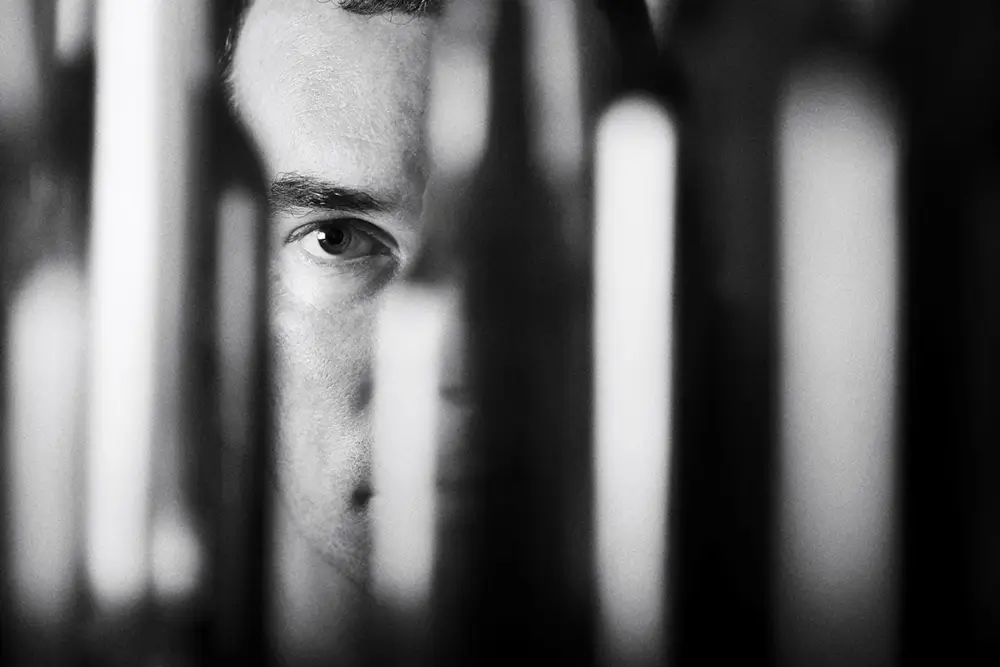
Exclusive Interview with Tommi Viitala
Tommi Viitala, winner of AAP Magazine #44: Street, is a Finnish photographer celebrated for his striking and cinematic street photography. With a keen eye for atmosphere and composition, he captures fleeting urban moments that reveal the poetry of everyday life. His work often explores the tension between solitude and connection within contemporary cityscapes, blending documentary realism with artistic sensibility. Viitala’s photographs have been exhibited internationally and recognized for their strong visual storytelling and emotional depth. We asked him a few questions about his life and work.
Exclusive Interview with Robert Mack
Robert Mack is a California-based visual artist, photographer, and filmmaker. His fine art photography and films have been exhibited widely in the United States and Europe, with major shows at the Baltimore Museum of Art and the Reiss-Engelhorn Museum in Mannheim, Germany. Both institutions hold his work in their permanent collections. Working across different media, Mack has built a career exploring the complexities of human presence and representation. In 1981, while living in Baltimore, he produced The Perkins Project: Not Guilty by Reason of Insanity, a rare photographic and film study inside Maryland’s hospital for the criminally insane. These stark yet compassionate black-and-white portraits remain one of his most powerful and controversial bodies of work.
Call for Entries
AAP Magazine #55 Women
Publish your work in our printed magazine and win $1,000 cash prizes