All about photo.com: photo contests, photography exhibitions, galleries, photographers, books, schools and venues.
Submit your Best Project to Win a Solo Exhibition this March!
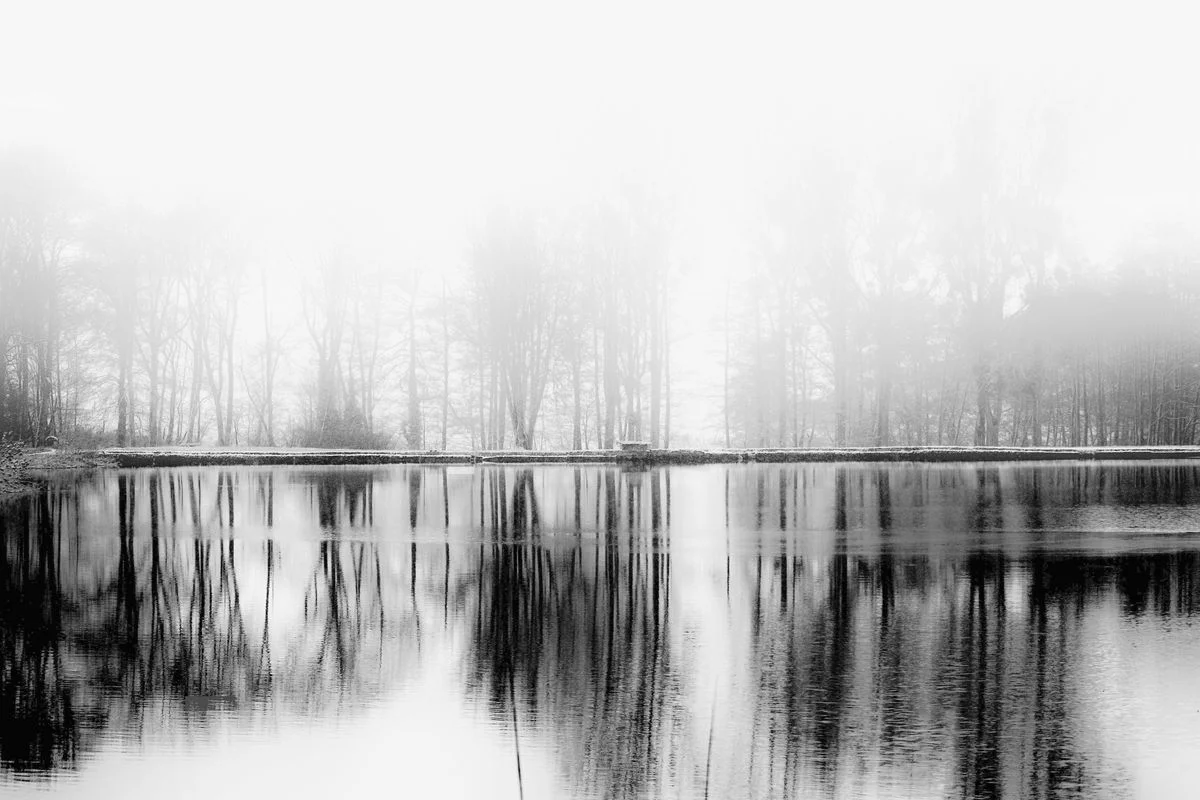
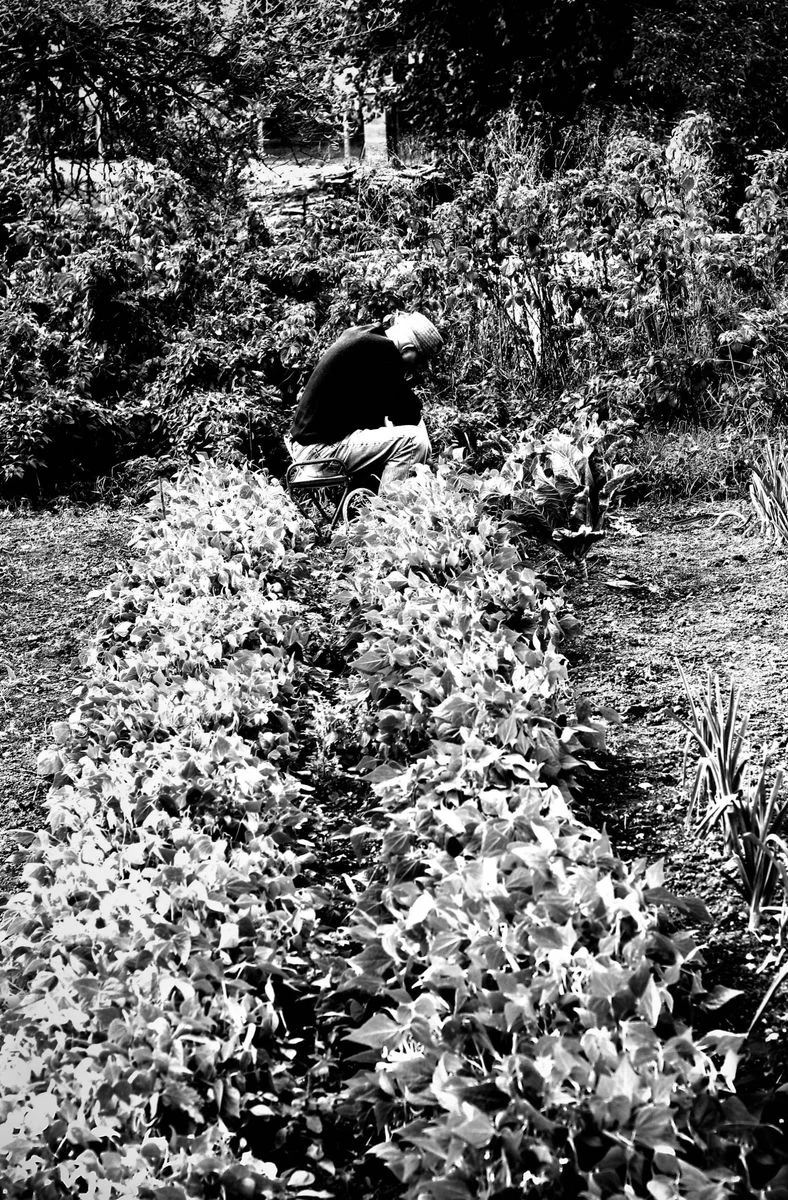
Jean-François Block
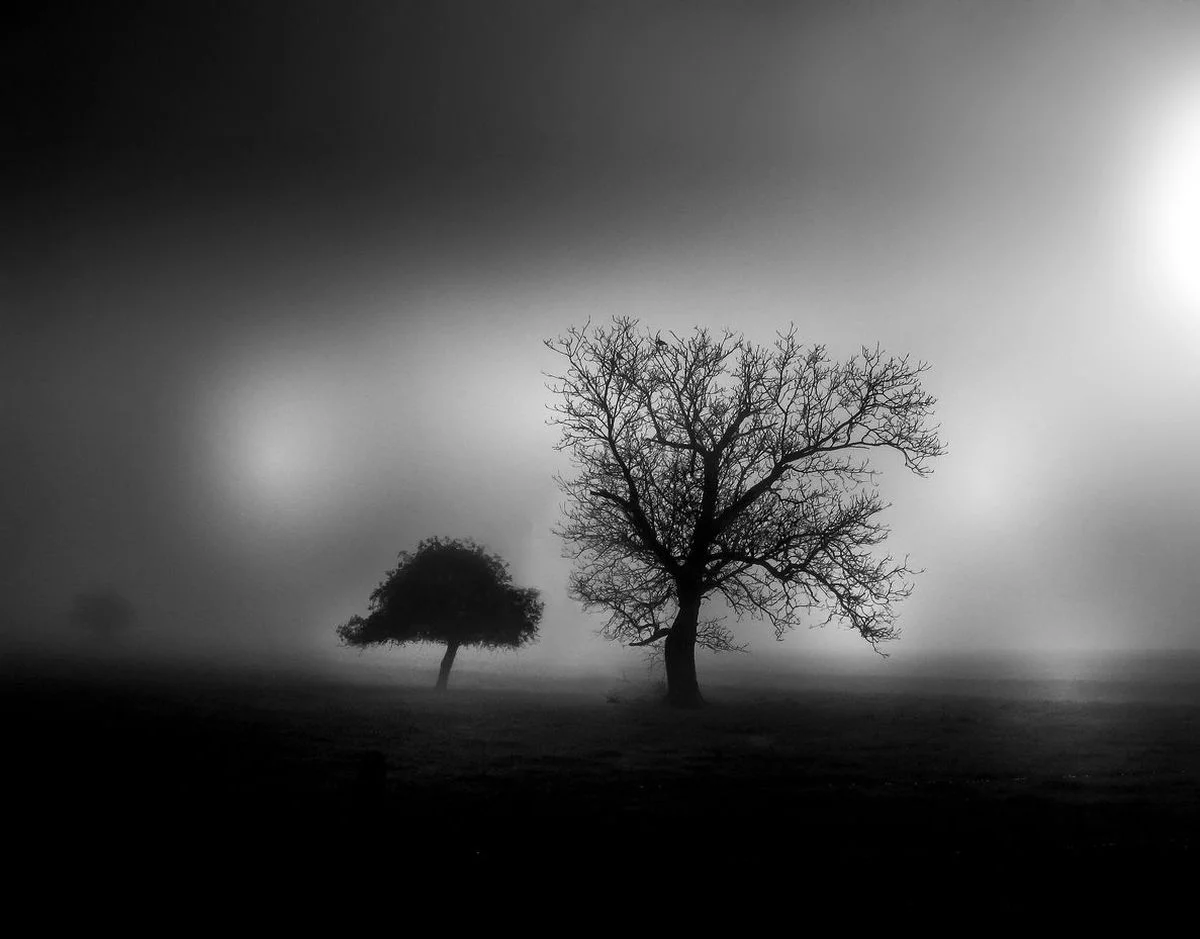
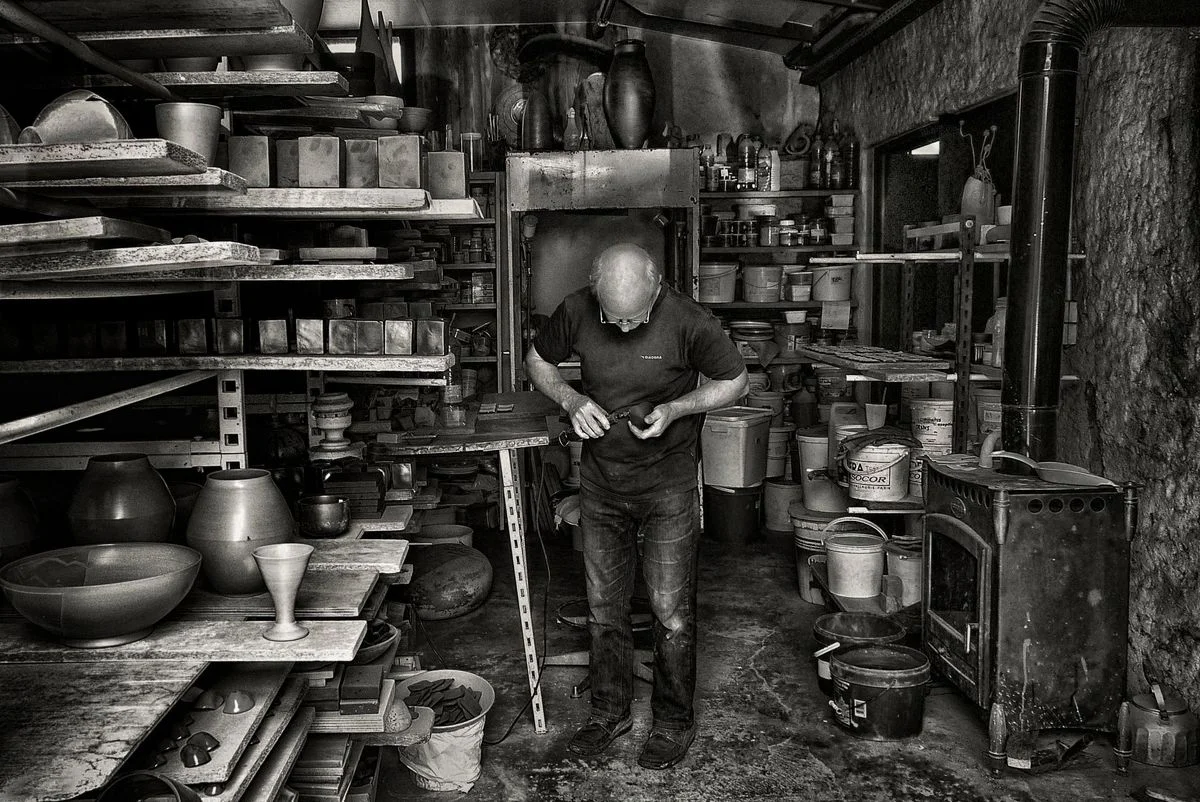
Jean-François Block
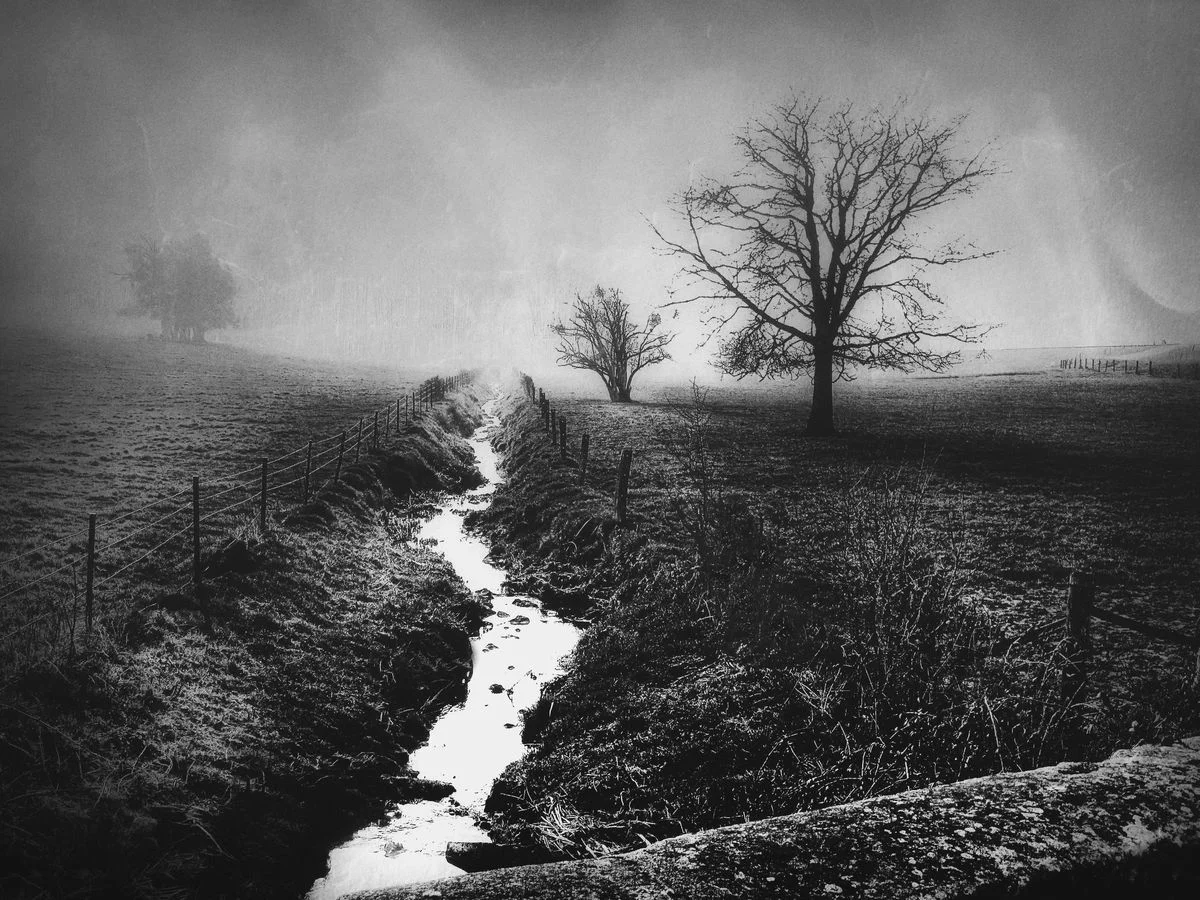
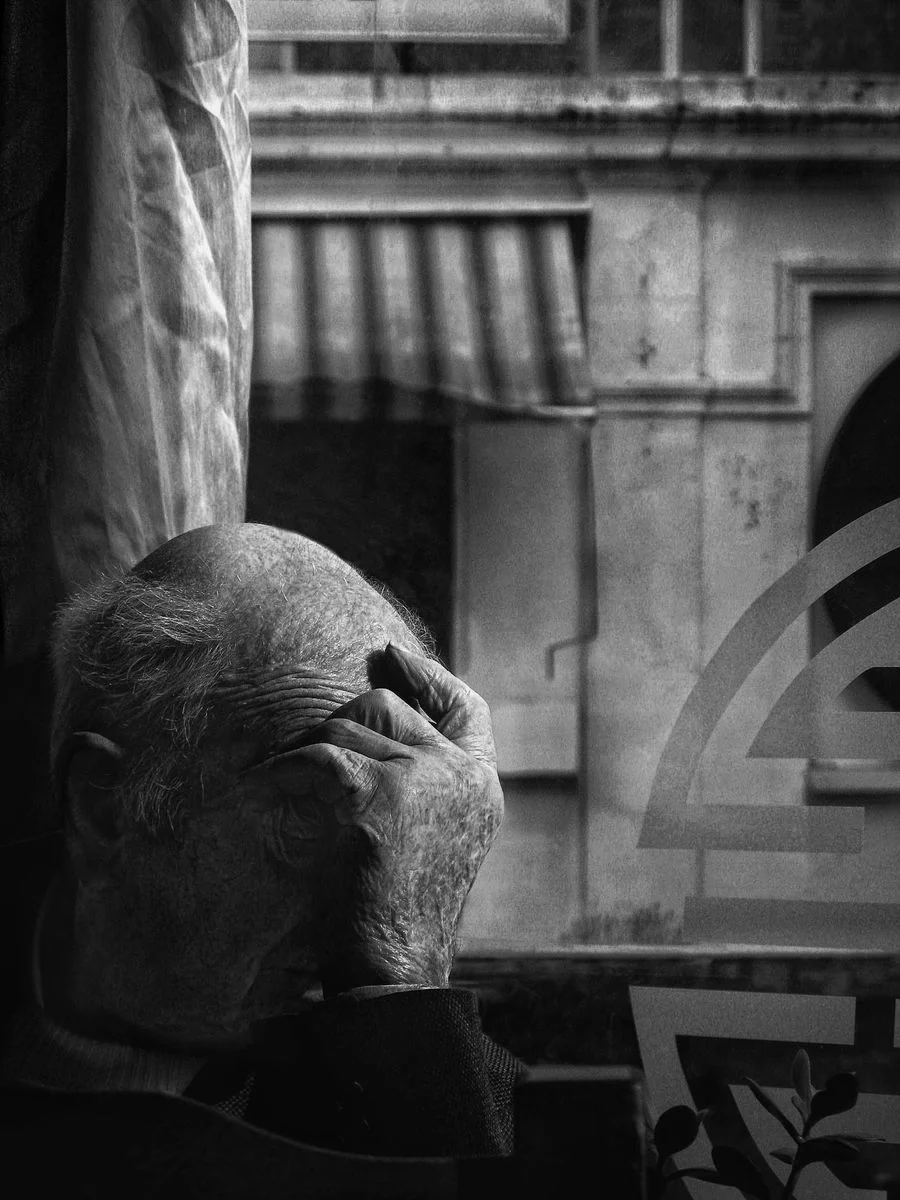
Jean-François Block

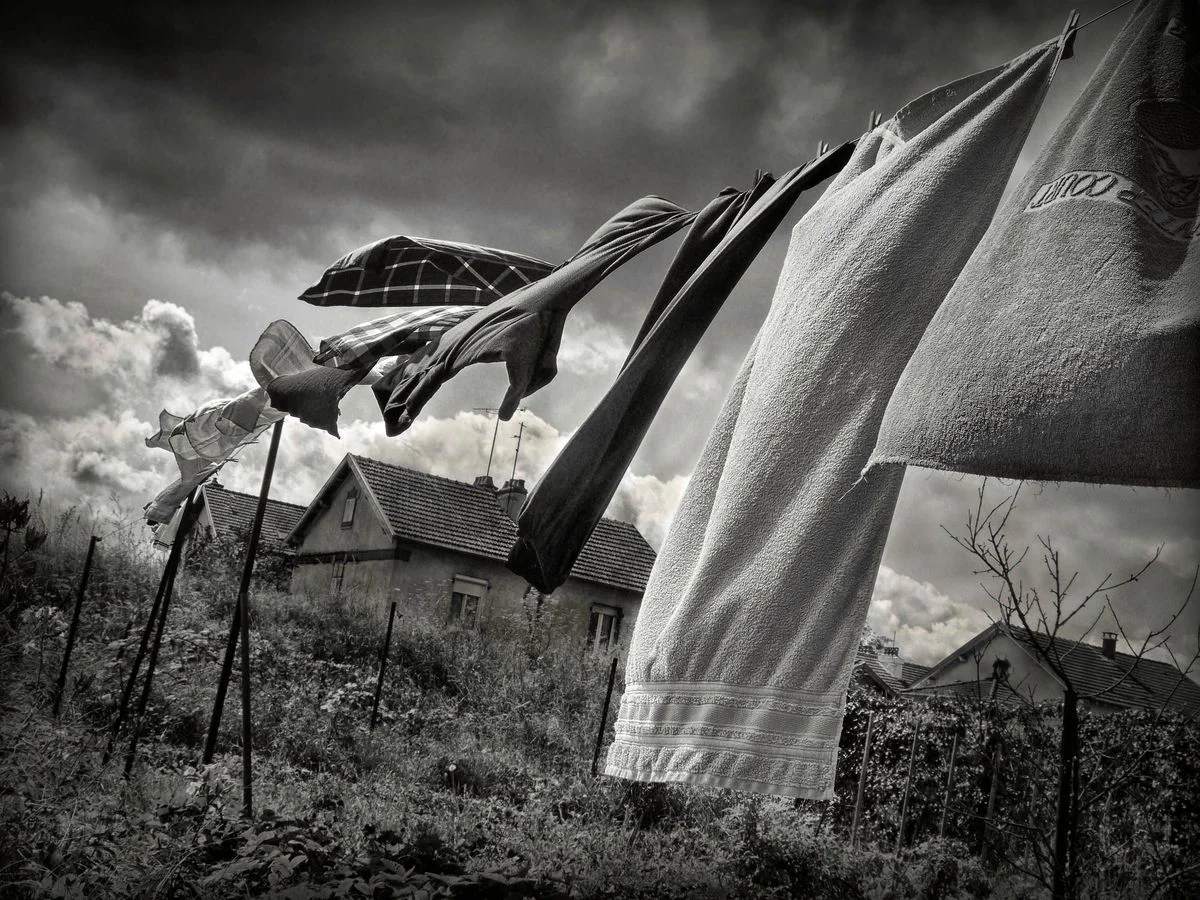
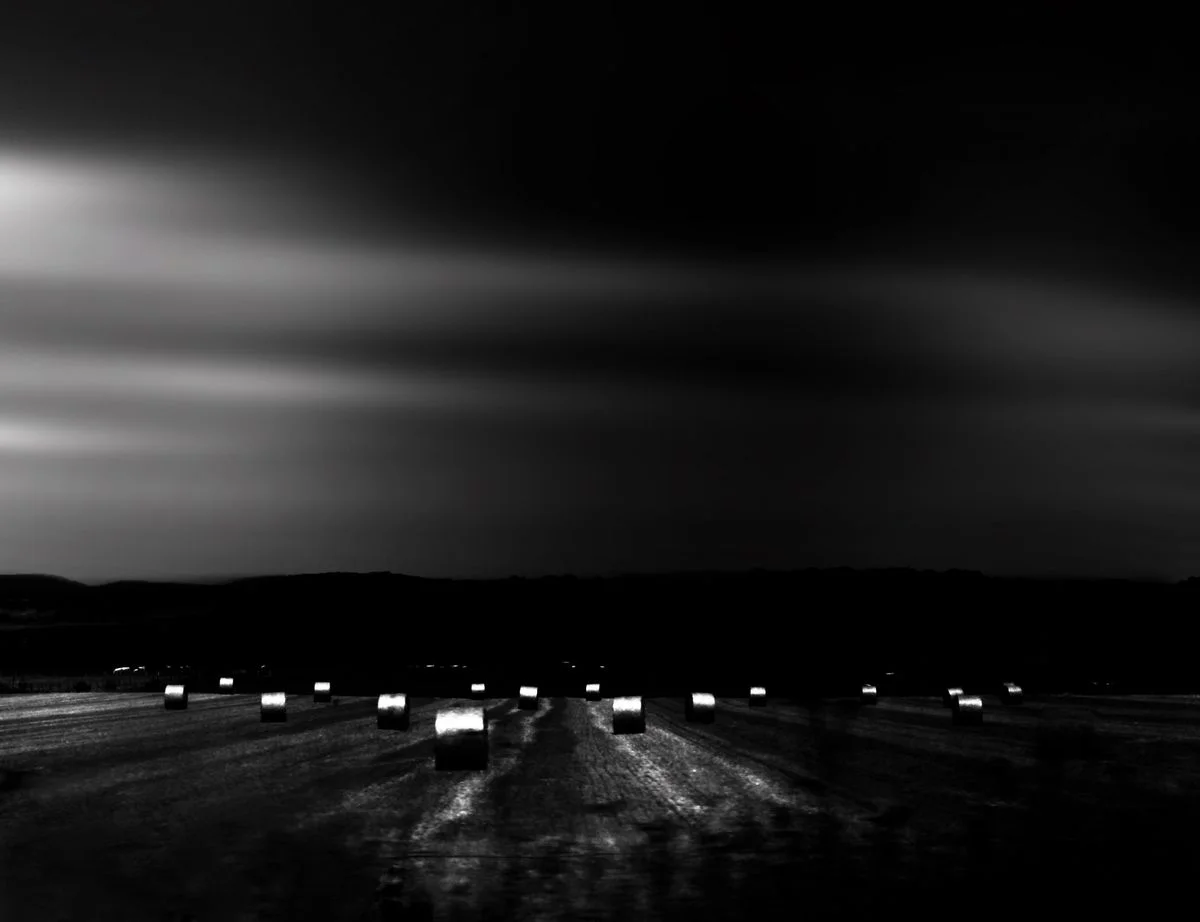
Jean-François Block

Country: France
Birth: 1953

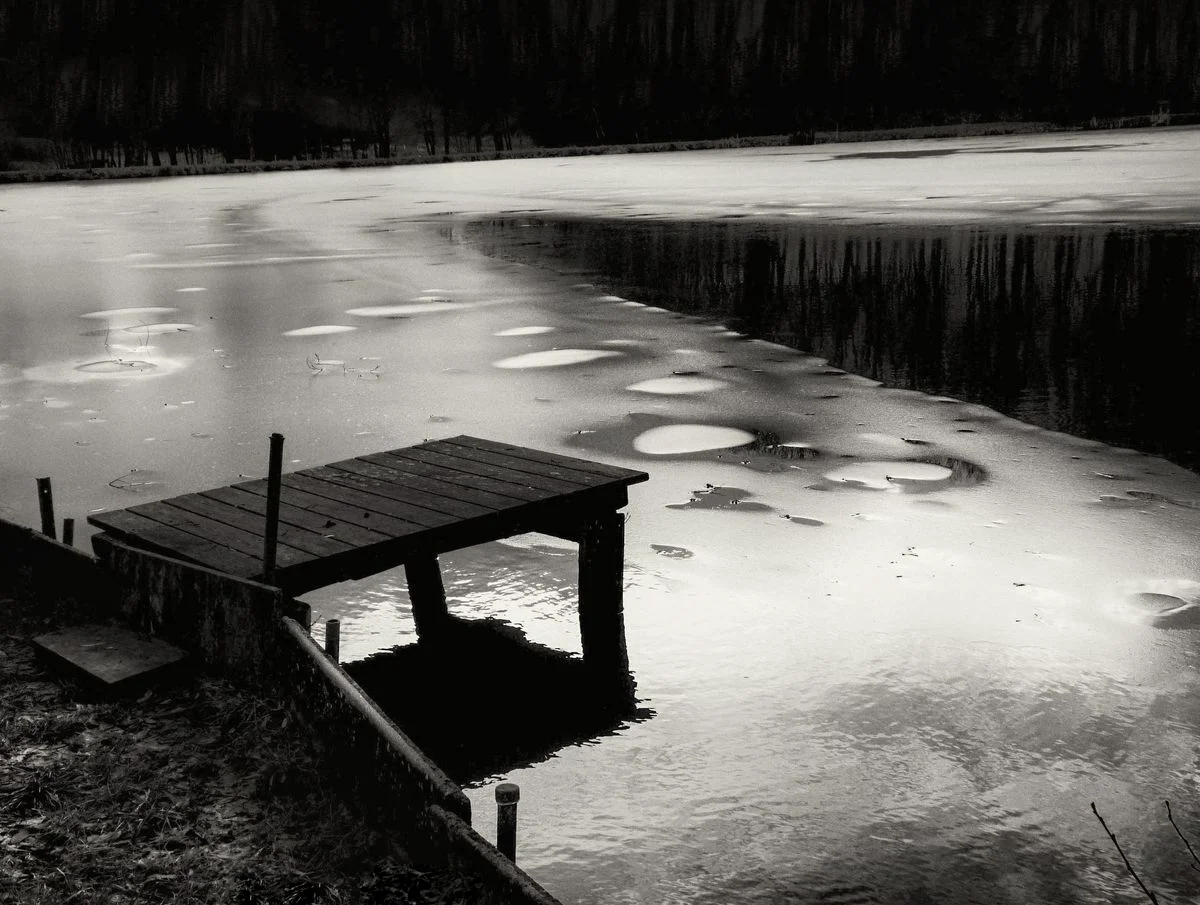
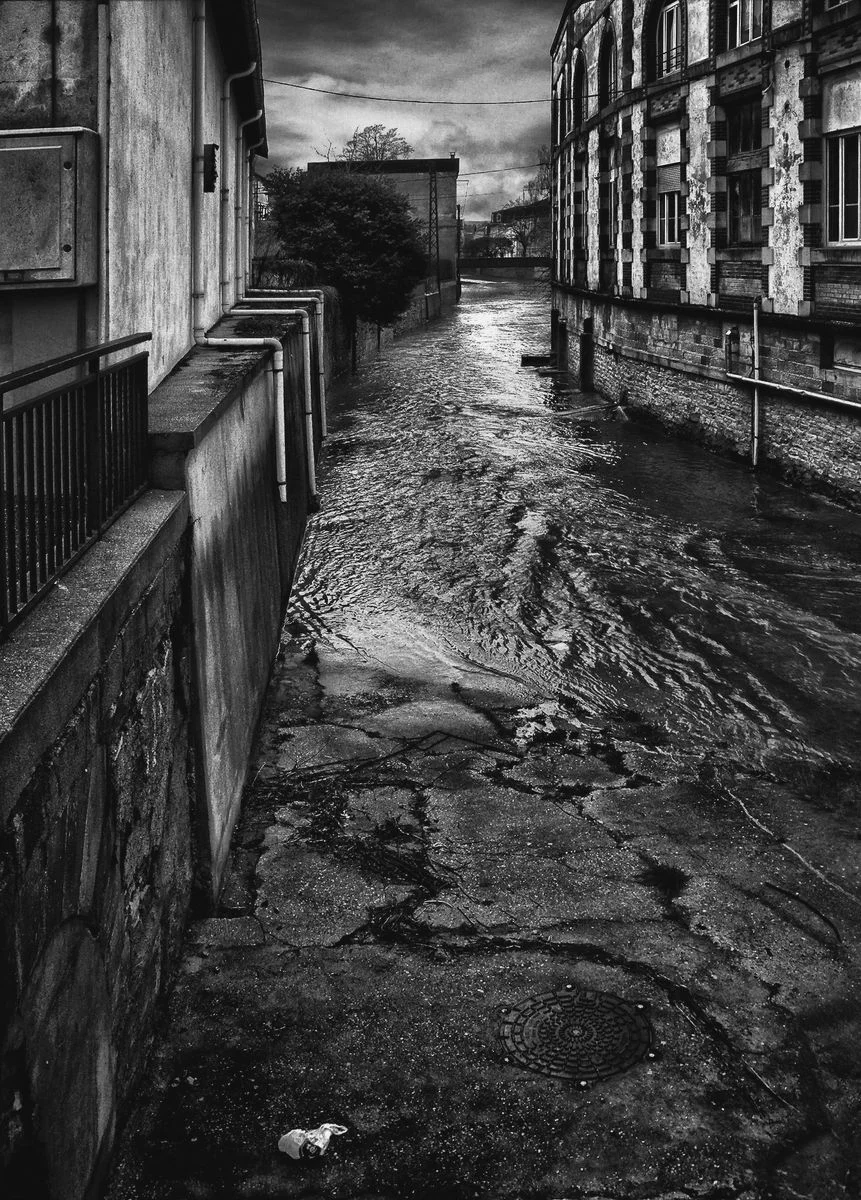
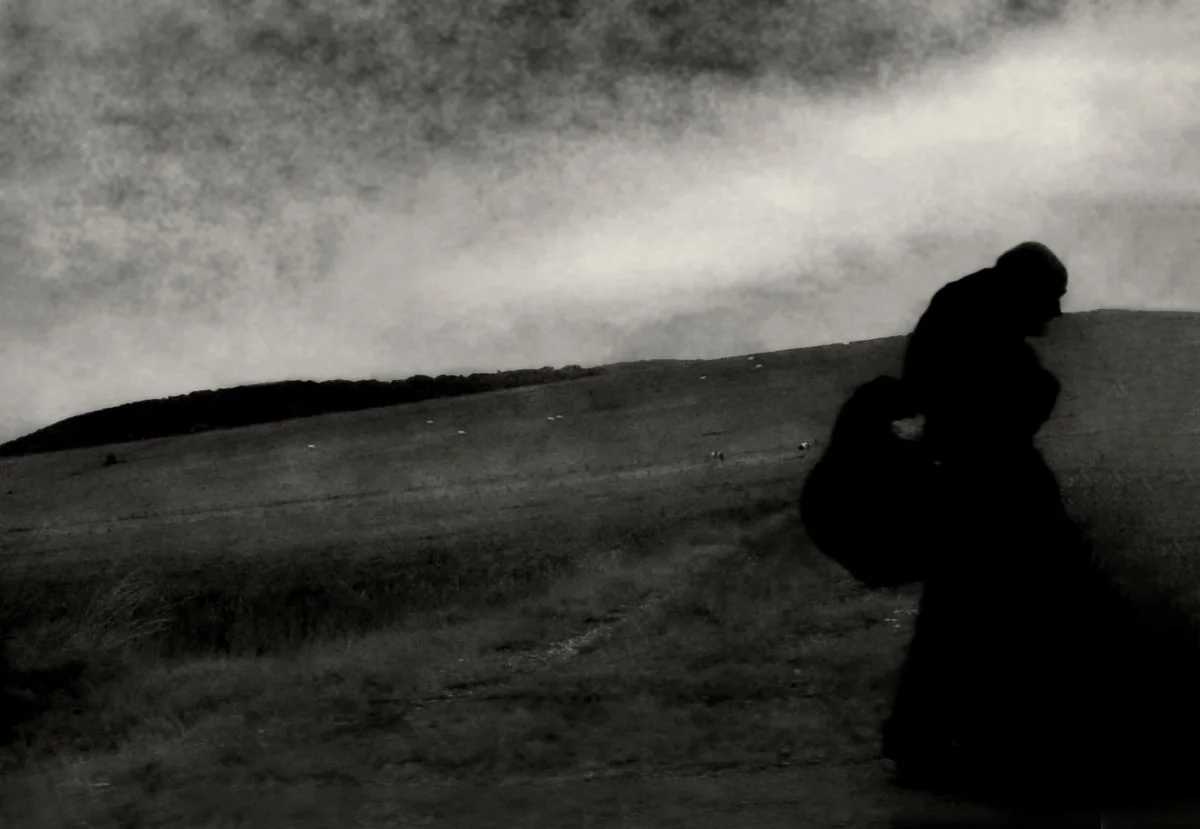
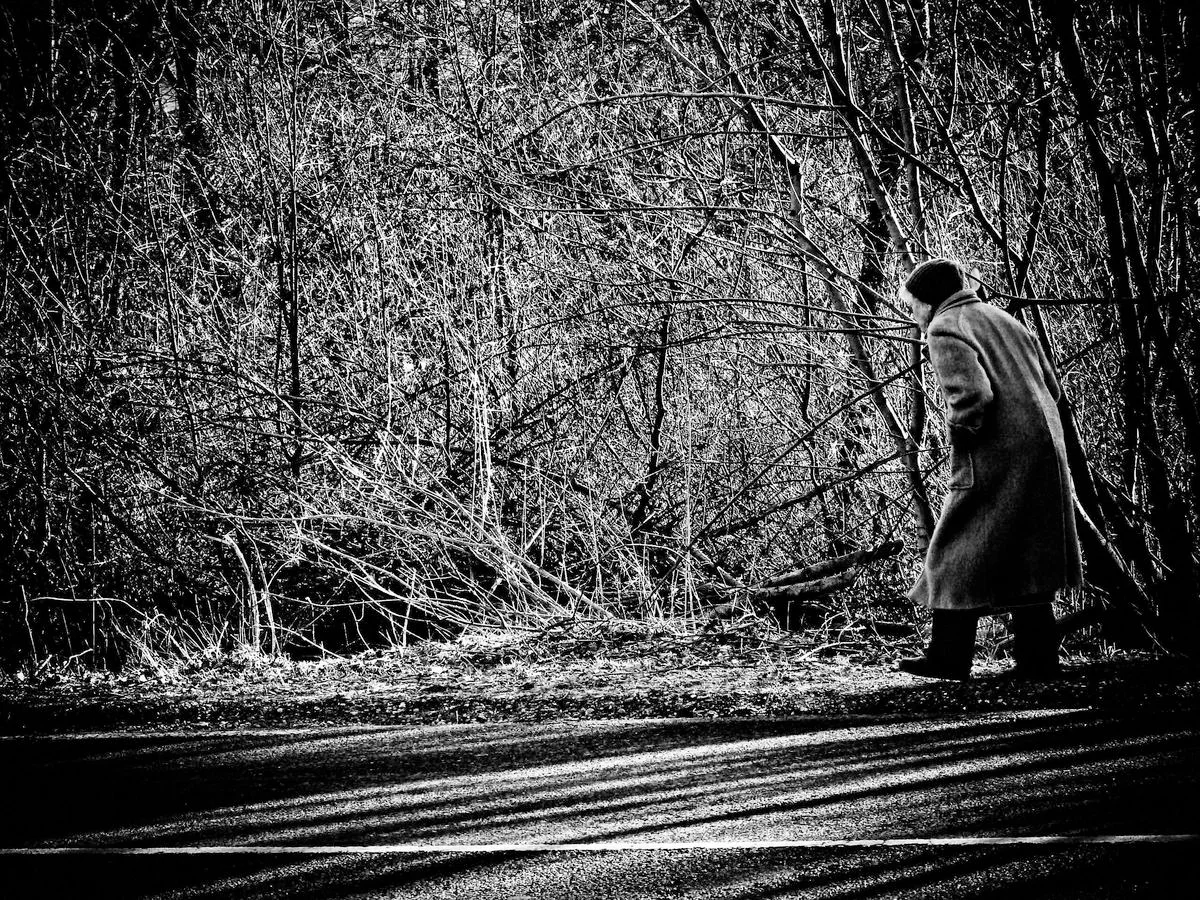
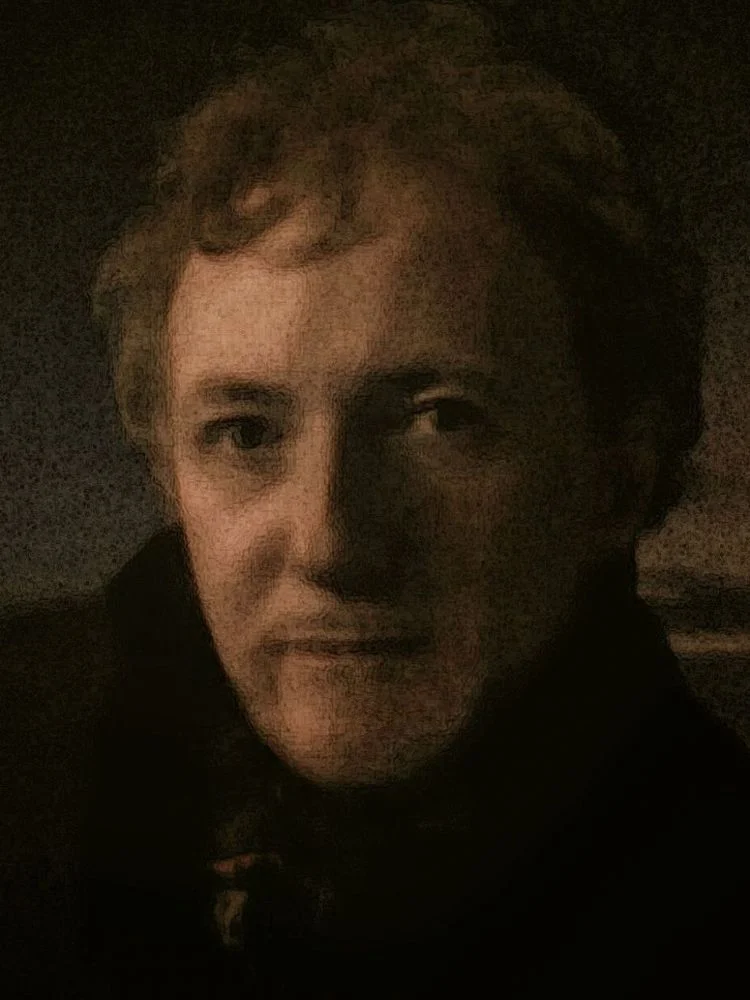
A specialist physician, Jean-François Block's (aka Jourdan Mondrial) contribution to health and culture is highly significant, making him a key figure in the medical–literary scene. He has been involved in the conception of several specialized works, including Pygodynia, Gluteal Pain, for which he established an international, multidisciplinary editorial committee.

He is the author and illustrator of Le Mal de Dos, designed for nursing education institutions, and of La Lettre Médicale de Vittel, a periodical providing medical information to the general public.

He has developed a prolific publishing career, with works such as the Petit Dictionnaire Encyclopédique de Vittel, a one-of-a-kind volume celebrating the 150th anniversary of the spa town, as well as several portrait books: Commemoration of the Liberation of a Vosges Village, Sérocourt; Toxic, Visual Artist; Visit of the Indian Ambassador to Vittel; Ludivine, Model; Fashion According to Maud; and Gvandsa’.

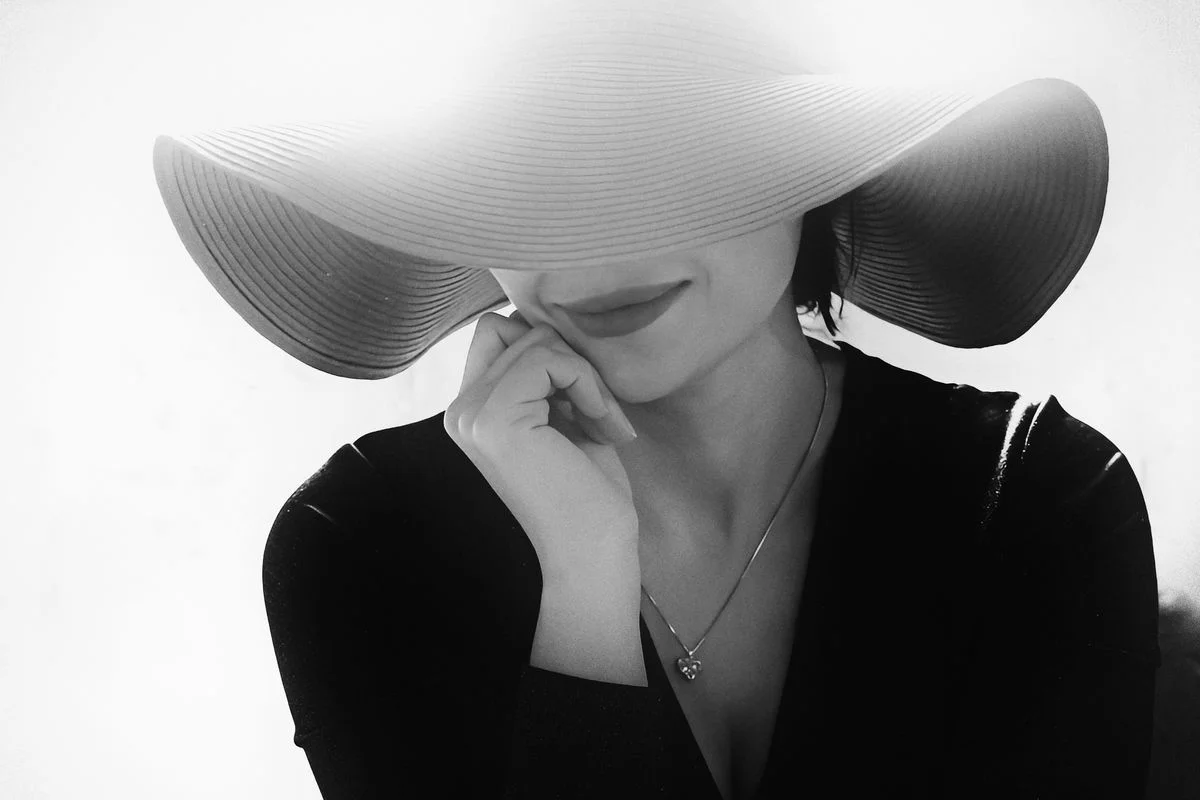
A laureate of numerous photography competitions, he was notably recognized for a project on the theme of Vintage, which was featured on the cover of a highly respected photography magazine.

By inviting promising young photographers, he also organizes photographic gatherings complemented by classical music concerts.

His distinctive creativity across multiple disciplines consistently makes a strong impression.

Statement
"Drawn to the duality of photography—reflecting both humanity and creation—addicted to the sublimation of the ordinary, far from resistant to the pseudo-nonsensical, a fan of spontaneity, and always in search of relevance as a mark of credibility, I navigate multiple realms, gladly losing myself in them only to find myself again through a decisive spark. The camera is a magic wand. It is up to the photographer to perform the tricks that transcend the world."

Awarded Photographer of the Week - Week 1, 2026

 

Inspiring Portfolios

Call for Entries
AAP Magazine #55 Women
Publish your work in our printed magazine and win $1,000 cash prizes
 
Stay up-to-date  with call for entries, deadlines and other news about exhibitions, galleries, publications, & special events.

More Great Photographers To Discover

Javier Arcenillas
Javier Arcenillas is a Spanish freelance photographer, with a degree in Evolutionary Psychology from the Complutense University of Madrid. He is Professor of documentary photography at the PICA School of PHE and editor of photographic projects. Arcenillas develops humanitarian essays where the protagonists are integrated in societies that limit and aggregate all reason and right. He has won several international prizes, including The Arts Press Award, Kodak Young Photographer, European Social Fund Grant, Euro Press of Fujifilm, FotoPress, UNICEF, Sony World Photography of the Year, POYI, POYILatam, Fotoevidence, Gomma Grant, W. Eugene Smith Grant 2013, Getty Images Grant, PDN 2018, World Press Photo 2018, Lucas Dolega 2019. In 2013, Javier Arcenillas entered the dictionary of Spanish photographers. It has 4 books published, City Hope on the satellite cities that populate the landfills of Latin America, Welcome that tells the story of the Rohingya refugees of Myanmar in the Kutupalong camp, Sicarios on the hitmen in Central America and UFO Presences in 2018, the fun project about the spaces of UFO sightings and the way of transformation that localities, roads and cities turned into a legend. Aliens, Area 51, Death Valley or Roswell. The project that conceptualizes in images, maps and graphics the UFO phenomenon offers us places where these strange appearances have entered a unique subculture in the environment, endowing it with a singular energy. In the year 2016 La Fabrica publishes a Photobolsillo within the Photographers Spanish collection. His most complete news articles outside Spain can be read in Time, CNN, IL Magazine, Leica Magazine, Der Spiegel, Stern, Esquire, GEO, El Mundo, PAPEL, VICE News, TRIP, Matador, Man on the Moon, L´Expresso, Zazpika, Primera Linea, El País Semanal, Planeta Futuro, Libero, Gatopardo, El Confidencial, El periódico de Guatemala, Sputnik News as most important magazines. His work is distributed by the Agency LUZ. CITY HOPE Since the mid-nineties settlements bordering on rubbish dumps in the major capitals of Central America and Caribean have experienced a radical transformation. Now a days there are numerous families living in the recycling of waste in these macrociudades of disposable plastic or glass, their economic survival depends on it. Neighborhoods such as La Esperanza in Guatemala, La Duquesa on the Dominican Republic or in Managua Acahualinca fairly communities adapted to the collection of waste in landfills. This essay shows how and where they live hundreds of people in Latin America whose work is not the collection of organic waste. LATIDOAMERICA Latidoamerica is a Photojournalistic Research project that describes and analyzes violence in Central America, one of the most dangerous places in the world documenting the direct consequences of violence Sumida in revolutions, dictatorships, genocides, wars or political lack of control inheriting in each country, these Societies use the fear learned in their worst years to coexist daily with death and criminality in each city. This inheritance that left so much death has transformed the way of thinking and acting in the area. Today, a large part of its citizens live in fear and insecurity of certain death by firearm, rape, aggression, extortion, kidnapping and murder. Since the end of hostilities in countries like El Salvador, the young people who emigrated due to the war in the United States returned as street soldiers with new laws and regulations. The gangs known as "Maras" are responsible for that fear in which they live because they have bloodied any attempt at peaceful democratic socialization and have led the country to a new undeclared war in which Salvadorans are the victims. Similar circumstances in Guatemala where after years of dictatorship, genocide and death professions like that of Sicario end up seducing the poorest young people for the fear and respect they instill. The hired killer recruits teenagers attracted to fast money. Her main game is fear and her job is intimidation and death. In order to ‘graduate' these assassins murder a person on the condition that the situation involves risk. But it is not the only problem, in these countries without war where deaths from violence occur every hour, their social portrait is considered the most terrifying place in the world according to the United Nations. In Honduras, its geographical value is a place of transit for drug trafficking, a constant fight by drug cartels, a country that does not generate social policies. It is the heartbeat of America. CITIZENS OF DESPAIR More than years after his expulsion from Myanmar, thousands of unregistered Rohingya refugees living in makeshift camp Kutupalong, Bangladesh, have been forcibly displaced from their homes, in an act of intimidation and abuse of local authorities. Some international organizations have been treating many people for injuries where the majority were women and children victims of rejection and the disdain and the situation seems to be moving to nowhere. The Rohingya are a small Muslim ethnic group have for years been fleeing the northern Rakhine state of Myanmar which were subject to cruel of Abandonment, violence and exploitation. AmA The story begins like this... "In Genesis there was only the sea. Everything was dark, neither sun nor moon, the water was the mother and her cloak covered everything." For indigenous people there is no difference between dream or reality, day and night, visible or invisible.... Everything is equally real with the eyes open or with them closed. The native, like Alicia, pierces the mirror of appearances naturally but not always with tranquility because if the imaginary is sobering it also has its black and white. EdeN is a story, an illusion that we build in its most spiritual and dreamy emotional state. For generations, indigenous people have explored light and the subconscious on trips beyond reason about a latent unreality of space / time, that origin is found in the need for mastery of the cosmos. They are dreams materialized in a hidden place of the mind. In a meeting of two worlds their universes divide or intertwine over water or earth, the ground and the stars, consciousness and matter. The project embraces an imaginative and unreal photography that plays with illusion and fable as a different form of viewing. That exploration that directs us to delve into the narrative forms of visual expression.
Jerry Takigawa
United States
1945
Jerry Takigawa studied photography with Don Worth at San Francisco State University and received a degree in art with an emphasis in painting. He has been the recipient of a variety of photographic honors and awards including the Imogen Cunningham Award (1982); nominated for the Santa Fe Prize (2007); nominated for the Prix Pictet (2013, 2016); Critical Mass Top 50 (2017, 2020); The Clarence John Laughlin Award (2017); LensCulture, Fine Art Photography Awards Finalist (2018); New York Center for Photographic Art, Humans, First Place (2018); CENTER Awards, Curator's Choice-First Place (2018); the Rhonda Wilson Award (2020); and the Foto Forum Santa Fe Award, Santa Fe NM (2021). Internationally exhibited, his work is included in the permanent collections of the San Francisco Museum of Modern Art, the Brooklyn Museum, the Crocker Art Museum, the Santa Barbara Museum of Art, the Library of Congress, and the Monterey Museum of Art. Takigawa lives and works in Carmel Valley, California. False Food False Food underscores a plastic pollution epidemic that we now know is universally destructive and, tragically, man-made. False Food portrays pieces of plastic waste, recovered from the stomachs of dead albatross, placed in surprising and unfamiliar contexts. Presenting the problem in a different light can promote new ways to think about (and act on) it. Negative images trigger our reptilian brain where clear, ethical thinking is lacking. In this way, warnings about terror can become acts of terror themselves-amplifying fear and blinding us to answers. I believe aesthetically recontextualizing environmental threat opens the heart to not turn away. In this way I wanted to make something transformative-something that didn't terrorize consciousness, but elevated it. Balancing Cultures In Balancing Cultures, I am working with layers of meaning, memory, family, and- centrally-the actions and consequences of Roosevelt's Executive Order 9066. Issued in 1942, it caused the incarceration of 120,000 American citizens and legal residents of Japanese ancestry. My recent discovery of family photographs, taken in the WWII American concentration camps, compelled me to examine my family's unspoken feelings of shame and loss. I wanted to give voice to those feelings, which they had kept concealed for fear of retribution.
Manuello Paganelli
Dominican Republic/United States
1960
I was born in the Dominican Republic and growing up in the 1960s I watched my parents devote time to help others, exposing me to the inequality of wealth, education, and the lack of mind and body wellness prevalent on our small island. It was hard for me to understand why poor children would be on the streets instead of in a warmer, safer place. I saw school-age boys like me but barefoot and shining the fancy shoes of businessmen. Scruffy kids with open hands asking for pennies. Running, begging for anything to eat, fending for themselves, and surviving on their wits alone. None of my parents' words made it better, or helped me understand what led to my country's socio-economic crisis. With my parents' humanistic influence, I figured I would become an attorney like my father or a missionary doctor. In 1972, I arrived in the US for high school without speaking any English. By my last year of college in Tennessee, I lost all desire to become a doctor, My father stopped supporting me. I found work on the assembly lines and loading docks of the local McKee Baking Company. In 1982 I bought my first camera as a way to forget my doomed career. While browsing in a bookstore I learned about a man named Ansel Adams. A few glances at Adams' powerful black-and-white landscapes left me hypnotized. Within days, I was on the telephone with Ansel. It was an innocent call but that first conversation with Ansel Adams led to many more, until we established a warm mentoring relationship that lasted until he passed away in 1984. My break into professional photography began when I was hired as a staff photographer for The Chattanooga Times in 1982. While that photojournalism experience was invaluable, I soon left for the Washington, DC area, where I began a freelance editorial photography career and from there migrated into humanistic photography. In 1989, I began traveling to Cuba to find long-lost relatives. There I learned about the social issues of the island and the survival spirit of the Cuban people, becoming increasingly aware of the socio-political climate I continued to travel there. My documentary photos from my Cuban project culminated in an exhibition in 1995, where a Washington Post columnist wrote: "Paganelli's Cuban photographs are a brilliant window on a land and people too long hidden from North American eyes... Paganelli brings an artist's eyes and a native son's sensibility to his superb photographs." My current essay project, which started in 1994, explores Black Cowboys across the USA, examining cultural and regional influences within this well developed sub-culture. Statement I never planned on becoming a professional photographer. I always thought I'd be a doctor, but during my senior year in college I began to have doubts about a career in medicine. It was around that time that I bought a Canon camera. Despite years in the business, I still possess that same excitement for the craft that gripped me the first time I picked up a camera. And, too, I maintain a passion for sharing my subjects' stories through documentary photography. My influences are the things that my eyes capture from the moment I get up, see, sense and experience and everything else beyond that with the elements of sounds , shadows and light. But I've always admired the work of Walker Evans, Henry Cartier Bresson and most notably the works of W.Eugene Smith and Robert Frank. I also love the landscape of Ansel Adams and the beautiful magical touches of the portraits done by Irving Penn.
Spencer Tunick
United States
1967
Spencer Tunick is an American photographer best known for organizing large-scale nude shoots. Since 1994, he has photographed over 75 human installations around the world. Spencer Tunick was born in Middletown, Orange County, New York into a Jewish family. His father Earl owned a keychain photo-viewer franchise in the Catskills. In 1986, he visited London, where he took photographs of a nude at a bus stop and of scores of nudes in Alleyn's School's Lower School Hall in Dulwich, Southwark. He earned a Bachelor of Arts from Emerson College in 1988. In 1992, Tunick began documenting live nudes in public locations in New York through video and photographs. His early works from this period focus more on a single nude individual or small groups of nudes. Tunick cites 1994, when he posed and photographed 28 nude people in front of the headquarters of the United Nations in midtown Manhattan, as a turning point in his career; "It all started there, moving my work from just photography into installation and performance photography," he says. Since then, he has organized and photographed over 65 temporary site-related installations in the United States and abroad. Tunick's philosophy is that "individuals en masse, without their clothing, grouped together, metamorphose into a new shape. The bodies extend into and upon the landscape like a substance. These grouped masses which do not underscore sexuality become abstractions that challenge or reconfigure one's views of nudity and privacy." Sometimes, after gathering his subjects together, Tunick grades them by gender, long hair, age or other characteristics. Registration for modeling on his website includes questions about skin tone. A color chart shows seven boxes ranging from stark white to baby-powder pink and dark chocolate. In his work, he plays off different flesh tones or groups people of the same color. Tunick is also interested in the juxtaposition between the organic and the mechanical, and often chooses famous buildings or unusual structures as his backdrop. As of 2021, Tunick is the star of forthcoming pandemic documentary film Stay Apart Together, directed by Nicole Vanden Broeck, in which Tunick reinvents his photography "to find a way to bring everyone together while staying apart". To mark International Women's Day on March 8, 2021, the twenty-fourth session of the Stay Apart Together project saw Tunick and Vanden Broeck collaborate with Mexican-American visual artist Daniela Edburg to depict 75 Latin American women in 11 poses, incorporating the colors purple and green (symbols of the Latin American feminist movement) and hot pink, selected by Edburg for its liveliness.Source: Wikipedia Spencer Tunick has been documenting the live nude figure in public, with photography and video, since 1992. Since 1994, he has organized over 100 temporary site-related installations that encompass dozens, hundreds or thousands of volunteers, and his photographs are records of these events. In his early group works, the individuals en masse, without their clothing, grouped together, metamorphose into a new shape. The bodies extend into and upon the landscape like a substance. These group masses, which do not underscore sexuality, often become abstractions that challenge or reconfigure one's views of nudity and privacy. The work also refers to the complex issue of presenting art in permanent or temporary public spaces. Spencer Tunick stages scenes in which the battle of nature against culture is played out against various backdrops, from civic center to desert sandstorm. In 2002 he started to work with standing positions for his group formations referencing traditional group portraiture. Now, for some installations, he adds objects that the participants are often holding or wearing and has included body paint. Spencer has and continues to make group installations/photographs elevating awareness of HIV/AIDS, LGBTQ rights, equality and climate change, among other issues. Near the end of installations, for the final setups, he sometimes separates the participants into smaller groups to make additional assemblages: sometimes by sex, sometimes by age, or even by hair color. However, no one is ever excluded from an installation because of the color of their skin, ethnicity, gender identity, sex, race, religion, or political affiliation. If you can make it to an installation you can participate, unless of course there are space limitations. Spencer could not make his art without the generosity of the participants. He is eternally grateful for their participation. He wishes he could credit everyone in his individual and group photographs but there are hundreds and thousands who have taken part collectively. In exchange for taking part, participants receive a limited edition print. Spencer Tunick's temporary site-specific photographic installations have been commissioned by the XXV Biennial de Sao Paulo, Brazil (2002); Institut Cultura, Barcelona (2003); The Saatchi Gallery (2003); MOCA Cleveland (2004); Vienna Kunsthalle (2008) and MAMBO Museum of Modern Art, Bogota (2016), among others.Source: www.spencertunick.com
Advertisement
AAP Magazine #55 Wmen
Win a Solo Exhibition in March
AAP Magazine #55 Wmen

Latest Interviews

Exclusive Interview with Anastasia Samoylova
Anastasia Samoylova is an American artist whose photographic practice is shaped by close observation and a deep attentiveness to place. Working between documentary and formal exploration, she photographs landscapes, architecture, and everyday scenes with a sensitivity to light, structure, and atmosphere. Since relocating to Miami in 2016, her work has increasingly focused on how environments—both natural and built—carry social, cultural, and emotional traces. We asked her a few questions about her practice and her way of seeing, to better understand the thoughts and experiences that shape her work—while allowing the images themselves to remain open and speak in their own time.
Exclusive Interview with Marijn Fidder
Marijn Fidder is a Dutch documentary photographer whose work powerfully engages with current affairs and contemporary social issues. Driven by a deep sense of social justice, she uses photography to speak on behalf of the voiceless and to advocate for the rights of those who are most vulnerable. Her images have been widely published in major international outlets including National Geographic, CNN Style, NRC Handelsblad, Volkskrant, GUP New Talent, and ZEIT Magazin. Her long-term commitment to disability rights—particularly through years of work in Uganda—culminated in her acclaimed project Inclusive Nation, which earned her the title of Photographer of the Year 2025 at the All About Photo Awards. She is also the recipient of multiple prestigious honors, including awards from World Press Photo and the Global Peace Photo Award. We asked her a few questions about her life and work.
Exclusive Interview with Josh S. Rose
Josh S. Rose is a multidisciplinary artist working across photography, film, and writing. His practice bridges visual and performing arts, with a strong focus on movement, emotion, and the expressive potential of the image. Known for his long-standing collaborations with leading dance companies and performers, Rose brings together authenticity and precise composition—a balance he describes as “technical romanticism.” His work has been commissioned and exhibited internationally, appearing in outlets such as Vogue, at the Super Bowl, in film festivals, and most recently as a large-scale installation for Lincoln Center for the Performing Arts. A sought-after collaborator, he has worked with major artists, cultural institutions, and brands, following a previous career as Chief Creative Officer at Interpublic Group and the founder of Humans Are Social. We asked him a few questions about his life and work.
Interview with Maureen Ruddy Burkhart
Photographer Maureen Ruddy Burkhart brings a quietly attentive and deeply human sensibility to her exploration of the world through images. Shaped by a life immersed in photography, film, and visual storytelling, her work is guided by intuition, observation, and an enduring interest in the emotional undercurrents of everyday life. With a practice rooted in both fine art traditions and documentary awareness, she approaches her subjects with sensitivity, allowing subtle moments to emerge naturally rather than be imposed. Her series Til Death, selected as the Solo Exhibition for February 2025, reflects this long-standing commitment to photography as a space for reflection rather than spectacle. Drawn to moments that exist just outside the expected frame, Burkhart’s images suggest narratives without resolving them, leaving room for ambiguity, humor, and quiet connection. We asked her a few questions about her life and work.
Exclusive Interview with Peter Ydeen
Winner of AAP Magazine #45 Travels, his series reflects this unique vision—capturing the spirit of place through subtle layers of light, color, and emotion. Whether traveling abroad or observing the rhythms of his own surroundings, Ydeen creates images that feel both grounded and enchanted, inviting viewers into a world where reality and reverie meet.
Exclusive Interview with Julie Wang
Chinese-born photographer Julie Wang brings a poetic, contemplative sensitivity to her visual exploration of the world. Having lived for nearly equal parts of her life in China, Europe, and the United States, she approaches her subjects with the nuanced perspective of someone shaped by many cultures. This blend of distance, curiosity, and emotional resonance infuses her work with a quiet depth, allowing her to reveal the fragile beauty and subtle tensions that often pass unnoticed.
Exclusive Interview with Ghawam Kouchaki
American photographer Ghawam Kouchaki brings a sharply observant and introspective gaze to the streets of Japan’s capital. Based in Los Angeles, he approaches Tokyo with the distance — and curiosity — of an outsider, allowing him to uncover the city’s subtle contradictions, quiet tensions, and fleeting gestures that often go unnoticed. His series Tokyo no no, selected as the Solo Exhibition for December 2024, explores the hidden undercurrents of urban life: the unspoken rules, the small ruptures in routine, the poetic strangeness found in everyday moments. Through muted tones, instinctive timing, and meticulous framing, Kouchaki reveals a Tokyo that exists somewhere between reality and imagination — both intimate and enigmatic. We asked him a few questions about his life and work.
Exclusive Interview with Tommi Viitala
Tommi Viitala, winner of AAP Magazine #44: Street, is a Finnish photographer celebrated for his striking and cinematic street photography. With a keen eye for atmosphere and composition, he captures fleeting urban moments that reveal the poetry of everyday life. His work often explores the tension between solitude and connection within contemporary cityscapes, blending documentary realism with artistic sensibility. Viitala’s photographs have been exhibited internationally and recognized for their strong visual storytelling and emotional depth. We asked him a few questions about his life and work.
Exclusive Interview with Robert Mack
Robert Mack is a California-based visual artist, photographer, and filmmaker. His fine art photography and films have been exhibited widely in the United States and Europe, with major shows at the Baltimore Museum of Art and the Reiss-Engelhorn Museum in Mannheim, Germany. Both institutions hold his work in their permanent collections. Working across different media, Mack has built a career exploring the complexities of human presence and representation. In 1981, while living in Baltimore, he produced The Perkins Project: Not Guilty by Reason of Insanity, a rare photographic and film study inside Maryland’s hospital for the criminally insane. These stark yet compassionate black-and-white portraits remain one of his most powerful and controversial bodies of work.
Call for Entries
AAP Magazine #55 Women
Publish your work in our printed magazine and win $1,000 cash prizes