All about photo.com: photo contests, photography exhibitions, galleries, photographers, books, schools and venues.
Submit your Best Project to Win a Solo Exhibition this March!
Ali Nejatbakhsh
Ali Nejatbakhsh
Ali Nejatbakhsh

Ali Nejatbakhsh

Country: Iran
Birth: 1992

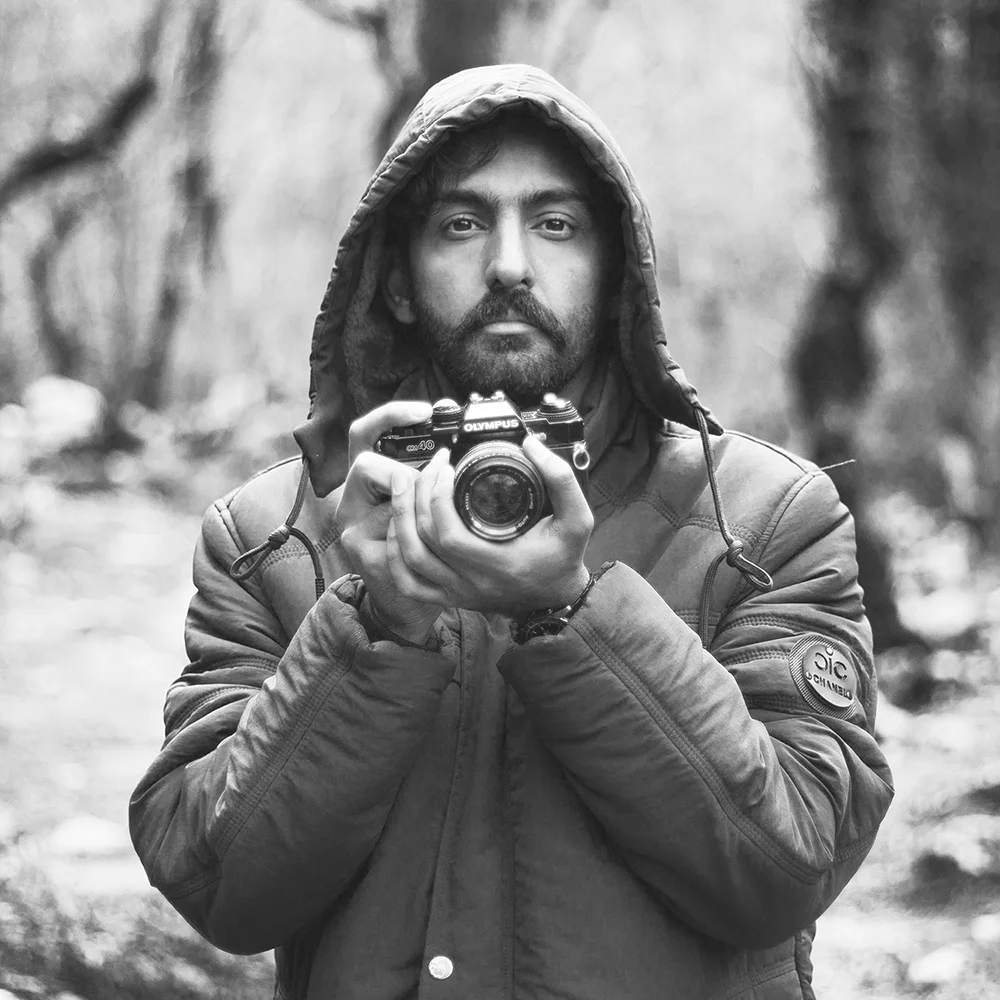
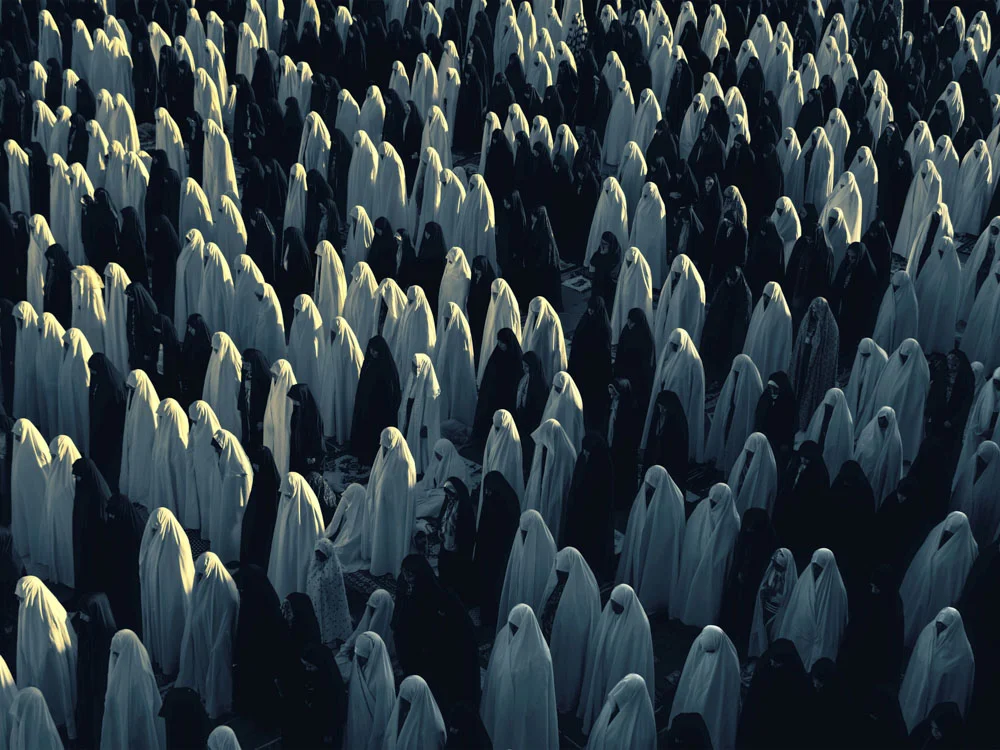
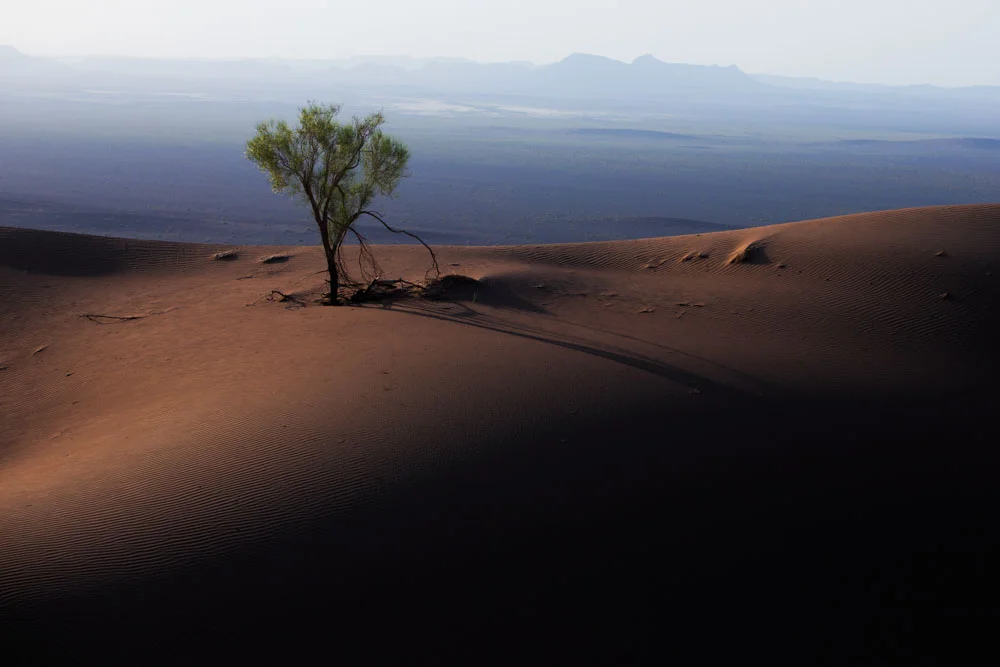
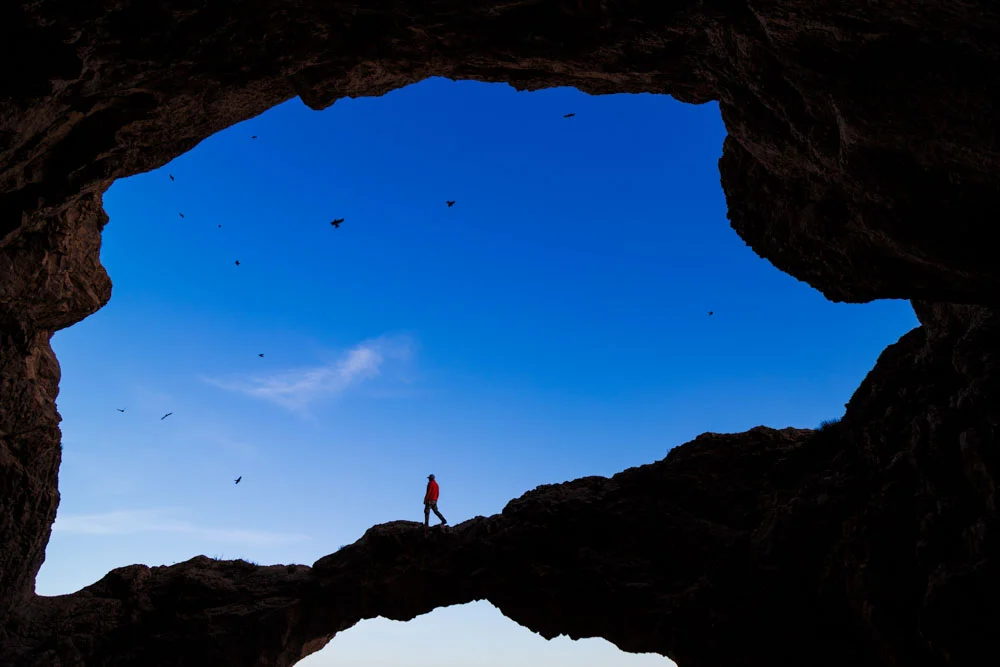
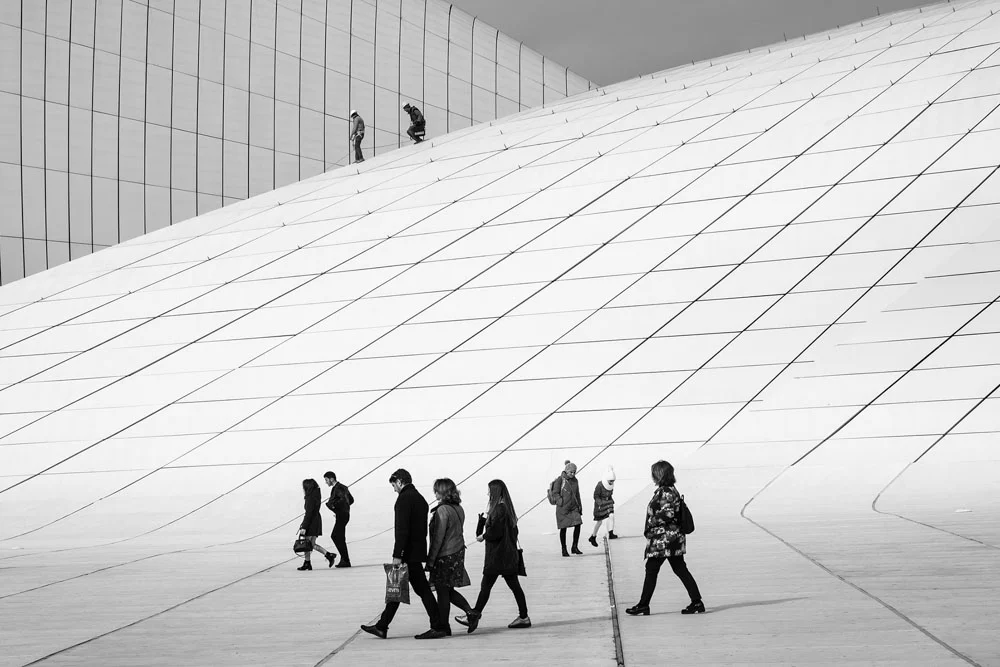
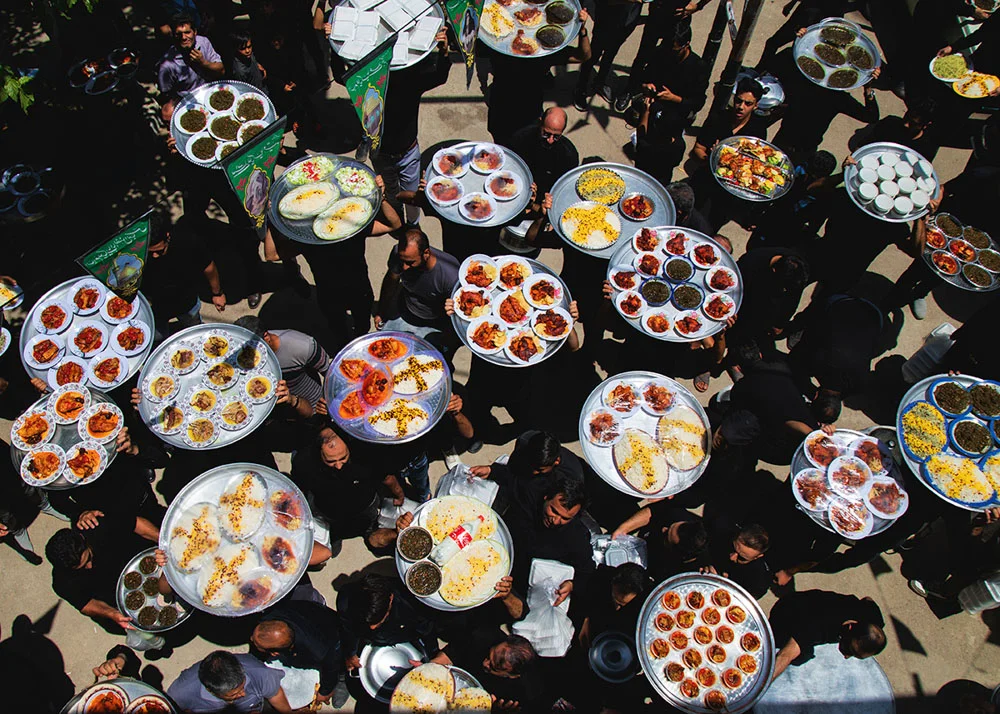
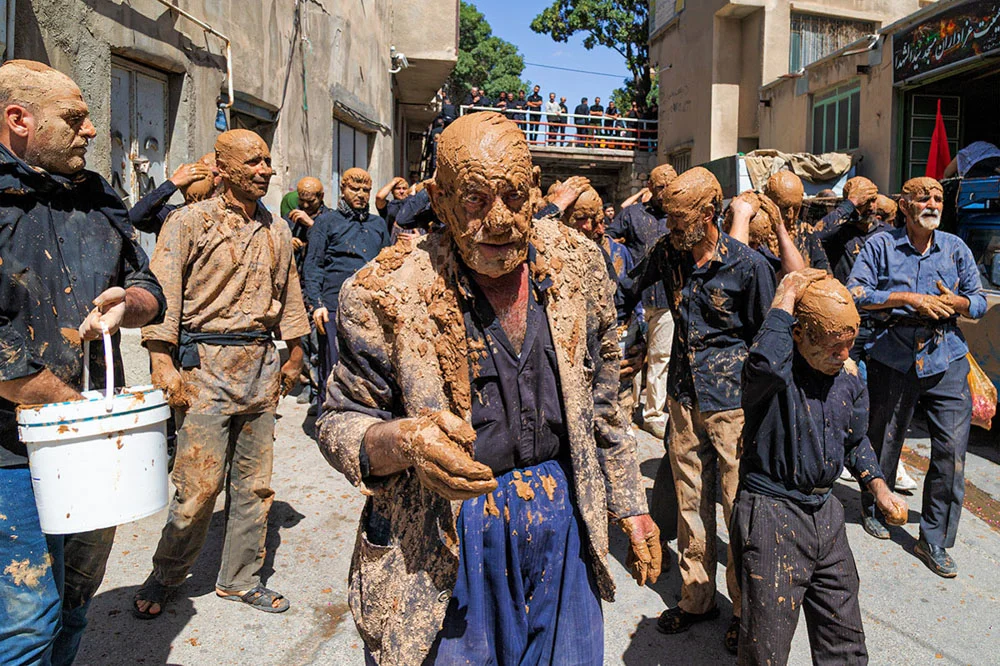
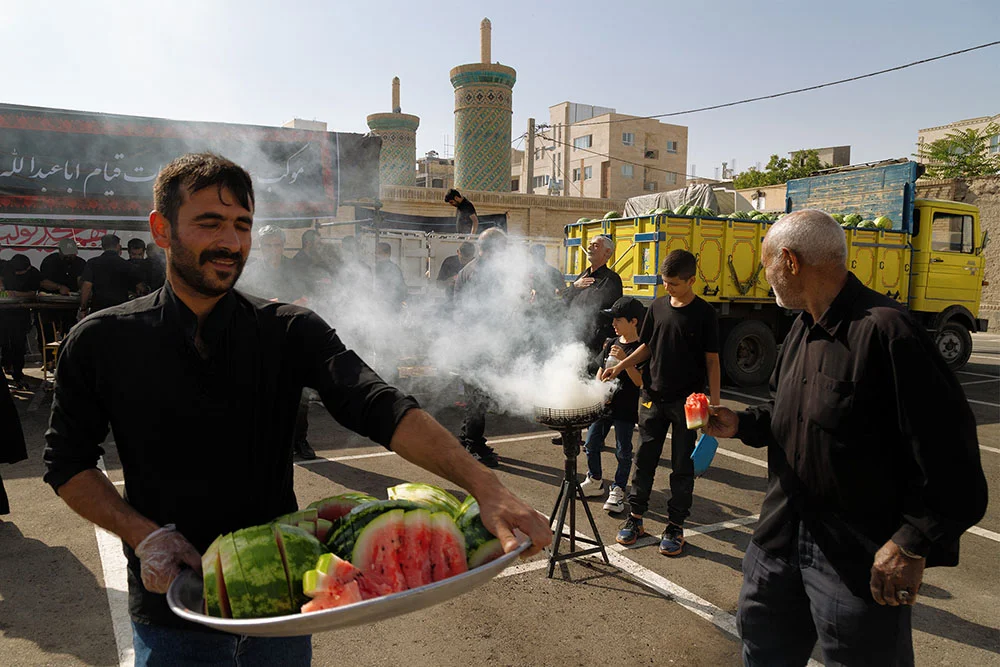
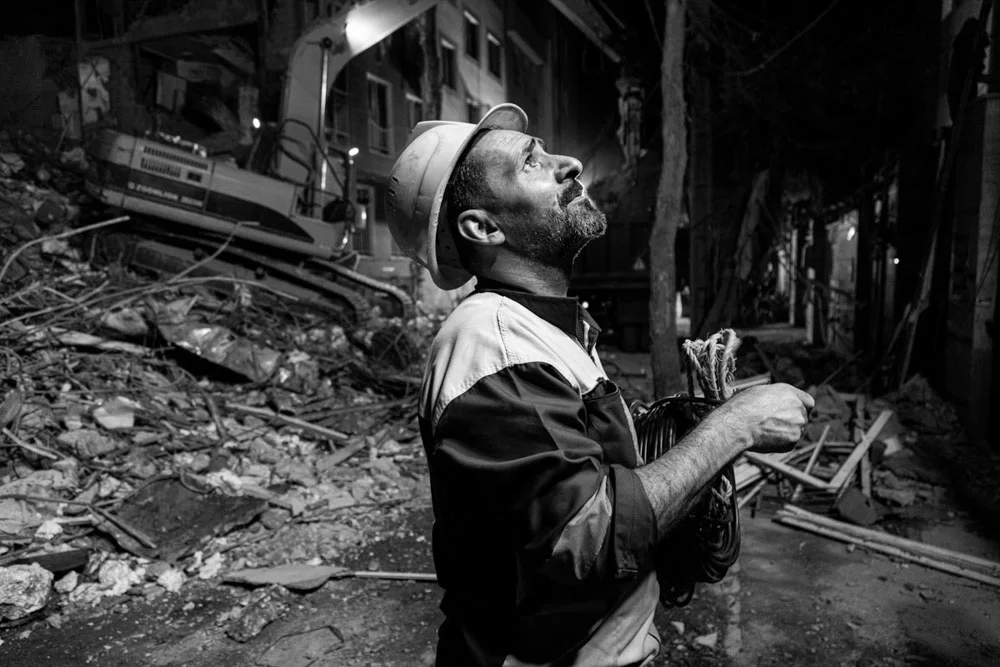
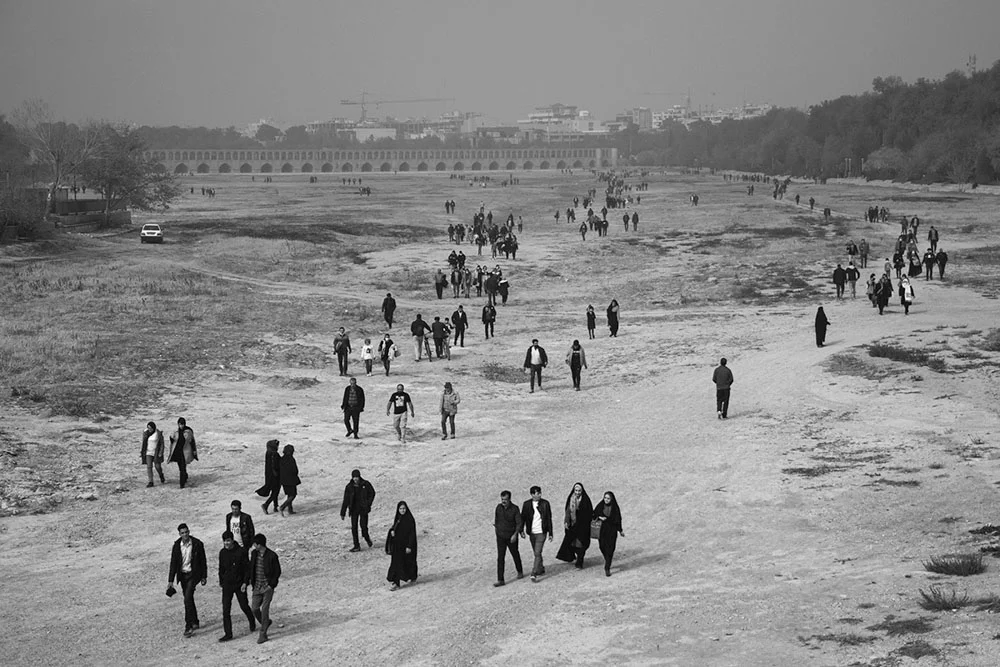
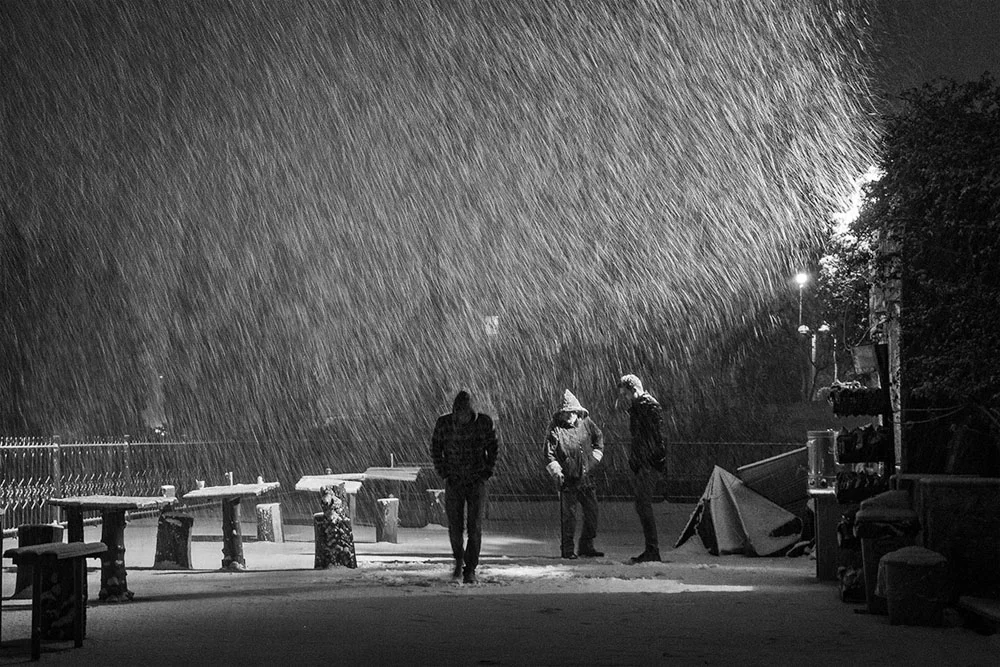
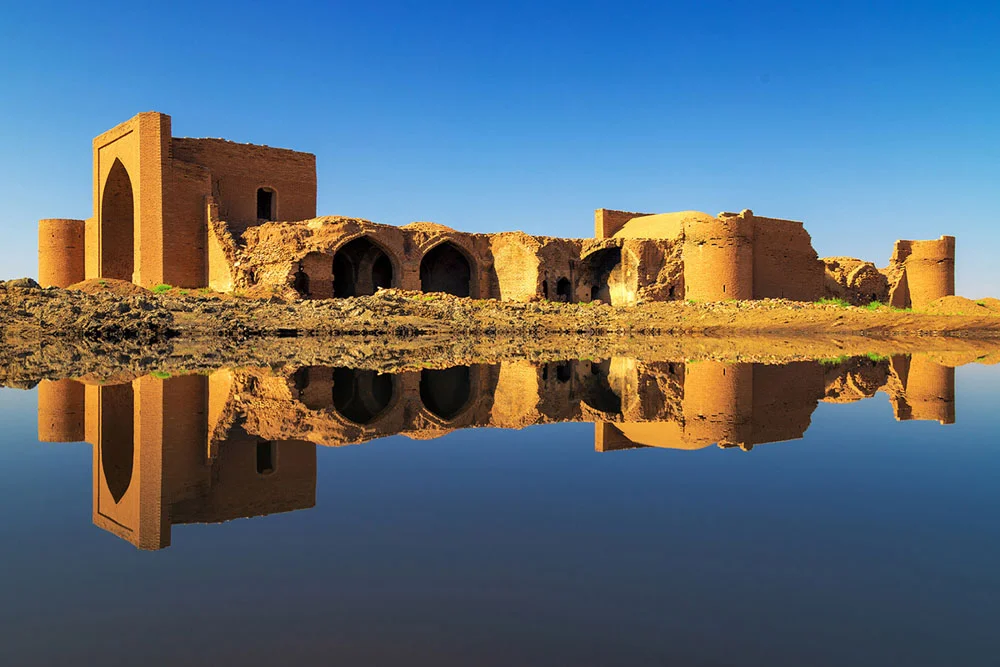
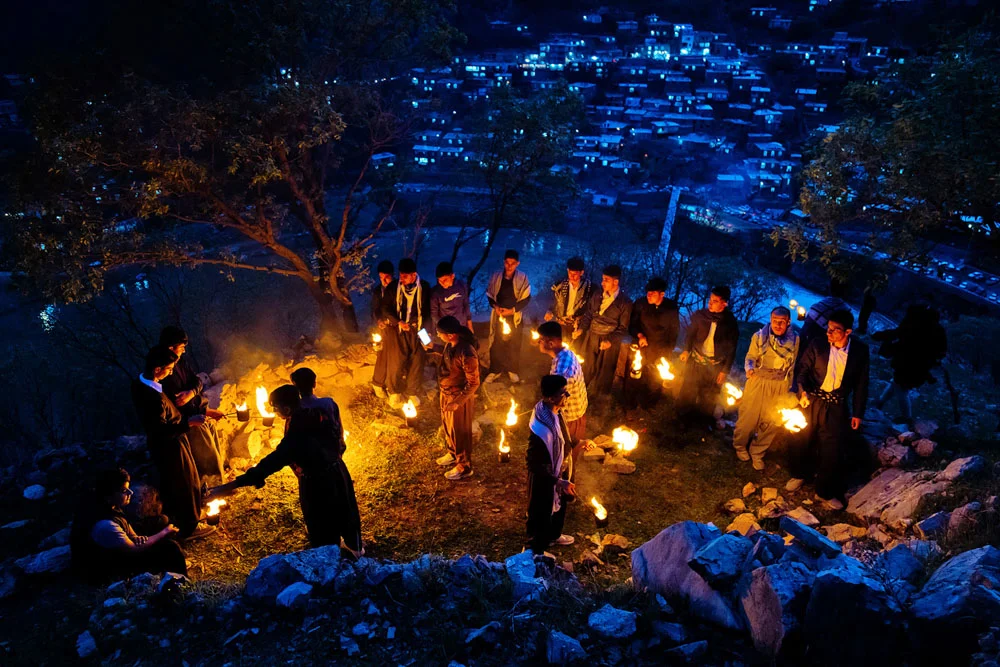
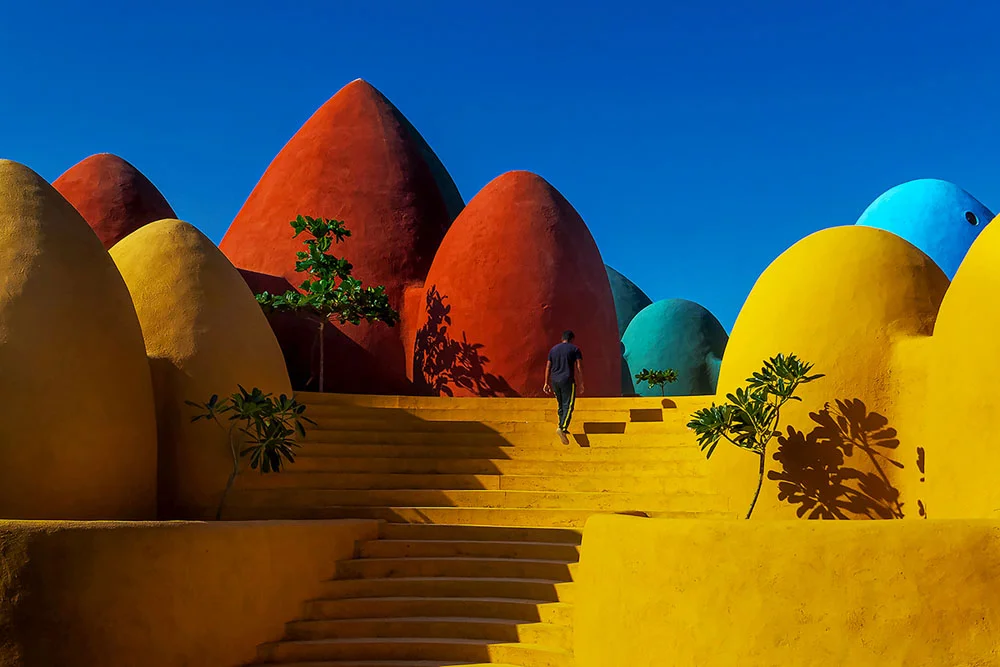
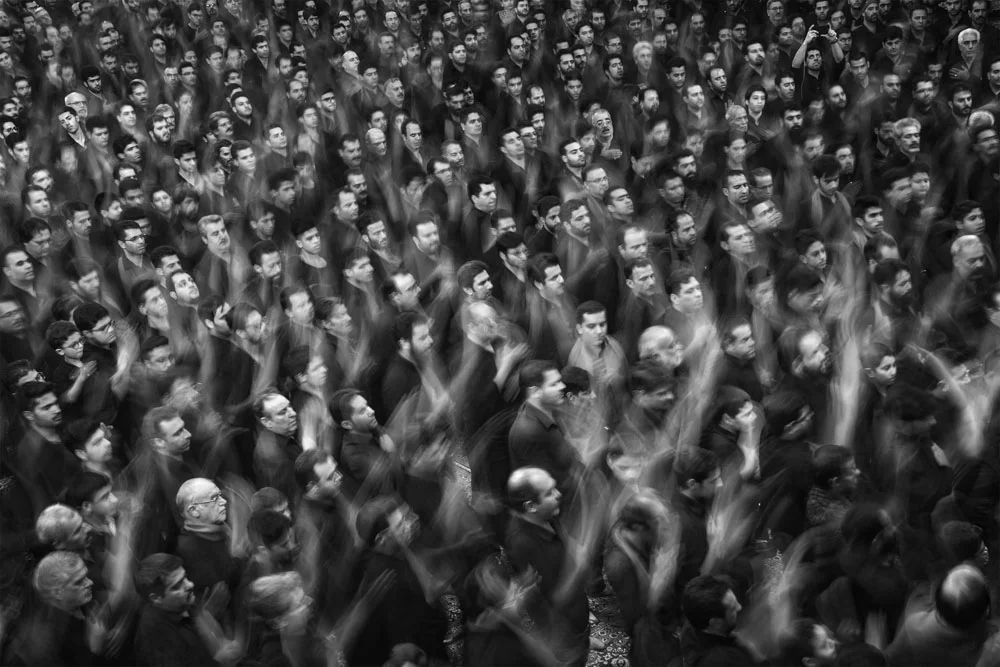
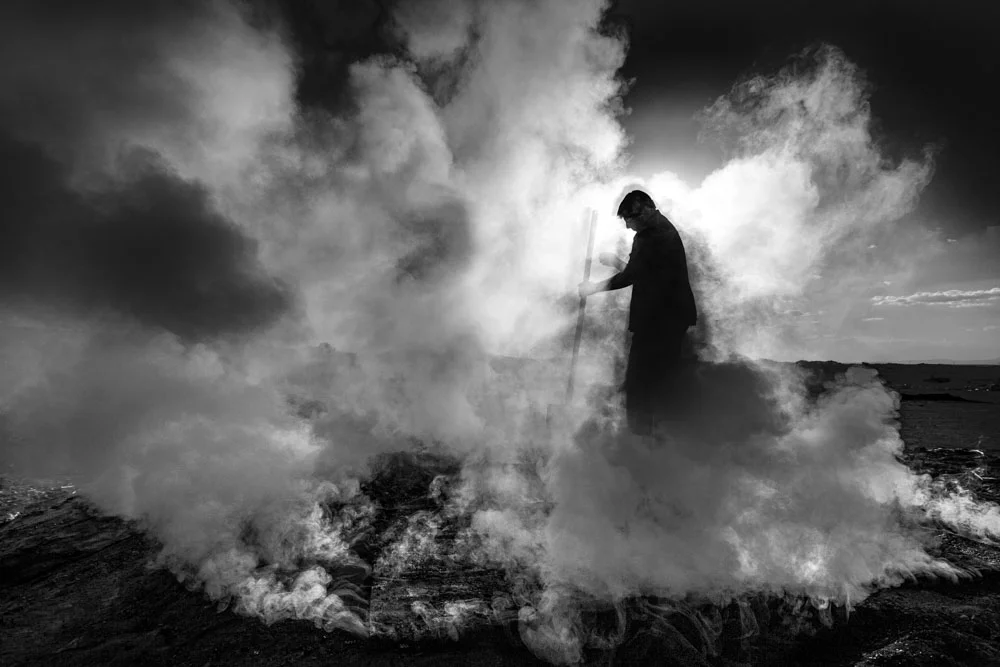
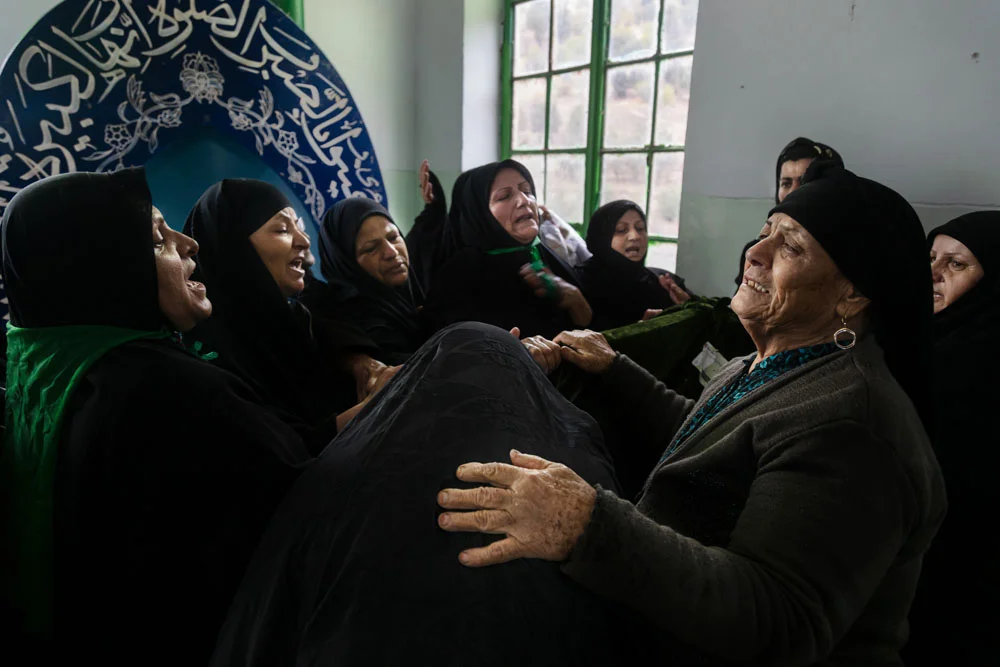
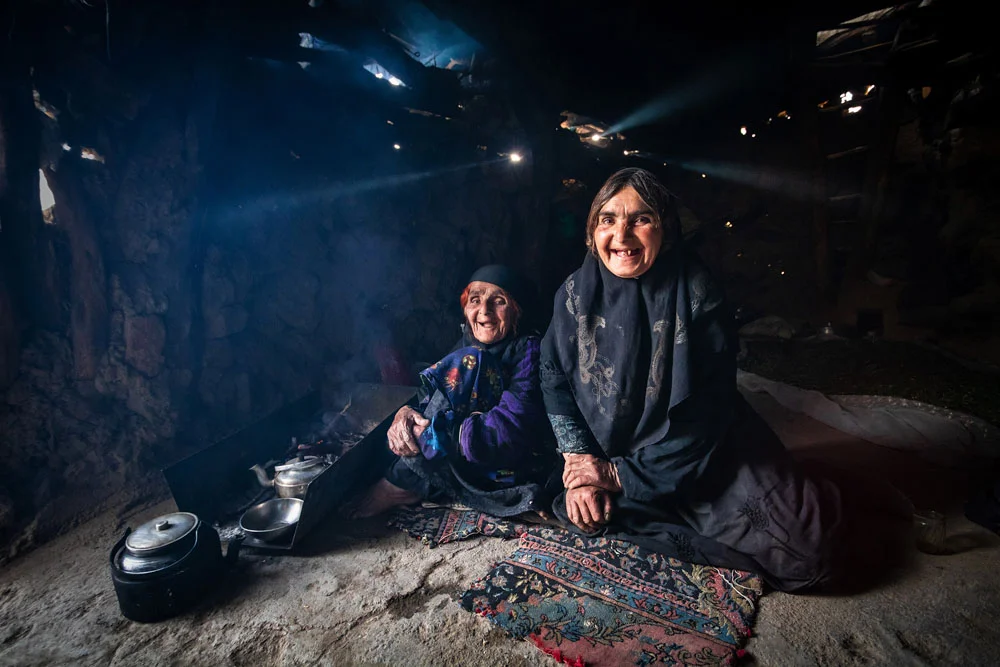
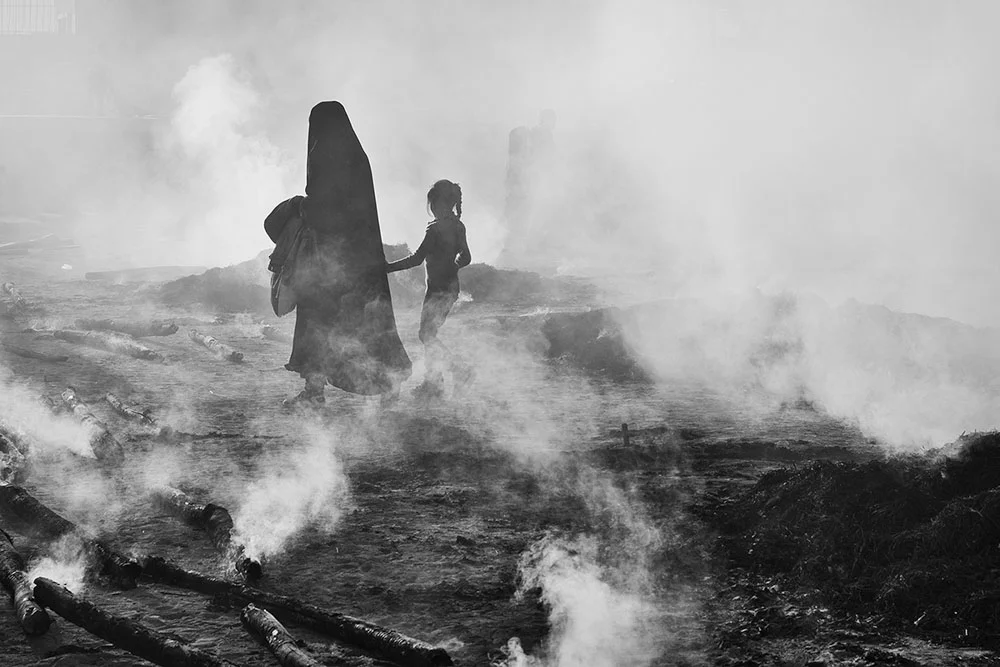
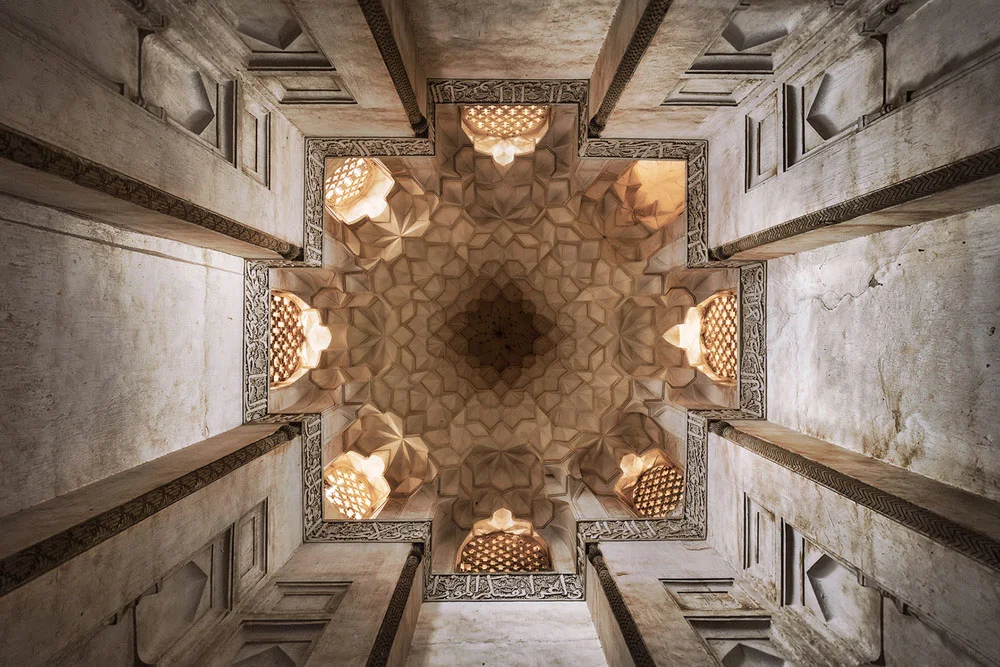
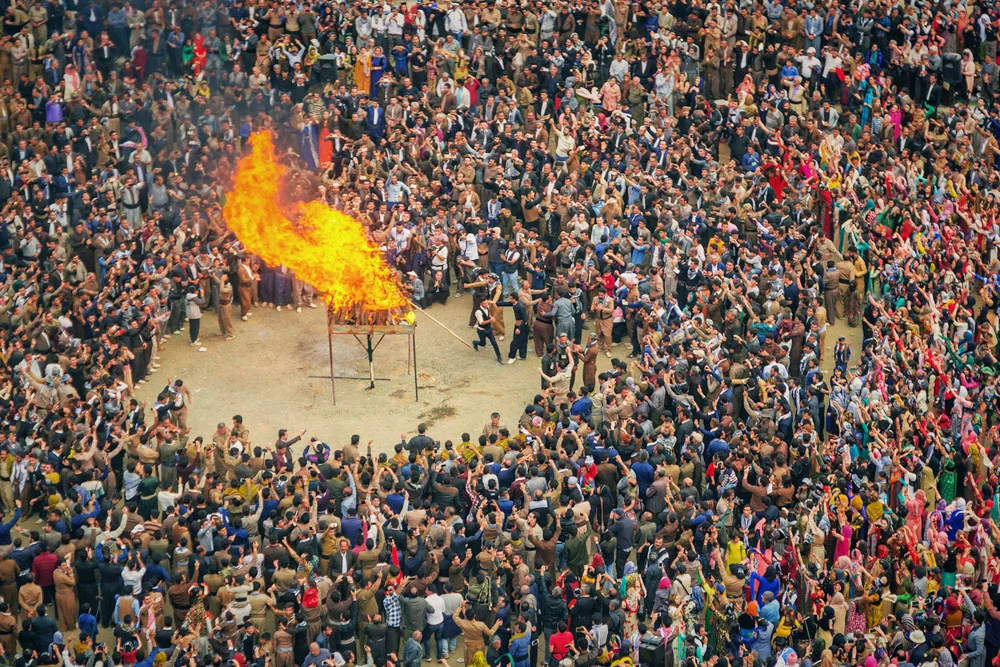
Ali Nejatbakhsh is an Iranian photographer and a candidate for a Master’s degree in Photography at the Faculty of Fine Arts, University of Tehran. His work explores documentary and social themes, with a primary focus on capturing human experiences and cultural rituals. As a professional instructor of digital software, Ali combines technical expertise with an artistic vision to create precise and impactful images. Some of his photographs have gained recognition in international exhibitions and festivals for their subtle portrayal of cultures and the tourist attractions of his country and neighboring regions.

Awarded Photographer of the Week - Week 07, 2026
 

Inspiring Portfolios

Call for Entries
AAP Magazine #55 Women
Publish your work in our printed magazine and win $1,000 cash prizes
 
Stay up-to-date  with call for entries, deadlines and other news about exhibitions, galleries, publications, & special events.

More Great Photographers To Discover

Peter Marlow
United Kingdom
1952 | † 2016
Peter Marlow (19 January 1952 – 21 February 2016) was a British photographer and photojournalist, and member of Magnum Photos. Born in Kenilworth, England, Marlow studied psychology at Manchester University, graduating in 1974. He began his photography career in 1975 working on an Italian cruise liner in the Caribbean before joining the Sygma news agency in Paris in 1976. In the 1970s Marlow worked in Northern Ireland, Angola, The Philippines and Lebanon primarily as a war photographer, but soon found that the competition of photojournalism did not suit him. "I did get some very good pictures and was doing a lot of conflict work, but I just realised I was never ever going to be Don McCullin. And actually, in certain situations, I was very, very scared." He returned home to Britain and worked in Liverpool on an eight-year project, Liverpool – Looking out to Sea, which documented what he perceived to be a decline of the city under Margaret Thatcher. He became associated with Magnum Photos in 1980 and became a full member in 1986, having been attracted to the freedom the agency gives its photographers to work on personal projects. Alongside Chris Steele-Perkins, he founded Magnum's London office in 1987. He served as the agency's president twice and was vice-president numerous times. The photographer Martin Parr said it was “difficult to overestimate” Marlow's contribution to Magnum". He also worked regularly for The Sunday Times in the mid-1980s. In 1991 he received an assignment from the Somme department in France to photograph Amiens. Later he began to work abroad again, traveling to Japan, the United States, and other parts of Europe. His later photography is primarily in color. Though well known for his depictions of places, Marlow also documented politics with a collaboration with Tony Blair. Marlow died on 21 February 2016 from influenza contracted during a stem cell transplant as a treatment for multiple myeloma.Source: Wikipedia Although gifted in the language of photojournalism, Peter Marlow was not a photojournalist. He was initially, however, one of the most enterprising and successful young British news photographers, and in 1976 joined the Sygma agency in Paris. He soon found that he lacked the necessary appetite for the job while on assignment in Lebanon and Northern Ireland during the late 1970s; he discovered that the stereotype of the concerned photojournalist disguised the disheartening reality of dog-eat-dog competition between photographers hunting fame at all costs. After those days, Marlow’s aesthetic shifted – in that he made mainly color photographs – but his approach was unchanged. The color of incidental things became central to his pictures in the same way that the shape and mark of things had been central to his black-and-white work. Marlow had come full circle. He started his career as an international photojournalist, returned to Britain to examine his own experience, and discovered a new visual poetry that enabled him to understand his homeland. Having found this poetry, he took it back on the road: he photographed as much in Japan, the USA and elsewhere in Europe as he did in the UK.Source: Magnum Photos
Nick Turpin
United Kingdom
1969
Nick Turpin is a British street photographer and advertising and design photographer. He is based in London and near Lyon, France. He studied an art and design foundation course at the University of Gloucestershire, specializing in photography; then a BA in photography, film and video at the University of Westminster. Whilst at university he showed his second-year photojournalism stories to the picture editor at The Independent and in 1990, aged 20, quit his course to be a press photographer for the newspaper. He left The Independent in 1997 for a career in advertising and design photography that would finance his street photography (for example he photographed the cover of Bridget Jones's Diary (1995) by Helen Fielding). Turpin established the first international collective of street photographers, In-Public, in 2000 with the intention of bringing together like-minded photographers to hold exhibitions, produce books, and conduct workshops. Colin Westerbeck, writing in Time in 2011, said Turpin was "notable for having been instrumental in a collaborative documentary project", namely In-Public. He left the collective in 2018. His work has been published in his own book, On The Night Bus (2016), and in various survey publications, as well as being included in a number of group exhibitions. He publishes through Nick Turpin Publishing, makes short films, and gives workshops on street photography.Source: Wikipedia Artist Statement "There is something about the making of photographs in public places that resonates with me more than any other kind of photography. I think it simply suits my personality. It’s nice, when taking pictures in the street, not to have to participate in any way in the stream of life passing you by. It makes me feel special to be there but not to be chatting, not to be shopping or not even to be heading for somewhere else. I feel like I am invisible to the passing crowds. This in turn leads to a loss of my sense of self, which is the finest feeling of all. Having worked for several years both in newspapers and advertising, I am fascinated by the things that I ‘choose’ to photograph when I leave the house with my camera but without a ‘story’ or ‘brief’ to fulfill. These ‘choices’ are revealing,in some way, of who I am. I go to the busiest, public places to discover something very personal and private. It is an inescapable truth that the resulting photographs are as much about my inner state as they are about the external world they were made in. They are all self-portraits. It is important to me that my personal pictures don’t have to ‘do’ anything. They don’t have to sell in a gallery or sit well beside the ads in a magazine. I don’t have to make pictures that are easily categorised. They are not reportage, there is no subject, they are not art, there is no great technical craft or aesthetic beauty. They are just pictures about life. For these reasons, Picture Editors, Art Directors and Curators don’t know what to do with them, where to put them. I like that." -- Nick TurpinSource: In-Public
John Divola
United States
1949
John Divola is an American contemporary visual artist born in 1949 in Los Angeles, CA. He received a B.A. from California State University, Northridge in 1971 and later received an M.F.A. from the University of California, Los Angeles in 1974. He has held residencies at many institutions including the California Institute of the Arts. He has held the position of Professor in the art department at the University of California Riverside since 1988. His work has been featured in many solo exhibitions across the United States, Europe, Japan, and Australia. He participated in 1978, 1989, and 2000 Museum of Modern Art group exhibitions and in the 1981 Whitney Biennial. Divola received awards as Individual Artist Fellowship from the National Endowment for the Arts in 1973, 1976, 1979, 1990 and a Guggenheim Fellowship in 1986. He published four books: Continuity, Isolated Houses, Dogs Chasing My Car In The Desert, and Three Acts. In Zuma project, he has described being interested in the relationship between real artworks and representations of them, and the issues of the natural and the artificial. Divola said "I attempted ... to develop a practice in which there could be no distinction between the document and the original." In his series of photographs from 1977, he used deserted houses on Zuma Beach and covered their walls in graffiti. He photographed the ocean from the house's interior through windows and cracks. Divola states: "On initially arriving I would move through the house looking for areas or situations to photograph. If nothing seemed to interest me I would move things around or do some spray painting. The painting was done in much the same way that one might doodle on a piece of paper. At that point, I would return to the camera and explore whatever new potentials existed." These cyclical images skillfully juxtapose romantic skies and sunsets with a seaside structure that, frame by frame, deteriorates into ruin as it is vandalized by the artist and others who eventually set it on fire. Divola's works trace a schematic desire for escape, movement, and transcendence. "My acts, my painting, my photographing, my considering, are part of, not separate from, this process of evolution and change. These photographs are not so much about this process as they are remnants from it. My participation was not so much one of intellectual consideration as one of visceral involvement." Dogs Chasing My Car In The Desert are images of dogs in the desert captured in the midst of running wildly after the car. Emphasizing the grain of the image, these black and white photographs capture a haunting moment in which there is a duality between a sense of absence and presence. The behavior of the dogs suggests a lack of previous stimuli, and loneliness at the same time as an all-consuming reaction to the now, a presence. "It could be viewed as a visceral and kinetic dance. Here we have two vectors and velocities, that of a dog and that of a car and, seeing that a camera will never capture reality and that a dog will never catch a car, evidence of devotion to a hopeless enterprise". In the Dark Star series, dark circles have been painted on the walls of an abandoned house. Creation and destruction are held in a delicate equilibrium, the white rooms of the house, are tattered and derelict. The domestic ruins suggest social collapse, secret renditions of something darkly sinister illuminating our conflicted recent history, updating Zuma and Vandalism for our age of foreclosure. In the As Far As I Can Get project, he made photographs by pushing the self-timer button on his camera. An exposure is made in 10 seconds. John Divola currently lives and works in Riverside, CA. Divola works in photography, describing himself as exploring the landscape by looking for the edge between the abstract and the specific.Source: Wikipedia
Sid Grossman
United States
1913 | † 1955
Sid Grossman was an American photographer, teacher, and social activist. He was the younger son of Morris and Ethel Grossman. Grossman attended the City College of New York and worked on a WPA street crew. In 1934, he started what would become the Photo League with co-founder Sol Libsohn. Grossman played numerous roles throughout the Photo League's existence (1936–1951) including educator, administrator, reviewer, editor of Photo Notes and founder of Chelsea Document (1938-1940), an indictment of obsolete buildings and substandard living conditions in a New York neighborhood. He enlisted on March 6, 1943 and served in the Sixth Army in Panama during World War II. Grossman's 1940 photographs of labor union activity led to FBI investigations and the blacklisting of the Photo League as a communist front in 1947. In 1949, he opened a photography school in Provincetown, Massachusetts, although he continued to live and teach in NYC part of every year. Grossman was married twice: to Marion Hille and then to Miriam Grossman. Grossman conducted workshops at the Photo League, the Henry St. Settlement, the Harlem Art Center, and privately in NYC and Provincetown, for almost twenty years. The photographers he taught were many – including Lou Bernstein, Lisette Model, Walter Rosenblum, Louis Stettner, Helen Gee, Arthur Leipzig (who is on record as calling Grossman “probably the most fantastic teacher I ever knew”) and Leon Levinstein. Yet Grossman himself said, “I am not an instructor in any classical sense.” He insisted that his students take on the responsibility for making something of themselves. According to Jewish Museum curator Mason Klein, “Grossman increasingly insisted on the idea of being in the world in a particular manner, engaging with a certain consciousness as a photographer, and connecting to the camera in ways that made photographers question who they were.” One had to “live for photography,” in effect transforming and liberating oneself – in order to become a good photographer. One description of Grossman's “impassioned, often aggressive workshop critiques” has been provided by one of his students, N. Jay Jaffee, who studied with him in 1948. On the one hand, “He was almost contemptuous; each of us got a taste of his anger and hostility during the course.” Yet, “His genius was in expounding a philosophy of photography that was unique. I had never heard anyone speak on a subject with such depth and enthusiasm. I still recall a phrase he repeated several times: 'The world is a picture.' This simple statement was a profound insight into the method and meaning of photography.” “To Sid, photography was serious, not sacred.” Grossman's first wife, Marion Hille, remarked that he “encouraged his students 'to enjoy themselves right away, to get a feel of taking pictures without technique getting in the way.'” Jaffee reflected that, “Perhaps, if Sid had lived long enough, he would have also mellowed. Hopefully, he would have received the honor and respect for his brilliance and his work that he so justly deserves.” Today, almost all of the important photographers and educators he influenced and who continued his legacy are also deceased. All that is left are the photographs he and they made – a considerable contribution.Source: Wikipedia An influential teacher and activist, Grossman was a founding member of the Photo League, a group of socially-minded photographers that used documentary photography to call attention to poverty and injustice in New York. Showing three ragtag kids, two of whom present their modest toys to the photographer, this image exemplifies Grossman’s humanistic artistic vision, which often testified to the endurance and survival of his subjects. Due to his participation in the Communist Party, the U.S. Government blacklisted Grossman and monitored his activities for several years.Source: The Met
Cayetano González
My grandparents met during their studies in the University of Fine Arts in Valencia. Most of my close relatives work in the field of visual arts. On my behalf, I've always wanted to be a painter, and was fascinated by many artists: Sorolla, Velázquez, Rembrandt, Delacroix... During High School I had the opportunity to work on a short film for one of the courses, I then realised I wanted to work in the film industry. In 2006 I started my adventure. I studied Film in Valencia, and afterwards worked as a freelancer in a television production company for a year. At that time everything we did was recorded on tapes, and the cinematography quality I was searching for was unattainable. Fortunately, my grandfather lent me his Leica and everything changed. I slowly began learning how to use different cameras and I knew I had found my calling. Before even realising it I was already working as a photographer. I knew (or at least I thought I knew) how to use a camera, but not what to express with it, I needed to expand my knowledge of Art and extend my perspective. I began my studies in Fine Arts, and it was one of the best decisions I have ever made. I still don't know the meaning of Art, fully, but I was able to learn what people could achieve thanks to having artistic values. During the last two years of my Arts studies I concentrated on Contemporary Art, Film and Photography. When I finished I wanted to specialise in Cinematography and decided to move to Barcelona to study a Masters in Cinematography in ESCAC (Superior School of Cinema of Catalonia). Since then I'm based in Barcelona and my work is focused mainly on Photography and Cinematography. I also teach workshops specialised in natural light and try to direct my work towards a more natural feel, creating atmospheres that recall the painters I've always admired. About Light In 2016, after years of studying arts and photography I decided I wanted to specialise in natural light. I wanted to learn everything I could about it, so I began to research and practice, studying from artists starting from the 15th century until today. This research evolved in a personal project called "aboutlight", shot with natural light, about beauty, femininity, loneliness, melancholy and any type of feeling you can transmit while in a state of calm. I'm currently teaching and learning constantly, improving and making others improve. It's this combination that's helping me grow and develop my skills day to day. Find out more in his exclusive interview
Joel Meyerowitz
United States
1938
Joel Meyerowitz is an award-winning photographer whose work has appeared in over 350 exhibitions in museums and galleries around the world. He was born in New York in 1938. He began photographing in 1962. He is a “street photographer” in the tradition of Henri Cartier-Bresson and Robert Frank, although he works exclusively in color. As an early advocate of color photography (mid-60s), Meyerowitz was instrumental in changing the attitude toward the use of color photography from one of resistance to nearly universal acceptance. His first book, Cape Light, is considered a classic work of color photography and has sold more than 100,000 copies during its 30-year life. He is the author of 17 other books, including the newly released book by Aperture, Legacy: The Preservation of Wilderness in New York City Parks. In 1998 he produced and directed his first film, POP, an intimate diary of a three-week road trip he made with his son, Sasha, and his father, Hy. This odyssey has as its central character an unpredictable, street-wise and witty 87-year-old with a failing memory. It is both an open-eyed look at aging and a meditation on the significance of memory. Within a few days of the 9/11 attacks on the World Trade Center in New York, Meyerowitz began to create an archive of the destruction and recovery at Ground Zero and the immediate neighborhood. The World Trade Center Archive consists of over 8,000 images, and was created with the sponsorship of the Museum of the City of New York, to whom a set of digital files was donated for their archives and for exhibition. The Archive is an historic, photographic record of the immediate aftermath of the tragedy and the neighborhood as it evolved. The U.S. Department of State mounted 35 exhibitions of this work and they were shown around the globe from their inauguration by Colin Powell in Spring 2002 until 2005. Over 4 million people have seen these shows from Jerusalem to Islamabad, Rome, Paris, London, Kuwait, Moscow, Istanbul, and 200 other cities. Meyerowitz’s photographs from the World Trade Center Archives were also on view when he represented the United States at the 8th Venice Biennale for Architecture in 2002. Meyerowitz created a traveling exhibition of 117 vintage and modern prints entitled Out of the Ordinary 1970-1980, which premiered at the Jeu de paume in Paris, France. It has been exhibited at the Museum der Modern in Salzburg, Austria, and the Nederlands Fotomuseum in Rotterdam, the Netherlands, the Musee de la Photographie in Charleroi, Belgium and the Thessaloniki Museum of Photography in Thessaloniki, Greece Meyerowitz completed the ambitious project of documenting and creating an archive of New York City’s 29,000 acres of parkland. It is the first long-term visual documentation of NYC parks since the 1930’s when they were photographed as part of Franklin Roosevelt’s WPA program. Adrian Benepe, Commissioner of Parks and Recreation, has invited Meyerowitz to produce a comprehensive database for future use by the Parks department and to share these images of the parks with communities in all 5 boroughs. Legacy: The Preservation of Wilderness in New York City Parks was published by Aperture in the fall of 2009, accompanied by a large-scale exhibition of the same name at the Museum of the City of New York. Meyerowitz is a two-time Guggenheim fellow, a recipient of both the NEA and NEH awards, as well as a recipient of the Deutscher Fotobuchpreis. His work is in the collection of the Museum of Modern Art, the Boston Museum of Fine Arts and many others. Source: Wikipedia
Dilla Djalil-Daniel
Indonesia
1966
Dilla Djalil-Daniel is a Jakarta based documentary photographer who was born in 1966. Her first introduction to the camera was when her father gave her a boxy Kodak camera as her 9th birthday present. Ever since then she has been something of a shutterbug. Dilla obtained her bachelor degree from The University of Indonesia, majoring in English Literature. Dilla's first photography mentor was her late father, and for many years she shot her objects intuitively, relying on her feelings, sensitivity and a good eye. In 2010 she decided to join a photojournalism workshop in Bangkok. She had finally found the genre that suited her the most, which is story telling using her camera. One workshop inevitably leads to another, and she found herself attending more and more documentary and photojournalism workshops. Dilla is an alumnus of the Foundry Photojournalism workshop, the Momenta Documentary workshop and the Obscura Workshop. These overseas workshops also suited her well since she loves adventurous travelling. In the course of these workshops she has been fortunate to have had an impressive list of various award-winning photojournalists as her mentors. For Dilla photography is the medium that enables her to express her feelings. It is an art form that sees the camera as a brush and light as paint and the intent is always to narrate a story. It is her wish to carry on telling stories through her pictures, the stories she feels like telling, for as long as she can. Orphans of the Forest As a documentary photographer who also happens to be an animal lover, my main motivation has been to explore the different facets of the relationship between mankind and the animal kingdom. What speaks to me most is trying to capture the mysterious forms of communication that can and do exist between us. I tend to spend a considerable amount of time portraying domestic and wild animals in the form of a photographic narrative. It is most certainly not just a matter of trying to capture images of animals looking cute. The relationship between animals and humans is complex even if there is a dependency with domesticated animals, let alone with animals in the wild, whose existence is threatened by human presence or activities. What I find particularly poignant is where the relationship between animals and humans involves both abuse and dependency. Domestic and increasingly animals in the wild can and do benefit from compassionate intervention by humans. Much of my work attempts to depict this in action. The people involved are often rather under appreciated but it does not affect their devotion and passion in helping their charges by trying to improve their welfare and health. My intention is to try and speak on behalf of the animals and those who care for them.
Advertisement
AAP Magazine #55 Wmen
Win a Solo Exhibition in March
AAP Magazine #55 Wmen

Latest Interviews

Exclusive Interview with Anastasia Samoylova
Anastasia Samoylova is an American artist whose photographic practice is shaped by close observation and a deep attentiveness to place. Working between documentary and formal exploration, she photographs landscapes, architecture, and everyday scenes with a sensitivity to light, structure, and atmosphere. Since relocating to Miami in 2016, her work has increasingly focused on how environments—both natural and built—carry social, cultural, and emotional traces. We asked her a few questions about her practice and her way of seeing, to better understand the thoughts and experiences that shape her work—while allowing the images themselves to remain open and speak in their own time.
Exclusive Interview with Marijn Fidder
Marijn Fidder is a Dutch documentary photographer whose work powerfully engages with current affairs and contemporary social issues. Driven by a deep sense of social justice, she uses photography to speak on behalf of the voiceless and to advocate for the rights of those who are most vulnerable. Her images have been widely published in major international outlets including National Geographic, CNN Style, NRC Handelsblad, Volkskrant, GUP New Talent, and ZEIT Magazin. Her long-term commitment to disability rights—particularly through years of work in Uganda—culminated in her acclaimed project Inclusive Nation, which earned her the title of Photographer of the Year 2025 at the All About Photo Awards. She is also the recipient of multiple prestigious honors, including awards from World Press Photo and the Global Peace Photo Award. We asked her a few questions about her life and work.
Exclusive Interview with Josh S. Rose
Josh S. Rose is a multidisciplinary artist working across photography, film, and writing. His practice bridges visual and performing arts, with a strong focus on movement, emotion, and the expressive potential of the image. Known for his long-standing collaborations with leading dance companies and performers, Rose brings together authenticity and precise composition—a balance he describes as “technical romanticism.” His work has been commissioned and exhibited internationally, appearing in outlets such as Vogue, at the Super Bowl, in film festivals, and most recently as a large-scale installation for Lincoln Center for the Performing Arts. A sought-after collaborator, he has worked with major artists, cultural institutions, and brands, following a previous career as Chief Creative Officer at Interpublic Group and the founder of Humans Are Social. We asked him a few questions about his life and work.
Interview with Maureen Ruddy Burkhart
Photographer Maureen Ruddy Burkhart brings a quietly attentive and deeply human sensibility to her exploration of the world through images. Shaped by a life immersed in photography, film, and visual storytelling, her work is guided by intuition, observation, and an enduring interest in the emotional undercurrents of everyday life. With a practice rooted in both fine art traditions and documentary awareness, she approaches her subjects with sensitivity, allowing subtle moments to emerge naturally rather than be imposed. Her series Til Death, selected as the Solo Exhibition for February 2025, reflects this long-standing commitment to photography as a space for reflection rather than spectacle. Drawn to moments that exist just outside the expected frame, Burkhart’s images suggest narratives without resolving them, leaving room for ambiguity, humor, and quiet connection. We asked her a few questions about her life and work.
Exclusive Interview with Peter Ydeen
Winner of AAP Magazine #45 Travels, his series reflects this unique vision—capturing the spirit of place through subtle layers of light, color, and emotion. Whether traveling abroad or observing the rhythms of his own surroundings, Ydeen creates images that feel both grounded and enchanted, inviting viewers into a world where reality and reverie meet.
Exclusive Interview with Julie Wang
Chinese-born photographer Julie Wang brings a poetic, contemplative sensitivity to her visual exploration of the world. Having lived for nearly equal parts of her life in China, Europe, and the United States, she approaches her subjects with the nuanced perspective of someone shaped by many cultures. This blend of distance, curiosity, and emotional resonance infuses her work with a quiet depth, allowing her to reveal the fragile beauty and subtle tensions that often pass unnoticed.
Exclusive Interview with Ghawam Kouchaki
American photographer Ghawam Kouchaki brings a sharply observant and introspective gaze to the streets of Japan’s capital. Based in Los Angeles, he approaches Tokyo with the distance — and curiosity — of an outsider, allowing him to uncover the city’s subtle contradictions, quiet tensions, and fleeting gestures that often go unnoticed. His series Tokyo no no, selected as the Solo Exhibition for December 2024, explores the hidden undercurrents of urban life: the unspoken rules, the small ruptures in routine, the poetic strangeness found in everyday moments. Through muted tones, instinctive timing, and meticulous framing, Kouchaki reveals a Tokyo that exists somewhere between reality and imagination — both intimate and enigmatic. We asked him a few questions about his life and work.
Exclusive Interview with Tommi Viitala
Tommi Viitala, winner of AAP Magazine #44: Street, is a Finnish photographer celebrated for his striking and cinematic street photography. With a keen eye for atmosphere and composition, he captures fleeting urban moments that reveal the poetry of everyday life. His work often explores the tension between solitude and connection within contemporary cityscapes, blending documentary realism with artistic sensibility. Viitala’s photographs have been exhibited internationally and recognized for their strong visual storytelling and emotional depth. We asked him a few questions about his life and work.
Exclusive Interview with Robert Mack
Robert Mack is a California-based visual artist, photographer, and filmmaker. His fine art photography and films have been exhibited widely in the United States and Europe, with major shows at the Baltimore Museum of Art and the Reiss-Engelhorn Museum in Mannheim, Germany. Both institutions hold his work in their permanent collections. Working across different media, Mack has built a career exploring the complexities of human presence and representation. In 1981, while living in Baltimore, he produced The Perkins Project: Not Guilty by Reason of Insanity, a rare photographic and film study inside Maryland’s hospital for the criminally insane. These stark yet compassionate black-and-white portraits remain one of his most powerful and controversial bodies of work.
Call for Entries
AAP Magazine #55 Women
Publish your work in our printed magazine and win $1,000 cash prizes