All about photo.com: photo contests, photography exhibitions, galleries, photographers, books, schools and venues.
FINAL CHANCE to enter All About Photo Awards: $5,000 Cash Prizes - Juror Steve McCurry
George Dian Balan
George Dian Balan
George Dian Balan

George Dian Balan

Country: Romania
Birth: 1981

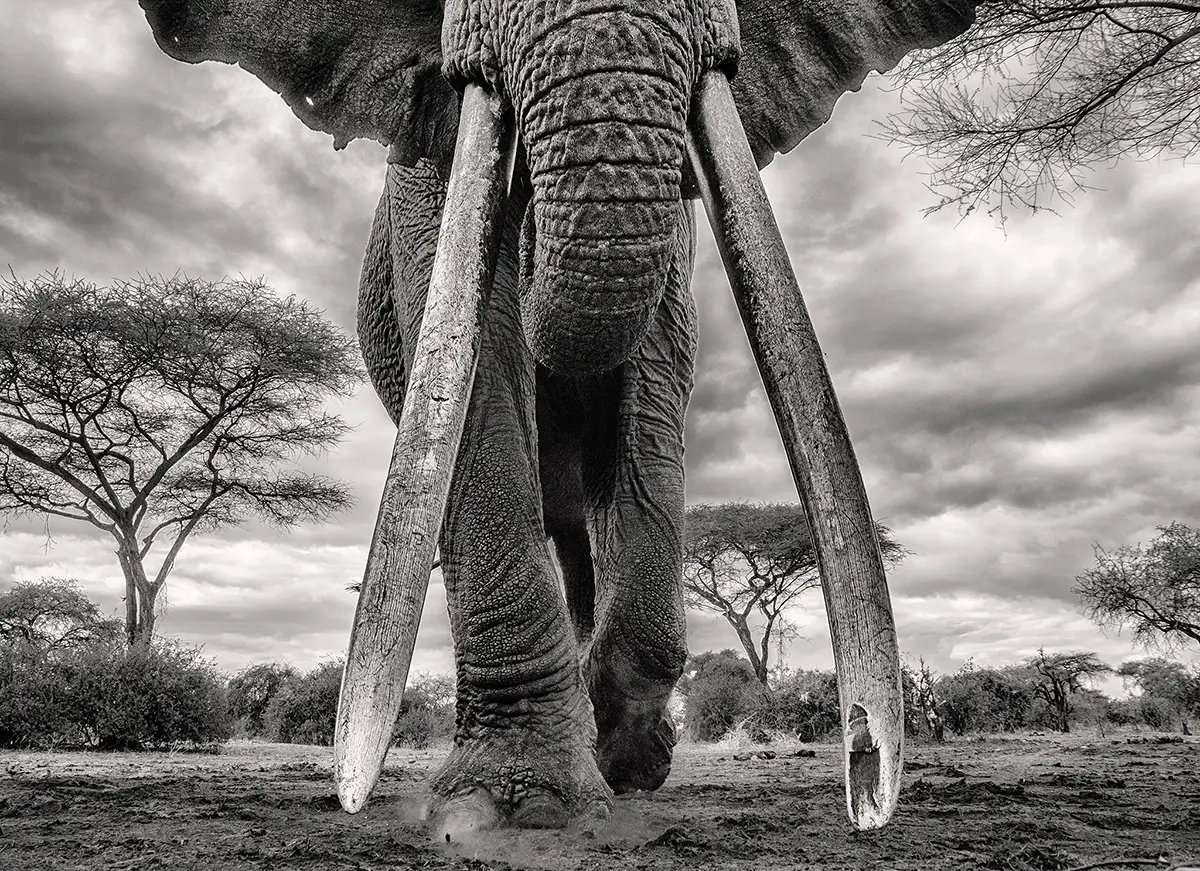
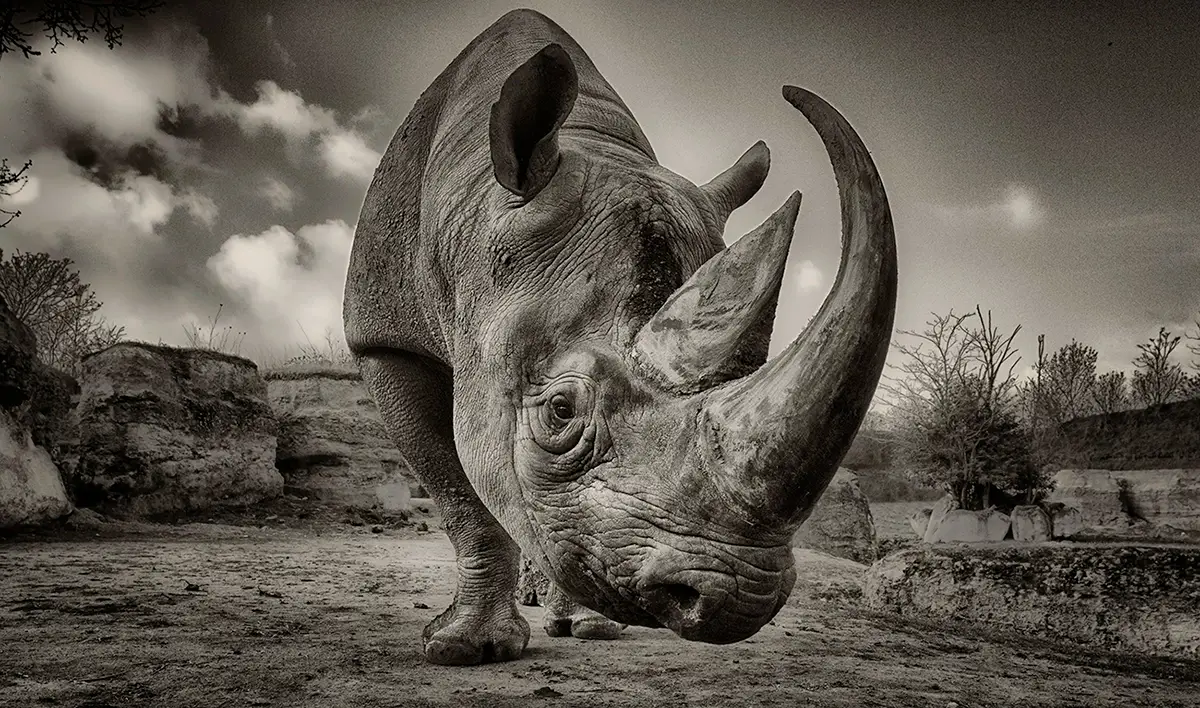
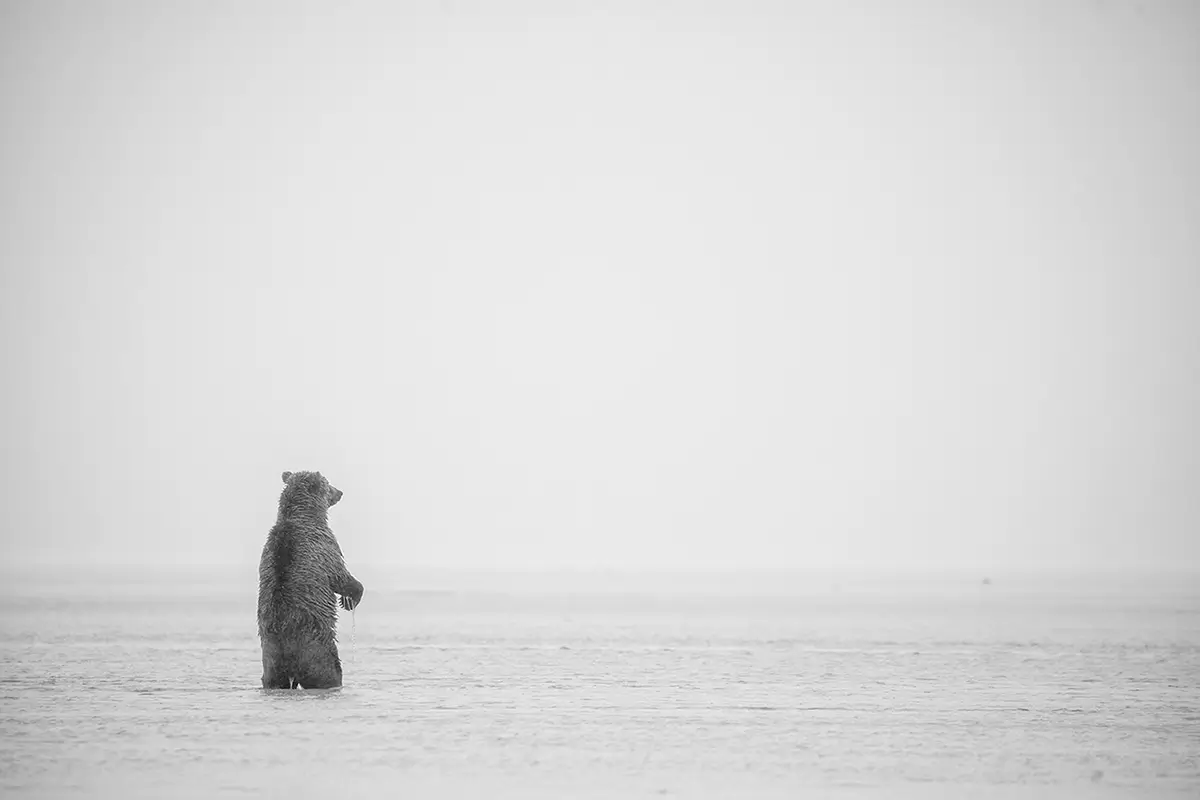
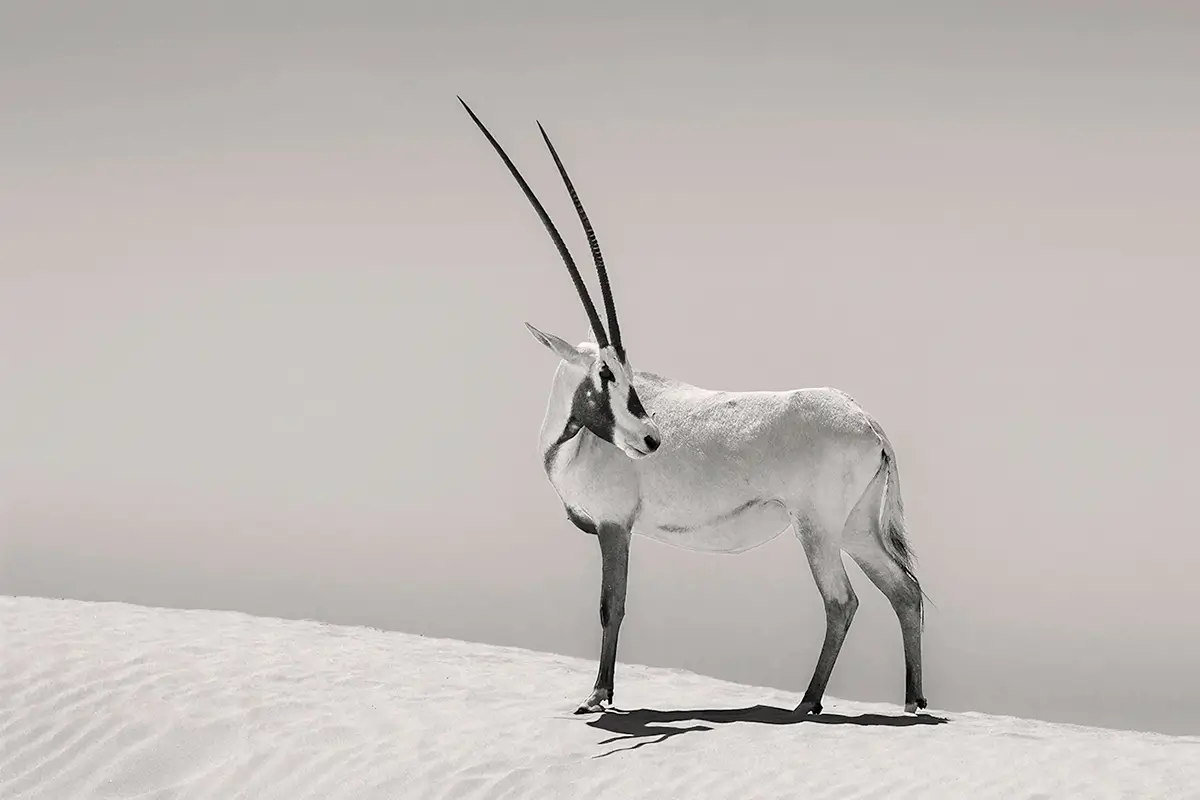
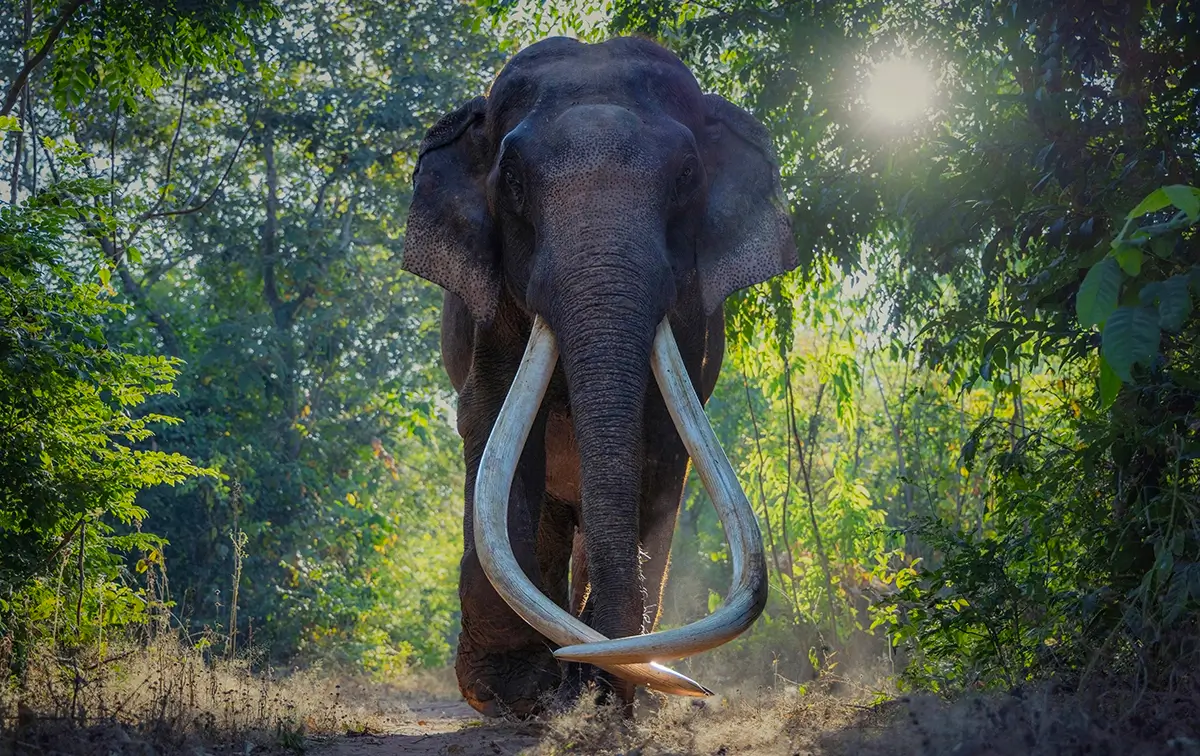
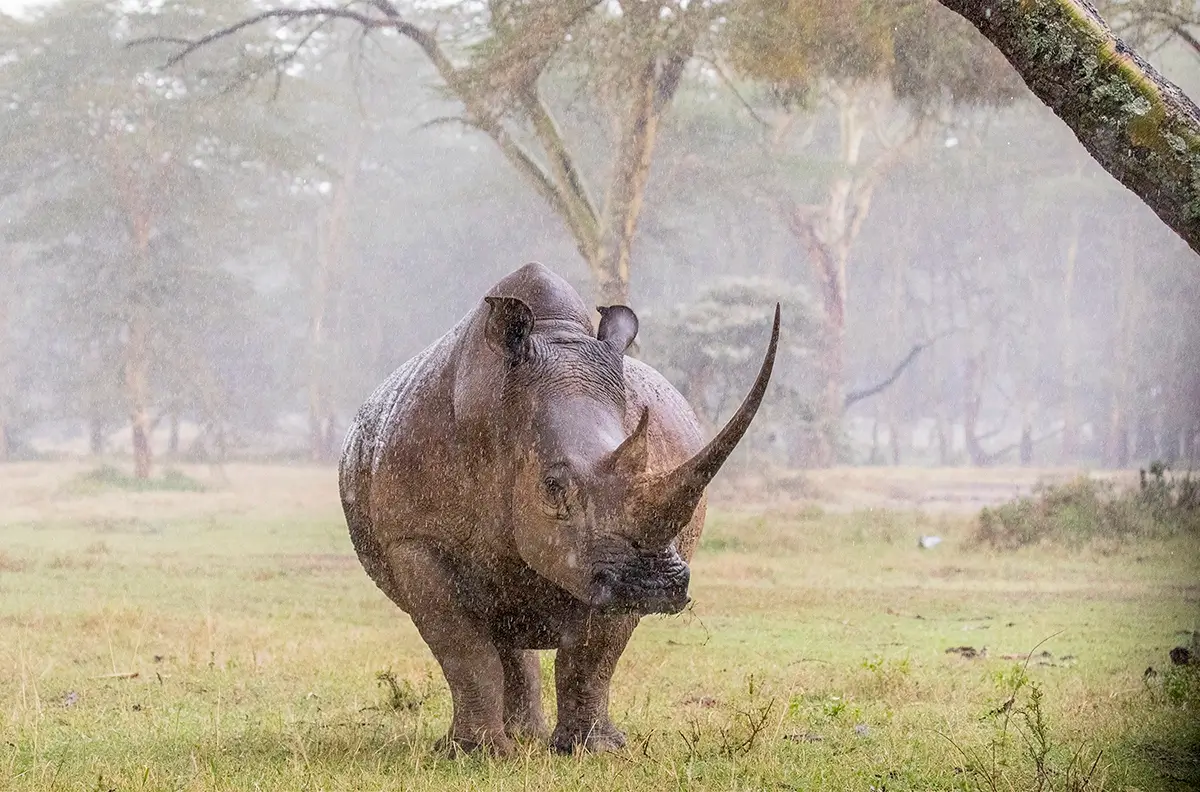
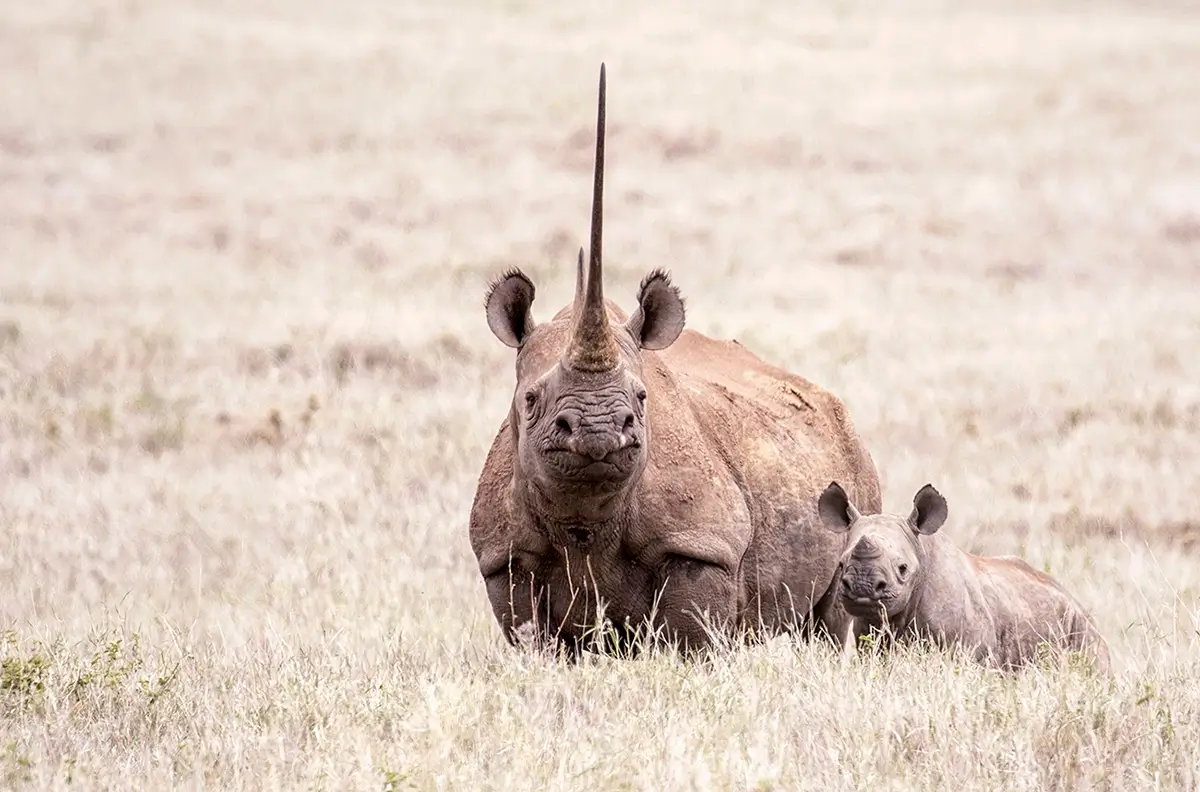
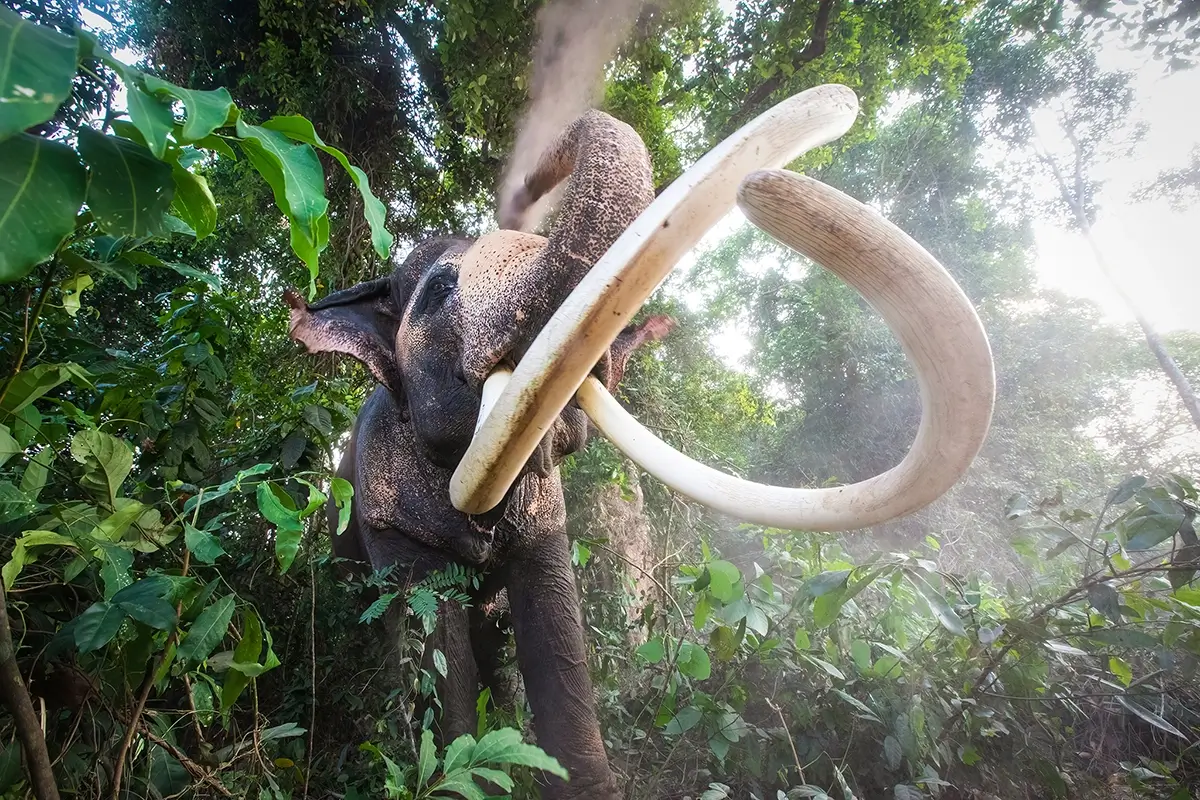
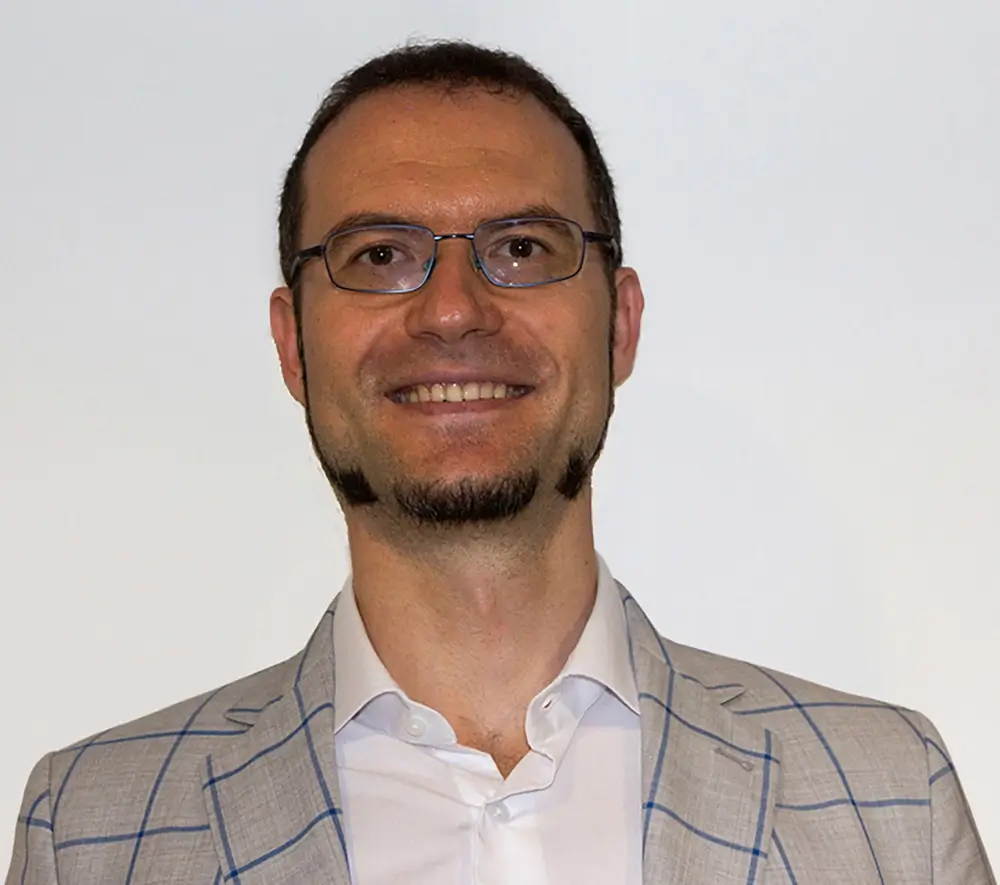
George Dian Balan is a multi-award winning fine art wildlife photographer, scientist, author, inspirational speaker and world records discoverer, specialised in world record and world class individuals in iconic megafauna species.

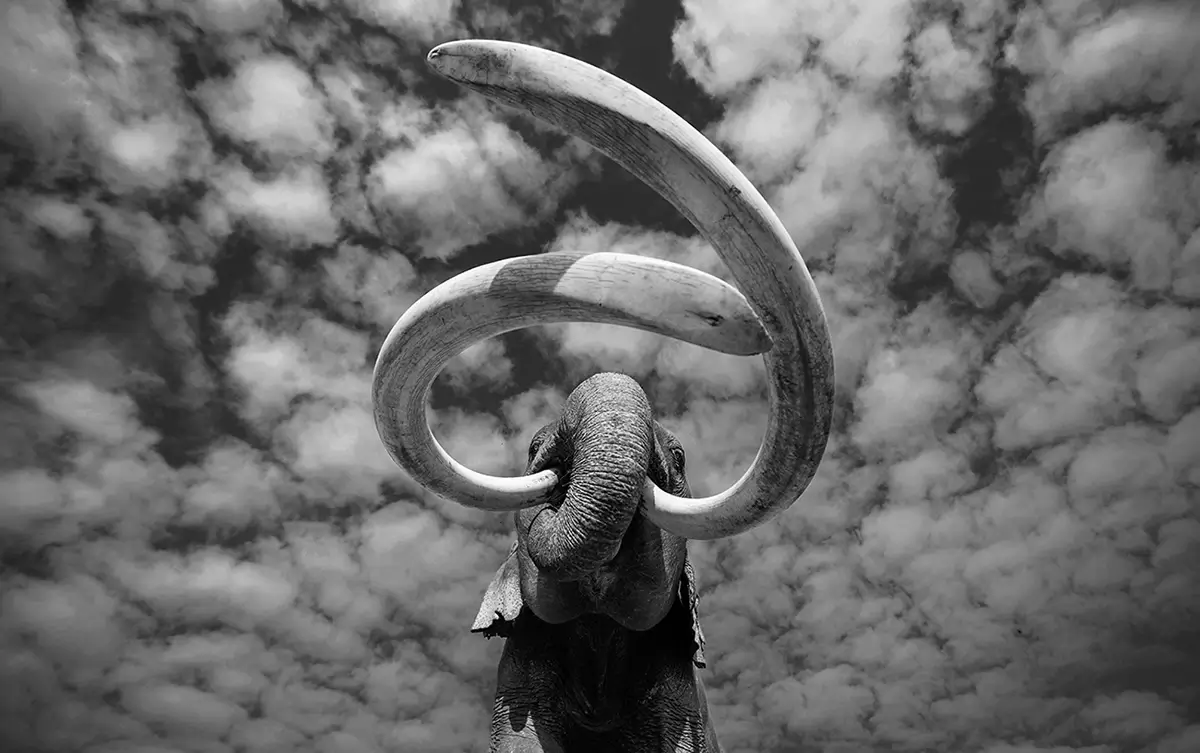
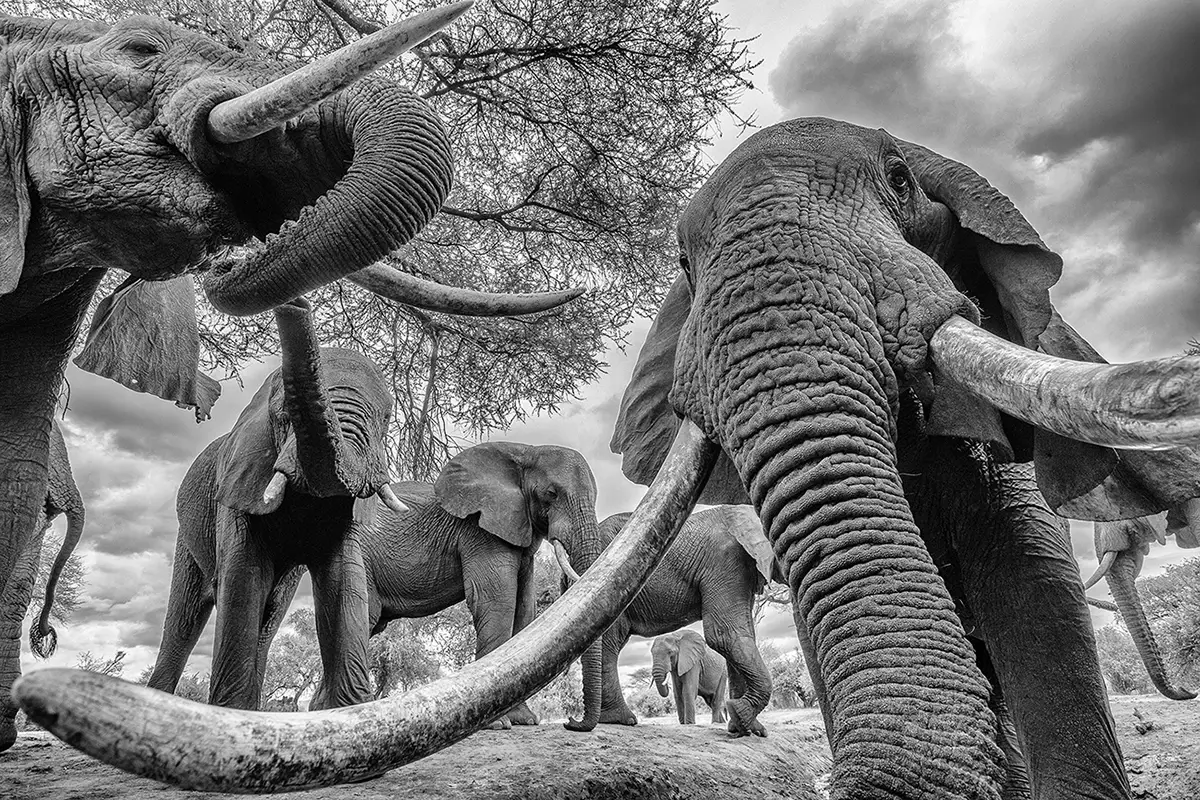
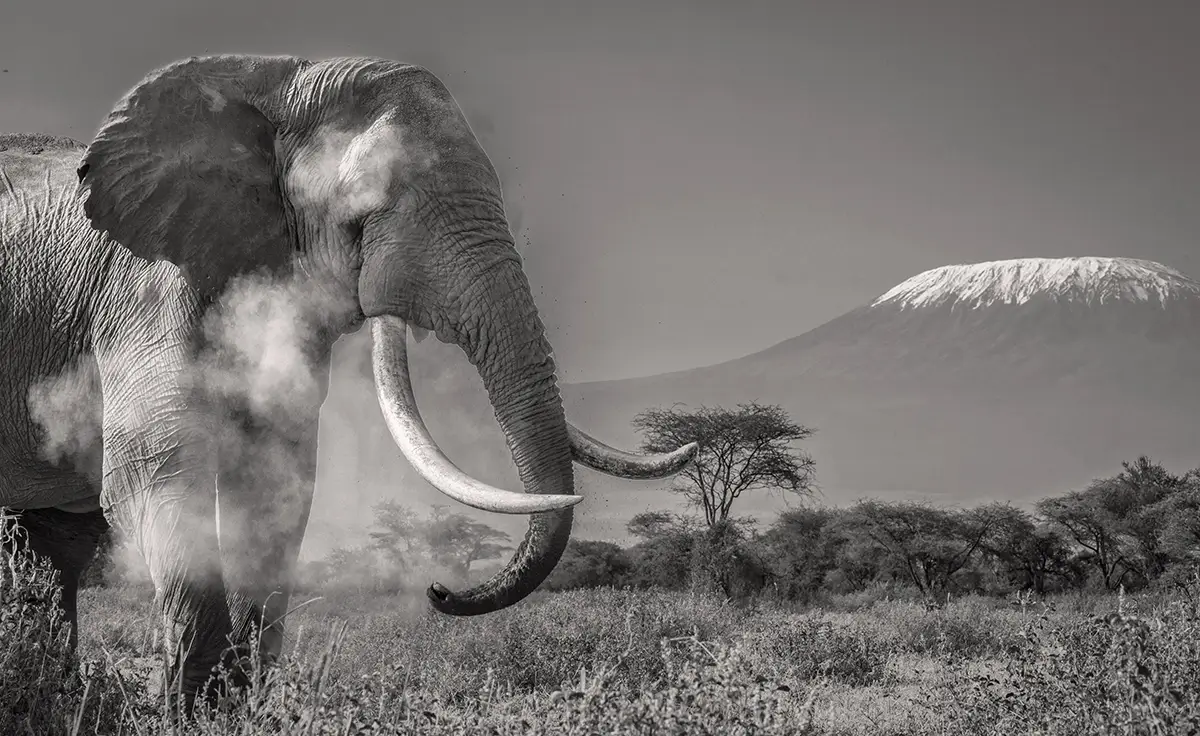
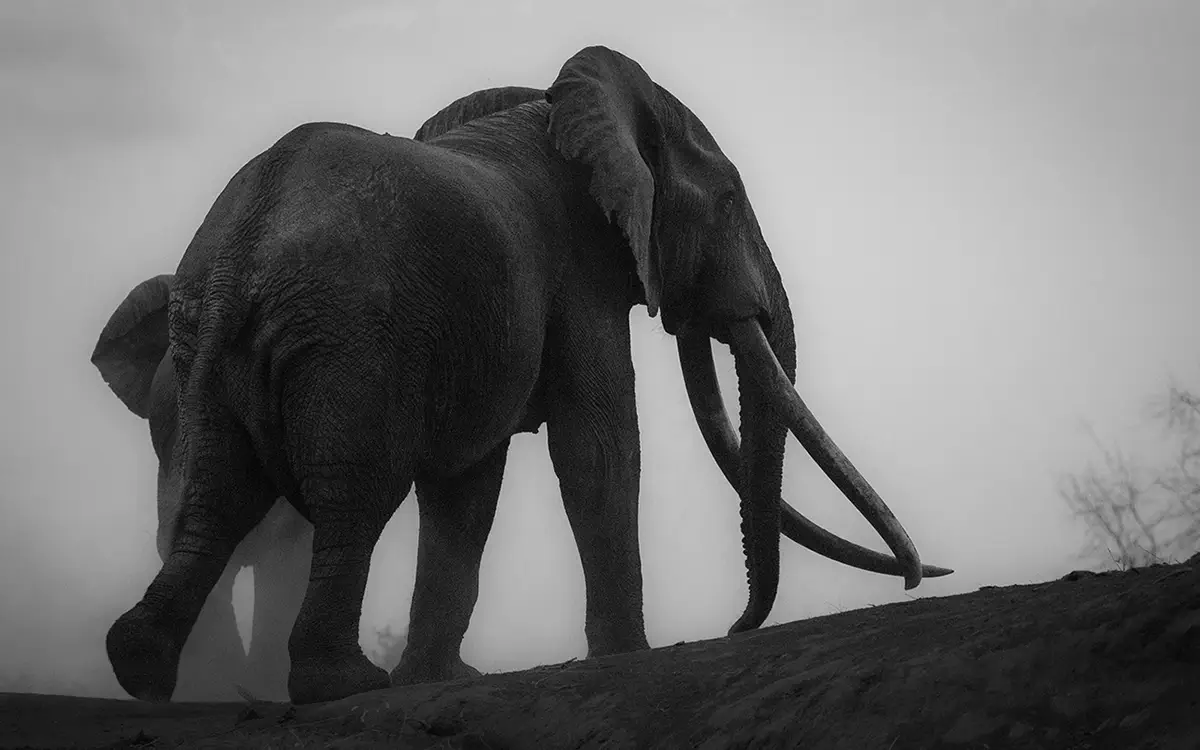
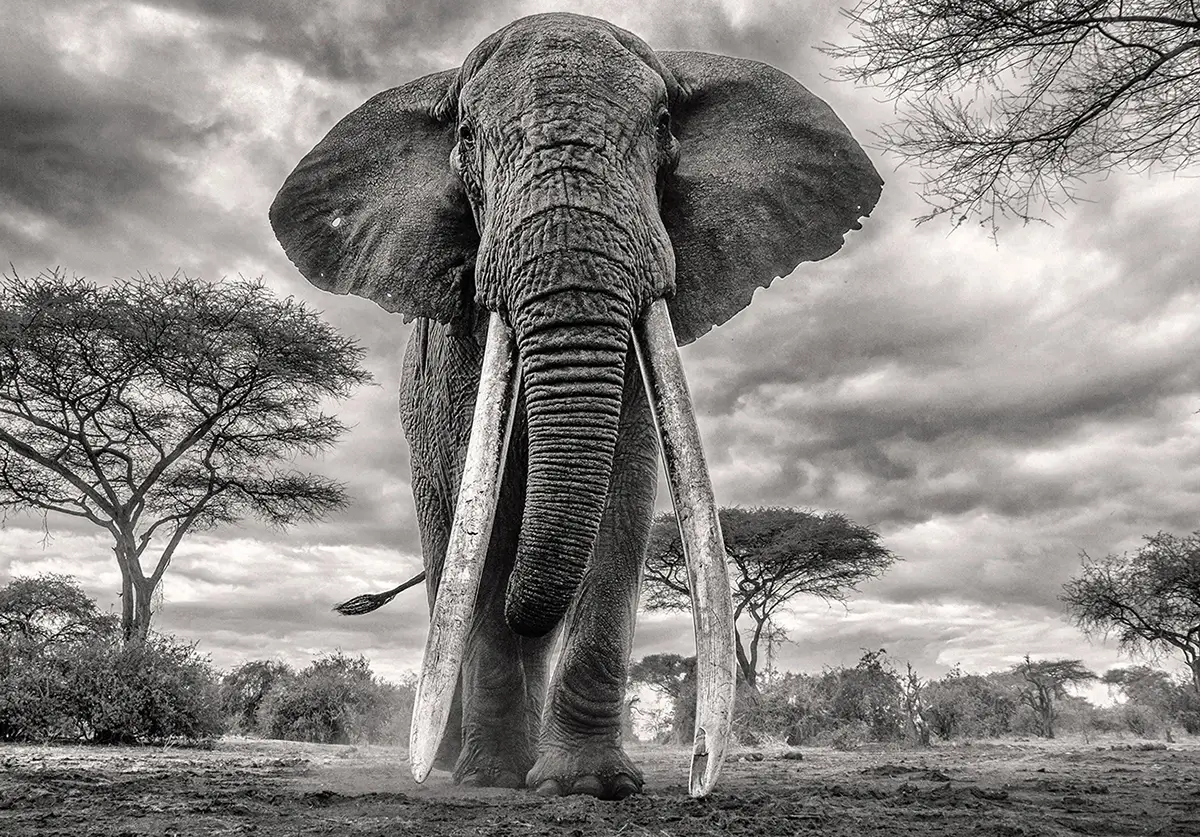
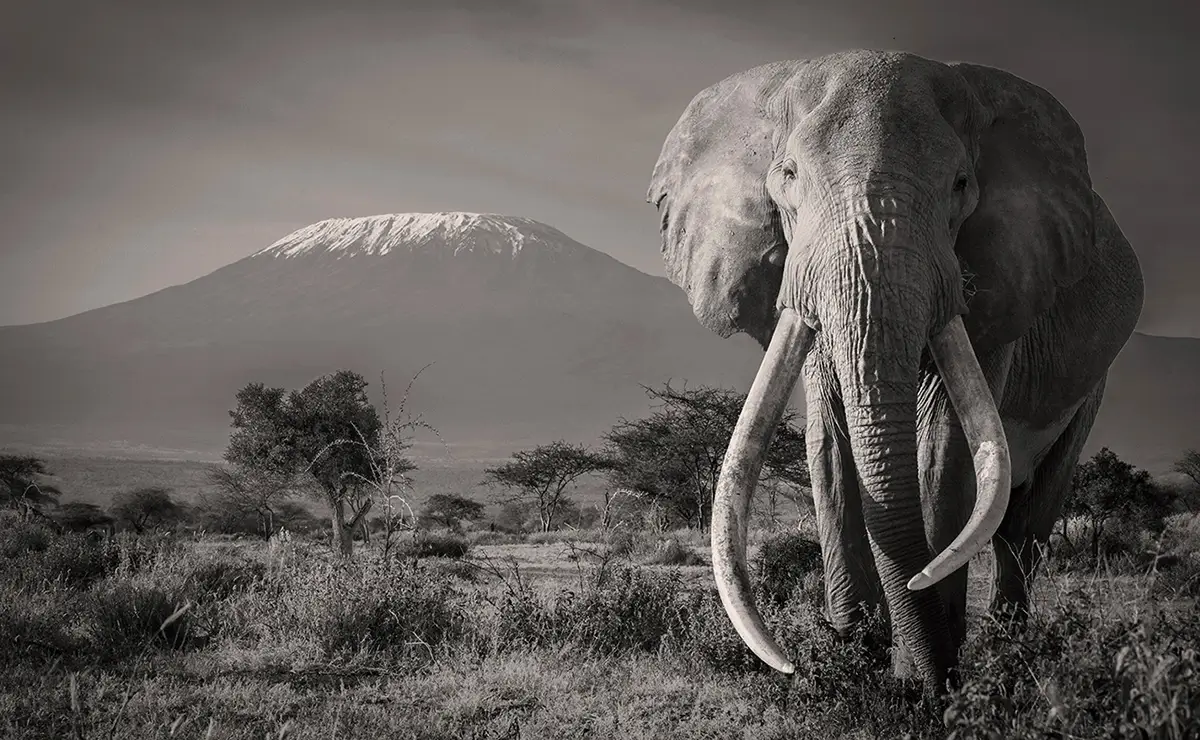
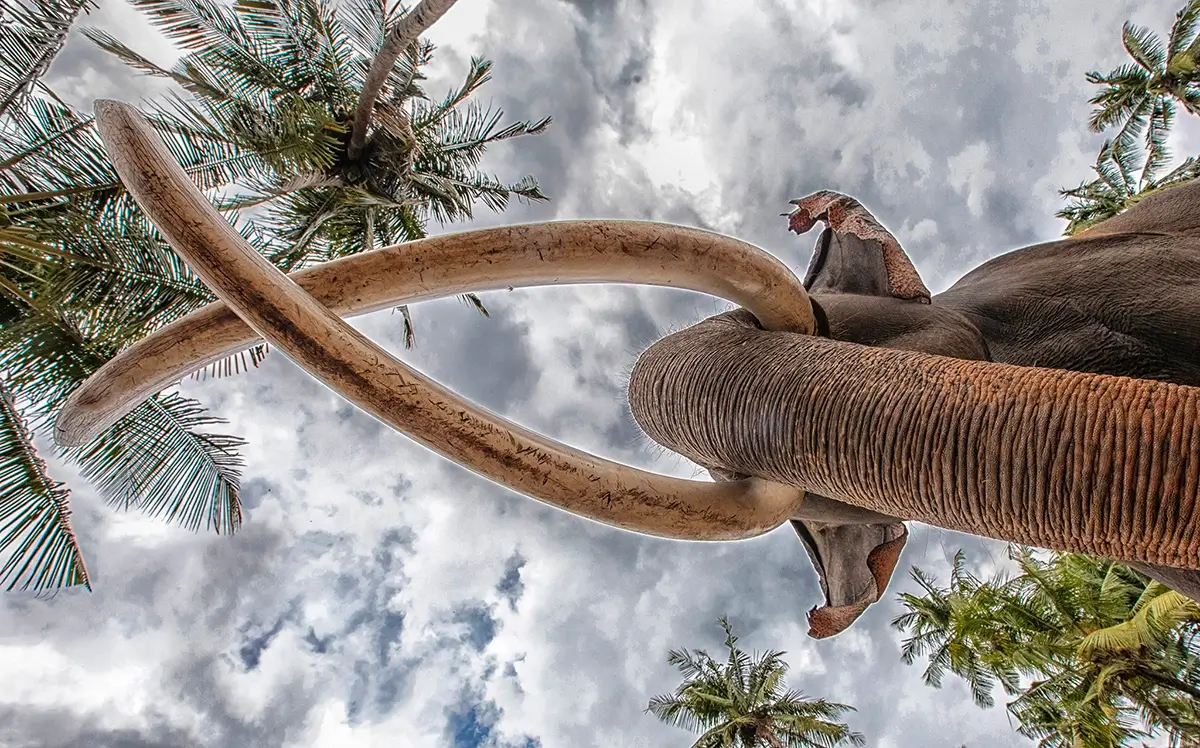
He creates timeless images by using an immersive approach, portraying as never seen before giants that have captured our imagination. The resulting frames are cinematic, of the kind that one expects from a Jurassic Park opening scene. He pays much attention not only to the subject selection, perspective and composition, but also to body postures. The artistic question he asked himself is: “if a Statue, a Monument were to be raised to a species, what would that look like?”

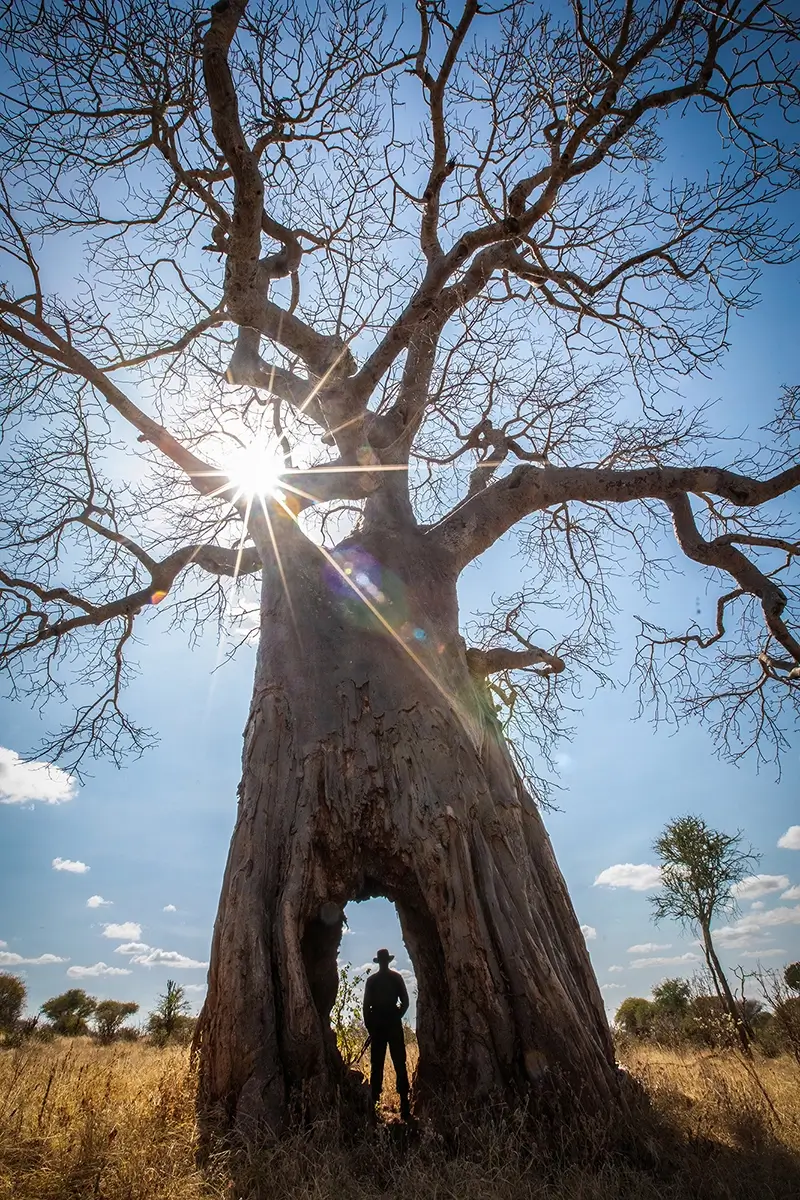
Dian innovates a lot and uses a plethora of photography techniques, including remotes and camera traps. He is the first to take several award-winning images of elephants as seen from inside a baobab tree.

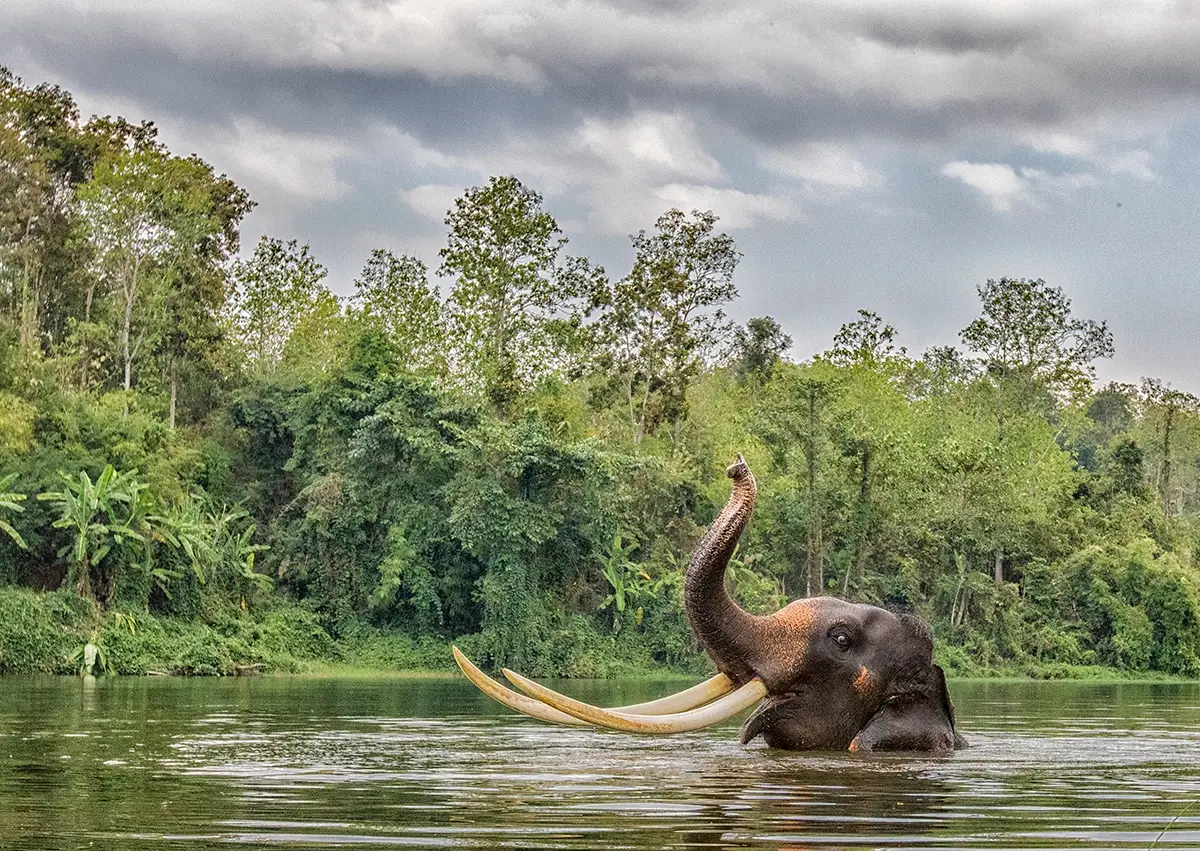
He was a member of the jury of the Golden Turtle Photography Awards (2023) and the Jackson Wild Film Festival (2022) and the curator of the exhibition Europe's Wild Heart (Brussels, 2019). He also was a three-time contributor to Prints for Wildlife, the world’s most financially successful fundraising of its kind, and one of his Asian Super Tusker images was a lead visual for the 2025 campaign.

Dian has over 11 years of artistic, scientific and conservation experience working with big-tusked African and Asian elephants. About 35 of his images with big-tusked elephants were distinguished in prestigious photography competitions (usually multiple times) such as the Mono Awards Australia (Winner, 2025), Fine Art Photography Awards London (Second Prize, 2025), Memorial Maria Luisa (Honourable Mention, 2025), Monochrome Awards (Highly Honoured, 2025), MontPhoto (Second Prize, 2024), GDT European Wildlife Photographer of the Year (Highly Commended, 2024), Nature’s Best Washington (Highly Honored, 2014), reFocus Awards (Nominee, 2024), MonoVisions Awards (Honourable Mention, 2024), Monochromatic Awards (Finalist, 2024), Black and White Awards (Finalist, 2024), HIPA (Dubai, Finalist, 2024), Px3 Paris (Silver Medal, 2023) or again FAPA (Finalist, 2018). In addition, Dian won Photographer of the Year: Wildlife in reFocus Awards (New York, 2024), he was a First Prize Winner (Montier-en-Der, 2020) and Grand Winner (Untamed, 2018).

His pictures are standard-setting, exquisite and compelling. They were published among others by Australian Photography, Nat Geo, BBC Earth, GEO, Forbes, Geographical, It’s Colossal, Luxury Travel, Professional Photo, Wanderlust Travel, Wild Planet Photo Magazine, Asian Geographic, Africa Geographic, Cranium, Ancient Origins, Nat'Images, Peta Pixel and Pachyderm, including several times as covers.

Furthermore, Dian is the author of the award-winning book The World As It One Was (2020), which combines arresting visuals with solid science, and of the seminal study The World Records in Asian Elephants (2024).

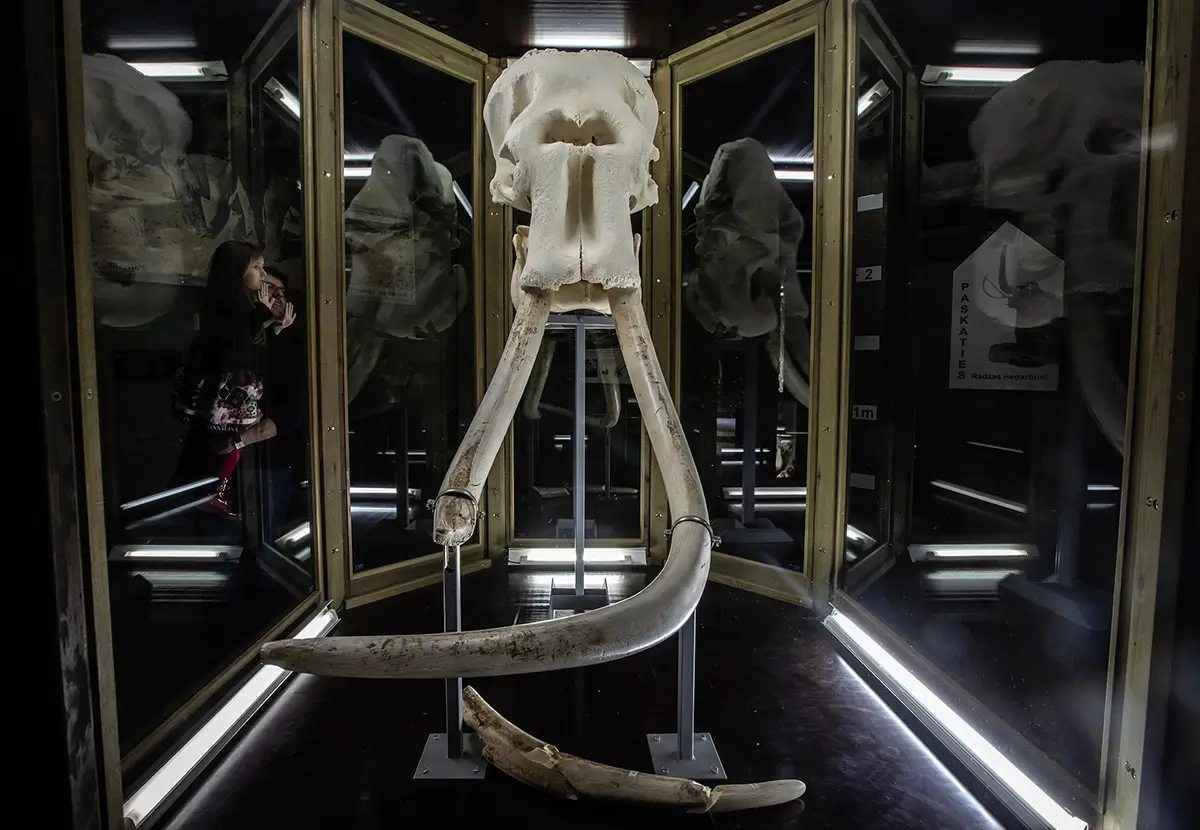
Dian is an accomplished speaker on biodiversity and environmental issues at events in Africa, Asia, Europe and North America. For him, a thorough research is key when choosing his photographic subjects or deciphering the megafauna science. This is how he became the world leading expert in big tusked elephants, discovering for the first time in more than 100 years two New World Records: the longest Asian elephant tusk (almost 3.3 m) and thickest Asian elephant tusk (58 cm).

AAP Magazine

AAP Magazine 54 Nature

 

Inspiring Portfolios

Call for Entries
All About Photo Awards 2026
$5,000 Cash Prizes! Juror: Steve McCurry
 
Stay up-to-date  with call for entries, deadlines and other news about exhibitions, galleries, publications, & special events.

More Great Photographers To Discover

Alfred Stieglitz
United States
1864 | † 1946
Through his activities as a photographer, critic, dealer, and theorist, Alfred Stieglitz had a decisive influence on the development of modern art in America during the early twentieth century. Born in 1864 in New Jersey, Stieglitz moved with his family to Manhattan in 1871 and to Germany in 1881. Enrolled in 1882 as a student of mechanical engineering in the Technische Hochschule (technical high school) in Berlin, he was first exposed to photography when he took a photochemistry course in 1883. From then on he was involved with photography, first as a technical and scientific challenge, later as an artistic one. Returning with his family to America in 1890, he became a member of and advocate for the school of pictorial photography in which photography was considered to be a legitimate form of artistic expression. In 1896 he joined the Camera Club in New York and managed and edited Camera Notes, its quarterly journal. Leaving the club six years later, Stieglitz established the Photo-Secession group in 1902 and the influential periodical Camera Work in 1903. In 1905, to provide exhibition space for the group, he founded the first of his three New York galleries, The Little Galleries of the Photo-Secession, which came to be known as Gallery 291. In 1907 he began to exhibit the work of other artists, both European and American, making the gallery a fulcrum of modernism. As a gallery director, Stieglitz provided emotional and intellectual sustenance to young modernists, both photographers and artists. His Gallery 291 became a locus for the exchange of critical opinions and theoretical and philosophical views in the arts, while his periodical Camera Work became a forum for the introduction of new aesthetic theories by American and European artists, critics, and writers. After Stieglitz closed Gallery 291 in 1917, he photographed extensively, and in 1922 he began his series of cloud photographs, which represented the culmination of his theories on modernism and photography. In 1924 Stieglitz married Georgia O'Keeffe, with whom he had shared spiritual and intellectual companionship since 1916. In December of 1925 he opened the Intimate Gallery; a month later Duncan Phillips purchased his first works from Stieglitz’s gallery, paintings by Dove, Marin, and O'Keeffe. In 1929 Stieglitz opened a gallery called An American Place, which he was to operate until his death. During the thirties, Stieglitz photographed less, stopping altogether in 1937 due to failing health. He died in 1946, in New York. The Collection contains nineteen gelatin-silver photographs of clouds by Stieglitz.Source: The Phillips Collection My photographs are a picture of the chaos in the world, and of my relationship to that chaos. My prints show the world’s constant upsetting of man’s equilibrium, and his eternal battle to reestablish it. -- Alfred Stieglitz In early June 1918, O'Keeffe moved to New York from Texas after Stieglitz promised he would provide her with a quiet studio where she could paint. Within a month he took the first of many nude photographs of her at his family's apartment while his wife Emmy was away, but she returned while their session was still in progress. She had suspected something was going on between the two for a while, and told him to stop seeing her or get out. Stieglitz left and immediately found a place in the city where he and O'Keeffe could live together. They slept separately for more than two weeks, but by the end of July they were in the same bed together. Once he was out of their apartment Emmy had a change of heart. Due to the legal delays caused by Emmy and her brothers, it would be six more years before the divorce was finalized. During this period Stieglitz and O'Keeffe continued to live together, although she would go off on her own from time to time to create art. Stieglitz used their times apart to concentrate on his photography and promotion of modern art. O'Keeffe was the muse Stieglitz had always wanted. He photographed O'Keeffe obsessively between 1918 and 1925 in what was the most prolific period in his entire life. During this period he produced more than 350 mounted prints of O'Keeffe that portrayed a wide range of her character, moods and beauty. He shot many close-up studies of parts of her body, especially her hands either isolated by themselves or near her face or hair. O'Keeffe biographer Roxanna Robinson states that her "personality was crucial to these photographs; it was this, as much as her body, that Stieglitz was recording." In 1920, Stieglitz was invited by Mitchell Kennerly of the Anderson Galleries in New York to put together a major exhibition of his photographs. In early 1921, he hung the first one-man exhibit of his photographs since 1913. Of the 146 prints he put on view, only 17 had been seen before. Forty-six were of O'Keeffe, including many nudes, but she was not identified as the model on any of the prints. In 1922, Stieglitz organized a large show of John Marin's paintings and etching at the Anderson Galleries, followed by a huge auction of nearly two hundred paintings by more than forty American artists, including O'Keeffe. Energized by this activity, he began one of his most creative and unusual undertakings – photographing a series of cloud studies simply for their form and beauty. He said: "I wanted to photograph clouds to find out what I had learned in forty years about photography. Through clouds to put down my philosophy of life – to show that (the success of) my photographs (was) not due to subject matter – not to special trees or faces, or interiors, to special privileges – clouds were there for everyone…" By late summer he had created a series he called "Music – A Sequence of Ten Cloud Photographs". Over the next twelve years he would take hundreds of photographs of clouds without any reference points of location or direction. These are generally recognized as the first intentionally abstract photographs, and they remain some of his most powerful photographs. He would come refer to these photographs as Equivalents. Stieglitz's mother Hedwig died in November 1922, and as he did with his father he buried his grief in his work. He spent time with Paul Strand and his new wife Rebecca (Beck), reviewed the work of another newcomer named Edward Weston and began organizing a new show of O'Keeffe's work. Her show opened in early 1923, and Stieglitz spent much of the spring marketing her work. Eventually, twenty of her paintings sold for more than $3,000. In the summer, O'Keeffe once again took off for the seclusion of the Southwest, and for a while Stieglitz was alone with Beck Strand at Lake George. He took a series of nude photos of her, and soon he became infatuated with her. They had a brief physical affair before O'Keeffe returned in the fall. O'Keeffe could tell what had happened, but since she did not see Stieglitz's new lover as a serious threat to their relationship she let things pass. Six years later she would have her own affair with Beck Strand in New Mexico. In 1924, Stieglitz's divorce was finally approved by a judge, and within four months he and O'Keeffe married in a small, private ceremony at Marin's house. They went home without a reception or honeymoon. O'Keeffe said later that they married in order to help soothe the troubles of Stieglitz's daughter Kitty, who at that time was being treated in a sanatorium for depression and hallucinations. For the rest of their lives together, their relationship was, as biographer Benita Eisler characterized it, "a collusion ... a system of deals and trade-offs, tacitly agreed to and carried out, for the most part, without the exchange of a word. Preferring avoidance to confrontation on most issues, O'Keeffe was the principal agent of collusion in their union." In the coming years O'Keeffe would spend much of her time painting in New Mexico, while Stieglitz rarely left New York except for summers at his father's family estate in Lake George in the Adirondacks, his favorite vacation place. O'Keeffe later said "Stieglitz was a hypochondriac and couldn't be more than 50 miles from a doctor." The great geniuses are those who have kept their childlike spirit and have added to it breadth of vision and experience. -- Alfred Stieglitz At the end of 1924, Stieglitz donated 27 photographs to the Boston Museum of Fine Arts. It was the first time a major museum included photographs in its permanent collection. In the same year he was awarded the Royal Photographic Society's Progress Medal for advancing photography and received an Honorary Fellowship of the Society. In 1925, Stieglitz was invited by the Anderson Galleries to put together one of the largest exhibitions of American art, entitled Alfred Stieglitz Presents Seven Americans: 159 Paintings, Photographs, and Things, Recent and Never Before Publicly Shown by Arthur G. Dove, Marsden Hartley, John Marin, Charles Demuth, Paul Strand, Georgia O'Keeffe and Alfred Stieglitz. Only one small painting by O'Keeffe was sold during the three-week exhibit. Soon after, Stieglitz was offered the continued use of one of the rooms at the Anderson Galleries, which he used for a series of exhibitions by some of the same artists in the Seven Americans show. In December 1925, he opened his new gallery, The Intimate Gallery, which he nicknamed The Room because of its small size. Over the next four years, he put together sixteen shows of works by Marin, Dove, Hartley, O'Keeffe and Strand, along with individual exhibits by Gaston Lachaise, Oscar Bluemner and Francis Picabia. During this time, Stieglitz cultivated a relationship with influential new art collector Duncan Phillips, who purchased several works through The Intimate Gallery. In 1927, Stieglitz became infatuated with the 22-year-old Dorothy Norman, who was then volunteering at the gallery, and they fell in love. Norman was married and had a child, but she came to the gallery almost every day. O'Keeffe accepted an offer by Mabel Dodge to go to New Mexico for the summer. Stieglitz took advantage of her time away to begin photographing Norman, and he began teaching her the technical aspects of printing as well. When Norman had a second child, she was absent from the gallery for about two months before returning on a regular basis. Within a short time, they became lovers, but even after their physical affair diminished a few years later, they continued to work together whenever O'Keeffe was not around until Stieglitz died in 1946. In early 1929, Stieglitz was told that the building that housed The Room would be torn down later in the year. After a final show of Demuth's work in May, he retreated to Lake George for the summer, exhausted and depressed. The Strands raised nearly sixteen thousand dollars for a new gallery for Stieglitz, who reacted harshly, saying it was time for "young ones" to do some of the work he had been shouldering for so many years. Although Stieglitz eventually apologized and accepted their generosity, the incident marked the beginning of the end of their long and close relationship. In the late fall, Stieglitz returned to New York. On December 15, two weeks before his sixty-fifth birthday, he opened An American Place, the largest gallery he had ever managed. It had the first darkroom he had ever had in the city. Previously, he had borrowed other darkrooms or worked only when he was at Lake George. He continued showing group or individual shows of his friends Marin, Demuth, Hartley, Dove and Strand for the next sixteen years. O'Keeffe received at least one major exhibition each year. He fiercely controlled access to her works and incessantly promoted her even when critics gave her less than favorable reviews. Often during this time, they would only see each other during the summer, when it was too hot in her New Mexico home, but they wrote to each other almost weekly with the fervor of soul mates. In 1932, Stieglitz mounted a forty-year retrospective of 127 of his works at The Place. He included all of his most famous photographs, but he also purposely chose to include recent photos of O'Keeffe, who, because of her years in the Southwest sun, looked older than her forty-five years, in comparison to Stieglitz's portraits of his young lover Norman. It was one of the few times he acted spitefully to O'Keeffe in public, and it might have been as a result of their increasingly intense arguments in private about his control over her art. Later that year, he mounted a show of O'Keeffe's works next to some amateurish paintings on glass by Becky Strand. He did not publish a catalog of the show, which the Strands took as an insult. Paul Strand never forgave Stieglitz for that. He said, "The day I walked into the Photo-Secession 291 [sic] in 1907 was a great moment in my life… but the day I walked out of An American Place in 1932 was not less good. It was fresh air and personal liberation from something that had become, for me at least, second-rate, corrupt and meaningless." In 1936, Stieglitz returned briefly to his photographic roots by mounting one of the first exhibitions of photos by Ansel Adams in New York City. The show was successful and David McAlpin bought eight Adams photos. He also put on one of the first shows of Eliot Porter's work two years later. Stieglitz, considered the "godfather of modern photography", encouraged Todd Webb to develop his own style and immerse himself in the medium. The next year, the Cleveland Museum of Art mounted the first major exhibition of Stieglitz's work outside of his own galleries. In the course of making sure that each print was perfect, he worked himself into exhaustion. O'Keeffe spent most of that year in New Mexico. In early 1938, Stieglitz suffered a serious heart attack, one of six coronary or angina attacks that would strike him over the next eight years, each of which left him increasingly weakened. During his absences, Dorothy Norman managed the gallery. O'Keeffe remained in her Southwest home from spring to fall of this period. In the summer of 1946, Stieglitz suffered a fatal stroke and went into a coma. O'Keeffe returned to New York and found Dorothy Norman was in his hospital room. She left and O'Keeffe was with him when he died. According to his wishes, a simple funeral was attended by twenty of his closest friends and family members. Stieglitz was cremated, and, with his niece Elizabeth Davidson, O'Keeffe took his ashes to Lake George and "put him where he could hear the water." The day after the funeral, O'Keeffe took control of An American Place.Source: Wikipedia Image:All images © Library of Congress, Prints & Photographs Division, The Alfred Stieglitz Collection, Gift of Georgia O'Keeffe
Ian Teh
United Kingdom
1971
Ian Teh has published three monographs, Undercurrents (2008), Traces (2011) and Confluence (2014). His work is part of the permanent collection at the Los Angeles County Museum of Art (LACMA), The Museum of Fine Arts, Houston (MFAH) and the Hood Museum in the USA. Selected solo shows include the Jack Shainman Gallery in New York in 2004, Flowers in London in 2011 and the Kunsthal Museum in Rotterdam in 2012. Teh has received several honours, in 2018 he was awarded a travel grant from the Pulitzer Centre for Crisis Reporting and presented his work on climate change at the prestigious 2018 National Geographic Photography Seminar. He is also the recipient of the International Photoreporter Grant 2016 the Abigail Cohen Fellowship in Documentary Photography 2014 and the Emergency Fund 2011 from the Magnum Foundation. In 2013, he was elected by the Open Society Foundations to exhibit in New York at the Moving Walls Exhibition. In 2015, during the COP21 Paris climate talks, large poster images of his work were displayed on the streets of Paris as a collaborative initiative by #Dysturb and Magnum Foundation. He is a co-exhibitor in Coal + Ice, an environmental group show of acclaimed photographers and curated by Susan Meiselas. It was exhibited at the Official Residence of the US Ambassador to France during COP21. Teh’s work has been published internationally in magazines such as National Geographic, The New Yorker, Bloomberg Businessweek and Granta. Since 2013, he has exhibited as well as conducted masterclasses at Obscura Festival of Photography, Malaysia’s foremost photo festival. He is a tutor at Cambodia's Angkor Photo Festival since 2014. Teh is a member of the British agency, Panos Pictures.Source: www.ianteh.com Artist Statement: "Much of my artistic creativity stems from my interests in social, environmental and political issues. I imagine my work as a series of short films made out of stills. They are narratives that are built on moments of time collected over extended periods. Each story is a woven fabric of compositional and colour threads that come together to create a particular ambience intended to both emphasize my perspective on the subject matter and to, hopefully, encourage the viewer to take the narrative beyond the limits of my frame, into a direction that makes the experience of those images more vivid. My photographs have been widely exhibited and featured in several international publications such as, Time, Newsweek, The New Yorker and The Independent Magazine. I was recently awarded the 2011 EF grant from the Magnum Foundation and also received a high commendation for the 2009 Prix Pictet award. In 2001 I was part of the Joop Swart Masterclass. With some friends I founded Deep Sleep Magazine an online publication and recently we founded our own imprint Deep Sleep Editions to have more control of the publishing process. I have published two monographs, Undercurrents (2008) and Traces (2011)."
Dawoud Bey
United States
1953
Dawoud Bey (born David Edward Smikle; 1953) is an American photographer and educator known for his large-scale art photography and street photography portraits, including American adolescents in relation to their community, and other often marginalized subjects. In 2017, Bey was named a fellow and the recipient of a MacArthur Fellowship from the John D. and Catherine T. MacArthur Foundation and is regarded as one of the "most innovative and influential photographers of his generation". Bey is a professor and Distinguished Artist at Columbia College Chicago.] According to The New York Times, "in the seemingly simple gesture of photographing Black subjects in everyday life, [Bey, an African-American,] helped to introduce Blackness in the context of fine art long before it was trendy, or even accepted" Born David Edward Smikle in New York City's Jamaica, Queens neighborhood, he changed his name to Dawoud Bey in the early 1970s. Bey graduated from Benjamin N. Cardozo High School. He studied at the School of Visual Arts in New York from 1977 to 1978, and spent the next two years as part of the CETA-funded Cultural Council Foundation Artists Project. In 1990, he graduated with a BFA in Photography from Empire State College, and received his MFA from Yale University School of Art in 1993. Bey didn't receive his first camera until he was 15, and has stated until that point he wanted to become a musician. Early musical inspirations included John Coltrane and early photography inspirations were James Van Der Zee and Roy Decarava. In his youth, Bey joined the Black Panthers Party and sold their newspaper on street corners. He does not consider his work to be traditional documentary. He'll pose subjects, remind them of gestures and sometimes give them accessories. Over the course of his career, Bey has participated in more than 20 artist residencies, which have allowed him to work directly with the adolescent subjects of his most recent work. A product of the 1960s, Bey said both he and his work are products of the attitude, "if you're not part of the solution, you're part of the problem." This philosophy significantly influenced his artistic practice and resulted in a way of working that is both community-focused and collaborative in nature. Bey's earliest photographs, in the style of street photography, evolved into a seminal five-year project documenting the everyday life and people of Harlem in Harlem USA (1975-1979) that was exhibited at the Studio Museum in Harlem in 1979. In 2012, the Art Institute of Chicago mounted the first complete showing of the "Harlem, USA" photographs since that original exhibition, adding several never before printed photographs to the original group of twenty-five vintage prints. The complete group of photographs were acquired at that time by the AIC. During the 1980s, Bey collaborated with the artist David Hammons, documenting the latter's performance pieces - Bliz-aard Ball Sale and Pissed Off. Over time Bey proves that he develops a bond with his subjects with being more political. The article "Exhibits Challenge Us Not to Look Away Photographers Focus on Pain, Reality in the City" by Carolyn Cohen from the Boston Globe, identifies Bey's work as having a "definite political edge" to it according to Roy DeCarava. He writes more about the aesthetics of Beys work and how it is associated with documentary photography and how his work shows empathy for his subjects. This article also mentions Bey exhibiting his work at the Walker Art Center, where Kelly Jones identifies the strength of his work and his relationship with his subjects once again. Of his work with teenagers Bey has said, "My interest in young people has to do with the fact that they are the arbiters of style in the community; their appearance speaks most strongly of how a community of people defines themselves at a particular historical moment." During a residency at the Addison Gallery of American Art in 1992, Bey began photographing students from a variety of high schools both public and private, in an effort to "reach across lines of presumed differences" among the students and communities. This new direction in his work guided Bey for the next fifteen years, including two additional residencies at the Addison, an ample number of similar projects across the country, and culminated in a major 2007 exhibition and publication of portraits of teenagers organized by Aperture and entitled Class Pictures.] Alongside each of the photographs in Class Pictures, is a personal statement written by each subject. "[Bey] manages to capture all the complicated feelings of being young — the angst, the weight of enormous expectations, the hope for the future - with a single look." Bey's "The Birmingham Project" was inspired, in part, by a 1960s Civil Rights era photograph by Frank Dandridge of 16th Street Baptist Church bombing victim, Sarah Jean Collins. The Project includes a series of diptychs of an older person, alive when the bombing occurred, paired with a child the age of the victims, portraying "an almost unbearable sense of absence and loss." In 2018, his project Night Coming Tenderly, Black, consists of a series of photographs evoking the imagined experience of escaped slaves moving northward along the Underground Railroad. This work involves not portraits but landscapes, portrayed at night through the means a little used silver-gelatin process. The work seeks to evoke both terror and hope in a "land of fugitives". Bey has lived in Chicago, Illinois since 1998. He is a professor of art and Distinguished College Artist at Columbia College Chicago. Source: Wikipedia
Mahdiyeh Afshar Bakeshloo
Mahdiyeh Afshar Bakeshloo (born 1995 in Tehran) is a professional photographer in the category of fine art and concept from Iran. Afshar has been studying photography professionally for 2 years in an academy since 2014 and is currently working in Tehran. Mostly she deal with human issues by referring to inner feelings that combined them with the inanimate environment. The starting point of her works have always been his surroundings and personal feelings. Sensitively, she tries to explore her relationship with the world around her today. Afshar held her first group exhibition at Mojdeh Gallery. Her most famous collection is "The light in the city", which takes a look at contemporary Tehran. Reason for popularity of this collection was due to a special technique that was done by manipulating the photo. So far, it has received various awards from world festivals such as IPA, Monochrome photography awards, Fine Art Photography Awards, ND Photography Awards, and Spider Photography Awards. Afshar says about her photos: “Each of my projects describes human emotions such as sadness, loneliness, confusion. I try to make viewers find their hidden feeling in my photos. Every time I take a photo, my personal feelings affect my work and shape my inner thoughts. I want to have something in common with my audience to talk to them. " Most of Afshar's works are presented in single black and white photos. Her photos has been published in various Magazine such as Float Photo Magazine, Humble Arts Foundation, F-stopmagazine, More Art please. She has participated in many exhibitions in Iran, Greece and Rome.
Leslie Gleim
United States
1955
Leslie Gleim is a Honolulu-based fine art photographer known for her distinctive visual narratives created through aerial and macro perspectives. Her ongoing work seeks to understand the complex relationships and tensions between the natural, climatic, and human impacts upon the Hawaiian ʻāina (land). With a particular focus on the volcanic ecology of Hawai’i, she captures the regenerative and dynamic process shaped by the volcanic activity and explores the profound changes that are created by those powerful forces on the ʻāina. By documenting this delicate balance between nature and human influence, she hopes to inspire and provoke thoughtful dialogue about environmental stewardship of our planet. Leslie's work has been widely exhibited and published locally, nationally, and internationally. Her work Life Of The Land was recently purchased into the Art in Public Places Collection of the Hawai’i State Foundation on Culture and the Arts. Artist Statement "Life Of The Land” In 2017, I became curious about the volcanic activity on Hawai’i Island and chartered my first helicopter flight over Kīlauea’s Halemaʻumaʻu crater. Struck by the volcanic power and the resilience of the land, that flight marked the beginning of a photographic narrative documenting the life of the land. Ancient lava flows, cones, and fissures etch themselves eloquently across the landscapes of Hawaiʻi, their presence akin to pages torn from an ancestral geological journal spanning millennia. Each formation reveals a fragment of Hawai’i's narrative (mo’olelo), bearing witness to its evolution and adaptation, each element telling a tale of resilience and renewal. The photographs are not merely snapshots of geological features; they are windows into the soul of the land, revealing the timeless forces that have shaped the landscape. Each image is freshly written onto the pages of a present-day journal that provides the reader/viewer with both historical and current insights into the story of the land. Simultaneously, it unveils the volcanic cleansing and birthing processes that shapes the ‘aina (land), giving rise to new landscapes from its apocalyptic beginnings. Are we witnessing glimpses of a future defined or foretold in the Anthropocene era? As we confront the challenges of environmental degradation and climate change, these photographs serve as reminders of the delicate balance between humanity and nature. What stories will endure for future generations, and what legacies will we leave behind?
Kathryn Oliver
United States
Kathryn discovered a love for making pictures as a small child and developed a rich inner life of impressions. As she grew, creative aspirations led her to bring this inner world forward through art. Self taught, her creative journey has repeatedly taken her into the field of metaphor and myth as a way to express something eternal within herself. Her professional arts background of painting, theater and dance feeds the photography she does now as she blends hints of all these elements into her images. She currently creates and exhibits black and white fine art photography and photo encaustics, teaching workshops on the midcoast of Maine throughout the year. Drawn to the symbolic language of myth and archetypes, I am forever on a quest, seeking a visual narrative that evokes an internal recognition of nature — something in exile, lost, or hidden — yet leaves an impression inwardly known.About the series The Wild Garden Of Childhood: When I was a child the best part of me was wild. The Wild Garden Of Childhood is an exploration into the untamed vitality and sacred beauty of being young. That universality of raw spirit, where emotional authenticity reigns naturally and fiercely -- dancing on the edge of innocence. Arising from my own fragmented memories, inspired by the open innocence and un-self conscious freedom of my subjects, a world is conjured, somewhere between the real and imagined - where the fertile ground of being is at play. The most precious of stories are stored away for safe keeping, Somewhere In the wild garden of childhood awaiting becomingness
Alejandra Nowiczewski
Italy/Argentina
1966
Born in Buenos Aires and based in Madrid since 2022, Alejandra Nowiczewski is a sworn translator and a photographer specializing in philosophical, social and environmental issues. She obtained a Master’s Degree in Photographic Projects from PhotoESPAÑA and completed several photography workshops and mentorship programs in Argentina and Madrid. She has recently exhibited in Madrid Penumbra, a conceptual photobook dummy based on a book she wrote on the translation of legal metaphor and its social dimension. Addressing metaphor and symbol, she presents her photographic series as a visual and metaphorical reinterpretation of processes, concepts or essential texts. Within the framework of contemporary photography, she seeks to explore the ability of the photographic document to suggest something more than itself, to serve as a conduit to visualize social, philosophical or environmental topics. Her works were featured in Artdoc Magazine and in its online exhibition. She was also a nominee in the reFocus Awards 2022, Black & White Photo Contest, Minimalism, and was selected for PhotoESPAÑA’s Descubrimientos PHE25 portfolio review. She has exhibited her photographic work in Buenos Aires (Rolf Art, Ingõt Arte, Pinta BAphoto 2024 and 2022, and BAphoto 2021) and Madrid (PhotoESPAÑA, Centro de Arte Alcobendas, Museo Zapadores Ciudad del Arte and PhotoESPAÑA, Galería Nueva Las Letras). Her works are also in private collections in Argentina. Statement: I intend that my work, in its form of expression, should have the potential to add meaning and raise awareness. In line with my training in translation and its social dimension, I am interested in creating visual metaphors from linguistic metaphors, with the aim of bringing the cognitive into the visual universe and thus broadening its understanding. My work also explores a variety of themes, ranging from philosophical to climate change, biodiversity and sustainability issues. In the first case, I try to awaken intuition regarding the symbolic; in the second, I compose my images in such a way that, beyond their aesthetic component, they raise awareness about these critical global issues, which I consider priority for human and natural systems. I also accompany my projects with documentary archives that support the research on these topics.
Advertisement
All About Photo Awards 2026
Win a Solo Exhibition in March
All About Photo Awards 2026

Latest Interviews

Exclusive Interview with Anastasia Samoylova
Anastasia Samoylova is an American artist whose photographic practice is shaped by close observation and a deep attentiveness to place. Working between documentary and formal exploration, she photographs landscapes, architecture, and everyday scenes with a sensitivity to light, structure, and atmosphere. Since relocating to Miami in 2016, her work has increasingly focused on how environments—both natural and built—carry social, cultural, and emotional traces. We asked her a few questions about her practice and her way of seeing, to better understand the thoughts and experiences that shape her work—while allowing the images themselves to remain open and speak in their own time.
Exclusive Interview with Marijn Fidder
Marijn Fidder is a Dutch documentary photographer whose work powerfully engages with current affairs and contemporary social issues. Driven by a deep sense of social justice, she uses photography to speak on behalf of the voiceless and to advocate for the rights of those who are most vulnerable. Her images have been widely published in major international outlets including National Geographic, CNN Style, NRC Handelsblad, Volkskrant, GUP New Talent, and ZEIT Magazin. Her long-term commitment to disability rights—particularly through years of work in Uganda—culminated in her acclaimed project Inclusive Nation, which earned her the title of Photographer of the Year 2025 at the All About Photo Awards. She is also the recipient of multiple prestigious honors, including awards from World Press Photo and the Global Peace Photo Award. We asked her a few questions about her life and work.
Exclusive Interview with Josh S. Rose
Josh S. Rose is a multidisciplinary artist working across photography, film, and writing. His practice bridges visual and performing arts, with a strong focus on movement, emotion, and the expressive potential of the image. Known for his long-standing collaborations with leading dance companies and performers, Rose brings together authenticity and precise composition—a balance he describes as “technical romanticism.” His work has been commissioned and exhibited internationally, appearing in outlets such as Vogue, at the Super Bowl, in film festivals, and most recently as a large-scale installation for Lincoln Center for the Performing Arts. A sought-after collaborator, he has worked with major artists, cultural institutions, and brands, following a previous career as Chief Creative Officer at Interpublic Group and the founder of Humans Are Social. We asked him a few questions about his life and work.
Interview with Maureen Ruddy Burkhart
Photographer Maureen Ruddy Burkhart brings a quietly attentive and deeply human sensibility to her exploration of the world through images. Shaped by a life immersed in photography, film, and visual storytelling, her work is guided by intuition, observation, and an enduring interest in the emotional undercurrents of everyday life. With a practice rooted in both fine art traditions and documentary awareness, she approaches her subjects with sensitivity, allowing subtle moments to emerge naturally rather than be imposed. Her series Til Death, selected as the Solo Exhibition for February 2025, reflects this long-standing commitment to photography as a space for reflection rather than spectacle. Drawn to moments that exist just outside the expected frame, Burkhart’s images suggest narratives without resolving them, leaving room for ambiguity, humor, and quiet connection. We asked her a few questions about her life and work.
Exclusive Interview with Peter Ydeen
Winner of AAP Magazine #45 Travels, his series reflects this unique vision—capturing the spirit of place through subtle layers of light, color, and emotion. Whether traveling abroad or observing the rhythms of his own surroundings, Ydeen creates images that feel both grounded and enchanted, inviting viewers into a world where reality and reverie meet.
Exclusive Interview with Julie Wang
Chinese-born photographer Julie Wang brings a poetic, contemplative sensitivity to her visual exploration of the world. Having lived for nearly equal parts of her life in China, Europe, and the United States, she approaches her subjects with the nuanced perspective of someone shaped by many cultures. This blend of distance, curiosity, and emotional resonance infuses her work with a quiet depth, allowing her to reveal the fragile beauty and subtle tensions that often pass unnoticed.
Exclusive Interview with Ghawam Kouchaki
American photographer Ghawam Kouchaki brings a sharply observant and introspective gaze to the streets of Japan’s capital. Based in Los Angeles, he approaches Tokyo with the distance — and curiosity — of an outsider, allowing him to uncover the city’s subtle contradictions, quiet tensions, and fleeting gestures that often go unnoticed. His series Tokyo no no, selected as the Solo Exhibition for December 2024, explores the hidden undercurrents of urban life: the unspoken rules, the small ruptures in routine, the poetic strangeness found in everyday moments. Through muted tones, instinctive timing, and meticulous framing, Kouchaki reveals a Tokyo that exists somewhere between reality and imagination — both intimate and enigmatic. We asked him a few questions about his life and work.
Exclusive Interview with Tommi Viitala
Tommi Viitala, winner of AAP Magazine #44: Street, is a Finnish photographer celebrated for his striking and cinematic street photography. With a keen eye for atmosphere and composition, he captures fleeting urban moments that reveal the poetry of everyday life. His work often explores the tension between solitude and connection within contemporary cityscapes, blending documentary realism with artistic sensibility. Viitala’s photographs have been exhibited internationally and recognized for their strong visual storytelling and emotional depth. We asked him a few questions about his life and work.
Exclusive Interview with Robert Mack
Robert Mack is a California-based visual artist, photographer, and filmmaker. His fine art photography and films have been exhibited widely in the United States and Europe, with major shows at the Baltimore Museum of Art and the Reiss-Engelhorn Museum in Mannheim, Germany. Both institutions hold his work in their permanent collections. Working across different media, Mack has built a career exploring the complexities of human presence and representation. In 1981, while living in Baltimore, he produced The Perkins Project: Not Guilty by Reason of Insanity, a rare photographic and film study inside Maryland’s hospital for the criminally insane. These stark yet compassionate black-and-white portraits remain one of his most powerful and controversial bodies of work.
Call for Entries
All About Photo Awards 2026
$5,000 Cash Prizes! Juror: Steve McCurry