All about photo.com: photo contests, photography exhibitions, galleries, photographers, books, schools and venues.
Win a Solo Exhibition in April 2026 + An Exclusive Interview!
Jo Ann Chaus
Jo Ann Chaus
Jo Ann Chaus

Jo Ann Chaus

Country: United States
Birth: 1954

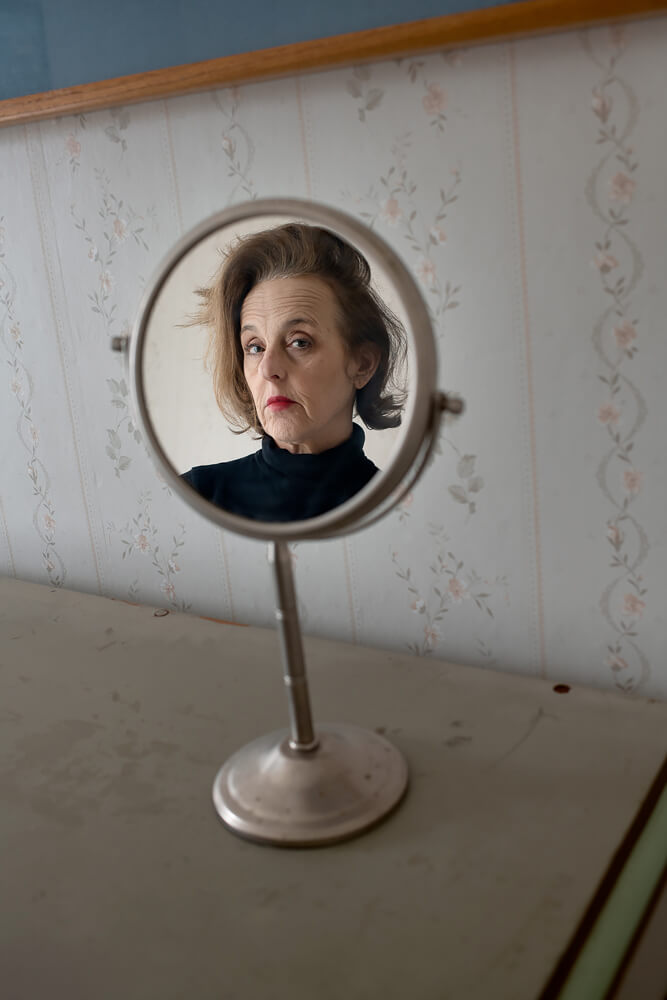
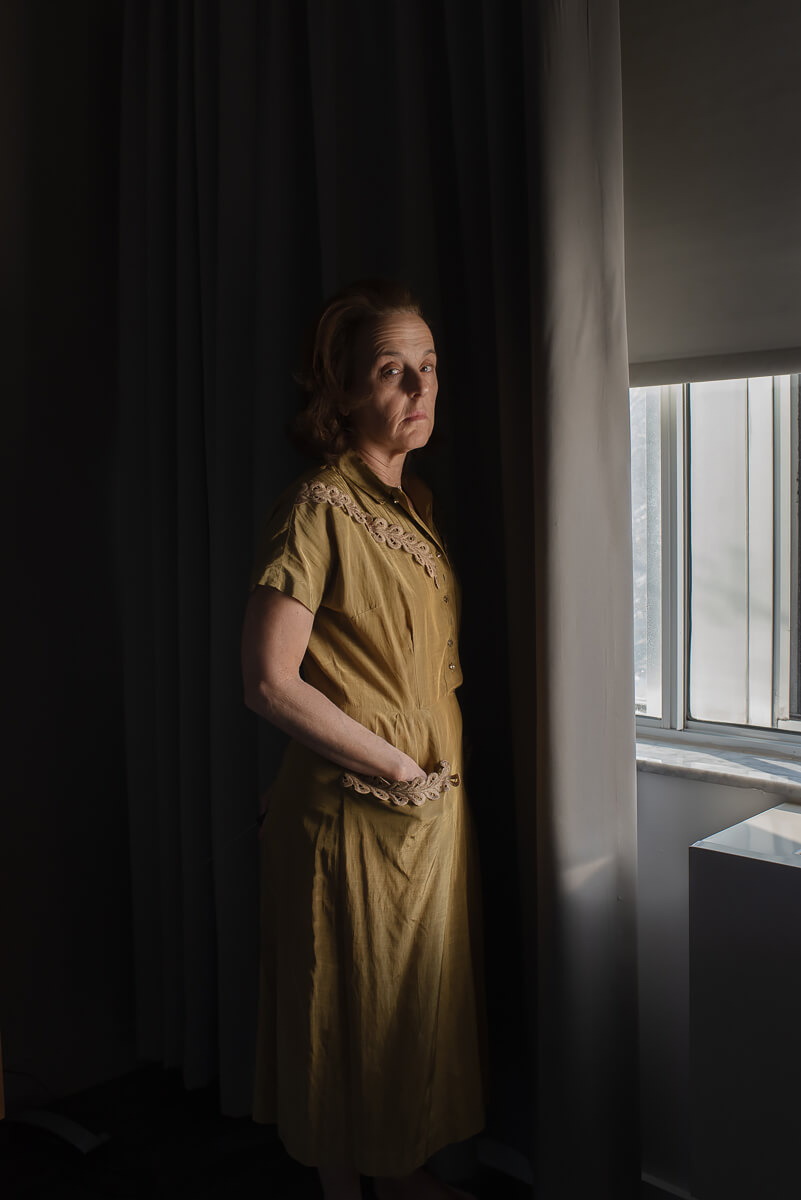
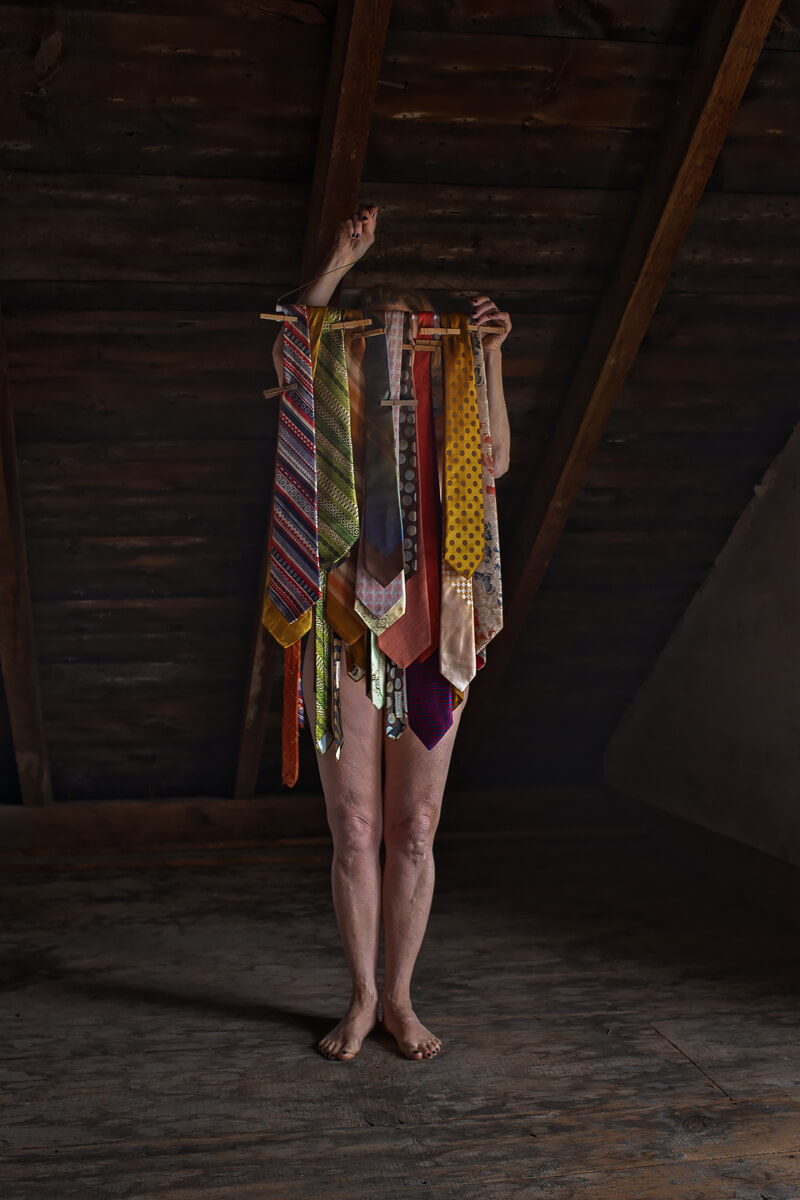
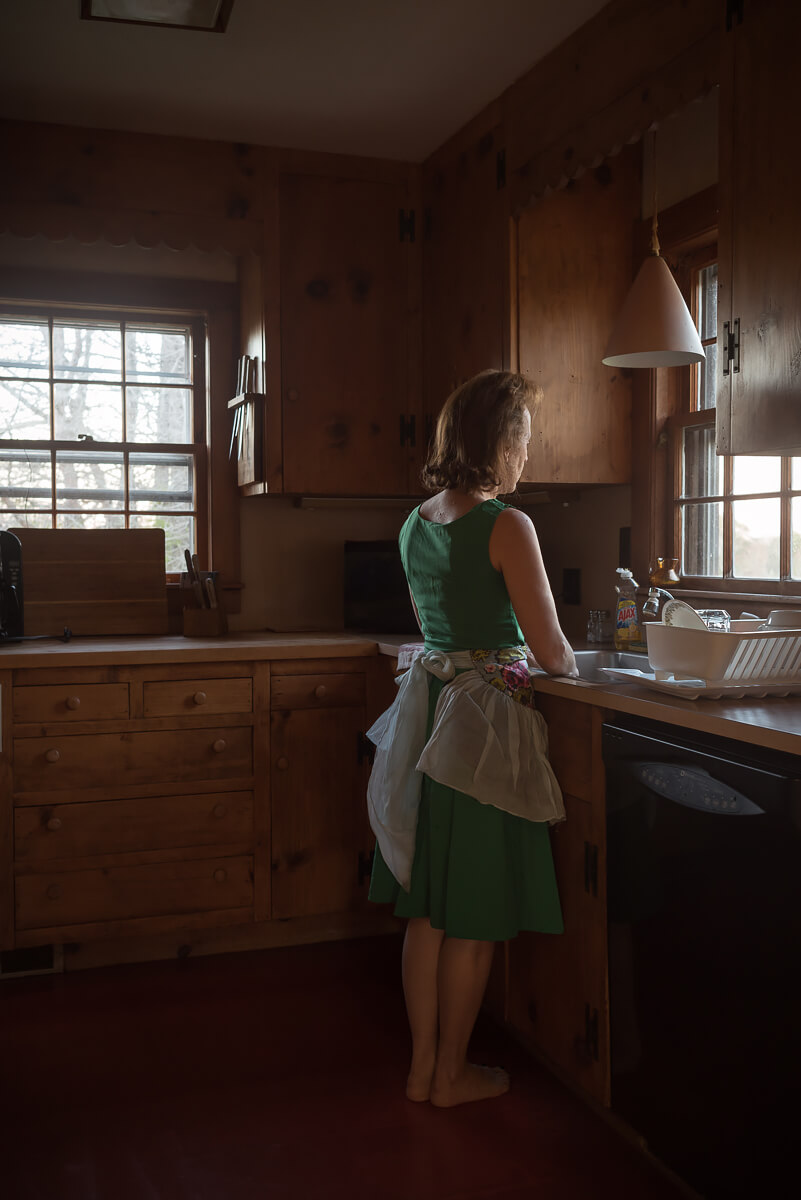
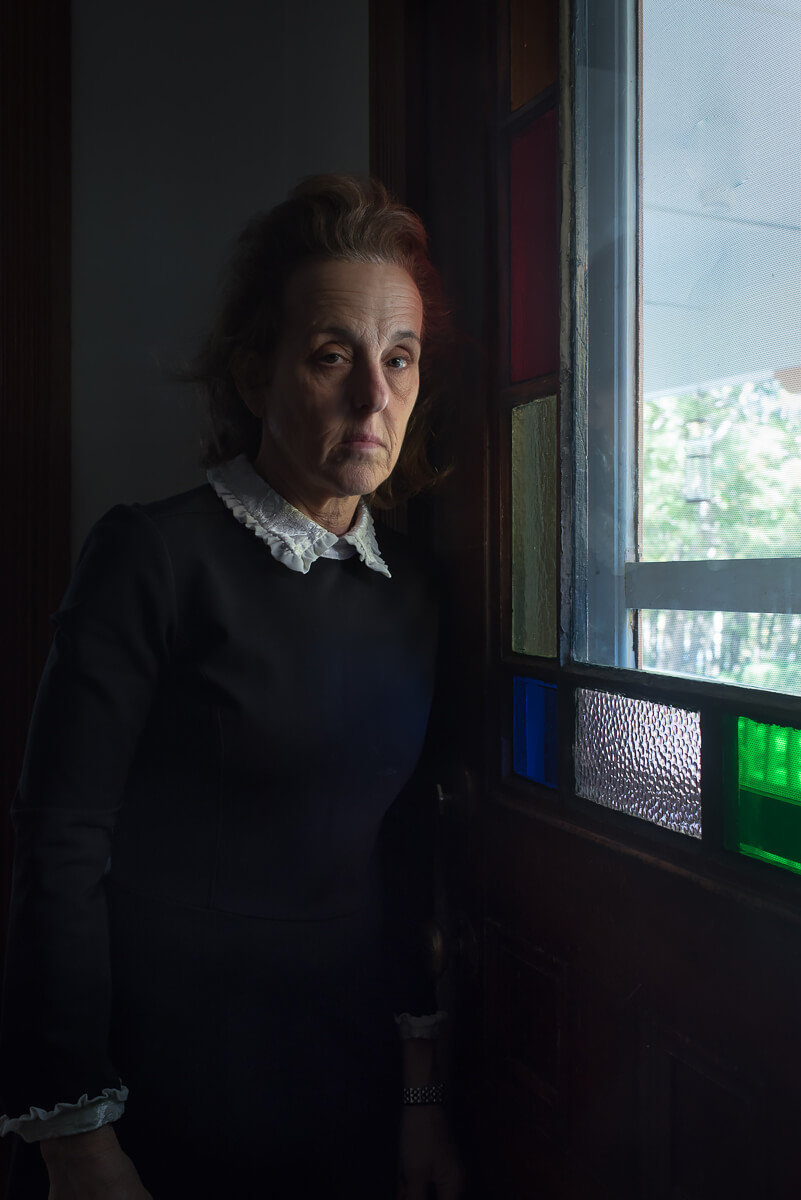
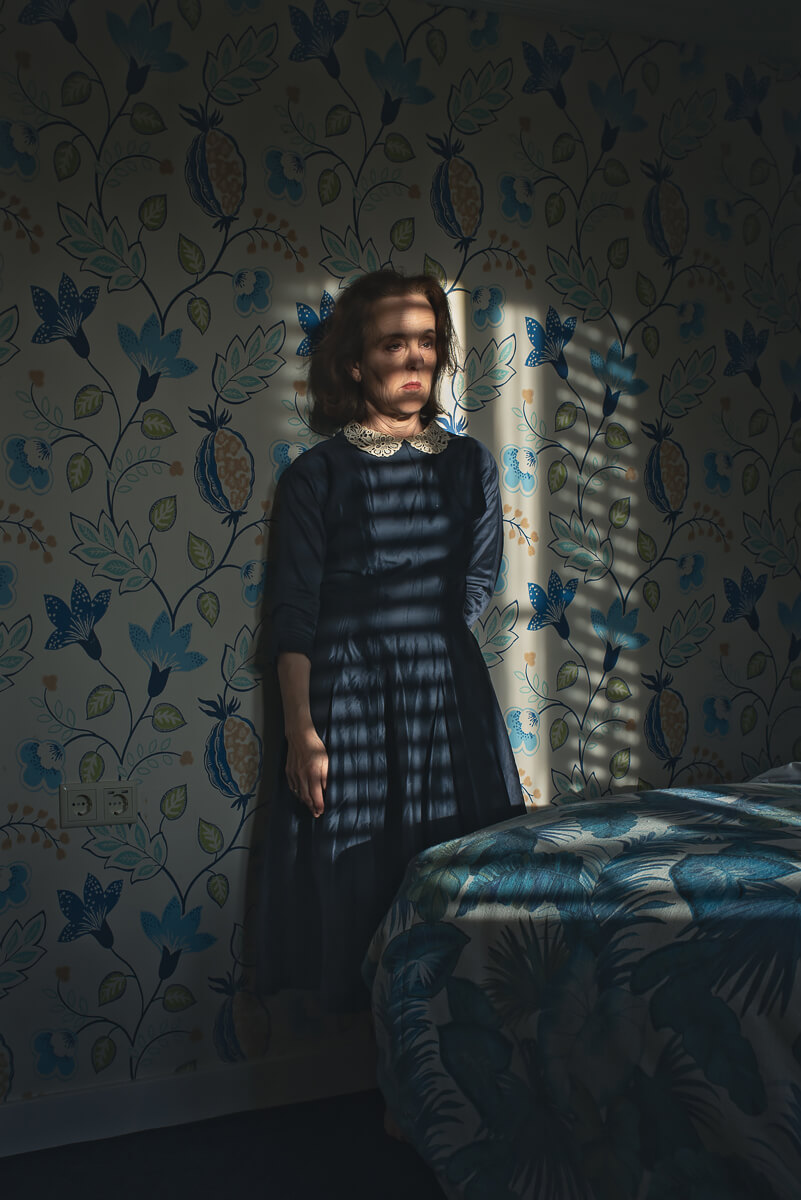
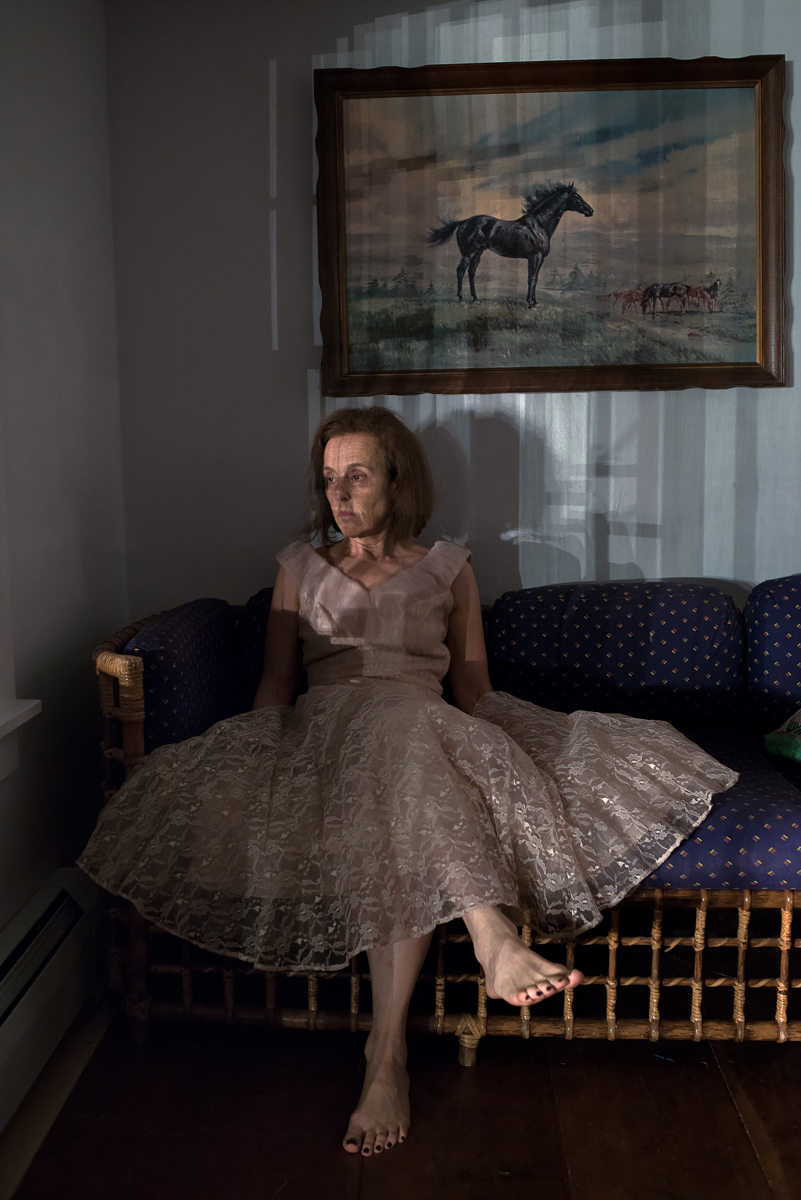
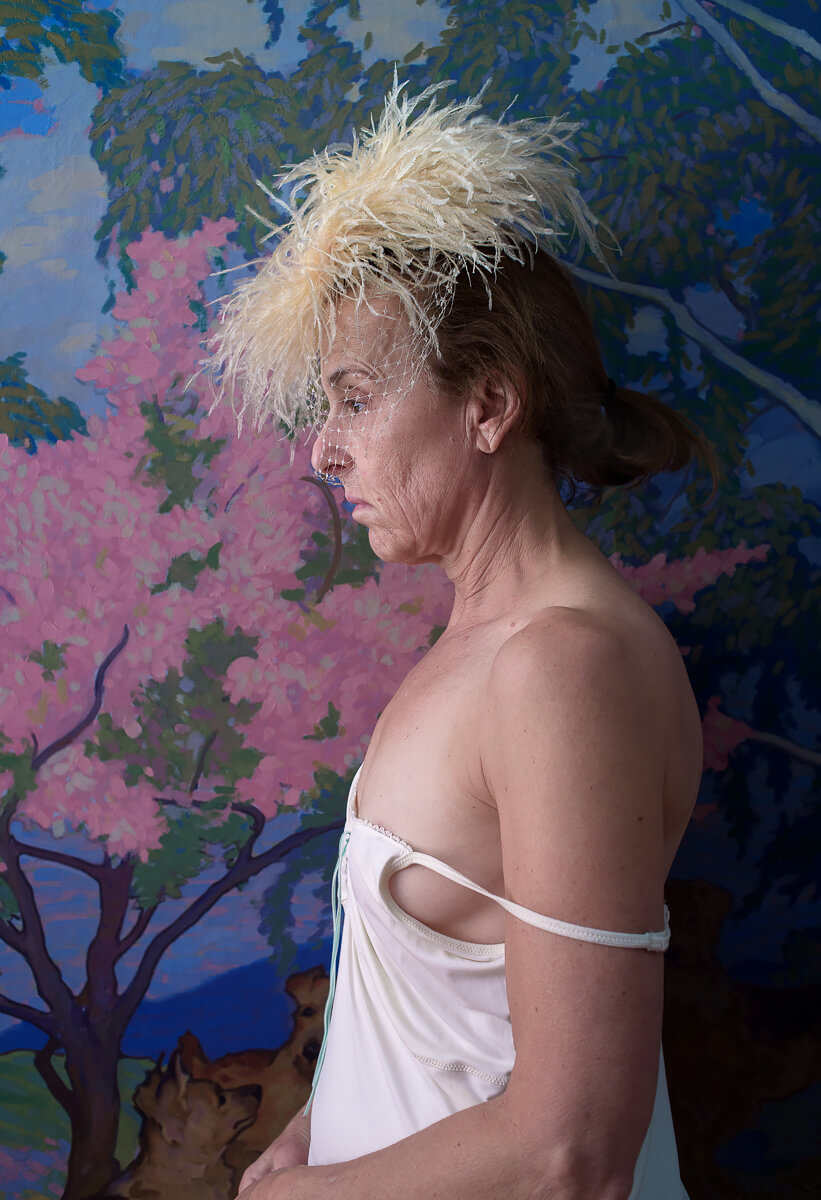
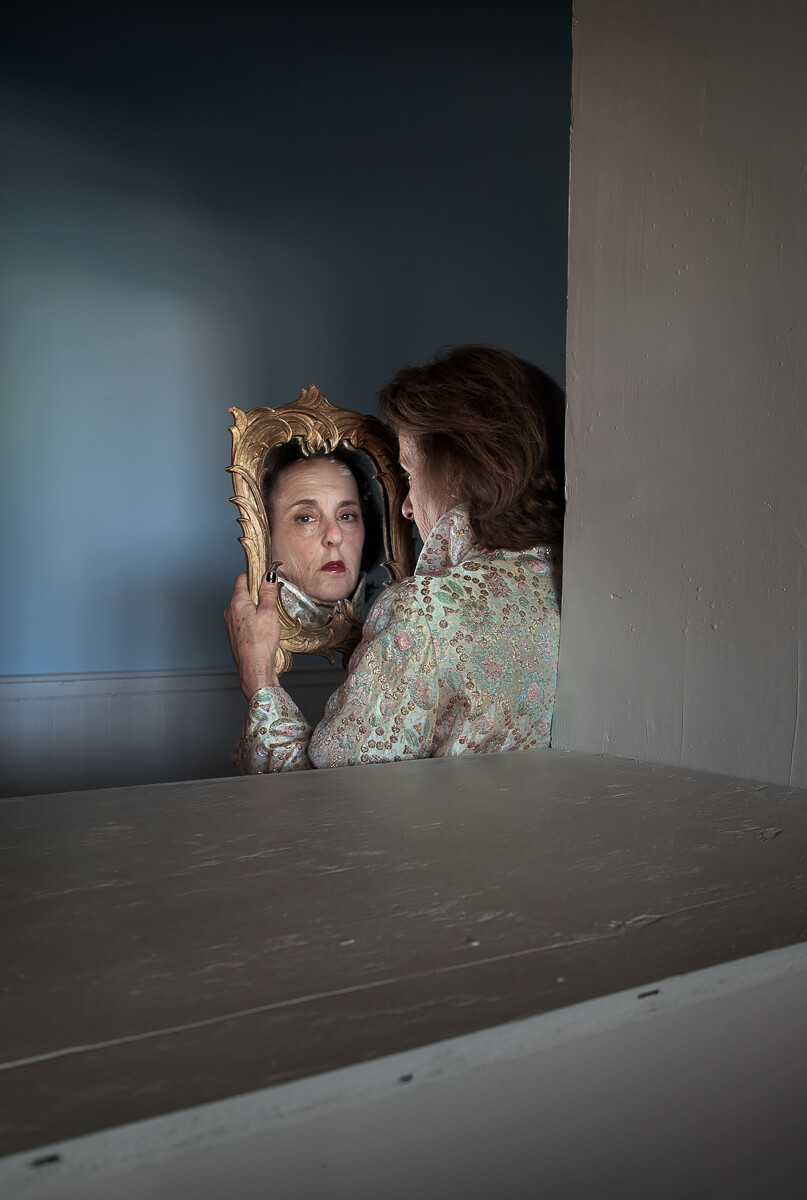
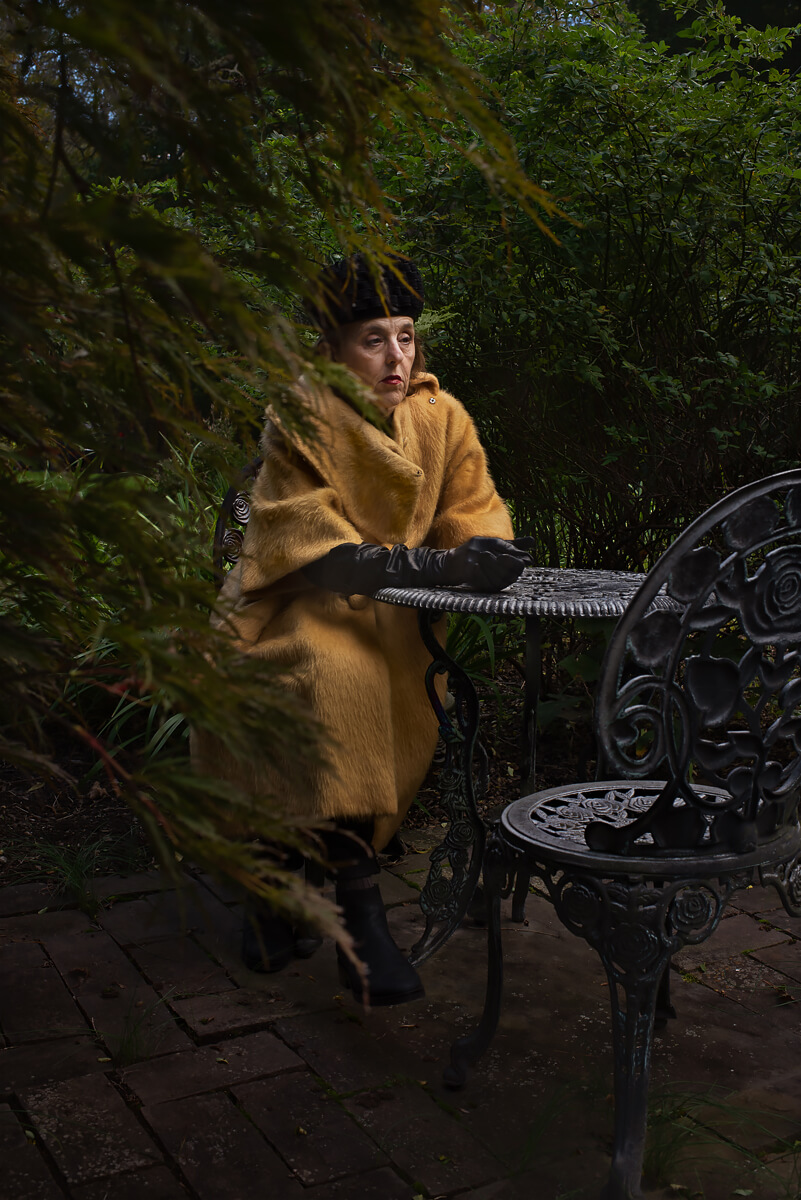
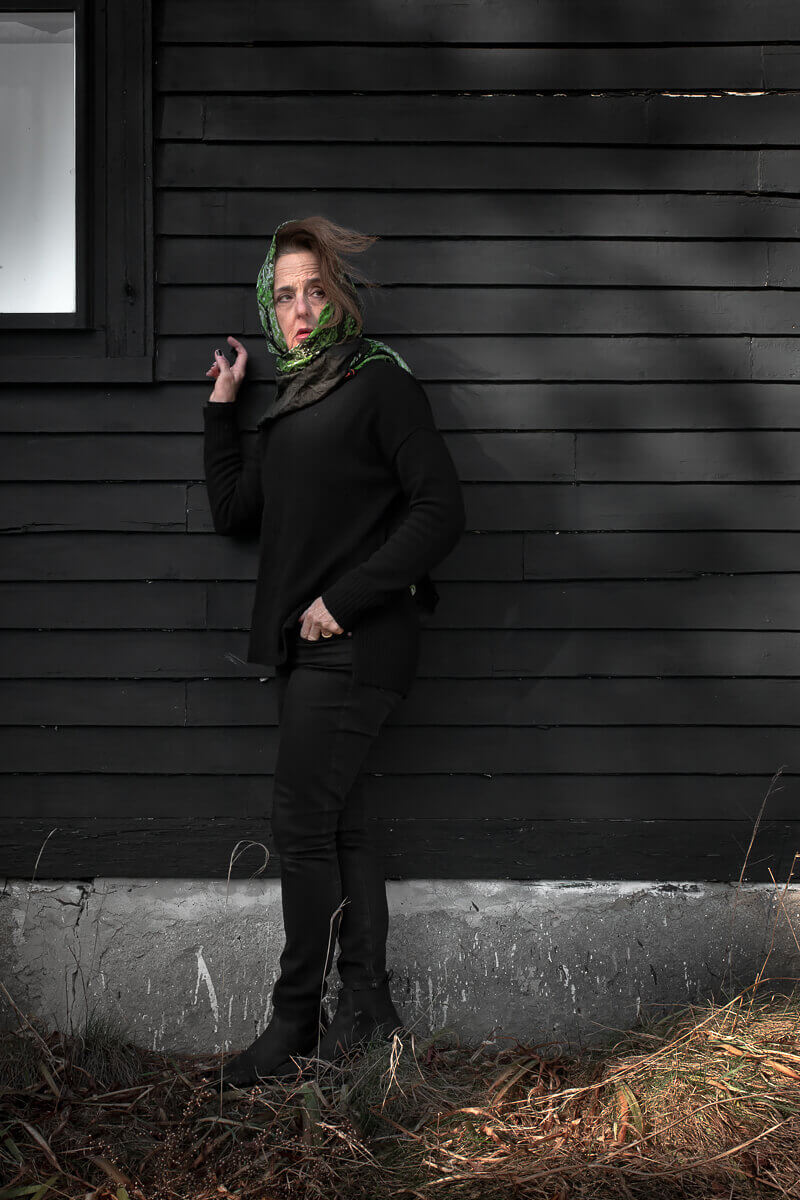
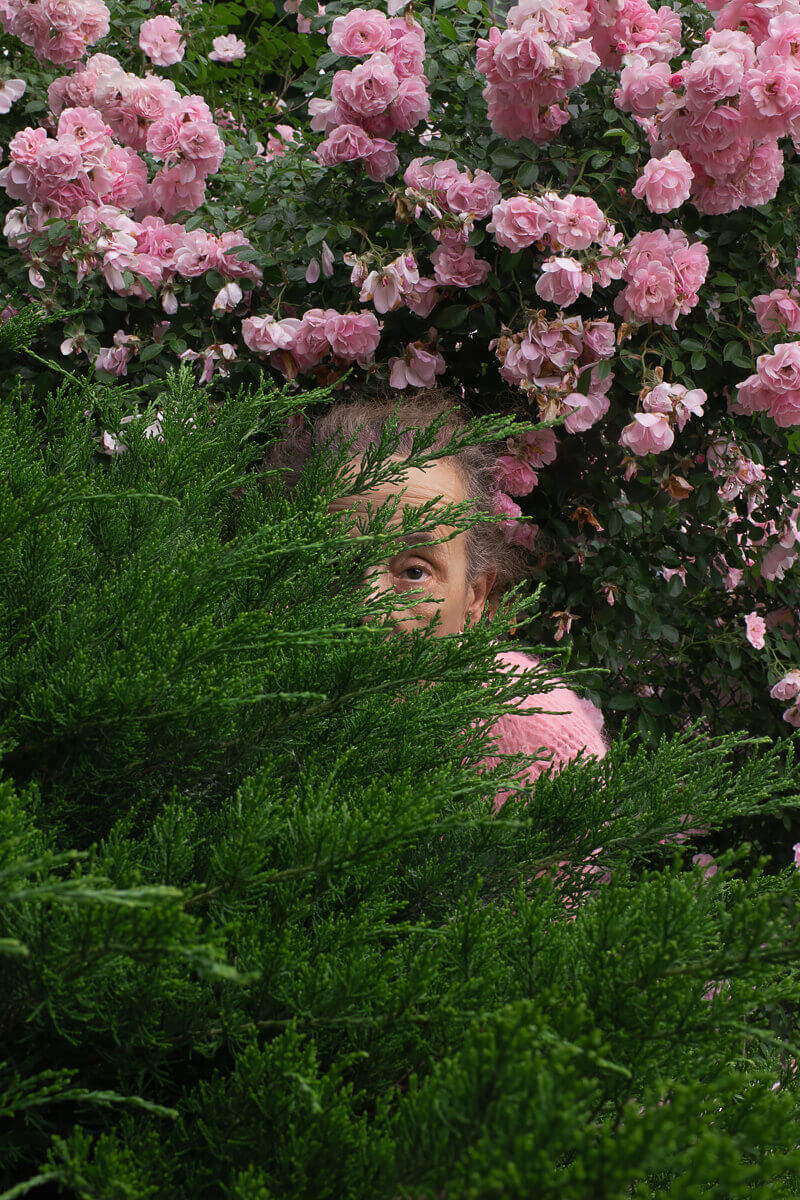
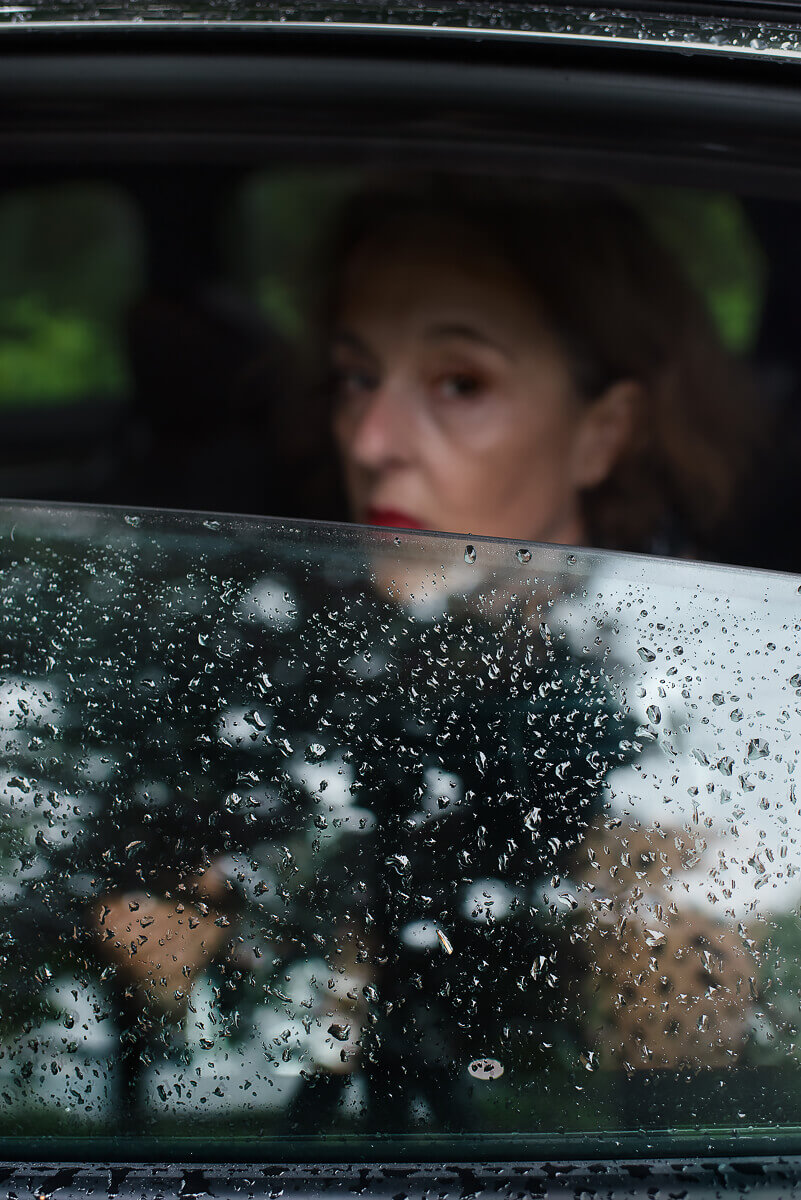
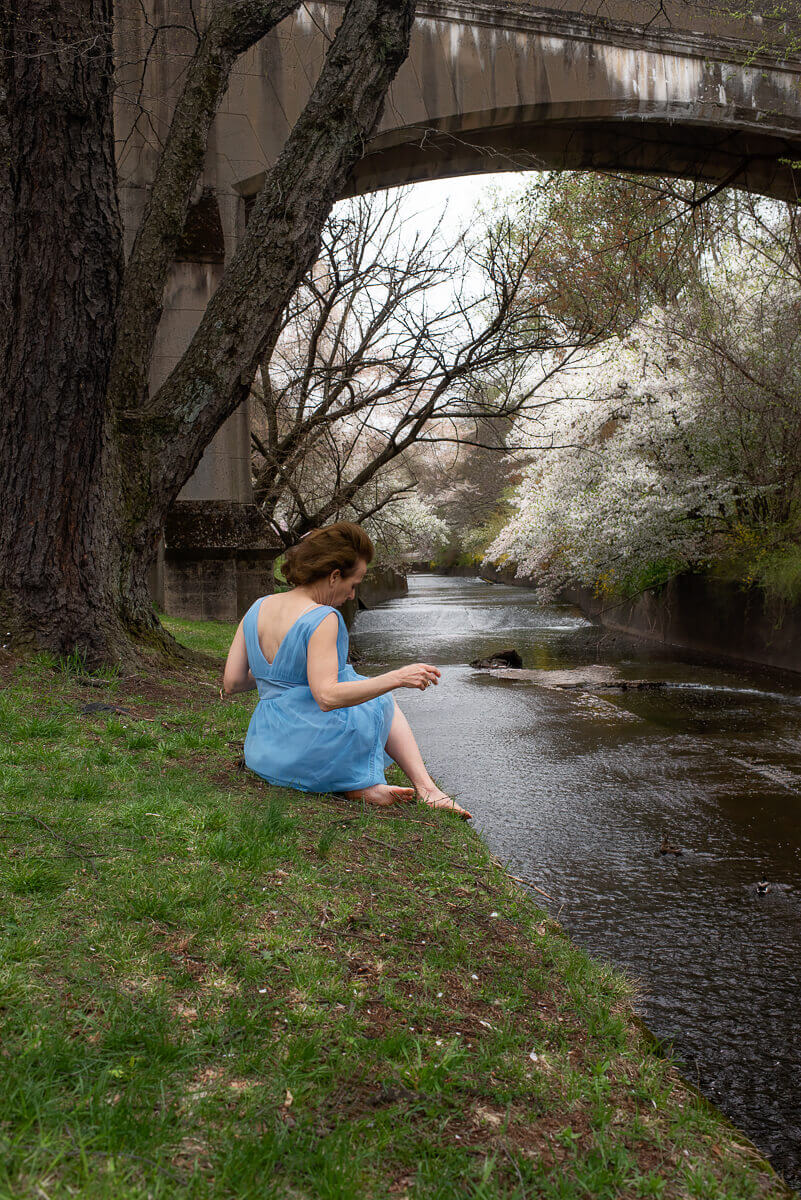
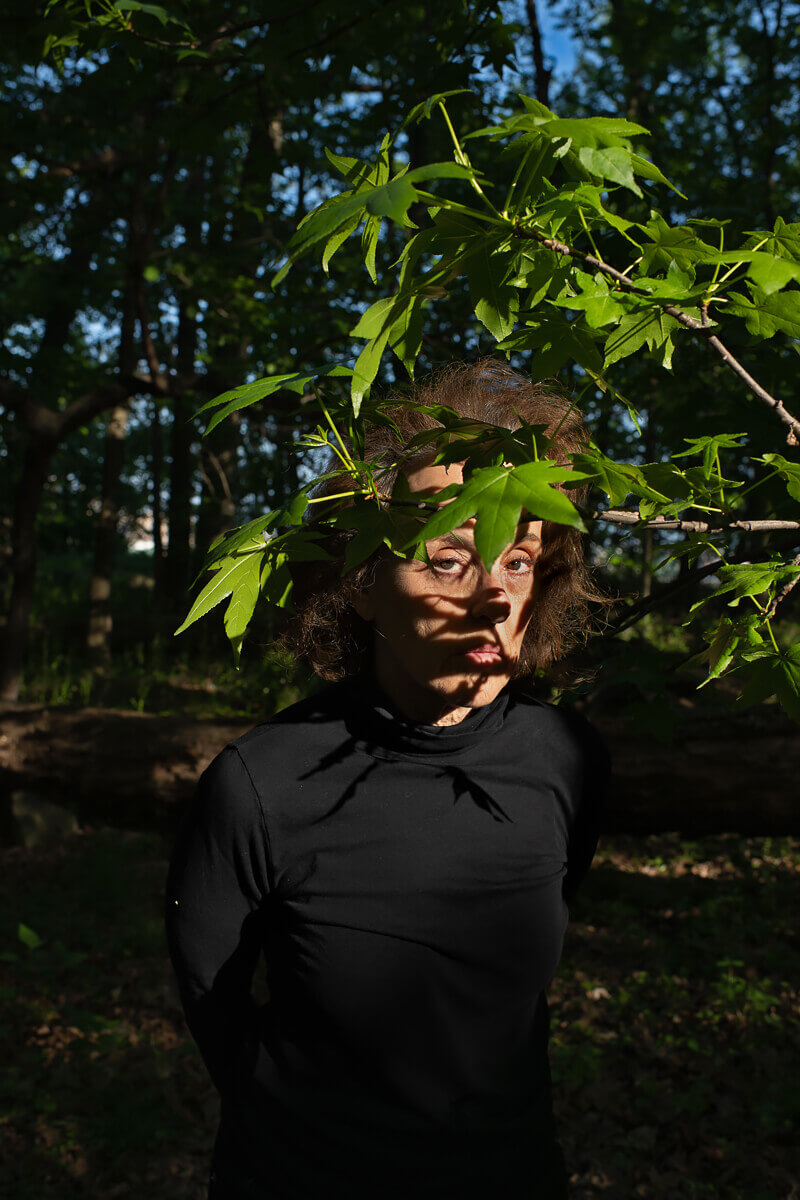
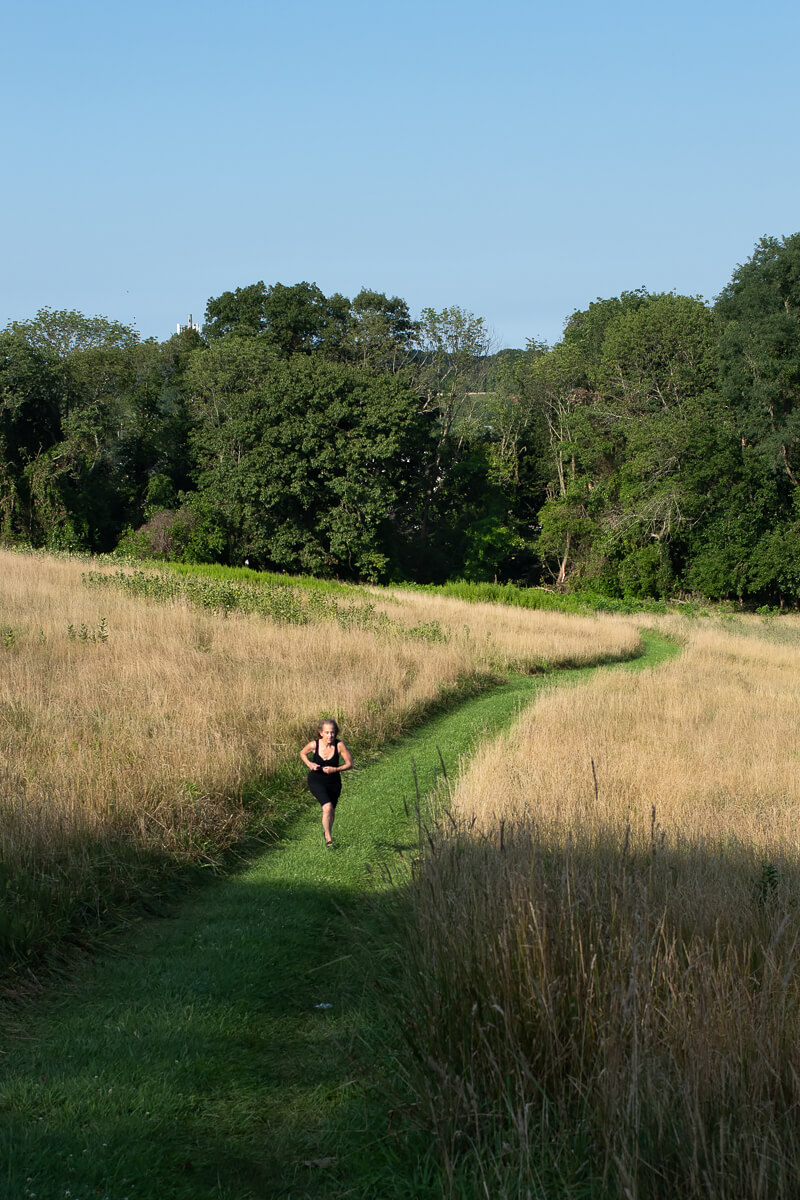
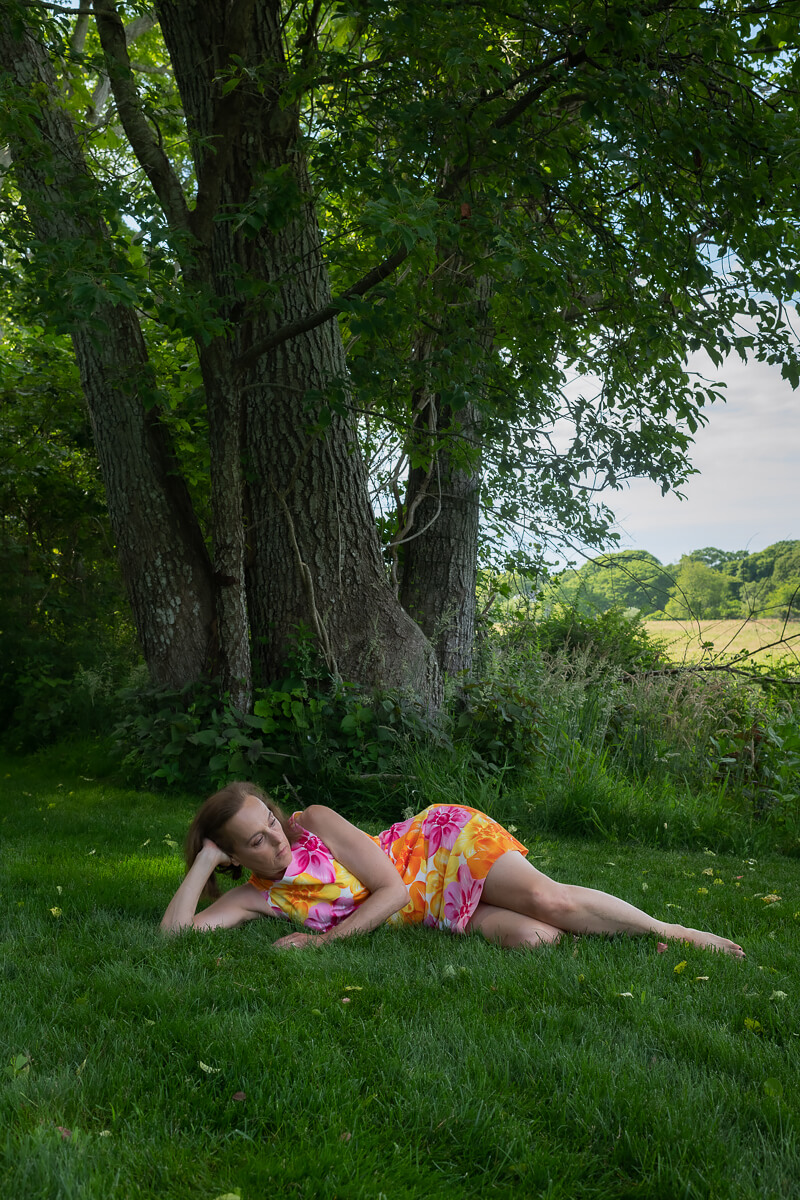
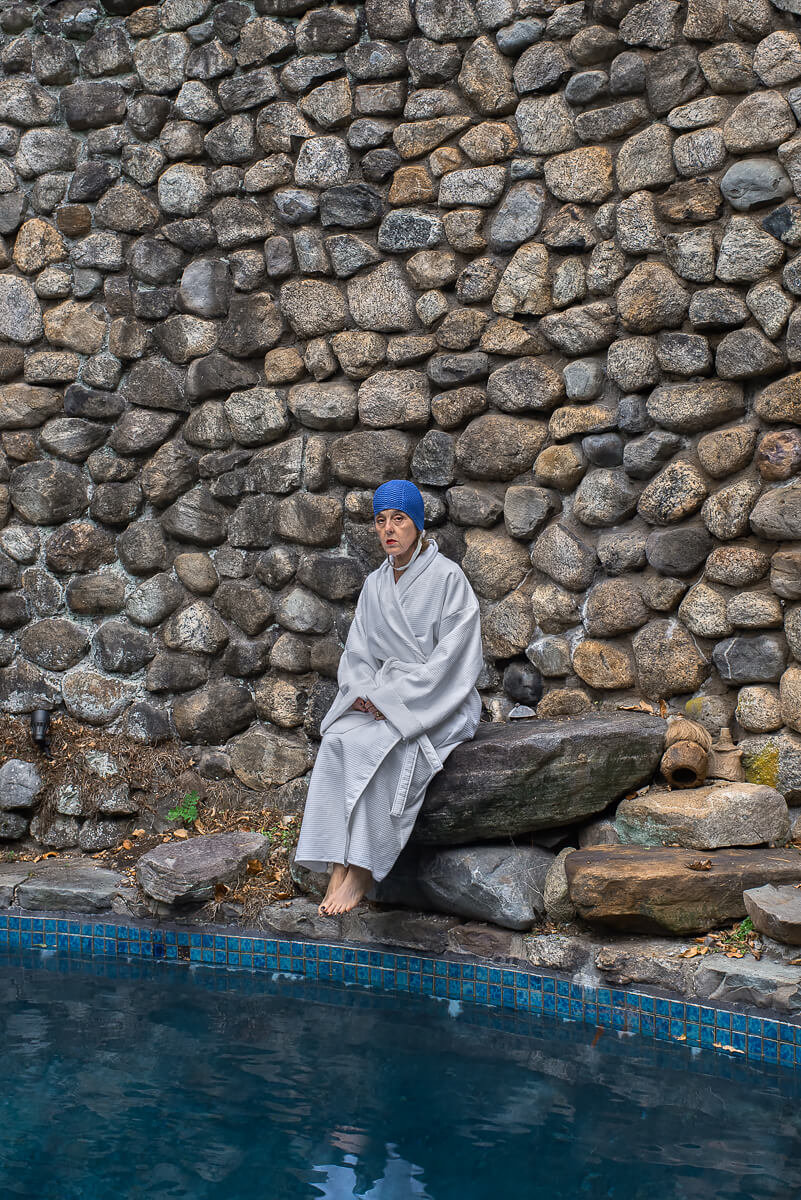
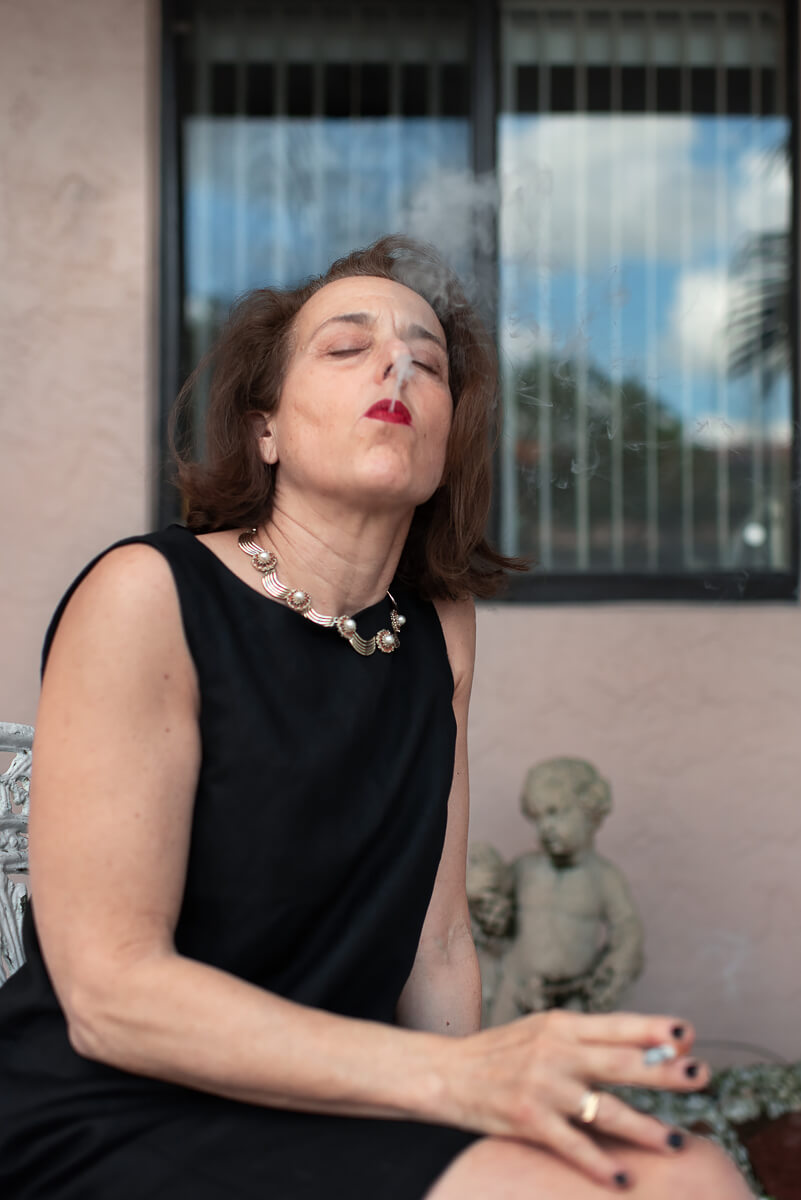
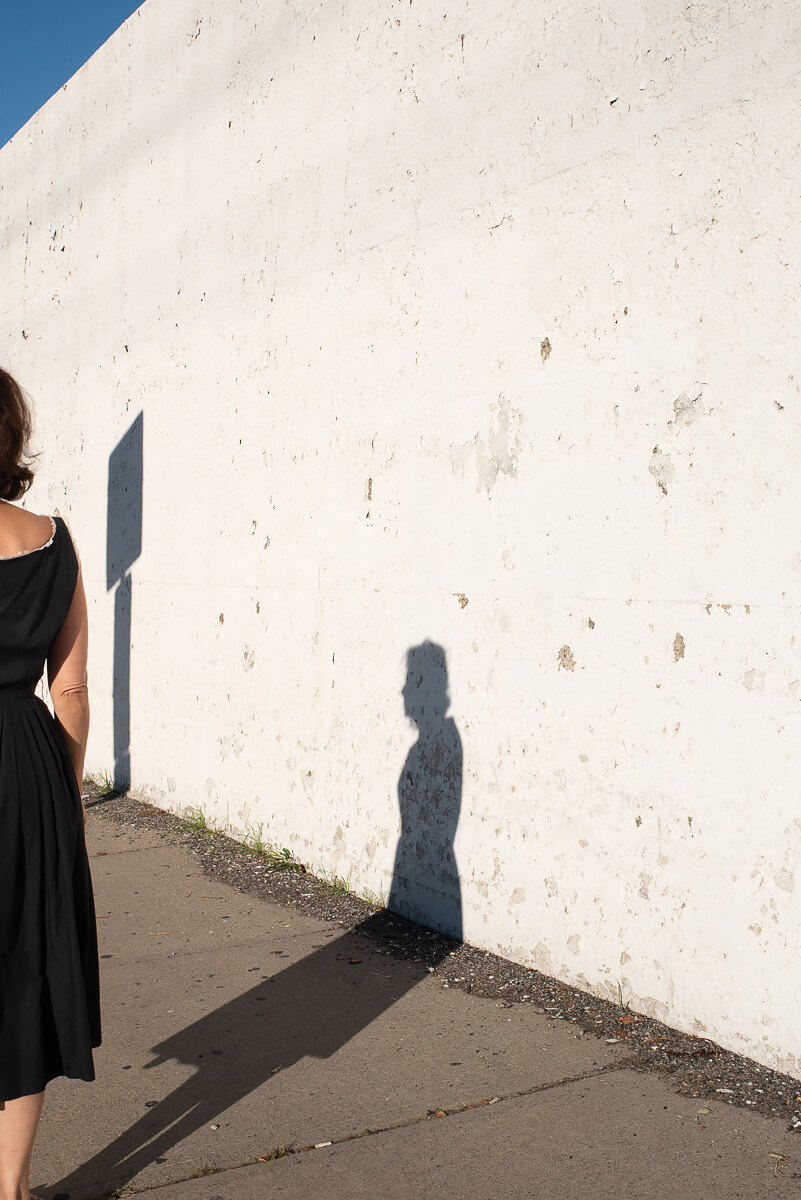
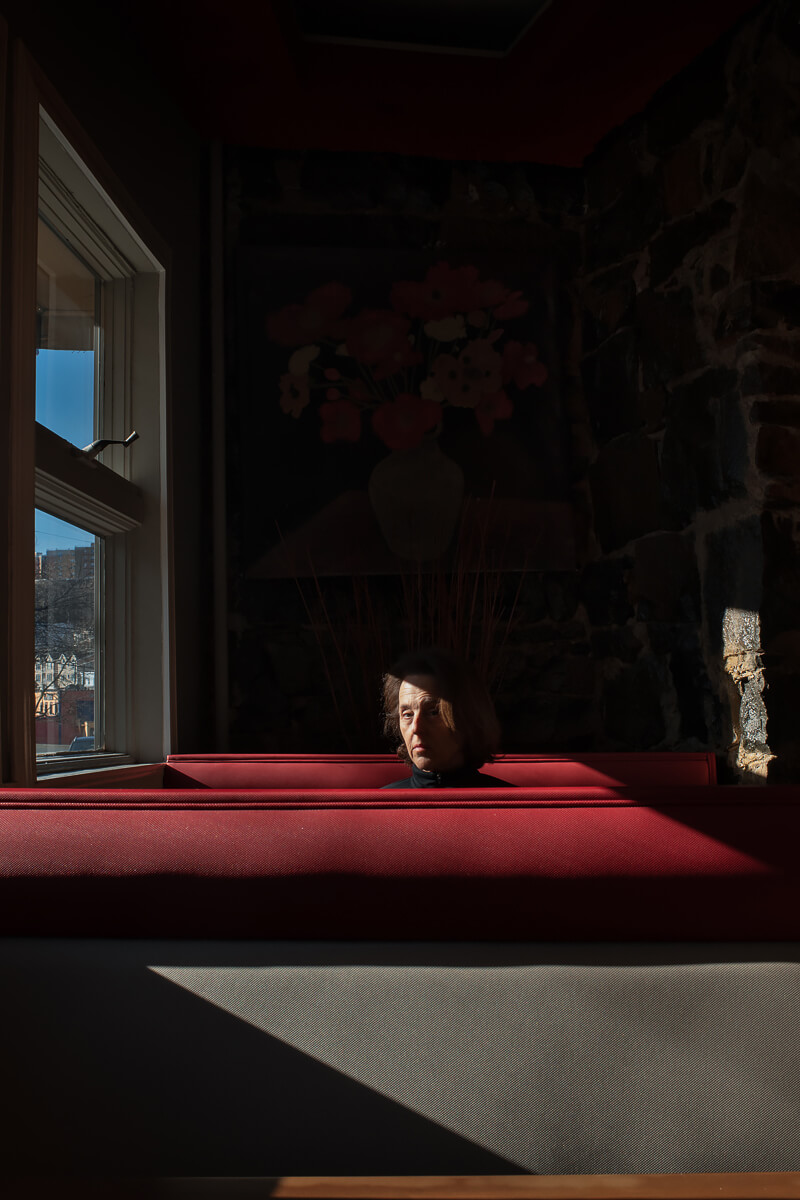
Jo Ann Chaus is an American photographer from and based in the New York metro area She holds two certificates from the International Center of Photography in New York City. In 2016 Jo Ann self-published "Sweetie & Hansom", a 60-image book with original text exploring family, relationships and loss. Her current body of work, "Conversations with Myself", is a collection of performative self-portraiture that explores women's roles and identity, currently under edit for publishing. Her work has been exhibited nationally and internationally, and she holds special recognitions and awards: Critical Mass Top 200 2020, 2019, 15th Julia Margaret Cameron Award for Women Photographers Winner Self Portrait Series, 14th Julia Margaret Cameron Awards Honorable Mention, Winner 13th Pollux Awards non-professional category, Critical Mass 2019 Top 200, Klompching Fresh 2019 Finalist, PDN Emerging Photographer Fall 2019 Winner, , Candela Unbound8! and 9! juried exhibitions, Permanent Collection in the Center for Creative Photography Qualities of Light Exhibition, Juror's Choice South East Center for Photography Portrait Exhibition 2019.

Statement
Jo Ann's work is a visual record of her interactions with and with-in her environment, and her curiosity to explore and discover personal truths, whether found or assembled, as metaphors for her inner landscape.

She expresses the joys and pathos of a life, as seen and felt by the young girl within who became the woman, the mother, and the wife. Her perspective is through the eyes of an elder in our society, contemplating the challenges and incongruities of her own will, desire and constraints within a historical context.

Heightened and enhanced by the literal light of day, it is an examination of life's ambiguities: the close and the distant, the beauty and the grit, the singular and the plural, satisfaction and longing, together and apart… all relentlessly seeking to understand and witness herself, past, present and future.

 

Inspiring Portfolios

Call for Entries
AAP Magazine #56 Shadows
Publish your work in our printed magazine and win $1,000 cash prizes
 
Stay up-to-date  with call for entries, deadlines and other news about exhibitions, galleries, publications, & special events.

More Great Photographers To Discover

Christopher Felver
United States
1946
Christopher Felver (born October 1946) is a photographer and filmmaker who has published several books of photos of public figures, especially those in the arts, most notably those associated with beat literature. He has made numerous films (as director, cinematographer, or producer), including a documentary on Lawrence Ferlinghetti, Ferlinghetti: A Rebirth of Wonder, released in 2013. Christopher Felver has photographed numerous writers, intellectuals and filmmakers such as Charles Bukowski, William Burroughs, Noam Chomsky, Gregory Corso, Clint Eastwood, Lawrence Ferlinghetti, Allen Ginsberg, Dennis Hopper, Oliver Stone, Elizabeth Taylor, Hunter S. Thompson and Kurt Vonnegut. His photography has been exhibited internationally, with solo photographic exhibitions at the Arco d'Alibert, Rome (1987); the Art Institute for the Permian Basin, Odessa, Texas (1987); Torino Fotografia Biennale Internazionale, Turin, Italy (1989); Centre Georges Pompidou, Paris (1994); Roosevelt Study Center, Middelburg, Netherlands (1998); Fahey/Klein Gallery, Los Angeles (2002); the Maine Photographic Workshop (2002); Robert Berman Gallery, Los Angeles (2007); the San Francisco Public Library (2018)[3] and other galleries and museums. His works have also appeared in major group exhibitions, including The Beats: Legacy & Celebration, New York University (1994) and Beatific Soul: Jack Kerouac On The Road, New York Public Library (2007). A collection of his photographs is held by the University of Delaware. Source: Wikipedia Christopher Felver is a cultural documentarian. His distinctive visual signature is a lasting contribution to the legacy of our national cultural community. Felver’s films & photographs reads like a roster of American mid-century avant-garde. Aside from portraits, Christopher Felver has also produced another body of work entitled: Ordered World. About this body of work, curator, James Crump writes, “Mr. Felver celebrates the elemental essences manmade and natural objects that tend to elude observation. Working in a manner not unlike Karl Blossfeldt, Albert Renger-Patzsch and the New Objectivity artists of 1920s and ’30s Germany, Felver asserts his own contemporary vision here. His pictures are informed by Minimalism and the keen, refined observation of a poet unwilling to discard the mundane or topical content that surrounds us but, nevertheless, is overlooked in the quickened pace of our technologically frenzied age. The series, while concerned with monumentalizing and focusing our attention on the ordered and structured surfaces of objects, resists any historical referencing to the hardened gaze of the twentieth century. It asks the viewer to ruminate on the overlooked beauty which surrounds us, the wonderment that unfolds, with careful and refined examination.” In 1994 Felver attended a Connecticut gathering of Native American dancers in ceremonial dress. These 20 photographs capture a traditional gathering of Northeastern tribes in Felver’s direct portrait style. As visiting artist in 1988 & 1989 at the American Academy in Rome, Christopher Felver made over 250 portraits of European artists across the continent. Felver’s 1350 portraits represent American and European cultural icons. In 1984 Christopher Felver traveled as a journalist to Japan, Hong Kong and Beijing documenting the customs and social conditions. Writers Lawrence Ferlingetti, Robert Creeley, David Amram, Amiri Baraka, George Plimpton, David Shapiro, Luc Sante, Lee Ranaldo, William Parker, Douglas Brinkley, Gary Snyder, Lance Henson, Linda Hogan and Simon Ortiz have written introductions for Christopher Felver’s books. Source: chrisfelver.com "With his gravelly voice, Felver would have made a great gumshoe in a mystery serial during the Golden Age of American radio, which ended around 75 years ago. Luckily for us, he did not miss his calling, which is to take portraits of the people who make up the cultural backbone of America — its artists, writers, composers, and musicians — people in the public eye, even if that audience is tiny." "Felver didn’t just take a photograph, as each portrait is accompanied by a short poem or line of poetry written by the subject in his or her own hand. He finds another way to be a witness." "I cannot think of another person who has given us such intimate portraits of Sherman Alexie, Amiri Baraka, Louise Erdrich, Lawrence Ferlinghetti, Allen Ginsberg, Joy Harjo, Eartha Kitt, Jasper Johns, Toni Morrison, Patti Smith, and Anne Waldman. He has made photographic portraits of Native American writers, and of composers and musicians from John Cage and Doc Watson to Mavis Staples and Ozzy Osbourne. He spent a week in Nicaragua in early part of 1984 with Lawrence Ferlinghetti, five years after the 1979 July revolution there. The photographs in Felver’s book, The Late Great Allen Ginsberg (2002), were taken between 1980 and 1997, in which various other people make appearances: Philip Glass, Ray Manzarek, Ed Sanders, Norman Mailer, Robert Frank, and Gary Snyder." "Each of these projects reveals another side of Felver’s capacity to engage with others and the world, as well as to stand aside and let his subjects speak. I cannot think of anyone who has been as devoted as Felver has been to his subjects. Perhaps it is time we find a way to return that devotion." -- John Yau Source: Hyperallergic
Klavdij Sluban
France
1963
Klavdij SLUBAN, winner of the European Publishers Award for Photography 2009, of the Leica Prize (2004) and of the Niépce Prize (2000), main French prize in photography, Klavdij Sluban is a French photographer of Slovenian origin born in Paris in 1963. He develops a rigorous and coherent body of work, nourished by literature, never inspired by immediate and sensational current affairs, making him one of the most interesting photographers of his generation. The Balkans, the Black Sea, the Baltic Sea, the Caribbean, Central America, Russia, China and the Antarctic (first artistic mission in the Kerguelen islands) can be read as many successive steps of an in-depth study of a patient proximity to the encountered real. His images have been shown in such leading institutions as the Metropolitan Museum of Photography of Tokyo, the Maison Européenne de la Photographie in Paris, the Rencontres d’Arles, the Museum of Photography in Helsinki, the Fine Arts Museum in Canton, the Musée Beaubourg, the Museum of Texas Tech University… His many books include East to East (published simultaneously by Actes Sud, Dewi Lewis, Petliti, Braus, Apeiron & Lunwerg with a text by Erri de Luca), Entre Parenthèses, (Photo Poche, Actes Sud), Transverses, (Maison Européenne de la Photographie) and Balkans -Transit, with a text by François Maspero (Seuil). Since 1995, Sluban has been photographing teenagers in jails. In each prison he organizes workshops with the young offenders to share his passion. First originated in France, in the prison of Fleury-Mérogis with support of Henri Cartier-Bresson during 7 years, as well as Marc Riboud and William Klein punctually. This commitment was pursued in the disciplinary camps of Eastern Europe –Serbia, Slovenia, Ukraine, Georgia, Moldavia, Latvia – and in the disciplinary centres of Moscow and St Petersburg as well as in Ireland. From 2007 to 2012, Sluban has been working in Central America with imprisoned youngsters belonging to maras (gangs) in Guatemala and Salvador. In 2015, he started photogrphing imprisoned teeangers in Brazil. In 2013, the musée Niépce showed a retrospective of K.Sluban’s work, After Darkness, 1995-2012. In 2015/16, he was awarded the Villa Kujoyama Residence in Kyoto, Japan. K.Sluban is member of national and international jurys, such as prix Niépce, prix de la Jeune Photographie de Niort, prix Leica, All About Photo…
Mariska Karto
Netherlands
Mariska Karto is an artist/ fine art-photographer born in Suriname (South-America) and raised in the Netherlands. In this age of rapidity and technical development, in which human is exposed to impersonal detachment of current technical era, Mariska Karto creates the vulnerable and intensive dimensions of human feelings and emotions. This all happens in the dreamworld she has created with her technique in which past and present have found their way to each other, in this era of transformation.She talks to you in a language without words using symbolism in a dreamworld of historic paintings atmosphere.Mystique, tragic and erotic are the keywords for her work. Her work are like old stories escaped from an old world of eternal dreams, eternal emotions and eternal feelings that existed for hundred of years but still repeats themselves as in a pattern of an earthy rite, in this new modern contemporary era.Her works are like poems and thoughts, restless ones but are also like whispers of thoughtless experiences, floating in a centuries long movement in time.Artist Statement"My work is based on a period in which photography did not exist, It was not until the end of the 18th century that it was invented. As a result of this, people thought that photography would make the art of painting disappear, especially in the post modern era, the traditional art had to make way for new technical developments. In my work I seek and found a respectful connection of technique and traditional craft through a striking contradiction. Painters in the Baroque/renaissance time were trying to paint as true-to-life with painting-techniques and color applications. What a camera does is portray the world in its realistic colors. That’s the contradiction in my work, it’s the other way around. I shoot realistic images and through an intensive transformation process, the work is changed, true-to-life in the characteristic Baroque colors and style of that time. Eventually, this says nothing about photography and technique, but more about the great masters of that gone era, they were able to be as realistic and accurate as possible with brush and paint the world in all its reality… That’s the great contradiction in my work, I’m leaving the visible reality of our current time, and bring the invisible realism of the past forward in my work. As a result of this, I pull away present time from its structure and then time appears to be just a definition, which slowly fades away, when current and past becomes interwoven with each other.” More background info: "I mix skills from different worlds together. It is a blend of skills of my (I'm originally a painter and sketcher, textiles - I was a textile artist some years ago, photography and image processing) that ultimately meets each other in this form of art. A main factor are also social emotional influences in my life which developed how I see, learn and finally understand things in an essential (psychological) way. All these (artistic) elements from different areas and personal influences come together in a work of mine."
Formento & Formento
United States/United Kingdom
BJ Formento is the light. Richeille Formento is the pigment. This dynamic husband-wife team have made an art of their unique strain of photography. Exuding an eerie sensuality combined with a narrative cinematic sensibility, the ambiguous nature of the characters and scenarios remind us of David Lynch and Hopper-esque landscapes. They couldn’t have landed in the photographic landscape at a more opportune moment. With the enormous interest in their work—success is eminent. Vogue Italia has been a forerunner and loyal supporter of their work, as well as cutting edge magazines like Aesthetica, Blink, Musee and L’oeil de la Photographie. 2012 was a breakthrough year for F+F. They were nominated top finalist to American Vogue’s New Exposure Competition working with Bottega Venetta and Red Digital Camera. In 2014 their works were selected by Alessia Glaviano, photo editor of Vogue Italia and L’Uomo Vogue for a “Glimpse at Photo Vogue” at Carla Sozzani Gallery and in 2015 for “45 Frames from Photo Vogue” at Leica Milan Gallery. Amazing response from the shows at Art Basel Miami Beach, Aipad and Armory NYC. Solo exhibitions across Europe starting in Paris, London, Berlin, Stuttgart and Dusseldorf. Their work also been exhibited in New York at Edelman Arts Gallery in February 2013. The most notable event this year is the publication of their first coffee table book by YK editions, as well as a film to promote the book which has been shown this fall at the Pompidou in Paris. Fahey Klein Gallery has offered them the coveted summer slot and the inaugural exhibition of Japan Diaries. A Photo Shanghai booth dedicated to their works Circumstance, September 2014. The inaugural exhibition of “She is Cuba” at Art Miami 2014 was received with great applause as well as the celebrity studded opening at Miami Fahey Klein and Chrome Hearts during Art Basel 2014. BJ Formento was born in Hawaii and grew up in the Philippines, studied in San Francisco and moved to New York in 1999. Richeille Formento was born in London and attended the prestigious Central St. Martins College of Art before working as an art director and designer in the fashion industry. They split their time between NYC and Miami with their 3 siamese cats.
Azim Khan  Ronnie
Bangladesh
1986
Azim Khan Ronnie was born in Dhaka and brought up in Bogra, Bangladesh. He has an utter passion for photography and photography has been his passion. As a photographer, his essential aim is to capture the moments of life and give them significance by making them static in time. He loves to travel and be in different places, meet new people, and enjoy the experience that photography offers, which is to capture Earth's beautiful and awe-inspiring moments. He also loves to experiment with his photography. He is working news channel as a senior camera person in Bangladesh. More than 15 years Azim Khan Ronnie working in TV Channel back to camera. That's why he was gain lot of photographic knowledge. He is completed foundation course from Pathshala South Asian Media Institute. He has taken part in many National and International Photography contest and till now he has won many national and international photography awards, including HIPA Merit Medal Award 2018, Andrei Stenin Press Photo Contest Winner, SIENA International Photography Award 2019, Two awards from Drone photo contest 2019, Asahi Shimbun award from Japan, Winner Agora images, Won Merit Awards from prestigious All About Photo Awards 2020, 2nd prize from HERITAGE for PLANET EARTH® travel photo competition 2018, BBC Wildlife Photo Contest winner 2017, Won the 1st prize in Securing Water For Food Global Water-Agriculture Photo Contest 2017, FIAP Bronze Medal from 15th Adana Rotary Club International Photography Contest. 3rd Place winner from Wiki Loves Monuments 2017 international photo contest organized by Wikipedia. PSS – Dr. Gibson Hill Memorial Gold Medal (Best of Section) from Singapore International Photography Awards (SIPA) 2017, 1st prize winner from COMPAS photo competition 2017, 1st Prize winner from 35AWARDS 2016 Russia, 2nd prize winner from The 4th Student Photography Contest, organized by Global Photography, China, Grand Prize winner of Endless Summer Photo Contest from Skylum, Two times MARUMI Photo Contest Silver Prize winner from Japan, Honorable mention award from ND Awards 2017, Top 10 Winners of Click India Photography Contest 2017, 3 awards winner from "Golden Orchid International Photo Awards" 2017, 1st & 3rd Prize winner from International photo contest & exhibition in China 2015, Achieve 2nd, 3rd, 5th, 8th & 9th total 5 awards from Bangladesh's Wiki Loves Earth 2017 Photo Contest, Achieve 1st, 2nd & 7th winner from Bangladesh's Wiki loves monuments 2017 photo contest, 3rd Prize from Dhaka-Kolkata International Photo Contest 2017, The Nature Conservancy's 2017 Top 100 Photo Contest, Anjan Kumar Majumder Memorial Trophy for Best Local Nature" from MahfuzUllah Memorial International Photo Contest 2017, Honorable Mention Award from Tokyo International Photo Award (TIFA). Honorable Mention Winner from IPA-The International Photo Awards. Gold Medal Award winners in the San Francisco Bay International Photo Show. Grand prize winner from Chania Photo Festival, Greece. Awards froms VOUBS are: 1st Prize in best Landscape, 1st Prize in best Lifestyle, 1st Prize in best Travel Photo, 1st Prize in best Eyes Photo, 1st Prize in best Pet Photo, 1st Prize in best Reflection Photo, 1st Prize in best Flower Photo, 1st Prize in best Sunrise/Sunset Photo, 1st Prize in best Spring photo, 1st Prize in best Travel photo 2018, 1st Prize in best People Photo, 1st Prize in best Waterfall Photo, 1st Prize in best Baby Photo. Finalist HIPA 2018, Finalist Smithsonian 15th annual photo contest, Finalist Siena International Photography Awards 2017 & 2018, Finalist dotART Urban 2017 photo awards, Hourly Winner of CBRE Urban Photographer of the Year Photo Competition 2018, Landscape Diversity' Expert Judge Winner from Photocrowd, Won Bursa PhotoFest Medal for Contest Special Award Winning Photographs from Bursa International Photo Festival,Turkey, 1st Prize Winner of We Said Go Travel Photo contest 2018, Grand prize winner in Chania Photo Festival, Greece. First place prize in the Social Life category in Ikei Photo Contest, Spain, 2019. Award Highly Commended CBRE Urban Photographer of the Year 2016, one of my photograph has been selected for the 2019 New Internationalist Almanac and many more. His photographs was published Switzerland, France, UK, Russia, Korea, Iran, China and many national & international newspaper & magazine include The Times, The Sun, The Guardian, Daily Mirror, The Telegraph, Daily Mail, New Atlas, BBC Wildlife Magazine, National Geographic Magazine, Smithsonian magazine, F-Stop Magazine (also cover photo), Edge of Humanity Magazine, Swiss newspaper Blickamabend, France daily newspaper (LaDépêche, 20minutes), France magazine Le Figaro, Le Parisien, View magazine in Germany, in China CCTV, Global Times, Beijing Television (BTV), Russian magazine Вокруг света (One of the oldest popular magazines in the world), GEO Magazine, The People, Popular news magazine Newsweek, SangSaeng Magazine, Korea, Canon (France, UK, Europe), Politiko, Iconstyle in Tirana, Albania, The Week Junior etc.
Clay Lipsky
United States
Clay Lipsky is a fine art photographer & Emmy Award winning graphic designer based in Los Angeles. He has applied his unique visual style across a variety of mediums, from print and multimedia to TV and film. Despite his varied interests, photography has always been a part of Clay’s life. Recently, he has experienced a new-found interest with the medium and is now passionately focused on pursuing photography as fine art, free from clients and limitless in creative possibilities. Clay is self-taught and strives to create images that can stand the test of time. His photos have been exhibited in various group shows, including those at the Annenberg Space for Photography, MOPLA, Pink Art Fair Seoul, Wall Space, Rayko and Impossible Project Spaces in NYC & Warsaw, Poland. Clay has been published internationally in print and online, most notably with Esquire Russia, Wired Italia, Fraction, Square, Lenscratch, Diffusion, i-ref, Daily News (UK), Yahoo! Lifestyle (Germany), La Republica (Italy), Libération (France), Shots & um[laut] Magazines. Clay Lipsky's project, In Dark Light, is intriguing on a number of levels. First, the work was created, for the most part, on a trip to Iceland and as we know, creating conceptual fine art images while in a foreign place, with no opportunity for previsualization, is not an easy task. But somehow, Clay instinctively found a narrative and way of working within a concentrated period of time. The other interesting aspect is what the work is about. Making imagery about depression, about loss and solitude has to have subtle nuances that are at once personal and universal, and Clay captured this subject with emotion and simplicity. Clay works as fine art photographer and graphic in Los Angeles. His photos have been exhibited in group shows across the country, including the Annenberg Space for Photography, MOPLA, Pink Art Fair Seoul, PhotoPlace and Impossible Project NYC. He has been featured internationally in print and online in publications such as Fraction, Square, Diffusion, F-Stop, PH and Shots Magazines. Recently, he was a featured "Ten" through Jennifer Schwartz Gallery, and North Light Press will be publishing an edition of his Cuba photos through their 11+1 series. He is also an avid self-publisher with several titles that exhibit as part of the Indie Photobook Library. Source: www.lenscratch.com About the series In Dark Light This series of self portraits examines my loss of identity and enduring personal journey through depression. It is a solitary path that encompasses loss of home and parent, the pursuit of beauty, work and perseverance under no religious or visceral compass. Imagined as a vast, shadowed plane it is a private purgatory mired in fog with colors muted and senses numbed. The varied landscape acts as metaphor for life's many obstacles. Beyond the horizon lies hope for brighter days and so the lone soul carries on, albeit cast in dark light. Discover Clay Lipsky's Interview
Dasha Pears
Russia
1982
Dasha Pears is an award-winning Russian conceptual photographer, currently based in Helsinki, Finland. Dasha uses the instruments of surrealism, color, and photography to speak about deepest psychological matters, including emotions, states of mind and mind shifts. She started her photographic path in 2011, after reaching burnout in a marketing communications career. Having tried many types of photography, Dasha found herself in the conceptual and fine art sphere. Since then her images have been exhibited in Russia, France, Poland, Austria, Italy and Finland. Dasha's photographs can be found on covers of books published in Europe, the United States and South America. In 2016 Dasha started sharing her experience of organizing conceptual photography shoots and producing surrealist artworks in the form of creative photography workshops. Since then she has held over 15 events in Finland and abroad. Statement Photography turned out to be a way of discovering my true self and expressing it. My works are a reflection of this discovery process and I hope that they can help others who are on the same journey as me. In metaphorical ways I try to show and share processes that are going on in many people's minds: dealing with negative self-talk, being overwhelmed by all kinds of emotions, finding that activity that puts you in the state of flow, when time ceases to exist. My photography is influenced by classical fine art, surrealism, as well as fantasy and science fiction books. The instruments of surrealism help me show that the scene is only partially real and that most of it is going on in the character's mind. My works are carefully composed and many of them are leaning towards minimalism. This is my way of expressing that controlling your mind and creating space is crucial for discovering who you are and who you are not.
Ralf Peters
Germany
1960
In the series "24 Hours" Peters reflects on the moment of simultaneousness. He dissolves the visual antagonism between the moment before and afterwards in each image. The works represent the light cycle of one day, starting from the left at night, passing daylight and ends again in the darkness of the night. The time states are not superimposed one upon the other but set side by side. In an extraordinary technique Ralf Peters obtains that the transition of the different daytimes is shown as in fast motion and is continued without any cuts, but can be noticed in the brightness and the illumination of the motif. Day and night are united in one image and at the same time, appearing invisible and visible. The variety of subjects going from exotic landscapes to cool architecture allows a reflection about our own world and foreign surroundings referring to a superior relationship of time and space. (Source: Diana Lowenstein Gallery) Ralf Peters is a conceptual photographer who creates visual studies of places and objects, often in thematic series. Playfully navigating between fantasy and reality, Peters manipulates digital images to challenge the viewer’s conception of traditional photography, raising the question as to whether something is a realistic rendering or a skillfully manipulated vision. Through the creation of portraits of everyday locations like supermarkets, gas stations, and swimming pools, Peters explores the possibilities for the photographic medium. Manipulating the focus, lighting, and composition of his images, Peters creates photographs that obscure the traditional notion of capturing an individual’s perspective on reality, favoring, instead, constructed works that comment on the aesthetic relationship we have to our surrounding environment. Peters’s works have been shown at notable institutions including the Hamburg Kunsthalle and Museu de Arte Moderna de São Paulo. (Source: Art Space) Represented by: Diana Lowenstein Gallery Galerie Kornfeld Galerie Bernhard Knaus Fine Art Galerie Martin Mertens Galerie Andres Thalmann
Jacob Riis
Denmark/United States
1849 | † 1914
Jacob August Riis was a Danish-American social reformer, "muckraking" journalist, and social documentary photographer. He contributed significantly to the cause of urban reform in America at the turn of the twentieth century. He is known for using his photographic and journalistic talents to help the impoverished in New York City; those impoverished New Yorkers were the subject of most of his prolific writings and photography. He endorsed the implementation of "model tenements" in New York with the help of humanitarian Lawrence Veiller. Additionally, as one of the most famous proponents of the newly practicable casual photography, he is considered one of the fathers of photography due to his very early adoption of flash. While living in New York, Riis experienced poverty and became a police reporter writing about the quality of life in the slums. He attempted to alleviate the bad living conditions of poor people by exposing their living conditions to the middle and upper classes. Riis had for some time been wondering how to show the squalor of which he wrote more vividly than his words could express. He tried sketching but was incompetent at this. Camera lenses of the 1880s were slow as was the emulsion of photographic plates; photography thus did not seem to be of any use for reporting about conditions of life in dark interiors. In early 1887, however, Riis was startled to read that "a way had been discovered to take pictures by flashlight. The darkest corner might be photographed that way." The German innovation, by Adolf Miethe and Johannes Gaedicke, flash powder was a mixture of magnesium with potassium chlorate and some antimony sulfide for added stability; the powder was used in a pistol-like device that fired cartridges. This was the introduction of flash photography. Recognizing the potential of the flash, Riis informed a friend, Dr. John Nagle, chief of the Bureau of Vital Statistics in the City Health Department who was also a keen amateur photographer. Nagle found two more photographer friends, Henry Piffard and Richard Hoe Lawrence, and the four of them began to photograph the slums. Their first report was published in the New York newspaper The Sun on February 12, 1888; it was an unsigned article by Riis which described its author as "an energetic gentleman, who combines in his person, though not in practice, the two dignities of deacon in a Long Island church and a police reporter in New York." The "pictures of Gotham's crime and misery by night and day" are described as "a foundation for a lecture called 'The Other Half: How It Lives and Dies in New York.' to give at church and Sunday school exhibitions, and the like." The article was illustrated by twelve-line drawings based on the photographs. Riis and his photographers were among the first Americans to use flash photography. Pistol lamps were dangerous and looked threatening, and would soon be replaced by another method for which Riis lit magnesium powder on a frying pan. The process involved removing the lens cap, igniting the flash powder, and replacing the lens cap; the time taken to ignite the flash powder sometimes allowed a visible image blurring created by the flash. Riis's first team soon tired of the late hours, and Riis had to find other help. Both his assistants were lazy and one was dishonest, selling plates for which Riis had paid. Riis sued him in court successfully. Nagle suggested that Riis should become self-sufficient, so in January 1888 Riis paid $25 for a 4×5 box camera, plate holders, a tripod and equipment for developing and printing. He took the equipment to the potter's field cemetery on Hart Island to practice, making two exposures. The result was seriously overexposed but successful. For three years, Riis combined his own photographs with others commissioned of professionals, donations by amateurs and purchased lantern slides, all of which formed the basis for his photographic archive. Because of the nighttime work, he was able to photograph the worst elements of the New York slums, the dark streets, tenement apartments, and "stale-beer" dives, and documented the hardships faced by the poor and criminal, especially in the vicinity of notorious Mulberry Street. A particularly important effort by Riis was his exposure of the condition of New York's water supply. His five-column story "Some Things We Drink", in the August 21, 1891, edition of the New York Evening Sun, included six photographs (later lost). Riis wrote: "I took my camera and went up in the watershed photographing my evidence wherever I found it. Populous towns sewered directly into our drinking water. I went to the doctors and asked how many days a vigorous cholera bacillus may live and multiply in running water. About seven, said they. My case was made." The story resulted in the purchase by New York City of areas around the New Croton Reservoir, and may well have saved New Yorkers from an epidemic of cholera. Riis tried hard to have the slums around Five Points demolished and replaced with a park. His writings resulted in the Drexel Committee's investigation of unsafe tenements; this resulted in the Small Park Act of 1887. Riis was not invited to the eventual opening of the park on June 15, 1897, but went all the same, together with Lincoln Steffens. In the last speech, the street cleaning commissioner credited Riis for the park and led the public in giving him three cheers of "Hooray, Jacob Riis!" Other parks also were created, and Riis was popularly credited with them as well.Source: Wikipedia
Advertisement
AAP Magazine #56 Shadows
Win a Solo Exhibition in April
AAP Magazine #56 Shadows

Latest Interviews

Exclusive Interview with Anastasia Samoylova
Anastasia Samoylova is an American artist whose photographic practice is shaped by close observation and a deep attentiveness to place. Working between documentary and formal exploration, she photographs landscapes, architecture, and everyday scenes with a sensitivity to light, structure, and atmosphere. Since relocating to Miami in 2016, her work has increasingly focused on how environments—both natural and built—carry social, cultural, and emotional traces. We asked her a few questions about her practice and her way of seeing, to better understand the thoughts and experiences that shape her work—while allowing the images themselves to remain open and speak in their own time.
Exclusive Interview with Marijn Fidder
Marijn Fidder is a Dutch documentary photographer whose work powerfully engages with current affairs and contemporary social issues. Driven by a deep sense of social justice, she uses photography to speak on behalf of the voiceless and to advocate for the rights of those who are most vulnerable. Her images have been widely published in major international outlets including National Geographic, CNN Style, NRC Handelsblad, Volkskrant, GUP New Talent, and ZEIT Magazin. Her long-term commitment to disability rights—particularly through years of work in Uganda—culminated in her acclaimed project Inclusive Nation, which earned her the title of Photographer of the Year 2025 at the All About Photo Awards. She is also the recipient of multiple prestigious honors, including awards from World Press Photo and the Global Peace Photo Award. We asked her a few questions about her life and work.
Exclusive Interview with Josh S. Rose
Josh S. Rose is a multidisciplinary artist working across photography, film, and writing. His practice bridges visual and performing arts, with a strong focus on movement, emotion, and the expressive potential of the image. Known for his long-standing collaborations with leading dance companies and performers, Rose brings together authenticity and precise composition—a balance he describes as “technical romanticism.” His work has been commissioned and exhibited internationally, appearing in outlets such as Vogue, at the Super Bowl, in film festivals, and most recently as a large-scale installation for Lincoln Center for the Performing Arts. A sought-after collaborator, he has worked with major artists, cultural institutions, and brands, following a previous career as Chief Creative Officer at Interpublic Group and the founder of Humans Are Social. We asked him a few questions about his life and work.
Interview with Maureen Ruddy Burkhart
Photographer Maureen Ruddy Burkhart brings a quietly attentive and deeply human sensibility to her exploration of the world through images. Shaped by a life immersed in photography, film, and visual storytelling, her work is guided by intuition, observation, and an enduring interest in the emotional undercurrents of everyday life. With a practice rooted in both fine art traditions and documentary awareness, she approaches her subjects with sensitivity, allowing subtle moments to emerge naturally rather than be imposed. Her series Til Death, selected as the Solo Exhibition for February 2025, reflects this long-standing commitment to photography as a space for reflection rather than spectacle. Drawn to moments that exist just outside the expected frame, Burkhart’s images suggest narratives without resolving them, leaving room for ambiguity, humor, and quiet connection. We asked her a few questions about her life and work.
Exclusive Interview with Peter Ydeen
Winner of AAP Magazine #45 Travels, his series reflects this unique vision—capturing the spirit of place through subtle layers of light, color, and emotion. Whether traveling abroad or observing the rhythms of his own surroundings, Ydeen creates images that feel both grounded and enchanted, inviting viewers into a world where reality and reverie meet.
Exclusive Interview with Julie Wang
Chinese-born photographer Julie Wang brings a poetic, contemplative sensitivity to her visual exploration of the world. Having lived for nearly equal parts of her life in China, Europe, and the United States, she approaches her subjects with the nuanced perspective of someone shaped by many cultures. This blend of distance, curiosity, and emotional resonance infuses her work with a quiet depth, allowing her to reveal the fragile beauty and subtle tensions that often pass unnoticed.
Exclusive Interview with Ghawam Kouchaki
American photographer Ghawam Kouchaki brings a sharply observant and introspective gaze to the streets of Japan’s capital. Based in Los Angeles, he approaches Tokyo with the distance — and curiosity — of an outsider, allowing him to uncover the city’s subtle contradictions, quiet tensions, and fleeting gestures that often go unnoticed. His series Tokyo no no, selected as the Solo Exhibition for December 2024, explores the hidden undercurrents of urban life: the unspoken rules, the small ruptures in routine, the poetic strangeness found in everyday moments. Through muted tones, instinctive timing, and meticulous framing, Kouchaki reveals a Tokyo that exists somewhere between reality and imagination — both intimate and enigmatic. We asked him a few questions about his life and work.
Exclusive Interview with Tommi Viitala
Tommi Viitala, winner of AAP Magazine #44: Street, is a Finnish photographer celebrated for his striking and cinematic street photography. With a keen eye for atmosphere and composition, he captures fleeting urban moments that reveal the poetry of everyday life. His work often explores the tension between solitude and connection within contemporary cityscapes, blending documentary realism with artistic sensibility. Viitala’s photographs have been exhibited internationally and recognized for their strong visual storytelling and emotional depth. We asked him a few questions about his life and work.
Exclusive Interview with Robert Mack
Robert Mack is a California-based visual artist, photographer, and filmmaker. His fine art photography and films have been exhibited widely in the United States and Europe, with major shows at the Baltimore Museum of Art and the Reiss-Engelhorn Museum in Mannheim, Germany. Both institutions hold his work in their permanent collections. Working across different media, Mack has built a career exploring the complexities of human presence and representation. In 1981, while living in Baltimore, he produced The Perkins Project: Not Guilty by Reason of Insanity, a rare photographic and film study inside Maryland’s hospital for the criminally insane. These stark yet compassionate black-and-white portraits remain one of his most powerful and controversial bodies of work.
Call for Entries
Solo Exhibition April 2026
Get International Exposure and Connect with Industry Insiders