All about photo.com: photo contests, photography exhibitions, galleries, photographers, books, schools and venues.
FINAL CALL TO ENTER AAP MAGAZINE SHADOWS: PUBLICATION AND $1,000 CASH PRIZES
Misha Maslennikov
Misha Maslennikov
Misha Maslennikov

Misha Maslennikov

Country: Russia
Birth: 1964

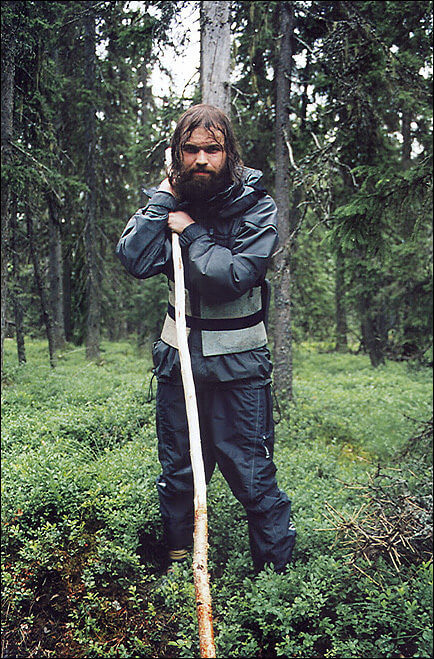
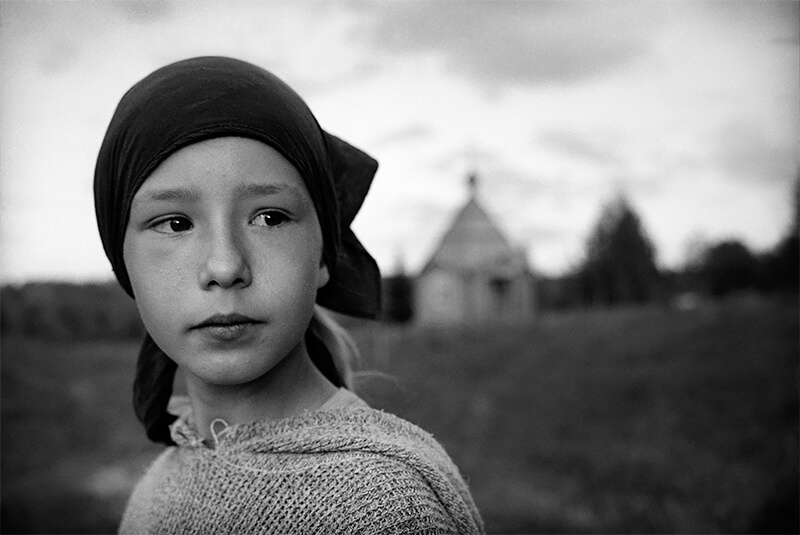
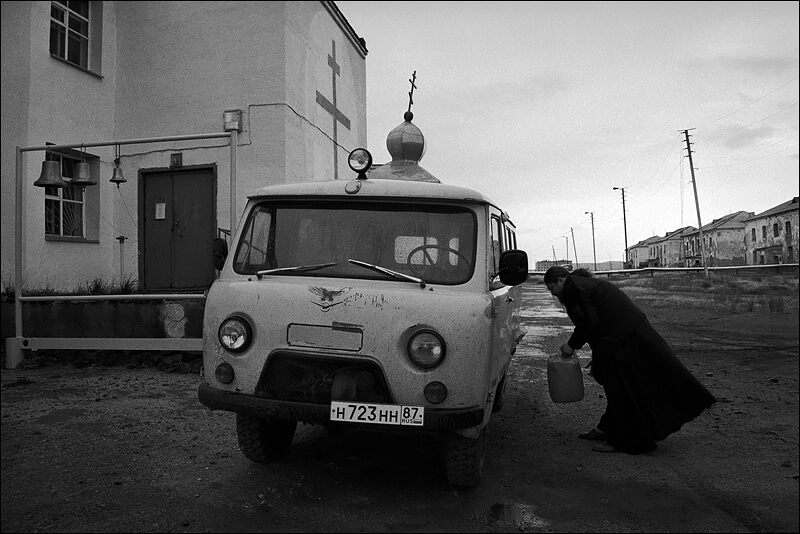
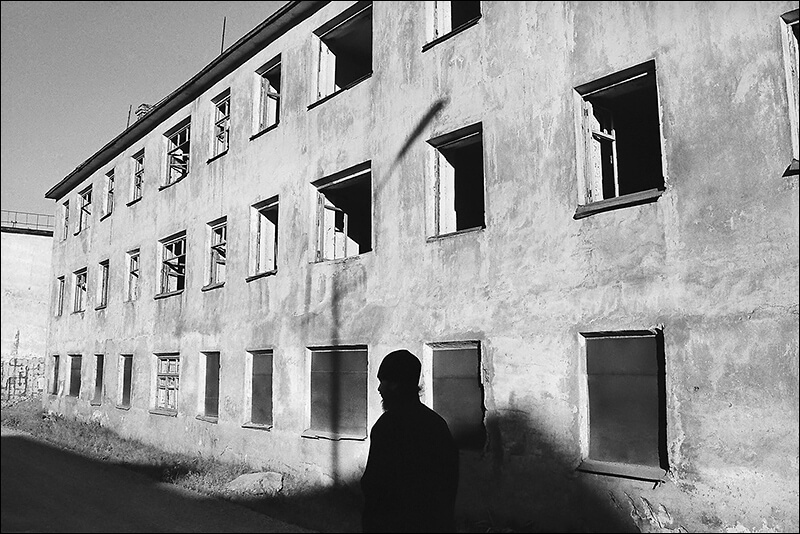
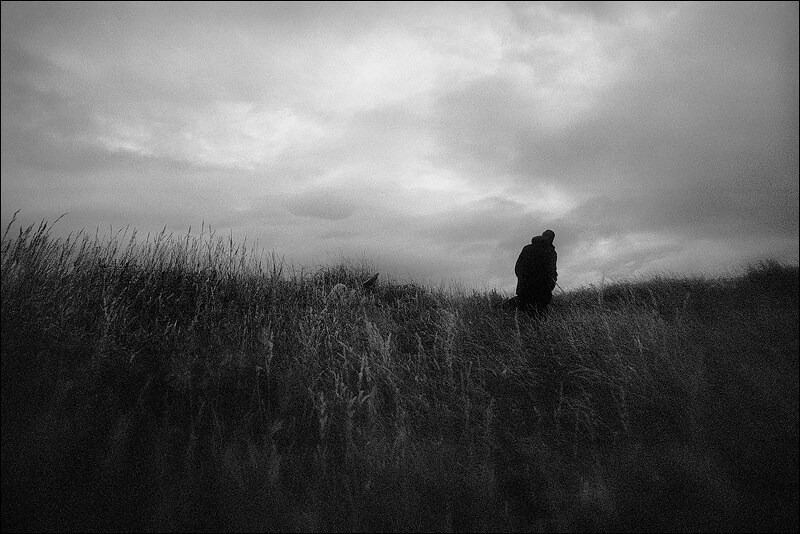
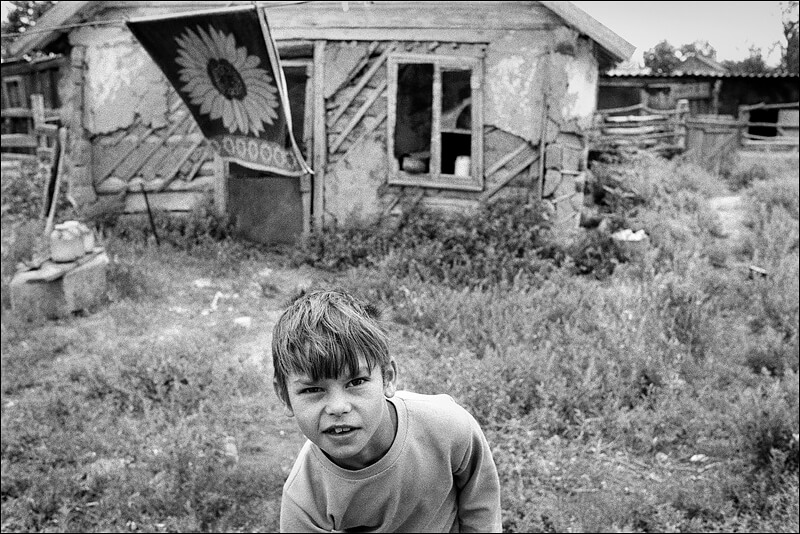
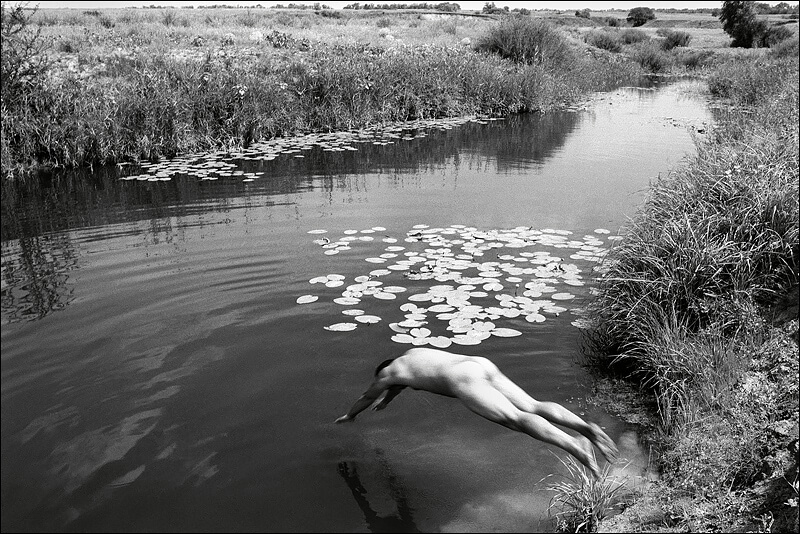
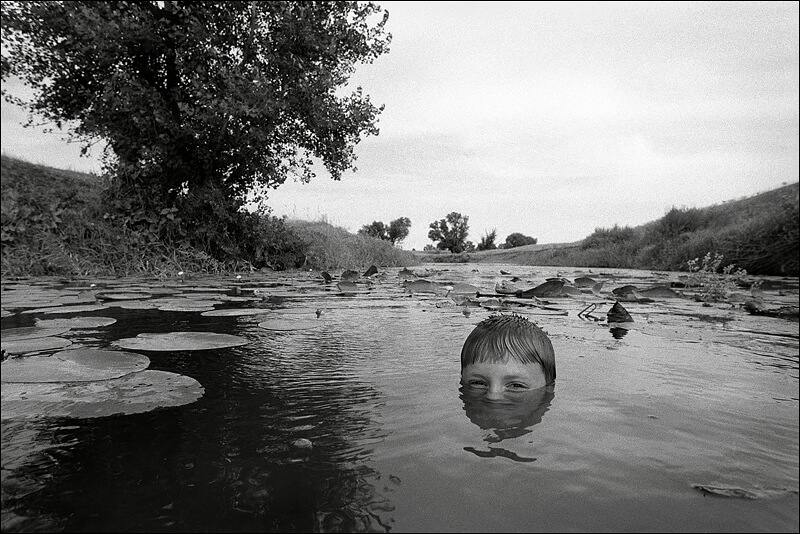
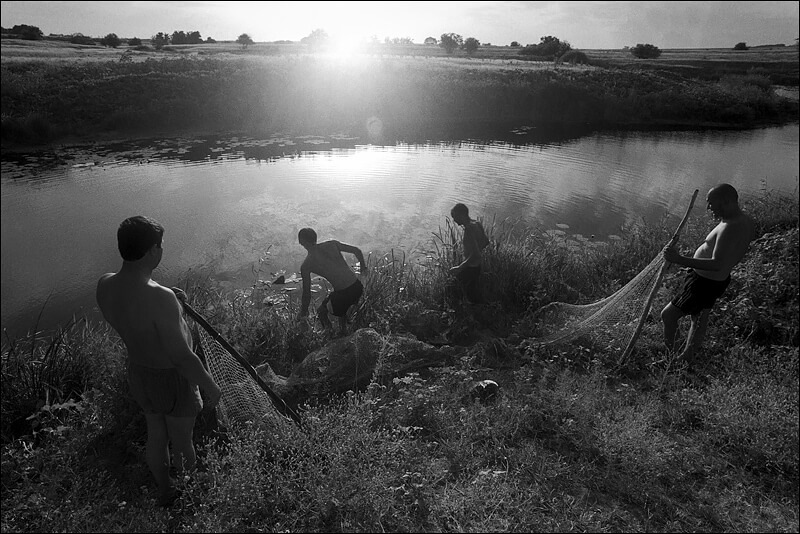
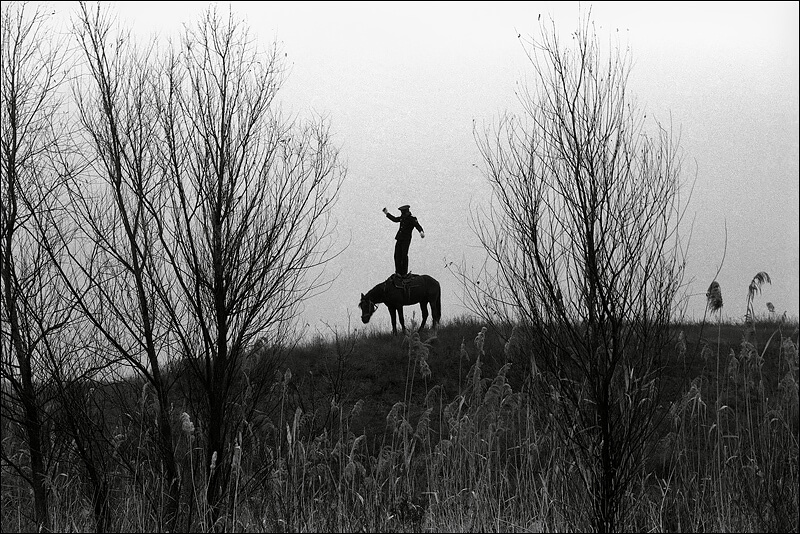
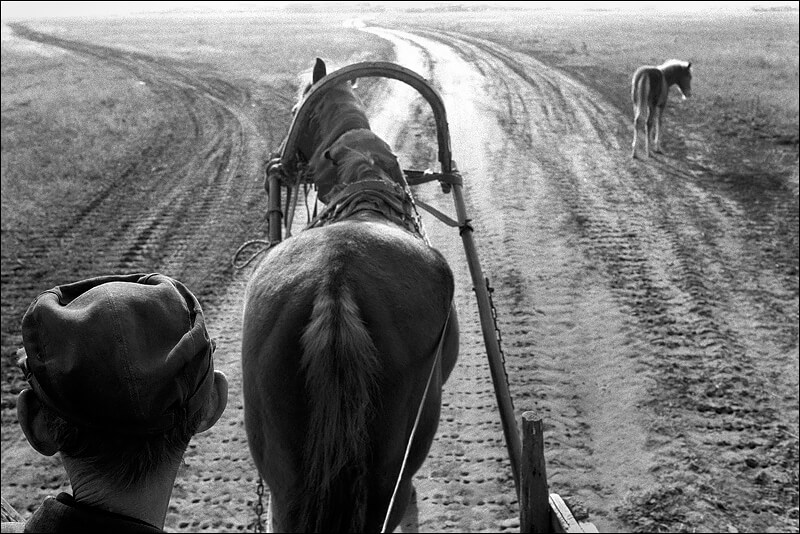
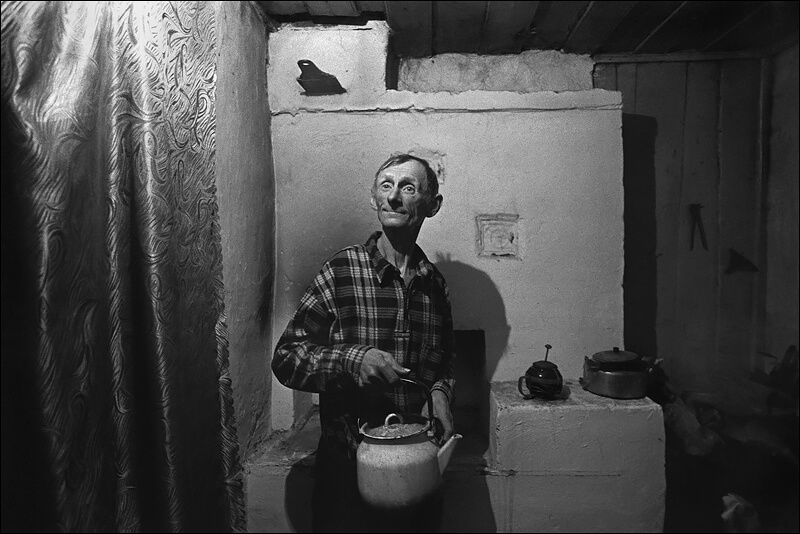
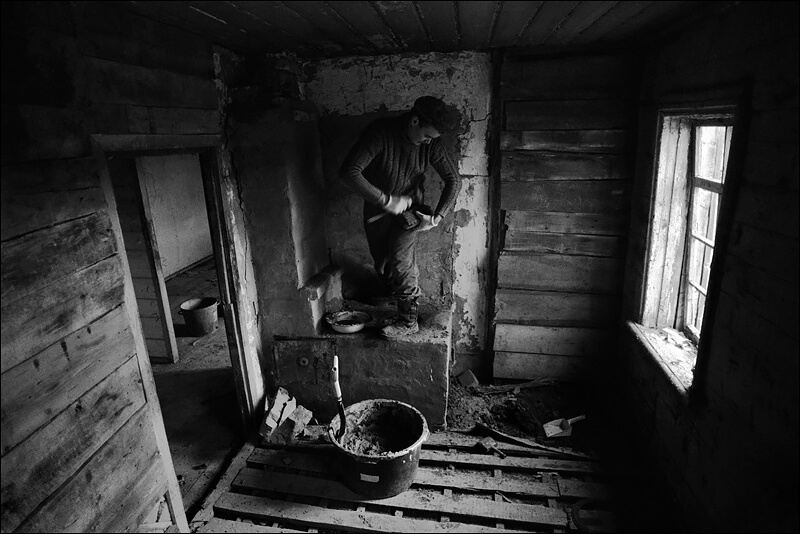
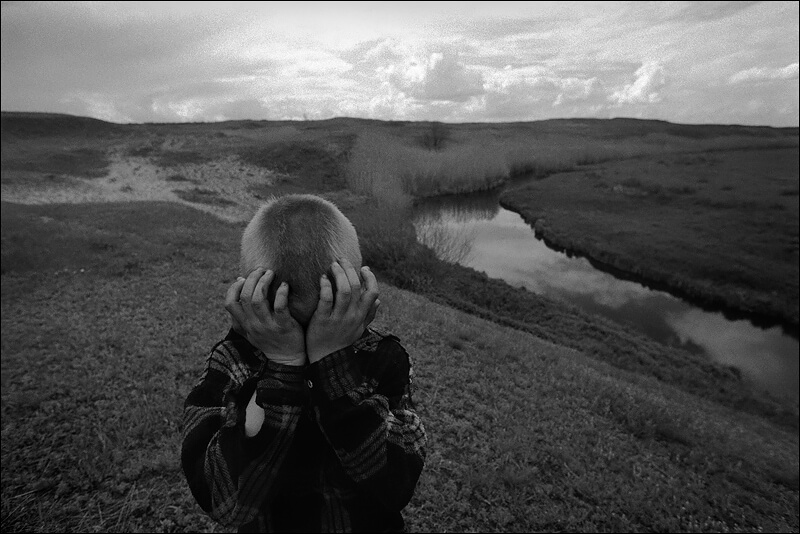
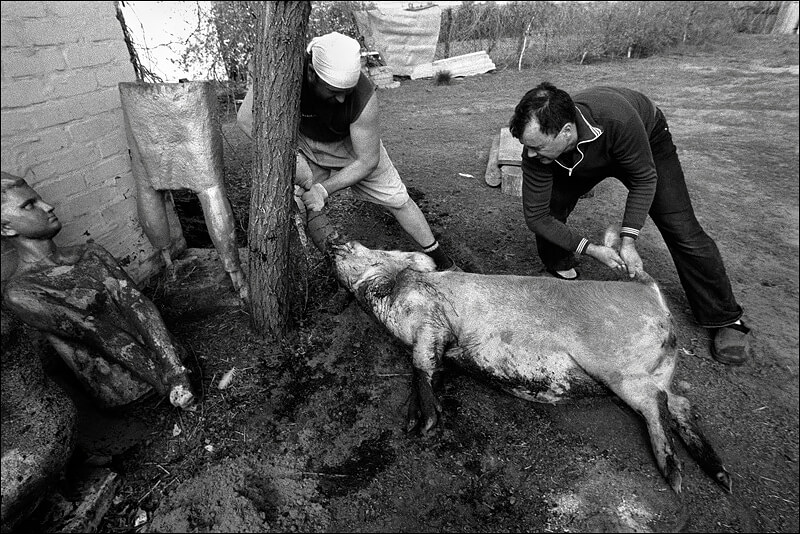
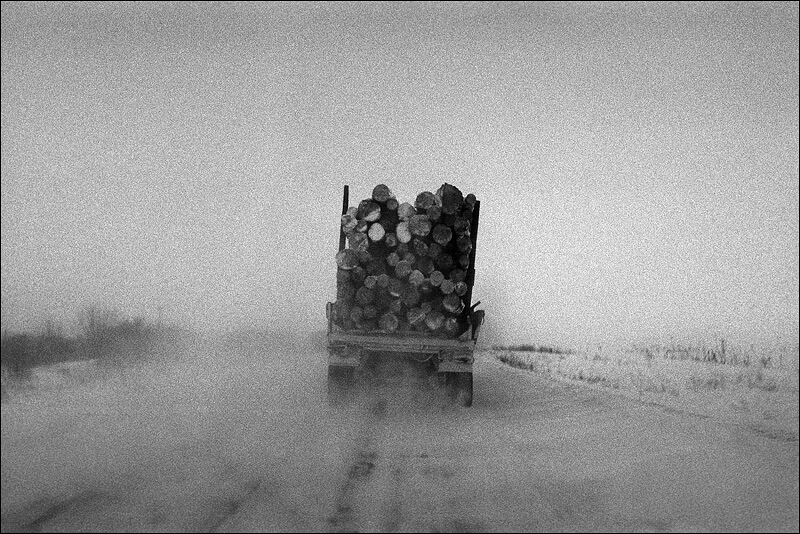
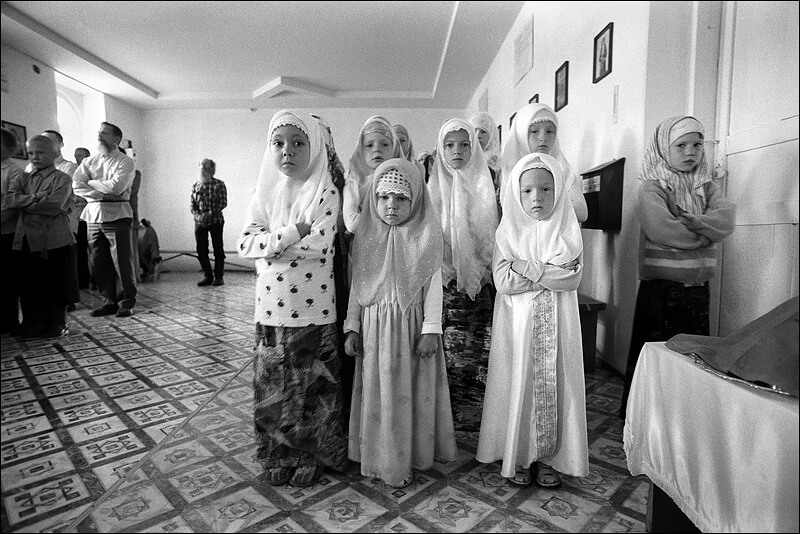
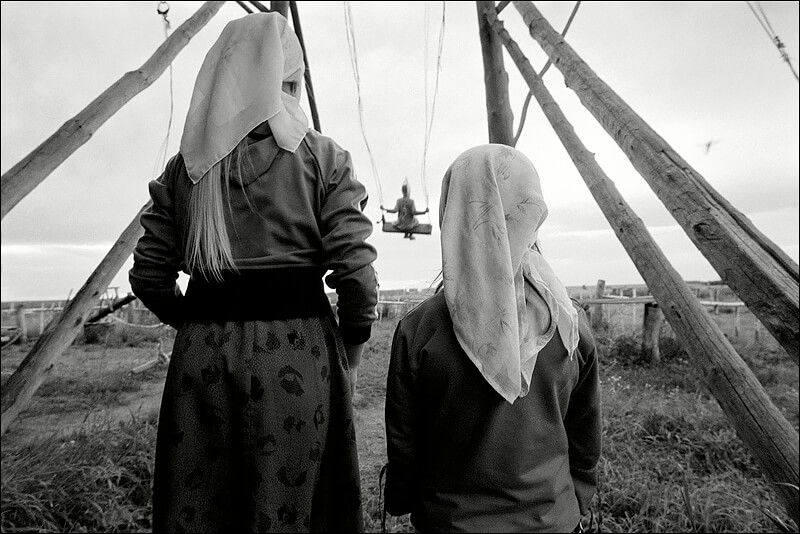
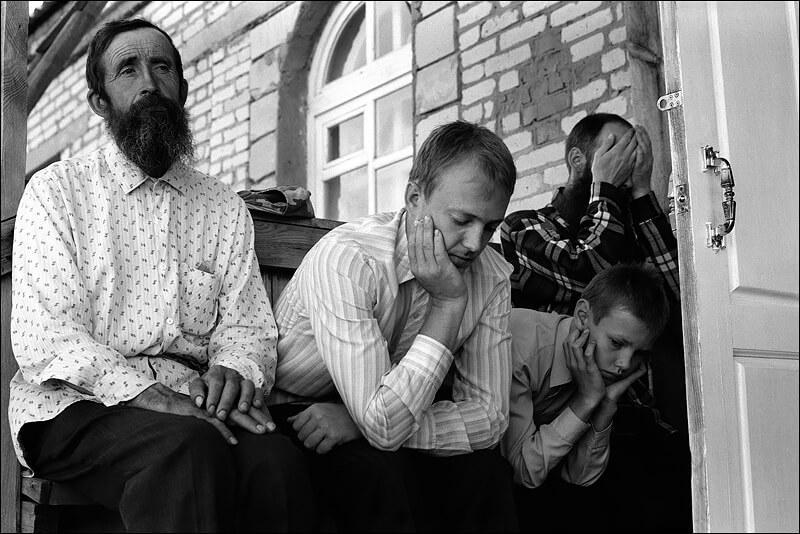
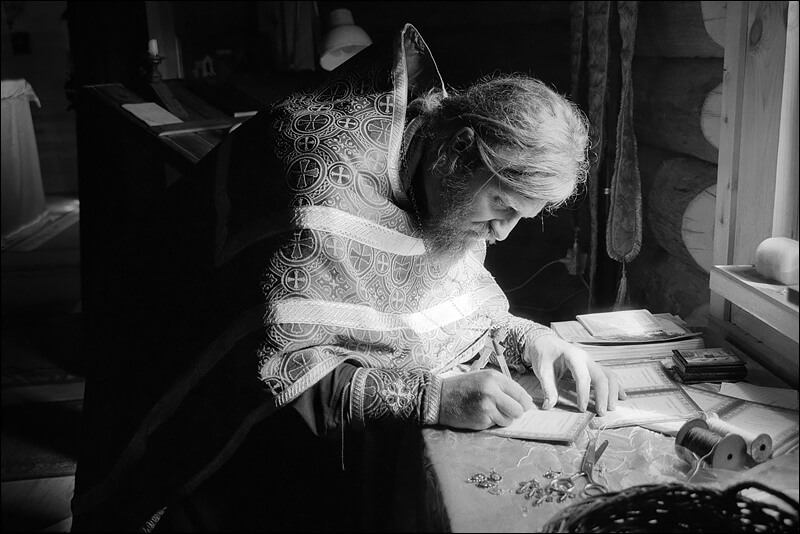
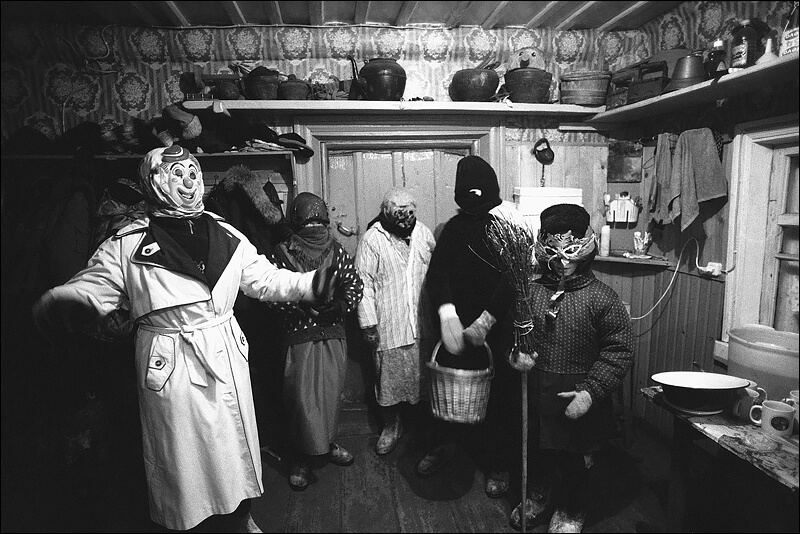
Misha Maslennikov was born in 1964 in the settlement of Dobroe close to Moscow, Russia. Since 2013 constantly lives in the city of Odessa, Ukraine. He began traveling in the Russian North in 2002. The main areas are single expeditions to the places difficult of access, visiting and co-operation with cenobites of active monasteries, sketes, with keepers of ancient temples, pogosts, studying the way of life of modern hermits, anchorites, real intercourse and contacts with backwoodsmen.

Since the middle of 2005 Misha goes in for field reportage photography and begins thinking seriously about the photographic process as a way of the particular conveyance of author ideas in a missionary vein. At present Misha Maslennikov continues his work on private and public projects in documentary photography, individual and group expeditions according to a given subject, collection of materials, visual ethnography.

Since 2006 - member and Team Leader of the Noga Creative Union.
Since 2010 - member of the Russian Photounion.
Since 2010 - member of the Russian Geography Society.

 

Inspiring Portfolios

Call for Entries
AAP Magazine #56 Shadows
Publish your work in our printed magazine and win $1,000 cash prizes
 
Stay up-to-date  with call for entries, deadlines and other news about exhibitions, galleries, publications, & special events.

More Great Photographers To Discover

Matthew Portch
United Kingdom
1970
I was born and raised in Bristol, England through the '70s and '80s in a typical suburb. As a child, television and movies were my favourite distraction, especially anything from the United States. The backdrop of the North American scenery felt like an exotic antidote to the humdrum of the English city suburbs and countryside. I was a keen illustrator spending hours pouring over the minutia of the subject matter. I wanted my drawings to feel as close to reality as possible. This work saw me enrolled in college at a young age where I studied Photography and Graphic Design. Drawing on my childhood memories, the visuals of the American landscape remained a major influence on my photography. I became inspired by North American photographers of the '60s and '70s who were prevalent in using large format film. This laborious system of capture enhanced these seemingly ordinary looking street scenes and vistas with fastidious detail. I discovered a more modern process in the form of a technical camera, digital back, and precision optics, then proceeded to cast my own journey. I like my pictures to be aesthetically simple, clean and graphic, which resonates with my background in design. I prefer the images to retain an air of perplexity, so keeping them free of people and any notable present-day object helps suspend them in a moment in time. As with most large format photography techniques, when I photograph a scene I capture everything across the frame in complete focus. This can lend a heightened sense of reality. Given each picture is deliberately simple and mundane – the detail of the capture is just as important as the subject matter and becomes a character of the image in itself. I use the full size of the sensor and prefer not to crop. Restricting myself to this discipline is almost a digital reverence to large format film. My creative vision is to capture a calm and melancholic disposition in the landscape and create a scene of discernible simplicity to evoke an emotional and response from within. About Lost America Lost America examines a quiet stillness in a forgotten landscape that is, in a sense: 'on-pause'. Backwater towns and rural corners are juxtaposed with the ambiguity of detached suburbia. Places appear frozen in time, their inhabitants absent or long since departed. Ardently stagnant in their appearance, the images aim to unlock a moment of reflective contemplation and instil a melancholic feeling of familiarity. One might not notice or acknowledge these spaces, especially when viewed within the vast stretch of America's panorama. Yet, when framed as a single vignette, the places can appear to echo a moment of mournful reverie. Or, for some, they might behold an alluringly sombre, everlasting impression.
(Arthur Fellig) Weegee
Austria/United States
1899 | † 1968
Weegee was the pseudonym of Arthur Fellig (June 12, 1899 – December 26, 1968), a photographer and photojournalist, known for his stark black and white street photography. Weegee worked in the Lower East Side of New York City as a press photographer during the 1930s and '40s, and he developed his signature style by following the city's emergency services and documenting their activity. Much of his work depicted unflinchingly realistic scenes of urban life, crime, injury and death. Weegee published photographic books and also worked in cinema, initially making his own short films and later collaborating with film directors such as Jack Donohue and Stanley Kubrick. Weegee was born Ascher (Usher) Fellig in Z?oczów (now Zolochiv, Ukraine), near Lemberg, Austrian Galicia. His name was changed to Arthur when he emigrated with his family to live in New York in 1909. There he took numerous odd jobs, including working as an itinerant photographer and as an assistant to a commercial photographer. In 1924 he was hired as a dark-room technician by Acme Newspictures (later United Press International Photos). He left, however, in 1935 to become a freelance photographer. He worked at night and competed with the police to be first at the scene of a crime, selling his photographs to tabloids and photographic agencies. His photographs, centered around Manhattan police headquarters, were soon published by the Herald Tribune, World-Telegram, Daily News, New York Post, New York Journal American, Sun, and others.In 1957, after developing diabetes, he moved in with Wilma Wilcox, a Quaker social worker whom he had known since the 1940s, and who cared for him and then cared for his work. He traveled extensively in Europe until 1968, working for the Daily Mirror and on a variety of photography, film, lecture, and book projects. In 1968, Weegee died in New York on December 26, at the age of 69.Weegee can be seen as the American counterpart to Brassaï, who photographed Paris street scenes at night. Weegee’s themes of nudists, circus performers, freaks and street people were later taken up and developed by Diane Arbus in the early 1960s. In 1980 Weegee’s widow, Wilma Wilcox, Sidney Kaplan, Aaron Rose and Larry Silver formed The Weegee Portfolio Incorporated to create an exclusive collection of photographic prints made from Weegee’s original negatives. As a bequest, Wilma Wilcox donated the entire Weegee archive - 16,000 photographs and 7,000 negatives - to the International Center of Photography in New York. This 1993 gift became the source for several exhibitions and books include "Weegee's World" edited Miles Barth (1997) and "Unknown Weegee" edited by Cynthia Young (2006). The first and largest exhibition was the 329-image “Weegee’s World: Life, Death and the Human Drama,” brought forth in 1997. It was followed in 2002 by “Weegee’s Trick Photography,” a show of distorted or otherwise caricatured images, and four years later by “Unknown Weegee,” a survey that emphasized his more benign, post-tabloid photographs. In 2012 ICP opened another Weegee exhibition titled, "Murder is my Business". Also in 2012, exhibition called "Weegee: The Naked City", opened at Multimedia Art Museum, Moscow.Source: Wikipedia
Erhan Coral
Mo Verlaan
Netherlands
1963
"After graduating from the Rietvelt Art Academy in Amsterdam, I started out in experimental theatre, creating sets on location as well as performing. In 1993, I founded De Drie Gezusters with my sisters catering to (inter)national film crews on location from a converted truck. Eight years ago, my love for photography made me enter the Photo Academy. The book and series titled Resonance was part of my graduation in 2016. In these photographs my fascination with light and luminance finds its expression. The Memory of Time is a study about the plasticity of time and light, to see time and light as something elastic. For me there is a strong correlation between the impermanence of light and the fluidity of time." "In The Memory of Time I explore abstract spaces. What interests me most, are architectural structures where light can fleet in and out, creating a new space. To me light is both a tangible and evanescent medium, if not a language. By fading, molding and carving the light in my photographs, I transform reality and move into an imaginative and intuitive realm. The process involves composing layered images that nearly look like drawings, scraping off the innate realism that is part of photography, thus creating a more sensorial and subliminal world." Winner Single Image 9th Julia Margaret Cameron Award 2016, Category Architecture. Works from the series Resonance received several Honorable Mentions: Tokyo International Foto Awards 2016 (2x), The Monochrome Awards 2016 (4x), The Monovision Photography Awards 2017 (6x), IPA 2017 (2x), IPA 2018 One Shot Harmony (1x). The series Resonance was exhibited at The Indian Photography Festival 2016. The book Resonance was exhibited at: Scan Photobooks (Spain), The Griffin Museum (USA), RPSP (UK), Tripp Gallery (UK), Unveil'd (UK). Publication in the NEW2017, 100 Best Emerging Dutch Photographers of the year 2017.
Da Miane
Georgia
1995
Da Miane (Nika Pailodze) is a Georgian street photographer based in Tbilisi. Born in 1995, he has been captivated by visual storytelling from an early age. Even when 0.3-megapixel phone cameras were standard, he began experimenting with photography, initially capturing nature before turning his lens toward the human and urban landscape around him. With an academic background in literary studies, Da Miane brings a nuanced narrative approach to his photography. This foundation has sharpened his eye for storytelling, composition, and emotional depth. He sees the world as a stage, where fleeting moments become lasting impressions through his camera. Since 2014, Da Miane has documented the streets of Tbilisi almost daily. His work focuses on spontaneous human interactions, environmental contrasts, and the often-overlooked poetry of everyday life. Favoring observation over orchestration, he rarely works on commercial assignments or structured projects. Instead, his approach is intuitive, shaped by constant movement and awareness of his surroundings. While not centered around formal series, his body of work includes standout projects such as Highland Adjara, in which his street photography sensibilities guided him to document remote communities with empathy and instinct rather than direction. His ability to connect with strangers and earn their trust has become a hallmark of his visual language. The people in Da Miane’s photographs are anonymous yet deeply familiar—sellers, buyers, passersby—captured repeatedly over the years as they shift through the same streets. He doesn’t seek to know their names or stories; what matters is the impression they leave in a split second, preserved forever through his lens. He works primarily in color but is equally drawn to black and white when it serves the emotional weight of an image. For Da Miane, color is not just aesthetic—it is a carrier of information, mood, and narrative clarity. Da Miane has participated in numerous photography competitions, receiving recognition both locally and internationally. His work is driven not by the pursuit of uniqueness, but by a personal connection to the scenes he witnesses. Influenced by cinema, literature, and music, he views photography not as documentation but as a way to express the subtle drama of the everyday. Awarded Photographer of the Week - Week 23
Advertisement
AAP Magazine #56 Shadows
Win a Solo Exhibition in May
AAP Magazine #56 Shadows

Latest Interviews

Exclusive Interview with Matthew Finley
American photographer Matthew Finley turns inward, using photography as a way to explore identity, memory, and emotional truth. Based in Los Angeles, his practice moves between performance, gesture, and found imagery, creating a visual language that is both intimate and deeply personal
Exclusive Interview with Jan Janssen
Dutch photographer Jan Janssen explores universal human experiences through his long-term project It Matters, winner of the May 2025 Solo Exhibition. Begun in 2016, the series captures intimate moments of everyday life—love, loss, connection, and belonging—across Central and Eastern Europe. Working in countries such as Turkey, Azerbaijan, and Armenia, Janssen spends extended time within communities, building relationships based on trust and respect. His approach allows him to move beyond observation, revealing deeply human and authentic moments. Rooted in travel and personal discovery, It Matters reflects Janssen’s search for what connects us all in an increasingly divided world. The project is ongoing and will culminate in a photobook scheduled for publication in 2026.
Exclusive Interview with Henk Kosche
German photographer Henk Kosche turns his lens toward the streets of Halle an der Saale, capturing everyday life in the late years of the former German Democratic Republic. At the time, Kosche was studying design and exploring the city with his camera, drawn to the atmosphere of its industrial landscape and the quiet rhythms of daily life. His series Street Photography at the End of the 80s, selected as the Solo Exhibition for July 2025, revisits a body of work created just before a period of profound change. Rediscovered decades later in a small box of 35mm negatives, these photographs offer glimpses of a city and its people at a moment suspended between the familiar and the unknown.
Exclusive Interview with Anastasia Samoylova
Anastasia Samoylova is an American artist whose photographic practice is shaped by close observation and a deep attentiveness to place. Working between documentary and formal exploration, she photographs landscapes, architecture, and everyday scenes with a sensitivity to light, structure, and atmosphere. Since relocating to Miami in 2016, her work has increasingly focused on how environments—both natural and built—carry social, cultural, and emotional traces. We asked her a few questions about her practice and her way of seeing, to better understand the thoughts and experiences that shape her work—while allowing the images themselves to remain open and speak in their own time.
Exclusive Interview with Marijn Fidder
Marijn Fidder is a Dutch documentary photographer whose work powerfully engages with current affairs and contemporary social issues. Driven by a deep sense of social justice, she uses photography to speak on behalf of the voiceless and to advocate for the rights of those who are most vulnerable. Her images have been widely published in major international outlets including National Geographic, CNN Style, NRC Handelsblad, Volkskrant, GUP New Talent, and ZEIT Magazin. Her long-term commitment to disability rights—particularly through years of work in Uganda—culminated in her acclaimed project Inclusive Nation, which earned her the title of Photographer of the Year 2025 at the All About Photo Awards. She is also the recipient of multiple prestigious honors, including awards from World Press Photo and the Global Peace Photo Award. We asked her a few questions about her life and work.
Exclusive Interview with Josh S. Rose
Josh S. Rose is a multidisciplinary artist working across photography, film, and writing. His practice bridges visual and performing arts, with a strong focus on movement, emotion, and the expressive potential of the image. Known for his long-standing collaborations with leading dance companies and performers, Rose brings together authenticity and precise composition—a balance he describes as “technical romanticism.” His work has been commissioned and exhibited internationally, appearing in outlets such as Vogue, at the Super Bowl, in film festivals, and most recently as a large-scale installation for Lincoln Center for the Performing Arts. A sought-after collaborator, he has worked with major artists, cultural institutions, and brands, following a previous career as Chief Creative Officer at Interpublic Group and the founder of Humans Are Social. We asked him a few questions about his life and work.
Interview with Maureen Ruddy Burkhart
Photographer Maureen Ruddy Burkhart brings a quietly attentive and deeply human sensibility to her exploration of the world through images. Shaped by a life immersed in photography, film, and visual storytelling, her work is guided by intuition, observation, and an enduring interest in the emotional undercurrents of everyday life. With a practice rooted in both fine art traditions and documentary awareness, she approaches her subjects with sensitivity, allowing subtle moments to emerge naturally rather than be imposed. Her series Til Death, selected as the Solo Exhibition for February 2025, reflects this long-standing commitment to photography as a space for reflection rather than spectacle. Drawn to moments that exist just outside the expected frame, Burkhart’s images suggest narratives without resolving them, leaving room for ambiguity, humor, and quiet connection. We asked her a few questions about her life and work.
Exclusive Interview with Peter Ydeen
Winner of AAP Magazine #45 Travels, his series reflects this unique vision—capturing the spirit of place through subtle layers of light, color, and emotion. Whether traveling abroad or observing the rhythms of his own surroundings, Ydeen creates images that feel both grounded and enchanted, inviting viewers into a world where reality and reverie meet.
Exclusive Interview with Julie Wang
Chinese-born photographer Julie Wang brings a poetic, contemplative sensitivity to her visual exploration of the world. Having lived for nearly equal parts of her life in China, Europe, and the United States, she approaches her subjects with the nuanced perspective of someone shaped by many cultures. This blend of distance, curiosity, and emotional resonance infuses her work with a quiet depth, allowing her to reveal the fragile beauty and subtle tensions that often pass unnoticed.
Call for Entries
AAP Magazine #56 Shadows
Publish your work in our printed magazine and win $1,000 cash prizes