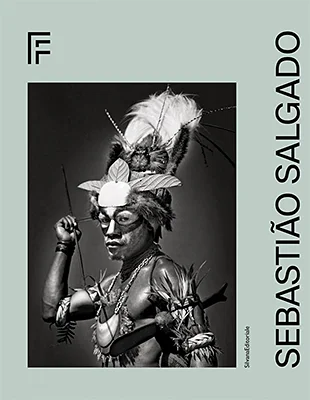
Publisher: Silvana Editoriale
Publication date: November 2025
Print length: 176 pages
Language: English
Price Range:
Reviews:
Sebastião Salgado, published in hardcover in November 2025, offers a sweeping journey through one of the most consequential photographic careers of the last half-century. Working exclusively in black and white, Salgado has forged a visual language of striking density and emotional gravity, one that confronts the human condition with rare clarity. This monograph brings together images spanning the full arc of his practice, revealing how his vision has evolved while remaining anchored in a deep ethical commitment to humanity and the planet.
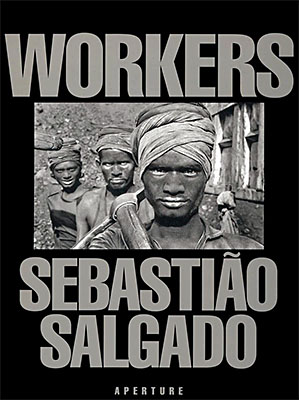
The first section traces the early decades of Salgado’s work as a photojournalist and documentary photographer, when he turned his lens toward labor, displacement, and survival. Series such as Workers stand as monumental records of physical toil, dignity, and exhaustion, capturing manual laborers at a moment when entire ways of life were on the verge of disappearance. In Migrations, Salgado follows the movement of people across continents, portraying mass displacement not as abstraction or statistic, but as lived experience shaped by hunger, conflict, environmental collapse, and hope. These images confront viewers with the scale of global upheaval while remaining resolutely human in focus.
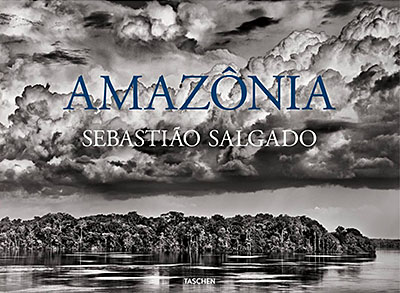
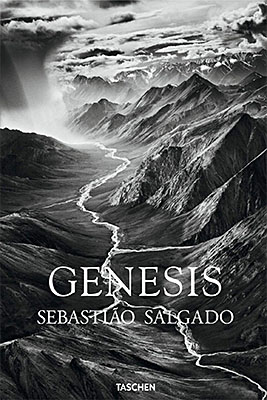
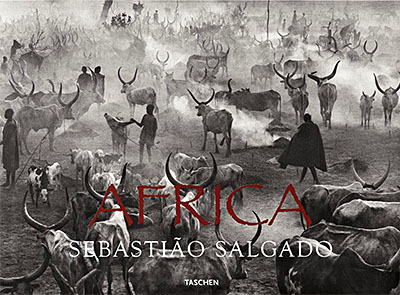
The second chapter of the book shifts tone without abandoning intensity. Drawn from the monumental Genesis project, these photographs reveal landscapes, wildlife, and communities that have largely remained beyond the reach of industrial modernity. Mountains, deserts, forests, and oceans appear with a sculptural presence, evoking both awe and vulnerability. Here, Salgado’s camera becomes an instrument of reverence, honoring the fragile balance of ecosystems and cultures that persist against accelerating change.
Underlying the entire volume is Salgado’s singular perspective, shaped in part by his early training as an economist. His photographs consistently connect individual lives to larger systems—economic, political, and environmental—without reducing them to symbols. As both an artist and activist, including his long-standing commitment to ecological restoration through Instituto Terra, Salgado embodies a belief that images can bear witness, provoke responsibility, and inspire care.
This monograph stands not only as a retrospective, but as a moral and visual testament. It reminds us that photography, at its most powerful, can illuminate injustice, celebrate resilience, and insist on the urgent need to preserve both human dignity and the living world we share.