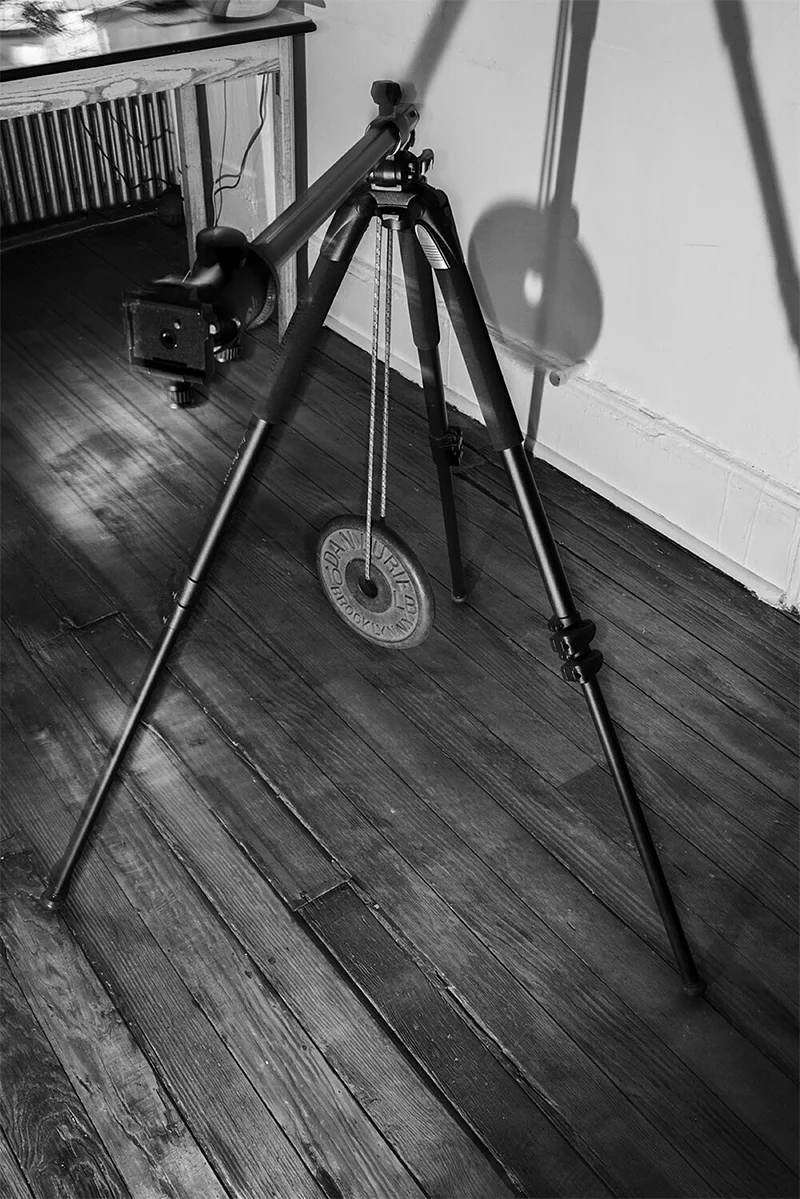
True Hole: Res Julian, presented at BAXTER ST at the Camera Club of New York from June 17 through August 12, confronts the fragile terrain between trauma, survival, visibility, and bodily transformation. Drawing from personal experience and broader histories of queer representation, Julian constructs an exhibition that moves between photography, performance, memory, and political critique. The work centers on the body not simply as subject matter, but as a contested site where identity, violence, and public perception collide.
At the core of the exhibition lies the concept of “decathexis,” a psychological term associated with emotional detachment and release. Julian uses this framework to reflect on survival after catastrophic bodily trauma, describing the unsettling process through which the self becomes fragmented, medicalized, and reassembled. The body appears throughout the exhibition as both monument and evidence: wounded, scrutinized, mourned, and ultimately reclaimed. Rather than presenting trauma as spectacle, the work examines the unstable boundary between exposure and protection.
The exhibition also draws connections to collective grief and queer history, particularly through references to the Pulse nightclub massacre in Orlando. Julian considers the symbolic role of barriers, fences, and openings—physical structures designed to conceal destruction while simultaneously inviting public witnessing. Holes cut into construction walls become recurring metaphors for vulnerability and visibility, suggesting that acts of repair inevitably expose what institutions often attempt to hide. Flowers, memorial messages, and improvised gestures of mourning emerge as forms of resistance against erasure.
Photography plays a complex role within the work. Julian critically examines how queer bodies circulate within contemporary visual culture, especially within institutional and commercial frameworks that often transform personal markers of identity into recognizable symbols. Burned surfaces, scars, and gestures toward bodily transition appear throughout the exhibition not as fixed declarations, but as unstable traces of lived experience. The images resist clean categorization, oscillating between portraiture, abstraction, and performance documentation.
Born in New Jersey and based in Brooklyn, Julian belongs to a generation of artists reshaping contemporary queer photography through deeply interdisciplinary practices. His background in sociology, curatorial studies, and teaching informs a body of work attentive to both personal narrative and systems of representation.
True Hole extends this inquiry into deeply intimate territory, exploring how survival transforms the body into both archive and battleground while asking what kinds of visibility remain possible after profound rupture.
Image:
© Res Julian