Few figures in modern history have transcended celebrity quite like Marilyn Monroe. More than six decades after her death, she remains instantly recognizable across generations and cultures — a symbol of glamour, vulnerability, beauty, fame, and the complexities hidden behind public image. In 2026, marking the centenary of her birth, the National Portrait Gallery in London will honor the legendary actress with a major new exhibition,
Marilyn Monroe: A Portrait, on view from June 4 through September 6, 2026.
Organized in collaboration with the
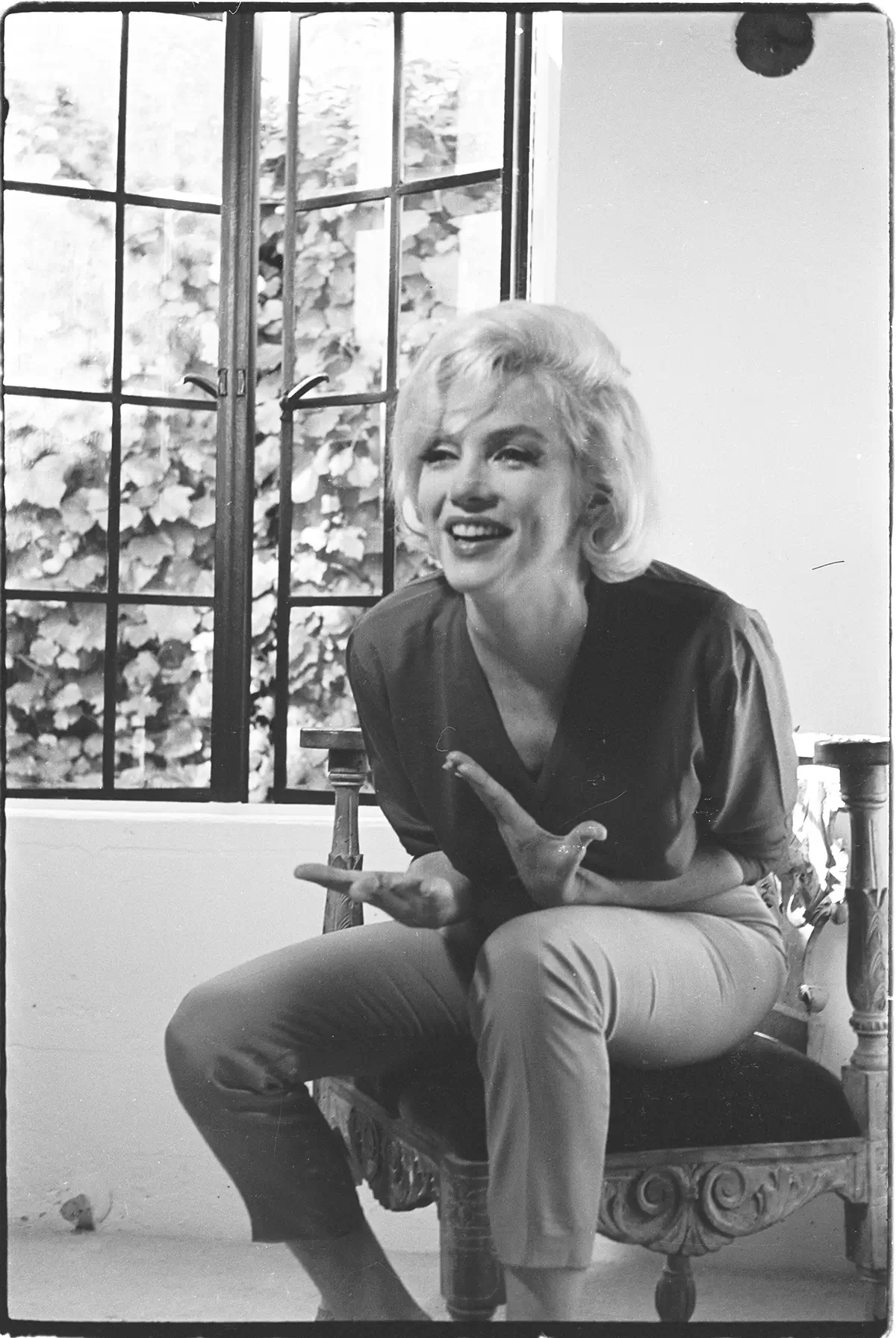
Estate of Marilyn Monroe, the exhibition promises to be one of the most significant explorations of Monroe’s visual legacy ever presented. Through iconic photographs, rare archival material, and celebrated artworks inspired by her image, the show examines not only how Monroe was seen by the world, but how she actively shaped her own identity in front of the camera.
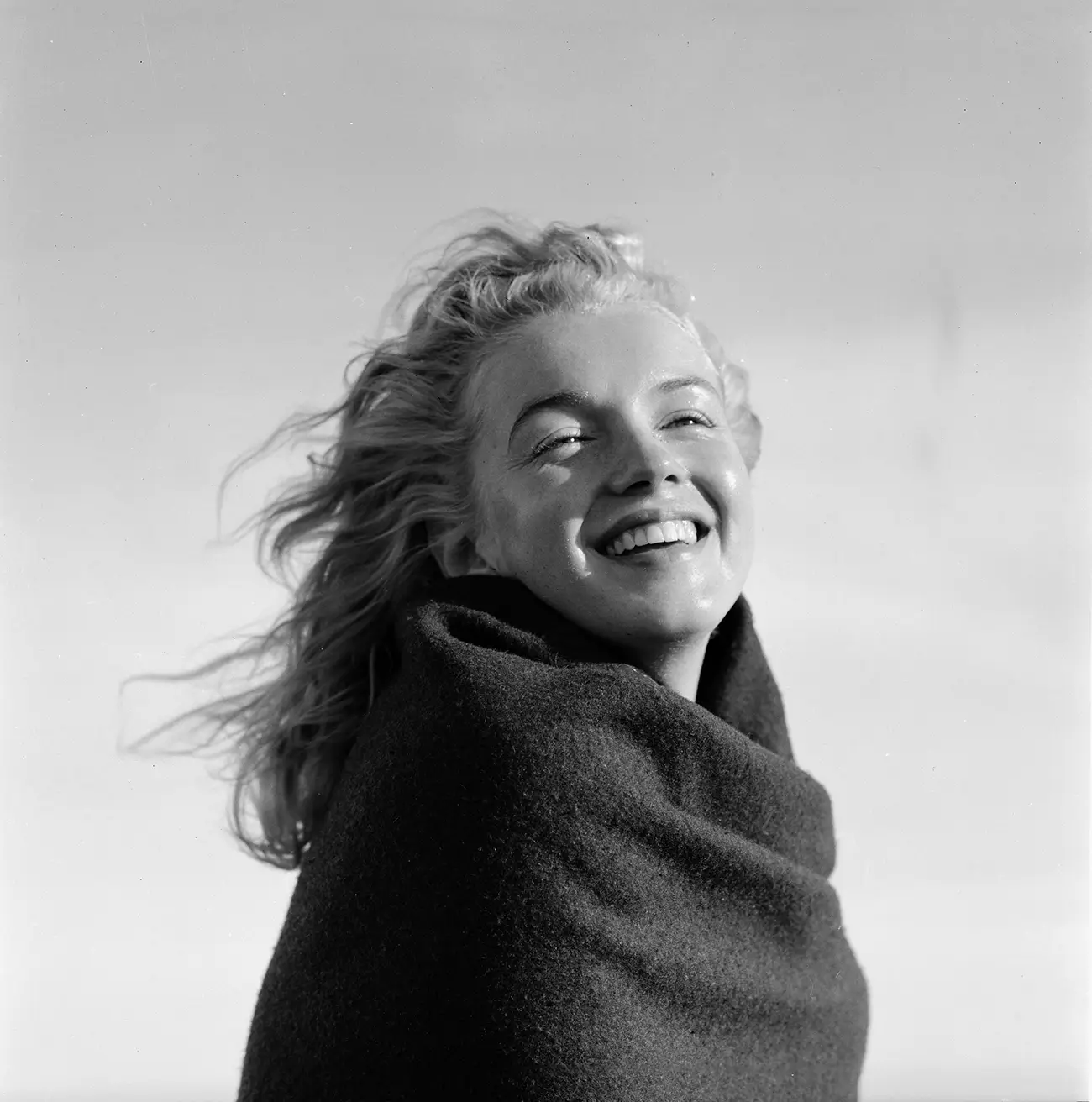
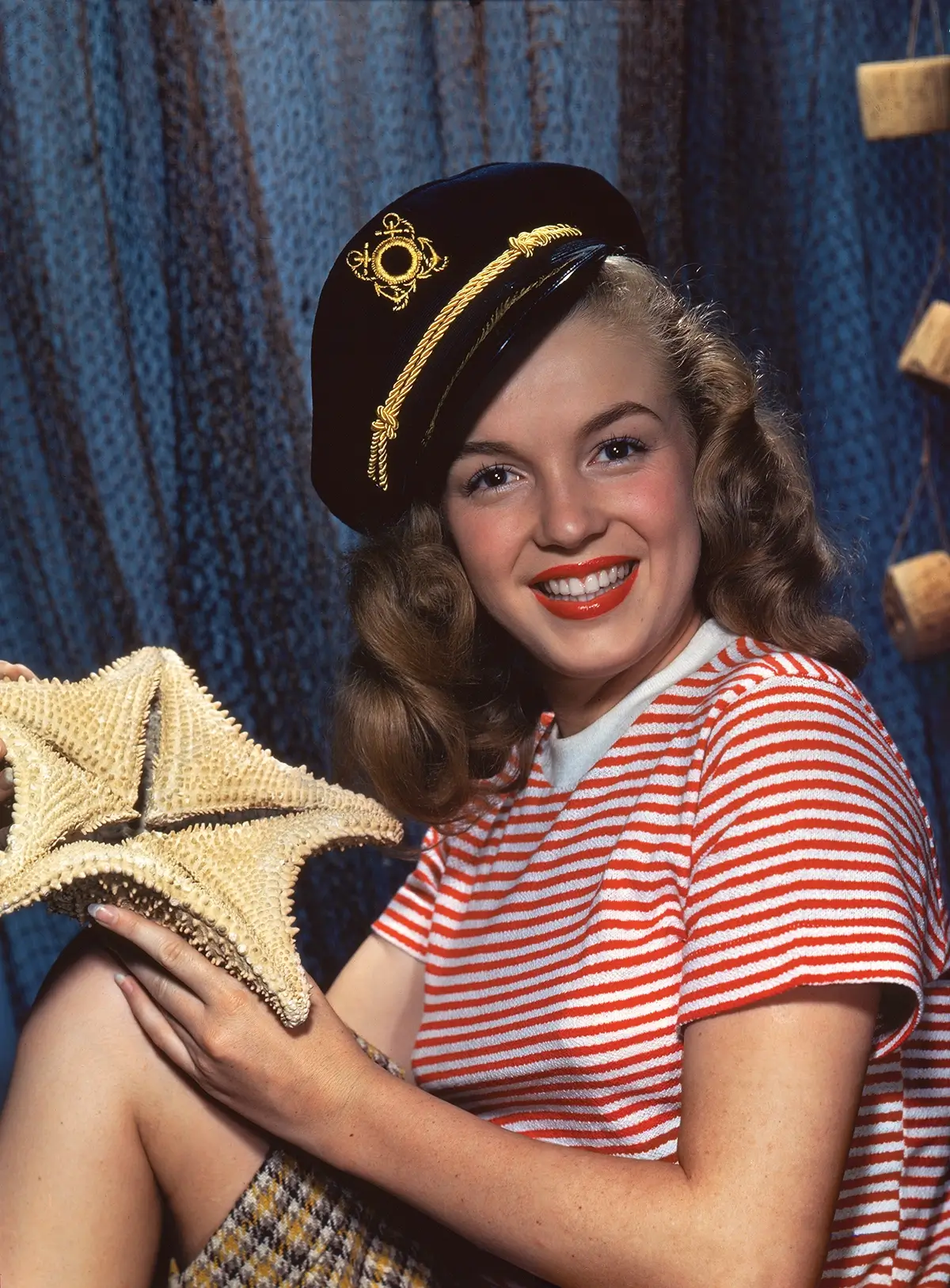
Marilyn Monroe, 1946, by André De Dienes, © André de Dienes / MUUS Collection.
Born Norma Jeane Mortenson on June 1, 1926, Monroe’s rise from a difficult childhood in Los Angeles to international superstardom remains one of Hollywood’s most mythologized stories. Initially working in factories during World War II, she was discovered as a model before transforming herself into Marilyn Monroe — the platinum blonde star whose charisma would define an era of American cinema.
By the 1950s, Monroe had become one of the most photographed women on Earth. Her appearances in films such as
Gentlemen Prefer Blondes,
Some Like It Hot, and
The Seven Year Itch cemented her as both a box-office sensation and a cultural phenomenon. Yet behind the dazzling image was a woman determined to be taken seriously as an actress and artist. Monroe studied at the Actors Studio in New York, founded her own production company in 1955 — an extraordinary move for a woman in Hollywood at the time — and fought for greater creative control over her career.
That complexity lies at the heart of
Marilyn Monroe: A Portrait.
The exhibition will feature works by some of the most influential photographers of the twentieth century, including
Richard Avedon,
Cecil Beaton,
Philippe Halsman,
Eve Arnold,
Milton Greene, Sam Shaw, and George Barris. Together, their images trace Monroe’s evolution from young pin-up model to immortal screen legend.
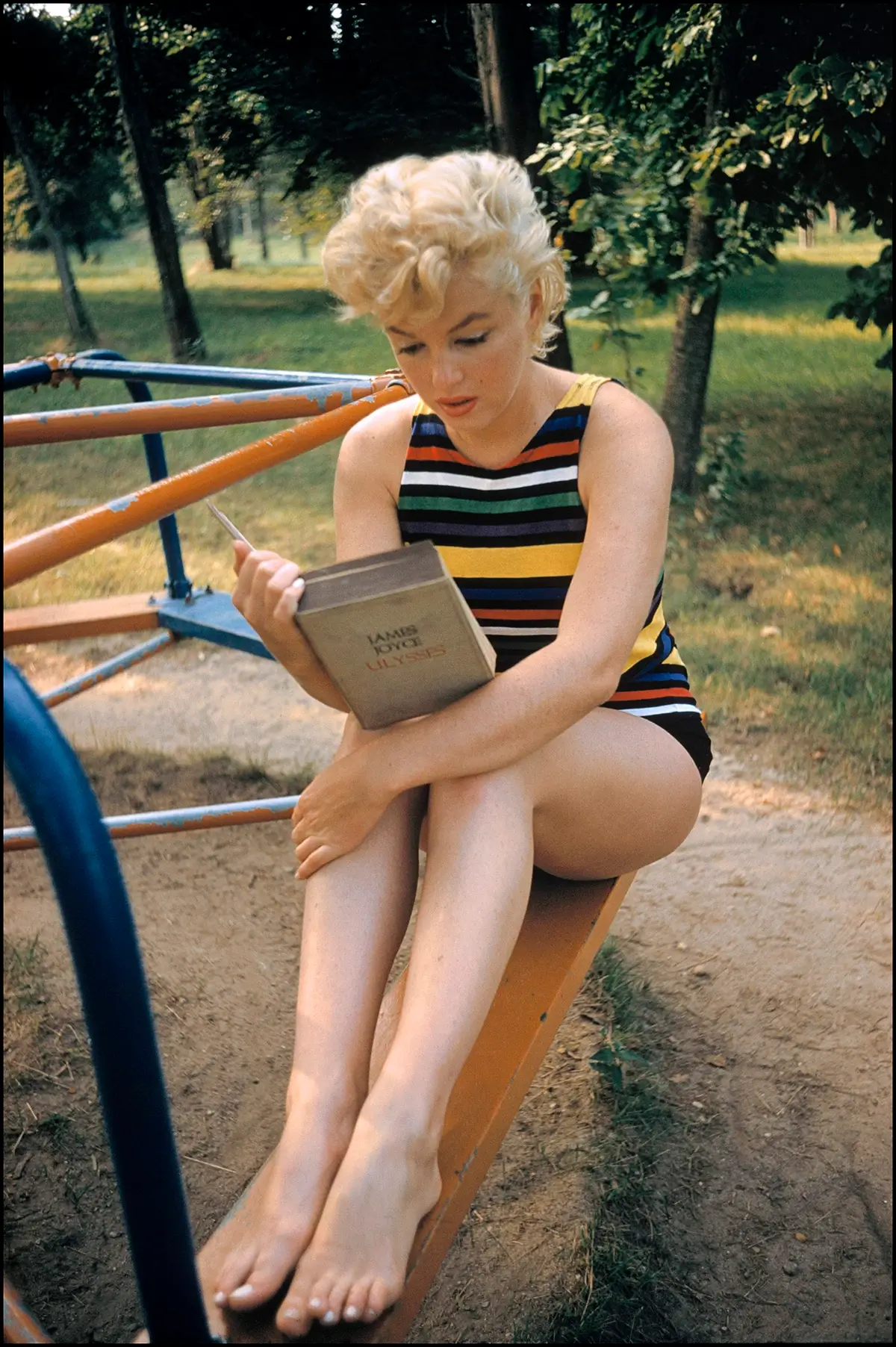
Marilyn Monroe, Mount Sinai, Long Island, 1955, by Eve Arnold, © Eve Arnold Estate
Among the exhibition’s highlights are previously unseen photographs taken by
Life magazine photographer
Allan Grant just one day before Monroe’s death in August 1962. Captured at her Brentwood home in California, the intimate images reveal Monroe in unusually candid moments — reading interview transcripts, laughing, reflecting, and performing a range of emotions with remarkable openness. Out of the 432 photographs taken during that session, only eight were originally published, making this presentation especially significant for both photography and film history.
The exhibition also explores Monroe’s immense impact on the art world, particularly within Pop Art. Following her death at age 36, Monroe became an enduring artistic muse. Andy Warhol transformed her publicity portrait from
Niagara into one of the most recognizable artworks of the twentieth century, elevating Monroe into a modern icon comparable to a religious figure. British Pop artist
Pauline Boty responded to Monroe’s death with deeply emotional paintings, while artists such as
James Gill, Rosalyn Drexler, Audrey Flack, and
Joseph Cornell reimagined her image through painting, collage, and assemblage.
What makes Monroe endlessly fascinating is the contradiction she embodied. She was both carefully manufactured and deeply authentic, adored yet isolated, empowered yet exploited. Photographers frequently described her as an extraordinary collaborator who understood lighting, angles, mood, and emotional performance instinctively. Far from being a passive subject, Monroe often directed her own shoots and insisted on approving images before publication — a level of agency rarely afforded to women in the entertainment industry at the time.
Curated by Rosie Broadley and Georgia Atienza, the exhibition aims to move beyond the clichés surrounding Monroe and instead present a more nuanced portrait of a woman who profoundly shaped twentieth-century visual culture.
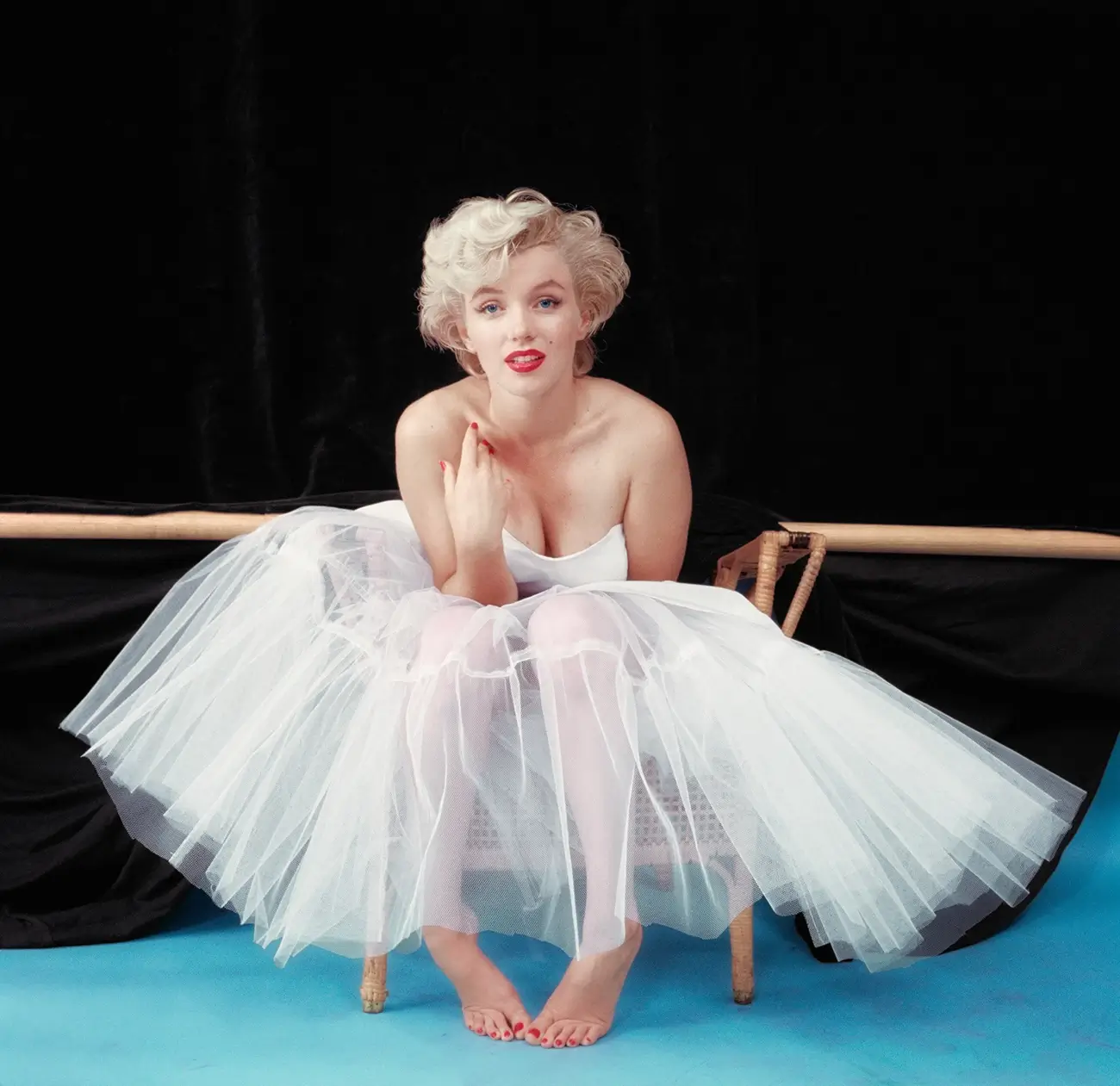
Marilyn Monroe, Ballerina Sitting, 1954, by Milton H. Greene, Milton H. Greene © MHG Collective, LLC.
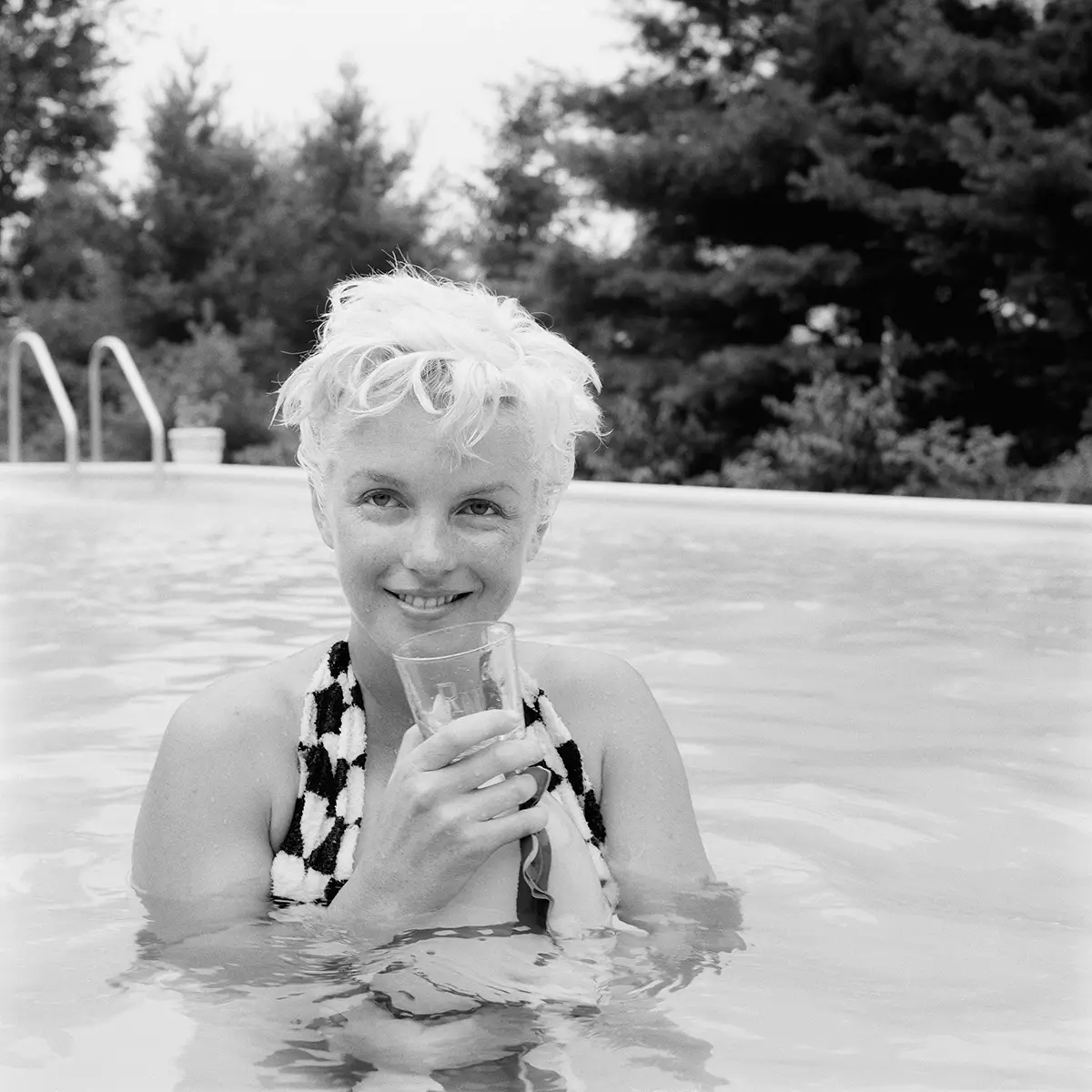
Marilyn Monroe, 1955, by Milton H. Greene © MHG Collective, LLC.
Accompanying the exhibition is
a major publication featuring essays by writers and critics including Lena Dunham, Sarah Churchwell, Bonnie Greer, and Griselda Pollock, offering fresh perspectives on Monroe’s life, mythology, and cultural significance.
The centenary celebrations will extend beyond the gallery walls. Concurrently, BFI Southbank will host
Marilyn Monroe: Self Made Star, a special film season dedicated to Monroe’s cinematic career throughout June and July 2026.
A century after her birth, Marilyn Monroe continues to captivate not only because of her beauty or fame, but because she represented something larger: the invention of celebrity itself. Her image has been reproduced countless times, yet the woman behind it remains elusive — fragile and powerful at once.
Marilyn Monroe: A Portrait seeks to explore that mystery, revealing why Monroe remains one of the most influential and compelling figures in modern visual culture.
Norma Jeane, 1946, by Bruno Bernard, Bernard of Hollywood Foundation.