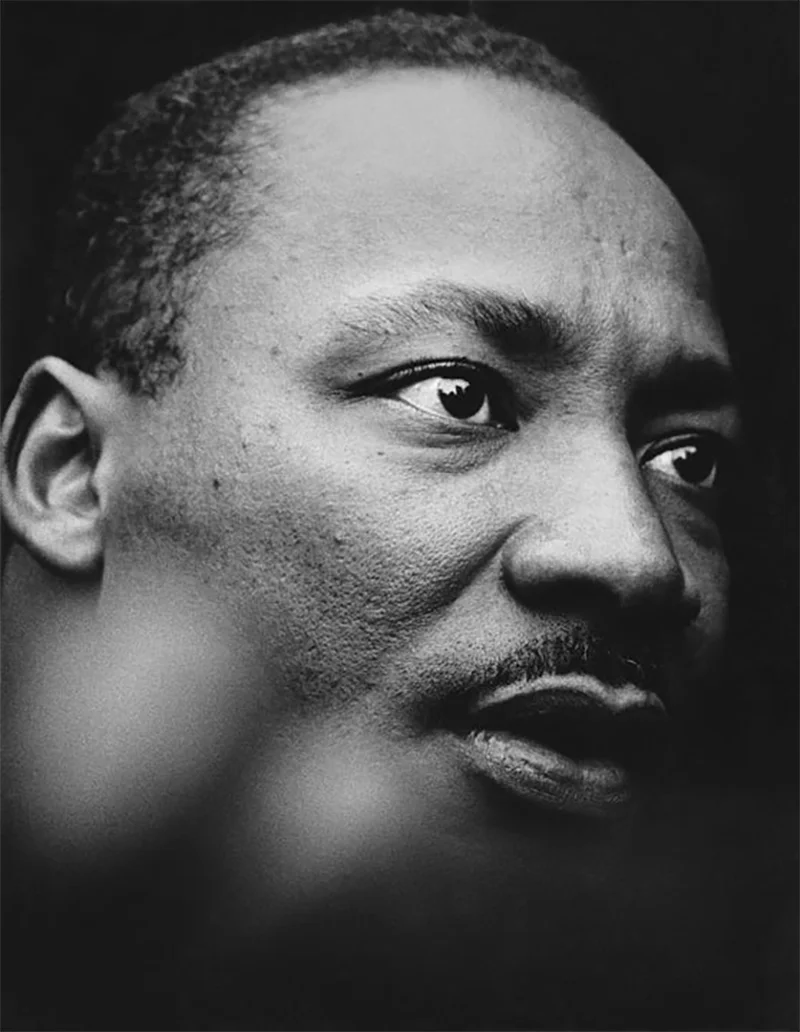
Jean-Pierre Laffont: New York Noir, presented from March through May 2026 at the Leica Store Miami, explores the striking black-and-white vision of the renowned French-American photographer
Jean-Pierre Laffont. The exhibition gathers twenty-seven gallery prints alongside a digital projection of street photographs that evoke the restless pulse of New York City during the late twentieth century. Working primarily with grainy film and dramatic contrasts, Laffont constructs images filled with shadow, glare, and movement, echoing the visual intensity associated with classic noir cinema while capturing the unpredictability of urban life.
Born in 1935 in French Algeria and raised in Morocco, Laffont studied photography in Vevey before settling in the United States in the mid-1960s. New York quickly became both his adopted home and a constant source of inspiration. Armed with a camera and an instinct for storytelling, he documented a nation undergoing profound transformation. His photographs recorded civil rights demonstrations, anti-war protests during the Vietnam era, and the political upheaval surrounding the resignation of President Richard Nixon. Alongside his wife Eliane, he helped establish influential photo agencies that played an important role in the international circulation of photojournalism.
The images in
New York Noir reveal another dimension of Laffont’s practice: the city as a stage where drama unfolds in everyday encounters. Streetlights carve sharp patterns across sidewalks, rain-slick pavement reflects passing headlights, and anonymous figures appear suspended between anonymity and narrative. The photographs recall the mood of mid-century noir films, yet they remain firmly rooted in lived experience. Each frame conveys the tension, humor, and raw vitality that defined the city he encountered when he first arrived in the 1960s.
Throughout a career spanning more than five decades, Laffont’s photographs appeared in major publications including
Time,
Life, and
Newsweek. Beyond the press, his long-term projects addressed humanitarian concerns, most notably his documentation of global child labor beginning in the late 1970s. Seen together, the works in this exhibition form a personal portrait of New York—an environment that appeared chaotic, exhilarating, and endlessly compelling through the lens of one of photography’s most dedicated observers.
Image:
© Jean-Pierre Laffont