The marginalization of women in the history of photography is rooted in a long-standing tendency to undervalue their creative voice. For decades, women were more often seen as muses or assistants, rather than as artists shaping their own vision. Early visual culture reinforced this imbalance, portraying women as passive figures, while limiting both their representation and their role behind the camera.
Yet throughout history, women have continuously challenged these boundaries—using photography to document, question, and redefine how the world is seen.
With its 55th edition, AAP Magazine celebrates the strength, resilience, and creative power of women through the work of 25 selected photographers. Among them, 17 women are joined by 8 men, representing 12 countries across 3 continents, whose diverse approaches form a compelling tribute to the theme.
From fine art to street photography, documentary to portraiture, the selected works offer a wide range of perspectives—some intimate and introspective, others outward-looking and socially engaged. Together, they create a rich and nuanced dialogue on how women are represented and empowered through photography today.
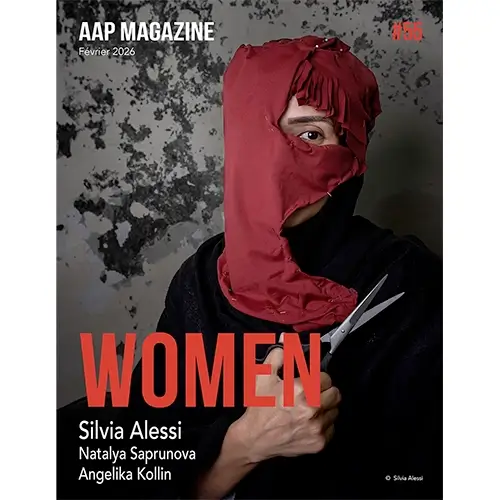
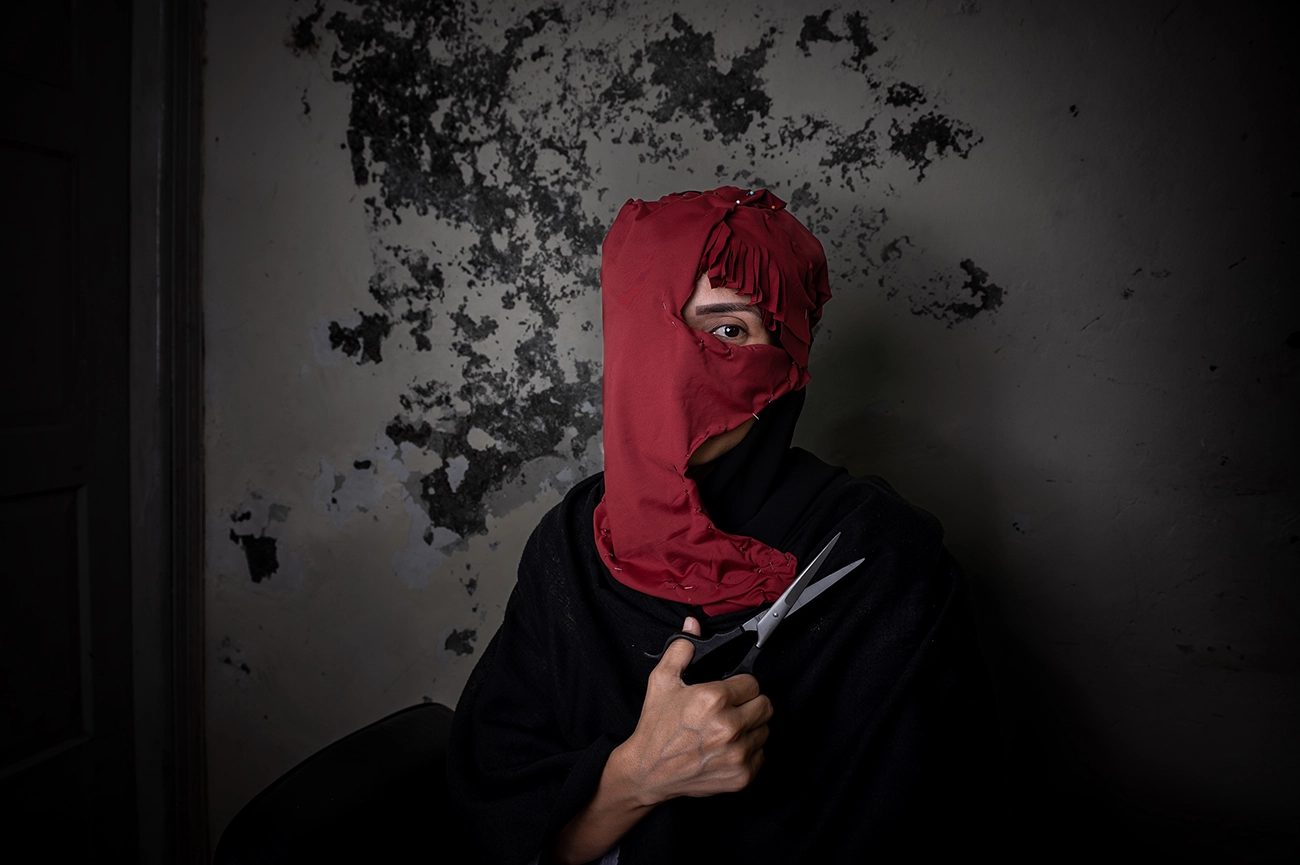
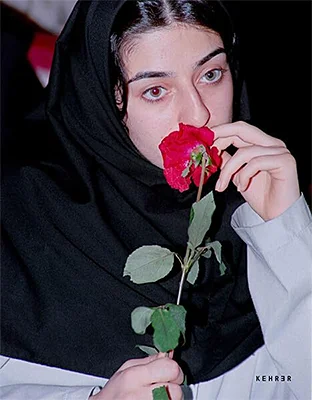
The Winner of AAP Magazine 55 Women is Silvia Alesssi (Italy) with the series 'The Cut'
This image is part of The Cut, a long-term project exploring hair as a symbol of control, identity,
and resistance.
In Afghanistan, after the Taliban banned beauty salons, women continue working in secret. In
Pakistan, the project enters a school for Afghan refugee women, where beauty practices become a
fragile space of learning and self-definition.
The image portrays a young Afghan girl who fled alone to Pakistan, without her family. It reflects
both her fragility and her strength, holding together vulnerability and resilience within the same
body.
Through staged and documentary imagery, the work reveals the body as a contested space, where
freedom is negotiated in silence.
www.silviaalessi.com
@silvia.txs
All About Silvia Alessi
The Second Place Winner is Natalya Saprunova (France/Russia) with the series 'Boreal people'
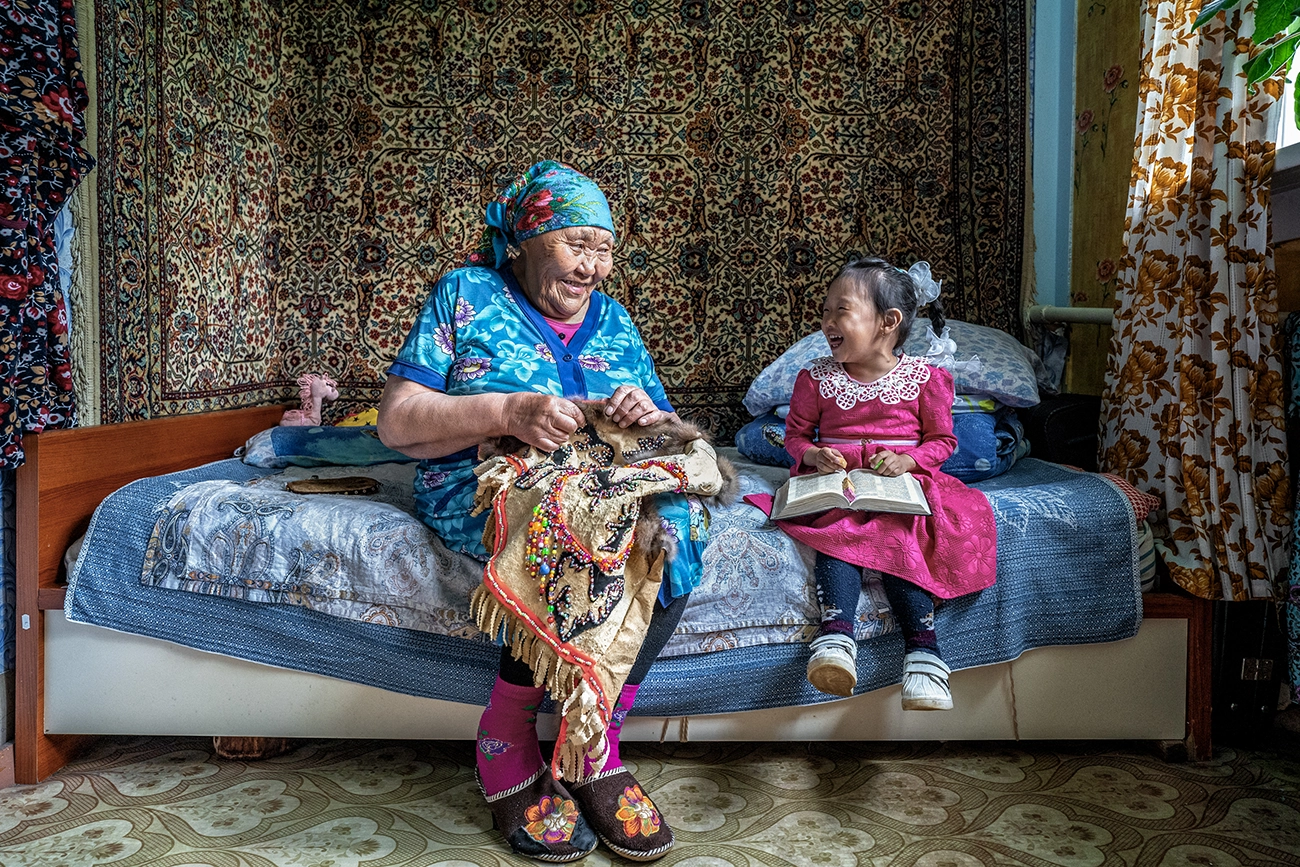
Ancestral heritage from the series 'Boreal people' © Natalya Saprunova
Galina Lazareva, 80, a renowned Evenki craftswoman, lives in a wooden house in the village of Iyengra in Yakutia, Eastern Siberia. She takes care of her great-granddaughter alone. For the child, she sewed a vest made of reindeer skin, carefully decorated with traditional embroidery, - a way of passing on Evenki knowledge, craftsmanship and cultural identity to the younger generation.
natalyasaprunova.myportfolio.com
@natalya.saprunova
All About Natalya Saprunova
The Third Place Winner is Angelika Kollin (Estonia) with the series 'You Are My Mother'
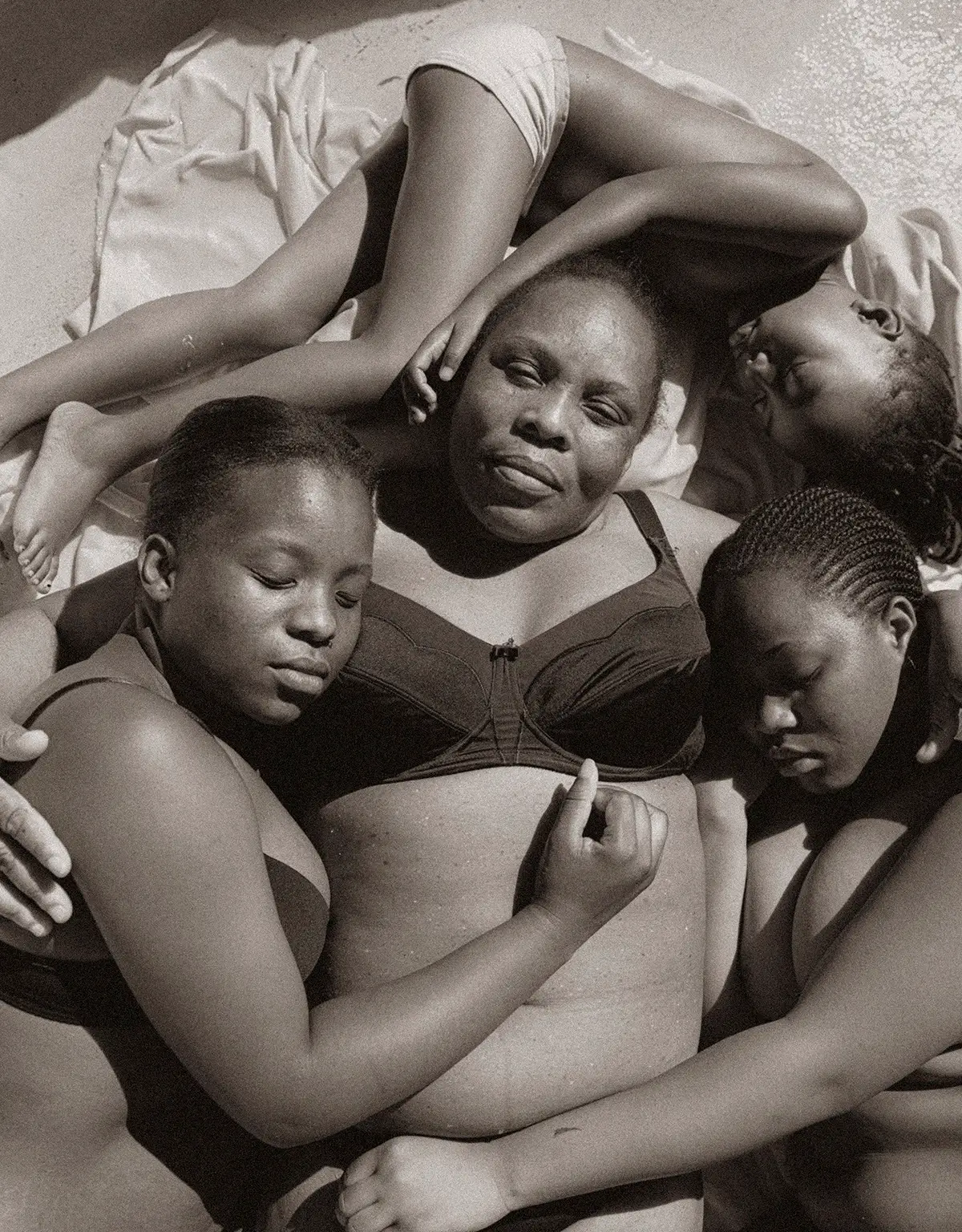
Cynthia from the series 'You Are My Mother' © Angelika Kollin
In many African societies, women like Cynthia are the ones who hold everything together. The children, the grandchildren, the bits and pieces of daily life that would otherwise come loose. It is work that goes mostly unseen, rarely spoken of, and yet everyone depends on it. Cynthia is that kind of woman. A matriarch at the center of her family, with a quiet, calm presence that everyone feels safe around. Through her, family stays connected. Things hold.
www.angelikakollin.com
@angelikakollin
All About Angelika Kollin
MERIT AWARD GALLERY
Somenath Mukhopadhyay (India)
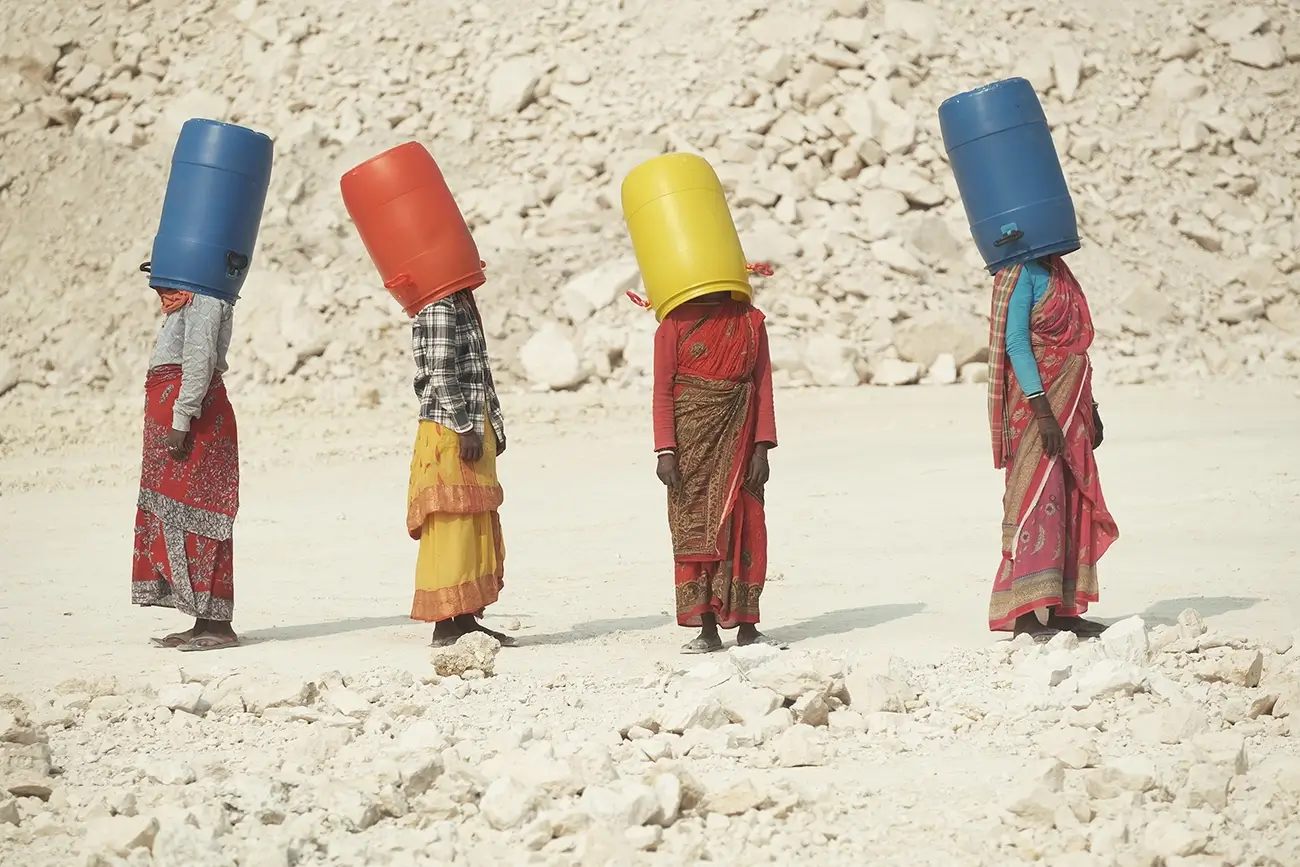
Colorful Burden © Somenath Mukhopadhyay
This photograph is a part of my series that I attempted to debunk the apparently colorful world of women who are burdened with the stress of water round the clock. These staged photos are a part of a bigger and deeper narrative, representing their daily life, health, uphill challenges and wish for freedom. Shot in a mine of China Clay (kaolin), which is considered to be one of the most hydrophilic substances, these photographs bring a strong parallel to the women’s urge for water. They live and die with this urge, and water is a mirage they live every passing day. The colorful plastic containers atop their heads are a symbol of the burden they are pleasantly adorned with. In fact water has made compromise the gender identity.
@sanam_mukho
Ezio Gianni Murzi (Italy)
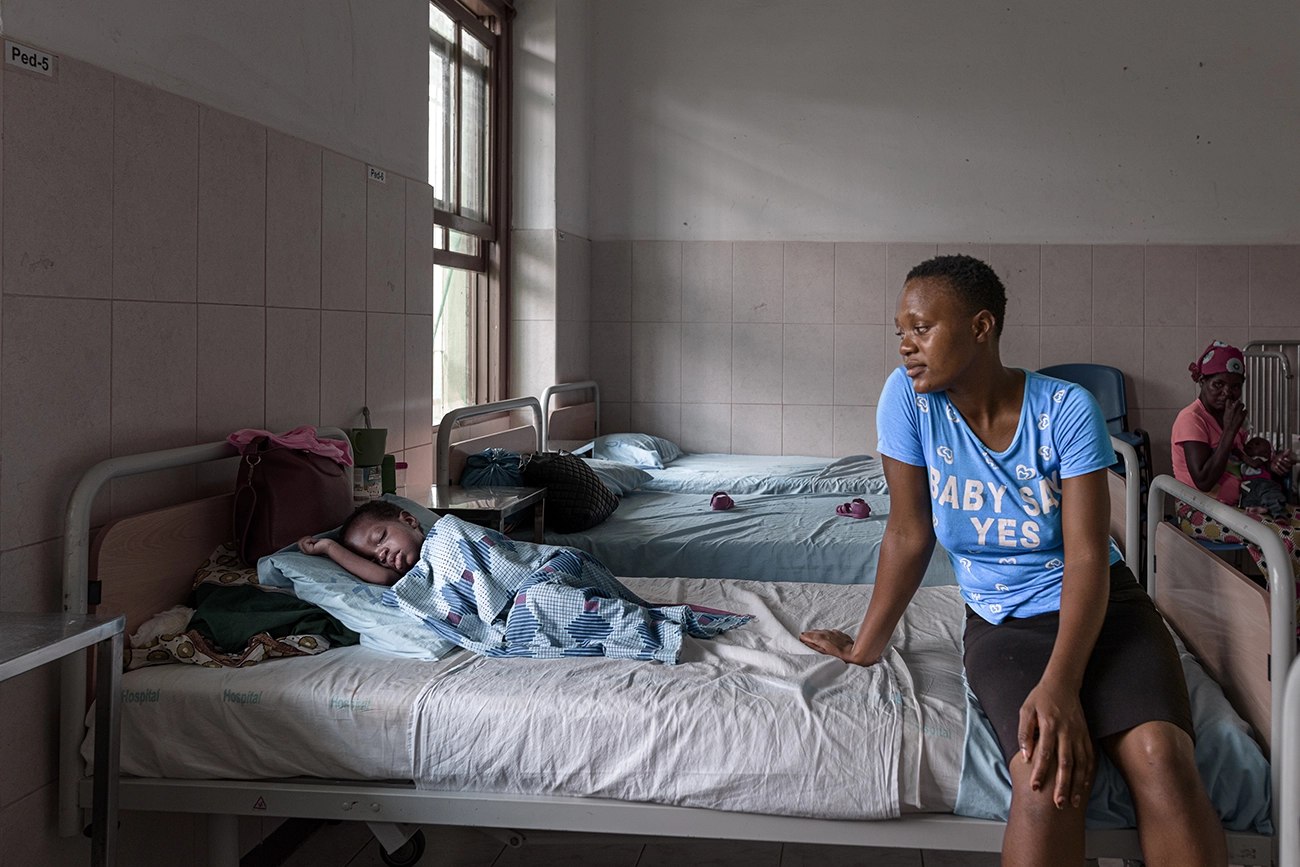
Child Relapse from the series 'Hospital of Hope' © Ezio Gianni Murzi
Carmelo Hospital, Chókwè, children’s ward.
The anguished gaze of an HIV-positive mother looking anxiously at her HIVpositive
child admitted to the pediatric ward because of relapse of AIDS
The Project: Hospital of Hope: Fighting HIV/AIDS One by One -
Synopsis In the late 1970s, as a 33-year-old doctor directing a 120-bed rural
hospital in Chókwè, Mozambique, I was responsible for the health of about
300,000 people—an intense, isolating experience that stayed with me.
Returning in 2019 and 2023 with a camera instead of a stethoscope, I revisited
those places. At Carmelo Hospital—now focused on HIV/AIDS and tuberculosis
—I saw long queues of mostly young patients on antiretroviral therapy: some
improving, others facing severe illness. Despite hardship, the warmth between
staff and patients was striking.
The story follows Carmelo’s roots in the late 1970s–80s, highlighting Sister
Maddalena Serra, a nun who left Chókwè to lead the remote Chalacuane Health
Centre and Maternity. Her team improved obstetric care and later recognized
the emerging HIV epidemic when many TB patients died despite proper
treatment.
Responding to the crisis, the sisters converted an abandoned convent into
Carmelo Hospital, dedicated to HIV/AIDS and TB care, counselling, and social
support. As AIDS wiped out adults in their prime, they also addressed its fallout:
orphaned children, elderly caregivers, and worsening poverty. Their work spread
into surrounding villages, providing housing repairs, food, small cash transfers,
and a Distance Adoption Programme linking children with donors abroad.
Today, effective HIV treatment allows many patients to live near-normal lives,
and Carmelo Hospital reflects decades of commitment in an under-resourced
setting. Yet the story closes with a question: as international aid declines, will
funding last so that HIV care and support remain accessible? The medical tools
exist; their impact now depends on sustained solidarity.
giannimurziphotography.myportfolio.com
@giannimurzi
All About Ezio Gianni Murzi
Ron Cooper (United States)
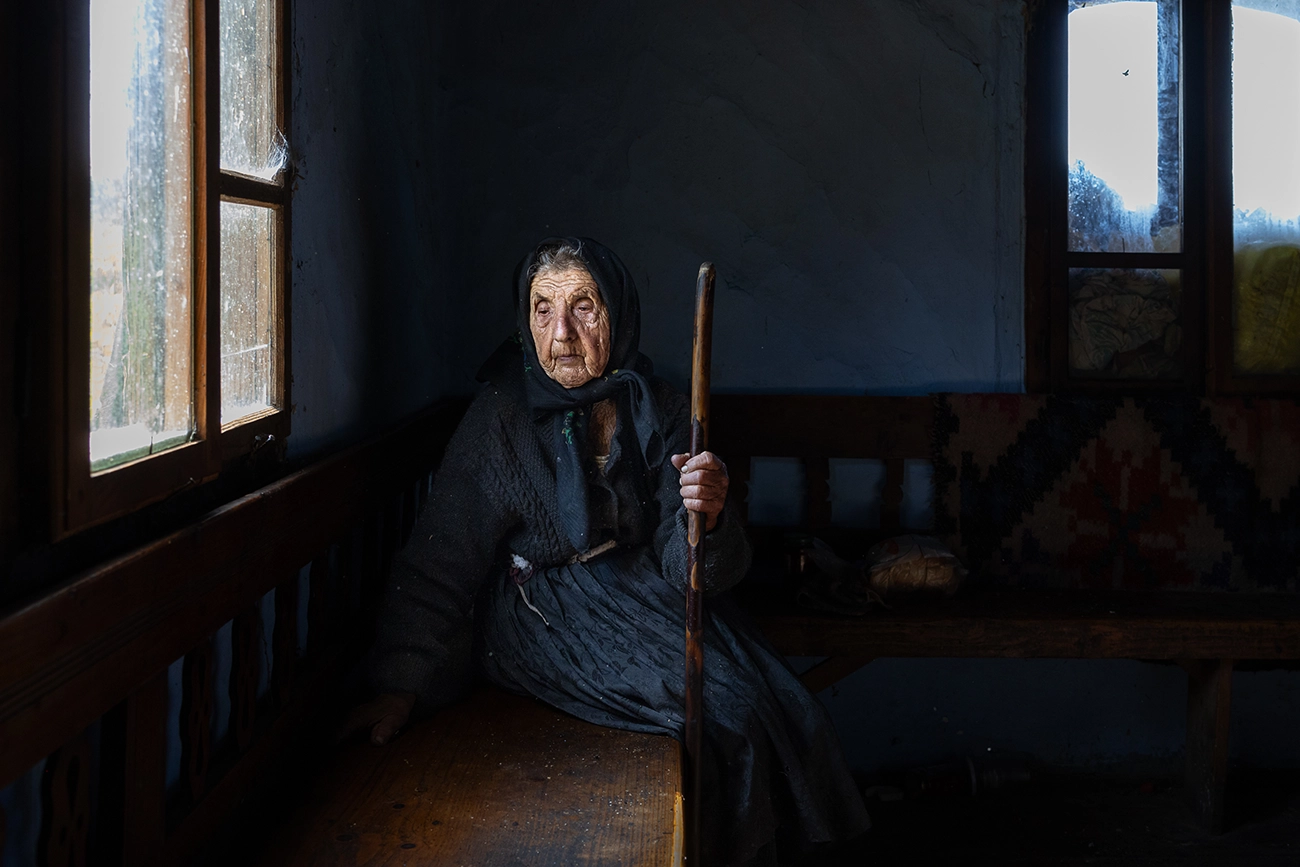
Alone in the World from the series 'Keepers of Faith: Women of the Romanian Villages' © Ron Cooper
Nearly a century old and nearly blind, she continues to live alone in her small home in the Maramureș region of Romania. Her days follow rhythms unchanged for generations — cooking over a wood stove, tending to simple chores, and relying on the quiet kindness of neighbors and relatives. In this rural corner of Romania, community and tradition sustain those who have endured the longest.
These portraits depict elderly women living in small rural villages in Romania whose lives have been shaped by faith, tradition, labor, and endurance. Many are widows, and most have seen their children leave for cities or abroad, yet they remain deeply rooted in the Orthodox customs and rhythms that define their communities. Their faces, lined by time and experience, reflect resilience, devotion, and quiet strength. In their direct gazes and composed presence, they stand as living bridges between past and present, embodying continuity in a rapidly changing world.
www.ron-cooper.com
@roncooperphotography
All About Ron Cooper
B Jane Levine (United States)
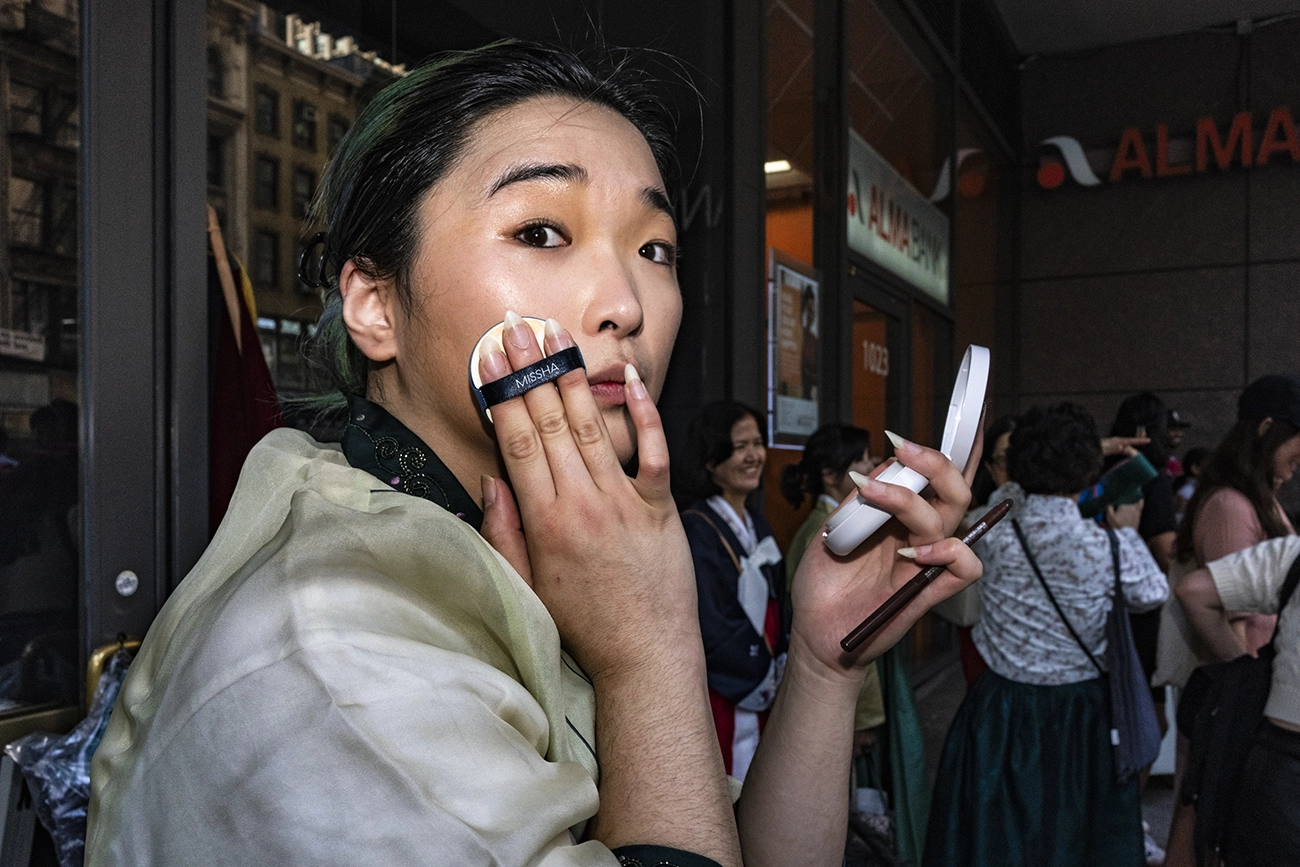
Missha from the series 'Urban Tales' © B Jane Levine
This project is a series of candid portraits of strangers captured on the streets of New York City. I prefer to capture transitory scenes on the street without the knowledge of the subject so that the expression, gesture and/or movement are authentic. I go out with no expectations of subject matter other than looking for a moment, which elicits some emotion that I respond to with the subject, it is mainly driven by an internal signal that connects me to the subject or situation. I try to respect the subjects that I photograph, taking an image of a fleeting moment, which I observe with no intent other than to memorialize the scene. The resulting photograph is real for the subject as well as myself, yet it may not be a truthful representation of what actually occurred. Oftentimes, these candid images on the streets are reminders of parts of my life that are locked away within my mind or those which were simply forgotten. New York has been a place that I can wander the streets relatively inconspicuously and feel as if I am part of a bigger society. An endless search for a point of connection to anchor my world. The people in the photographs all possess a characteristic, gesture, or physical trait that I identify as part of my own story. The series is a composite of pieces of my life – a reflection of my own humanity.
www.bjanelevinephotography.com
@bjanelevine
@bjlevine_everywherebuthome
All About B Jane Levine
Aline Smithson (United States)
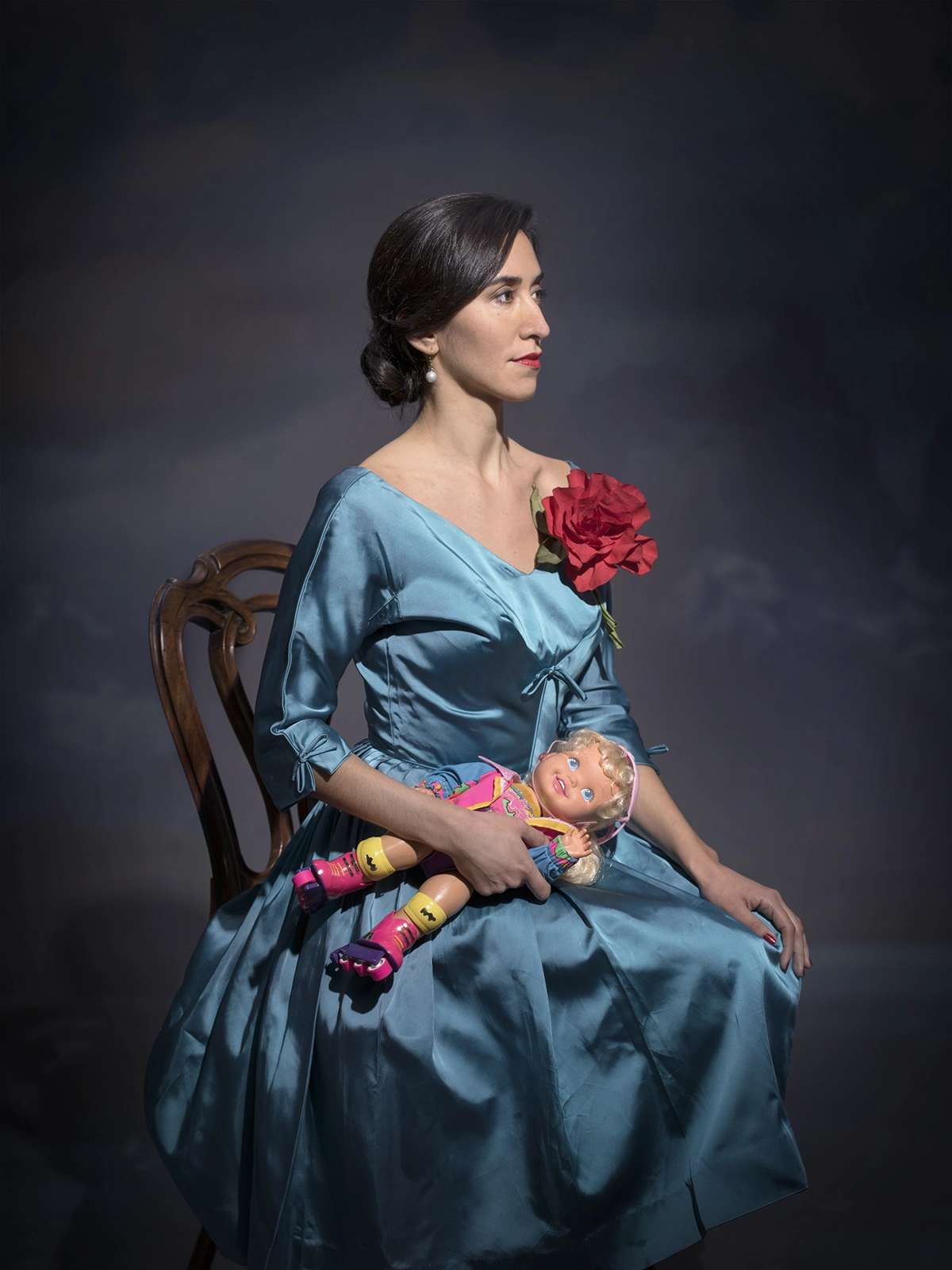
Virginia (Argentina) from the series 'Of Two Worlds: Portraits of Immigrants in Los Angeles' © Aline Smithson
Los Angeles is a city unlike any other. It is an expansive mosaic of cultures, languages, and traditions. Nearly nine million people call the City of Angels home, each culture adding its own rhythm, flavor, and sensibility to the vibrant whole. Growing up and living here has been a gift. On any given day, I am surrounded by faces and voices that reflect all corners of the globe. This diversity is not abstract to me; it has shaped my daily life, my friendships, and my creative practice.
In creating this series, I wanted to make portraits that honored the richness of Los Angeles while remaining deeply personal. I turned to the immigrants who are already a part of my life: neighbors, students, friends, small business owners, and others I connect with regularly. Each has enriched my life in ways large and small, and together these relationships form a quiet testimony to the power of presence and relationships.
The portraits are staged with a deliberate nod to 18th-century heroic painting. This was a way of countering the common Ellis Island imagery that often defines how we imagine “the immigrant.” Instead, I wanted to elevate each subject, to recognize their dignity and strength. For the sittings, I asked each person to hold or wear something they carried with them on their journey to the United States. These objects, whether a scarf from Nigeria, a machete for night fishing in the Philippines, or even a beloved child conceived on other shores are tangible connections to places once called home. They serve as bridges between past and present, memory and possibility.
Through this process, I was given the profound privilege of listening to stories I had never fully known. I came to better understand the layered realities of the immigrant experience, from DACA applications to Green Card struggles, from visible obstacles of creating home. I witnessed what it means to live between two worlds: one rooted in the culture that shapes identity, the other grounded in a country built on the promise of reinvention and hope.
In a time when immigration has been politicized, weaponized, and reduced to statistics, these portraits focus on humanity. To recognize the immigrant story is to recognize America itself: its past, its present, and its uncertain future.
www.alinesmithson.com
@alinesmithson
All About Aline Smithson
Donna Gordon (United States)
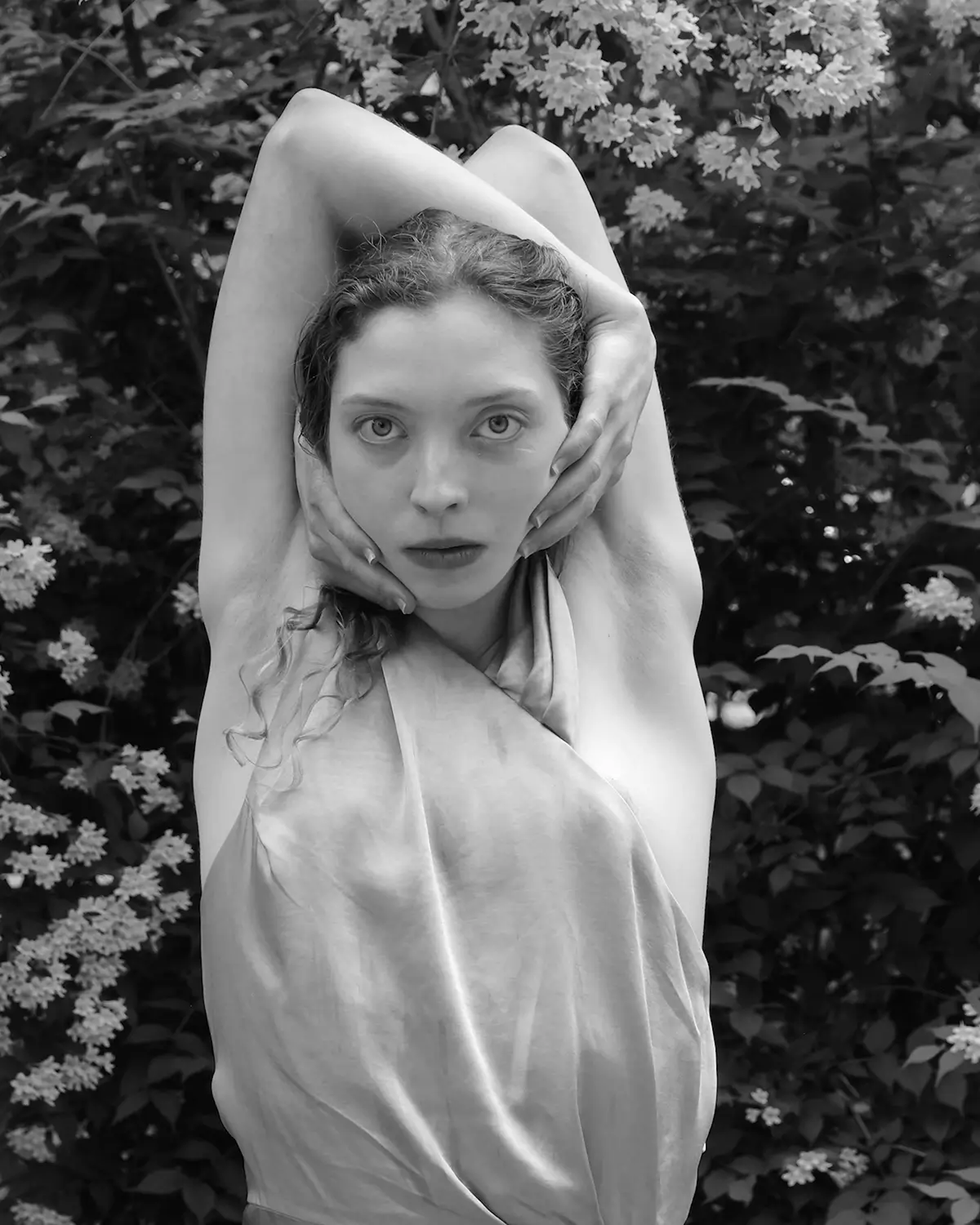
Vanessa, Embrace from the series 'In the Garden' © Donna Gordon
For the past two years, I've been working on In the Garden, a series of portraits of female-identifying individuals--each portrait with a landscape element--in attempt to explore alter-egos and personas.
So far, I’ve photographed about fifty people throughout New England, and in Mexico, France, and the UK. My goal is to create a book.
With Roe vs. Wade defeated, the rights of women in the US and world-wide--are at greater risk than ever before. I started to photograph female-identifying individuals—including sometimes queer, non-binary, trans and members of the LGBTQ community. Each portrait is accompanied by a garden element—as both a nod to Eve in the Garden of Eden and a knock to Eve.
Visually, there’s a certain exchange that takes place between the figure and the landscape that transcends other settings. Ideas of blooming and decay, growth and awakening—all synonymous with human change and birth and aging.
Many of the portraits were made when it was possible to shoot outdoors with my Fuji X-T5. Others were made indoors, with a bouquet of flowers or potted plant.
All of the portraits begin as digital images, but I've also made several as photogravures as another way of reinventing the moment and reintroducing them into the world.
My intent is to increase the diversity of voices in this project and to gain public awareness for contemporary women and human differences.
donnasgordon.com
@donnagordon8994
Alain Schroeder (Belgium)
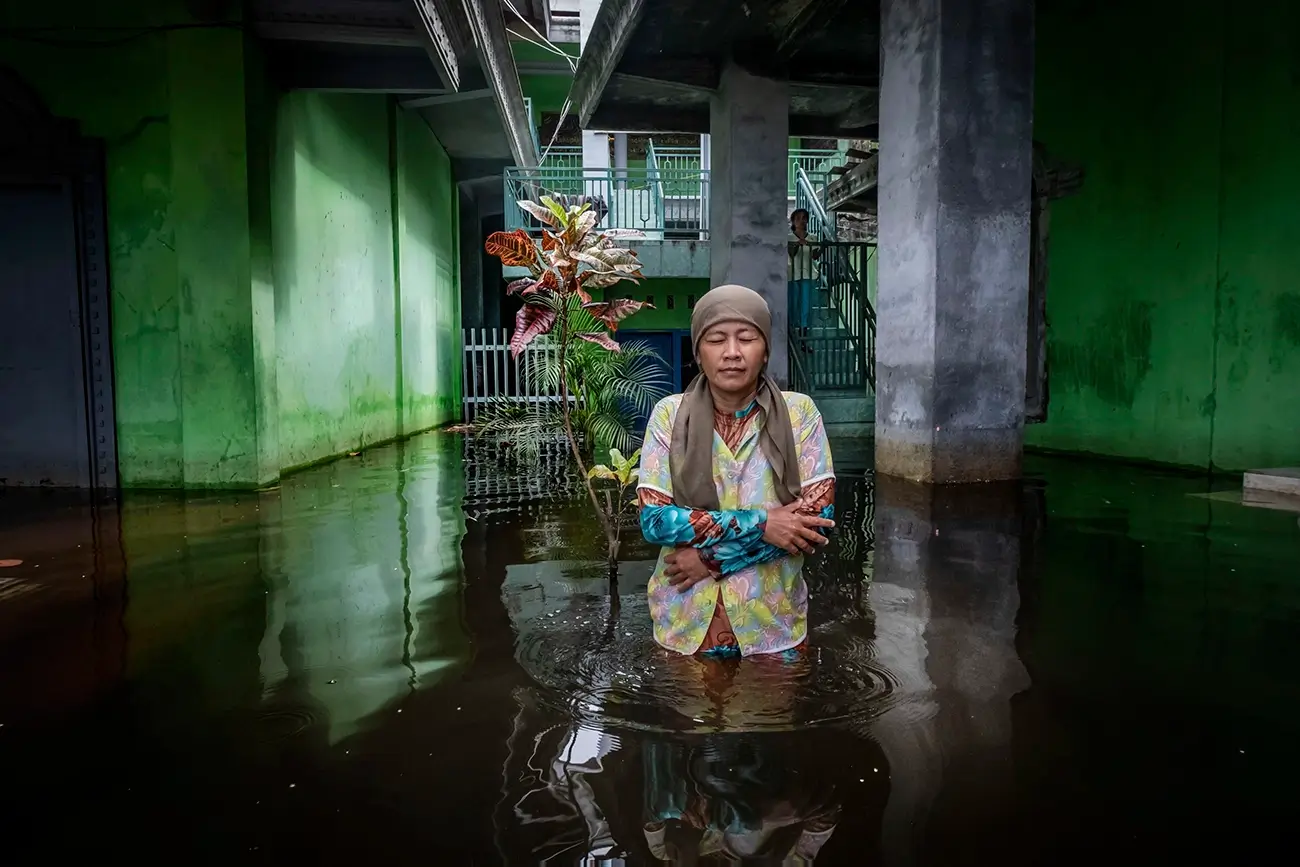
Chains of Madness © Alain Schroeder
Indonesia, Java Island,
S., (48), is a patient from a mental heath center, she is walking around in the women section of the center, during heavy flooding, she likes cooking and working with friends.
Abstract; “Pasung”, illegal shackling of people with mental illness in rural Java, persists due to stigma, limited access to medical care, and unregulated centers.
« Pasung », (in Indonesian it means chained) the shackling of people with psychosocial disabilities,has been illegal in Indonesia since 1977, yet it remains widespread, especially in rural Java. Beyond poor healthcare access and infrastructure, the main driver is stigma: mental illness is often seen as a spiritual or moral failing. Families turn to traditional healers, faith rituals, or privately run healing centers with no oversight, often staffed by untrained individuals, including former patients. Conditions are sometimes inhumane. Residents are chained in filthy, overcrowded spaces, forced to eat, sleep, and defecate within their surroundings. Some centers administer antipsychotic drugs or shock therapy with little supervision. Widespread infections, malnutrition and severe trauma are common repercussions. Real change demands not only funding, but education, compassion, and community outreach to break cycles of shame and offer dignity to those suffering.
alainschroeder.myportfolio.com
@alainschroeder
All About Alain Schroeder
Mandy Ross (United Kingdom)
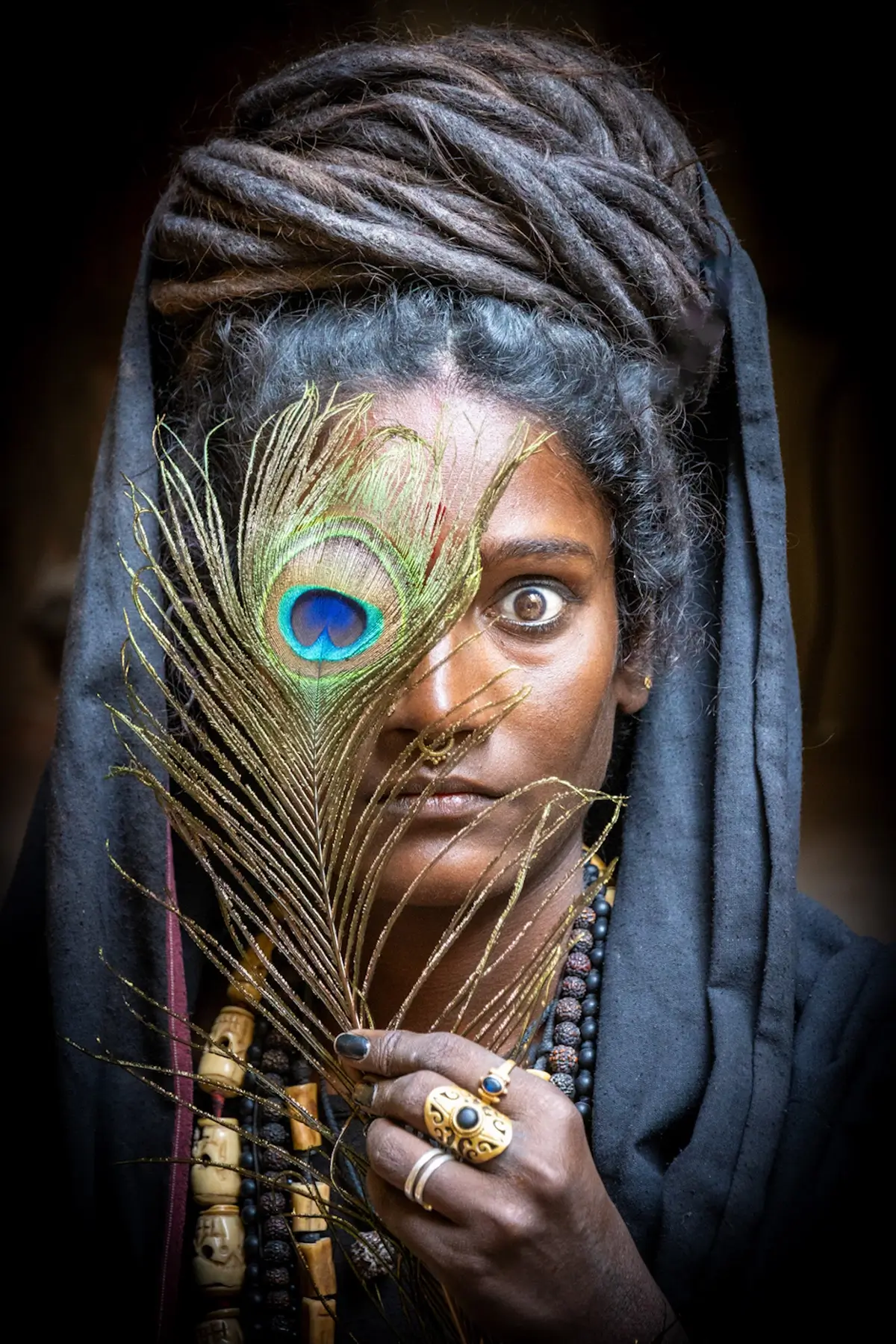
Peacock from the series 'Varanasi' © Mandy Ross
In a quiet backstreet temple in Varanasi, away from the rhythm of the ghats and the hum of the city, she sat — an Aghori Mata, still and self-possessed, a peacock feather rising gently from her presence like a whisper of the divine. The air felt thick with ritual, with time, with something both ancient and deeply personal. Her gaze did not ask to be understood; it simply was — unwavering, unfiltered, and quietly powerful.
I’m always drawn to these in-between spaces, the ones just out of sight, where stories live without performance. My photography leans into that stillness — into honest encounters rather than constructed moments. I don’t direct, I don’t interrupt; I wait, I observe, and I allow the image to reveal itself. In her, I saw strength, solitude, and something almost otherworldly — a fleeting connection that lingers long after the shutter closes.
storiesinskin.com
@mandyjorossphotography
Justin Roque (France)
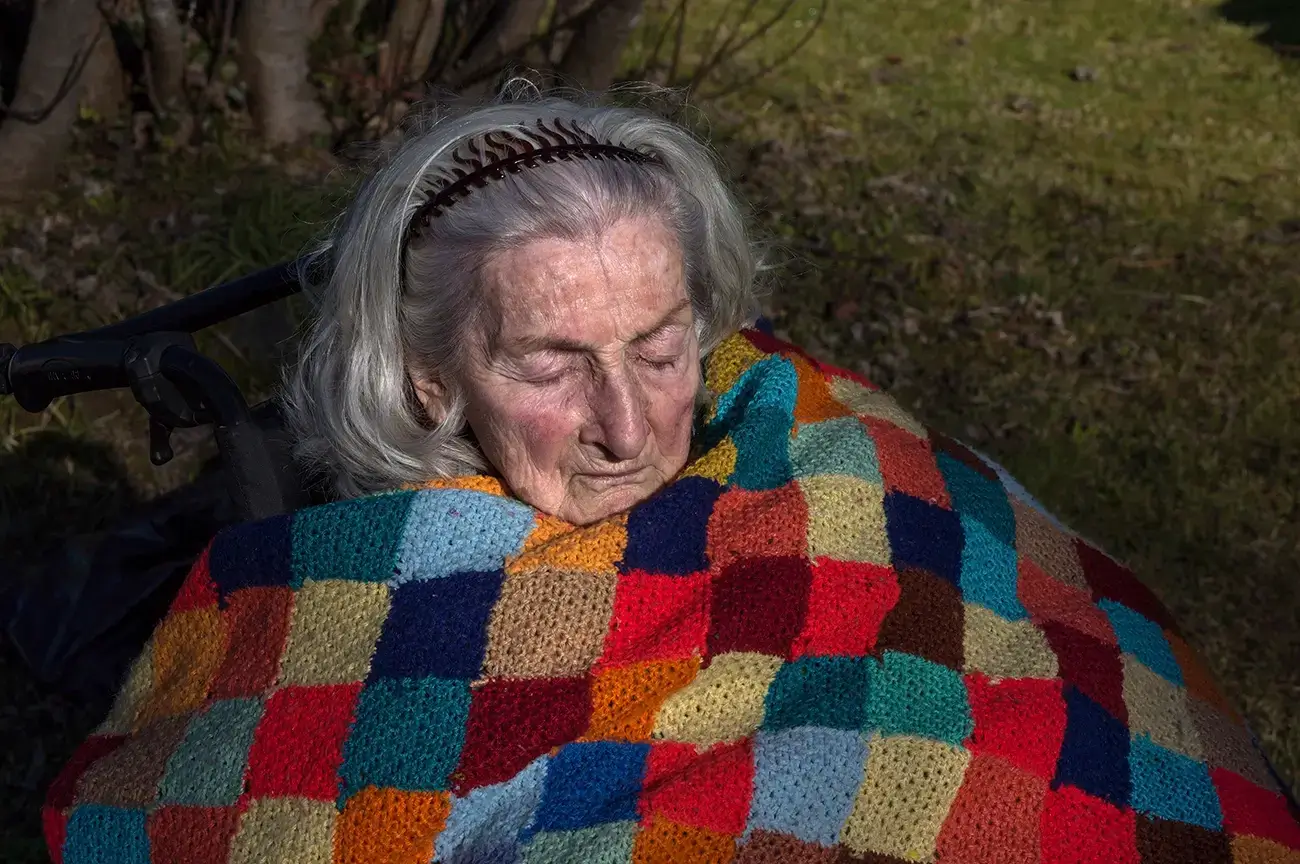
La Hytère is the name of my maternal grandparents’ house, Marie and Albert. It has been in our family for over 200 years and overlooks the Pyrenees mountain range. My great-grandparents were farmers there; one photograph in the series bears witness to this past, showing my great-grandfather Justin with my grandmother Marie by his side. This is also where my father, Jean-Louis, and his brother, Claude, grew up. La Hytère is deeply connected to my childhood: I spent a large part of my holidays there and shared a very close bond with my grandmother.
When Albert passed away, Marie continued to live there alone. In January 2018, we celebrated her 94th birthday there. This occasion marked the starting point for an intimate photographic project built around three themes: my grandmother, La Hytère and its surroundings, and the Pyrenees as a backdrop.
This work became an act of remembrance, preserving a record of my grandmother and her environment before she passed away. She died shortly afterward, and a sense of urgency had already compelled me to create this series before her death.
www.justinroque.fr
@justin.roque
Oscar González (Costa Rica)
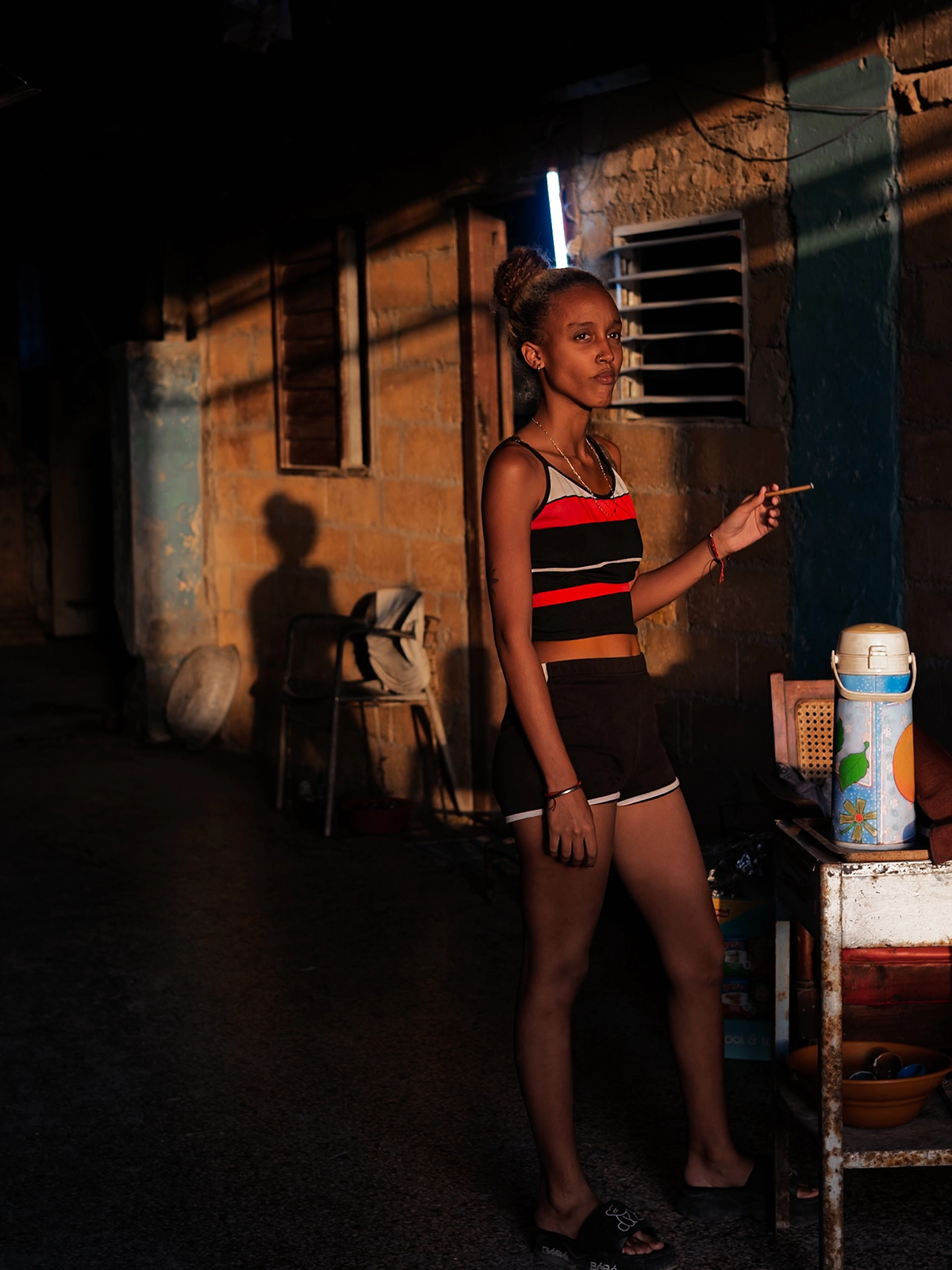
At Dusk, Centro Habana from the series 'Walking Through Havana' © Oscar González
This photograph is part of a documentary project developed during a journey to Havana, Cuba, in April 2025, whose objective was to document the everyday challenges faced by Havana’s residents living and working in solares, shelters, and informal markets of second-hand goods in the streets of Centro Habana and Old Havana.
The image portrays a woman in Centro Habana watching the sunset from the doorway of her solar, where she runs a modest stand selling sweets and cigarettes.
@oscar__killa
All About Oscar González
Leonie van der Helm (Netherlands)
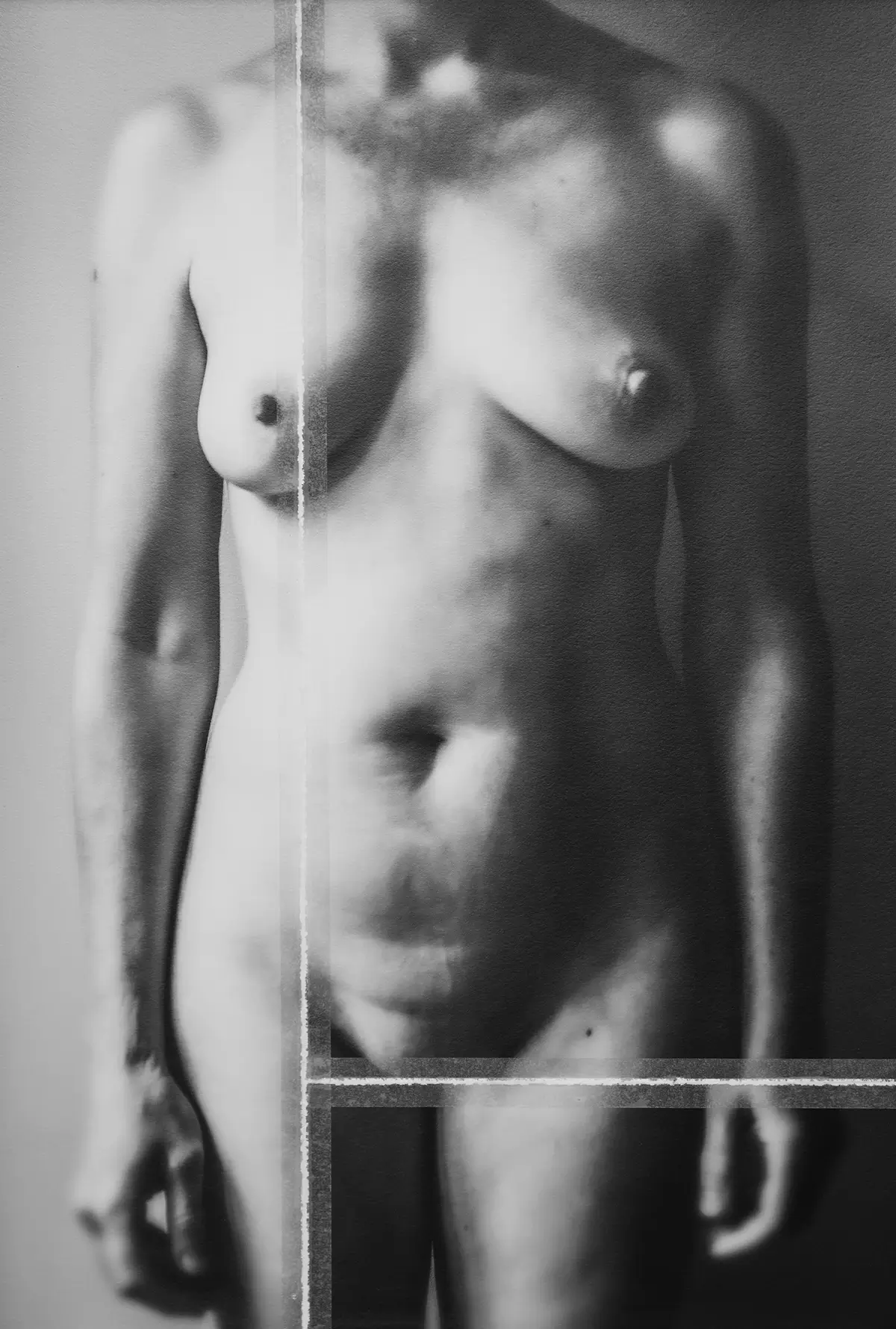
Self-portrait from the series 'Naked with the Truth' © Leonie van der Helm
Naked with the Truth begins with a deeply personal fascination with the female body as a carrier of personal and collective trauma. I do not consider the body a self-contained subject, but a living archive, shaped by emotional, social and inherited histories.
For me, trauma is not something that exists only in the past; it lives on in the body, shaping how we feel, move and exist in the present. Emotions such as fear, sadness and anger can surface without clear origin, yet they are deeply rooted in lived and inherited experiences.
Many of my works are physically altered. I work directly on the surface of my photographs, making interventions that mirror what trauma does to a body: it leaves marks, it scars, it transforms irreversibly.
Naked with the Truth invites the viewer to see and confront the inner self, in all its fragility and resilience.
leonievanderhelm.nl
@leonievanderhelm
Sebastian Sardi (Sweden)
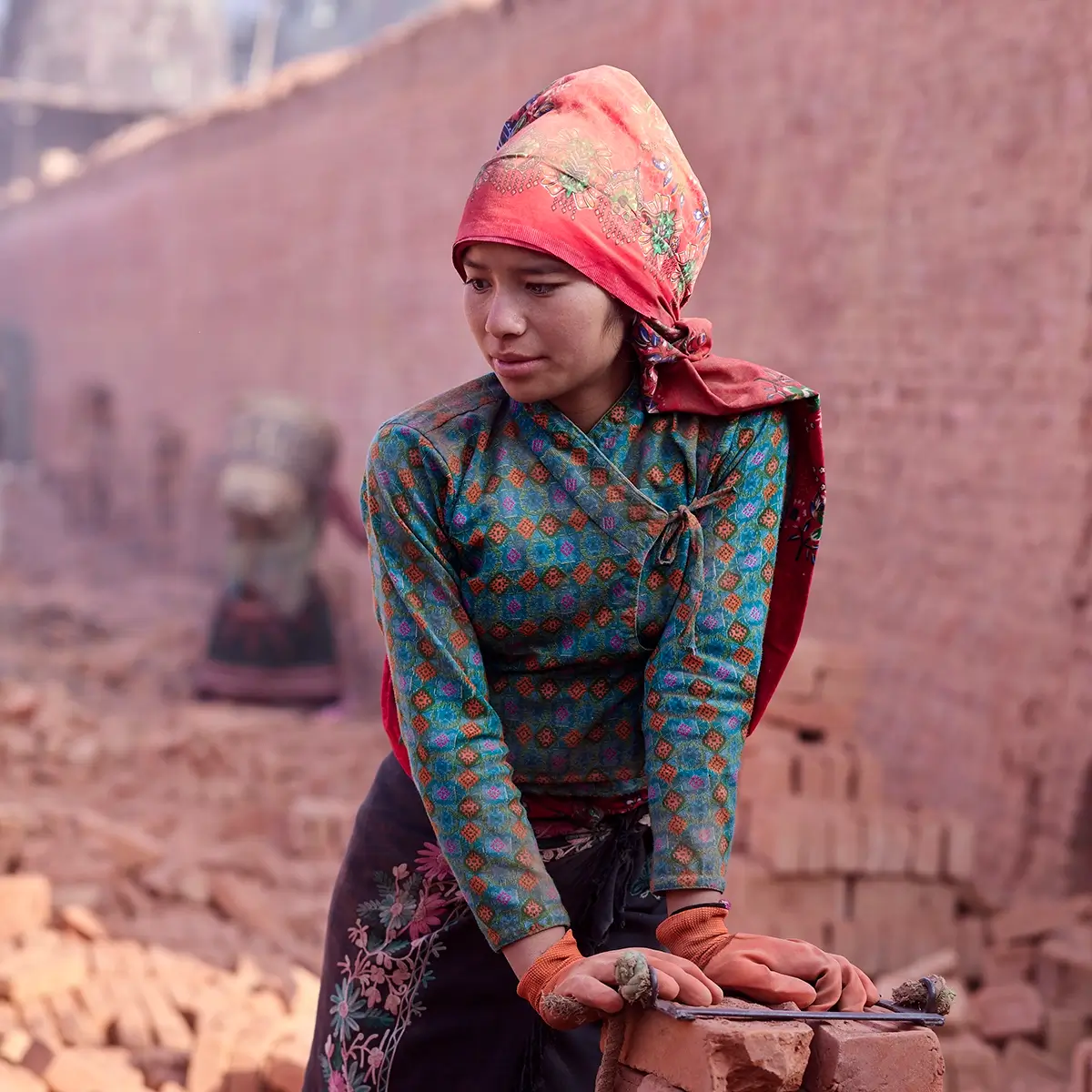
Choritra from the series 'Pink Dust' © Sebastian Sardi
The kilns rise like silent fortresses across the plains of the Kathmandu Valley. Chimneys pierce the pale sky. The ground cracks under the sun. It is a landscape of dust and heat.
These women and girls carry the weight of up to 30 raw bricks stacked high on their backs. Barefoot or in worn sandals, they walk across scorched earth from dawn to dusk. Their hands shape thousands of bricks each day — bricks that will build houses, schools, cities, all while their own homes remain fragile.
The kilns burn constantly, fired by coal, the smoke drifts low mixing with the pink dust from the burnt bricks... coughing is common. Rest is rare.
In the Kathmandu Valley brick production feeds rapid urban expansion. For many it is the only available work. Wages are minimal, often calculated per thousand bricks, binding entire families to relentless output. Childhood blurs into labour while they carry the city on their backs — brick by brick — in a world of heat, smoke and pink dust.
www.sebastiansardi.com
@sebastiansardiphoto
All About Sebastian Sardi
Nina Nelson (United States)

Bowlero from the series 'Waiting' © Nina Nelson
My Waiting series straddles the middle ground between a traditional portrait and a social story. It’s all about the conversation between interiors and exteriors—how the physical spaces we inhabit reflect the quiet, internal emotions we carry. By capturing these quiet, in-between moments, these images turn everyday moments into a deeper look at how we truly show up in the world. The series documents the gap where presence is felt most acutely, suggesting that our stories are often written in the moments of transition and pause.
www.ninanelsonphotography.com
@ninanelsonphotography
All About Nina Nelson
Valentina Sinis (Italy)
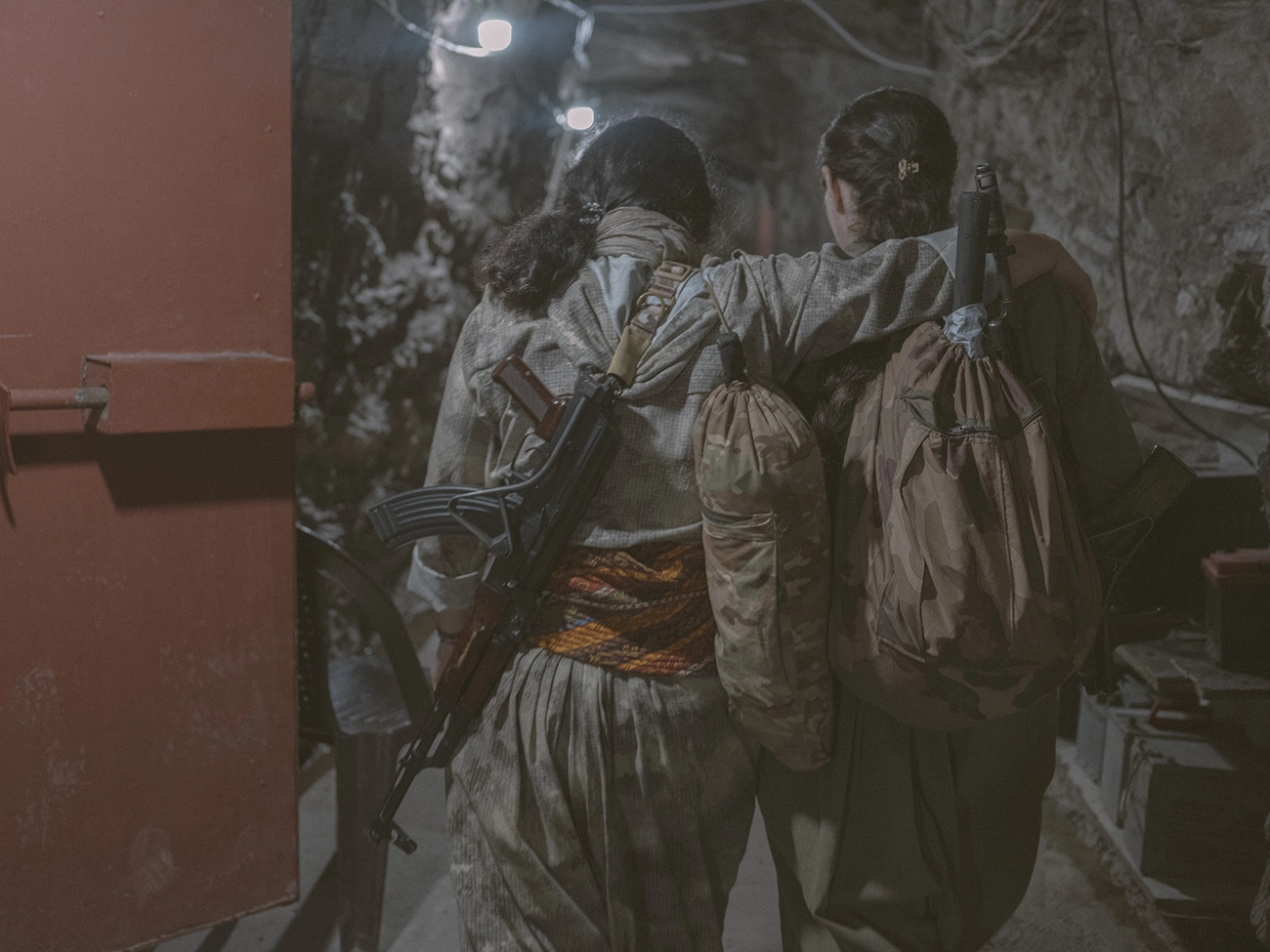
The Last Butterflies © Valentina Sinis
Havals walk inside one of the caves. These women fight to dismantle the patriarchy, saying: “Before the rifle, fight yourself; before the war, fight in life.” They come from different lives but feel united. They all insist that love is not about becoming a man’s slave. In their daily routines, training, studying, preparing food, sharing tasks, the havals practice these principles, turning mundane life into a form of resistance. Communal life, for them, means making decisions together, caring for one another, and constantly questioning old patterns of domination within themselves and in society. In this cave, their conversations about ideology are practical and ongoing, rooted in both discipline and care. They believe that only by transforming their own minds they dismantle the wider systems of oppression they fight against.
www.valentinasinis.com
@valentinabeijing
All About Valentina Sinis
Beth Stahn (United States)
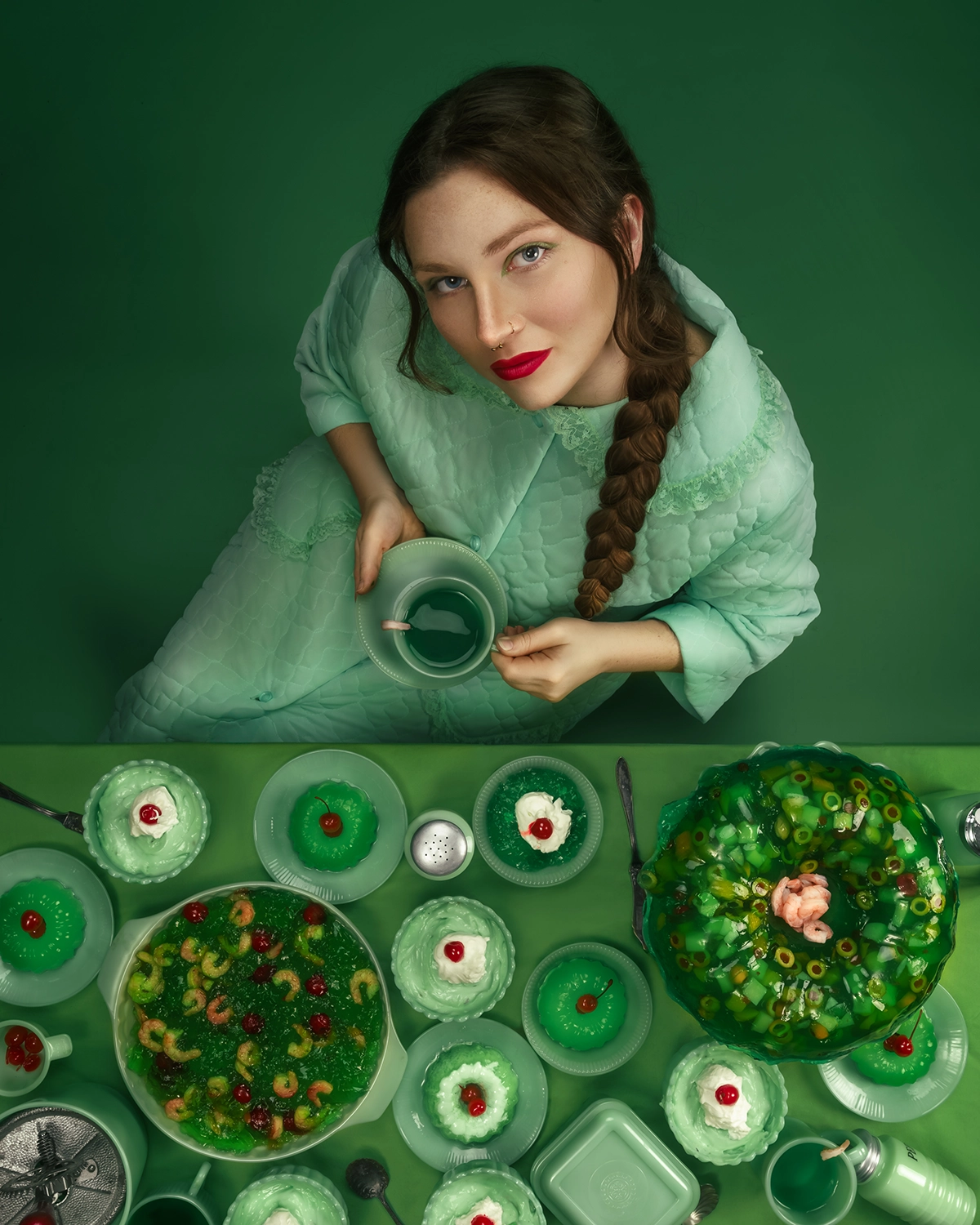
Grandma’s Jello © Beth Stahn
Grandma’s Jello shows a woman in jadeite green, gazing upward over a table of meticulously arranged retro gelatin dishes. The monochrome palette and uncanny styling turn nostalgic home life into something unsettling.
www.bethstahn.com
@bethstahn
All About Beth Stahn
Jelisa Peterson (United States)
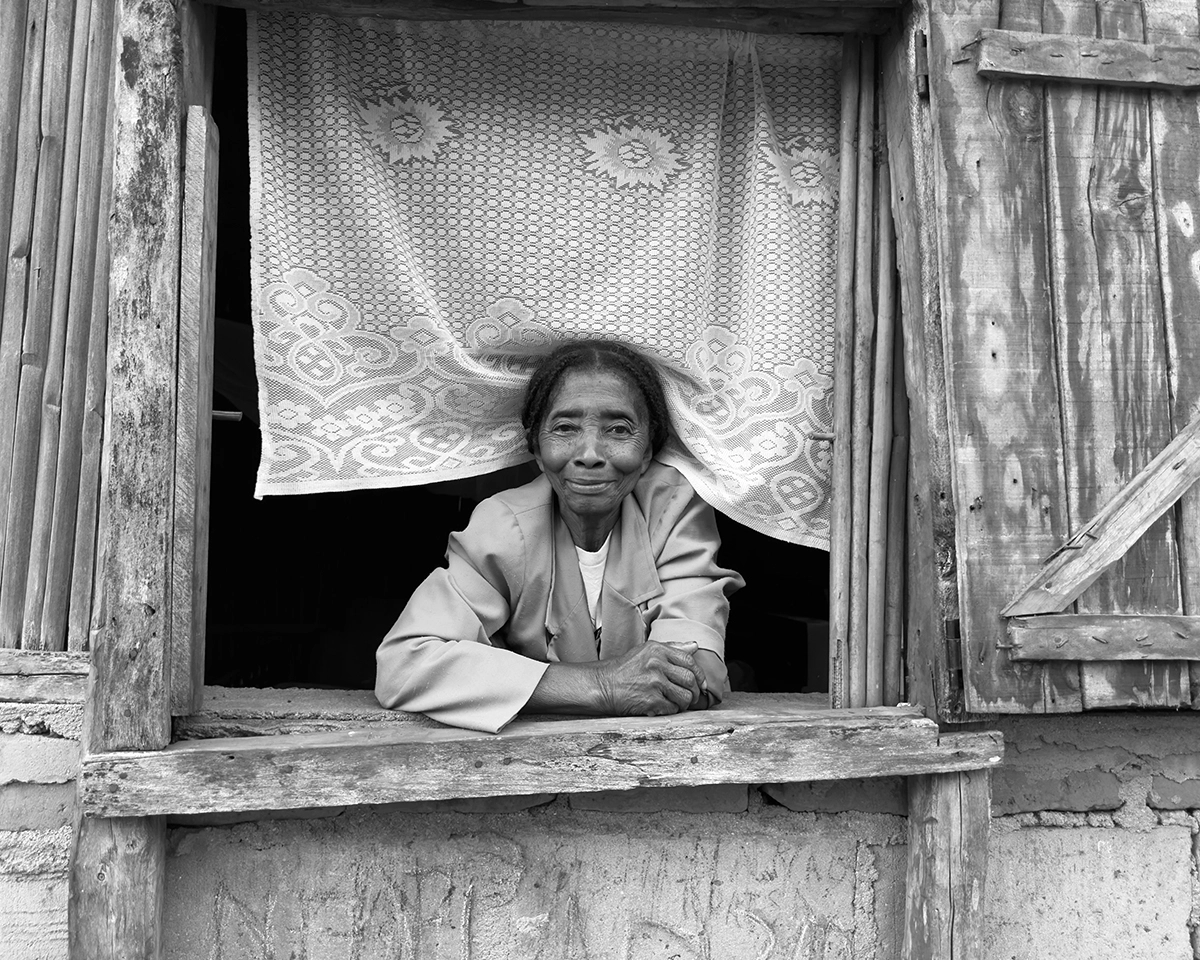
At Her Window from the series 'Beauty, Dignity and Strength : Women of Mozambique' © Jelisa Peterson
While exploring a beautiful rural area (Andilada) in the island of Nosy Be, Madagascar, I was struck by the true friendliness and hospitality of the people there. During a series of afternoons I spent in a particular village meeting people, I felt such a captivating connection with them. Even with the help of a superb local guide to translate and introduce me around, I experienced a genuine sense of affinity with the villagers that needed few words. The woman’s expression and energy as represented in my image “At Her Window” visually represent our mutual feelings of comfort and bond.
jelisapeterson.com
@jelisapeterson
Mary Dondero (United States)
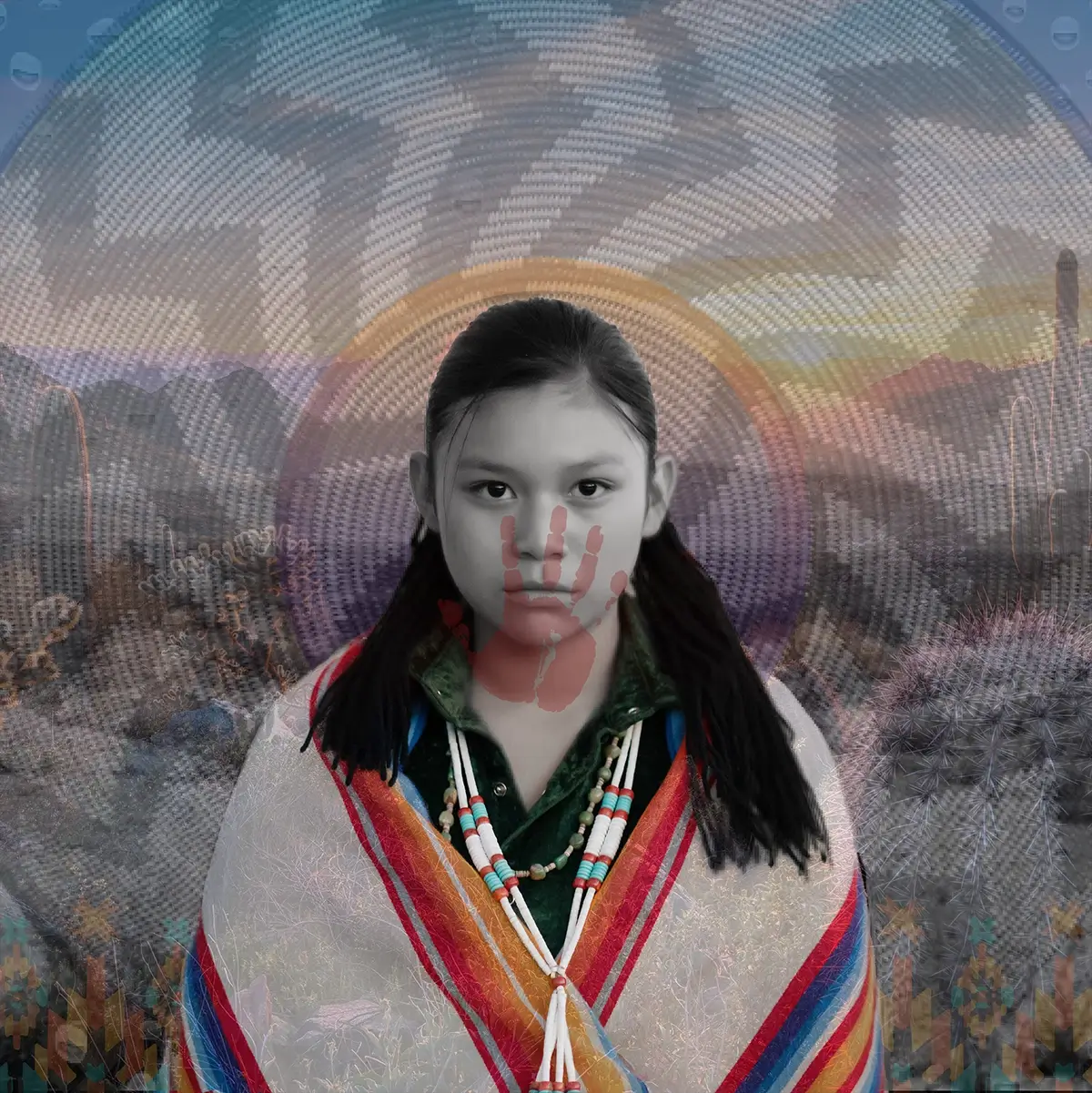
Trace I from the series 'Pattern of Harm' © Mary Dondero
Pattern of Harm is a series of digital photo montages combining my own photographs, sourced imagery, and graphic patterning. The layered images resist a fixed reading, bringing fragments into proximity while remaining partially obscured. Printed on Fuji metallic paper, the work traces how patterns persist just beyond immediate recognition.
marydondero.com
@mary_donderoart
Oksana Zhila (Russia)
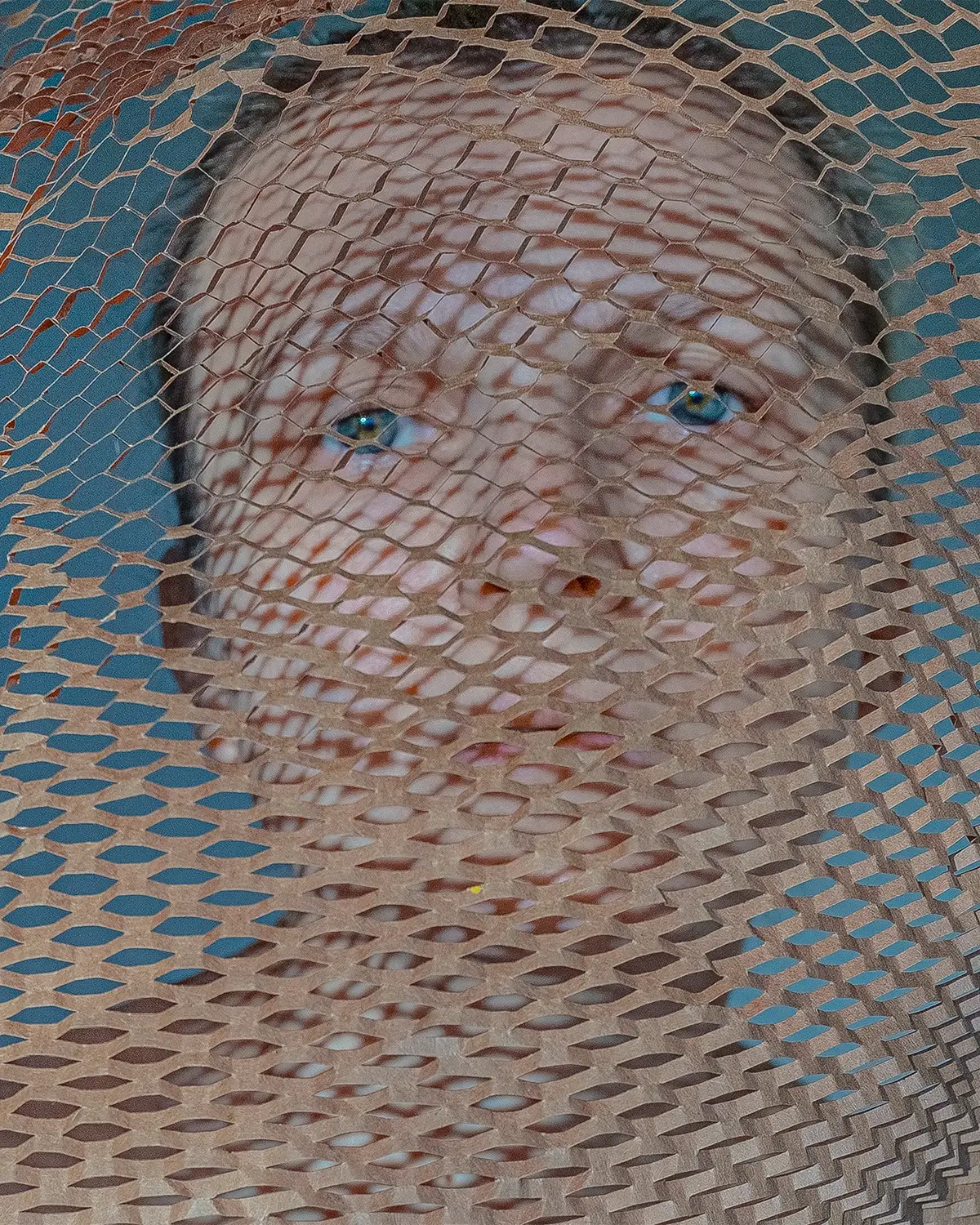
Self-Portrait © Oksana Zhila
Each time I turn the camera toward myself, I return to the same question: can I truly reveal who I am? The act of self-portraiture becomes a struggle between the desire to be seen and the fear of revealing myself completely.
Since migrating, I have been constantly confronted with another question: who am I? I felt as if my identity had been lost. I was uncertain about everything. I wanted to express myself, but I lacked confidence, courage, and even the language to do so. I felt like a failure, invisible and voiceless. I wanted to hide, to withdraw into myself and remain silent, yet my emotions continued to surface.
Through photography, I try to respond to these questions.
There is no fixed self to capture — only shifting states, fragments, and reflections. What appears in the image is never complete, but shaped by vulnerability, control, and the limits of expression. The closer I come, the more the self seems to dissolve, slipping between presence and absence.
In this tension, the self-portrait becomes not a revelation, but an ongoing question.
www.oksanazhila.com
@oksanamikkeli
All About Oksana Zhila
Ingetje Tadros (Netherlands)
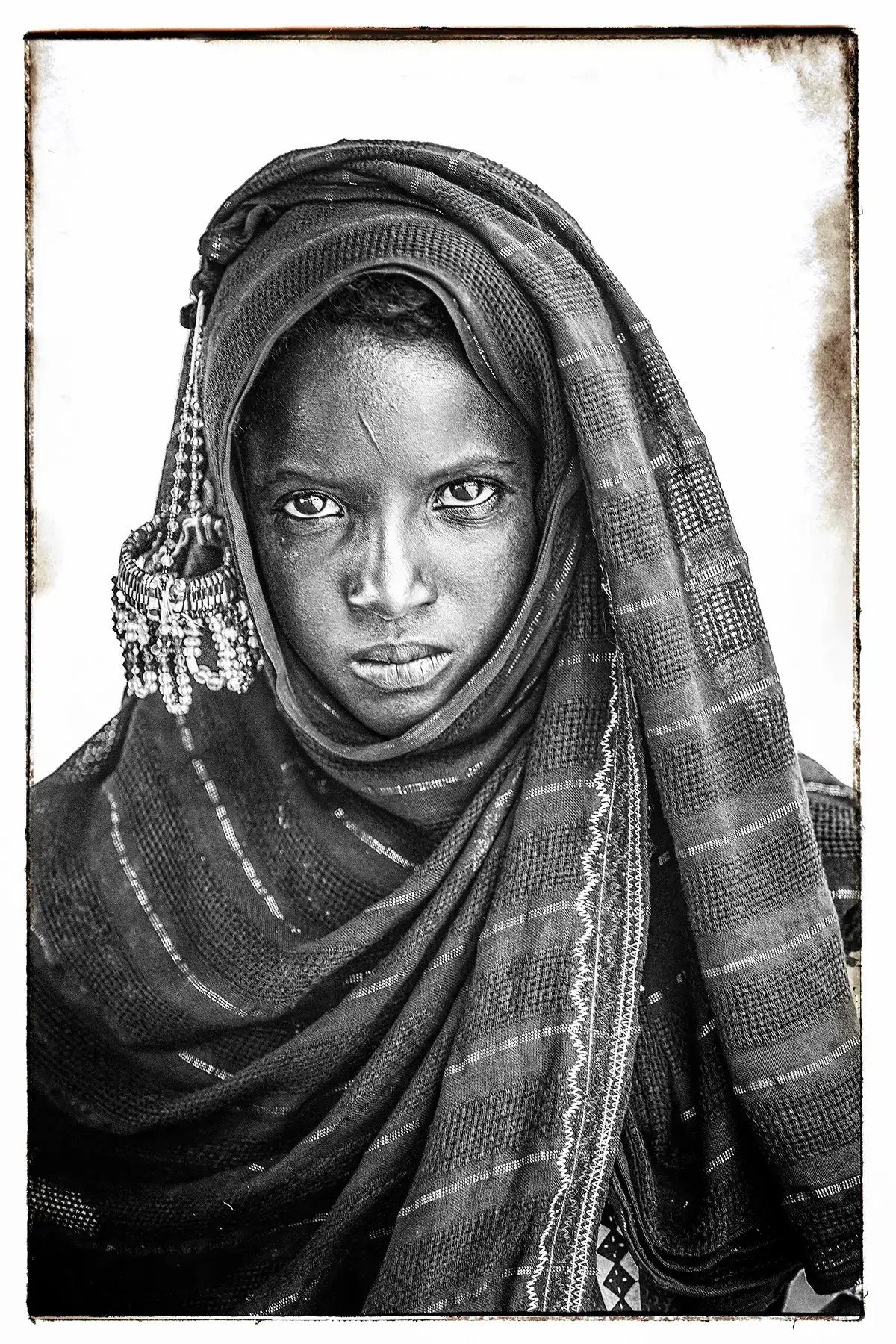
Young Fulani beauty draped in shawl and silver from the series 'The weight of presence' © Ingetje Tadros
A young Fulani girl stands adorned with a large traditional earring and a softly draped shawl. Her jewelry reflects heritage and identity, while her calm gaze carries both youth and quiet strength. Among the Fulani of Niger, adornment is more than beauty—it expresses lineage, pride, and cultural continuity across the Sahel.
www.ingetjetadros.com
@ingetje_tadros
All About Ingetje Tadros
Leonor Benito de la Lastra (Spain)
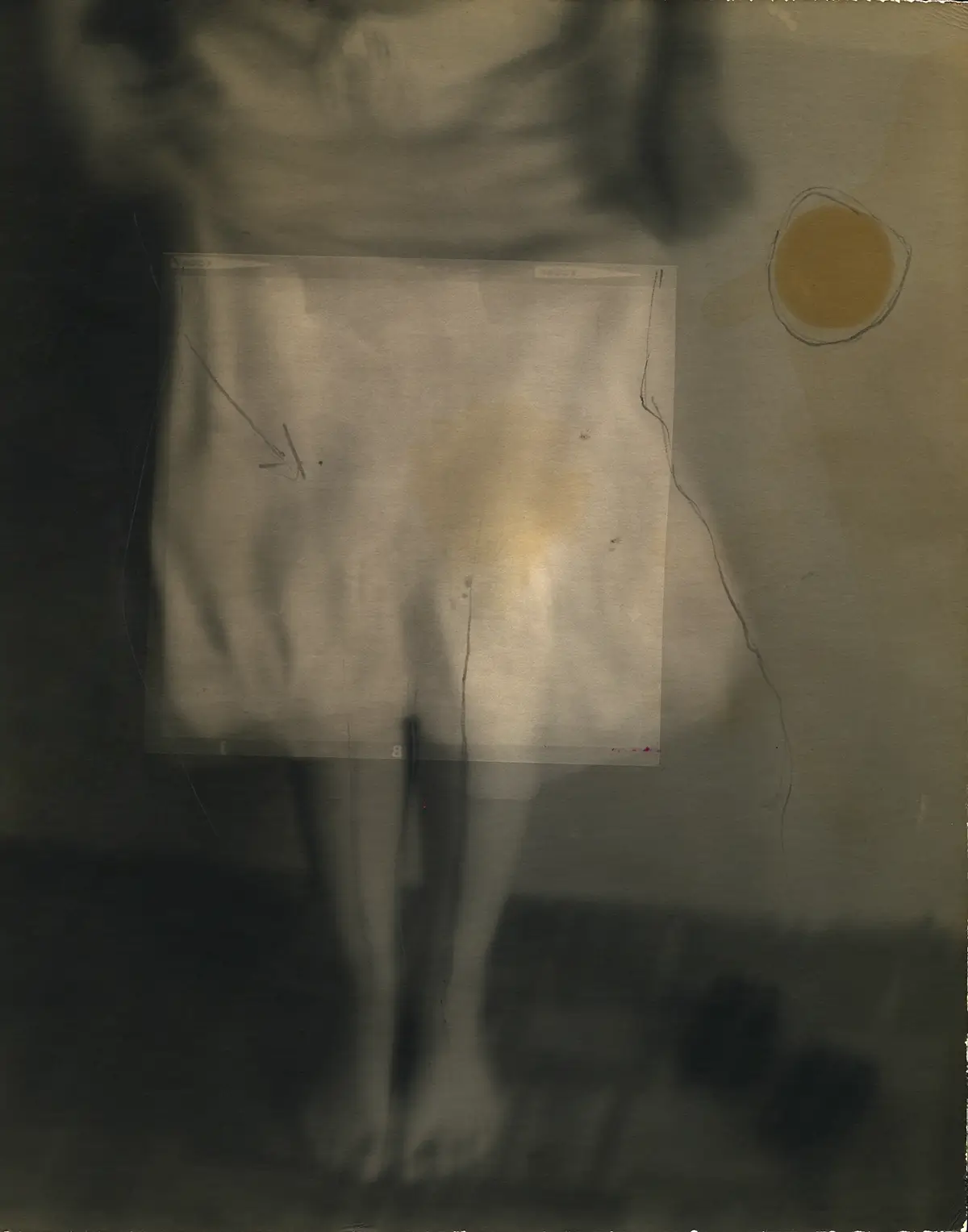
The real is fragment © Leonor Benito de la Lastra
There is an intention toward error in my photographic work. In this way, the entire process of image-making constitutes an anomaly with respect to photographic orthodoxy. A submission to material alterations in order to displace photography from stable testimony toward a vulnerable materiality. The surface as a site of friction.
The photograph as fragment: A glimpse. In this sense, I understand process and experimentation as acquiring an intimate performative character. Perhaps this experience itself becomes the subject of the work.
www.leonorbenitodelalastra.com
@leonor_benito_de_la_lastra
All About Leonor Benito de la Lastra
Clark James Mishler (United States)
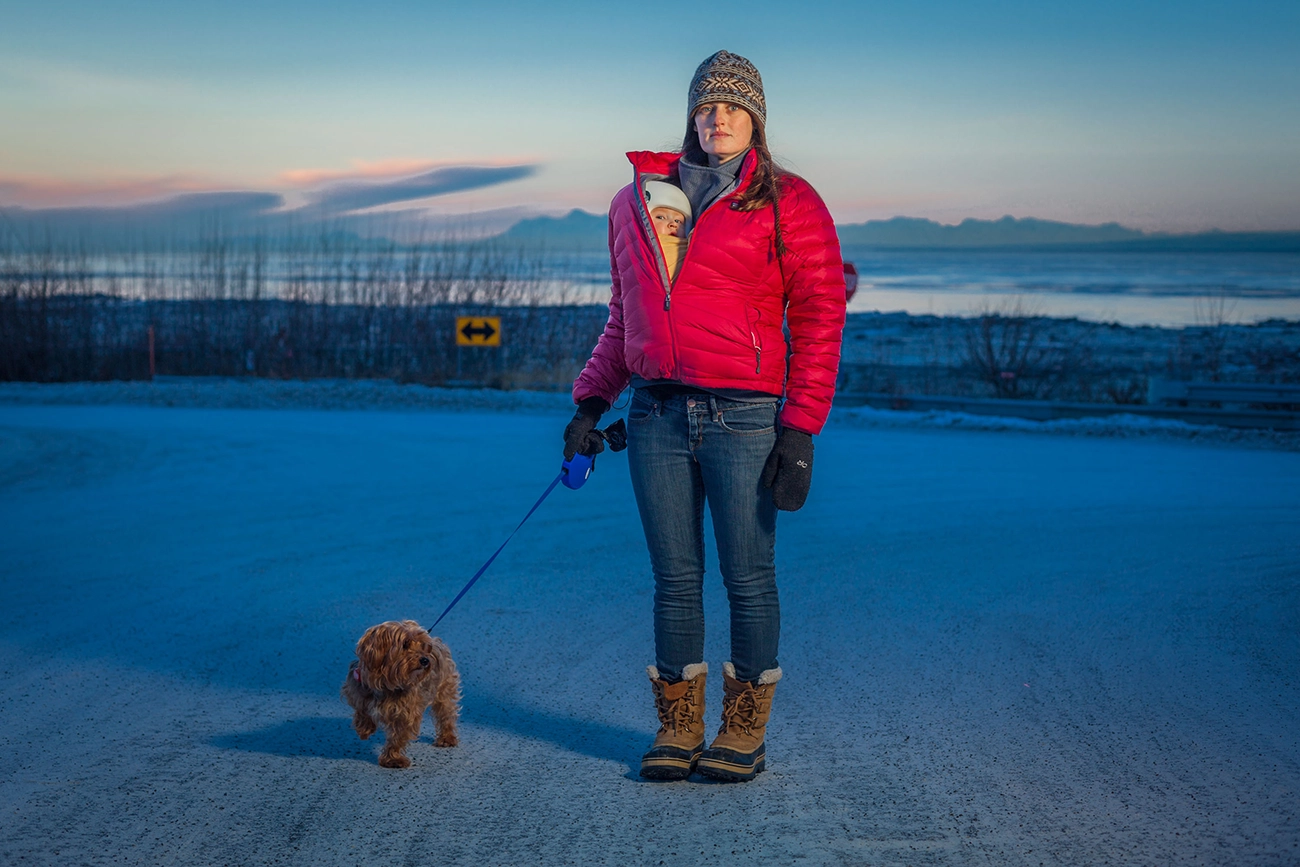
Kaitlyn Reiley walks with her seven month old daughter, Beatrice, and her dog, Jack, near her home on a cold January day in Anchorage, Alaska, 2015 from the series 'Portrait-a-Day' © Clark James Mishler
I started my Portrait-a-Day project on January 1, 2010 and produced at least one unique portrait every day for the next twelve years. The first six years of my project were produced mostly in Alaska and the final six years were produced mostly in Northern California. The portrait of Kaitlyn and her daughter is typical of those I made during Alaska’s long, dark winters. My project often required that I wear many layers of warm clothes and that I bring along a light-weight reliable artificial light source that could be operated in temperatures frequently below -25 F (-32 C). I would often set out in late afternoon to begin my search for those few people who were out and about in very cold temperatures. Winter daylight was limited in the subarctic and I needed to work quickly before the last light of the day faded to complete darkness. As my project advanced, I began to realize that I was drawn to real people who had adapted to living their lives within the harsh Alaska environment. As I continued to document members of my community, I found great interest in my subject’s activities, what they were wearing and what made them exceptional. After twelve years and nearly 5000 portraits, I never ran out of new and interesting people to feature in my daily series.
Perhaps the most important aspect of my project was the fact that it was personal and self-directed. For the first time in my life, I learned to repeatedly approach a complete stranger and come away with a suitable image. Over time, I also learned that personal projects were a great way to advance my career. Not only did I learn to quickly photograph all kinds of people in all sorts of situations, I found that I was able to apply what I had learned directly to my editorial work. As I learned to make images for myself and without a “client”, there was no pressure to please anyone but myself. Making personal images has proved to be very satisfying.
www.clarkjamesmishler.com
@clarkmishler
All About Clark James Mishler
Cheryl Clegg (United States)
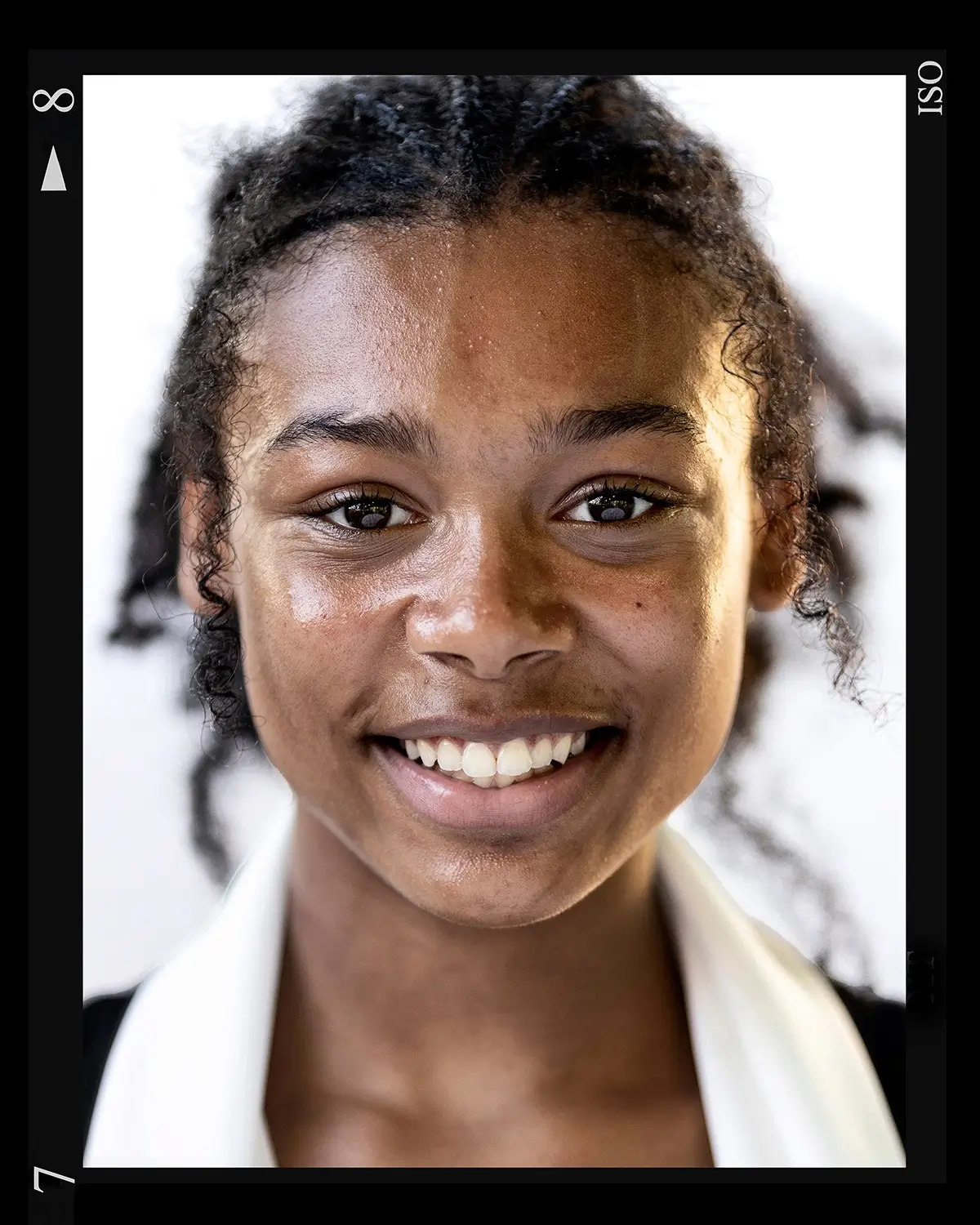
Nyah “Title IX helps me do better everyday” from the series 'Eyes on Title IX' © Cheryl Clegg
Title IX, enacted as part of the Education Amendments of 1972, transformed opportunities for girls and women by requiring equal access to education and athletics. Before its passage, female athletes often faced limited participation, fewer resources, and unequal treatment.
This portrait series explores the human impact of that change through close-up photographs of women and children of diverse races and ages who have benefited from Title IX. Each subject is photographed in close proximity, removing distraction and inviting a direct, personal encounter.
Their gaze becomes a quiet assertion of presence, confidence, and possibility.
Each portrait is paired with a personal quote, grounding the image in lived experience. These voices turn policy into story, forming a multigenerational conversation about opportunity and the lasting effects of equity.
This work reflects not only on the past fifty years of Title IX, but on the generations shaped by it and those still to come. It honors the courage of those who demanded change and the resilience of those who continue to expand its promise.
www.cleggphoto.com
@cherylcleggphoto
All About Cheryl Clegg