AAP Magazine is pleased to announce the 25 winning photographers of Issue #54: Nature, an international photography competition celebrating the beauty and diversity of the natural world. This edition brings together a vibrant selection of photographic projects from around the globe, each offering a unique and captivating view of nature in its many forms.
Thousands of photographers from every corner of the world submitted their work for this issue, creating a rich and varied tapestry of visual perspectives. From sweeping landscapes and remote wilderness to intimate studies of flora, fauna, and natural textures, the selected series reveal how nature continues to inspire creativity, wonder, and connection. The 25 winners represent multiple countries and cultural backgrounds, highlighting the global reach and universal appeal of nature photography.
For Issue #54: Nature, AAP Magazine celebrates diverse projects that capture the richness of the natural world. The winning series invite viewers into immersive visual journeys, revealing the planet’s many moods—from serene beauty and vibrant color to quiet mystery and powerful intensity. Together, these projects form a multi-layered portrait of nature, showcasing its endless variety and timeless allure.
Published monthly, AAP Magazine showcases both emerging and established photographers whose work expands the boundaries of contemporary photography. Issue #54 honors artists whose images convey strong personal vision, technical mastery, and a deep appreciation for the world around us.
Below, each of the 25 winning photographers is presented individually, offering a closer look at their work and the unique perspectives they bring to this edition dedicated to Nature.
The Winner of AAP Magazine 54 Nature is Isabella Tabacchi (Italy) with the series 'Resiliency of Nature'
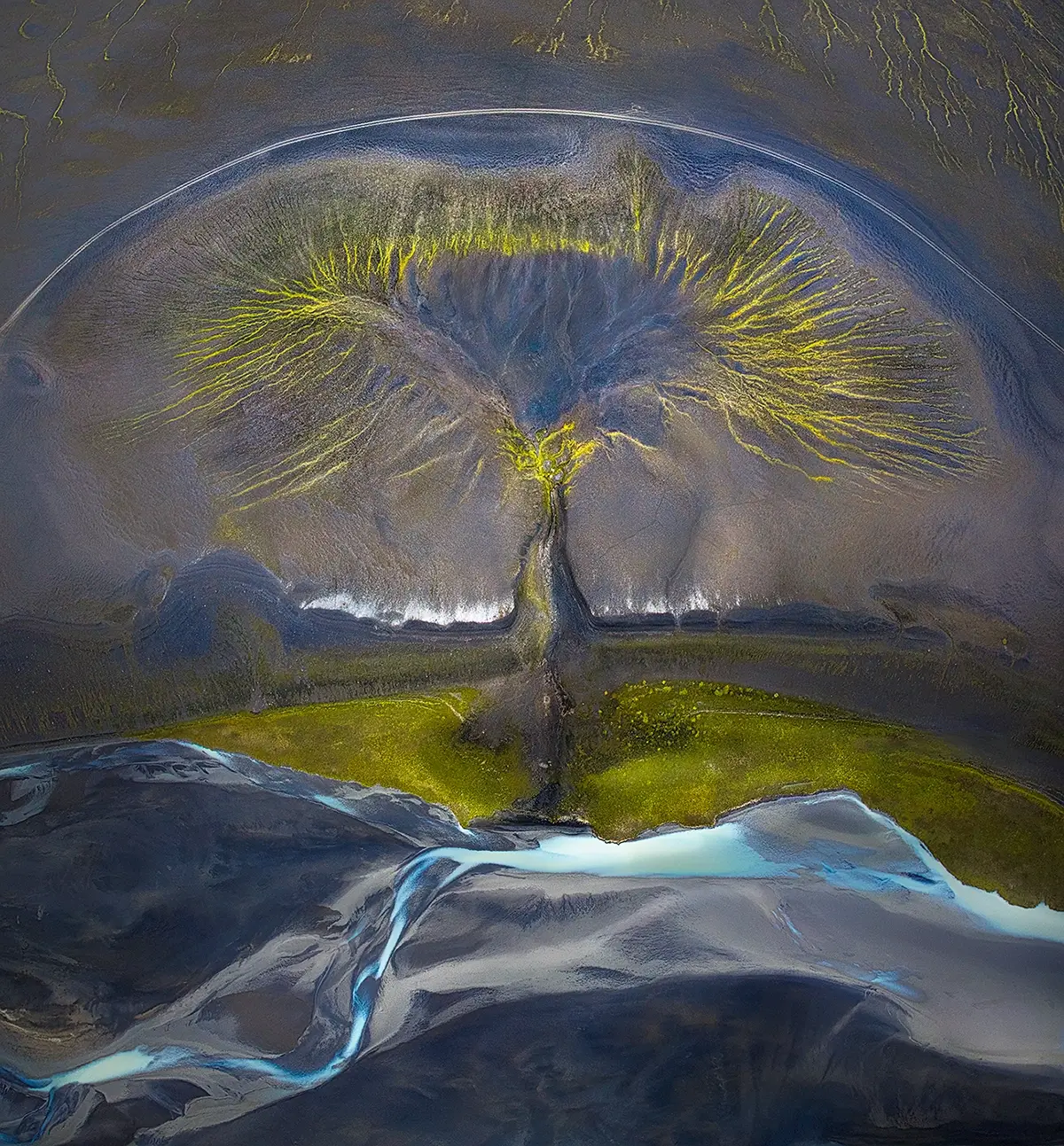
Tree of Life from the series 'Resiliency of Nature' © Isabella Tabacchi
This is an aerial view of Iceland’s highlands where braided glacial rivers
and mineral-rich streams form a natural pattern resembling a glowing
tree. Vibrant yellow-green branches spread across dark volcanic terrain,
while a pale blue river curves like roots below. This rare formation
shows nature’s artistry, where water, sediment, and light create a living
symbol of Earth’s resilience.
www.isabellatabacchi.com
@isabellandscapes
facebook.com/isabellandscapes
All About Isabella Tabacchi
The Second Place Winner is Marco Di Marco (Italy) with the series 'Restless Island'
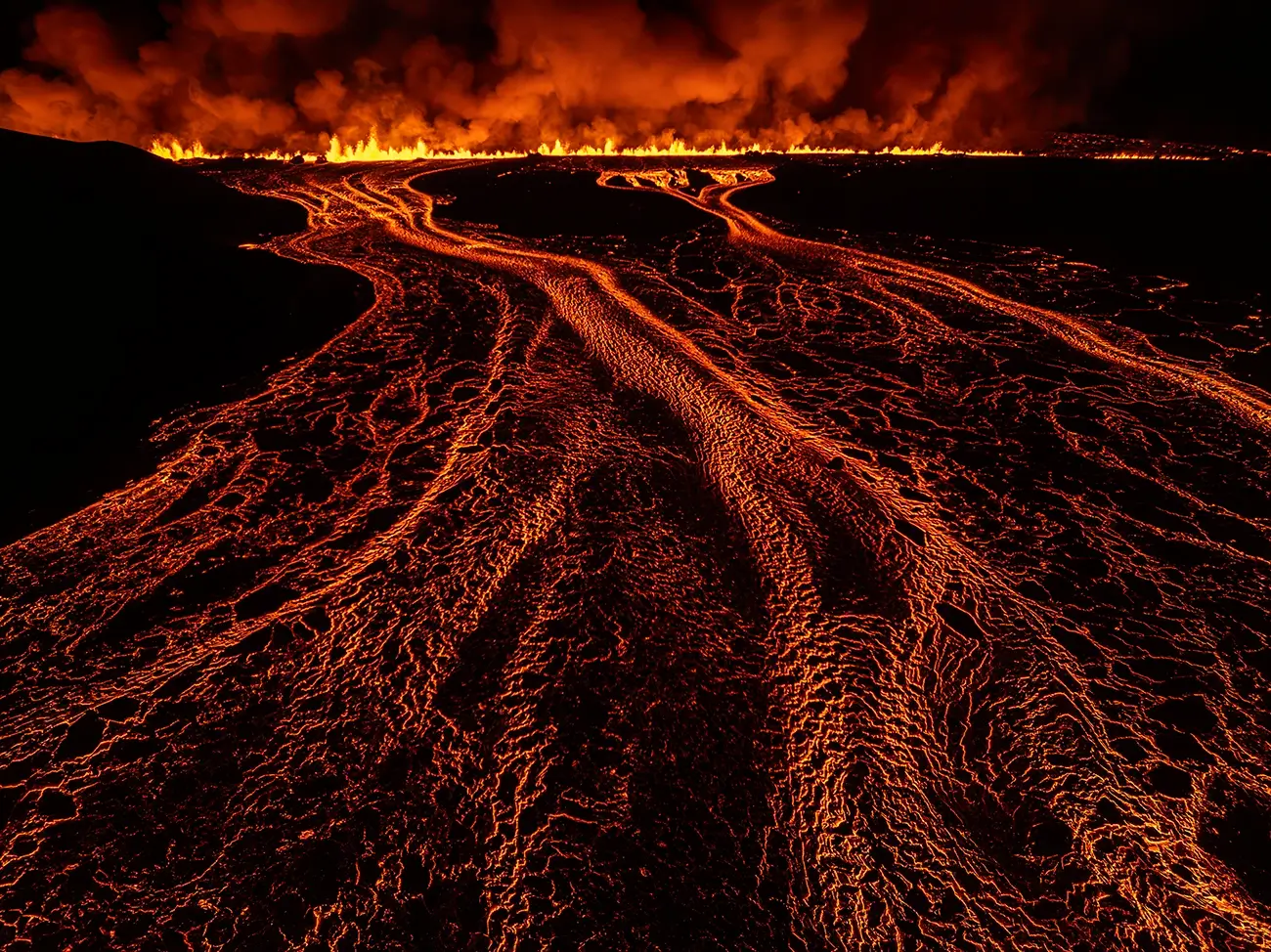
Earth Veins from the series 'Restless Island' © Marco Di Marco
Iceland, an island that rarely feels completely still. These four photographs were taken around recent eruptions, in the highlands and on the coast. The first image shows active lava channels at night fed by a several kilometer long eruptive fissure. Another shows a lava flow front reaching and engulfing a road, surrounded by snow-covered terrain. The third photograph is a partly frozen highland lake with meltwater and sediment, with a car on the shore to give scale. The last picture is a close view of a puffin resting on a cliff, tired but still alert.
I am interested in how fire, water, rock and wildlife share the same small area. Nature here is not just a setting for pictures. It shapes how people move, work and spend their days, and it can change quickly. With this series I try to show a small part of that everyday environment, not only the most dramatic single moment.
marcodimarco.photo
@marco.d.marco
All About Marco Di Marco
The Third Place Winner is Eduardo Salvador (Spain) with the 'series 'Inside the macro world'
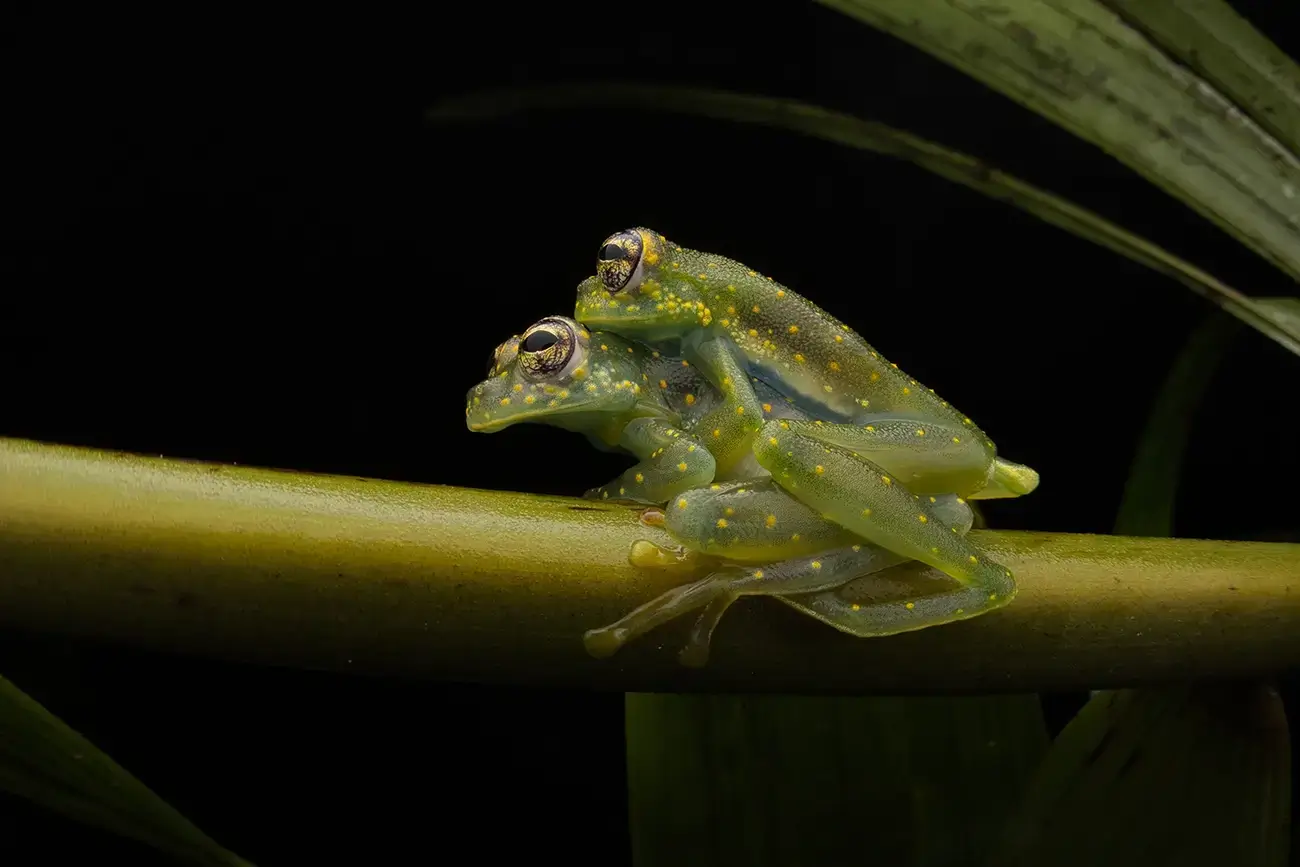
Glass embrace from the series 'Inside the macro world' © Eduardo Salvador
I was exploring the Costa Rican jungle in Drake Bay when I came across this beautiful scene, a pair Cascade glass frog (Sachatamia albomaculata) in amplexus. Its pretty yellow spots and eyes looked like came from another planet, and at the same time conveyed how fragile they are.
@thebugvoice
Thebugvoice on FB
All About Eduardo Salvador
MERIT AWARD GALLERY
Abilio Magalhães (Portugal)
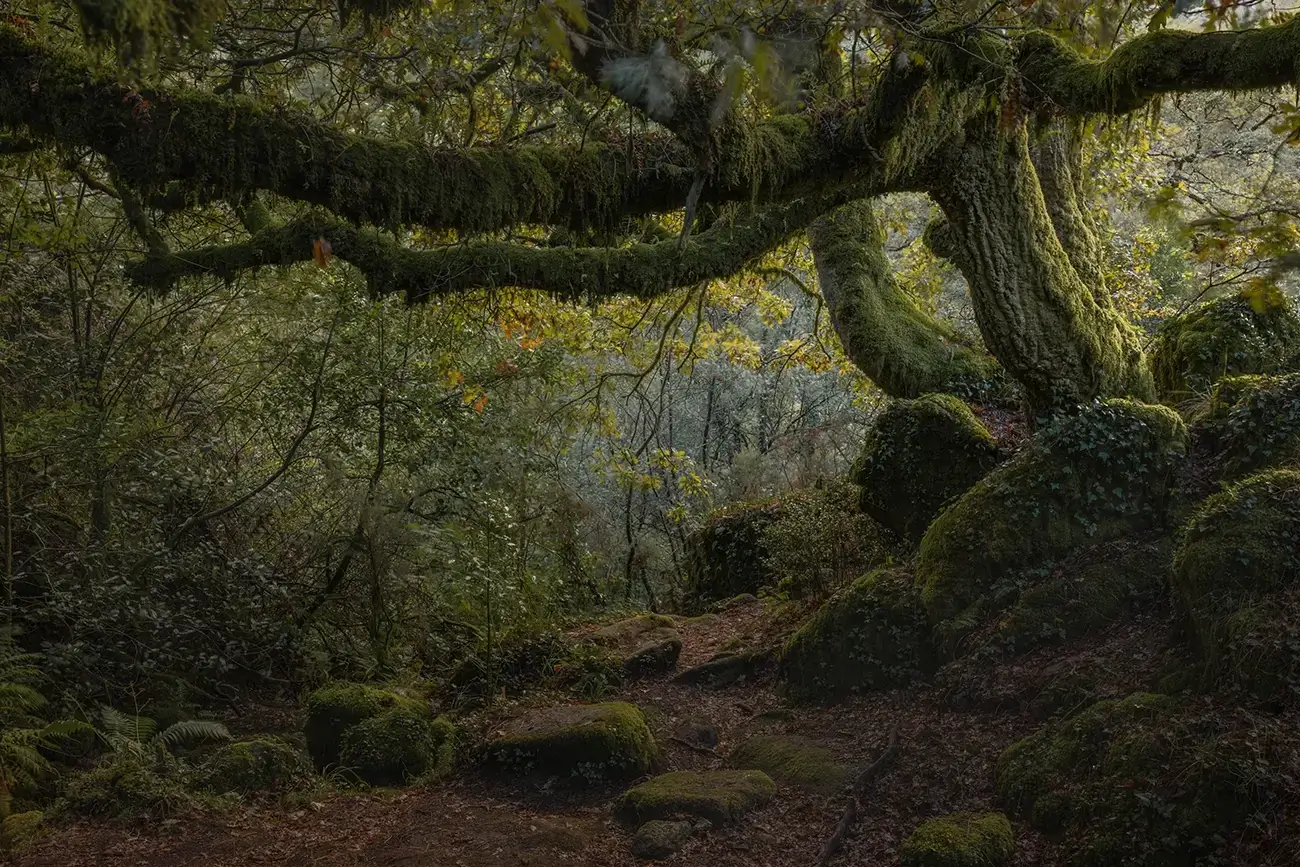
Last Stretch from the series Intimate landscape © Abilio Magalhães
This photograph was taken on the Trilho da Preguiça trail, in the Serra do Gerês.
The route is circular and relatively easy, but near the end I decided to explore the slope of the terrain and, almost unexpectedly, I came across this tree, whose branches conceal an old path, keeping it secret.
The morning was beginning to take shape, and the sun climbed along the trunk as if it were gently caressing it.
Sometimes we find magnificent trees in the forest.
But this one guards a secluded corner, an intimate landscape, a small secret waiting to be contemplated.
@magalhaes_abilio
Michael Ritzie (United States)
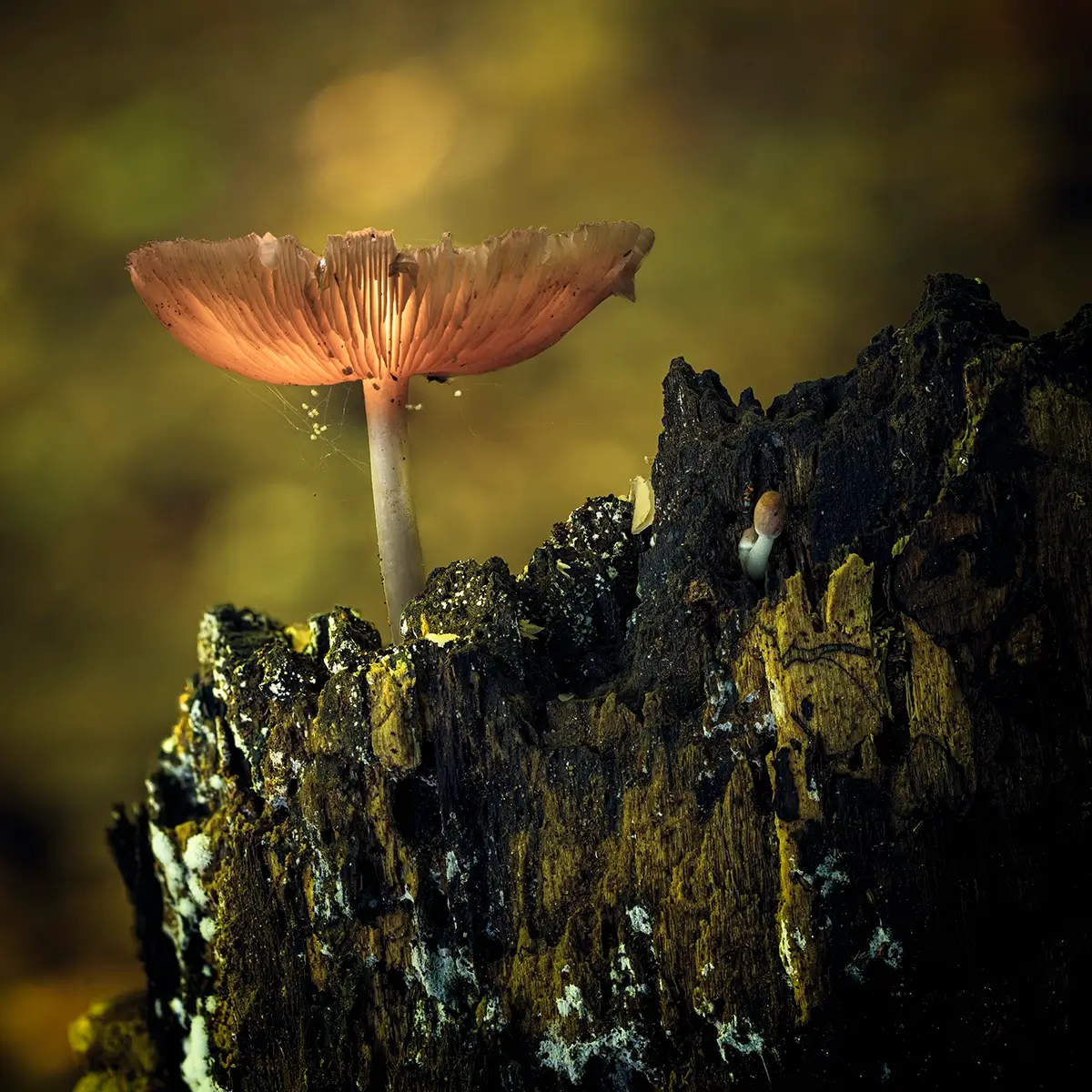
Mushroom – Number 05 from the series 'I’m A Fun Guy' © Michael Ritzie
I love the quiet, magical feeling mushrooms bring to the forest. Small and often unnoticed, they remind me of tiny street lamps, softly lighting the way for the creatures that live among the leaves and fallen trees. This series is about slowing down and paying attention to those small moments. By focusing on mood and color, I hope to invite viewers into a hidden world where imagination and nature meet, and where these mushrooms become gentle points of light in the forest.
www.papamikeimages.com
@papamikeimages
www.facebook.com/Michael.Ritzie
Gary Wagner (United States)
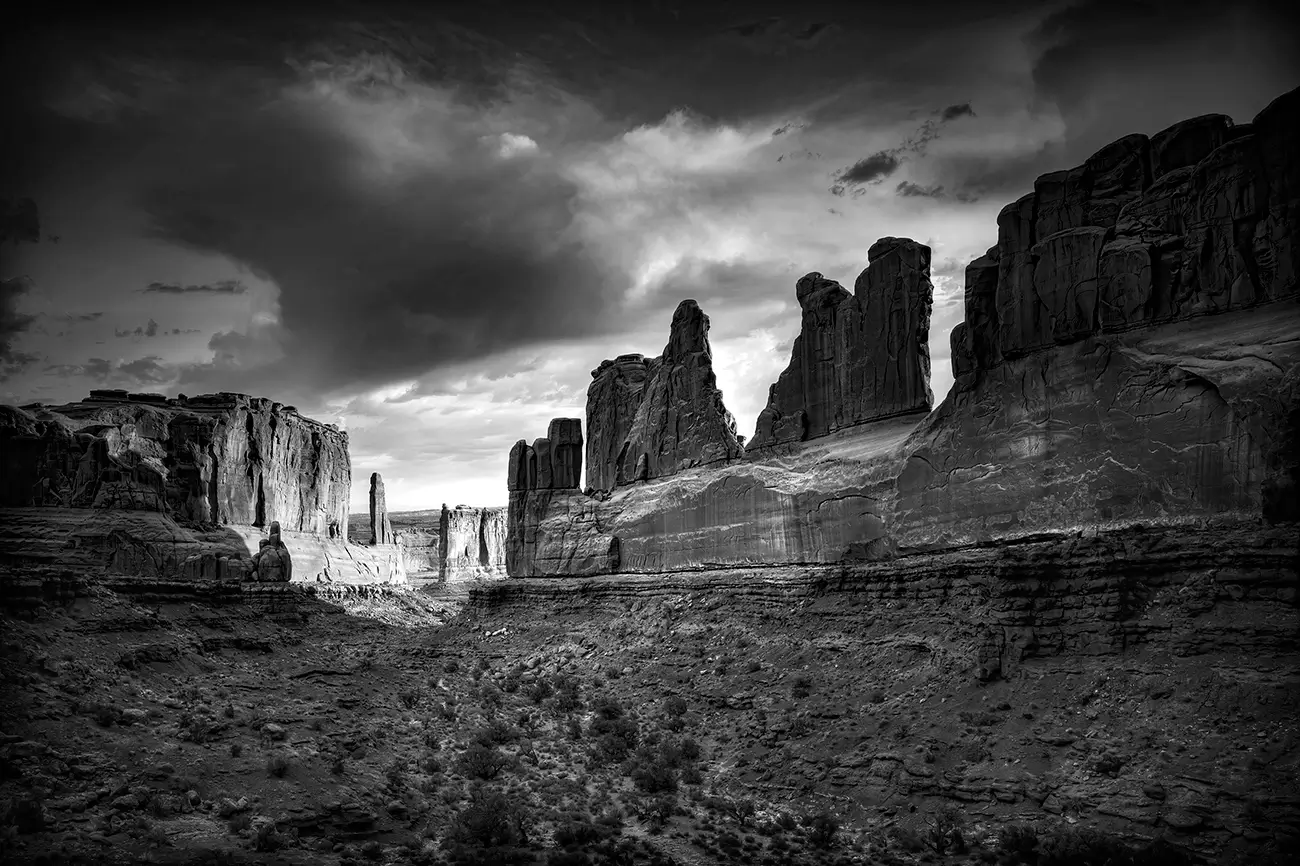
Morning light Park Avenue from the series ' Sacred Spaces: National Parks and the Soul of America’s Wild Places' © Gary Wagner
Photographer Gary Wagner captures the timeless majesty of America’s National Parks through a masterful lens. His evocative images reveal the ever-shifting interplay of light, shadow, and landscape, inviting viewers to experience the wild places that shape the nation’s soul. With a keen eye for elemental beauty and a deep reverence for nature, Wagner’s photographs transform familiar vistas into sacred spaces with each frame a meditation on the enduring power and quiet drama of the American wilderness.
www.garywagnerphotography.com
@garywagnerphoto/
www.facebook.com/garywagnerphotography
All About Gary Wagner
Julie Wang (United States)
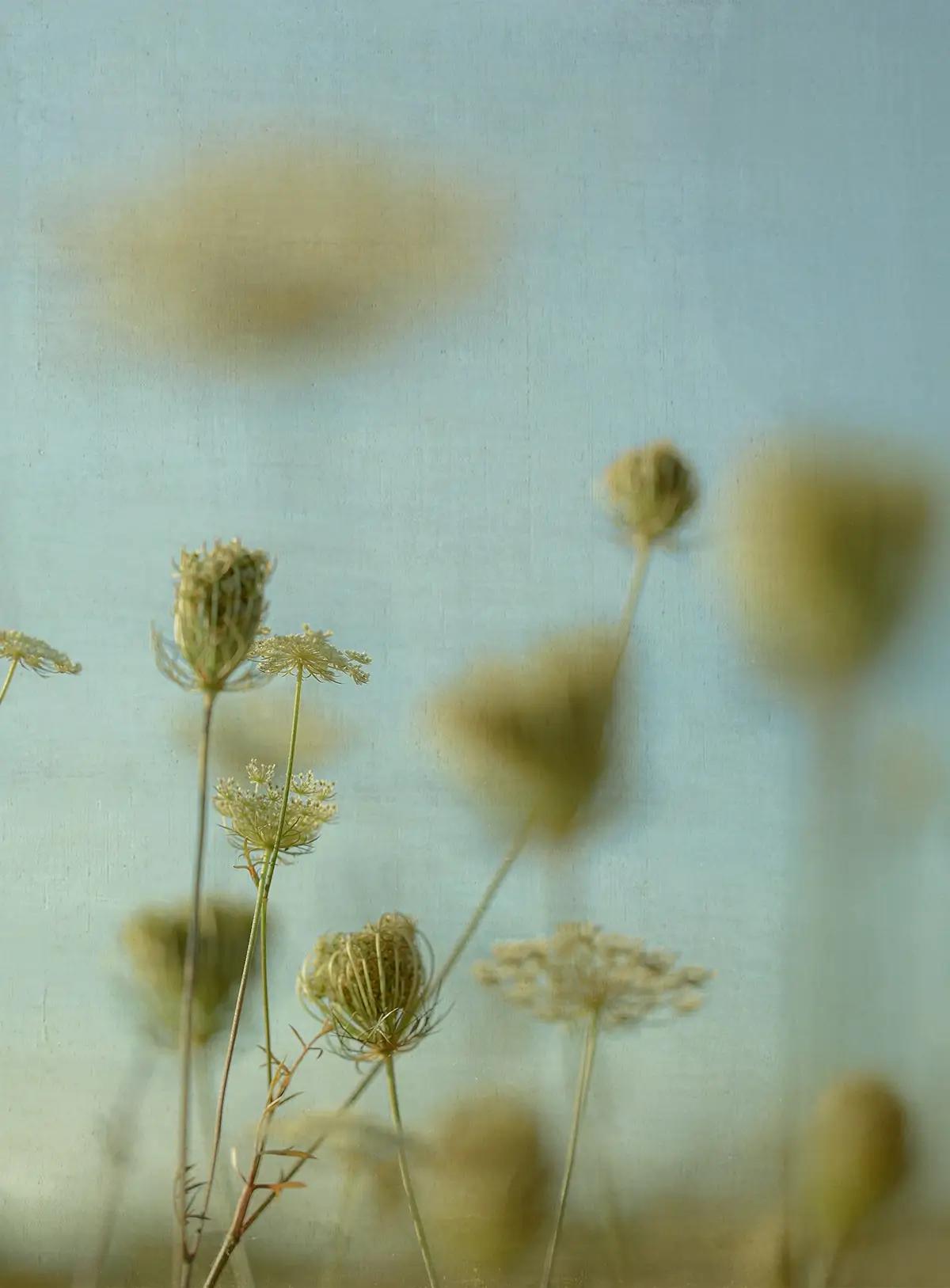
Drifting Stillness from the series 'Many Lives in A Flower' © Julie Wang
Many Lives in A Flower is a photographic series inspired by traditional Chinese Song-dynasty painting, using Queen Anne’s Lace as a recurring subject. Rather than documenting the flower, the work explores its shifting states through light, focus, and atmosphere, allowing one form to hold multiple lives. Emptiness, softness, and restraint echo the Song tradition, where spirit is valued over form and time unfolds quietly through attentive seeing.
www.juliewangsimages.com
@juliewangsimages
All About Julie Wang
Benoit Rondelet (Belgium)
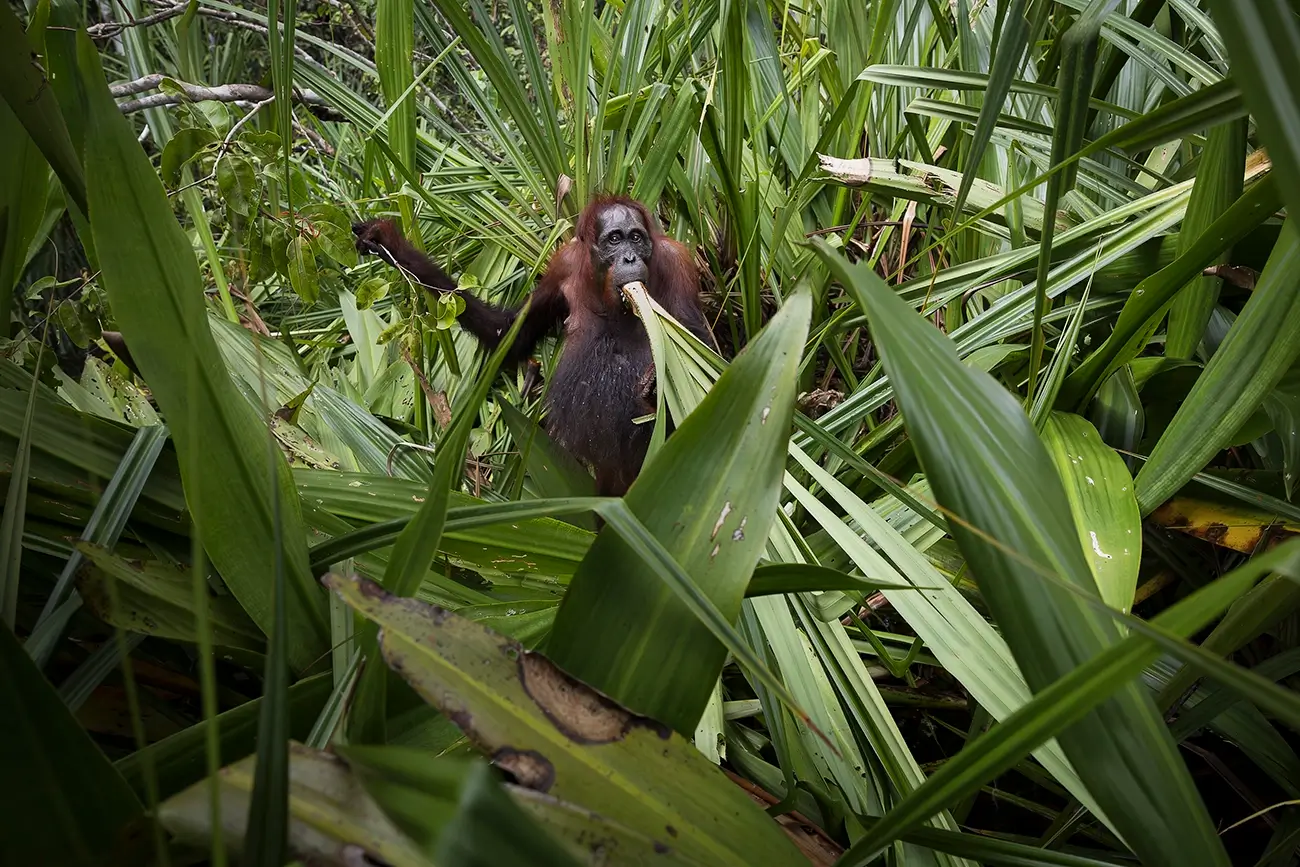
Picnic from the series 'The vulnerable temple of the orange spirit' © Benoit Rondelet
The name orangutan comes from the Malay word orang hutan, which literally means man of the forest. This great ape lives in the treetops and tirelessly roams the canopy in search of fruit, leaves, and insects. Orangutans, of which there are three species, have reddish-brown, shaggy fur and prehensile hands and feet. Their powerful arms are longer than their legs and can reach two meters in length. These mammals spend most of their time in the trees searching for food. Orangutans live in primary and secondary forests. Although they can be found at altitudes of over 1,500 meters, they primarily inhabit lowland areas and prefer river valley forests or floodplains. The orangutan now survives only on the islands of Borneo and Sumatra. Its disappearance is due to deforestation, hunting, industrial oil, rubber and pulp plantations, mining, urban expansion, forest fires and illegal trafficking. In 20 years, orangutan populations have lost 80% of their territory and have declined by half. Orangutan conservation programs pursue numerous objectives aimed at ensuring the overall protection of these animals and their habitat. Rescue and rehabilitation: Threatened orangutans are rescued, rehabilitated, and prepared for reintroduction into the wild. Rainforest protection: Protecting remaining rainforests is essential to preserving the orangutans' natural habitat. Combating poaching and the illegal wildlife trade: Active measures are implemented to protect orangutans and other endangered species. Biodiversity monitoring: Biodiversity is monitored to ensure the health of ecosystems. Environmental education: Awareness campaigns are conducted with children and adults to inform them about environmental protection and the conservation of orangutans.
@benoit.rondelet.photography
All About Benoit Rondelet
Tracy Burke (United States)
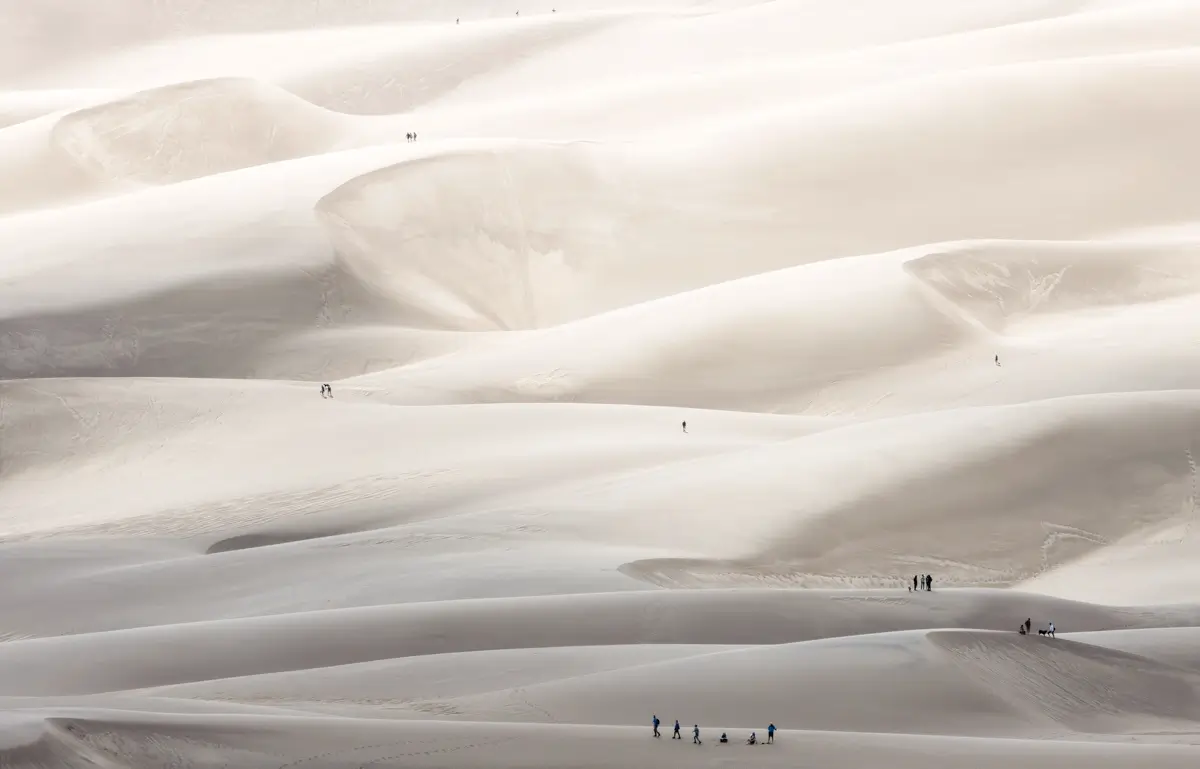
Dunes 7 from the series 'Thresholds' © Tracy Burke
At Great Sand Dunes National Park, the landscape unfolds into soft, shifting planes of sand. Human figures appear sparingly, almost incidental, moving through a place that feels vast, unmoored, and otherworldly. The photograph holds a moment of passage rather than arrival.
tracyburkephotography.com
@tracyburkephotography
All About Tracy Burke
Nat Coalson (United Kingdom/United States)
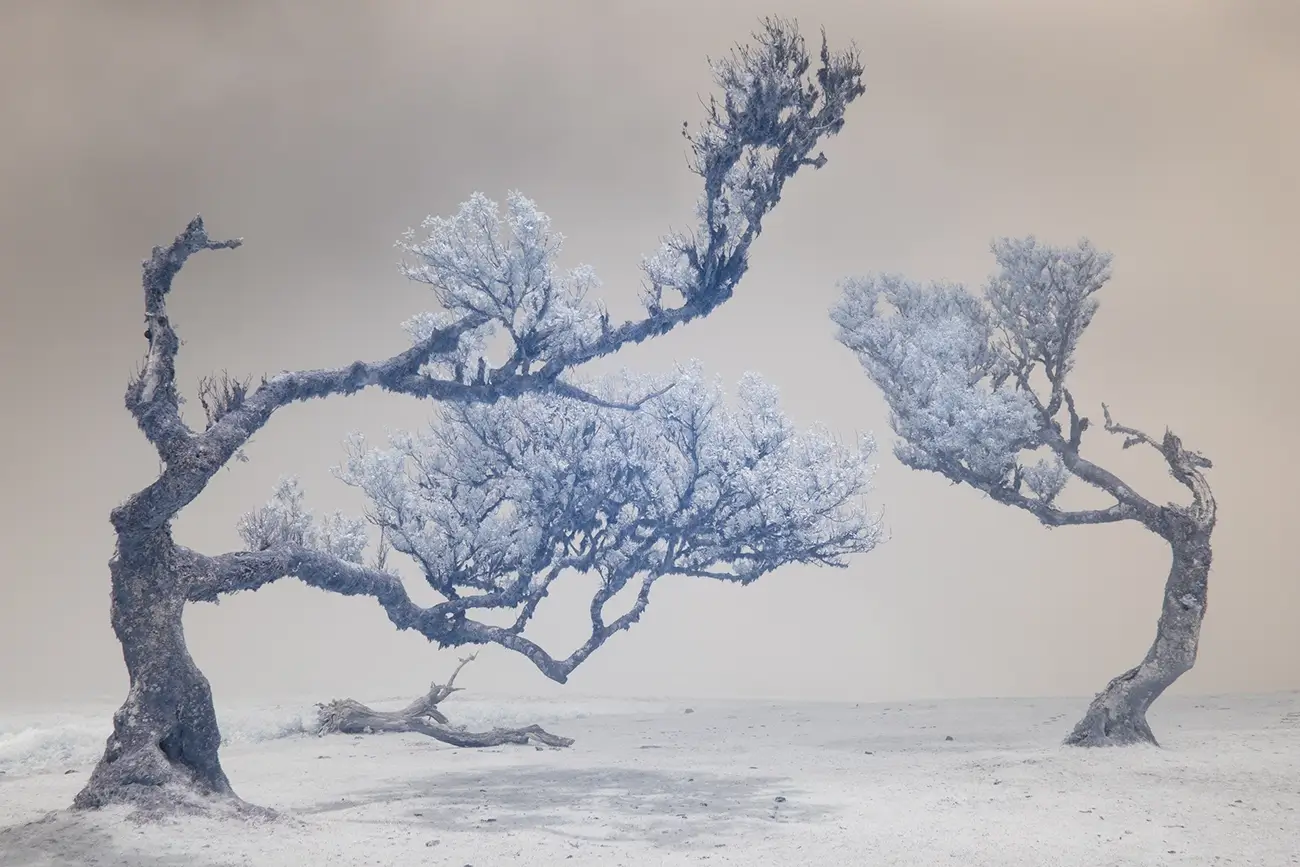
Vira Laurisilva from the series 'Flora da Madeira' © Nat Coalson
During the summer of 2025 I spent a glorious week photographing the incredible botany found all over the magical island of Madeira. I produced a series of infrared photographs using a Sony mirrorless camera with the sensor converted for 720nm. One of my favourite locations was the ancient laurel forest at Fanal. The selected image presents these beautiful trees against the ever-present mist. The vira is a traditional dance from Portugal, an apt description for the lovely forms of the trees flowing, bending and reaching toward one another.
natcoalson.com
@natcoalson
All About Nat Coalson
Xiaoping Lin (China)
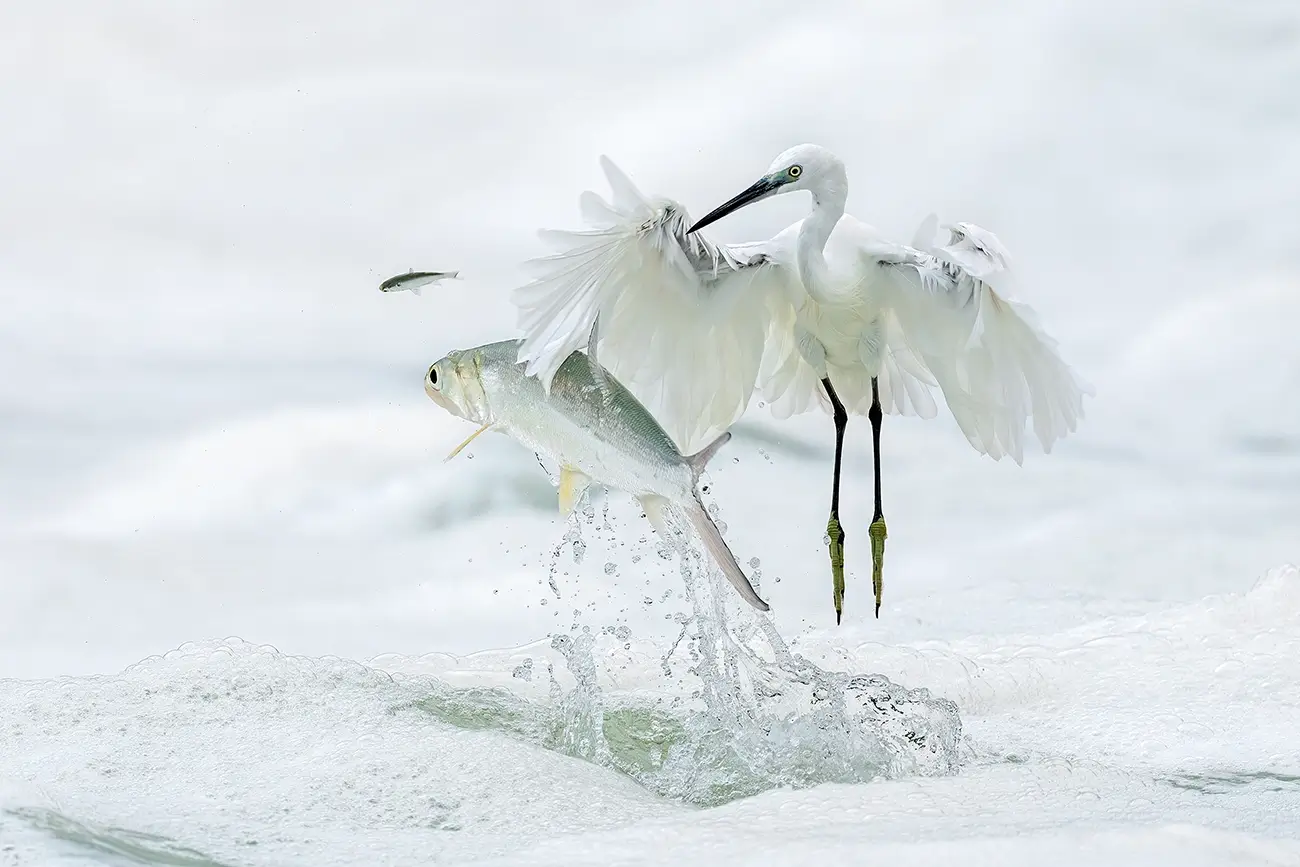
Pass By from the series 'The Epic of Survival in the Waves' © Xiaoping Lin
The big fish chased the small fish and rushed out of the water together, passing the egret. The egret looked surprised and did not know where the small fish would go under the laws of nature? Just like a poem: I passed you by. You hurried here. Before I noticed, you had gone far away, leaving me a regretful back.
The Epic of Survival in the Waves: The life struggle between egrets and fish
Xiamen people deeply love egrets. By protecting the environment and using the tides to bring seawater into the lake, they not only purified Yundang Lake but also provided abundant food for the egrets. This gave rise to the spectacular sight of egrets and big fish competing for small fish - the Egret and Fish Flying Together phenomenon.
This series of photographs records the most primitive struggle in nature with an almost cold perspective. Each frame is a silent annotation of survival of the fittest. Under the attack of the big mouth and sharp beak, the struggle of the small fish's weak life is captured, allowing us to confront the cruel essence of survival. However, what surges in the depth of the lens is not just slaughter, but the astonishing tension of life in the face of despair. Through the churning waves, we seem to see ourselves: sometimes we are like egrets, taking all the advantages; sometimes we are like big fish, getting nothing; and more often, we are like small fish, struggling to survive in the cracks. These flickering glimmers of life are actually the deepest metaphor of human civilization - even though we wear the cloak of civilization, our innermost instincts for survival are no different from those of all living things.
When the water calms down, the images leave an eternal question: when we gaze at this struggle, apart from seeing the law of the jungle, can we also touch a kind of life dignity that transcends the natural law? The battle between egrets and big fish in the waves ultimately becomes a mirror reflecting human nature. It not only reveals our wild genes that are the same as all living things but also calls for the awakening of the spirit. Only by understanding the survival epic behind every scar can humanity truly learn to pay the deepest respect to life itself.
@xiaoping.photo
All About Xiaoping Lin
Graham Hobart (United States)
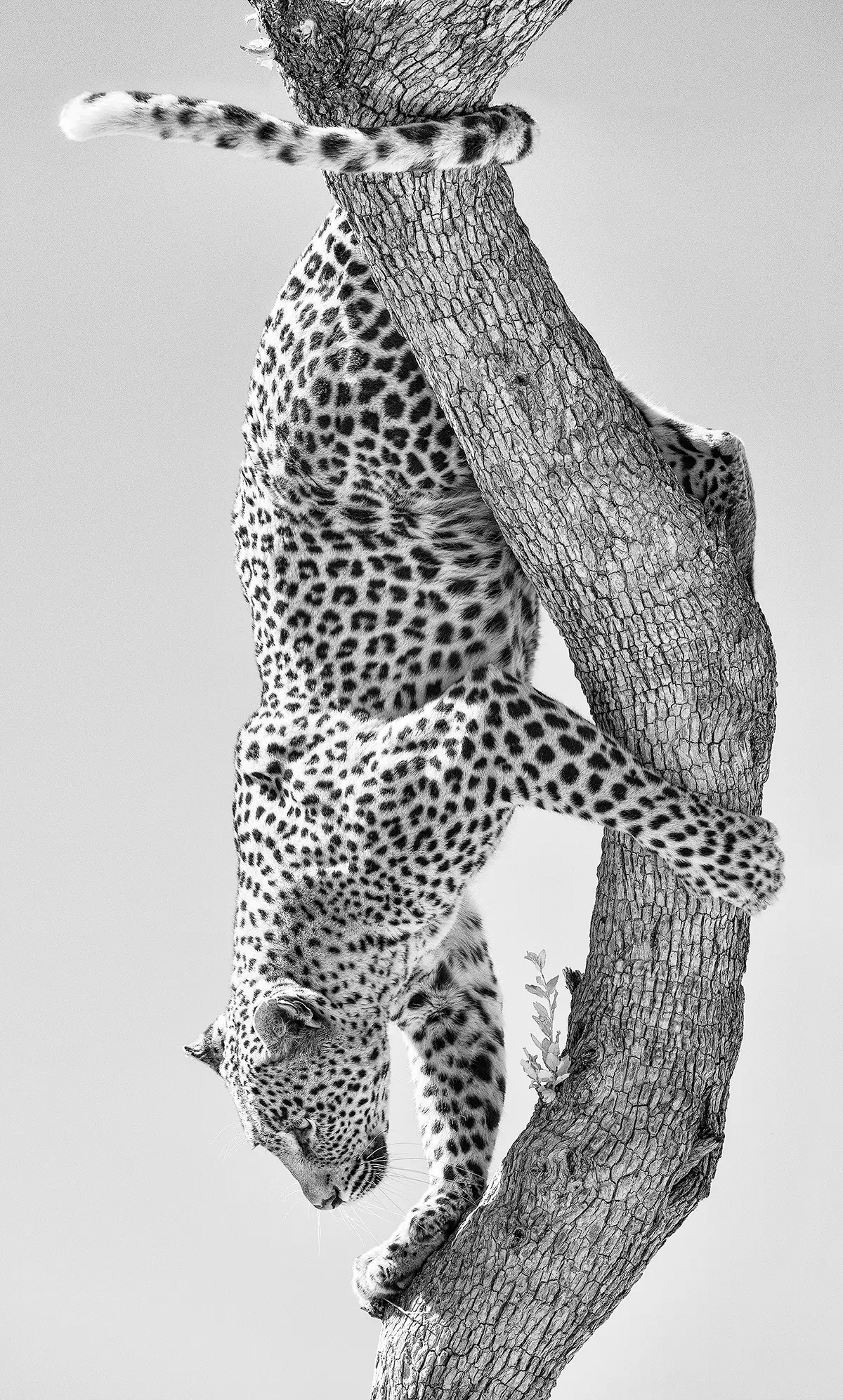
Leopard descends tree #1 from the series 'AFRICA - In a Different Light' © Graham Hobart
Regaining what has been lost.
Some activist photographers use shock and guilt as tools to bring attention to the plight of the natural world. Equally dismaying are photos depicting pristine images of Nature at its most beautiful, which can leave the viewer with the mistaken notion that all is well.
Harnessing the unique qualities of infrared photography, Graham Hobart creates images reminiscent of old Victorian lithographs by artists like Thomas Baines and other early African explorers during the late nineteenth century.
Hobart’s images evoke a haunting nostalgia for a bygone era by transporting us to a time to when animals roamed freely. His work challenges us to give the overly stressed wild areas the space to heal as we learn to reestablish our coexistence with the natural world.
Hobart believes we never fully experience life without first getting close to nature. He implores us to tread lightly where we walk and listen carefully to all the plants and creatures around us.
“Each of us must acknowledge that we must share this beautiful world with all its inhabitants or lose it.”
grahamhobart.com
@grahamhobartphotography
All About Graham Hobart
Stefano Battistelli (Italy)
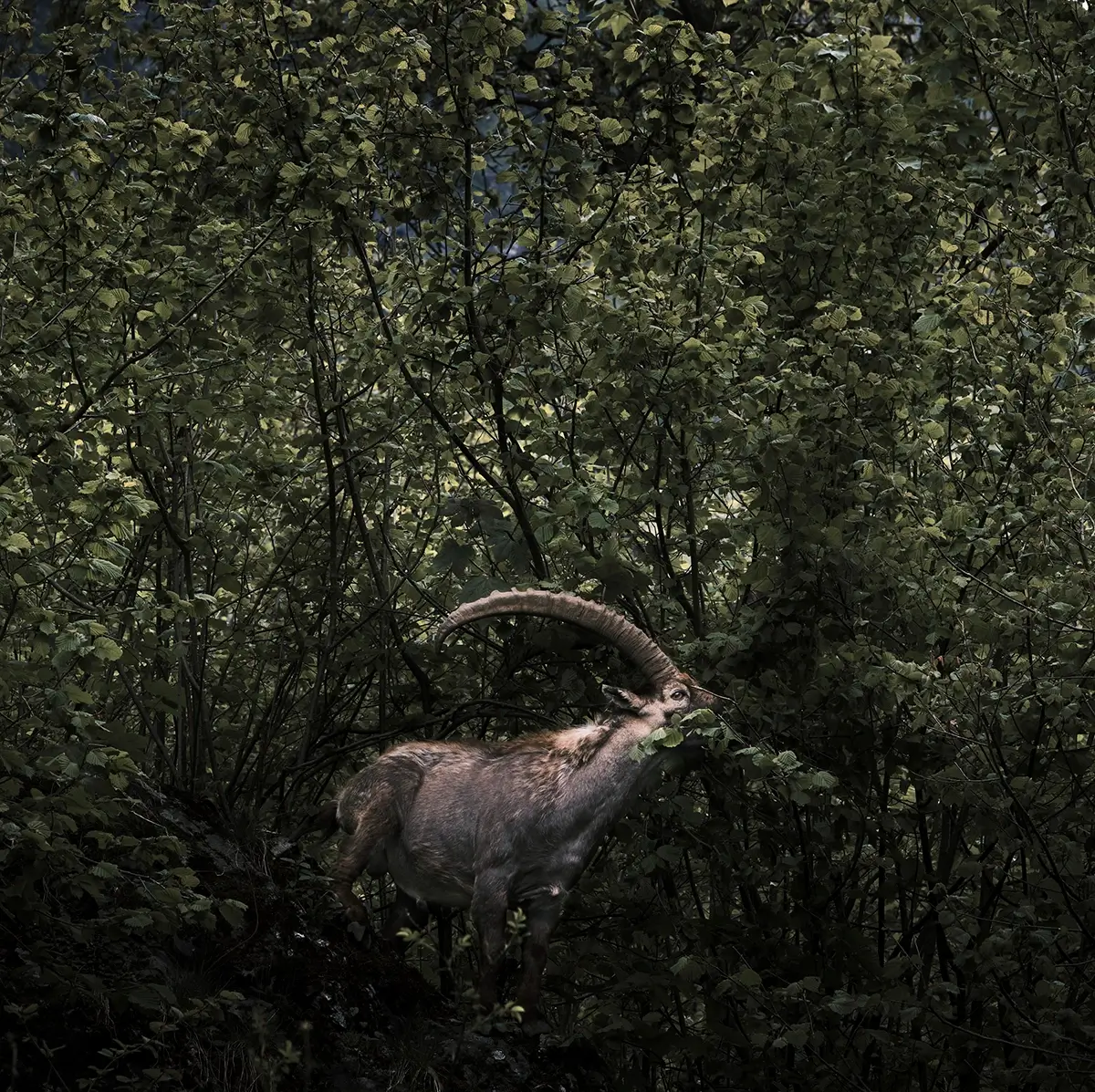
Like in a fairy tale © Stefano Battistelli
I captured this wild ibex in Maslana, in the Italian Alps. On the trail to the mountain hut, I noticed a beautiful male hidden among the green leaves, perfectly lit. Instead of running away, he gave me a few seconds, posing like a model.
www.stefanobattistelli.com
@stefano_battistelli_
All About Stefano Battistelli
Turgay Uzer (United States)
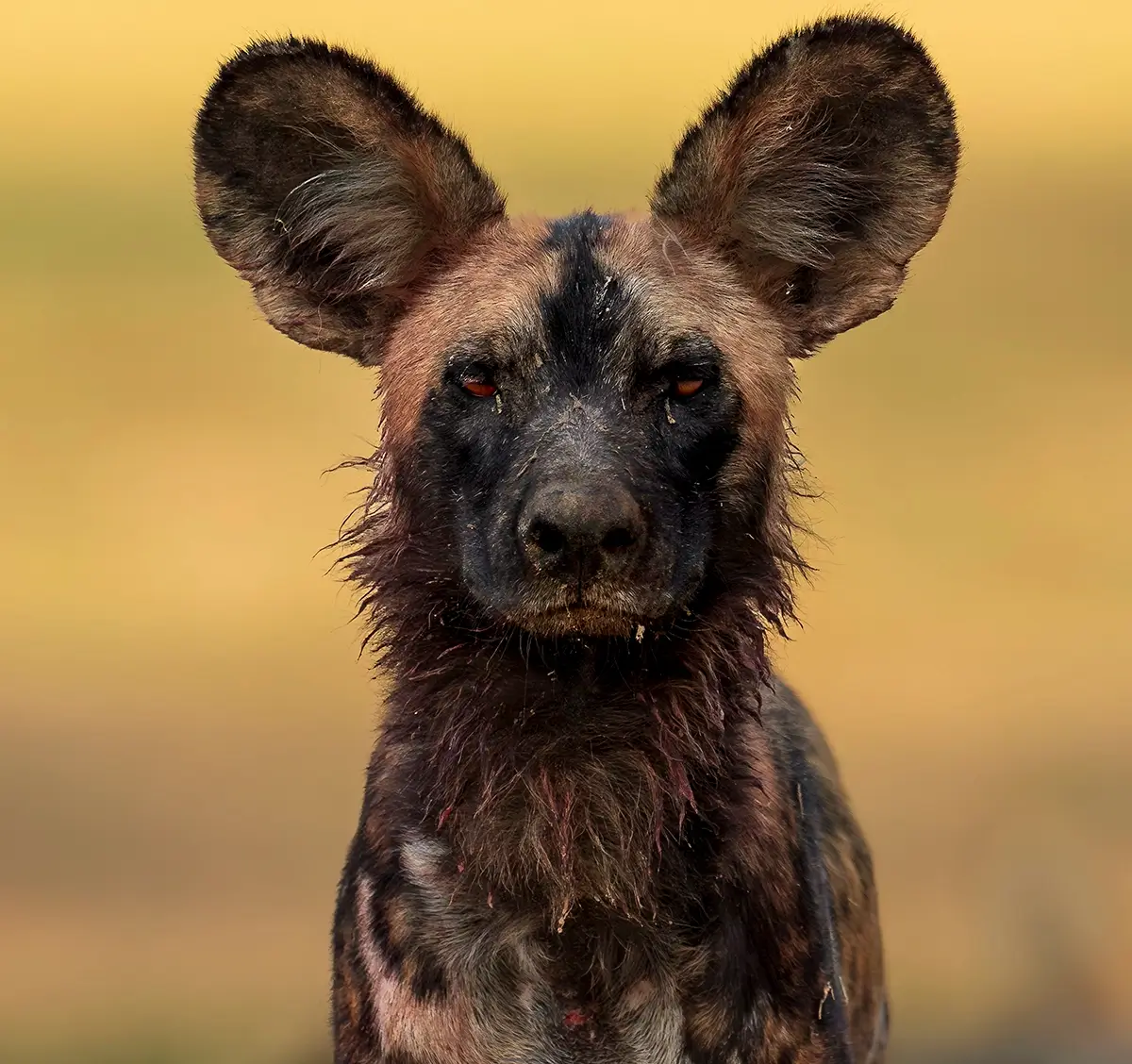
Now is not a good time from the series 'African Wild Dog Portraits' © Turgay Uzer
While on safari we came across a pack of Wild Dogs at rest in Zambia's South Luangwa National Park, which is currently host to several breeding packs. It turned out that they were trying to relax after a successful hunt. They have a great success rate in their hunts which are savage affairs: The prey is usually chased to exhaustion and devoured on the spot within minutes. With good reason, because their hunts are usually shadowed by packs of hyenas hoping to steal their kills. Most successful hunts are followed by vicious fights with hyenas, which are bigger and stronger than the delicately built dogs. You can see the blood from the kill, and the wound from the hyena fight on the face of this grumpy young dog who approached our vehicle to investigate us.
turgayuzer.slickpic.site
@upgrademeforfree
Marta Fiscus (United States)
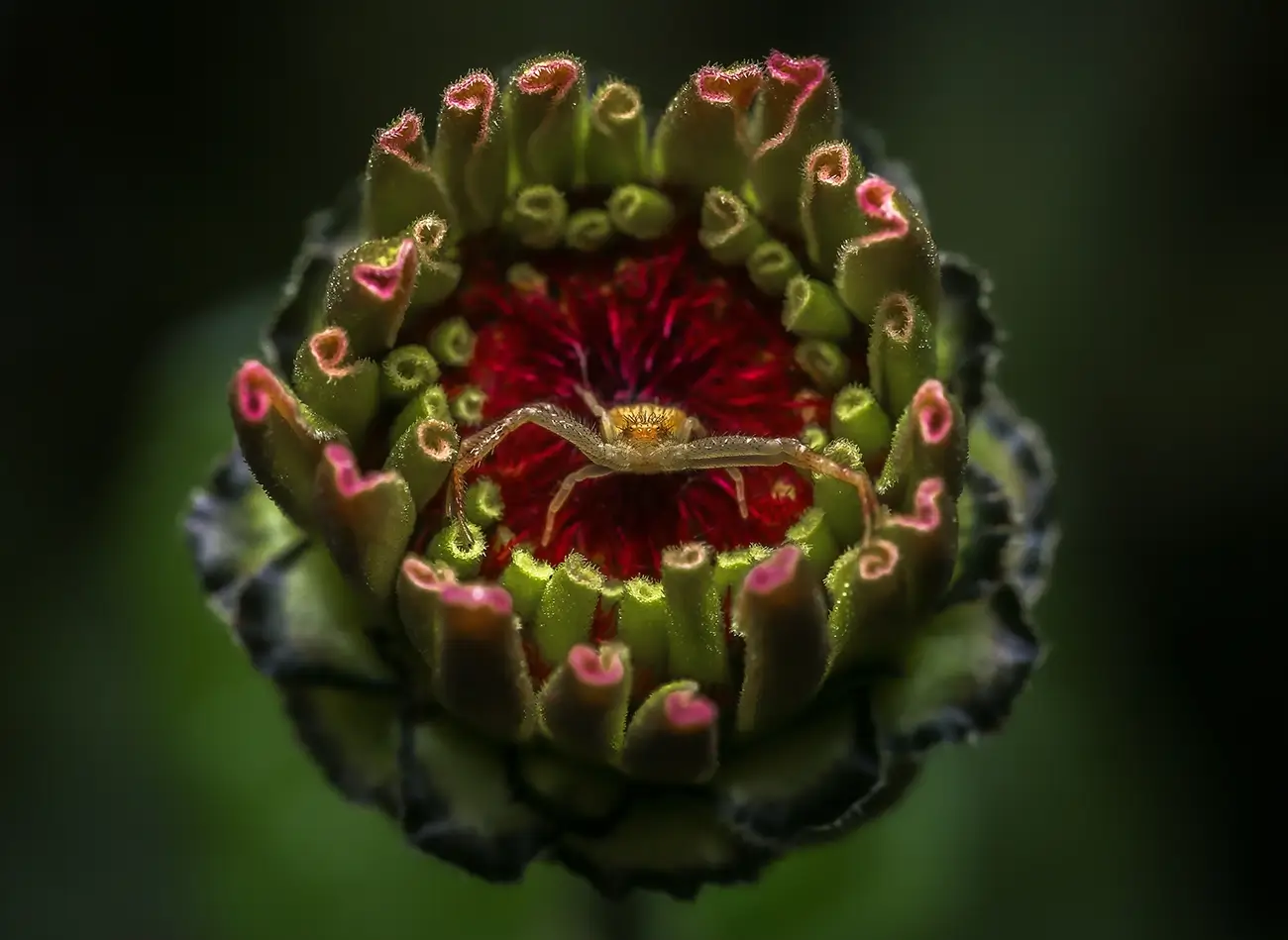
Crab Spider on her Throne from the series ' The Small Stuff'' © Marta Fiscus
An Orchard crab spider claims a little zinnia bud as if sitting on a velvety cushion surrounded
by gem-like petals. She establishes a regal presence as if on her throne with a crown of jewels.
I shot this from above using a ladder and 60mm super-macro lens. I used a wide aperture to
capture the parallel surfaces of her tiny face and the emerging petal tips, focused to less than
1mm deep for the smallest detail and soft bokeh.
www.martafiscusphotos.com
@martafiscus
www.facebook.com/marta.fiscus
George Dian Balan (Romania)
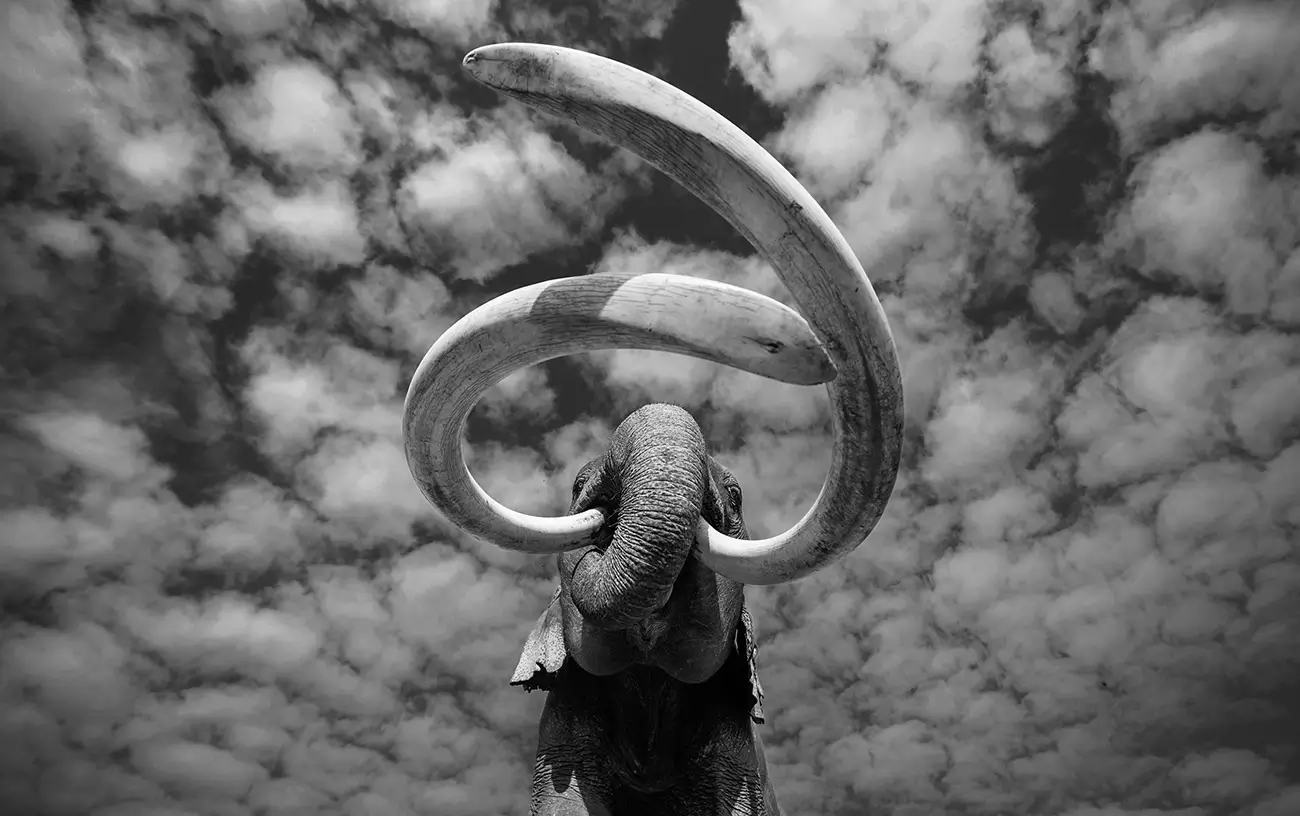
When mammoths ruled the earth from the series 'Dian's legendary super tuskers' © George Dian Balan
The climax of over 50 million years of elephant evolution, this Asian Super Tusker sports tusks of the relative size and shape of the southern mammoth, the ancestor of the woolly mammoth.
While in the very present, we travel back in time. This is the finest elephant amongst great elephants, and as close as one can get to past times that have captured our imagination.
Very few people know that Asian elephants can grow such amazing ivory, as the African big tusked elephants are better known by the public.
This image is timed to portray the moment the bull raised his head while eating, displaying his strongly curved, 9 feet long tusks against the canvas of a sky balanced by glorious clouds.
The low angle of the morning sun lighting the elephant is decisive for the overall esthetics.
@georgedianbalan
All About George Dian Balan
Conrad Peloquin (United States)
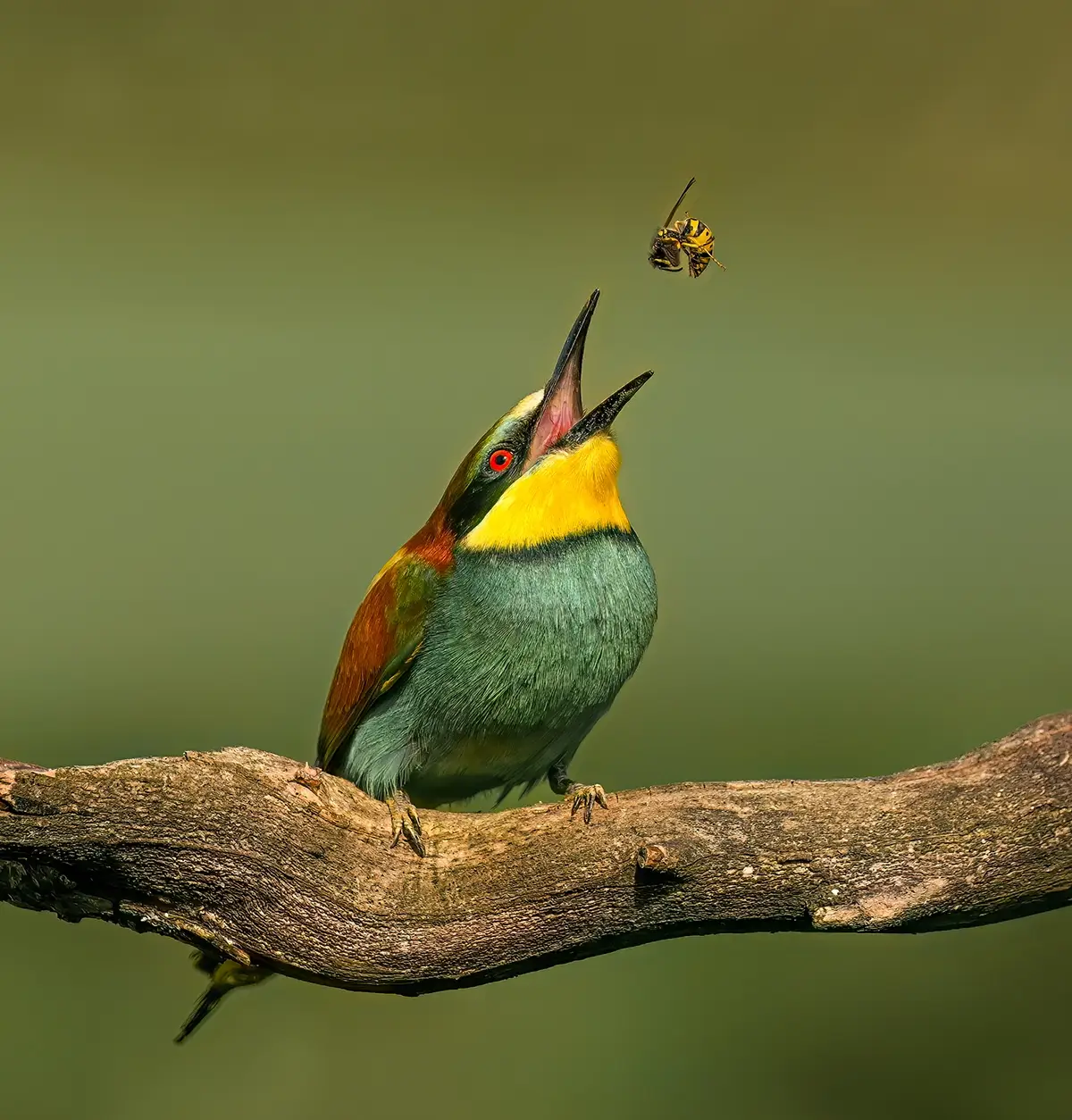
Bee Eater© Conrad Peloquin
On a recent trip to Slovenia, my wife and I decided to stay for a few nights at a winery (I like photography, she likes wine…a win win). Adjacent to the winery was a vineyard. Little did I know that the vineyard would become a fabulous backdrop for not only landscape images, but Bee-eater activity. While we were having a lovely breakfast outdoors, I noticed Bee-eaters zipping around, catching bees and other insects, then the behavior was apparent. They would bring the bee to a branch, toss it in the air, and catch it such that they can smack it to get the stinger and venom out. Then, they would either eat the insect, or present it to their intended mate. This behavior became predictable enough that I was able to get this shot while my wife was choosing her wine for dinner.
conrad-peloquin.pixels.com
Sean Du (United States)
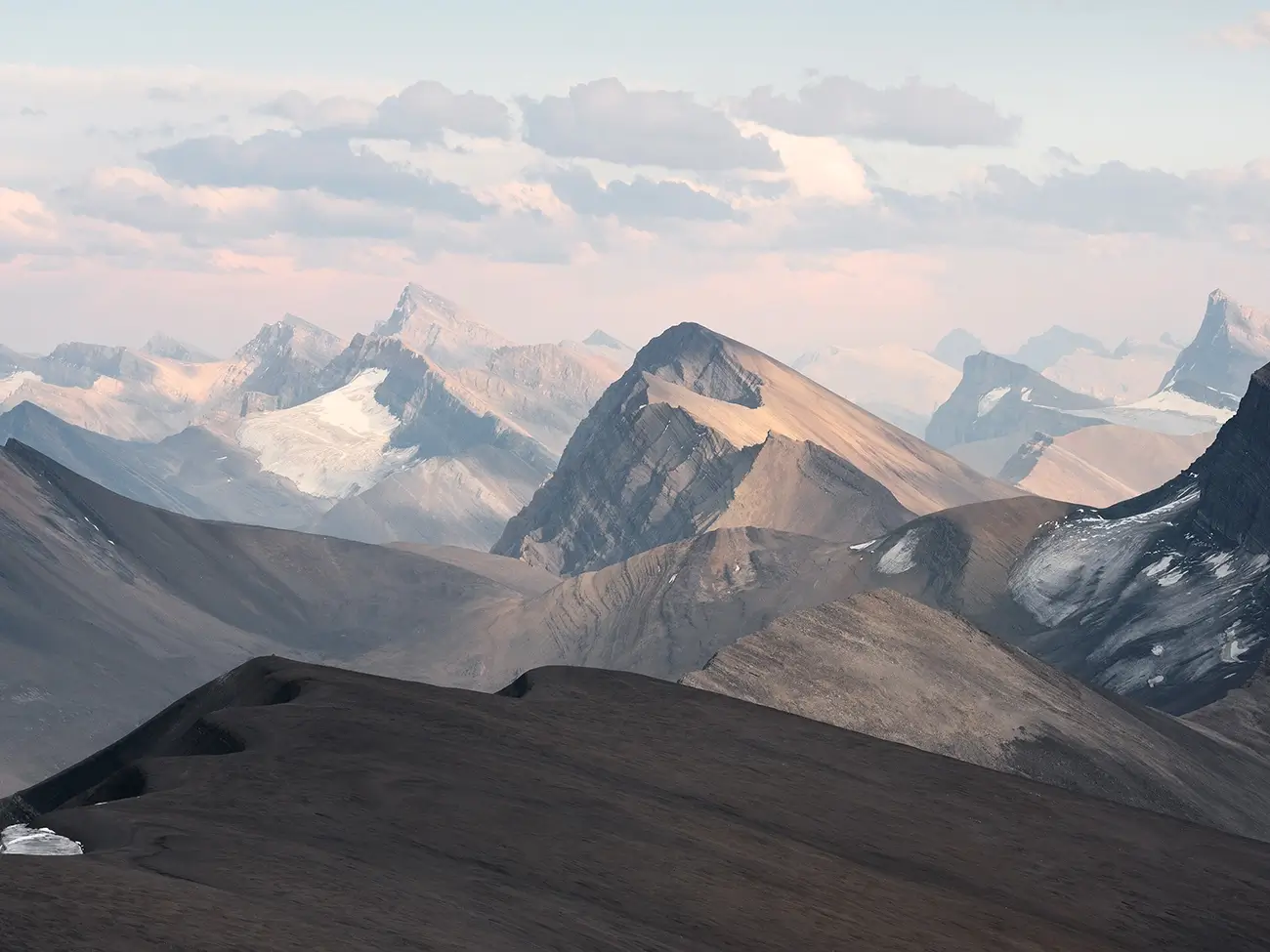
Tangle Ridge, Jasper National Park, Alberta from the series 'Above the Treeline' © Sean Du
Above the Treeline is an ongoing study that seeks to capture, by way of hiking and climbing, seldom-seen views of North America's mountain wildernesses.
Where trees give way to tundra, snow, ice and rock, the power of the Earth-shaping forces becomes evident – as seen in the tilt and fold of the rocks and the remnants of valley-carving glaciers. The physical contact with million-year-old rocks puts the briefness of humans' existence into perspective, but at the same time, establishes an intimate connection between the climber and the Earth. From here, it becomes apparent why the mountains are often referred to as the “beginning places” when one sees trickles of water gaining volume downstream to support complex ecosystems below.
What the mountains have returned to me is a renewed capacity for wonder, but more importantly, I hope my passion for the mountains will inspire a greater sense of connection to the land, for it is key to the protection of the places and things we depend on.
www.seandu.com
@seanduphoto
All About Sean Du
Myrtie Cope (United States)
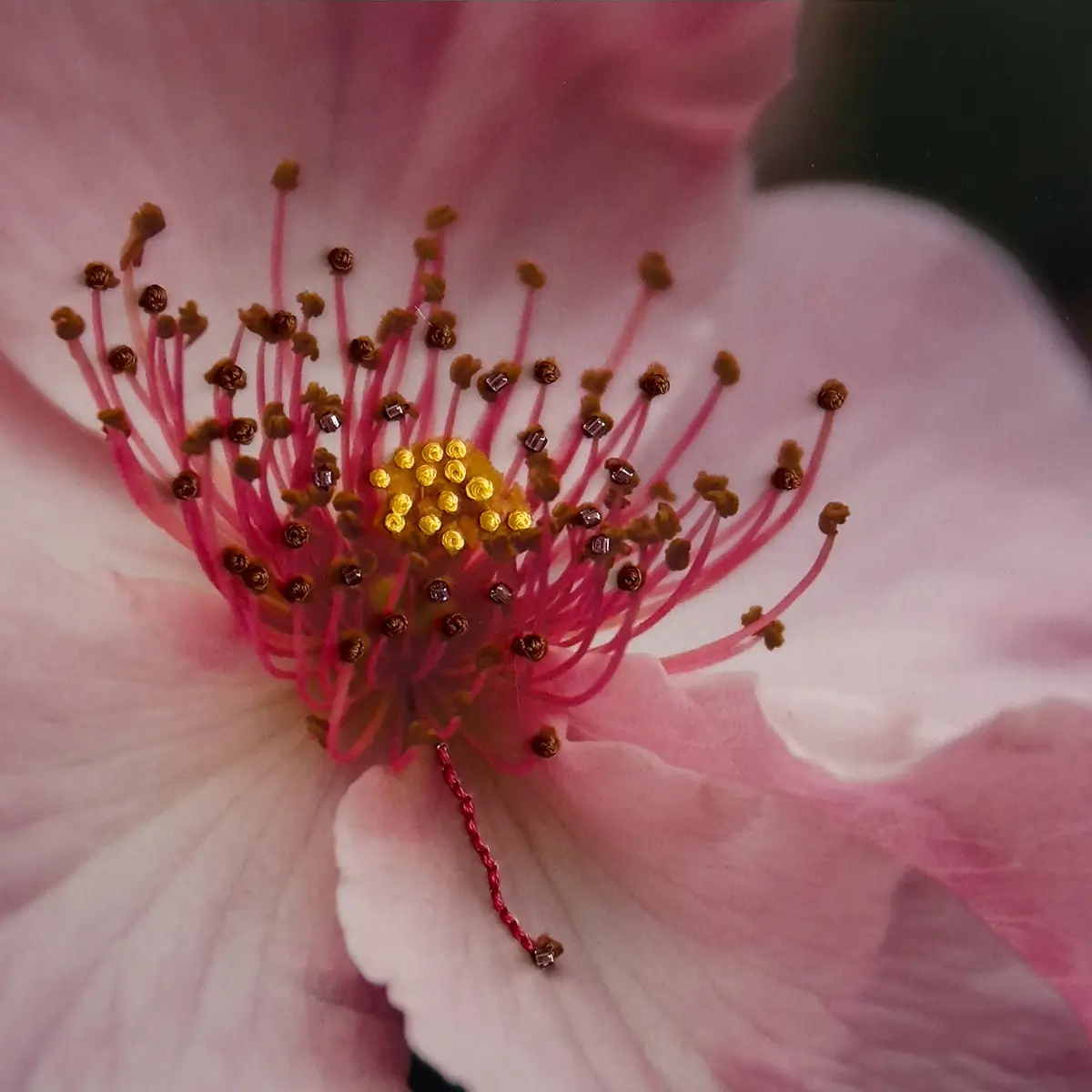
Wild Rose from the series 'Nature Embroidered: Writing with Light and Thread' © Myrtie Cope
Taking a closer look at the natural world reveals unnoticed details of plants and flowers. Adding embroidery and sometimes beads and buttons to my photographs puts the focus on those details. Essentially, it is “writing with light and thread.”
“Wild Rose” is part of an ongoing project started after seeing an article about a photographer who was embroidering on vintage postcards. As a long time quilter and embroiderer, it was only natural to combine my needlework skills with my love of nature photography. This colorful collection of images includes close-up views of flowers or plants embroidered to give more dimension, texture, and focus to the details. Adding beads creates even more depth and texture on some of the images.
www.myrtiecopephoto.com
@mcopephoto
All About Myrtie Cope
Roberta Pagano (Italy)
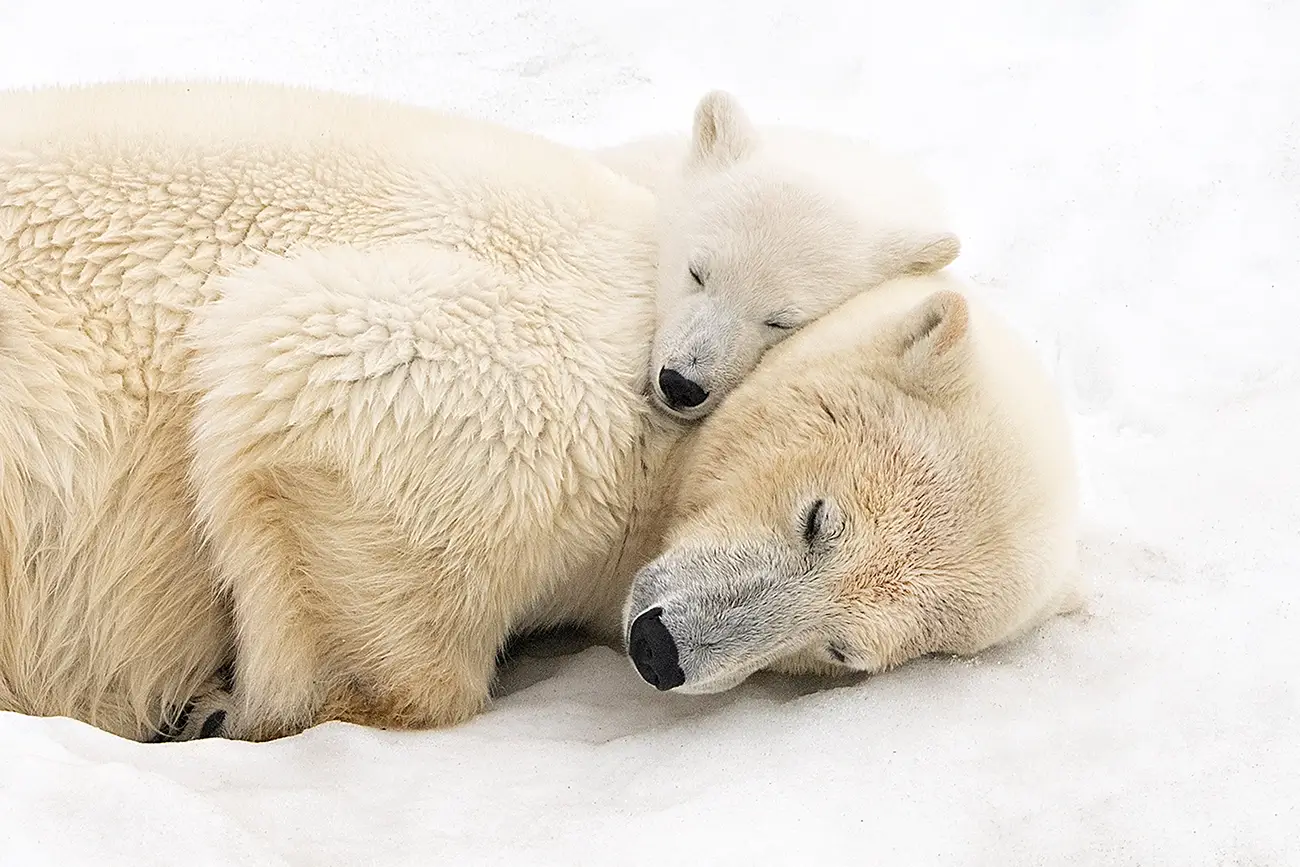
Sleeping with mum from the series 'Svalbard: The White Fragile Kingdom' © Roberta Pagano
From our latitudes, Arctic problems may seem far away, but this is a misconception. The consequences of climate change are sadly real and tangible everywhere in the world, and even more so in this fragile ecosystem that plays a special role in the global climate. Perhaps the most extreme environments are those in which you most realize that each link in the chain of life has an absolute importance and plays a fundamental role in maintaining equilibrium.
We need to cultivate empathy and respect for diversity and understand that we are not above nature, we are within it!
We are all part of an unicum in which each species, while different, has its own value in the network of life. Some scientists still consider the current situation to be reversible: the only possible answer to this is to act responsibly.
I hope my pictures can be a humble encouragement, a small contribution to the appreciation of nature’s beauty, and offer food for thought.
www.robertapagano.com
@roberta__pagano
All About Roberta Pagano
Guenther Reissner (Austria)
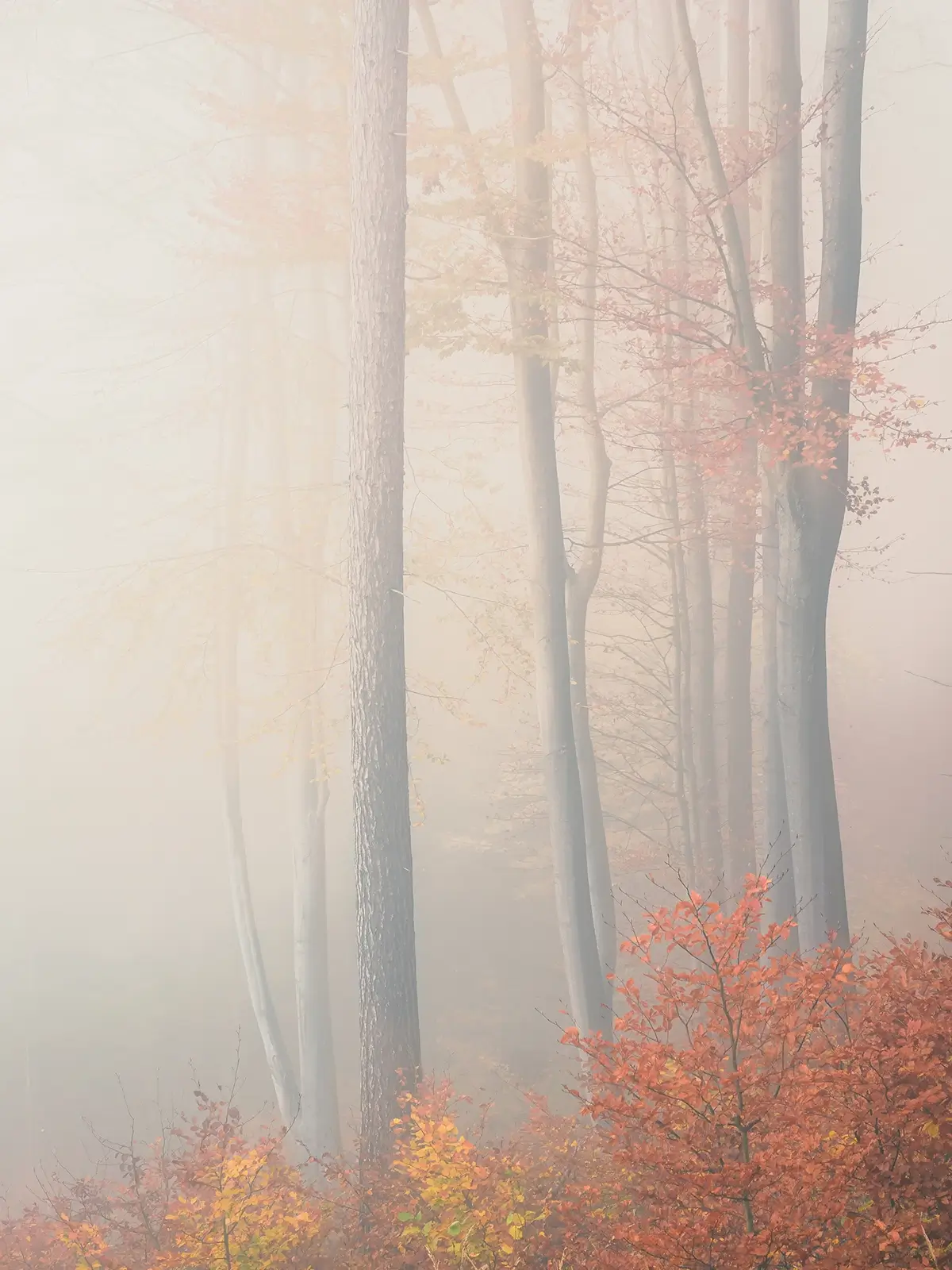
Foggy Forrest from the series 'Autumn in Austria' © Guenther Reissner
Autumn is my favorite time for photography. The rich fall colors and the misty conditions are great for unique images, plus the fog gets rid of distractions.
guentherreissner.photography
@guenther710
Alessandro Natalini (Italy)
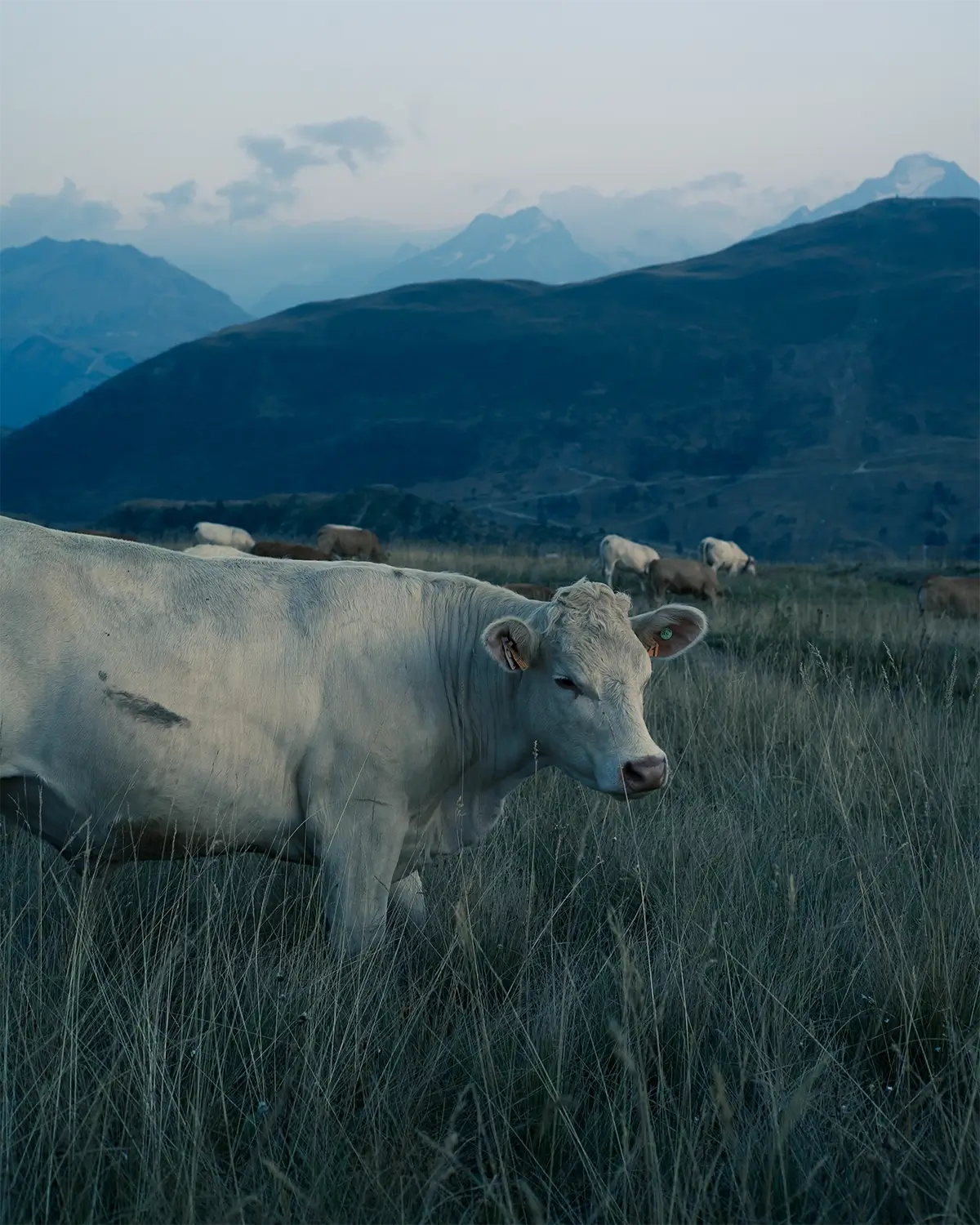
Portrait from the series 'Natural Self-Disconnection' © Alessandro Natalini
Mountains are, for many, a place of silence and reflection. In this photographic project, I sought to portray landscapes and inhabitants as carriers of a shared emotionality: a sense of solitude, moments of introspection, a feeling of suspension. The images do not aim only to describe these places, but also to reflect my own state of mind at those moments, how I felt while moving through and observing them.
www.linkedin.com/in/alessandro-natalini
All About Alessandro Natalini
Jens Rosbach (Germany)
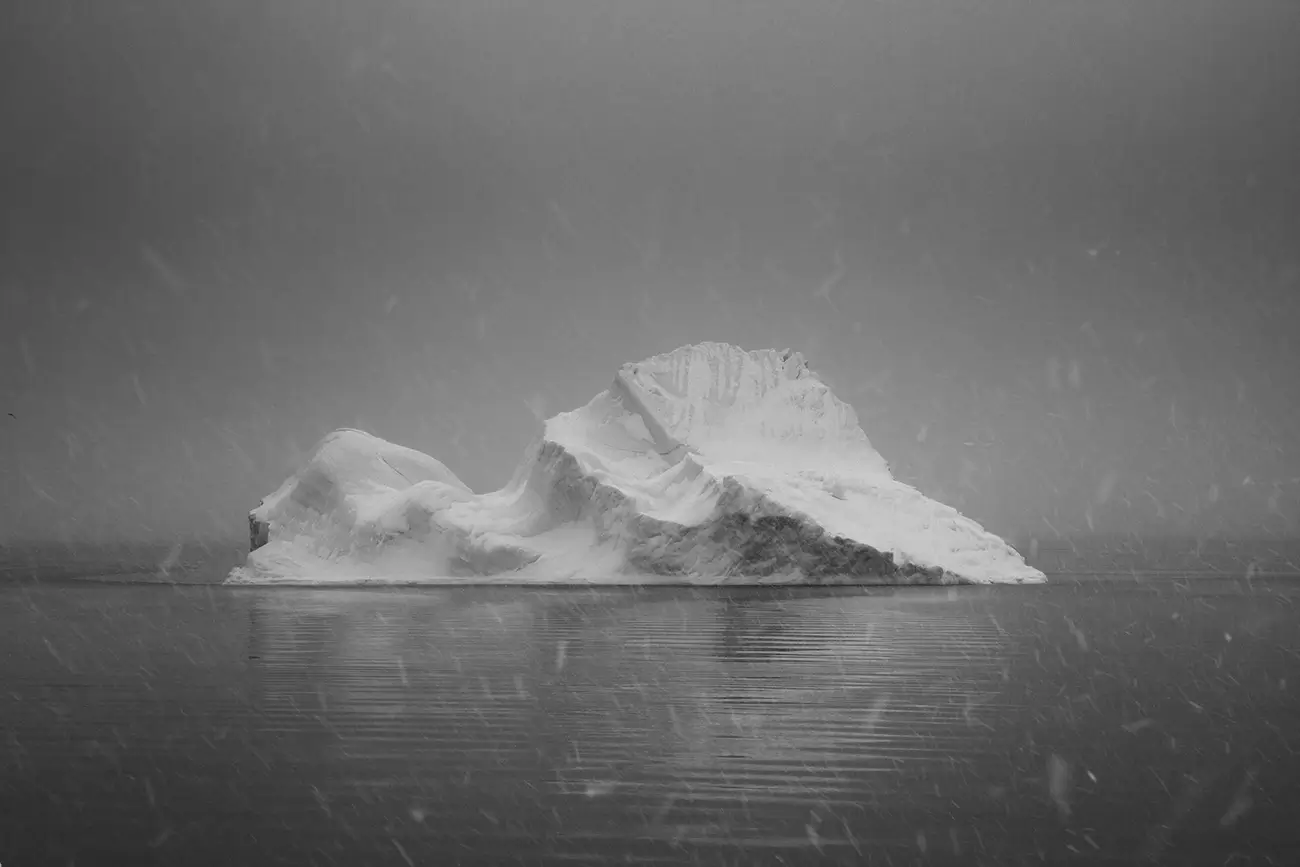
Polar Mood from the series 'Cold Composition' © Jens Rosbach
Iceberg in western Greenland. Due to the longer exposure time (1/25 sec.), the snow drifting in the arctic wind looks like a graphic curtain.
In the cool aesthetics of the images, however, melancholy resonates: Due to climate change, the polar world is gradually disappearing.
Taken 2025 on the island Ummannaq.
www.jensrosbach.de
@jensrosbachphotography
www.facebook.com/JensRosbachPhotography
Aindreas Scholz (Ireland/Germany)
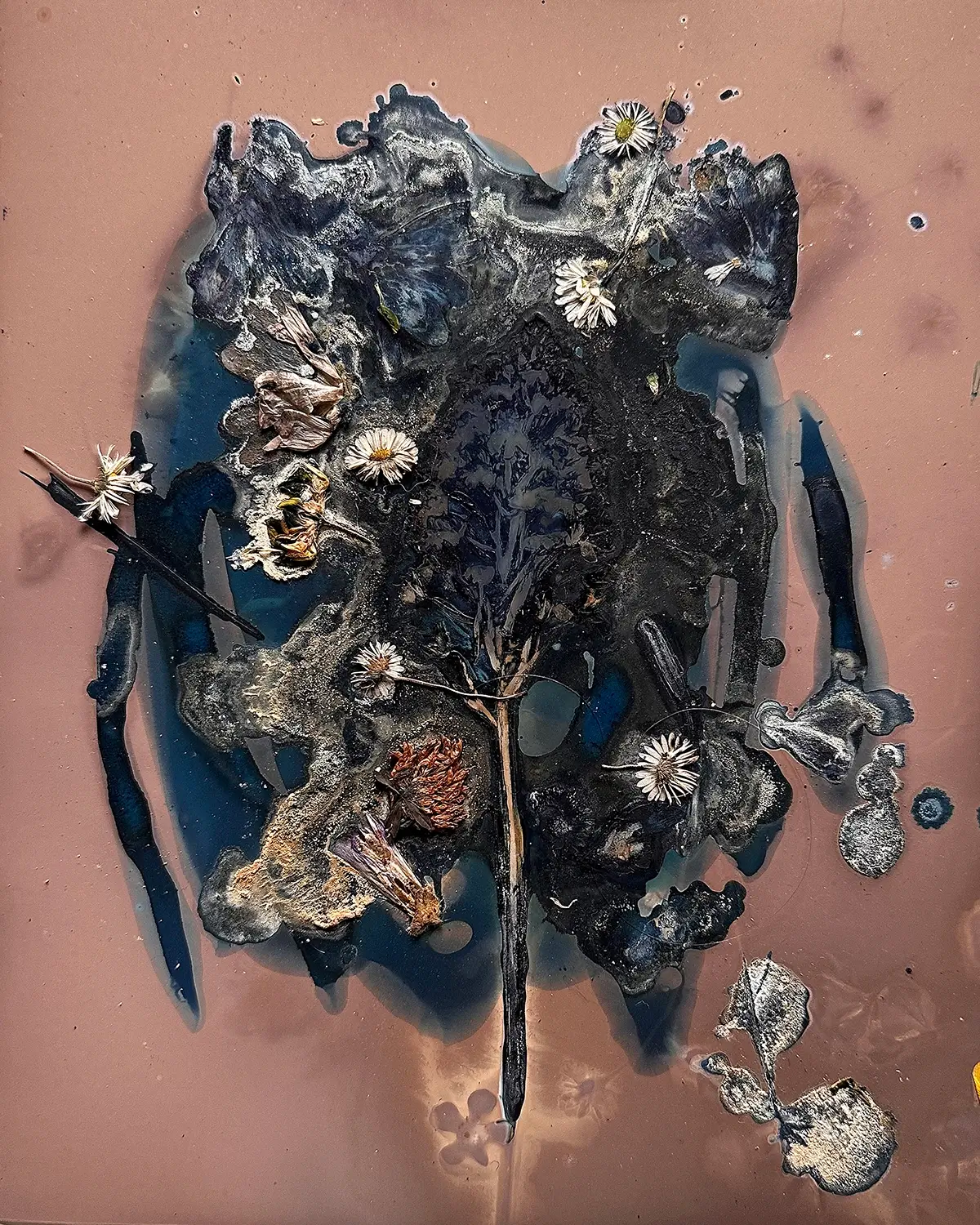
The Most Beautiful Anthropocene #55 from the series 'The Most Beautiful Anthropocene' © Aindreas Scholz
The Most Beautiful Anthropocene is an ongoing cameraless photographic series reflecting on ecological vulnerability and the unequal impacts of climate change across different landscapes. Working with expired darkroom paper and eco-friendly cyanotype solutions mixed with polluted seawater and acidic rainwater gathered on site, I allow natural forces, sunlight, salinity, moisture, and time, to co-author each image. The resulting prints carry material traces of the places that made them: shifting weather systems, rising waters, and drought-stressed environments. Rather than presenting landscape as scenery, the work treats it as an active collaborator, inviting viewers to consider deep time, environmental responsibility, and the fragile beauty of a planet undergoing rapid change.
www.aindreasscholz.com
@aindreasscholz
All About Aindreas Scholz
Don Jacobson (United States)
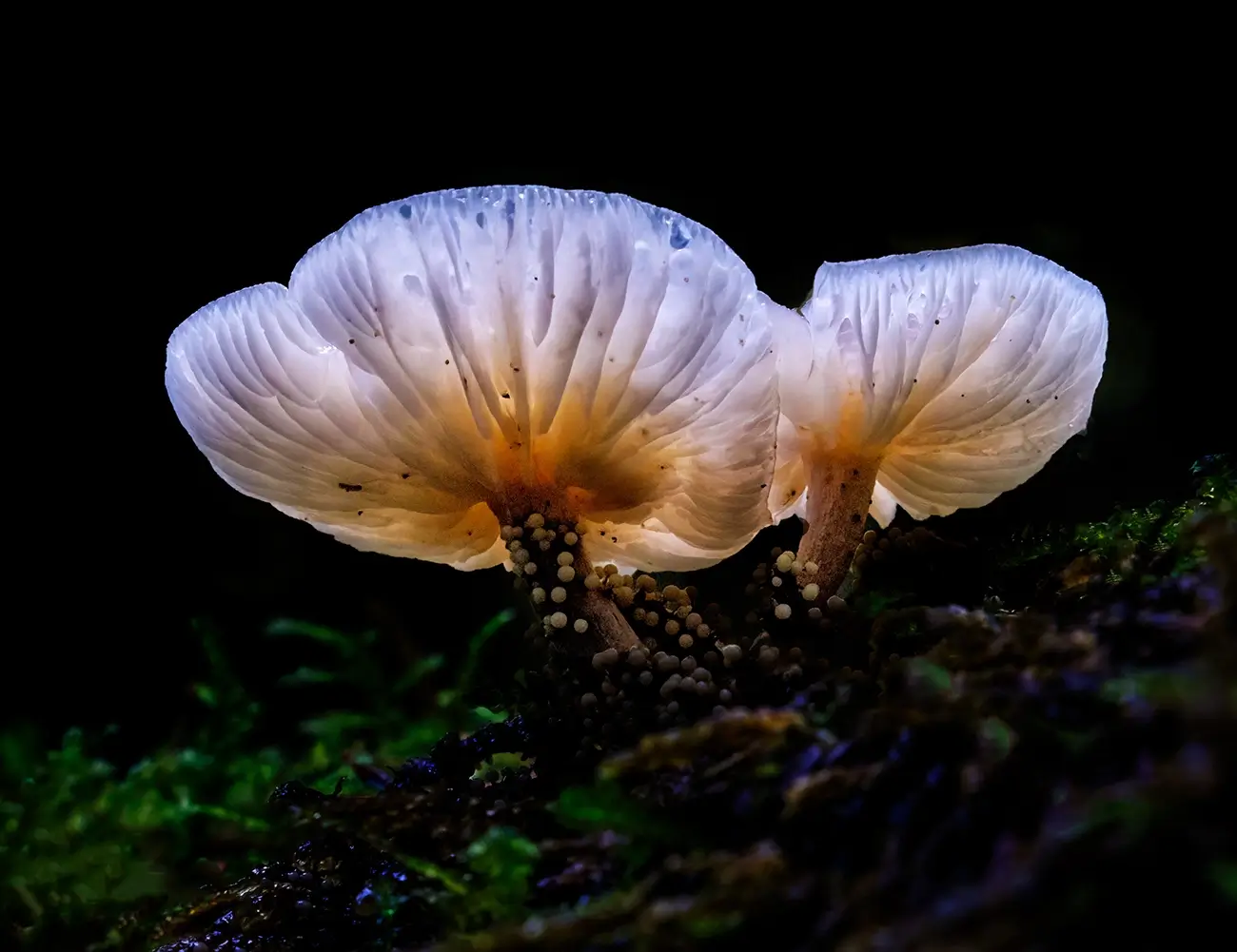
Backlit Mushroom from the series 'Fungus Among Us' © Don Jacobson
I gave a friend of mine who was into studying mushrooms, a calendar with photographs of mushrooms. A particularily attractive one, a Violet cortenaria, was photographed about 2000 mile from where we lived. I joked that my friend had to find me one to photograph to keep the calendar. Well... he did, just a few miles from where we lived. I have been photographing mushrooms ever since.
www.donjacobsonphoto.com
All About Don Jacobson