By Luis Baylón
Publisher: RM
Publication date: February 2026
Print length: 184 pages
Language: English
Price Range:
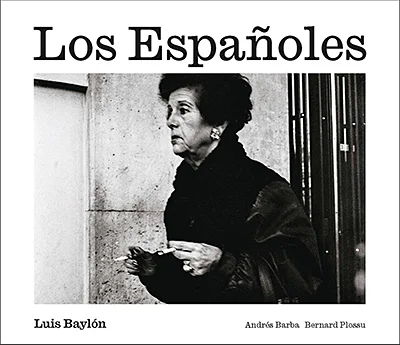
Luis Baylón: Los Españoles, published in hardcover on February 10, 2026 by Delpire, offers a compelling and deeply observed portrait of Spain through more than three decades of black-and-white photography. Spanning images made between 1982 and 2014, the book brings together photographs taken in cities such as Madrid, Barcelona, Murcia, Benidorm, Valencia, and Zamora, forming a visual journey across urban, social, and emotional landscapes. Baylón’s work is rooted in close attention to everyday life, revealing Spain not through spectacle, but through gestures, glances, and fleeting moments of human presence.
Working squarely within the documentary tradition, Baylón approaches the street as a space of quiet tension and subtle theater. His photographs echo the lineage of classic social photography, where observation and patience allow meaning to emerge naturally. Like Robert Frank and Martin Parr before him, Baylón resists idealization, instead embracing ambiguity, contradiction, and humor. His Spain is plural and unresolved: modern yet anchored in habit, intimate yet shaped by collective rituals. The choice of black and white reinforces this timeless quality, stripping scenes down to light, form, and expression.
Across the pages of Los Españoles, individuals appear both anonymous and emblematic, framed within streets, cafés, beaches, and public spaces that reflect shifting social realities. The long time span of the project allows subtle transformations to surface, as architecture, fashion, and attitudes evolve while certain human patterns remain unchanged. Baylón’s camera does not judge or dramatize; it observes with clarity and restraint, trusting the viewer to read between the lines.
More than a survey of a nation, this book stands as a personal and coherent body of work shaped by consistency of vision. Luis Baylón: Los Españoles affirms the enduring power of traditional documentary photography to describe a country from the inside, through lived experience and sustained attention. It is both a portrait of Spain and a testament to Baylón’s quiet, unwavering commitment to seeing.