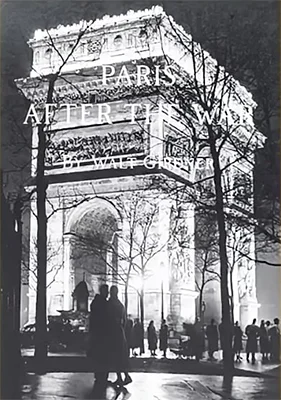
By Walt Girdner
Publisher: Walt Girdner Studio
Publication date: September 2025
Print length: 232 pages
Language: English
Price Range:
Reviews:
Paris After The War by Walt Girdner is a luminous journey into a city emerging from darkness and reclaiming its voice. Published in September 2025, this picture book unfolds as a series of photographic narratives set in a Paris newly freed from occupation. The images carry the emotional charge of a population shaking off fear and surveillance, rediscovering movement, sound, and public life. Streets, cafés, and nightclubs become stages where relief, curiosity, and renewed confidence quietly assert themselves.
Liberation transformed Paris into a magnet for creative spirits, particularly American artists drawn by freedom, affordability, and an atmosphere thick with possibility. Jazz musicians, writers, dancers, and photographers arrived and were embraced as part of the city’s cultural rebirth. Figures such as Bricktop Smith, Coleman Hawkins, and Art Buchwald appear not as distant celebrities, but as participants in a shared moment when music, conversation, and art flowed easily across borders. Girdner’s photographs move fluidly between public celebration and intimate observation, capturing a society learning how to breathe again.
The physical presence of the book is inseparable from its meaning. Produced with exceptional care, the volume privileges materiality in an age dominated by screens. The restored negatives reveal a richness of tone that gives the black-and-white images remarkable depth. The ink sits heavily on the page, producing blacks that feel almost sculptural. Turning each spread becomes a tactile experience, reinforcing the sense that these photographs belong to a slower, more deliberate era of looking.
Girdner’s Paris is not idealized, yet it is undeniably alive. The photographs vibrate with energy, like distant radio transmissions carrying voices from another time. They suggest movement beyond the frame: laughter spilling from doorways, music echoing down narrow streets, conversations continuing long after the shutter clicks. This resonance transforms the city into a living archive of emotion rather than a static historical record.
Ultimately, Paris After The War is a meditation on resilience and memory. It reminds us that cities, like people, carry scars but also possess an extraordinary capacity for renewal. Through patience, craft, and reverence for the photographic object, Girdner preserves a fleeting chapter when Paris rediscovered itself and, in doing so, offered the world a lasting image of hope.