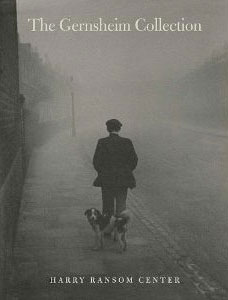
The Gernsheim Collection is one of the most important collections of photography in the world. Amassed by the renowned husband-and-wife team of Helmut and Alison Gernsheim between 1945 and 1963, it contains an unparalleled range of images, beginning with the world's earliest-known photograph from nature, made by Joseph Nicéphore Niépce in 1826. The Gernsheim Collection includes some 35,000 major and representative photographs from the nineteenth and twentieth centuries; a research library of some 3,600 books, journals, and published articles; about 250 autographed letters and manuscripts; and more than 200 pieces of early photographic equipment. Its encyclopedic scope--as well as the expertise and taste with which the Gernsheims built the collection--makes the Gernsheim Collection one of the world's premier resources for the study and appreciation of the development of photography.
Published to coincide with a landmark exhibition staged by the Harry Ransom Center at the University of Texas at Austin, which owns the collection, this volume presents masterpieces of the Gernsheim Collection, along with lesser-known images of great historical significance. Arranged in chronological order, this selection effectively constitutes a visual history of photography from its beginnings to the mid-twentieth century. Each full-page image is accompanied by an extensive annotation in which Roy Flukinger describes the photograph's place in the evolution of photography and also within the Gernsheim Collection. Flukinger also provides an enlightening introduction in which he traces the Gernsheims' passionate careers as collectors and pioneering historians of photography, showing how their untiring efforts significantly contributed to the acceptance of photography as a fine art and as a field worthy of intellectual inquiry. Appreciations of the Gernsheim Collection by Alison Nordström and Mark Haworth-Booth confirm its singular importance as a collection of outstanding breadth and depth in the history of photography.
Seasons of Time is an intimate photographic exploration of transformation, identity, and the passage of time. Through deeply personal imagery, photographer Nathalie Rubens presents a visual dialogue between two interconnected yet profoundly different stages of life: the emergence into young adulthood and the transition into post-menopausal womanhood. The project brings together portraits of Rubens and her daughter Ruby, creating a powerful meditation on aging, family bonds, and the cyclical nature of human experience.
“It’s unclear who first said, ‘The best camera in the world is the one in your hand,’ or words to that effect, but most of the photographs in this book are the result of having one, or sometimes two with me while on brief holidays or visiting people around Britain.” – Berris Conolly
Released today by Reporters Without Borders, Malick Sidibé, 100 Photos for Press Freedom celebrates the work of one of the most influential photographers of the twentieth century.
Through a selection of iconic images, the album revisits the vibrant world of Malick Sidibé, whose photographs captured the spirit of a generation coming of age in post-independence Mali.
In the winter of 2021, Luke Oppenheimer arrived in the Tien Shan mountains of central Kyrgyzstan with a straightforward assignment: document the wolves that prey on livestock in the remote shepherding village of Ottuk. Each year, wolves descend from the high ridges to kill dozens of horses and countless sheep. For families whose wealth is measured in hooves and wool, these losses are catastrophic. The men ride into the mountains during the harshest winter months to track and hunt the predators, navigating blizzards and subzero nights in defense of their herds.
Spanning more than a decade of journeys and visual discoveries, Stories Untold is the ambitious new publication by internationally acclaimed photographer Calla Fleischer, a traveler whose lens is guided as much by curiosity as by empathy. Expansive in both scale and spirit, the nearly 400-page volume gathers a rich tapestry of images that explore the subtleties of the human experience—from fleeting gestures in crowded streets to quiet, contemplative portraits that linger long after the page is turned.
The Inner Passage: An Untold Story of Black Resistance Along a Southern Waterway is a groundbreaking photographic and historical project by Charleston-based photographer Virginia McGee Richards, published by MIT Press in April 2026. The work uncovers a little-known chapter of American history, revealing a 300-mile network of colonial-era canals—called “cuts”—dug by enslaved people between the 17th and 18th centuries along the Atlantic coastline from Charleston, South Carolina to St. Augustine, Florida.
Where Do I Go? is the newest photobook by Rania Matar, bringing together approximately 128 color portraits of young women living in Lebanon today. Released in the shadow of the fiftieth anniversary of the Lebanese Civil War, the book offers a meditation on life shaped by prolonged instability, without allowing conflict to dominate the narrative. Instead of foregrounding destruction, Matar centers creativity, dignity, and resilience, crafting a body of work that quietly insists on the complexity of everyday existence amid uncertainty.
"Another Time, Another Place" is an homage to New York City in the 1980s, when it was raw, chaotic, and alive with possibility. Downtown Manhattan was a place where art, music, performance, and nightlife collided—igniting a cultural revolution that still echoes today.
Award-winning Palestinian photographer Ahmad Al-Bazz presents a groundbreaking new work, The Erasure of Palestine, the result of a three-year journey documenting the remnants of hundreds of Palestinian villages and towns depopulated and destroyed from 1948 to the present. Through his lens, Al-Bazz confronts history, memory, and contemporary occupation, offering a stark counter-narrative to the dominant historical record.