All about photo.com: photo contests, photography exhibitions, galleries, photographers, books, schools and venues.
Enter AAP Magazine 54 Nature: Landscape, Wildlife, Flora & Fauna
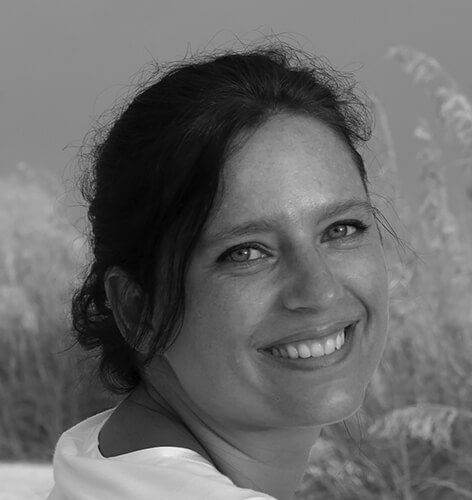
Sandrine Hermand-Grisel

Sandrine Hermand-Grisel

Country: France
Birth: 1973

Sandrine Hermand-Grisel grew up in Paris, France and in London, UK. She studied International Law before deciding to dedicate her life to photography in 1997. Influenced by her late mother's sculptures and her husbands paintings and films, she worked on several personal projects before her series Nocturnes was recognized in 2005 by Harry Gruyaert, Bertrand Despres and John Batho for the Prix Kodak de la Critique Photographique. In 2006 she moved with her family to the United States and began experimenting landscape photography with her series Somewhere and On the road.

Despite the diversity of her projects she has a unique, very intimate, relationship with her subjects. Photography provides her with a way to express her feelings, like in the series ''Nocturnes'' where she photographed only close friends and family members peacefully abandoning themselves in front of her camera. ''Somewhere'' is her dream of America, a road trip through her adopted country. And ''Waterlilies'' is full of joy and love for her two children as she watched them jumping and playing in pools over and over again. Sandrine Hermand-Grisel not only photographs what she loves, she breaks free from her own reality in her poetic vision of the world.

In 2013, she created the acclaimed website All About Photo and now spends most of her time discovering new talents while still working on personal projects.

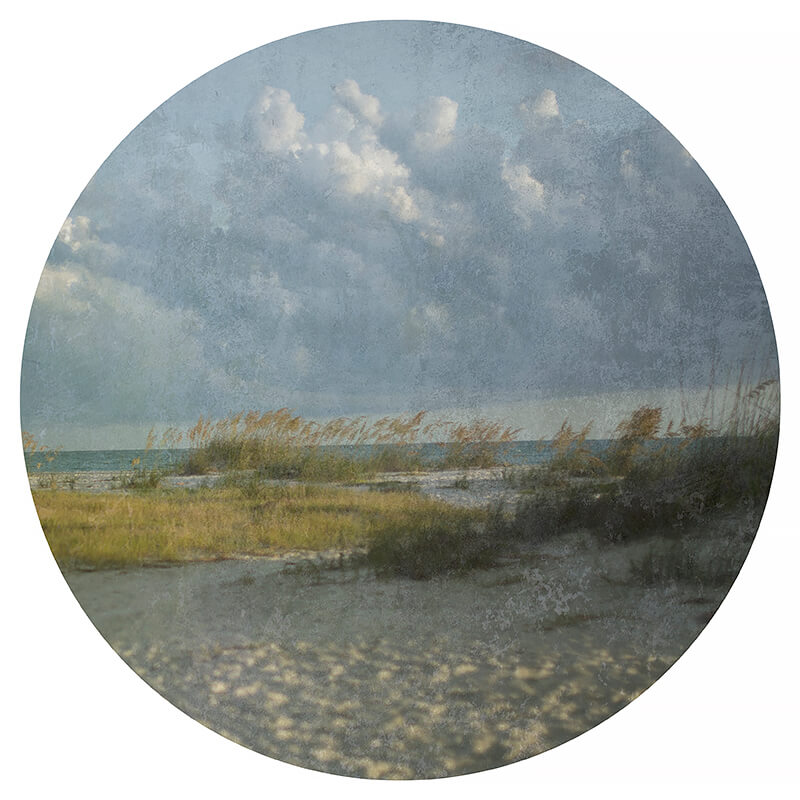
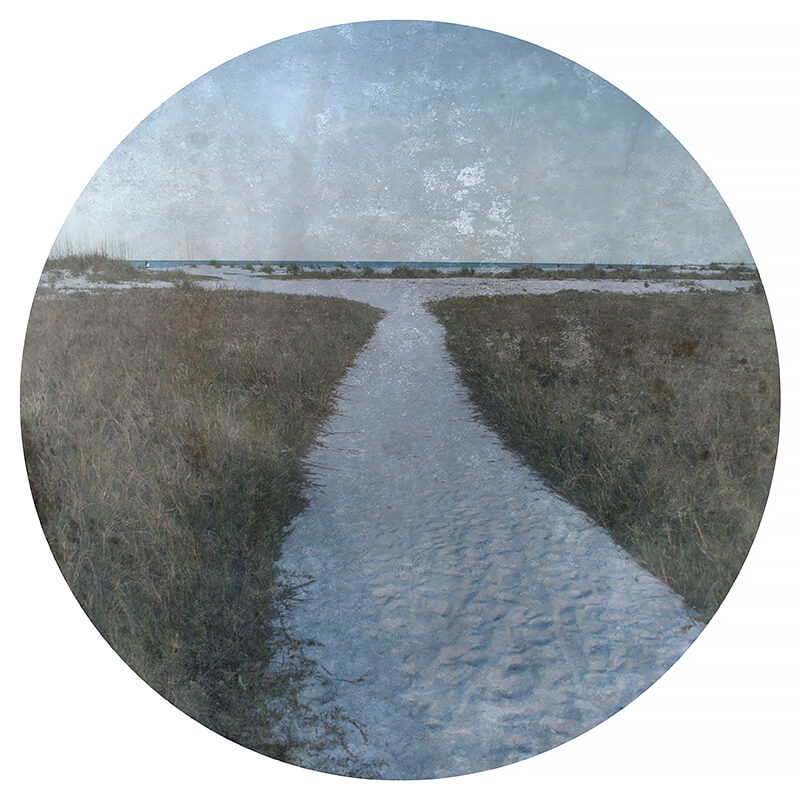
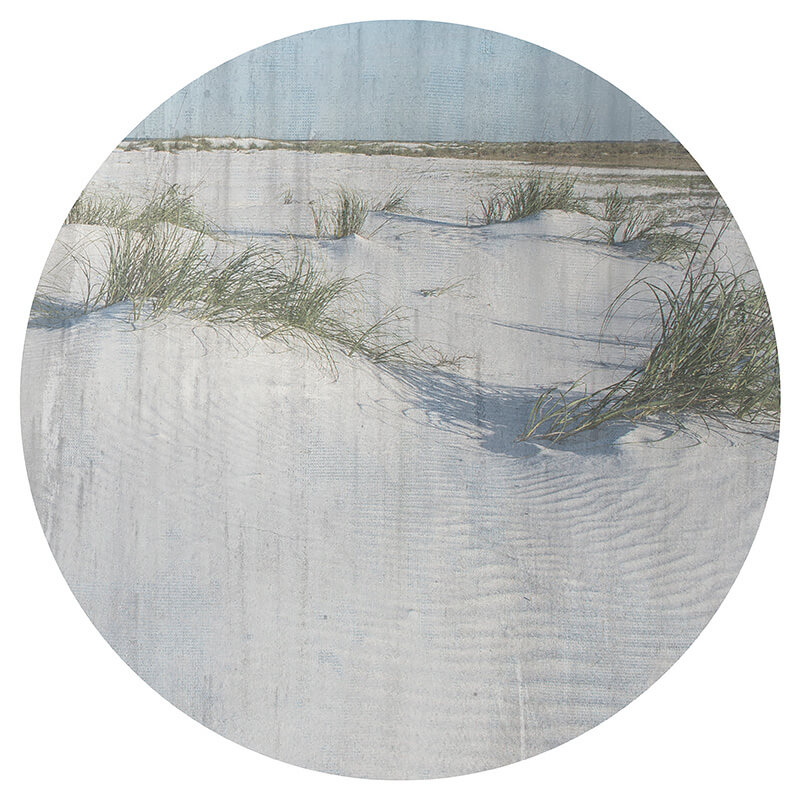
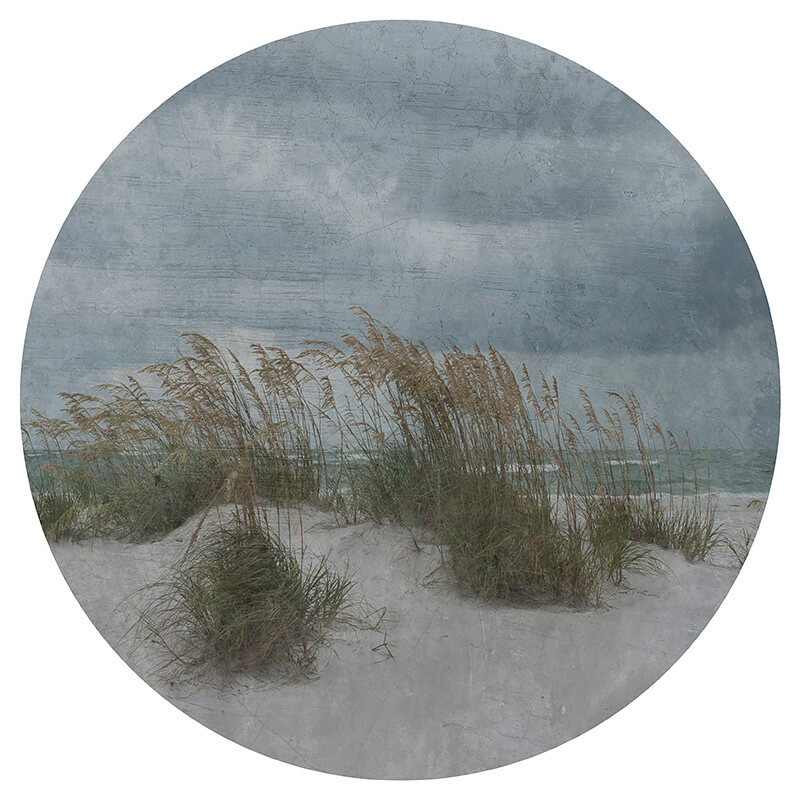
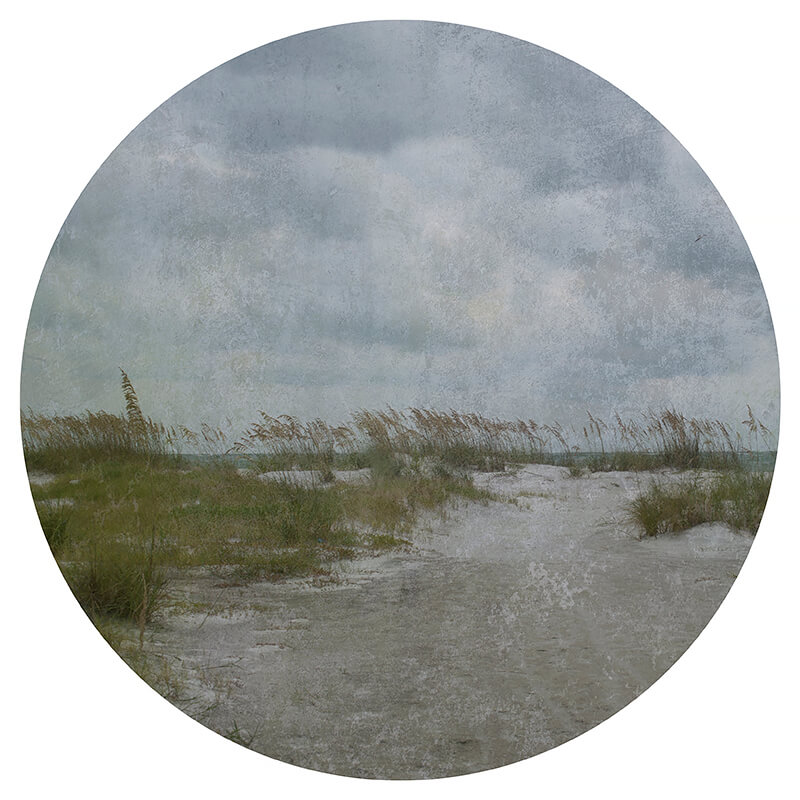
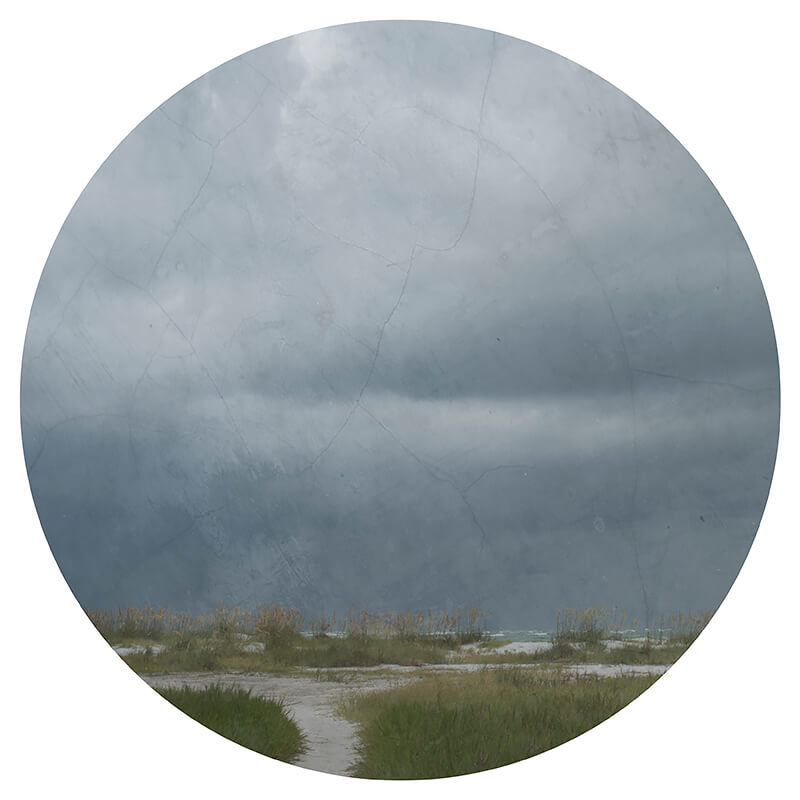
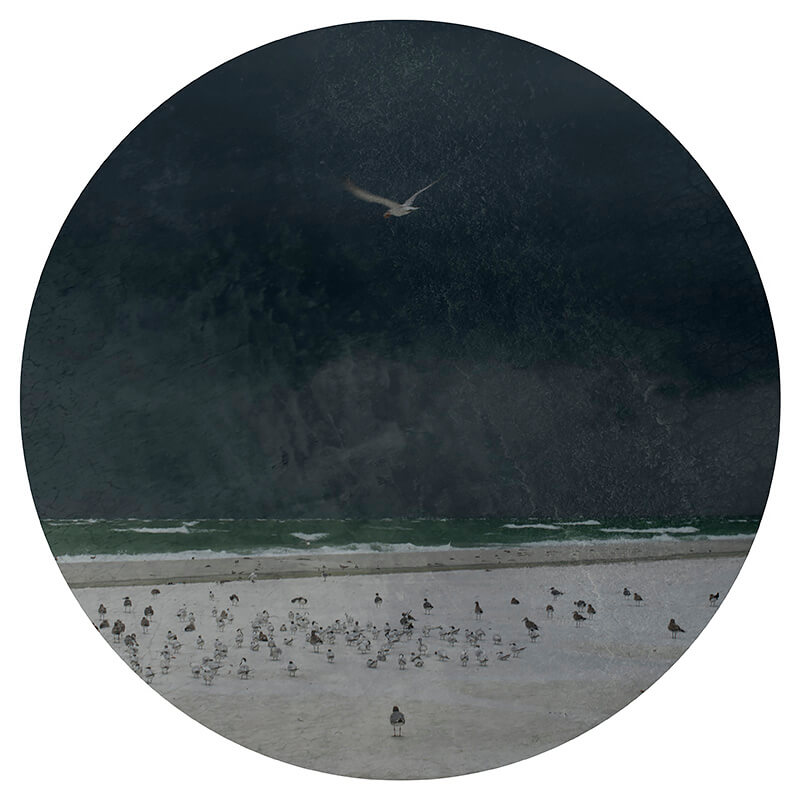
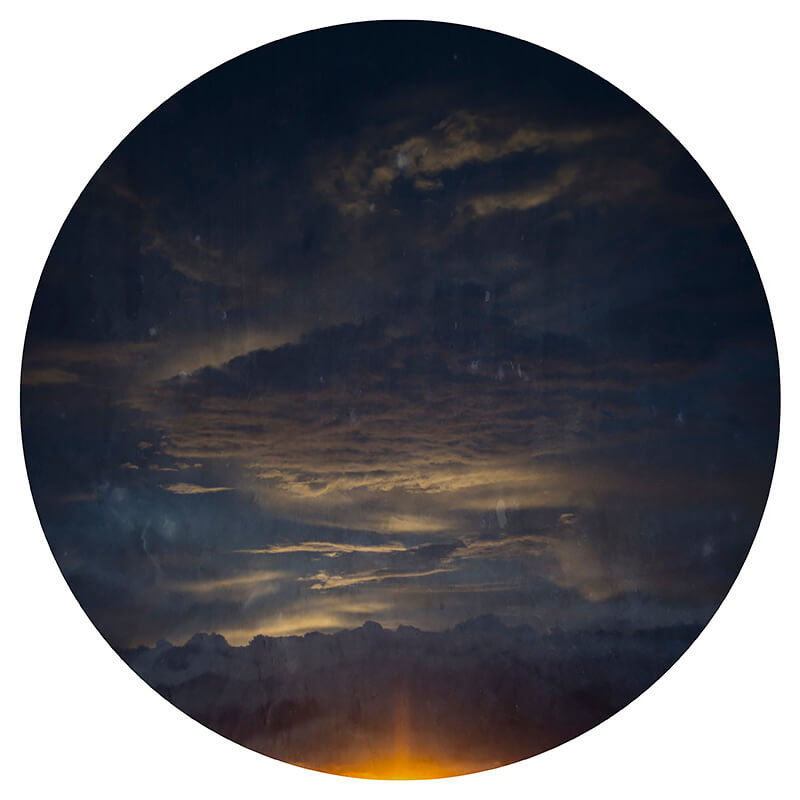
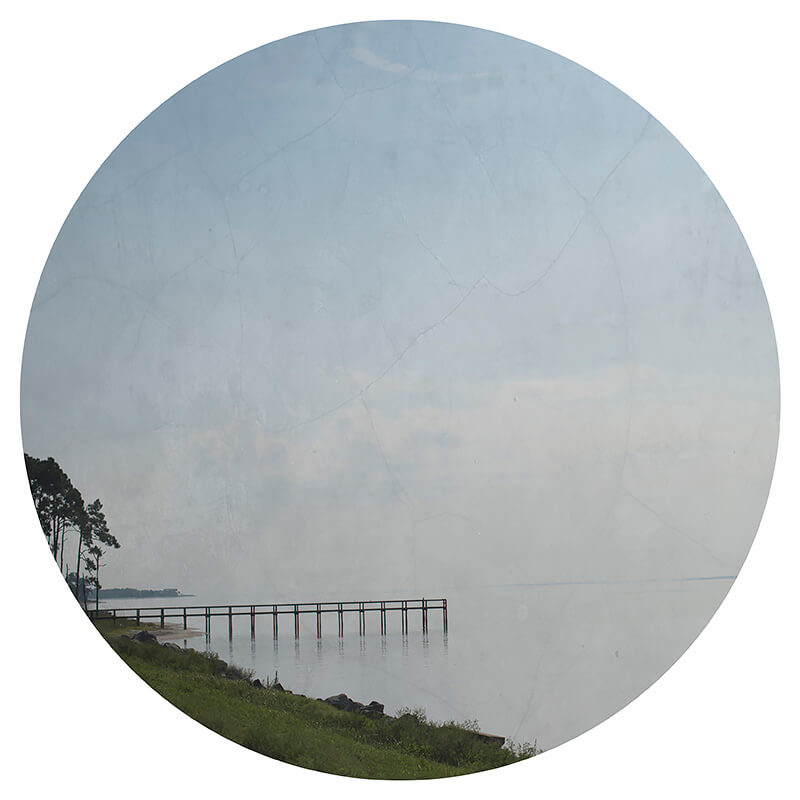
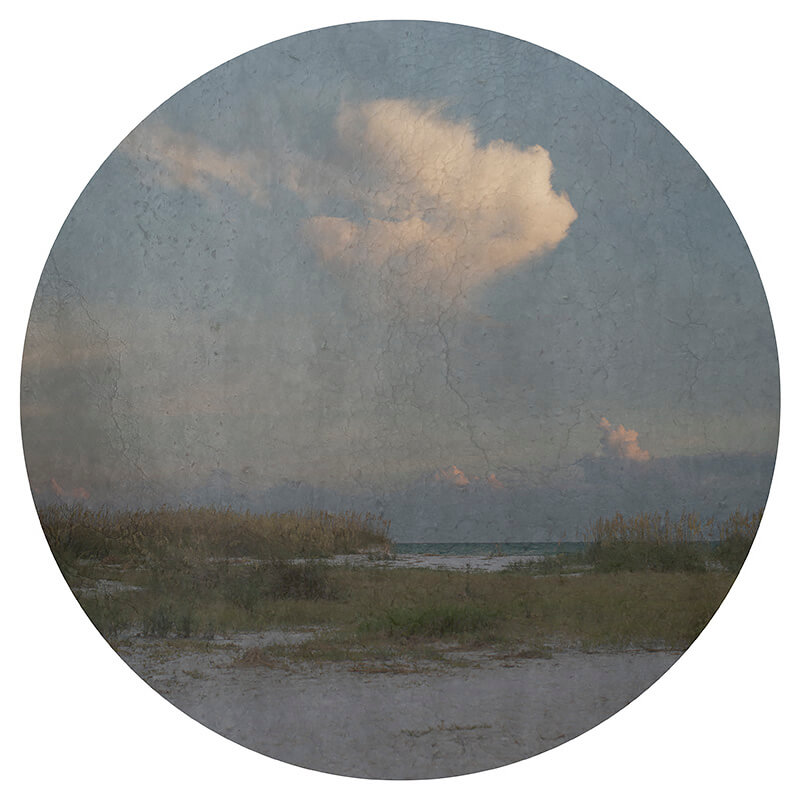
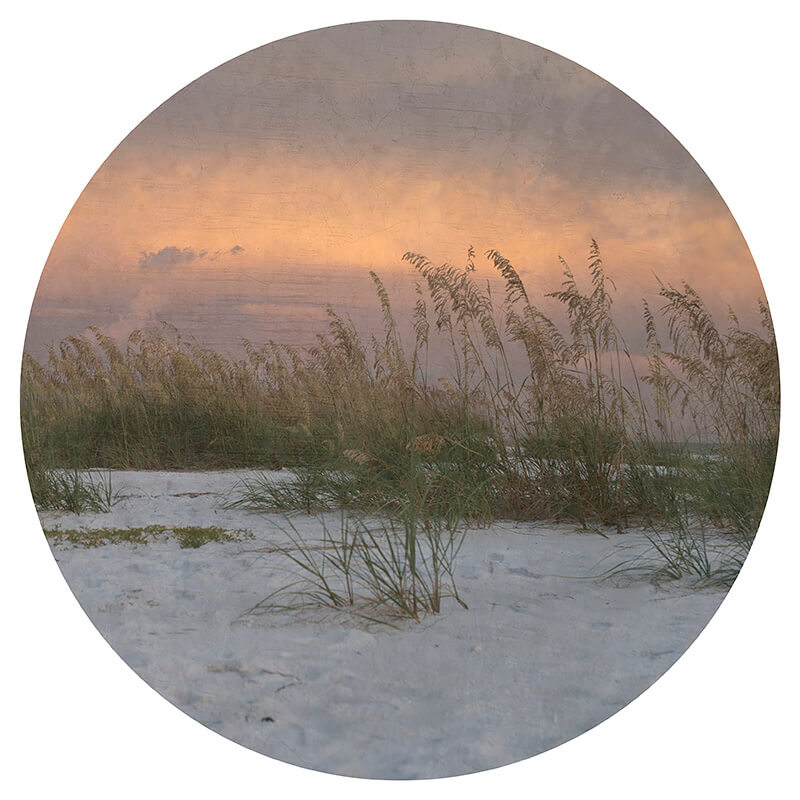
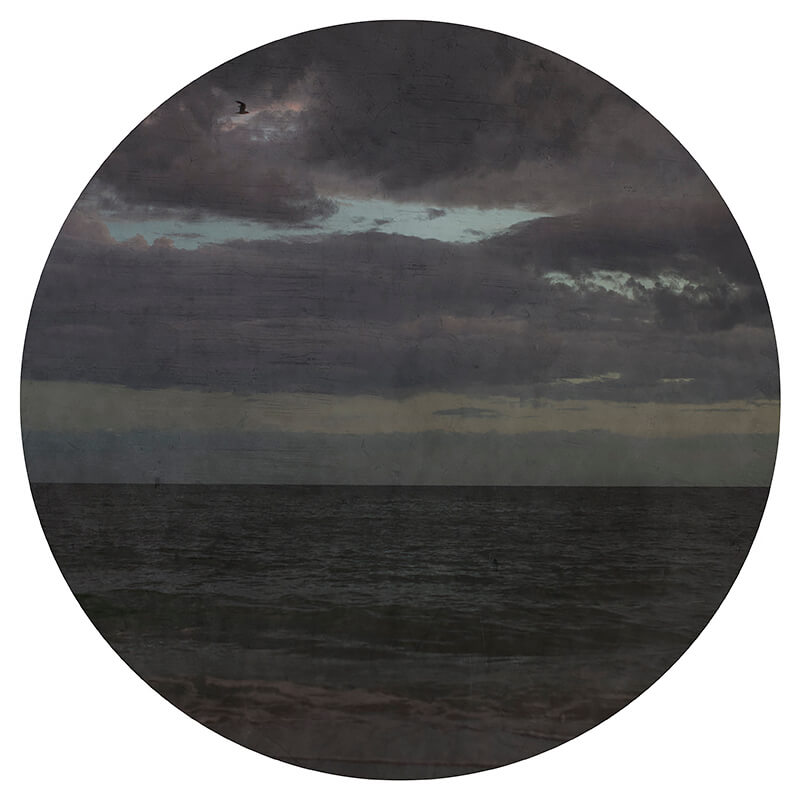
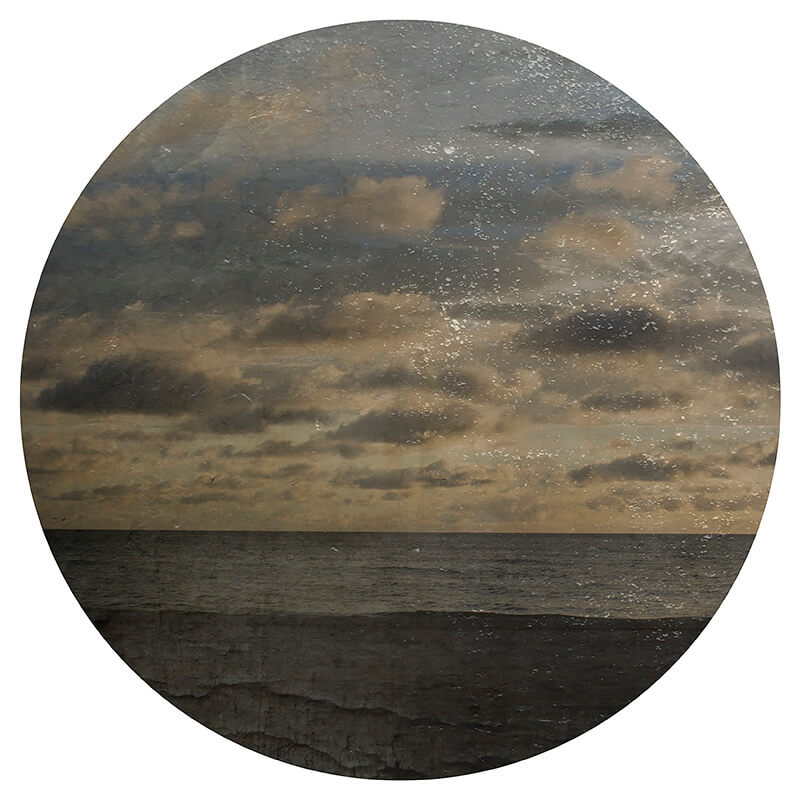
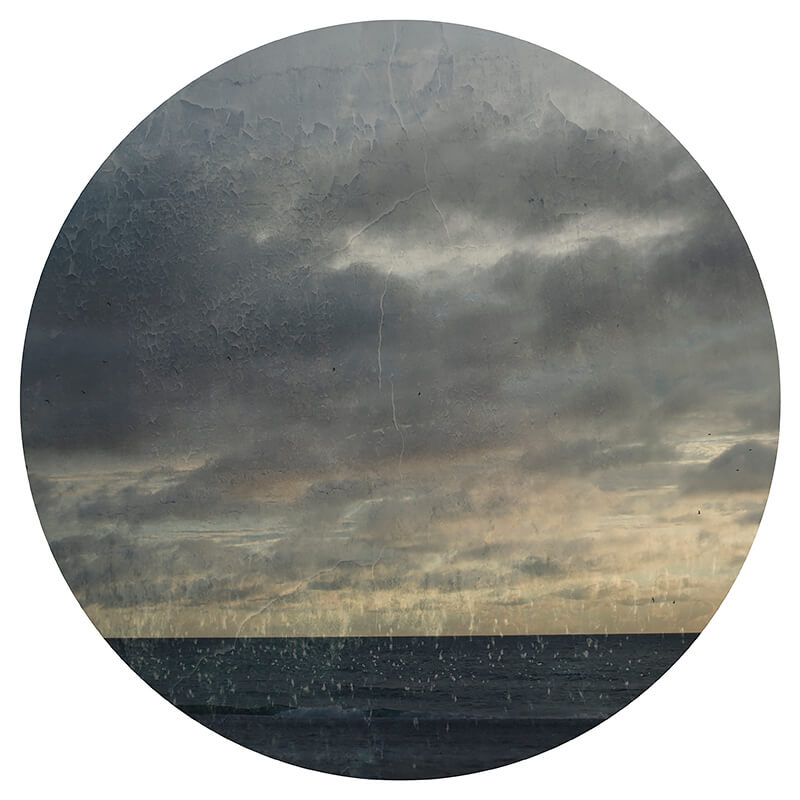
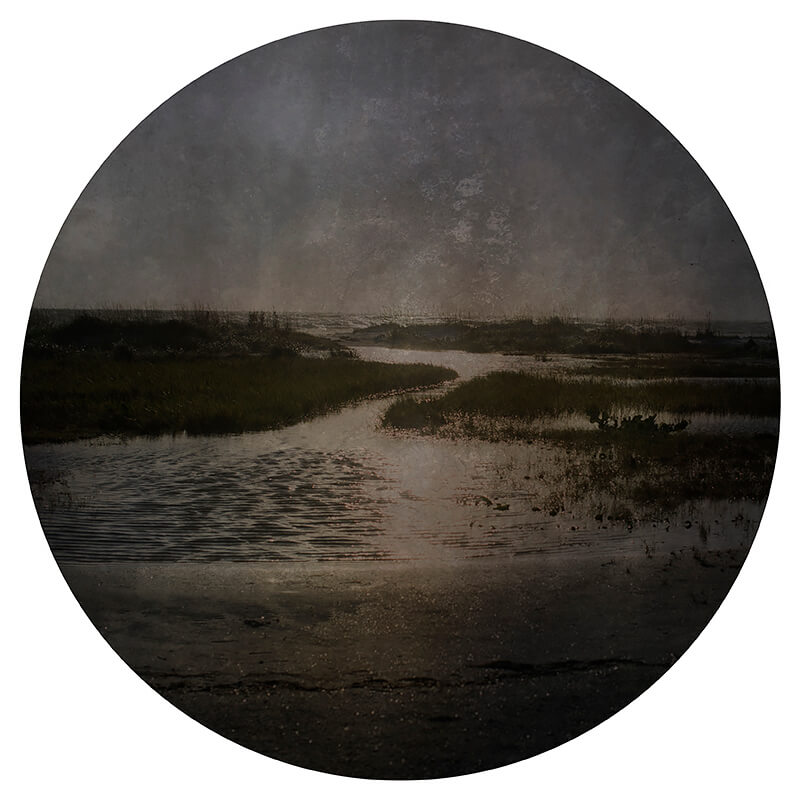
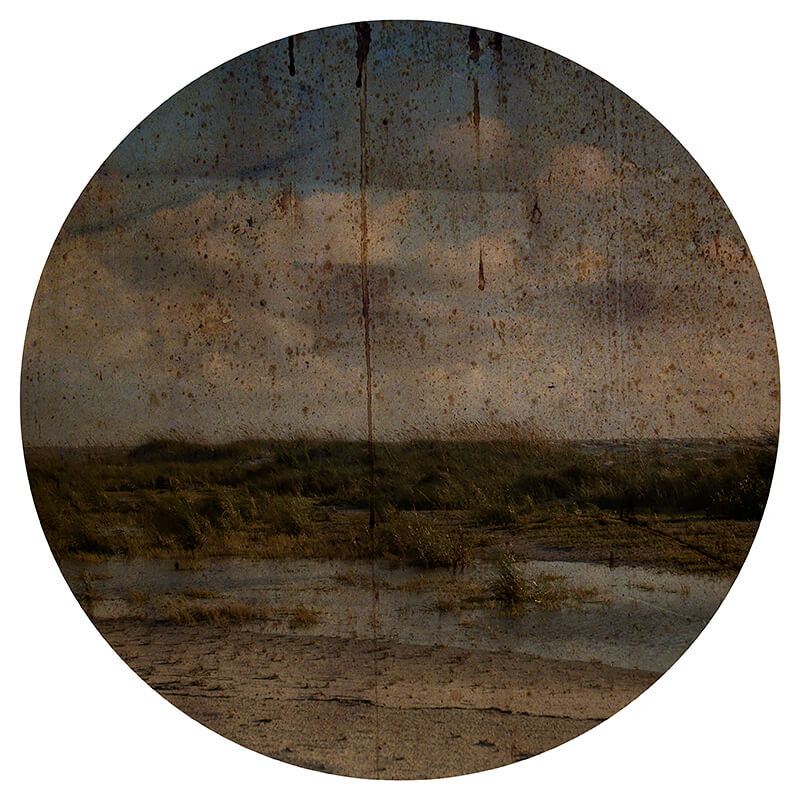
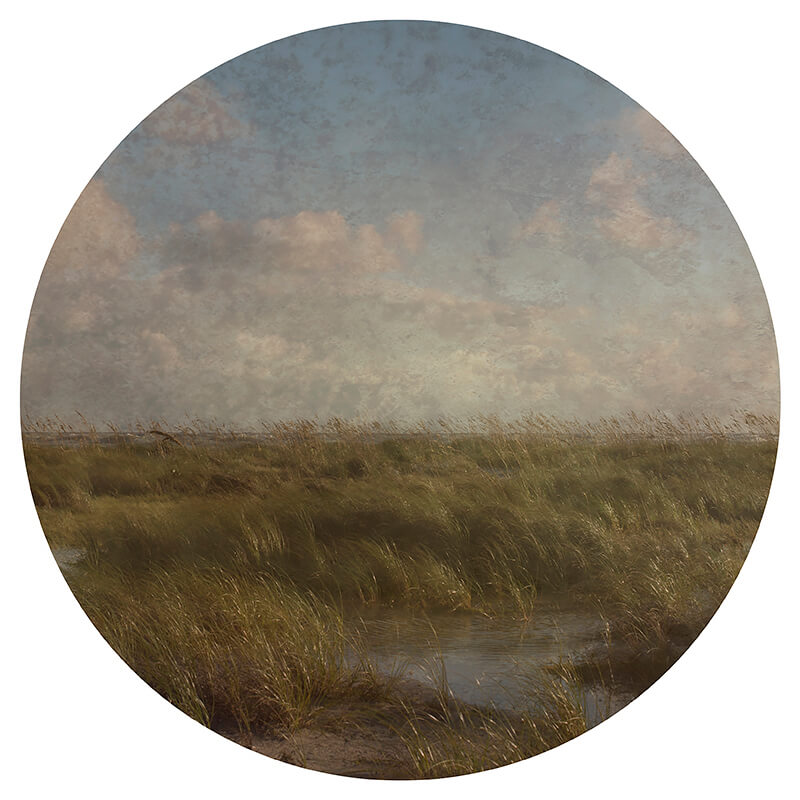
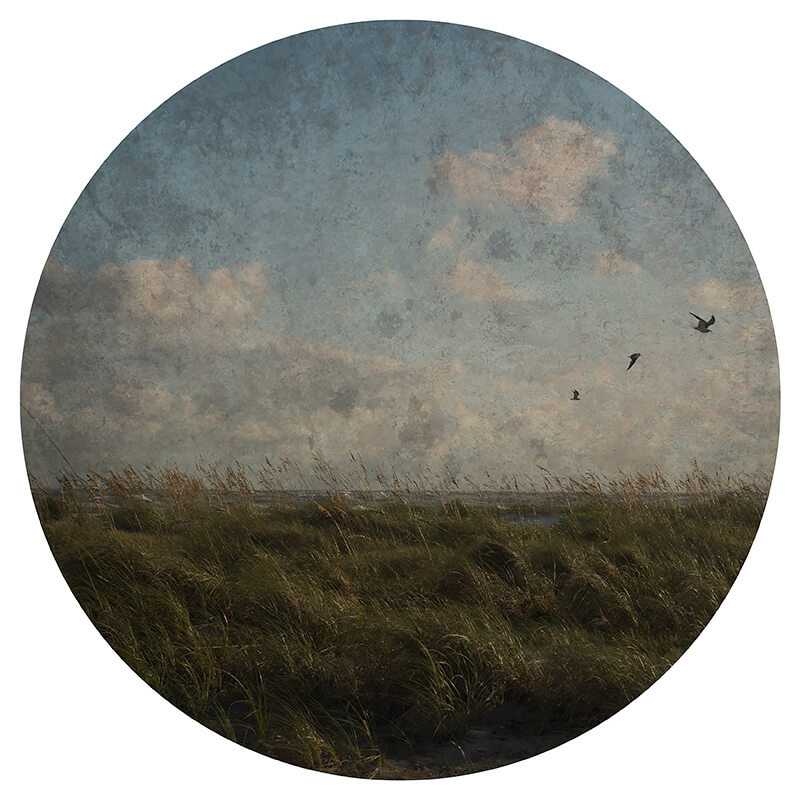
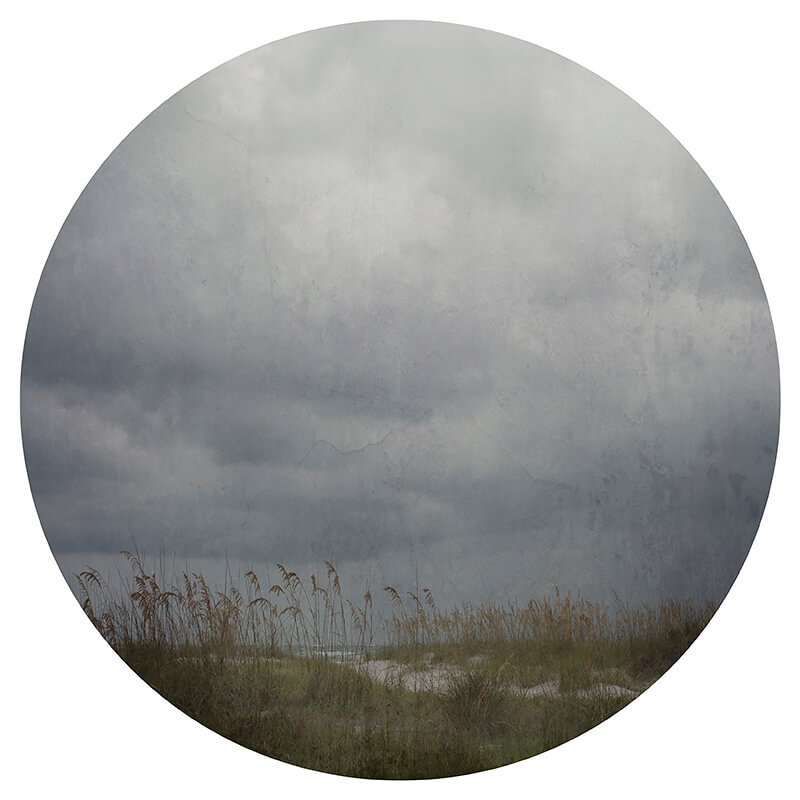
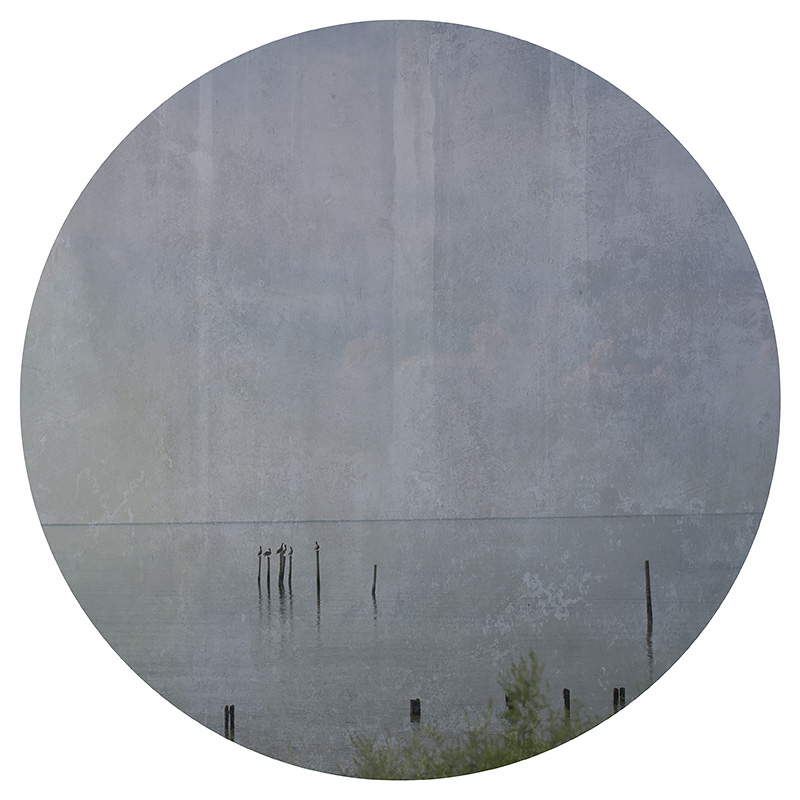
All about Sea Sketches

Since I was a little girl my parents insisted that my brother and I accompany them almost every weekend to see an exhibition, a museum or an historic house. What was excruciating at first slowly became a real pleasure. Thanks to them, I had the privilege to see incredible exhibitions both in Paris and London where I grew up. Depending on my age and moods at the time, I favored a century, a movement, a painter...

It was love at first sight when I discovered "Wanderer above the Sea of Fog" by Caspar David Friedrich. In the foreground, a young man stands upon a rocky precipice with his back to the viewer. He overlooks a landscape covered in a thick sea of fog. I was overwhelmed by the beauty of nature, the subtle colors, the calm and yet the movement that came from the wind.

I perceived the character as content and in harmony with nature and I wondered if one day I would find my perfect place... and many years later, I did. On the west coast of Florida lies Anna Maria, a quaint barrier island nestled in the Gulf of Mexico. The water is warm and turquoise, the sand is white. Well preserved, the birds and turtles come here to nest while the respectful tourists lie on the sand every night to witness the incredible sunsets. Time is suspended.

With the romantic painters Turner and Friedrich in mind, I captured a glimpse of Anna Maria, its light, its beaches, its movement, its unleashed elements... I hope you will immerse yourself in my Sea Sketches "paintings" and escape with me, even for the length of a sigh, from the harsh realities of life and share my happy place.

 

Sandrine Hermand-Grisel's Video

Inspiring Portfolios

Call for Entries
AAP Magazine #54 Nature
Publish your work in AAP Magazine and win $1,000 Cash Prizes
 
Stay up-to-date  with call for entries, deadlines and other news about exhibitions, galleries, publications, & special events.

More Great Photographers To Discover

Miles Aldridge
United KIngdom
1964
Miles Aldridge rose to prominence in the mid-nineties with his arresting, highly stylised photographs with references to film noir, art history and pop culture. An acclaimed colourist, he renders elaborate mise-en-scènes in a palette of vibrant acidic hues. These glamorous, frequently eroticised images probe society's idealised notions of domestic bliss where sinister undercurrents swirl beneath a flawless surface. Aldridge has worked prolifically for more than twenty-five years, and today he remains one of the few photographers still shooting predominately on film. His creative output encompasses large-scale c-type prints, Polaroids, screenprints, photogravures and drawings. Born in London in 1964, the son of famed art director and illustrator Alan Aldridge, his interest in photography began at an early age when he was given a Nikon F camera by his father. He went on to study graphic design at Central Saint Martins, graduating with a BA in 1987. Aldridge initially worked as an illustrator and music video director, before turning his attention to photography. In 1996 he began working with Franca Sozzani, the legendary editor-in-chief of Vogue Italia, and their boundary-pushing collaboration would continue for twenty years. In addition to the many international editions of Vogue, Aldridge's images have featured regularly in prestigious titles including Harper's Bazaar, Numéro, W, The New York Times Magazine and The New Yorker. Aldridge develops each new photographic narrative by rendering his initial thoughts in ink or pencil sketches with washes of watercolour and pastel. These drawings and storyboards are an essential early stage in his creative process. He believes that 'fiction and theatricality can be more truthful than documenting reality' and translates his sketches into meticulously arranged compositions to create images reminiscent of film stills: frames snatched from a broader story. Aldridge notes that many of his favourite moments in cinema are, as he describes, "closeups of a woman's face thinking", and he shares Hitchcock's ability to create powerful moments of suspense, turning viewers into voyeurs. In Aldridge's Chromo Thriller (2012) there is a palpable resonance with David Lynch's neo-noir mystery Blue Velvet, where immaculate façades hide darkly strange stories. As one author has noted: "Aldridge's female protagonists recall the glamour and splendour of Isabella Rossellini's character whilst at the same time remaining suggestive of something more sinister." Only rarely does he allow the real world to encroach upon the imagined realm. Through his lens, even reality appears artificial. In the series Capital Gains (2007) and Open Tour (2008) the cities of Washington DC and Paris look cleaner and sleeker than ever before. In The Last Range of Colours (2007), a lone figure in a children's playground evokes both the Technicolor splendour of The Wizard of Oz and the haunting dreamscape of a Giorgio de Chirico painting. A recurring theme throughout Aldridge's oeuvre is the false promise of luxury. Psychedelic interiors are furnished with the trappings of mid-century suburban comfort: gleaming kitchen appliances, candy-coloured telephones and well-groomed pets denote success. The work conflates historic and modern motifs and makes subtle reference to the art historical canon. The project Immaculée (2007) points to Catholic depictions of female saints in ecstasy, whilst his portraits of Lily Cole (2005) and Maisie Williams (2017) draw inspiration from Northern Renaissance masters such as Albrecht Dürer and Hans Holbein. Pop Art tropes feature predominantly: Coca-Cola logos (3D, 2010; A Family Portrait #14, 2011), soup cans and tomato ketchup bottles (A Drop of Red #2, 2001; First Impressions, 2006) all form a striking part of his visual lexicon. His fascination with art history led Aldridge to undertake projects with several significant contemporary artists including Maurizio Cattelan, Gilbert & George and Harland Miller. For the project (after Cattelan) (2016), he was invited by Cattelan to respond to the Italian artist's exhibition, Not Afraid of Love, in the grand neoclassical rooms of the Monnaie de Paris. The resulting series of c-type photographs depicts statuesque nudes dominating Cattelan's hyperreal sculptures in a series of absurdist tableaux. A second series, titled Love Always and Love All Ways after Gilbert & George (2016), was made with the British duo at their London townhouse. Drawing on the conventions of Victorian melodrama, Aldridge devised a series centred around the story of an enigmatic young visitor staying at the house for the weekend. In a further nod to Victoriana, the images were printed using the nineteenth-century photogravure process, whereby an etched copper plate produces highly detailed intaglio prints. The monotone prints were augmented with blocks of bold colour and hand-painted details to create a contemporary aesthetic. His most recent collaboration was with Harland Miller, known for his paintings of imaginary book covers that were partly inspired by Alan Aldridge's 1960s designs for Penguin paperbacks. In a satisfying symmetry, Aldridge transformed Miller's paintings into real books, used as props in his photoshoot. The resulting screenprints evoke the grainy colour supplements of Aldridge's youth and were published by Poligrafa, Barcelona's renowned fine art publisher, who launched them at the 2017 edition of Art Basel Miami Beach. Poligrafa went on to publish the subsequent screenprint series New Utopias, which they exhibited at the 2018 edition of Art Basel. Most recently, Tan Lines, one of Aldridge's largest screenprints to date, was unveiled by Poligrafa at the 2019 edition of The Armory Show, New York. Aldridge's major museum exhibitions include his upcoming retrospective Virgin Mary. Supermarkets. Popcorn. Photographs 1999 - 2020 at Fotografiska, New York, which opened 7th May 2021 having first appeared at Fotografiska Museum, Stockholm (2020-2021), solo shows at The Lumiere Brothers Photography Centre, Moscow (2019) and OCA, São Paulo (2015) and I Only Want You to Love Me at Somerset House, London (2013). In 2014, he was commissioned by Tate Britain to create a photographic installation in response to Mark Gertler's 1916 painting Merry-Go-Round. London's National Portrait Gallery houses a large collection of Aldridge's portraits and his work is held in prestigious museums and institutions around the world including the Victoria and Albert Museum and British Museum in London, the Fondation Carmignac and the Palais Galliera in Paris, the Davis Museum at Wellesley College, Massachusetts and the International Center of Photography in New York. -- Susanna Brown Curator of Photography Victoria and Albert MuseumSource: milesaldridge.com
Sumaya Agha
Syria/United States
1970
Sumaya Agha is a freelance photographer based in Portland, OR, who began documenting the Syrian refugee crisis over four years ago in Jordan and Europe. She is of Syrian descent with many aunts, uncles, and cousins still living in Damascus. Sumaya holds a BS in Applied Art and Design with a concentration in Photography from Cal Poly State University in San Luis Obispo, CA and an MPA from Middlebury Institute of International Studies. Her worked appeared in the Huffington Post, BBC Focus on Africa, Forbes Africa, and NPR.org, and she was a still photographer for the Academy Award winning film “The Fog of War.” She has lived in Syria, Liberia, and the United States. Watching from afar as civil war ripped apart Syria, I felt compelled to help the refugees whose lives have been destroyed by the conflict. And with dozens of close relatives enduring the horrors in their hometown of Damascus, I had a personal connection to the crisis. I moved to Amman, Jordan in 2012 and began working as a photographer for humanitarian organizations helping mitigate the crisis that had spilled over from neighboring Syria. While in Jordan, I spent many days in the refugee camps and host communities, getting to know countless families living there and documenting their substandard living conditions. I heard myriad stories of heartbreaking loss and brutality and enduring spirit, and found that hopelessness is pervasive among the young, as they cannot see a future for themselves. In January 2016 I went on assignment to Macedonia and Serbia to photograph the refugees migrating through the Balkans. Throughout the freezing winter, 2,200 refugees per day crossed into Serbia. Up to 10,000 a day crossed in warmer months. They came from Afghanistan, Iraq, and Syria, from a wide range of socioeconomic backgrounds, including many families with young children. The typical journey went like this: flee their home country, take a perilous raft ride from Turkey to Greece, and then move onward through foreign lands in search of a peaceful home. Now that the Balkan borders are closed to refugees, thousands are stranded in Eastern Europe, hoping to be relocated to Western Europe. More than 60,000 refugees are in camps throughout Greece, including Ritsona Refugee Camp, where I went on assignment in July to document the crisis. With no end in sight to the conflict in Syria and elsewhere, the refugee crisis is certain to continue right along with it. That means millions of regular people continuing to seek safety and some sense of normalcy in the absence of peace.
Rod Harbinson
United Kingdom
During the initial emergence of coronavirus in 2020, Rod published a photobook: Zen in the Time of Corona - A photographic homage to Japanese Buddhism during the Coronavirus pandemic: Writer, photographer and filmmaker, Rod often reports in Asia, drawing attention to critical environmental and human-rights issues. From deforestation in Borneo, to mining protests by Cambodian fisherfolk, his stories and investigations have appeared in books, documentaries and over fifty high-profile academic and media titles. Long engaged in climate change, forest, Indigenous rights and biodiversity issues, he has a record of working with non-profit, academic and media organisations and has a Masters in Environment and Development. He led the Environment and Climate Change Programmes at Panos London, was a founder of the Climate Change Media Partnership, and editor of seven magazines and academic journals. His 2014 documentary, 'Defenders of the Spirit Forest' explores efforts by Cambodian people to defend the last forests in the country. It premiered at Glasgow's Document international Human Rights film festival. During the Kosovan war, Rod led the Kosovan Information programme at the British Refugee Council. Here he produced a film about returning refugees and published a book about the conflict, which featured his photographic coverage of the war. He worked with several organisations in the 1990's to stop the global spread of genetically engineered crops, and to uphold the rights of Indigenous people and small farmers, over their land and genetic resources. This came during a global rise of social movements questioning the rapid acceleration of neo-liberal economic globalisation. Actively engaged, Rod photographed this period of dynamic social change. His forest investigations and campaigning, have profiled numerous concerns and highlighted environmental crimes. He has documented mineral mining conflicts in forest regions in Madagascar, Zambia, Laos and the Philippines, to name a few. He also co-produced a book on campaigns to save Europe's Forests. Agencies representing his photography, Zuma Press and Polaris Images, carry his news and feature stories. He shares his expertise through freelance and consultancy work. Born in the UK in 1966, when not publishing books, Rod explores the outside world with a camera and the inner world through meditation and yoga. Zen In The Time Of Corona
Shomei Tomatsu
Japan
1930 | † 2012
Shomei Tomatsu (東松 照明, Tōmatsu Shōmei) was a Japanese photographer, primarily known for his images that depict the impact of World War II on Japan and the subsequent occupation of U.S. forces. As one of the leading postwar photographers, Tomatsu is attributed with influencing the younger generations of photographers including those associated with the magazine Provoke (Takuma Nakahira and Daido Moriyama). Tomatsu was born in Nagoya in 1930. As an adolescent during World War II, he was mobilized to support Japan's war effort. Like many Japanese students his age, he was sent to work at a steel factory and underwent incessant conditioning intended to instill fear and hatred towards the British and Americans. Once the war ended and Allied troops took over numerous Japanese cities, Tomatsu interacted with Americans firsthand and found that his preconceptions of them were not entirely salient. At the time Tomatsu's contempt for the violence and crimes committed by these soldiers was complicated by individual acts of kindness he received from them – he simultaneously loved and hated their presence. These interactions, which he later described as among the most formative memories of his childhood, initiated his long-standing fixation on and feelings of ambivalence towards the subject of American soldiers. If I had seven lives, I’d be a photographer in every one. -- Shomei Tomatsu Tomatsu embraced photography while an economics student at Aichi University. While still in university, his photographs were shown frequently in monthly amateur competitions by Camera magazine and received recognition from Ihei Kimura and Ken Domon. After graduating in 1954, he joined Iwanami Shashin Bunko, through an introduction made by Aichi University professor Mataroku Kumaza. Tomatsu contributed photographs to the issues Floods and the Japanese (1954) and Pottery Town, Seto Aichi (1954). He stayed at Iwanami for two years before leaving to pursue freelance work. In 1957, Tomatsu participated in the exhibition Eyes of Ten where he displayed his series Barde Children’s School; he was featured in the exhibit twice more when it was held again in 1958 and 1959. After his third showing, Tomatsu established the short-lived photography collective VIVO with fellow Eyes of Ten exhibitors; these other members included Eikoh Hosoe, Kikuji Kawada, Ikkō Narahara, Akira Satō, and Akira Tanno. Towards the end of the 1950s, Tomatsu began photographing Japanese towns with major American bases, a project that would span over 10 years. Tomatsu's artistic output and renown grew significantly during the 1960s, exemplified by his prolific engagements with many prominent Japanese photography magazines. He began the decade by publishing his images of U.S. bases in the magazines Asahi Camera and Camera Mainichi and his series Home in Photo Art. In contrast to his earlier style which resembled traditional photojournalism, Tomatsu was beginning to develop a highly expressionistic form of image-taking that emphasized the photographer's own subjectivity. In response to this emergence, a dispute arose when Iwanami Shashin Bunko founder Yonosuke Natori wrote that Tomatsu had betrayed his foundations as a photojournalist by neglecting the responsibility to present reality in a truthful and legible manner. He rejected the claim that he was ever a photojournalist, and admonished journalistic thinking as an impediment to photography. Both essays were published in Asahi Camera. In addition to Asahi Camera and Photo Art, Tomatsu worked for magazines Gendai no me and Camera Mainichi. For Gendai no me, he edited a monthly series titled I am King (1964); for Camera Mainichi, he printed multiple collaborations made with Yasuhiro Ishimoto and Shigeichi Nagano in 1965 and his own series, The Sea Around Us in 1966. Tomatsu first went to Okinawa to photograph the American bases under the auspices of Asahi Camera in 1969. The images he captured formed the book Okinawa, Okinawa Okinawa which served as an explicit critique of the American air force. On the cover, an anti-base slogan verbalizing his disdain with the overwhelming U.S. presence in Okinawa reads: "The bases are not in Okinawa; Okinawa is in the bases". This sentiment was foreshadowed in Tomatsu's earlier writings, like his 1964 essay for Camera Manichi in which he stated "it would not be strange to call [Japan] the State of Japan in the United States of America. That's how far America has penetrated inside Japan, how deeply it has plumbed our daily lives." Tomatsu visited Okinawa three more times before finally moving to Naha in 1972. While in Okinawa, he traveled to various remote islands including Iriomote and Hateruma; he spent seven months on Miyakojima where he organized a study group called “Miyako University” aimed at mentoring young Miyako residents. Combined with his images taken in Southeast Asia, Tomatsu's photographs of Okinawa from the 1970s were shown in his prizewinning Pencil of the Sun (1975). Although he had come to Okinawa in order to witness its return to Japanese territory, Pencil of the Sun revealed a considerable shift away from the subject of military bases that he pursued throughout 1960s. He credited a diminishing interest in the American armed forces, in addition to the allure of Okinawa's brilliantly colored landscapes, for his adoption of color photography. In 1974, Tomatsu returned to Tokyo where he set up Workshop Photo School, an alternative two-year-long workshop (1974–76), with Eikoh Hosoe, Nobuyoshi Araki, Masahisa Fukase, Daidō Moriyama, and Noriaki Yokosuka; the school published the photo magazine Workshop. Tomatsu's dedication to nurturing the photography community in Japan was also evidenced in his role as a juror for the Southern Japan Photography Exhibition and his membership in the Photographic Society of Japan's committee to create a national museum of photography. The efforts of this group led to the establishment of photography departments at major national museums, such as Yokohama Museum of Art and the National Museum of Modern Art, Tokyo, as well as the first photography museum in Japan, Tokyo Photographic Art Museum. In this, photography is the same thing as love. When my gaze, diving into the sea as my subject, converges with the act of photography, hot sparks fly at the point of intersection. -- Shomei Tomatsu Tomatsu took part in his first major international show, New Japanese Photography (1974) at MoMA New York, alongside workshop members Hosoe, Moriyama, Fukase, and 11 other photographers. New Japanese Photography was the first survey of contemporary Japanese photographers undertaken outside of Japan. It traveled to eight other locations in the United States including the Denver Art Museum, San Francisco Museum of Art, and Portland Art Museum. By 1980, Tomatsu published three more books: Scarlet Dappled Flower (1976) and The Shining Wind (1979) were composed of his images from Okinawa; and Kingdom of Mud (1978) featured his Afghanistan series printed earlier in Assalamu Alaykum. In the early 1980s, Tomatsu had his first international solo exhibition, Shomei Tomatsu: Japan 1952-1981 shown at thirty venues over three years. He was also included in notable international group exhibitions regarding Japanese art: in 1985, he was one of the main artists in Black Sun: The Eyes of Four first shown at the Museum of Modern Art, Oxford; in 1994, he was featured in the seminal show Japanese Art After 1945: Scream Against the Sky at the Yokohama Museum of Art, Guggenheim Museum and San Francisco Museum of Modern Art. In the last decade of his career, Tomatsu embarked on a new and comprehensive series of retrospectives, dividing his oeuvre into five "mandalas" of place. Each mandala was named after the area it was exhibited: Nagasaki Mandala (Nagasaki Prefectural Art Museum, 2000); Okinawa Mandala (Urasoe Art Museum, 2002); Kyoto Mandala (Kyoto National Museum of Modern Art, 2003); Aichi Mandala (Aichi Prefectural Museum of Art, 2006); and Tokyo Mandala (Tokyo Metropolitan Museum of Photography, 2007). Tomatsu also had a separate retrospective, Shomei Tomatsu: Skin of the Nation, for the international museum circuit. Skin of the Nation was organized by the San Francisco Museum of Modern Art, and curated by Sandra S. Phillips and the photographer and writer Leo Rubinfien. The exhibition toured three countries and five venues from 2004 through 2006: Japan Society (New York); National Gallery of Canada, Corcoran Museum of Art, San Francisco Museum of Modern Art, and Fotomuseum Winterthur. In 2010 Tomatsu moved to Okinawa permanently, where he held the final exhibition during his lifetime, Tomatsu Shomei and Okinawa - Love Letter to the Sun (2011). He succumbed to pneumonia on 14 December 2012 (although this was not publicly announced until January 2013).Source: Wikipedia
Cindy Sherman
United States
1954
Cindy Sherman was born in 1954 in Glen Ridge, New Jersey. Sherman earned a BA from Buffalo State College, State University of New York (1976). In self-reflexive photographs and films, Cindy Sherman invents myriad guises, metamorphosing from Hollywood starlet to clown to society matron. Often with the simplest of means—a camera, a wig, makeup, an outfit—Sherman fashions ambiguous but memorable characters that suggest complex lives that exist outside of the frame. Leaving her works untitled, Sherman refuses to impose descriptive language on her images—relying instead on the viewer’s ability to develop narratives, as an essential component of appreciating the work. While rarely revealing her private intentions, Sherman’s investigations have a compelling relationship to public images, from kitsch (film stills and centerfolds) to art history (Old Masters and Surrealism) to green-screen technology and the latest advances in digital photography. Sherman’s exhaustive study of portraiture and self-portraiture—often a playful mixture of camp and horror, heightened by gritty realism—provides a new lens through which to examine societal assumptions surrounding gender and the valuation of concept over style. Among her awards are the Guild Hall Academy of the Arts Lifetime Achievement Award for Visual Arts (2005); American Academy of Arts and Sciences Award (2003); National Arts Award (2001); a John D. and Catherine T. MacArthur Foundation Award (1995); and others. Her work has appeared in major exhibitions at Sprüth Magers, Berlin (2009); Jeu de Paume, Paris (2006); the Museum of Modern Art, New York (1997); and the Museum of Contemporary Art, Los Angeles (1997); among others. Sherman has participated in many international events, including SITE Santa Fe (2004); the Venice Biennale (1982, 1995); and five Whitney Biennial exhibitions. Cindy Sherman lives and works in New York.
Advertisement
AAP Magazine #54 Nature
Win a Solo Exhibition this January
AAP Magazine #54 Nature

Latest Interviews

Exclusive Interview with Julie Wang
Chinese-born photographer Julie Wang brings a poetic, contemplative sensitivity to her visual exploration of the world. Having lived for nearly equal parts of her life in China, Europe, and the United States, she approaches her subjects with the nuanced perspective of someone shaped by many cultures. This blend of distance, curiosity, and emotional resonance infuses her work with a quiet depth, allowing her to reveal the fragile beauty and subtle tensions that often pass unnoticed.
Exclusive Interview with Ghawam Kouchaki
American photographer Ghawam Kouchaki brings a sharply observant and introspective gaze to the streets of Japan’s capital. Based in Los Angeles, he approaches Tokyo with the distance — and curiosity — of an outsider, allowing him to uncover the city’s subtle contradictions, quiet tensions, and fleeting gestures that often go unnoticed. His series Tokyo no no, selected as the Solo Exhibition for December 2024, explores the hidden undercurrents of urban life: the unspoken rules, the small ruptures in routine, the poetic strangeness found in everyday moments. Through muted tones, instinctive timing, and meticulous framing, Kouchaki reveals a Tokyo that exists somewhere between reality and imagination — both intimate and enigmatic. We asked him a few questions about his life and work.
Exclusive Interview with Tommi Viitala
Tommi Viitala, winner of AAP Magazine #44: Street, is a Finnish photographer celebrated for his striking and cinematic street photography. With a keen eye for atmosphere and composition, he captures fleeting urban moments that reveal the poetry of everyday life. His work often explores the tension between solitude and connection within contemporary cityscapes, blending documentary realism with artistic sensibility. Viitala’s photographs have been exhibited internationally and recognized for their strong visual storytelling and emotional depth. We asked him a few questions about his life and work.
Exclusive Interview with Robert Mack
Robert Mack is a California-based visual artist, photographer, and filmmaker. His fine art photography and films have been exhibited widely in the United States and Europe, with major shows at the Baltimore Museum of Art and the Reiss-Engelhorn Museum in Mannheim, Germany. Both institutions hold his work in their permanent collections. Working across different media, Mack has built a career exploring the complexities of human presence and representation. In 1981, while living in Baltimore, he produced The Perkins Project: Not Guilty by Reason of Insanity, a rare photographic and film study inside Maryland’s hospital for the criminally insane. These stark yet compassionate black-and-white portraits remain one of his most powerful and controversial bodies of work.
Exclusive Interview with Alan Schaller About Irys
Alan Schaller is a London-based photographer best known for his striking black-and-white street photography and as co-founder of Street Photography International, one of the largest online communities dedicated to the genre. With years of experience both behind the camera and in building platforms that give visibility to photographers, Schaller has now turned his focus to creating a new digital space for photography itself. His latest venture, Irys, is a photography app designed by photographers, for photographers, with the aim of offering a dedicated platform where images are respected as works of art rather than treated as disposable content.
Exclusive Interview with Guillaume Bonn
With his latest book Paradise, Inc., celebrated documentary photographer Guillaume Bonn takes us deep into the heart of East Africa, where the promises and failures of wildlife conservation collide. Far from offering a romanticized vision of nature, Bonn’s work confronts us with urgent realities: the tensions between local communities and conservation policies, the sacrifices of rangers on the frontlines, and the long-lasting impact of human activity on fragile ecosystems. Spanning more than two decades of fieldwork, the project blends powerful imagery with investigative depth, raising difficult but necessary questions about transparency, accountability, and the Western-led models that dominate conservation. Enriched by the voices of those too often left out of the conversation—including a preface by Maasai leader Ezekiel Ole Katato and an introduction by journalist Jon Lee Anderson—Paradise, Inc. is both a stunning visual journey and a call to action. In the following interview, Guillaume Bonn reflects on the making of Paradise, Inc., the ethical dilemmas at the heart of his work, and the urgent need to rethink our approach to conservation in East Africa and beyond.
Exclusive Interview with Sander Vos
Sander Vos is a fine art photographer based in London whose work seamlessly blends elements of Surrealism with portraiture. Drawing inspiration from his background in design, Vos embraces light and contrast to sculpt striking, graphic compositions. His photographs invite the viewer into a world where revelation and concealment coexist, leaving space for imagination and interpretation.
Exclusive Interview with Tomasz Trzebiatowski Editor-in-chief FRAMES Magazine
Founded in 2020 by photographer, publisher, and classical pianist Tomasz Trzebiatowski, FRAMES Magazine has quickly established itself as a thoughtful space for photography lovers who believe that powerful images deserve to live on paper. Known for its beautifully printed quarterly issues and dynamic international community, FRAMES bridges the gap between tradition and innovation in the photographic world. As editor-in-chief, Trzebiatowski has created not only a publication but a platform that celebrates diverse genres, nurtures dialogue, and champions the tactile experience of print in a digital age. In this interview, he reflects on the journey from founding FRAMES to building a global membership, the challenges of independent publishing, and the future of photography in both print and digital forms.
Exclusive Interview with Manuel Besse
French photographer Manuel Besse is known for his compelling black-and-white imagery, which blends portraiture, documentary, and poetic narrative into a singular visual voice. With a career spanning several decades and continents—from the gold mines of Serra Pelada to the Arctic Circle—his work reflects a deep commitment to authenticity, human connection, and the preservation of cultural and natural landscapes. His series Macadam, winner of AAP Magazine #41 B&W, offers a contemplative look at fleeting urban encounters, rendered in his signature monochrome style. We asked him a few questions about his life and work.
Call for Entries
AAP Magazine #54 Nature
Publish your work in AAP Magazine and win $1,000 Cash Prizes