By Charlene Foggie-Barnett, Dan Leers
Publisher: Carnegie Museum of Art
Publication date: December 2025
Print length: 400 pages
Language: English
Price Range:
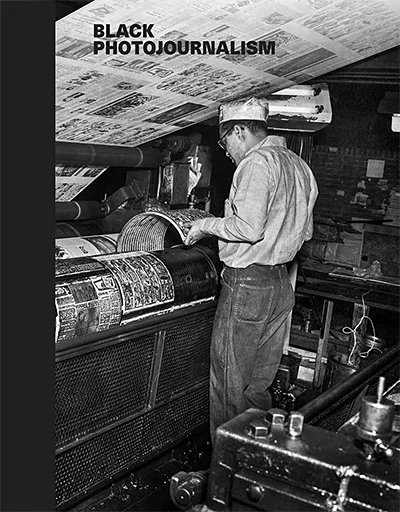
Black Photojournalism stands as a powerful chronicle of Black American life over four pivotal decades — from the end of World War II in 1945 through to the mid-1980s. This sweeping survey brings together the work of nearly sixty Black photographers who documented history as it happened: civil-rights protests, community gatherings, everyday life, cultural events, political rallies — and through their lenses, laid bare a vision of America too often ignored by mainstream media.
The book gathers more than 1000 images drawn from archives held in newspapers, libraries, museums, and private collections — photos that circulated in Black-owned media outlets such as the Pittsburgh Courier, Atlanta Daily World, the Afro American News, Chicago Defender, and Ebony. Through these pages, we discover how Black publishers and journalists forged their own networks of storytelling, giving communities the dignity of self-representation and preserving moments of struggle, solidarity, celebration, and everyday life.
Portraits and documentary scenes alike capture the complexities of post-war America: segregation and migration, activism and resistance, cultural renaissance and political mobilization. Photographers such as Gordon Parks, Charles "Teenie" Harris, Kwame Brathwaite and Ming Smith — among many others — contribute their distinct voices, composing a multifaceted portrait of Black experience in America.
More than a historical record, the collection demonstrates how photojournalism became a form of resistance and empowerment — a way for Black Americans to narrate their own stories and define their identity during times of upheaval. The volume also situates itself within a wider cultural and scholarly conversation, with essays and analyses drawn from historians, curators, archivists and media scholars, contextualizing the images within race, power, media representation and collective memory.
Black Photojournalism is thus both archive and testament — a tribute to those who dedicated their craft to witnessing beauty, struggle, joy and change. It reconnects us with voices and lives too long marginalized, and reminds us that representation matters. Through these photographs, we gain not only historical insight but also a deeper appreciation of visual storytelling’s power to affirm identity, resist injustice, and shape collective memory for generations to come.