photo ·graph opens at Hal Bromm in Tribeca from June 12 to July 31, 2026, gathering a wide range of photographers whose work treats the image as both record and point of view. The exhibition brings together artists including Renate Aller, Francisco Alvarado-Juárez, Berndt and Hilla Becher, Roger Cutforth, Gustavo Di Mario, Ryan Foerster, Mark Golderman, Grace Graupe-Pillard, Ariane Lopez-Huici, Slava Mogutin and Dirk Rowntree.
The show takes its cue from the idea of the photograph itself: a light-made image shaped by a camera, a subject and the person behind the lens. Rather than presenting photography as neutral evidence, the exhibition focuses on how images carry the outlook of the photographer. That idea runs through the selection. Some artists use the camera to affirm identity, while others turn to landscape, architecture or the body to build images that feel observational, personal or openly political.
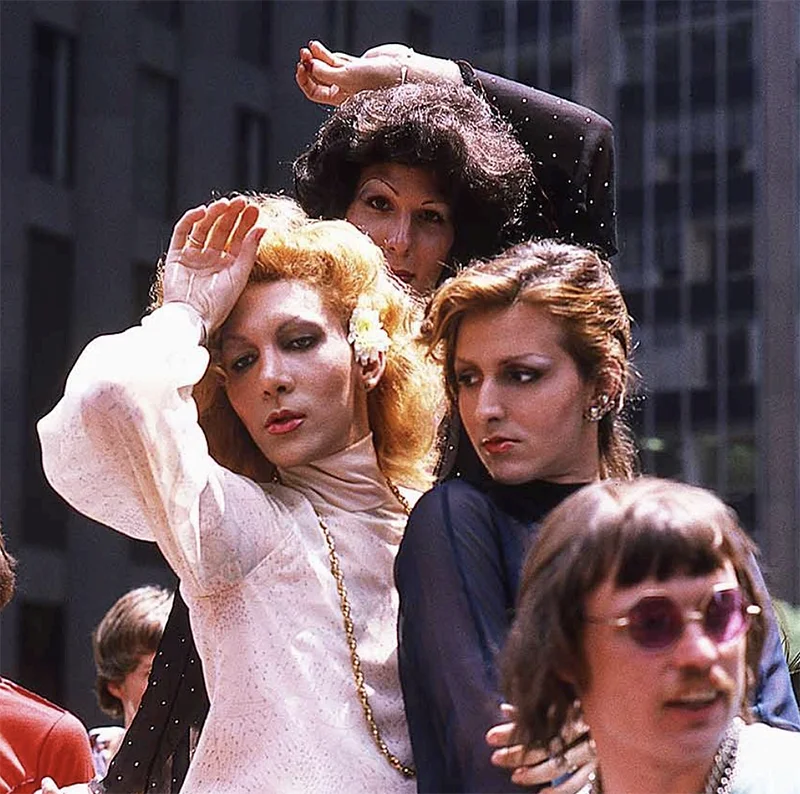
Slava Mogutin’s work brings gay visibility into the frame through direct and celebratory images. Grace Graupe-Pillard uses photography to question how the aging female body is seen. Berndt and Hilla Becher’s industrial typologies, along with the work of Mark Golderman and Ariane Lopez-Huici, bring attention to structure, repetition and the visual force of the built environment. Roger Cutforth, Ryan Foerster and Renate Aller use landscape to trace change, while Francisco Alvarado-Juárez, Gustavo Di Mario and Dirk Rowntree rely on photography’s documentary side to preserve and witness.
The timing gives the exhibition added weight. In an era when images circulate quickly and certainty around them is increasingly fragile,
photo ·graph slows things down and asks viewers to look at what a photograph reveals, and what it filters through perspective. That approach fits Hal Bromm’s long record in Tribeca, where the gallery has been active since 1975 and has consistently supported work linked to conceptual, minimalist and experimental art.
Seen together, the photographs in this show do not argue for one definition of the medium. They show instead how photography remains a direct but never simple form, shaped as much by the person behind the camera as by the world in front of it.
Image:
View of Gay Liberation Parade: Avenue of the Americas #4, 1975, NYC -Francisco Alvarado-Juárez ©