Huxley-Parlour Gallery is thrilled to announce Select Works, 1962-2019, a major exhibition celebrating the enduring legacy of world-renowned photographer
Joel Meyerowitz. Marking the artist’s fourth solo show with the gallery, this carefully curated collection brings together twenty-five seminal photographs. Spanning a remarkable six-decade career, the exhibition tracks the evolution of Meyerowitz's influential photographic voice and his pioneering approach to the medium, offering viewers an intimate look at how one of masters of modern photography transformed the way we view the world.
The early phase of Meyerowitz’s career is defined by the raw, unpredictable energy of New York City streets during the 1960s. Armed with a 35mm camera, he navigated the urban landscape to capture the delicate friction between freneticism and inertia. His early street photography relies on a sophisticated, multi-layered vision where ordinary subjects—a boy backlit by a sudden ray of sunlight, a translucent wedding dress in a shop window, or a life-size doll riding pillion on a motorcycle—become extraordinary. Meyerowitz possessed a unique alertness to nearly invisible phenomena, generating a distinct visual wit and a profound sensitivity to the world as it revealed itself to him. What he searched for in these urban explorations were fleeting moments of harmony within chaos, echoing the unlikely clarity found in the music of his New York jazz contemporaries, including Miles Davis, Sun Ra, and Pharoah Sanders.
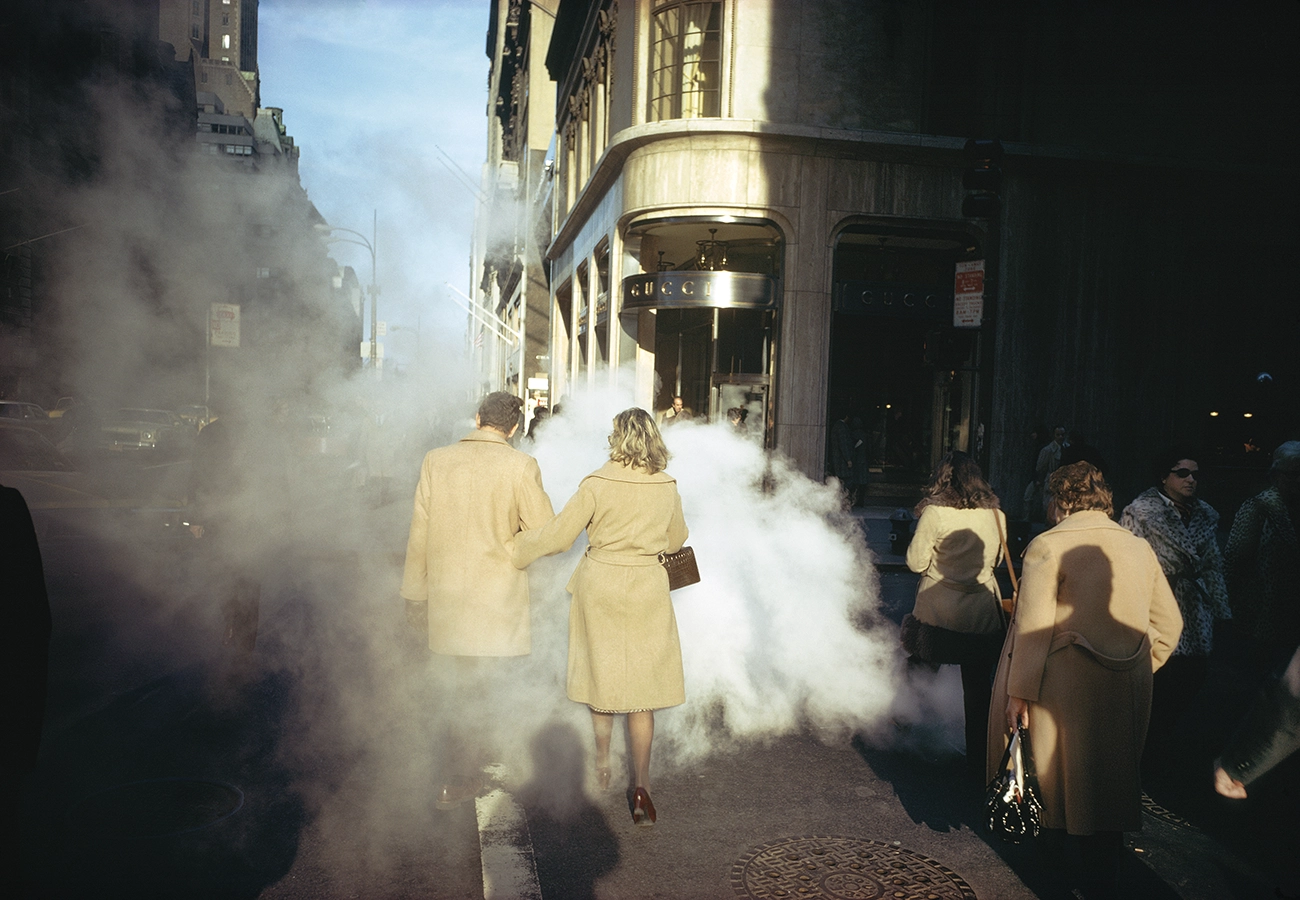
Camel Coats, New York City, 1975 © Joel Meyerowitz, Courtesy Howard Greenberg Gallery and Huxley-Parlour.
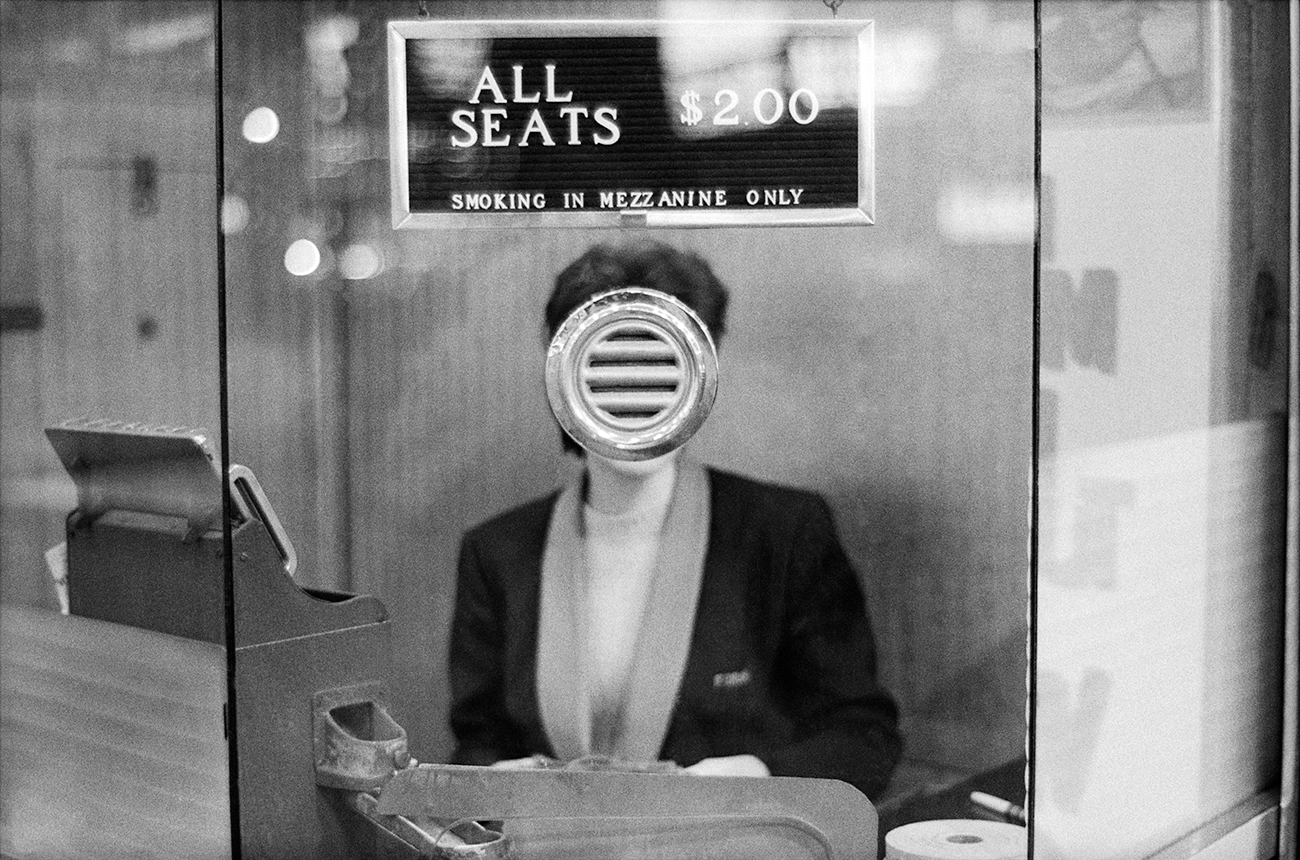
Times Square, New York City, 1963 © Joel Meyerowitz, Courtesy Howard Greenberg Gallery and Huxley-Parlour.
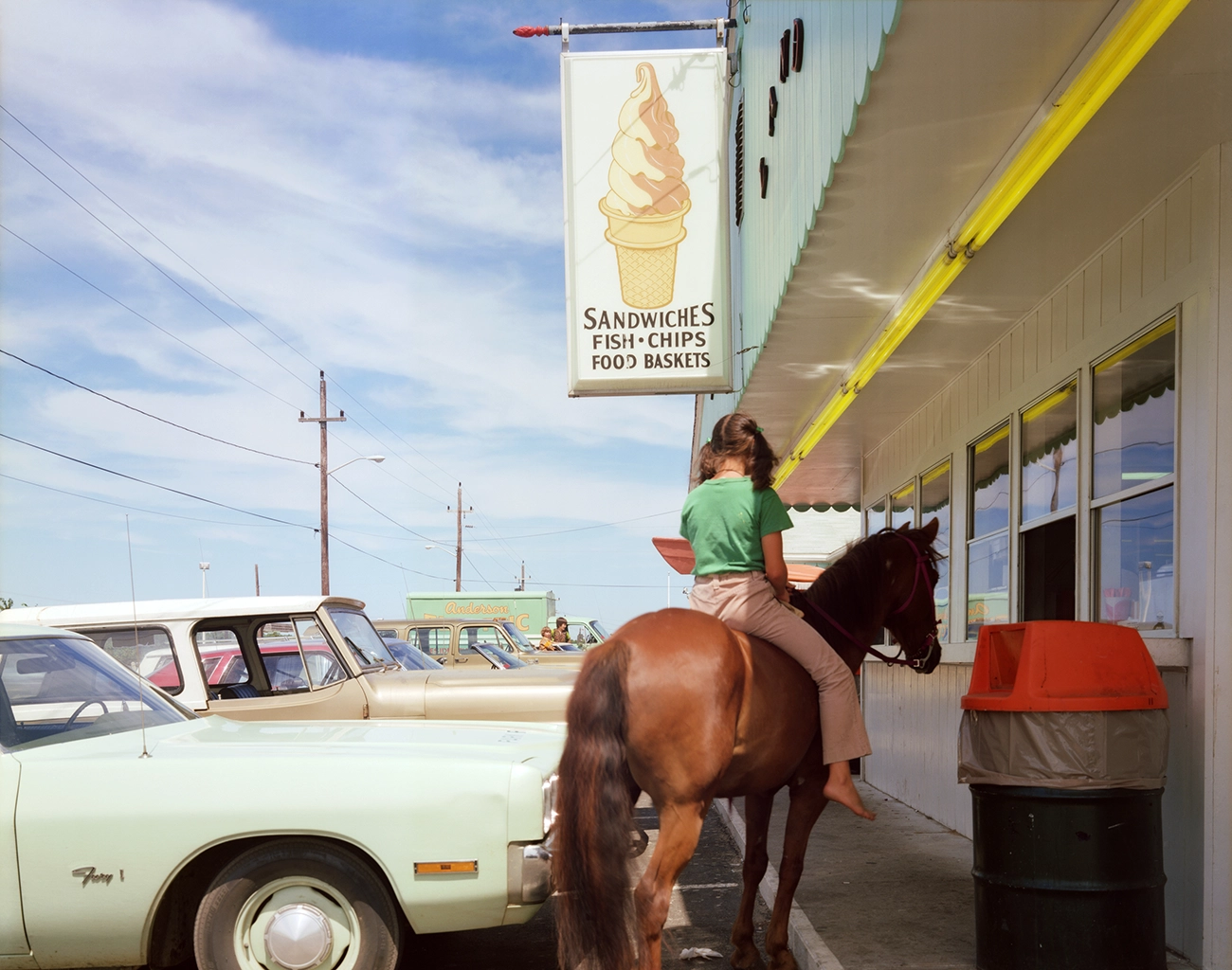
Provincetown, 1976 © Joel Meyerowitz, Courtesy Howard Greenberg Gallery and Huxley-Parlour
An undeniable instantaneity defines these early photographs, often signaled by slanting horizons and the unvarnished candor of his subjects. However, the publication of his landmark 1978 photobook, Cape Light, marked a dramatic shift in his artistic velocity. Moving away from the high-energy rush of Manhattan, Meyerowitz traded his quick 35mm camera for a spacious 8x10 inch view camera, adopting a significantly slower, more deliberate method. Turning his lens toward the undisturbed coastal horizons and quiet domestic interiors of New England, color and form became his primary subjects. The photographs from this era are celebrated for their deeply meditative qualities, subtlety, and meticulously constructed compositions. Whether exploring the interplay of wind moving through hanging laundry or capturing evening light playing over still waters, the kinetic jazz of his street photography subsided, replaced by a visual style that was inherently symphonic.
Though subsequent projects altered his tone, Meyerowitz continuously retained this newfound tranquility. While vast stylistic choices separate the various eras of his career, his fundamental sensitivity to the appearance of the world remains entirely unchanged. An enduring curiosity and a sense of wonder over the peculiarities of vision allow him to uncover a strain of the sublime within habitual perception. The photographer frequently draws inspiration from poet Robert Frost’s 1939 essay The Figure of a Poem, sharing the philosophy that without surprise for the creator, there can be no surprise for the viewer. For Meyerowitz, the initial delight of photography lies entirely in the surprise of remembering something he didn't know he knew.
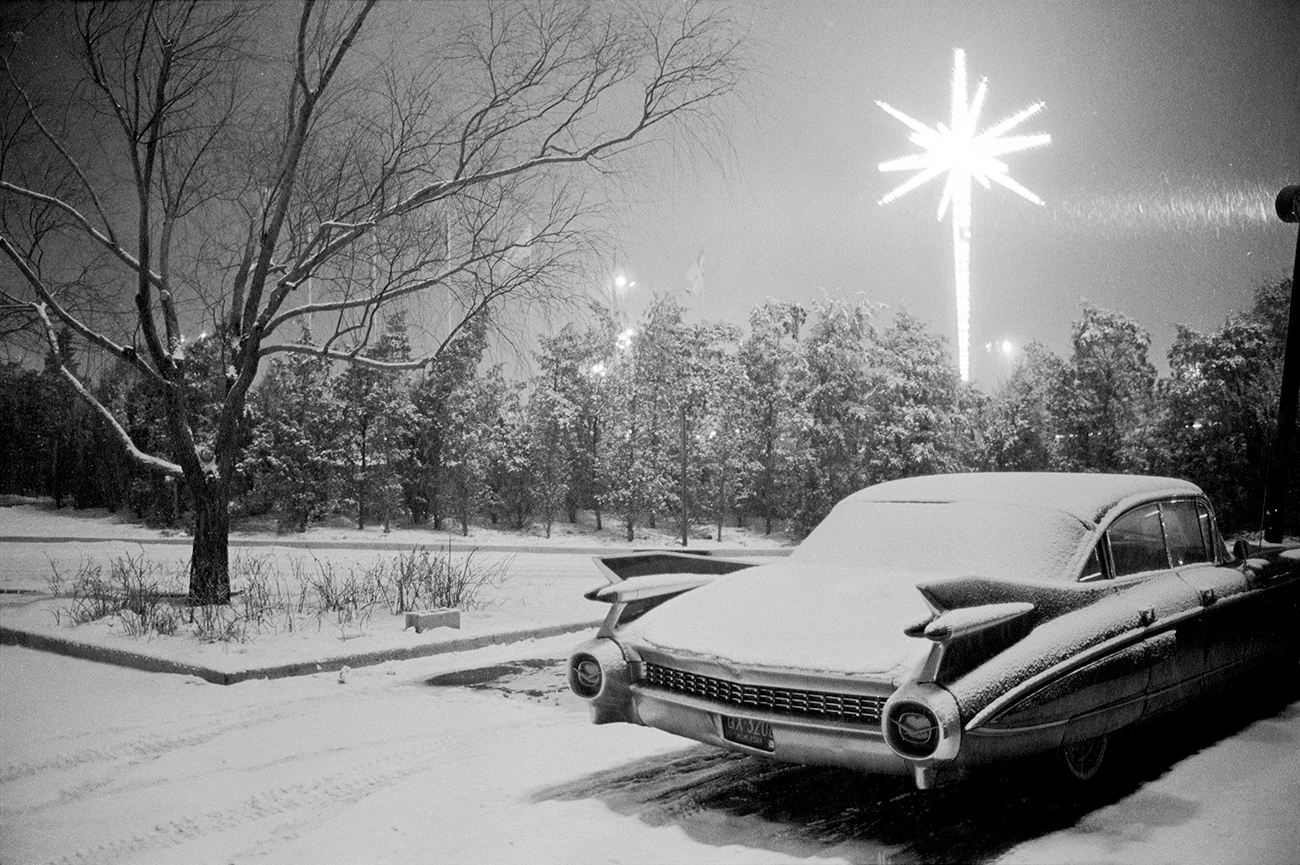
JFK Airport, New York City, 1968 © Joel Meyerowitz, Courtesy Howard Greenberg Gallery and Huxley-Parlour.jpg
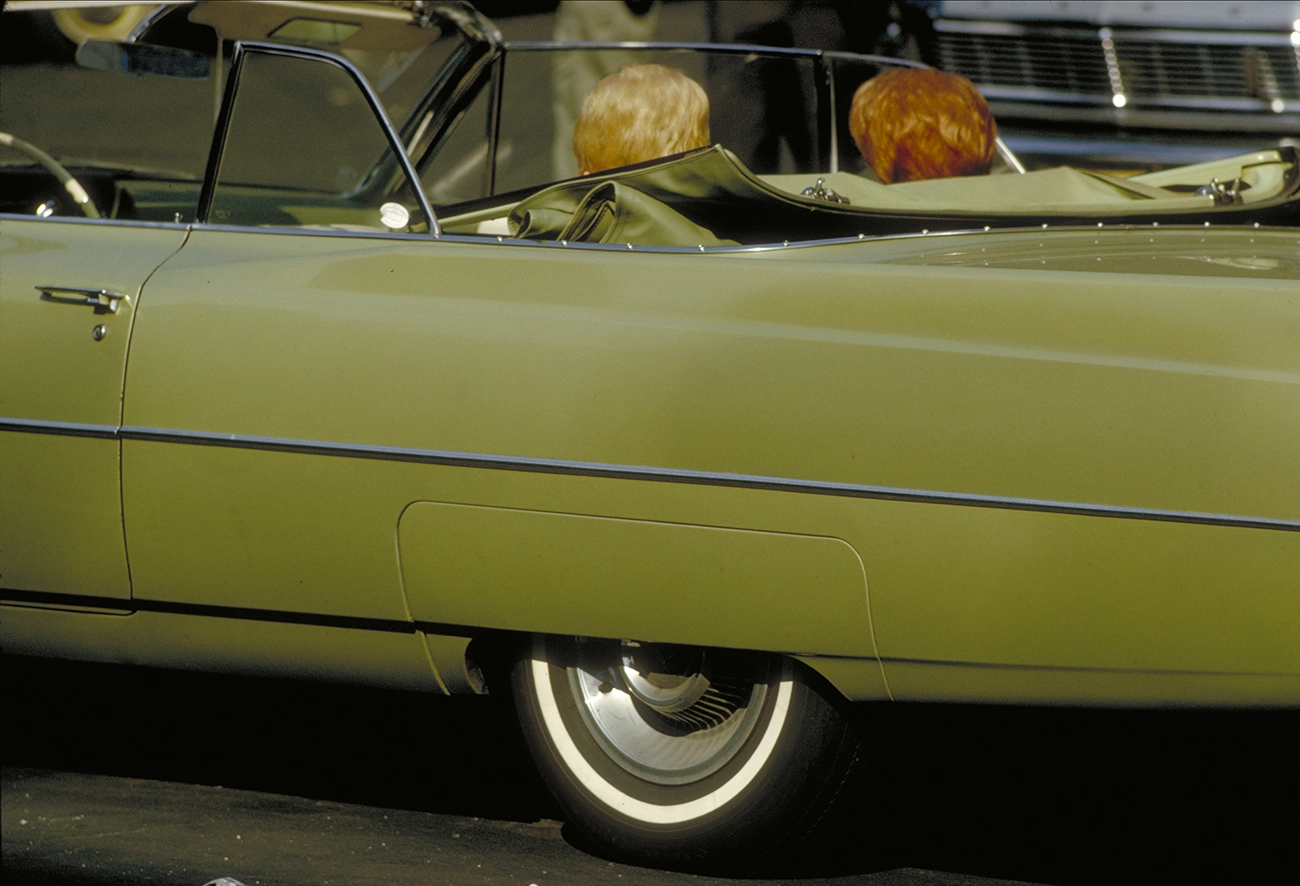
New York City, 1966 © Joel Meyerowitz, Courtesy Howard Greenberg Gallery and Huxley-Parlour.
Born in New York in 1938,
Joel Meyerowitz is widely acknowledged as one of the key figures responsible for bringing color photography from the commercial periphery to the center of fine art. Alongside contemporaries like William Eggleston and Stephen Shore, Meyerowitz challenged a mid-century art establishment that considered monochromatic photography the only serious medium. At a time when color was dismissed as technically inferior and restricted to the realms of television, advertising, and family vacation snapshots, Meyerowitz defied convention. His boundary-pushing career proved to the art world that color allowed for a deeply nuanced, sophisticated contemplation of form, mood, and composition, forever altering the trajectory of contemporary art history.
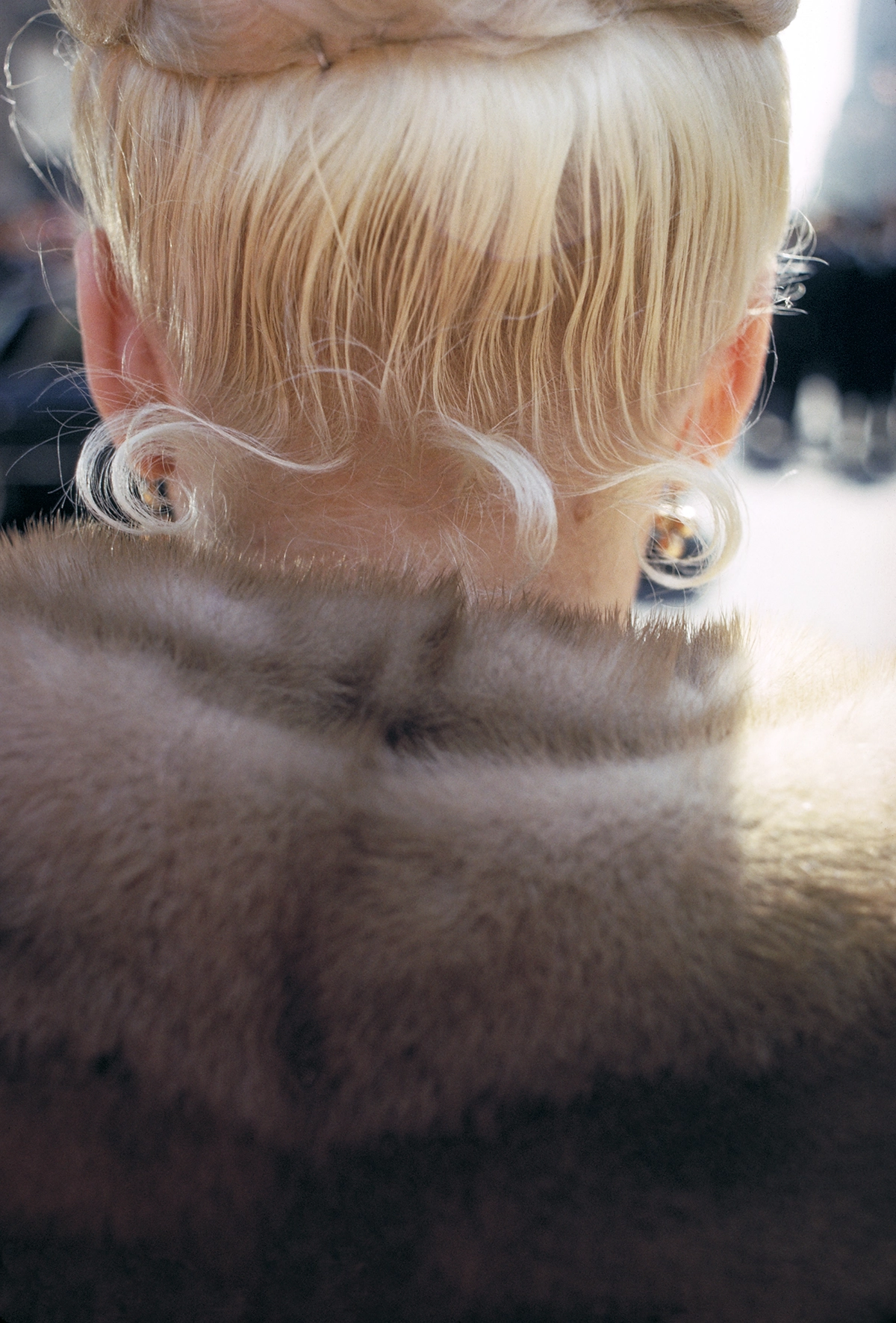
New York City, 1963 © Joel Meyerowitz, Courtesy Howard Greenberg Gallery and Huxley-Parlour
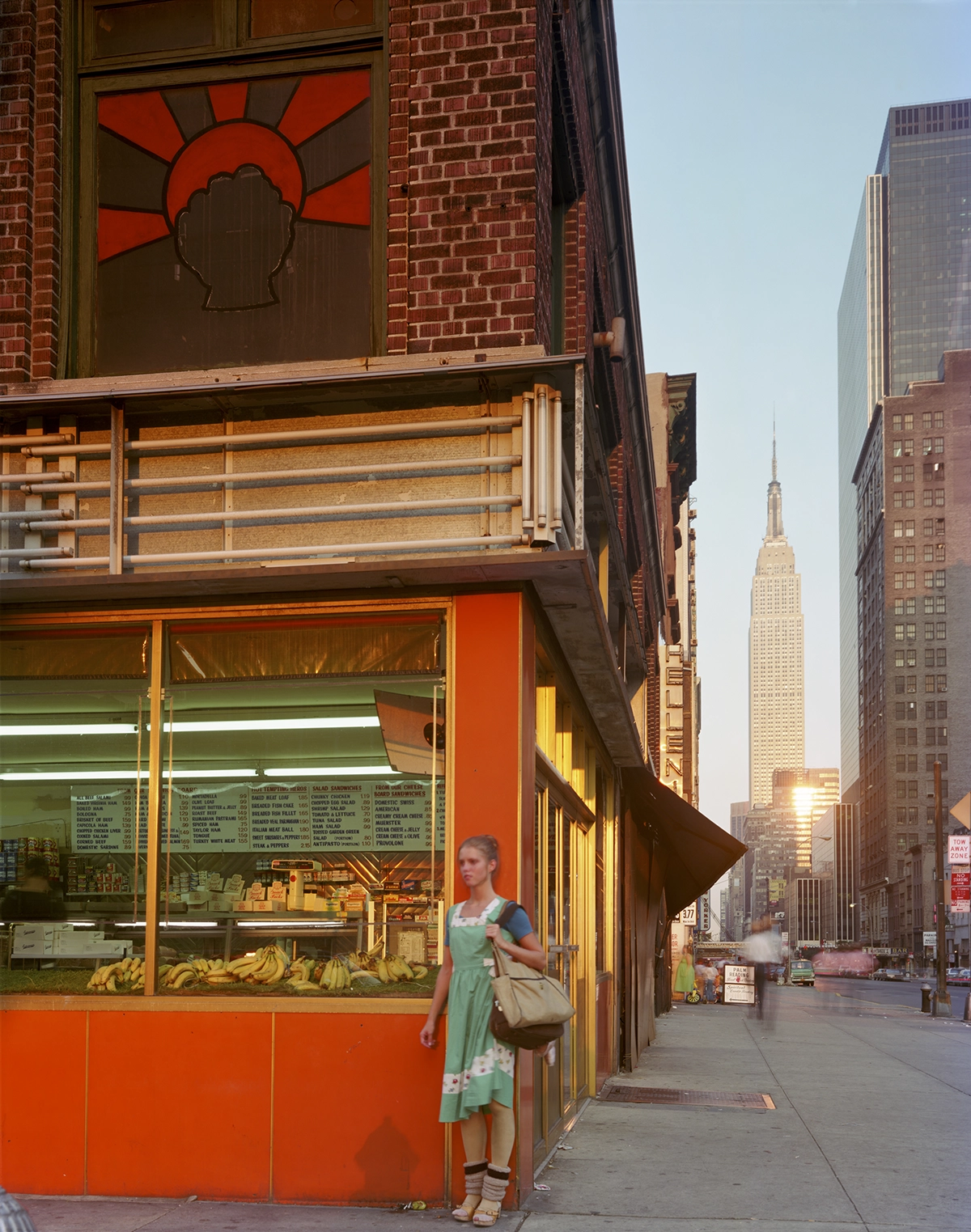
Young Dancer, Empire State Series, New York City, 1978 © Joel Meyerowitz, Courtesy Howard Greenberg Gallery and Huxley-Parlour