This summer, the
National Gallery of Art unveils one of the most compelling photography exhibitions of 2026:
Beneath the Surface: Mining and American Photography. On view from May 23 through August 23, 2026, the groundbreaking exhibition is the first major museum presentation dedicated exclusively to exploring the profound relationship between resource extraction and American photography across nearly two centuries.
Bringing together 150 photographs by more than 100 artists, Beneath the Surface offers a fascinating visual journey through the history of mining, fossil fuel production, and industrial development in the United States. From the California Gold Rush to contemporary environmental concerns, the exhibition reveals how photographers have documented, interpreted, and challenged the industries that have shaped modern life.
A Landmark Photography Exhibition
Featuring works by some of the most influential photographers in American history—including Richard Avedon, Walker Evans, Dorothea Lange, Lewis Hine, Gordon Parks, LaToya Ruby Frazier, David Maisel, Mitch Epstein, Carleton Watkins, and Will Wilson—the exhibition highlights the evolving role of photography in portraying extraction industries and their impact on people, communities, and landscapes.
Drawing heavily from the National Gallery of Art’s renowned photography collection, visitors will encounter rare early daguerreotypes created during the Gold Rush era, powerful documentary photographs of industrial expansion, and contemporary large-scale works that address environmental transformation and social justice.
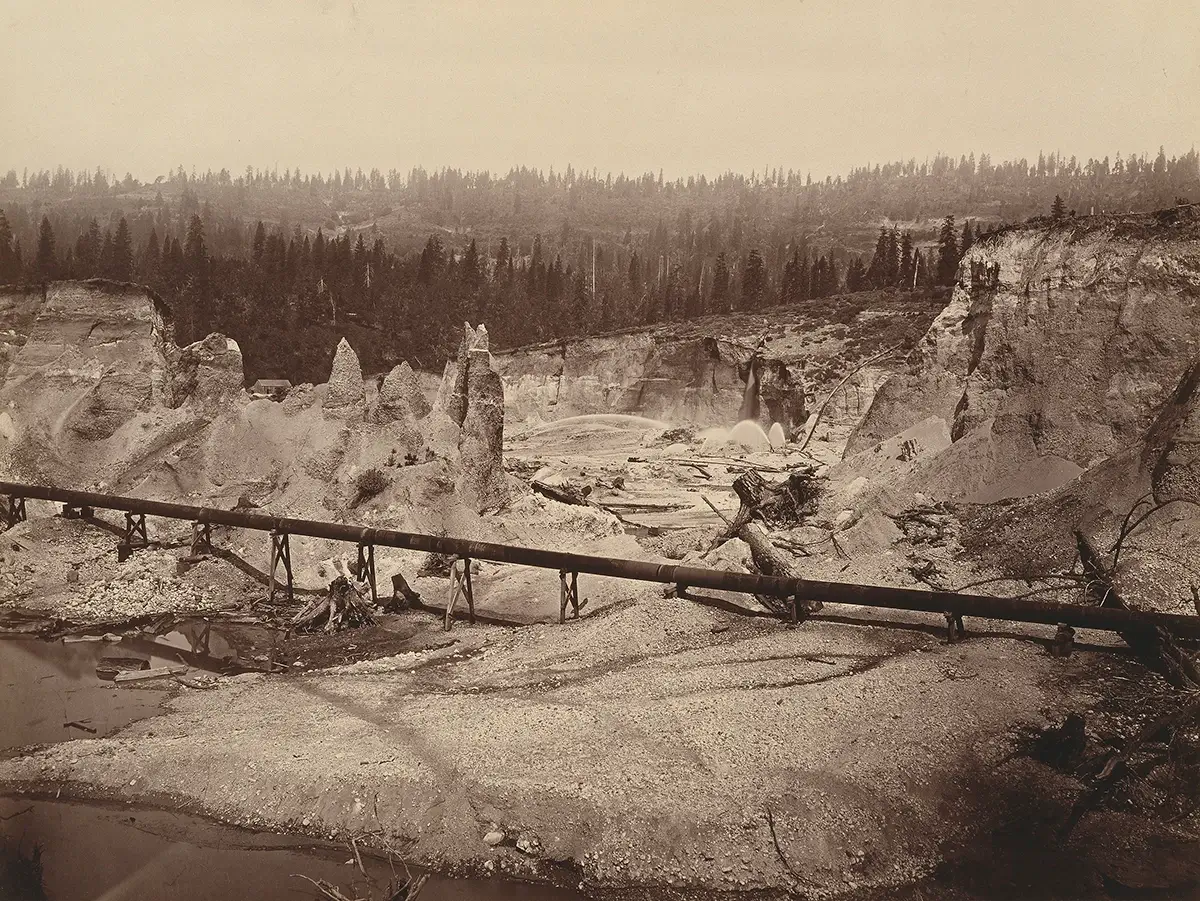
Malakoff Diggins, North Bloomfield, Nevada County [California],1871 © Carleton E. Watkins
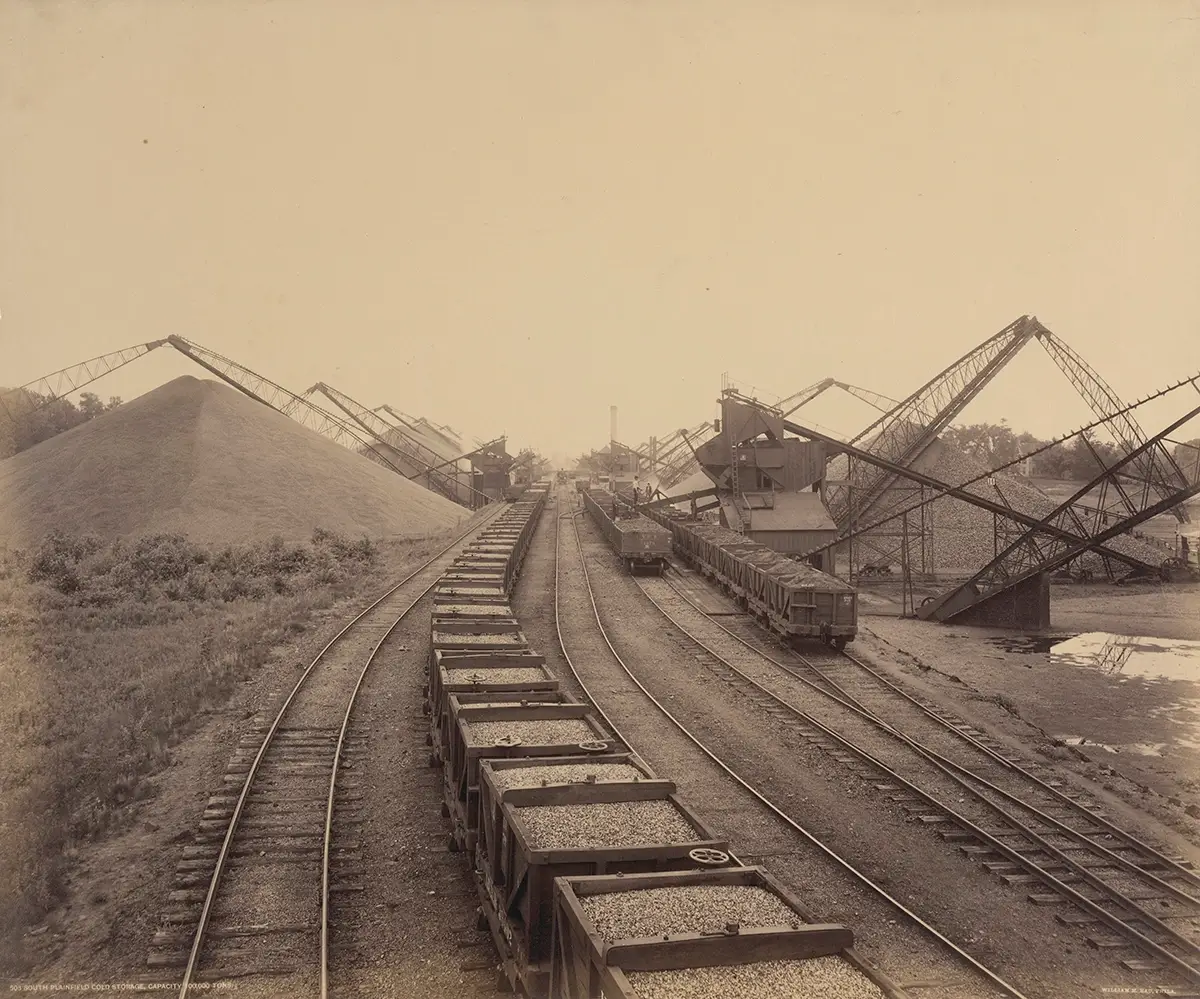
South Plainfield Coal Storage, capacity 100,000 tons, c. 1890 © William H. Rau
One of the exhibition’s most intriguing themes is the connection between photography itself and the mining industry. Early photographic processes depended on silver, while modern digital technologies rely on mined materials such as copper and rare earth elements. This relationship creates a unique lens through which to examine both the medium and the industries it has long documented.
According to co-curator Diane Waggoner, curator of photographs at the National Gallery of Art, the exhibition explores photography's dual role as both a product of extracted resources and a primary tool for visualizing extraction. The works on display range from commercial and promotional imagery to documentary projects and activist photography, presenting a balanced view of the rewards and consequences of resource development.
Exploring Two Centuries of Industrial Transformation
The exhibition unfolds through six chronological sections preceded by an introductory gallery featuring contemporary works that establish a critical framework for the themes ahead. Visitors will discover photographs by iconic figures such as Margaret Bourke-White, Marion Post Wolcott, and Bernd and Hilla Becher alongside lesser-known but equally compelling artists including Florence Kemmler, Alma Lavenson, and Mary Morris.
Contemporary voices such as Edward Burtynsky, Victoria Sambunaris, Terry Evans, Binh Danh, and Cara Romero further expand the conversation, examining how extraction continues to shape environments and communities today.
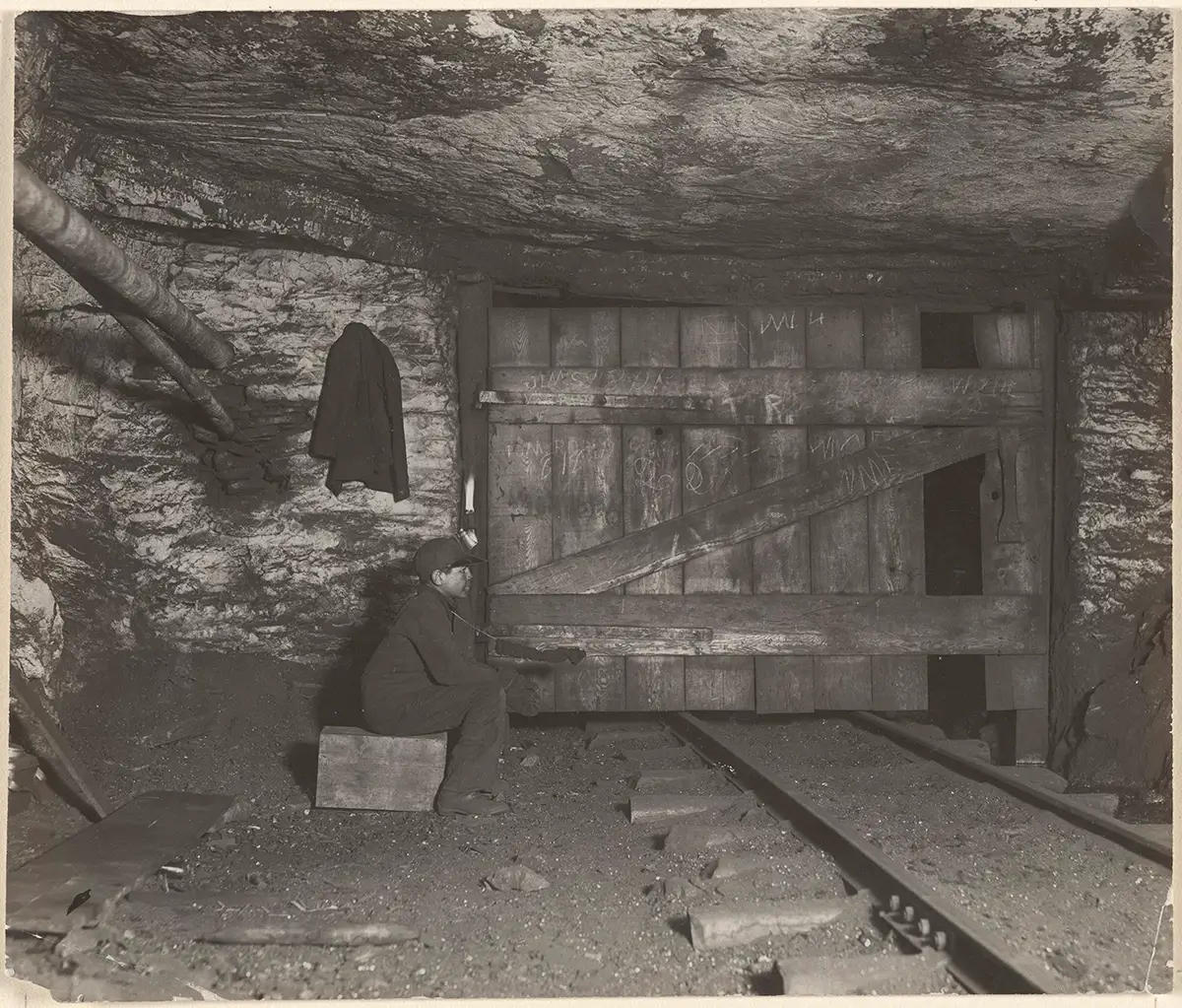
A lonely job. Willie Bryden, a nipper, 13 yrs old, Pittston, Pa., 1911 © Lewis Wickes Hine
At its core, Beneath the Surface investigates one of photography’s greatest challenges: how to represent industries whose scale often exceeds human comprehension. Through sweeping landscapes, intimate worker portraits, aerial imagery, photobooks, collages, historical processes, and experimental photographic techniques, artists have continually pushed the boundaries of the medium to communicate the magnitude of extraction and its far-reaching effects.
The exhibition demonstrates how photography has influenced public understanding of mining and resource development for nearly 200 years, helping audiences visualize activities that are often hidden beneath the earth’s surface yet fundamental to modern society.
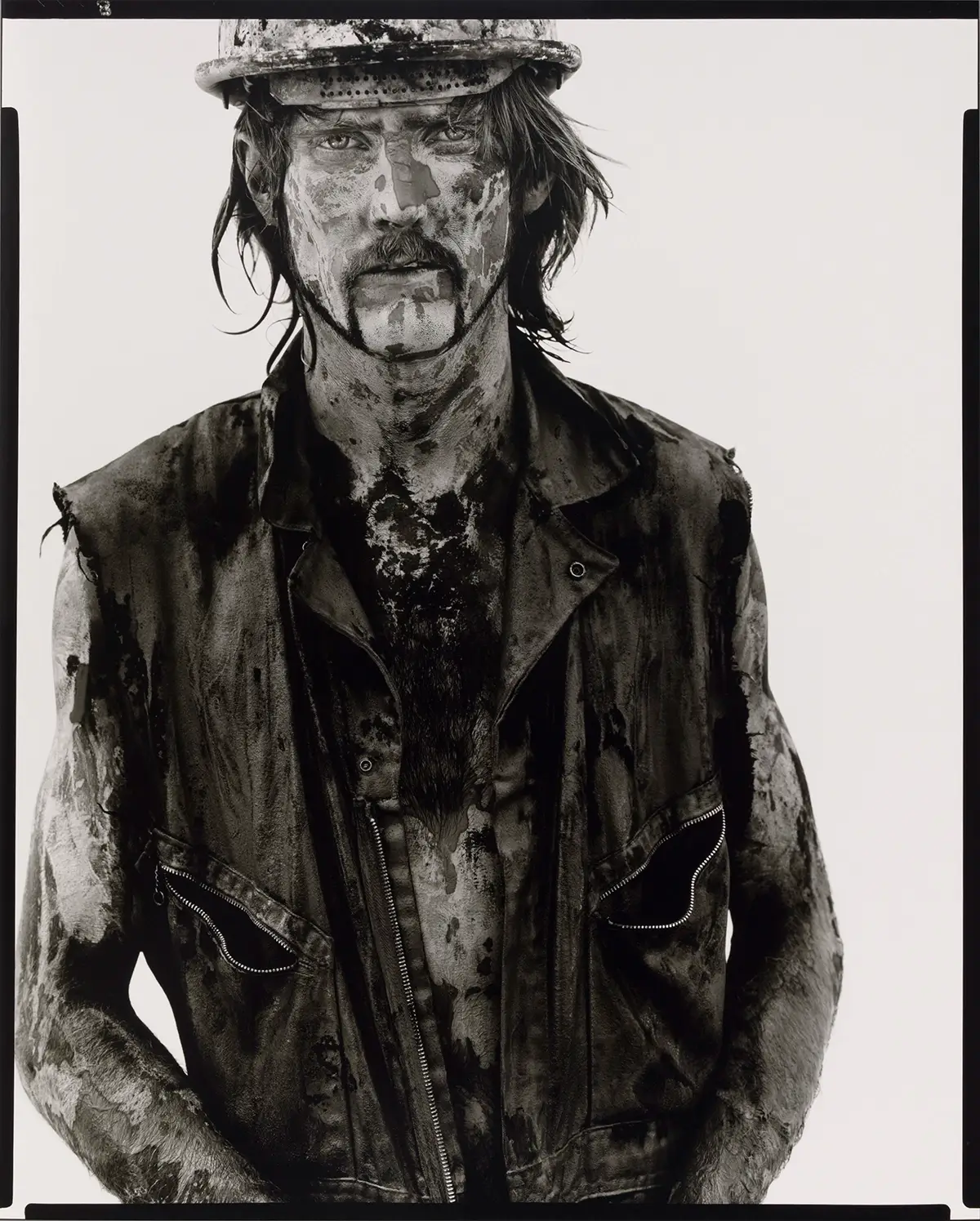
Tom Stroud, oil field worker, Velma, Oklahoma, 6/12/80 © Richard Avedon, The Richard Avedon Foundation
As conversations around sustainability, energy production, environmental stewardship, and industrial history continue to evolve, Beneath the Surface: Mining and American Photography offers timely insight into the complex relationship between natural resources, technological progress, and visual culture. Combining historical depth, artistic innovation, and contemporary relevance, it stands as one of the most important photography exhibitions of 2026.
Whether you're a photography enthusiast, history lover, environmental advocate, or simply curious about the forces that have shaped America, this exhibition provides a thought-provoking and visually stunning experience.
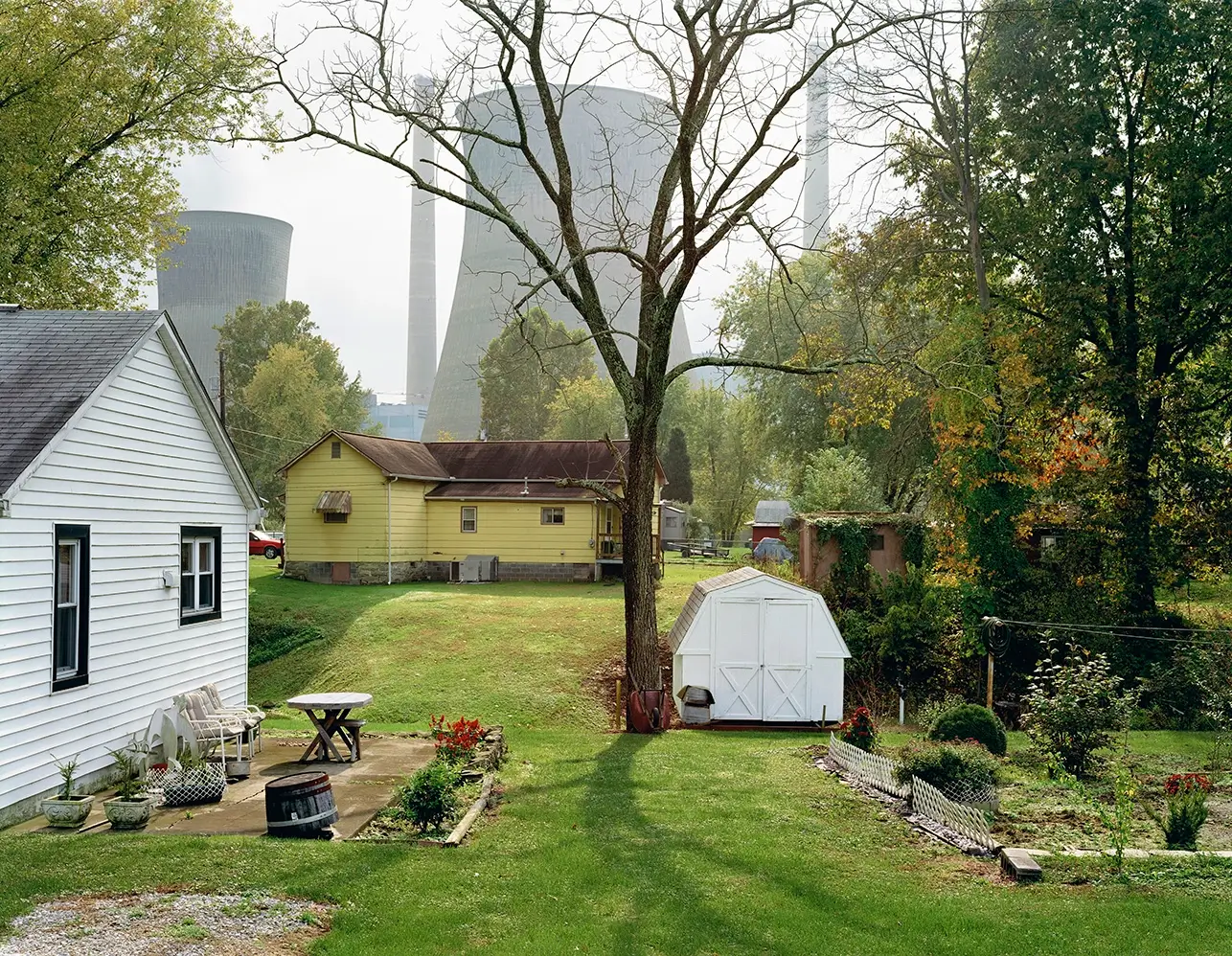
Amos Coal Power Plant, Raymond City, West Virginia 2004, printed 2025 © Mitch Epstein
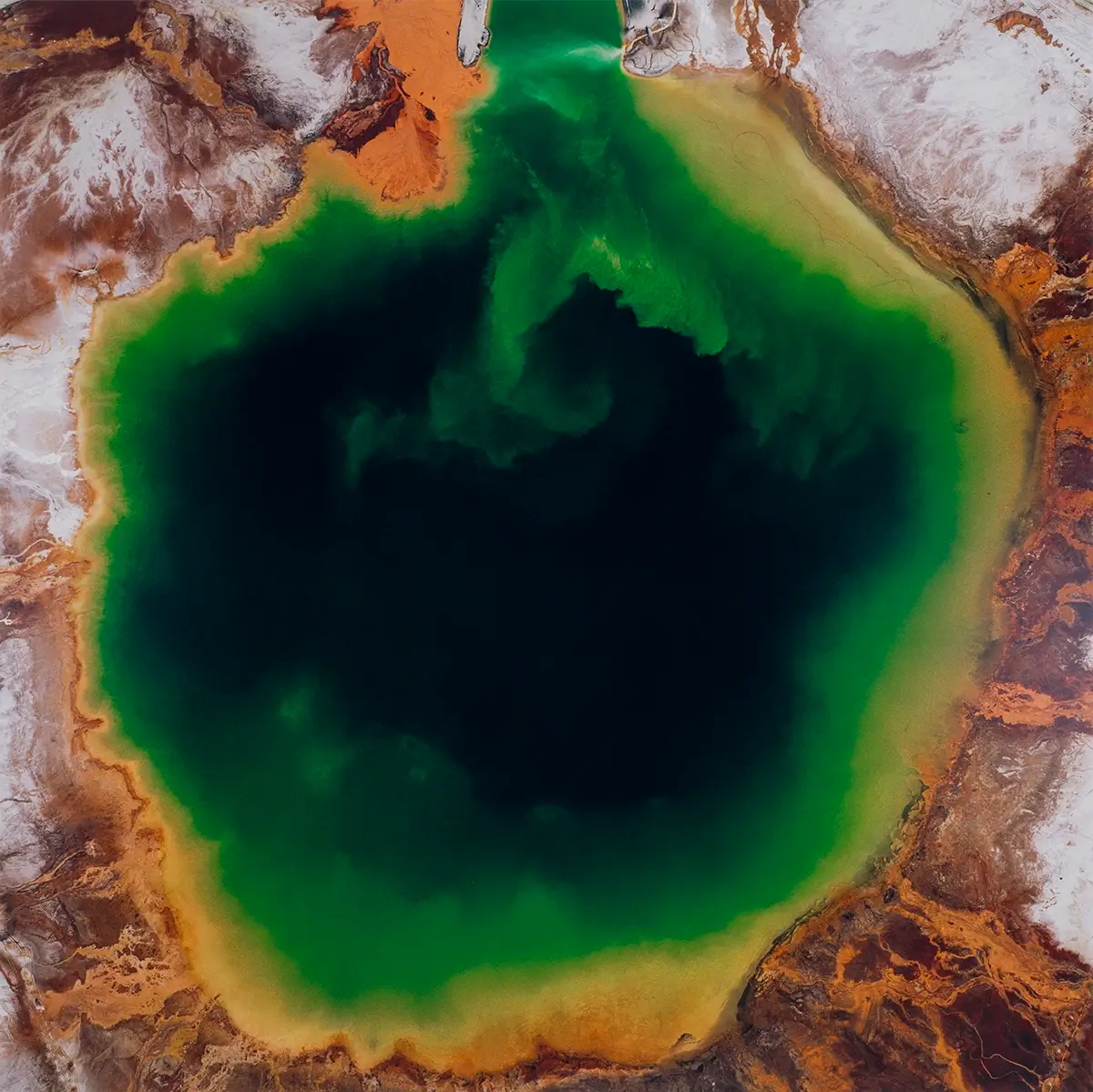
American Mine, Carlin, Nevada 1, 2007 © David Maisel
May 23 – August 23, 2026
www.nga.gov
Milwaukee Art Museum, Wisconsin
October 23, 2026 – January 18, 2027
mam.org
Amon Carter Museum of American Art, Fort Worth, Texas
February 14 – May 9, 2027
www.cartermuseum.org
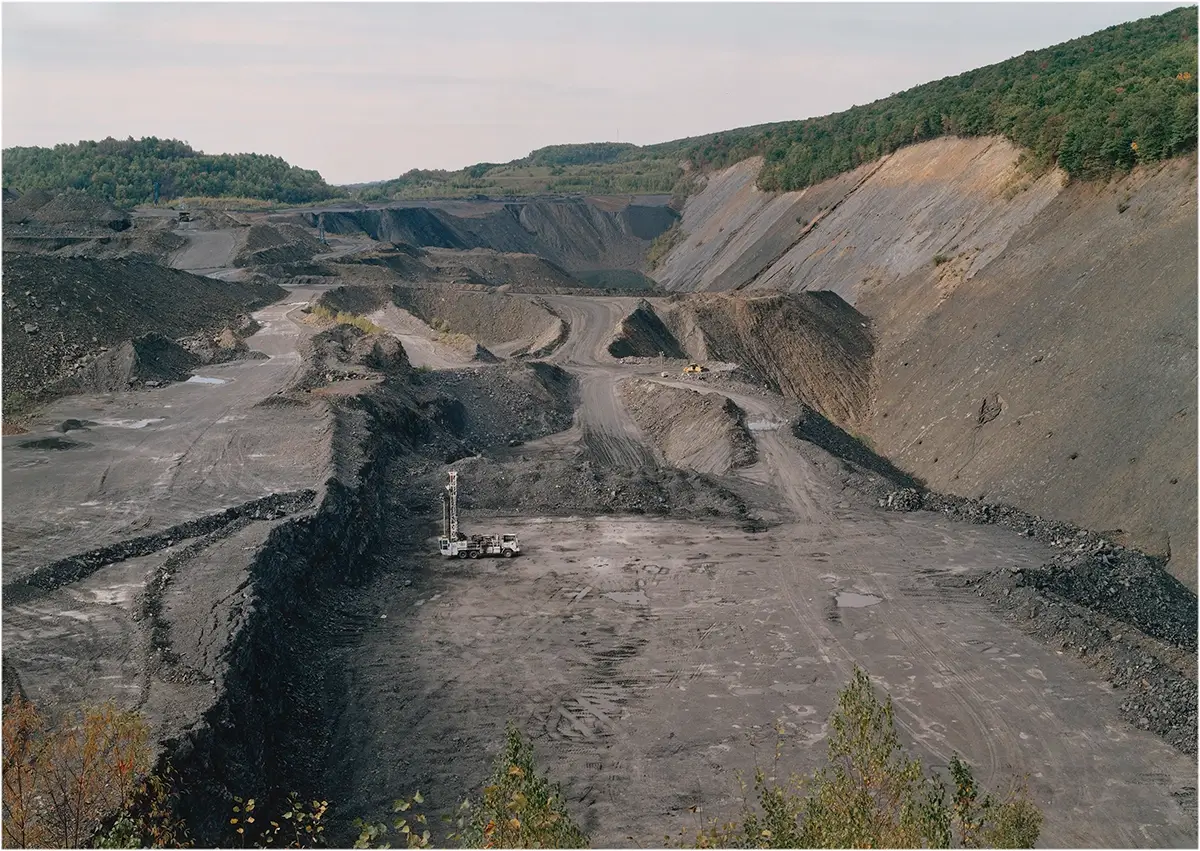
Untitled (Coaldale, Pennsylvania), 2007 © Victoria Sambunaris
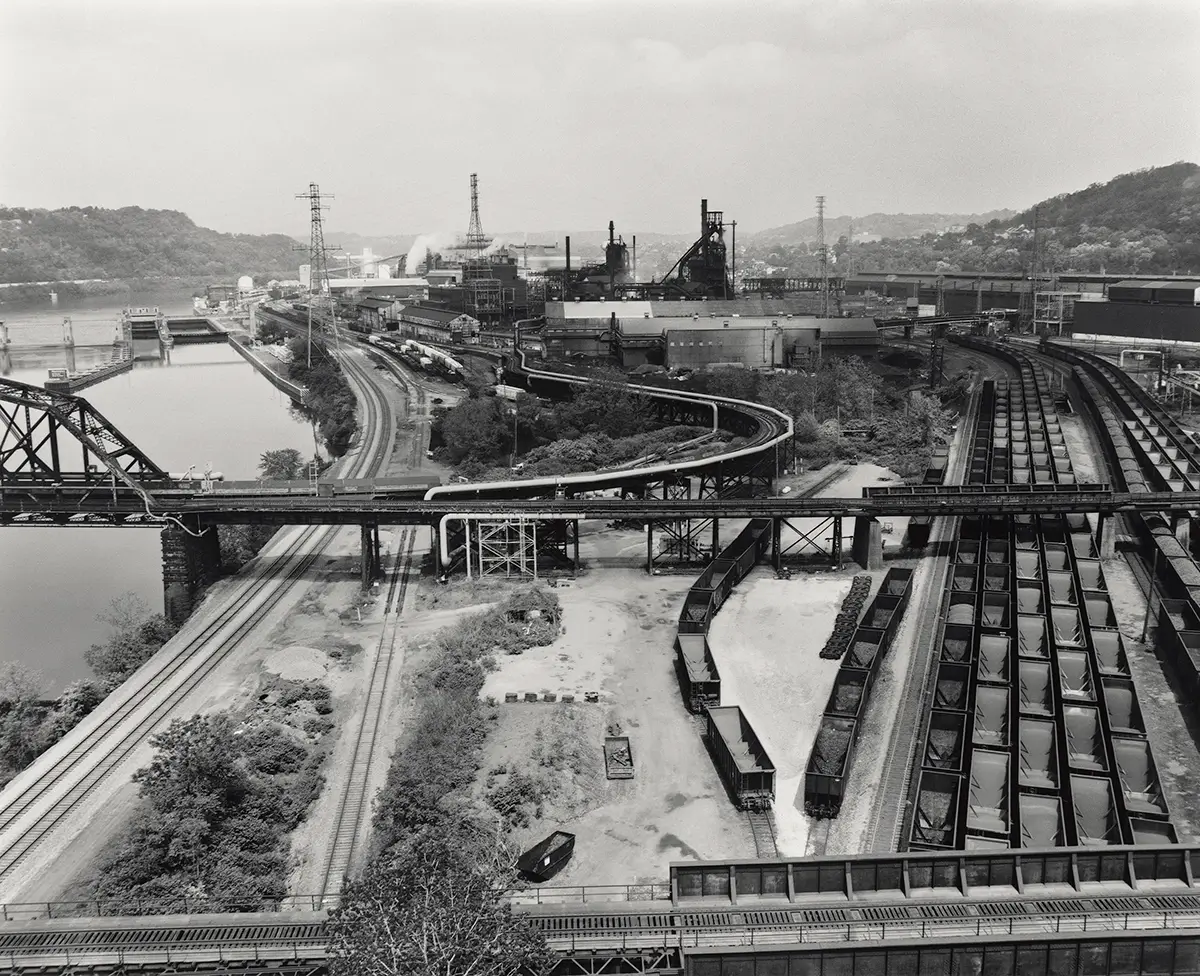
U.S.S. Edgar Thomson Steel Works & Monongahela, 2013 © LaToya Ruby Frazier
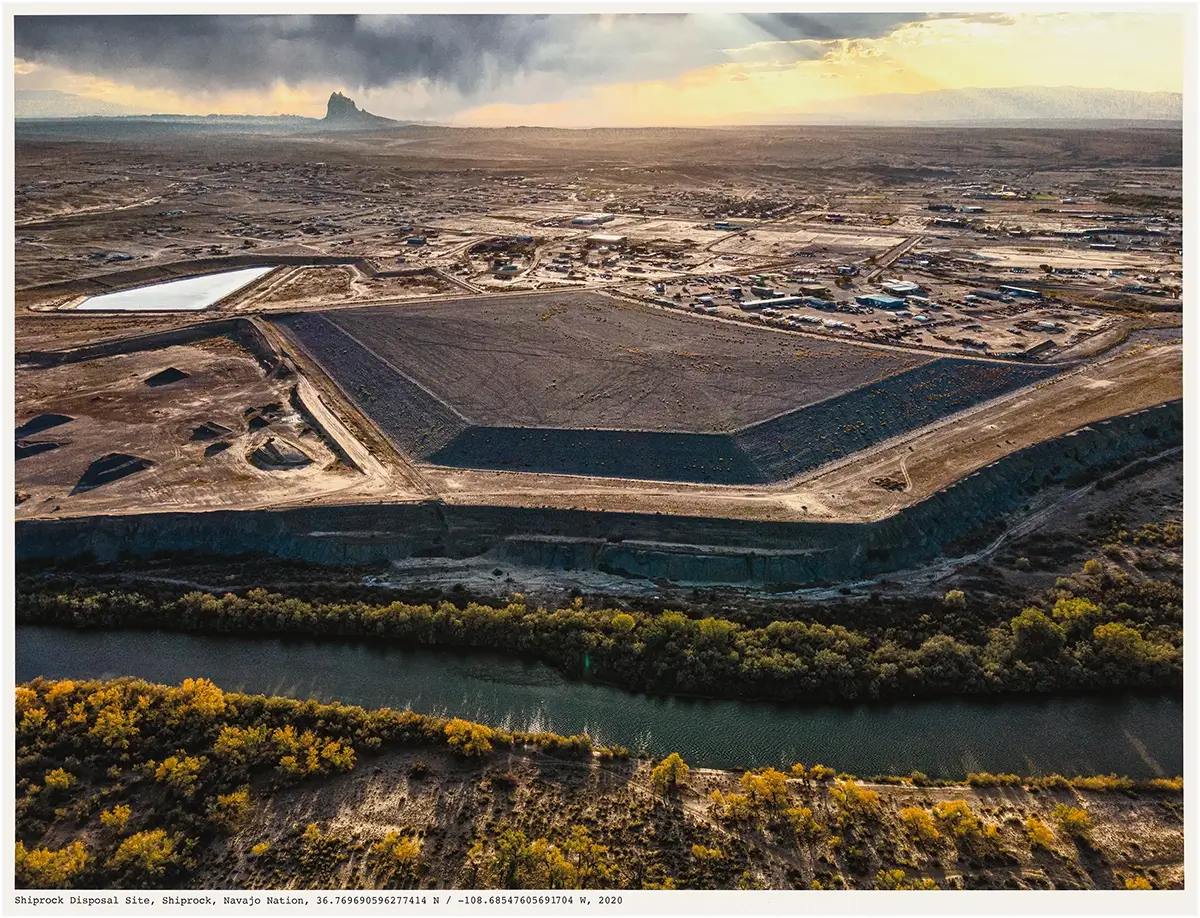
Shiprock Disposal Site, Shiprock, Navajo Nation,36. © Will Wilson (Diné)