France in the Time of Manet and Morisot presents a vivid portrait of a nation undergoing profound transformation. The exhibition captures an era marked by conflict, innovation, and cultural rebirth, a period in which Edouard Manet and Berthe Morisot forged their artistic identities. As France moved through political upheaval, industrial progress, and rapid urban expansion, Paris stood at the center of these changes, becoming both the capital of modernity and the birthplace of bold new artistic visions.
During this turbulent century, photography emerged as a revolutionary medium capable of chronicling the shifting social and cultural fabric of the country. Pioneers such as
Charles Marville and Édouard-Denis Baldus documented the altered cityscape—from newly built boulevards to monumental engineering projects—and created visual records that deeply influenced how contemporaries understood the changing world around them. Their images preserved both what Paris had been and what it was becoming.
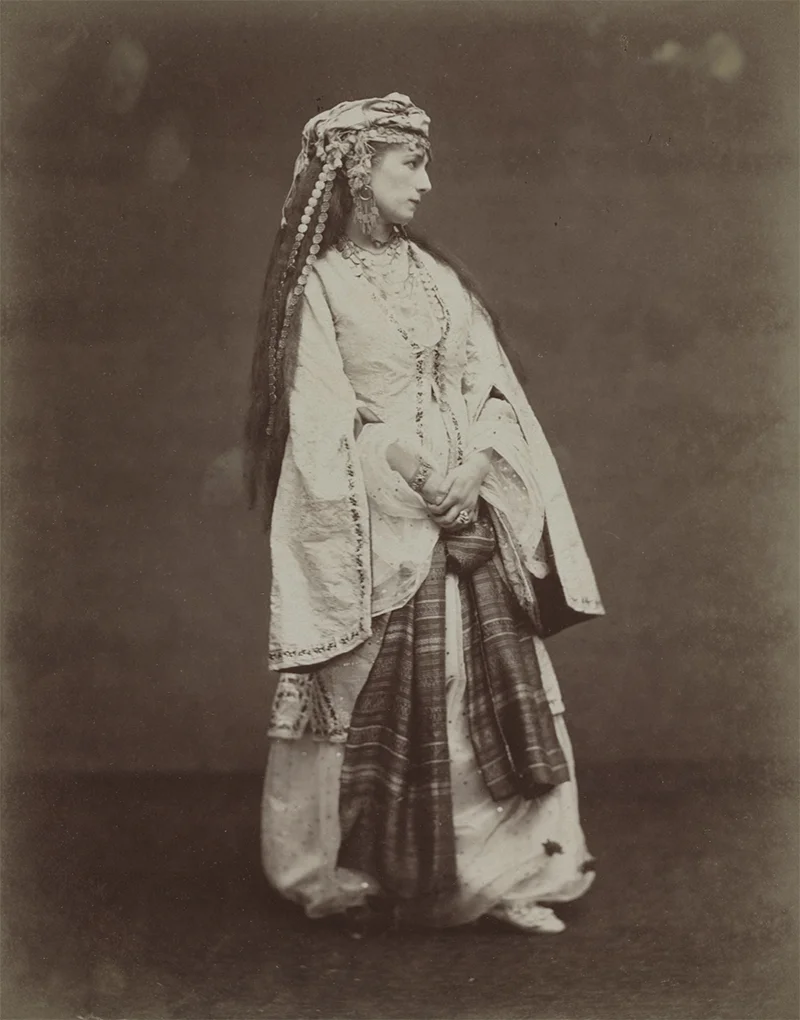
At the same time, portrait studios flourished, giving rise to a new form of celebrity culture. The likenesses of Sarah Bernhardt, Victor Hugo, and the great authors and performers of the day became widely circulated, capturing the public imagination. Photographers like
Nadar, Disderi, Le Gray, and Carjat developed distinct styles that emphasized personality and presence, making the photographic studio a place where fame, artistry, and social aspiration intersected. Members of the growing middle class sought to emulate these celebrated figures by visiting the same studios, turning portraiture into a shared cultural ritual.
Drawn from an exceptional collection of 19th-century French photography, the exhibition allows visitors to witness the evolution of a nation in real time. These images complement the companion presentation devoted to Manet and Morisot, illuminating the historical forces that shaped their artistic world and offering a richer understanding of France at a pivotal moment in its history.
Image:
Sarah Bernhardt in "Zaire" by Voltaire, 1874
Étienne Carjat (French, 1828–1906). Albumen print from wet collodion negative; image: 27.3 x 21.3 cm (10 3/4 x 8 3/8 in.); matted: 50.8 x 40.6 cm (20 x 16 in.). The Cleveland Museum of Art, John L. Severance Fund, 1996.245