In
Civilization,
Damien Aubin turns his lens toward environments shaped not by nature, but by ambition. These are places engineered at a scale that exceeds the individual — infrastructures, industrial complexes, vast architectural systems that dwarf the human body and often eclipse it entirely.
There are no protagonists here. No narratives unfolding in real time. Instead, Aubin photographs what remains when activity recedes: structures that continue to stand, operate, or simply endure.
Architecture Without Witness
Whether meticulously maintained, fully operational, or marked by abandonment, the sites portrayed in *Civilization* share a common condition: persistence.
Aubin does not approach them as ruins in the romantic sense. He does not seek picturesque decay or nostalgic collapse. Rather, he observes how these systems continue to impose their internal logic long after human presence has thinned or disappeared. Conveyor belts remain aligned. Corridors stretch with geometric certainty. Towers and grids uphold their structural authority.
The absence of people does not diminish their power. It clarifies it.
In these photographs, the human figure recedes so that structure may dominate. Scale becomes the subject. Organization becomes the narrative.
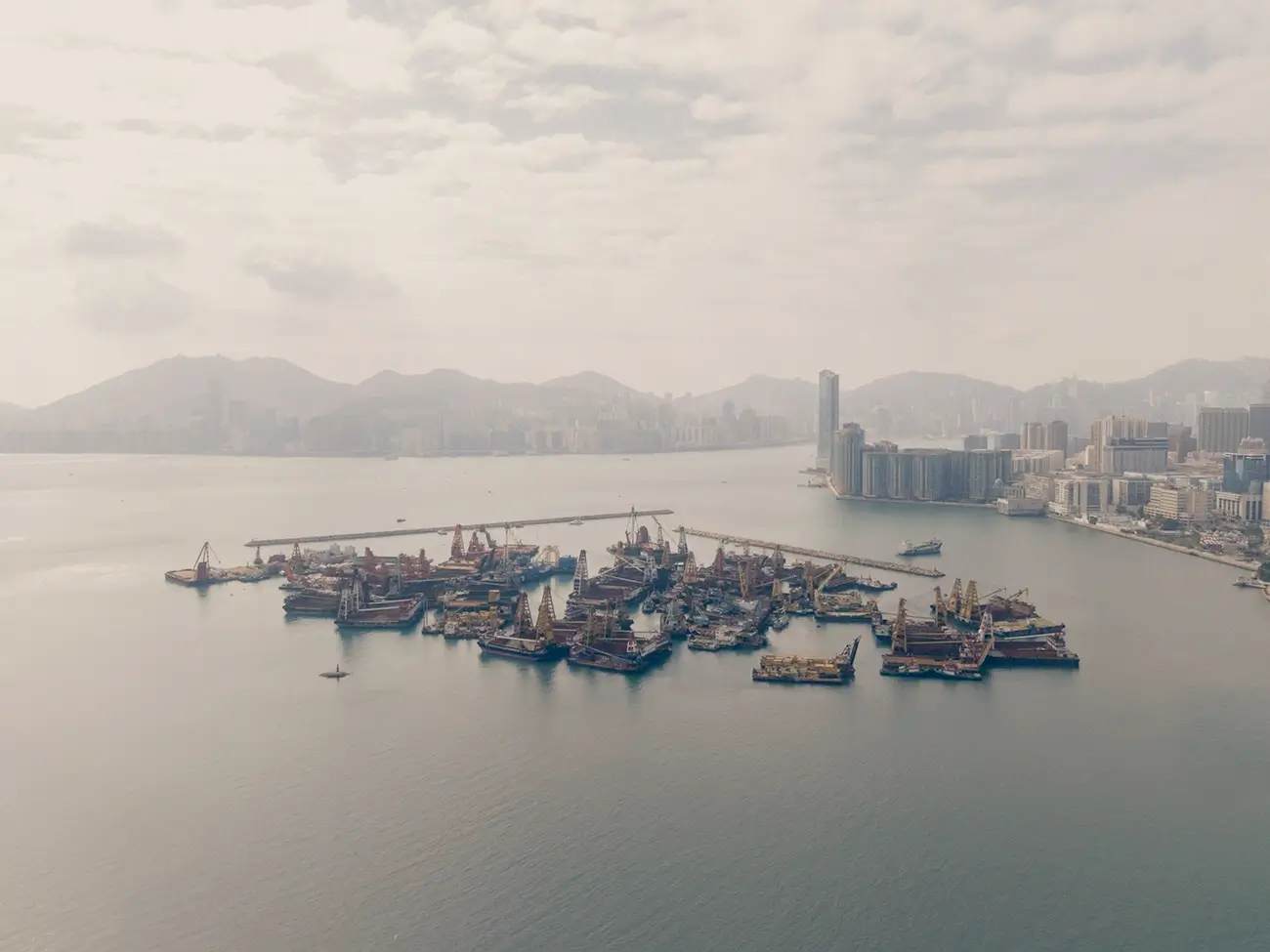
Shelter, Hong Kong © Damien Aubin
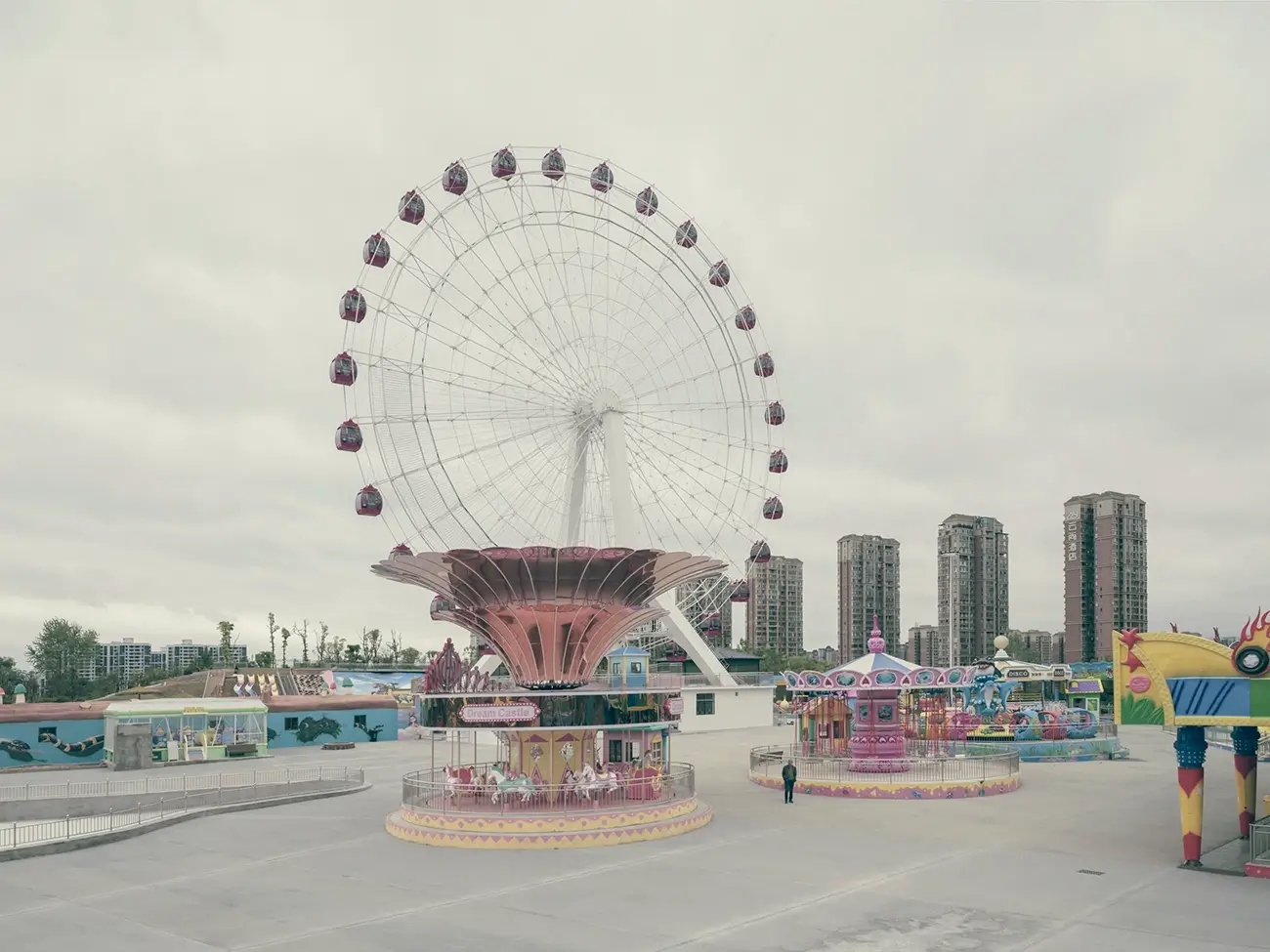
Leisure Complex, Loudi, China © Damien Aubin
At first glance, the environments appear coherent — monumental yet orderly, rational, controlled. But within this coherence, a subtle destabilization emerges.
There is a misalignment between monumental scale and lived experience. Between operational systems and the fragile, tangible reality of the body. The architecture feels functional, yet inaccessible. Purposeful, yet detached from touch.
This is where *Civilization* situates itself: in the quiet gap between use and presence.
Aubin photographs from a distance, maintaining physical and conceptual space. The camera does not intrude; it observes. This distance is not neutrality — it is tension. It allows the viewer to confront what attracts and unsettles simultaneously: the beauty of engineered order and the unease of its indifference to human scale.
Beyond Decay
What remains in these images is not collapse, nor spectacle. It is inertia.
The structures persist beyond their visible utility. They endure beyond the moment of necessity. Even when silent, they hold their form. Civilization, Aubin suggests, does not vanish when activity ceases — it lingers as framework, as imprint, as system.
Concrete, steel, corridors, grids — they continue to assert their presence.
In this persistence lies a quiet question: what happens when structure outlives intention? When systems remain intact, but their human rhythm falters?
*Civilization* does not answer. It observes.
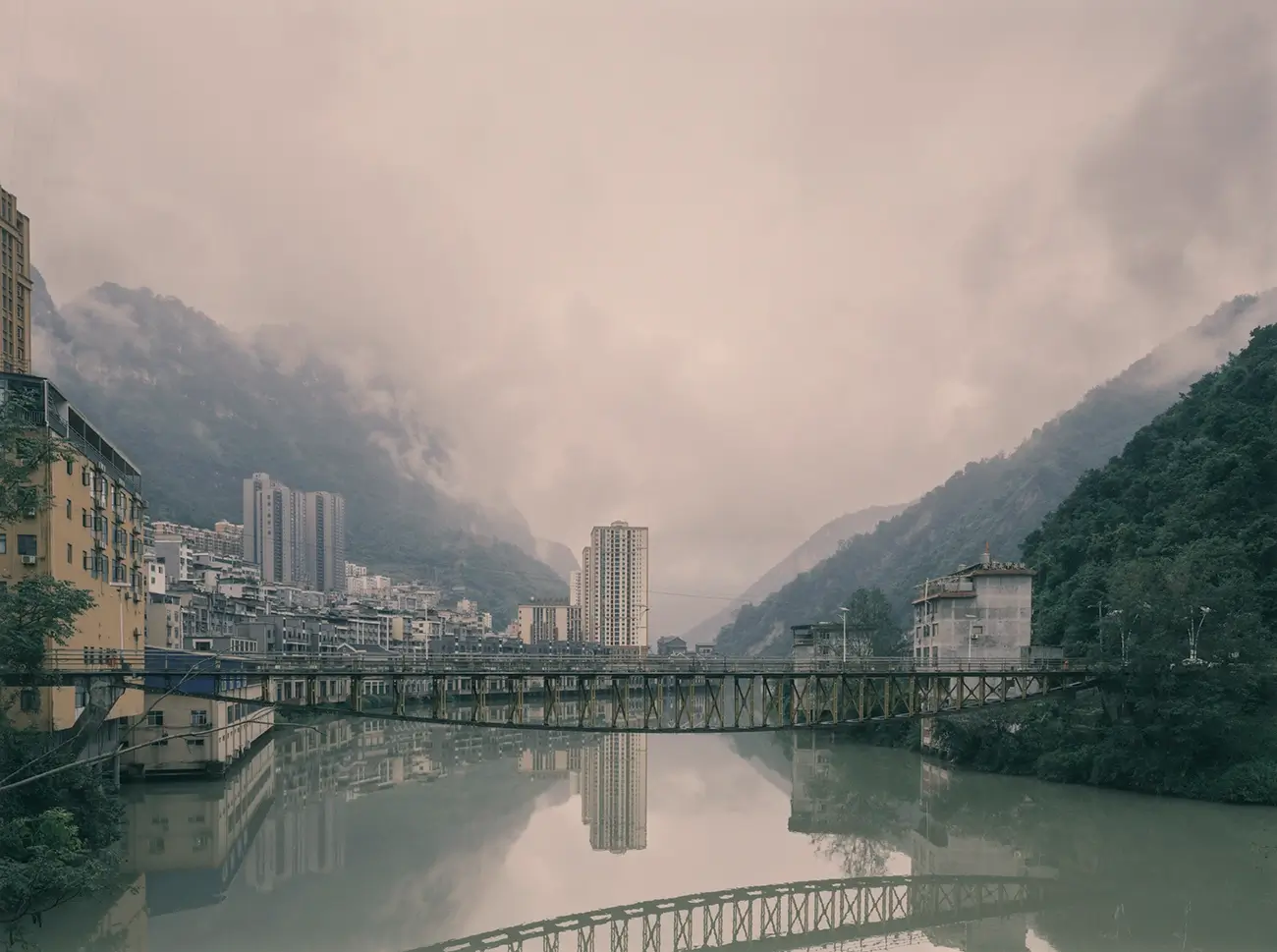
Residential Towers, Yanjing, China © Damien Aubin
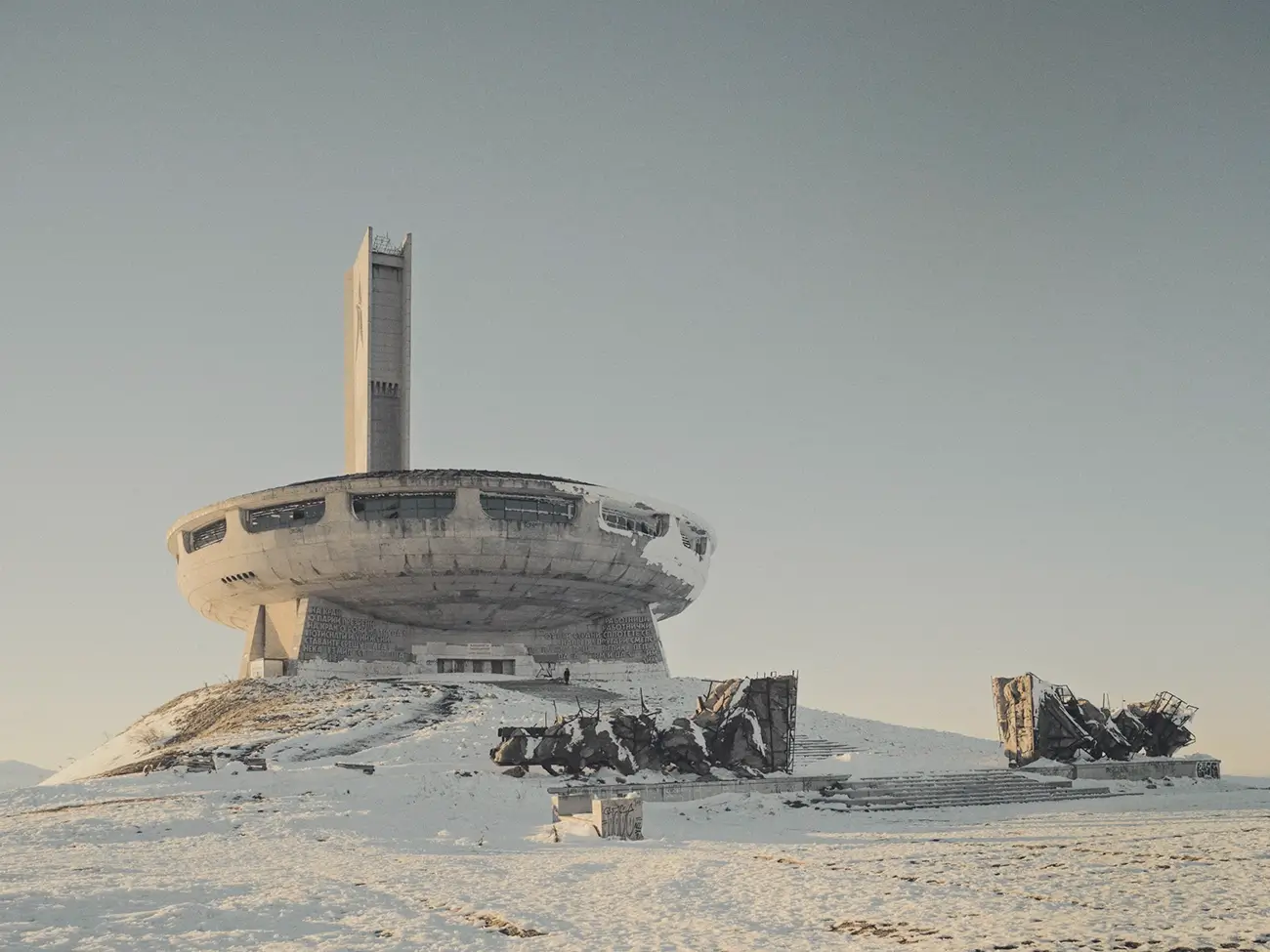
Monument, Bulgaria © Damien Aubin
For Aubin, the act of photographing is not documentation; it is confrontation. The camera becomes a means of staying within the friction between fascination and discomfort, attraction and estrangement.
Each image holds a stillness that is not peaceful, but charged. The silence is not emptiness; it is density without voice.
Through measured composition and deliberate distance, Aubin captures not the fall of civilization, but its afterglow — a state in which infrastructure continues to exist with quiet authority, indifferent to whether it is witnessed.
What endures is not decay as spectacle, but structure as inertia. A civilization that persists, even when the body has stepped away.
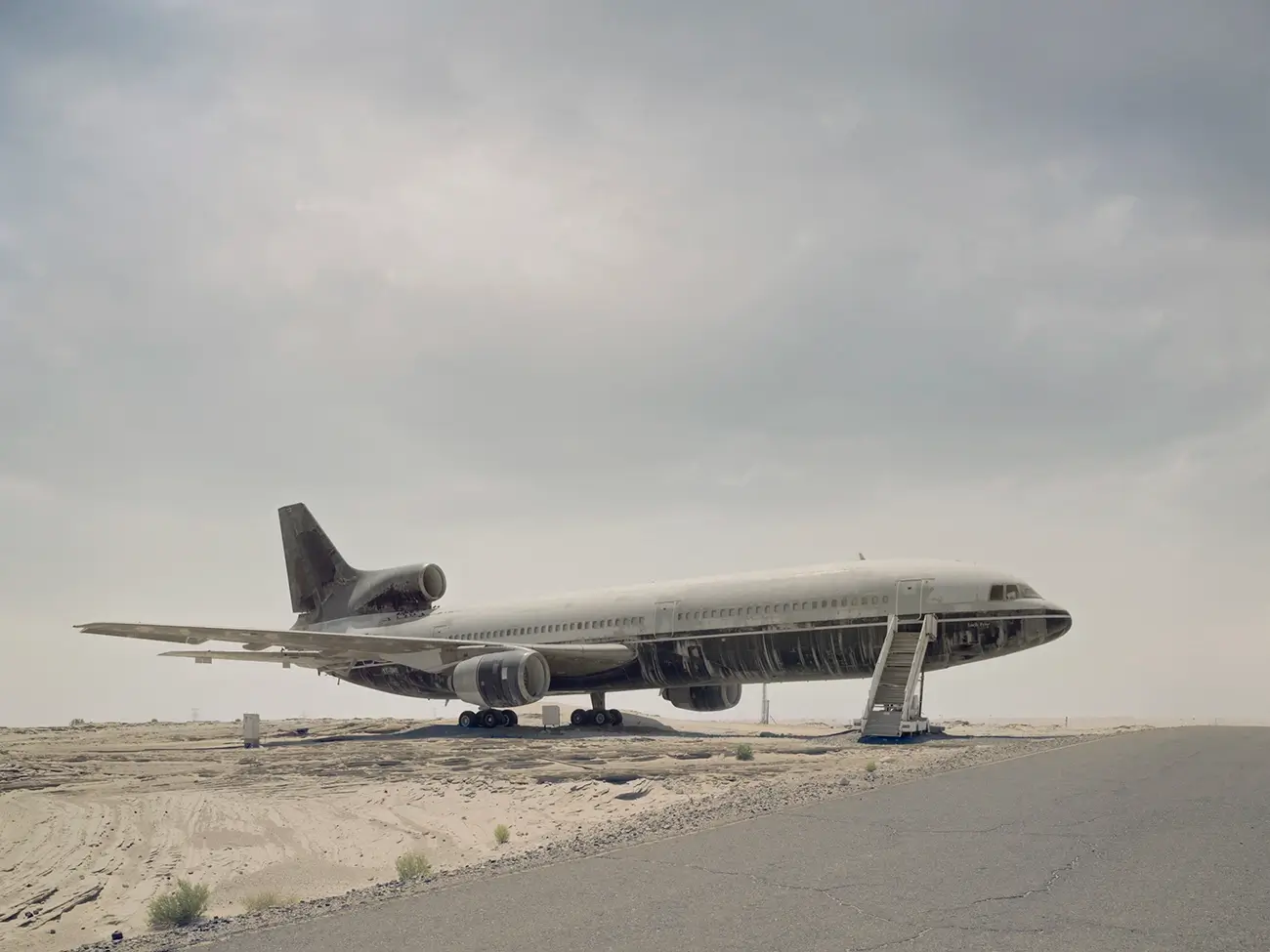
Aircraft, United Arab Emirates © Damien Aubin
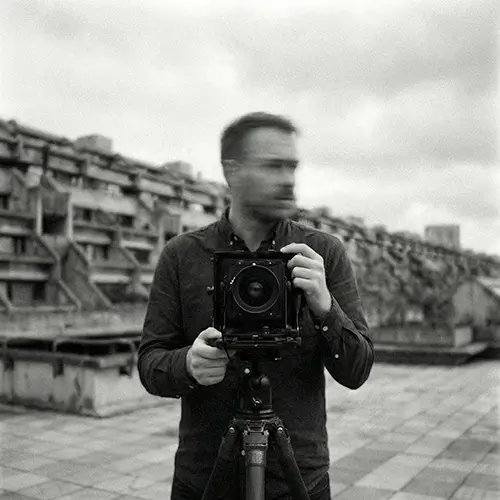
A graduate of the École des Beaux-Arts, Damien Aubin develops a photographic language at the intersection of architectural study and sociological reflection. His process is rooted in rigorous technical standards, primarily utilizing the 4x5 large format camera and medium format digital systems.
This choice of equipment dictates a specific relationship with time—a deliberate slowness that allows him to deconstruct the complexity of the structures he observes. By using a large format camera, he doesn’t merely capture an image; he constructs a perspective where geometric precision dialogues with the silence of space. His work questions the individual’s place. within monumental systems, seeking in every frame the fragile balance between built ambition and the inertia of the urban landscape..
www.damienaubin.fr
@damien_aubin_photography
All About Damien Aubin
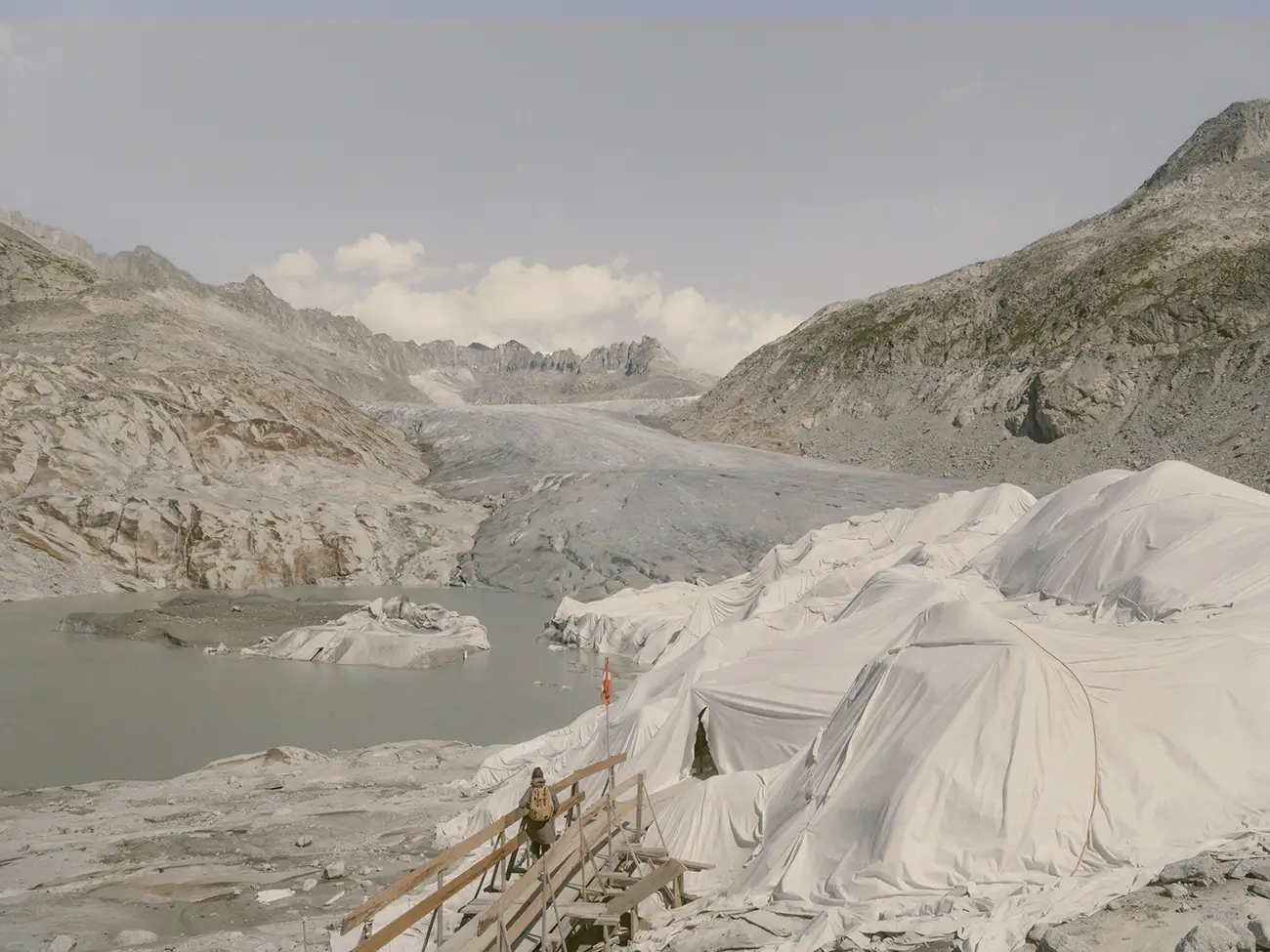
Glacier Cover, Switzerland © Damien Aubin