Some exhibitions feel important. Others feel necessary. “
Gordon Parks: The South in Color” at Jackson Fine Art is firmly in the second category. This spring exhibition, organized in collaboration with
The Gordon Parks Foundation, revisits one of the most powerful photographic bodies of work ever produced about segregation in the United States. For anyone interested in photography, history, or visual storytelling, this is truly a must-see exhibition.
The timing of the show adds even more weight to the moment. The exhibition commemorates two major milestones: the 70th anniversary of the publication of Parks’ groundbreaking images of the segregated American South in Life magazine, and the
20th anniversary of the Gordon Parks Foundation, which continues to preserve and amplify the artist’s legacy.
At the heart of the exhibition is
Segregation Story, the remarkable photo essay created by legendary photographer Gordon Parks during the summer of 1956 in Mobile, Alabama. More than thirty photographs from this series are brought together, many of which have rarely been shown in galleries. Alongside them are some of Parks’ most iconic images, including the unforgettable At Segregated Drinking Fountain, Mobile, Alabama, a photograph that has become one of the defining visual documents of segregation in America.
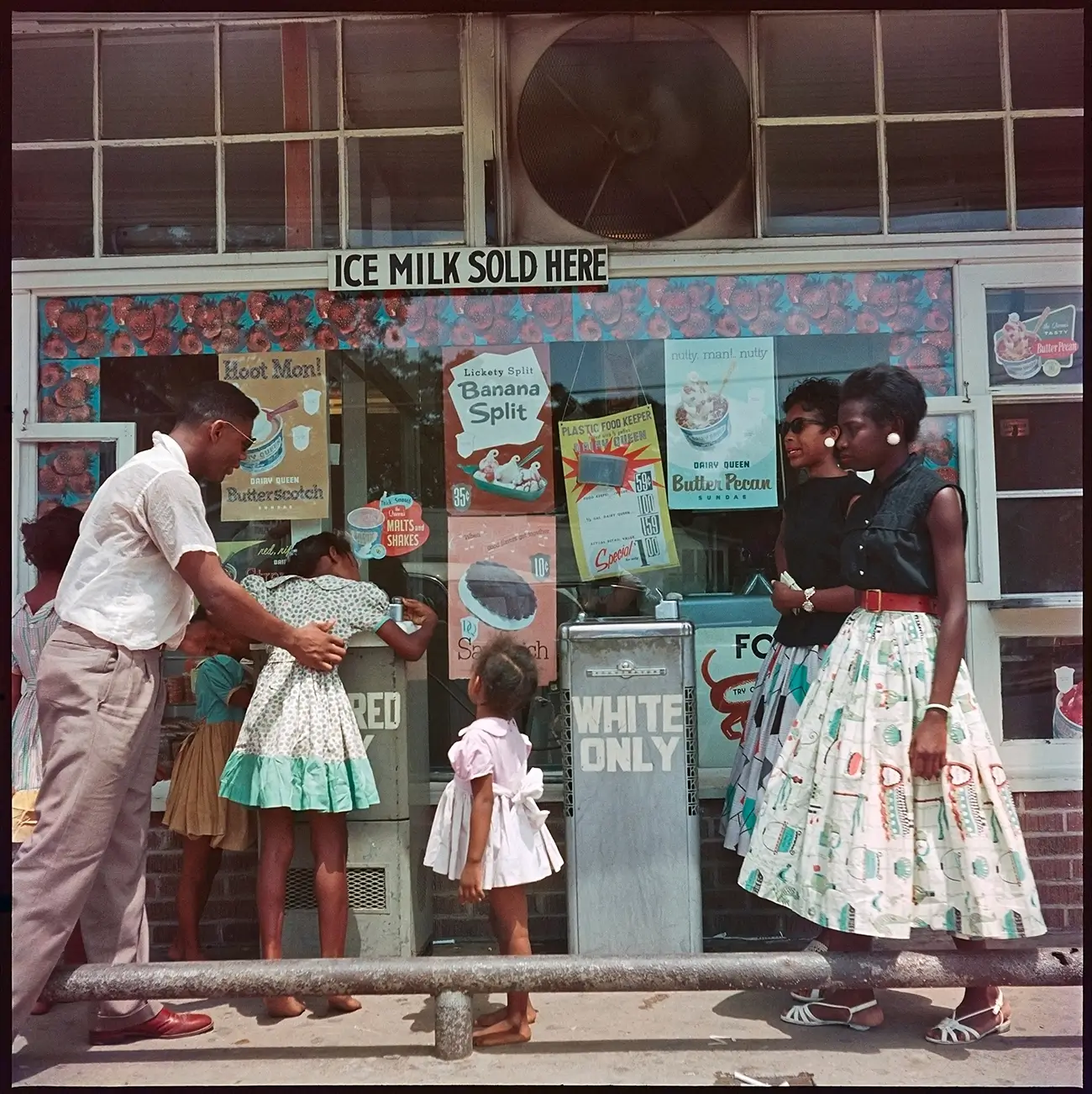
At Segregated Drinking Fountain, Mobile, Alabama,1956 © Gordon Parks, Courtesy of and copyright The Gordon Parks Foundation
Seeing these works together offers something deeper than historical reflection. The exhibition reveals the quiet complexity of Parks’ storytelling—his attention to everyday moments, family life, and dignity under oppressive conditions. The result is an experience that is both emotionally powerful and historically essential.
The opening night itself promises to be especially meaningful. On Thursday, April 2, the gallery will host a public reception from 6–8 pm, with a very special guest: Cora Taylor, the woman photographed by Parks at the segregated drinking fountain. Her presence adds an extraordinary human dimension to the image that so many people recognize but rarely experience in such a personal way. The exhibition will remain on view through June 13.
A key element that makes this exhibition particularly compelling is its curator. Acclaimed American photographer
Dawoud Bey brings a thoughtful and deeply informed perspective to Parks’ work. Bey’s role goes far beyond traditional curation—he offers a contemporary dialogue between generations of Black photographers.
The exhibition expands on Bey’s essay
The South in Color, published in the 2022 expanded edition of Gordon Parks: Segregation Story. In his writing, Bey reflects on the visual poetry of Parks’ images and reminds us that these photographs deserve to be appreciated not only for their political significance but also for their artistic brilliance. As Bey notes, the care Parks brought to composition, light, and color elevates these images into something far beyond reportage.
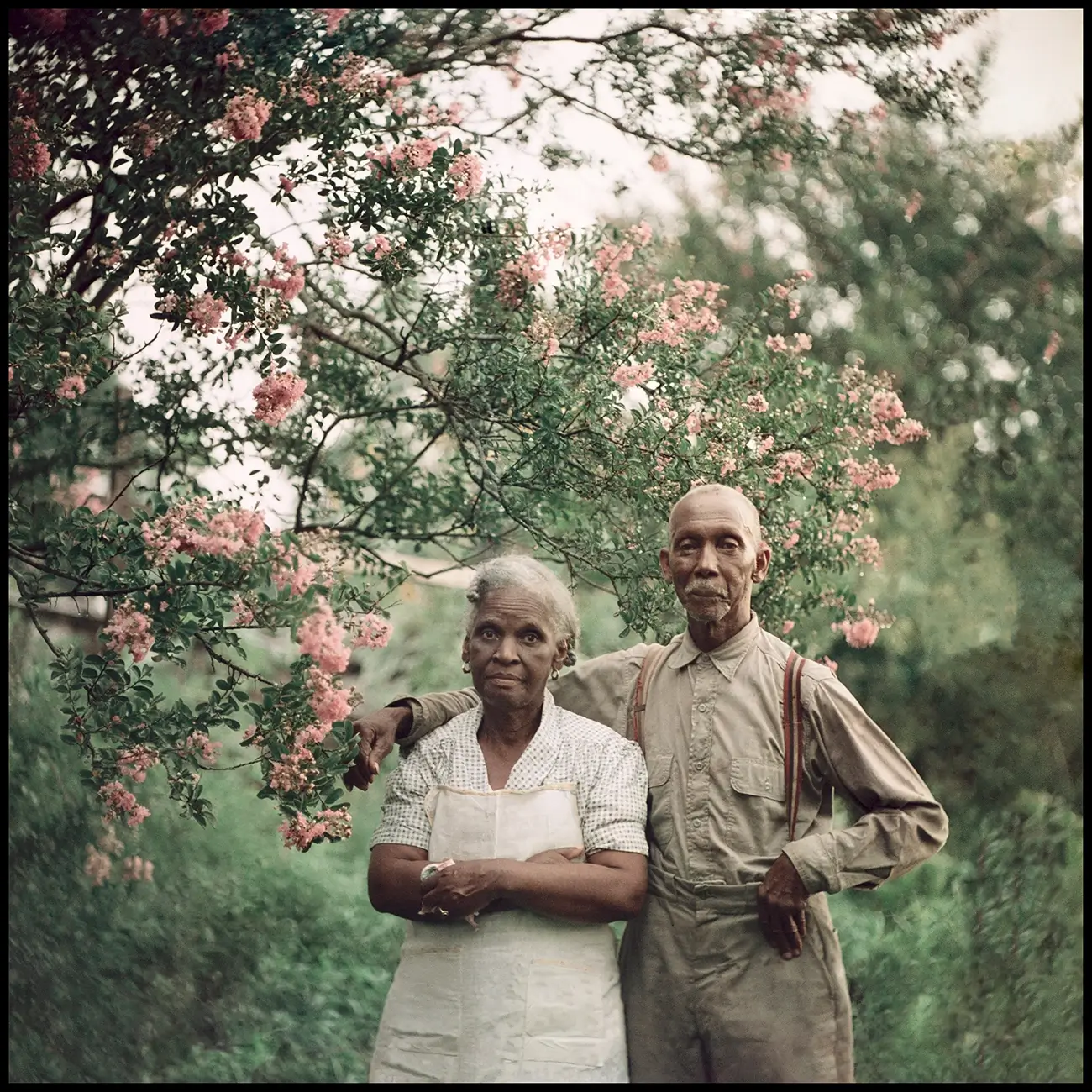
Untitled, 1956 © Gordon Parks, Courtesy of and copyright The Gordon Parks Foundation
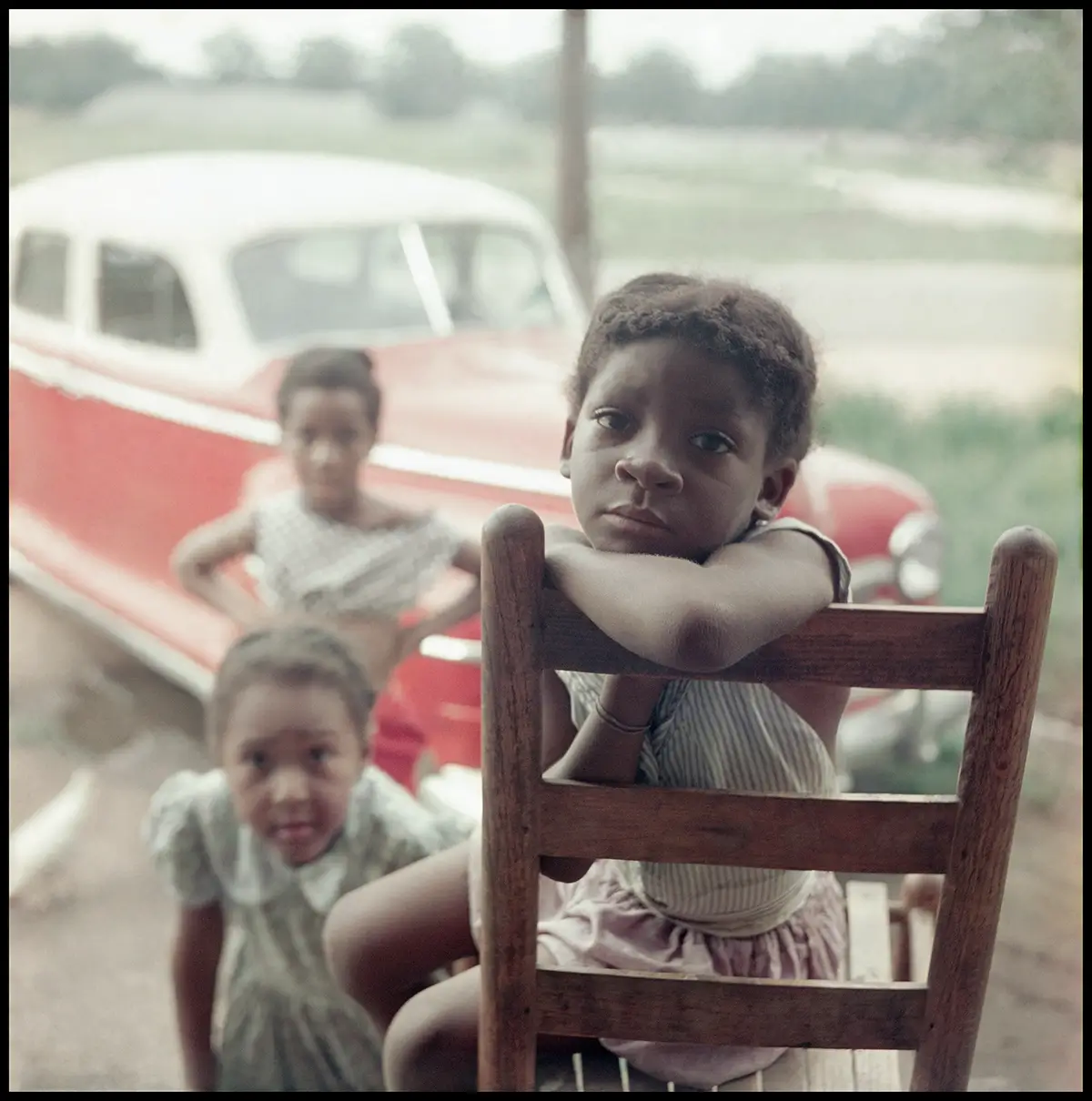
Untitled, Shady Grove, Alabama, 1956 © Gordon Parks, Courtesy of and copyright The Gordon Parks Foundation
Parks photographed the Thornton family and their extended relatives—the Causey and Tanner families—using a handheld Rolleiflex camera. Shooting in color was a deliberate and unusual choice for the time, particularly for a story about segregation. The square-format images that resulted are lush, composed, and strikingly intimate. Through these choices, Parks captured the everyday lives of Black Southerners with nuance and dignity, presenting communities often depicted only through the lens of struggle as vibrant, expressive, and deeply human.
Bey’s curatorial approach highlights this dimension beautifully. By reframing the series through both aesthetic and historical lenses, he offers viewers a renewed understanding of Parks’ creative genius and his enduring influence on contemporary artists.
The exhibition also introduces something entirely new:
a limited-edition portfolio titled The South in Color, published by the Gordon Parks Foundation to celebrate its twentieth anniversary. The portfolio features ten photographs from the series, many of which center on children—figures who quietly anchor some of the most poignant images Parks created during his time in Alabama. A printed edition of Dawoud Bey’s essay accompanies the portfolio, further enriching the historical and artistic context.
Produced in a strictly limited edition of 25, with 5 artist’s proofs, the portfolio is both a collector’s object and a tribute to Parks’ lasting impact.
More than sixty years after these photographs were taken, their relevance has not faded. If anything, they resonate even more strongly today. “Gordon Parks: The South in Color” is not simply an exhibition about the past—it is a powerful reminder of photography’s ability to bear witness, shape memory, and challenge how history is seen.
For anyone passionate about photography, civil rights history, or the legacy of Gordon Parks, this exhibition at Jackson Fine Art is one not to miss. It offers a rare opportunity to experience a defining body of work through the thoughtful lens of Dawoud Bey—and to see the American South, as Parks once did, in color, in humanity, and in truth.
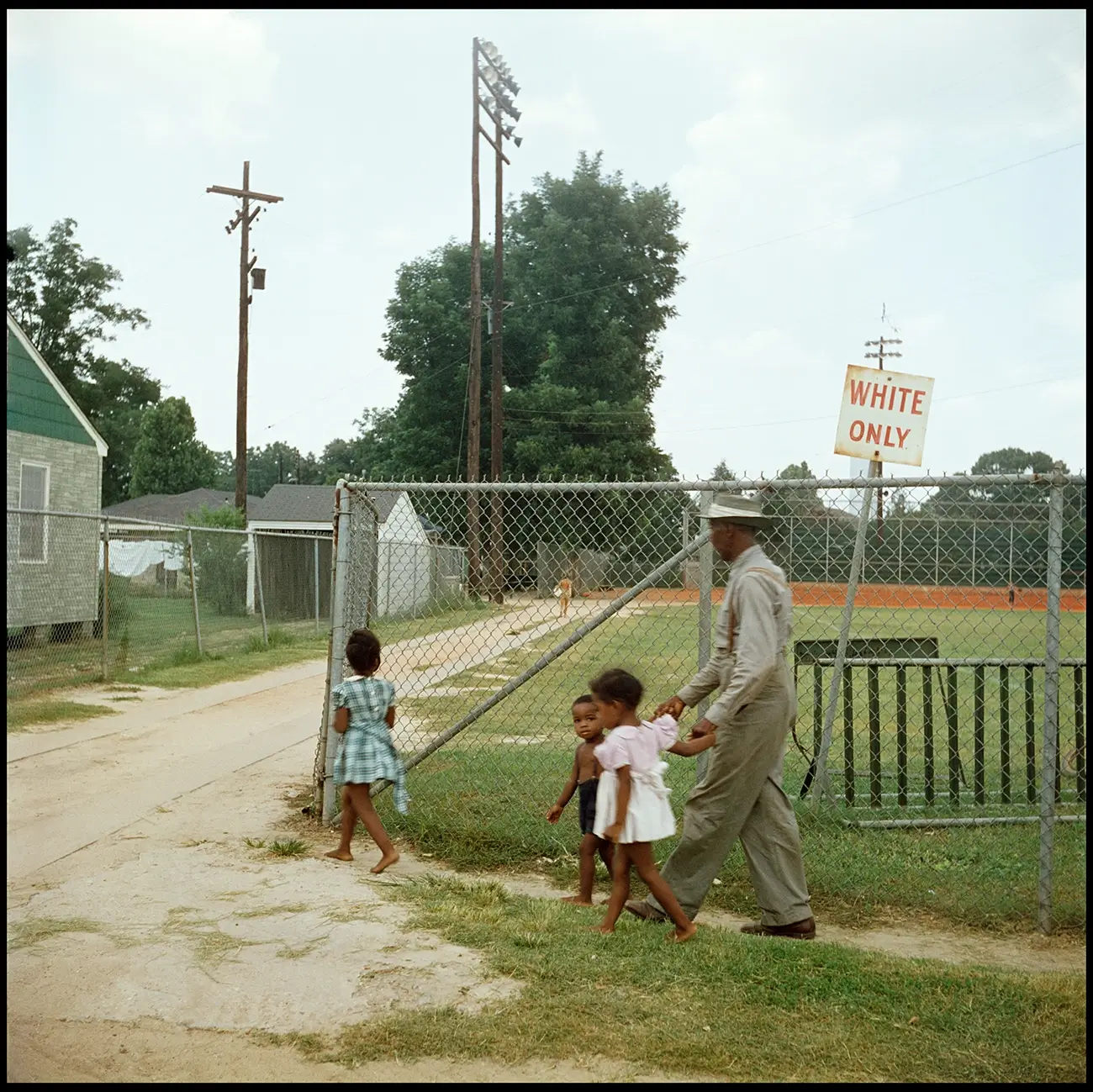
Untitled, Mobile, Alabama, 1956 © Gordon Parks, Courtesy of and copyright The Gordon Parks Foundation
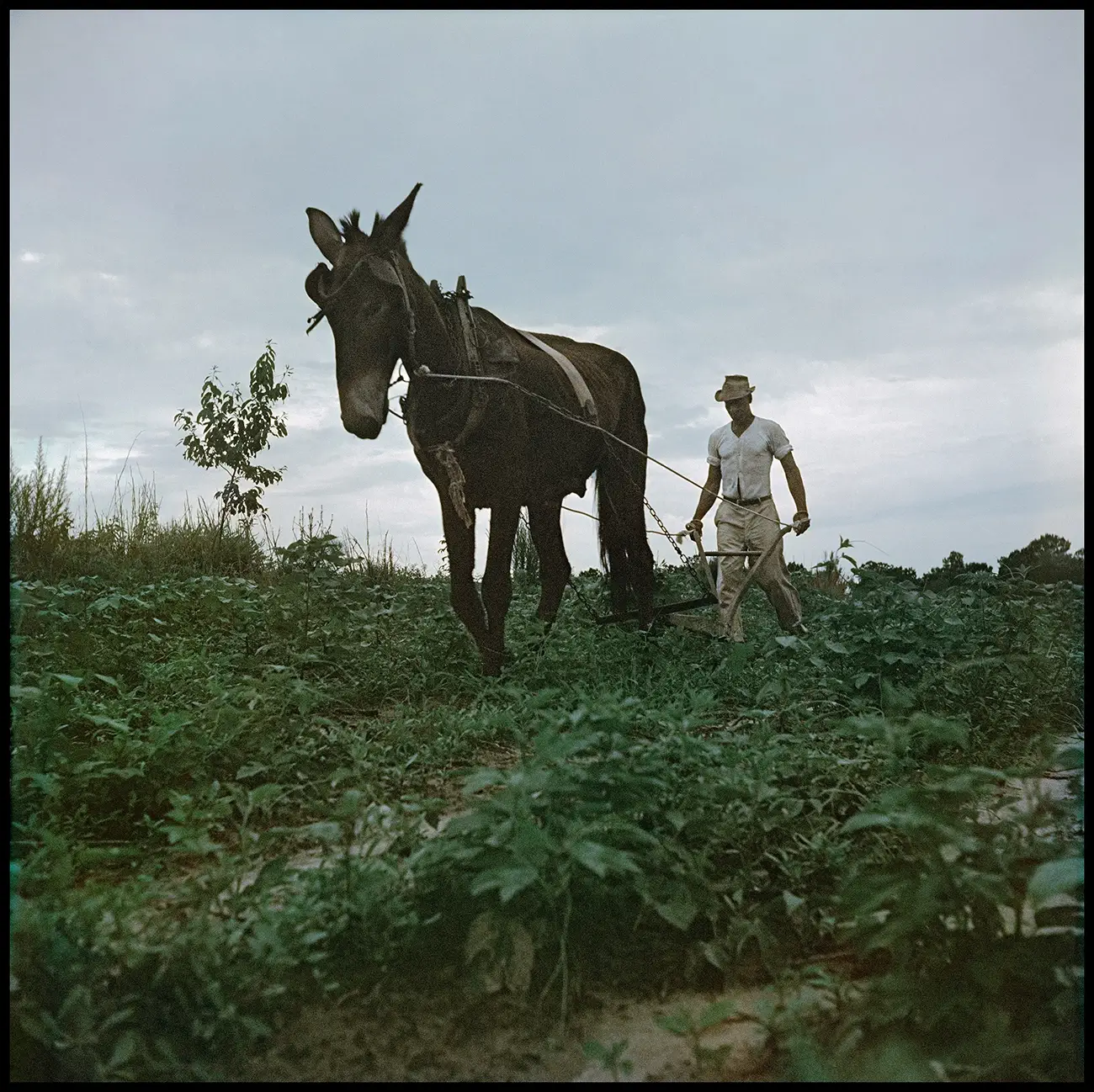
Willie Causey, Mobile, Alabama, 1956 © Gordon Parks, Courtesy of and copyright The Gordon Parks Foundation
In a career that spanned more than fifty years, photographer,
filmmaker, musician, and author Gordon Parks (American, 1912–2006)
created a groundbreaking body of work that made him one of the
most influential artists of the twentieth century. Beginning in the
1940s, he documented American life and culture with a focus on
social justice, race relations, the civil rights movement, and the
African American experience. Born into poverty and segregation in
Fort Scott, Kansas, Parks was drawn to photography as a young man.
Despite his lack of professional training, he won a Julius Rosenwald
Fellowship in 1942; this led to a position with the photography
section of the Farm Security Administration (FSA) in Washington, D.C., and, later, the Office of War
Information (OWI). By the mid-1940s, he was working as a freelance photographer for publications
such as Vogue, Glamour, and Ebony. Parks was hired in 1948 as a staff photographer for Life
magazine, where more than two decades he created some of his most notable work. In 1969 he
became the first African American to write and direct a major feature film, The Learning Tree, based
on his semiautobiographical novel. His next directorial endeavor, Shaft (1971) helped define a genre
then referred to as Blaxploitation films. Parks continued photographing, publishing, and composing
until his death in 2006.
www.gordonparksfoundation.org
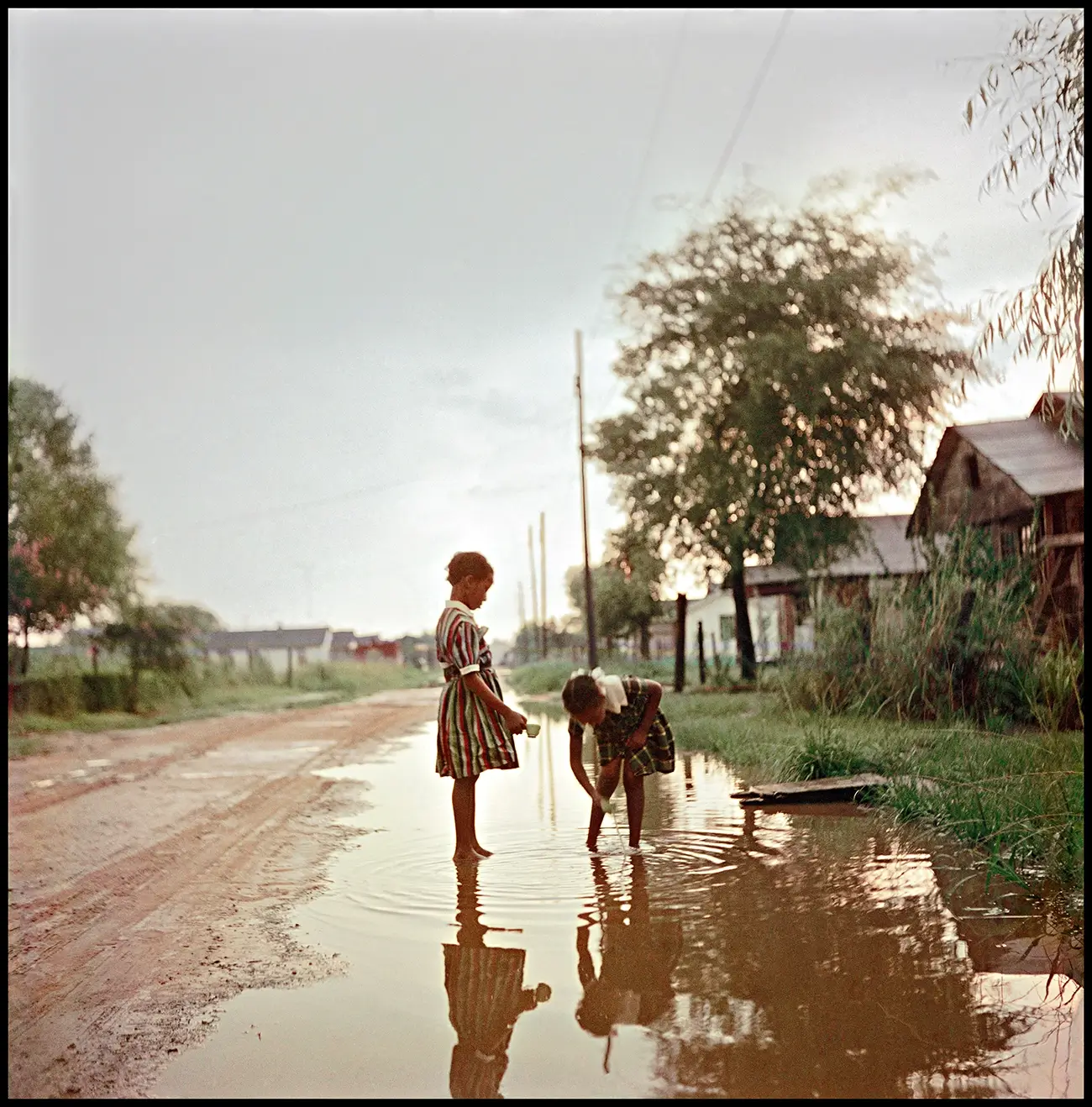
Untitled, Alabama, 1956 © Gordon Parks, Courtesy of and copyright The Gordon Parks Foundation
Groundbreaking artist and MacArthur Fellow Dawoud Bey (b.1953, New
York) examines the Black past and present. His photographs and film
installations have been exhibited in museums and galleries throughout the
United States and Europe. Bey’s work has been the subject of numerous
solo museum exhibitions, including Dawoud Bey: An American Project
organized by the San Francisco Museum of Modern Art and the Whitney
Museum of American Art (2020-2022), and Elegy at the Virginia Museum of
Fine Arts (2023-2024) and New Orleans Museum of Art (2025-2026); and
Dawoud Bey: Street Portraits at the Denver Art Museum (2024-2025).
He has been the subject of several monographs, including Elegy (Aperture/VMFA, 2023), which
chronicles Bey's history projects and landscape-based work. Bey is the recipient of numerous
awards including five honorary doctorates, and in 2024, the artist was inducted into the American
Academy of Arts and Sciences. He is currently a Critic at Yale University, where he received his
Master’s in Fine Arts, and is Professor Emeritus at Columbia College, Chicago. Bey lives and works
in Chicago and New York.
@dawoudbey
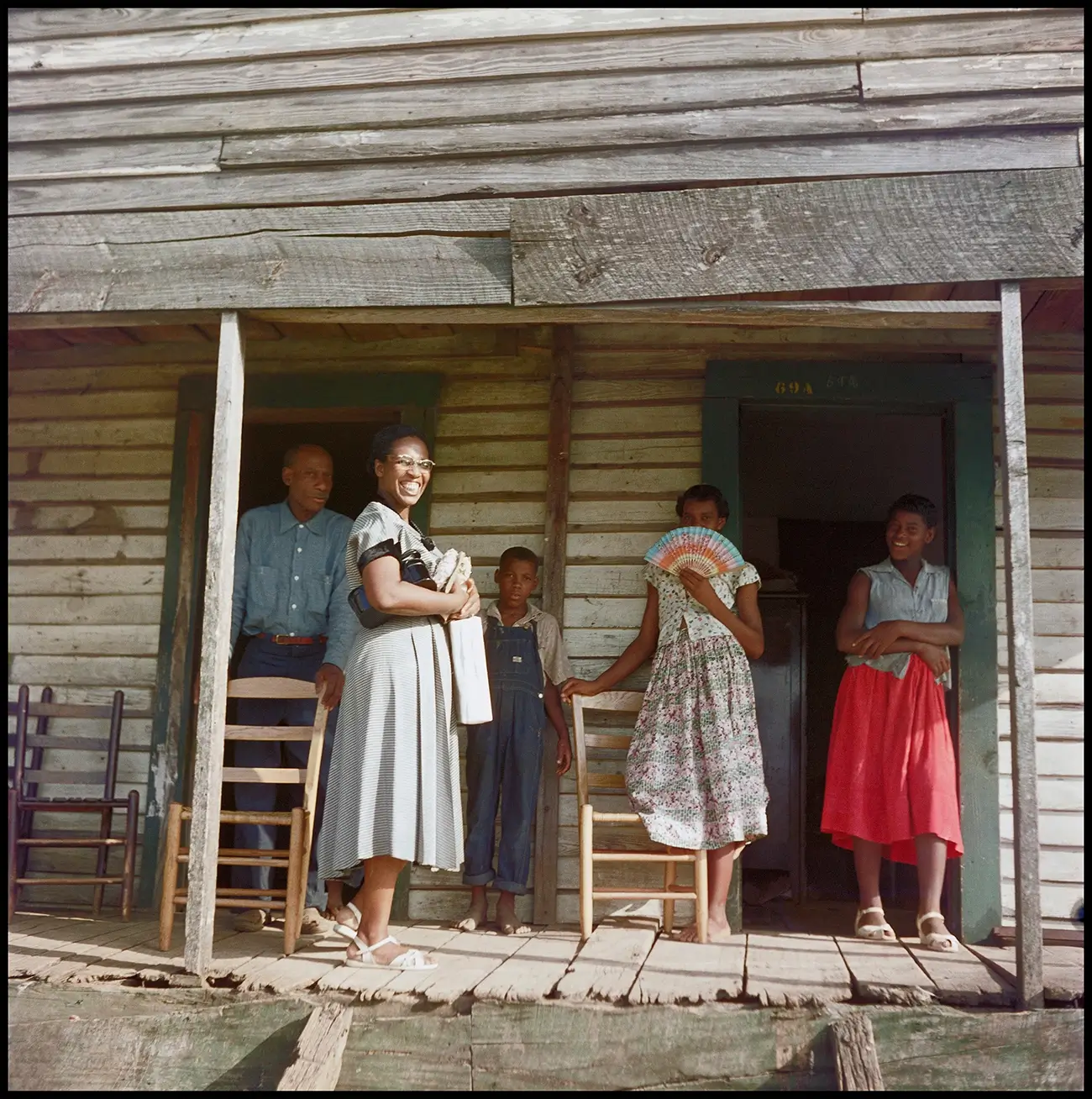
Untitled, 1956 © Gordon Parks, Courtesy of and copyright The Gordon Parks Foundation
Jackson Fine Art is a world-renowned gallery with a 35-
year history of supporting artists and collectors. The gallery
cultivates and guides both emerging and established
collectors to the best fine art photography of the 20th and
21st century, across both traditional and innovative photobased
mediums. Working closely with collectors, curators,
consultants, and designers, JFA provides expertise in a
warm, welcoming space in the Buckhead neighborhood of
Atlanta, GA. The gallery is led by Co-Owner & Creative
Director, Anna Walker Skillman, and Co-Owner Andy
Heyman, Founder, ASH IP& ASH Atlanta. In the spring of
2023, Jackson Fine Art relocated into a custom-built, 4000
square-foot gallery with expanded exhibition, office, inventory, library and meeting spaces to keep
pace with the growing clientele and opportunity to exhibit large-scale works. In addition to 9-12
exhibitions annually, Jackson Fine Art participates in international art fairs including Paris Photo; The
Photography Show (AIPAD) in New York; Art Miami; and Intersect Aspen. The gallery is a member of
the Association of International Photography Art Dealers (AIPAD) and Ms. Skillman is a former
member of the board of directors. Jackson Fine Art has placed work in numerous important private
and public collections such as The Metropolitan Museum of Art; High Museum of Art; Whitney
Museum of American Art; Los Angeles County Museum of Art; The Art Institute of Chicago; The
Museum of Fine Arts, Houston; Museum of Fine Arts, Boston; Milwaukee Art Museum and Maison
Européenne de la Photographie, Paris to name a few.
www.jacksonfineart.com
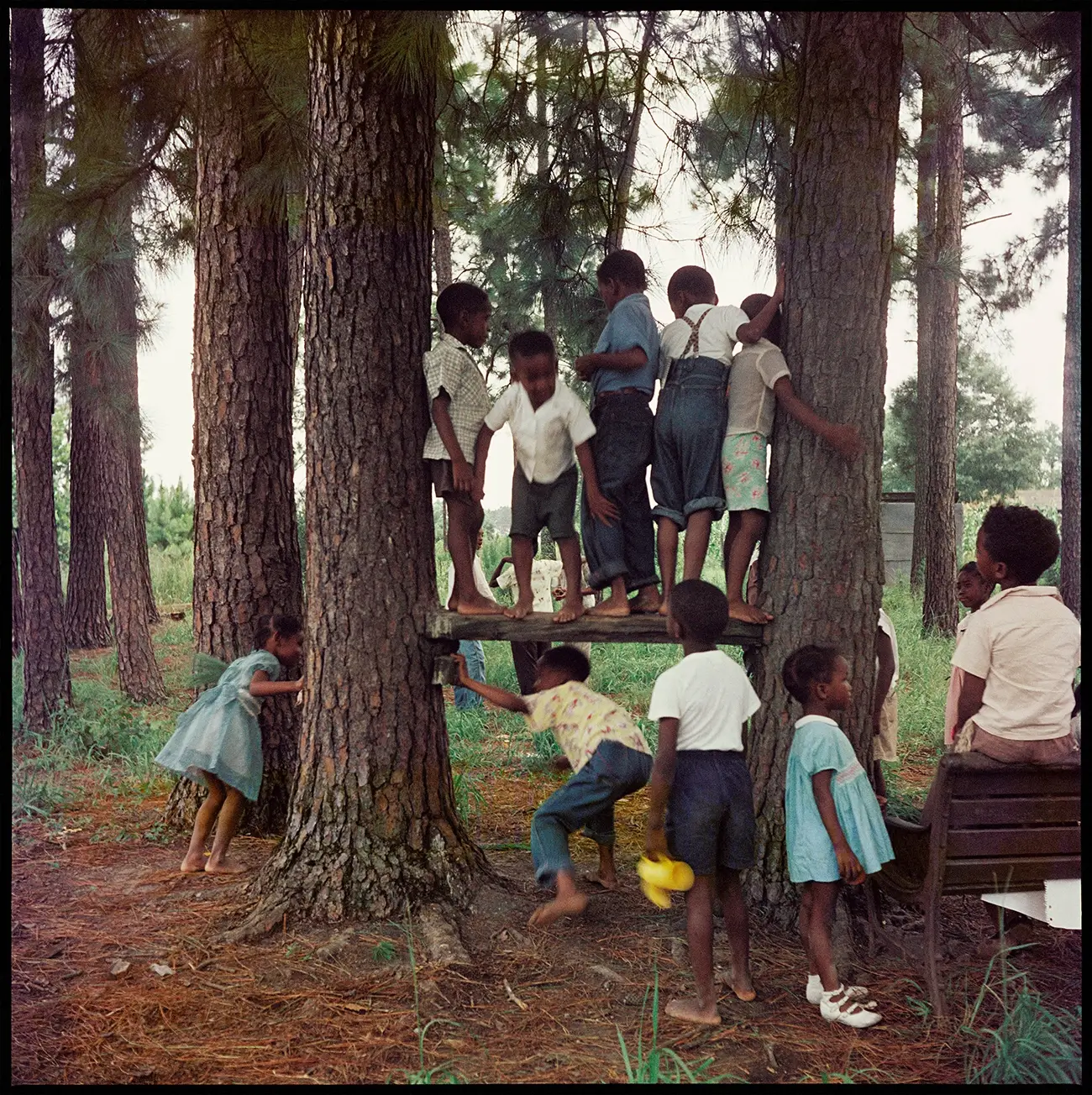
Untitled, 1956 © Gordon Parks, Courtesy of and copyright The Gordon Parks Foundation