Formal/Informal investigates the evolving nature of portraiture, examining how photographers have navigated the spectrum between structured composition and spontaneous capture. The exhibition considers how the definition of a portrait has shifted over time, reflecting both artistic intention and cultural context.
In the 19th century, portraiture was largely formal and posed. Studio sittings offered the photographer control over lighting, background, and posture, creating images that conveyed social status, personal achievement, or the essence of the sitter’s character. These portraits were carefully orchestrated, reflecting both the technical skills of the artist and the societal expectations of the time. Through their craft, photographers told stories about identity, aspiration, and human presence.
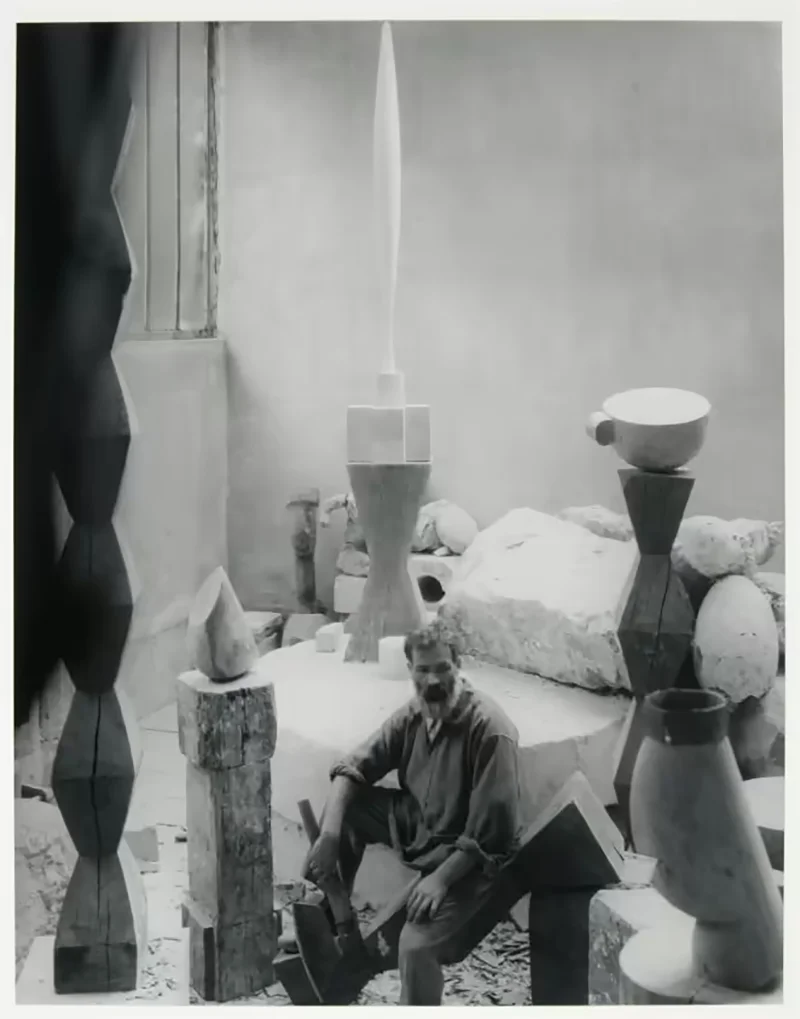
By the 20th and 21st centuries, portraiture expanded to include both formal and informal approaches. Photographers began to emphasize the environment, capturing subjects within contexts that revealed personal, social, and political dimensions. Informal portraits—taken in homes, streets, or workplaces—highlighted everyday life, intimacy, and authenticity, showing that a person’s surroundings could be as revealing as their expression. In these images, spontaneity and gesture became as important as careful composition.
The resulting exhibition presents a wide-ranging array of portraits that engage viewers in multiple ways. Some images are solemn, others playful; some highlight cultural or political issues, while others celebrate individual achievement or collective experience. Together, these works illustrate how portraiture has always been more than a likeness of a face—it is a lens through which to understand society, identity, and the connections between people and their world.
Formal/Informal invites audiences to consider the evolving purposes of portraiture: to memorialize, to question, to celebrate, and to reveal. It underscores the enduring power of photography to tell stories about both individuals and the societies they inhabit, capturing the richness and complexity of human life across time.
Image:
Edward Steichen, Brancusi in his Studio, Paris. © Edward Steichen