From 5 March 2026, the
National Maritime Museum unveils
Ekō – Japan in Two Visual Narratives, a compelling photography exhibition that bridges centuries of visual storytelling. Bringing together rare 19th-century photographs and contemporary artistic interpretation, the show reveals how early images of Japan shaped global perceptions—and how those impressions still echo in photography today.
A Dialogue Between Past and Present
At the heart of the exhibition is a visual conversation between pioneering 19th-century photographer
Felice Beato and contemporary artist
Anaïs López. By juxtaposing Beato’s historical photographs with López’s modern work, the exhibition examines how imagery travels through time, influencing how cultures are seen and understood.
Photography began to flourish in Japan after the country opened its ports to international trade in 1859. Port cities quickly became entry points not only for goods and travelers but also for cameras. Western photographers documented what they encountered, often crafting carefully staged scenes tailored to foreign audiences eager for exotic imagery.
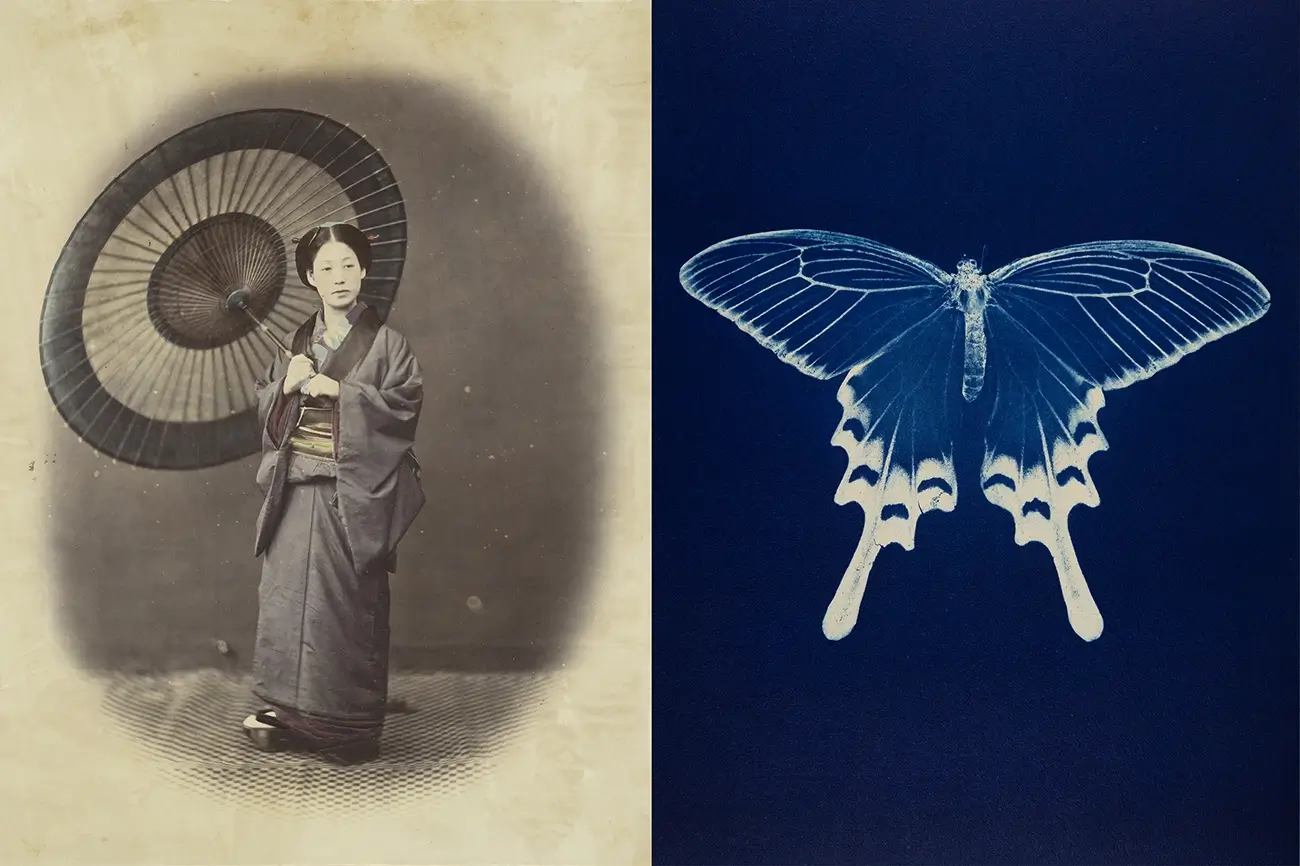
© Felice Beato and Anaïs López
Left: Hand coloured photograph of a Japanese woman with a parasol, 1867, Felice Beato / Collection The National Maritime Museum, Amsterdam - Right: Butterfly, 2025, Anaïs López, Toyobo cine-collé print on mitsumata washi paper
A key figure in this story is Dirk de Graeff van Polsbroek, a Dutch diplomat whose collection forms the exhibition’s historical core. Although not a photographer himself, he played a crucial role in supporting Beato’s work and preserving some of the earliest photographs taken in Japan.
The exhibition presents three rare albums from his personal archive, including Beato’s earliest album produced in Japan (1863) and a precursor to his famous series Photographic Views of Japan. These images were often hand-colored by Japanese artisans trained in traditional printmaking techniques, blending photographic technology with local artistic heritage.
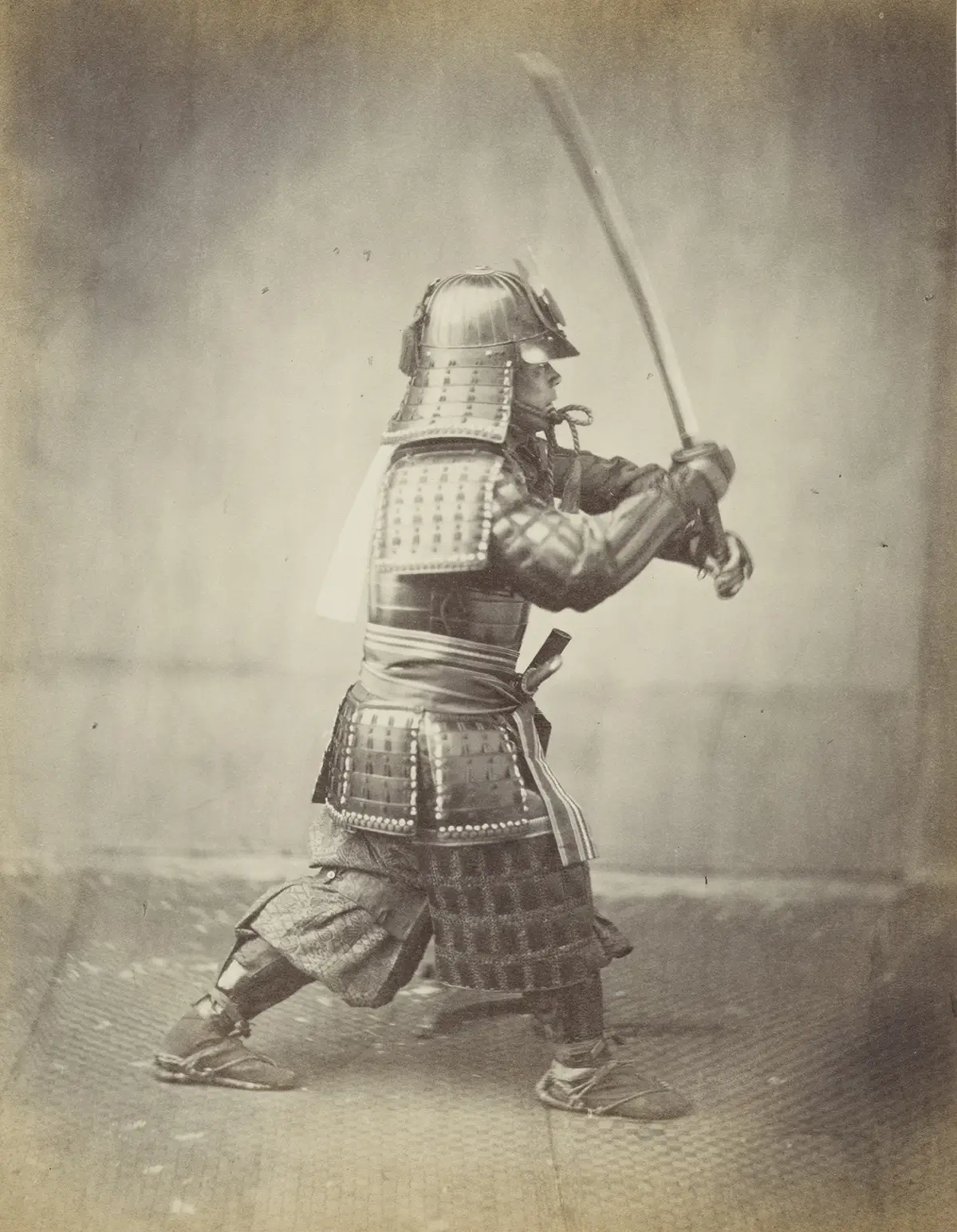
Portrait of Japanese warrior Shigeaki Kubota, 1864, Felice Beato / Collection The National Maritime Museum, Amsterdam
When López traveled to Japan in 2016, she unknowingly followed visual paths first traced more than a century earlier. Inspired by landscapes such as the Kamo River and guided by legends like the mythical golden turtle Kami, she created The Turtle and the Monk, a poetic photographic series exploring grief, imagination, and humanity’s desire to shape nature.
Her work reveals how historical imagery can subtly influence modern vision, even when the connection is unconscious. The result is a layered narrative that merges personal reflection with cultural memory.
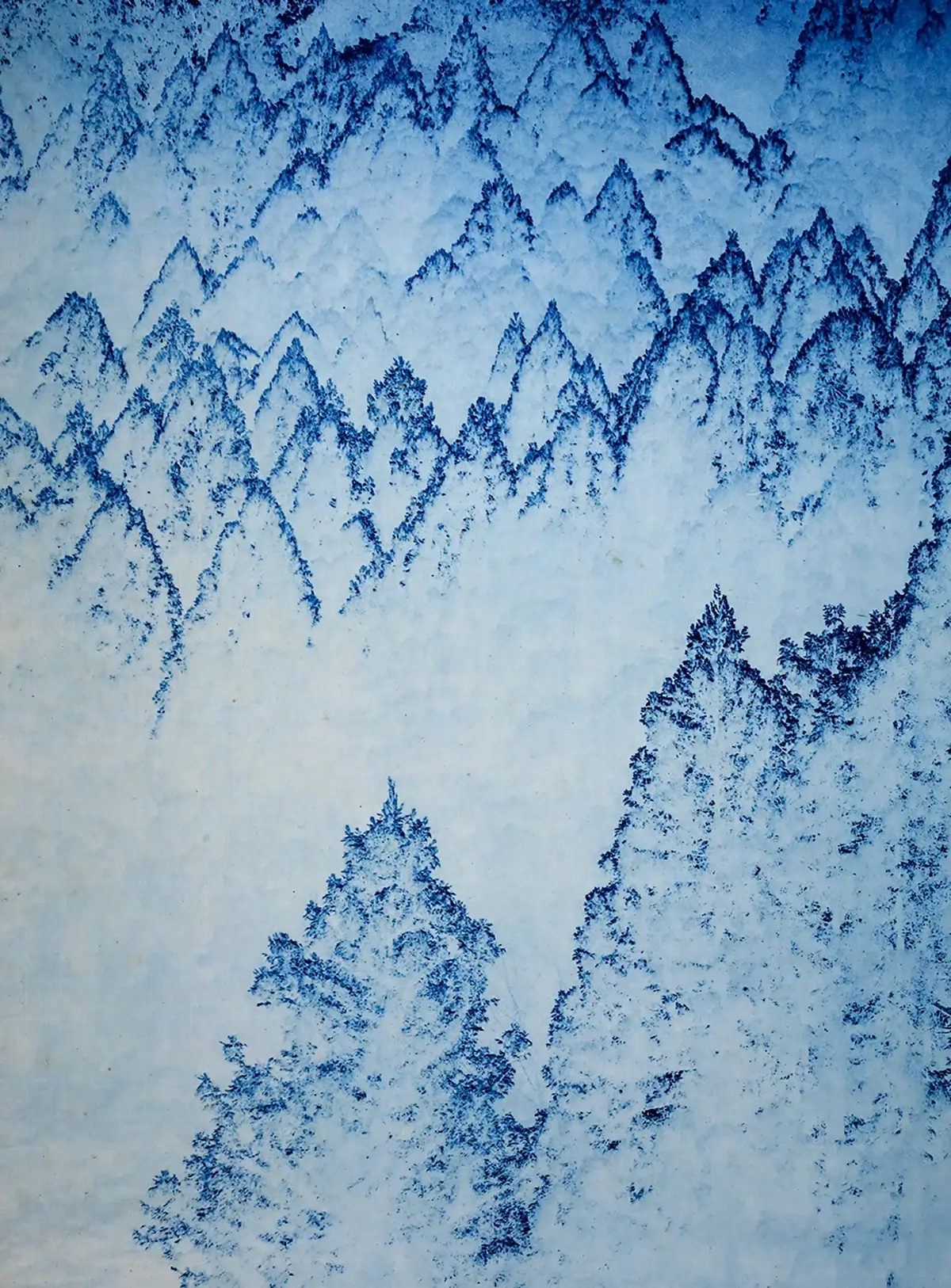
The ancient wood, 2023, Anaïs López, Toyobo chine-collé print on mitsumata washi paper
The photographs preserved in De Graeff’s albums date from a transformative era in Japanese history, when the nation rapidly evolved from a feudal society into a modern state. Today, they serve as invaluable primary sources for historians and photography scholars alike.
By placing these rare archival works alongside contemporary art, Ekō highlights photography’s enduring power: not merely to document reality, but to construct visual myths that shape how entire cultures are perceived.
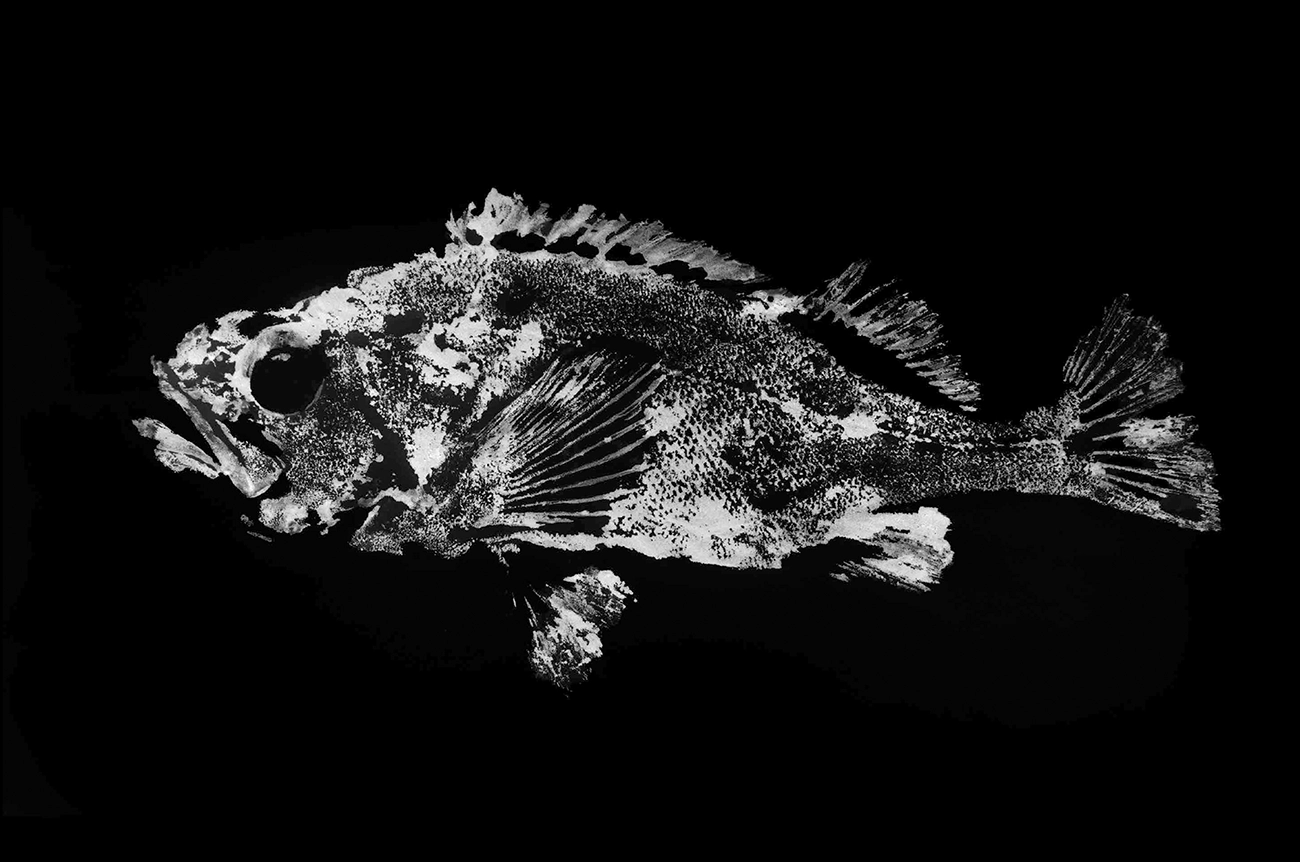
Gyotaku, The Hunter 2022, Anaïs López, Archival pigment print, gyotaku on Kozo Washi paper. yotaku is an ancient Japanese art form in which a fish is printed onto rice paper using sumi ink.
In parallel, the work of
Anaïs López (1981) from the Turtle and the Monk is on display. Using photography combined with special printing techniques, such as gyotaku and photopolymer etching, the artist takes visitors on a unique journey.
López creates multimedia narratives at the intersection of fiction and documentary, addressing universal themes from a personal perspective. For each project, the born storyteller immerses herself in intensive research, which she then translates into a layered and visual narrative. She takes her audience to fabulous worlds that are often closer to the truth than they seem at first glance. López is considered a pioneer in her field and has won awards for her work both at home and abroad. The Migrant was nominated for a Golden Calf and won the DirectorsNL Award for Digital Storytelling and the Silver Camera Award for Storytelling.
Artist's book and notebook
An
artist's book of the same name, the Turtle and the Monk, is available for purchase at the museum shop of The National Maritime Museum. Also available is In the Light of the Rising Sun. The photo albums of Dirk de Graeff van Polsbroek, 1857–1869, written by Sara Keijzer, curator of the exhibition. This second publication is based on new research into the three photo albums of Dirk de Graeff van Polsbroek that are on display in the exhibition at the museum.
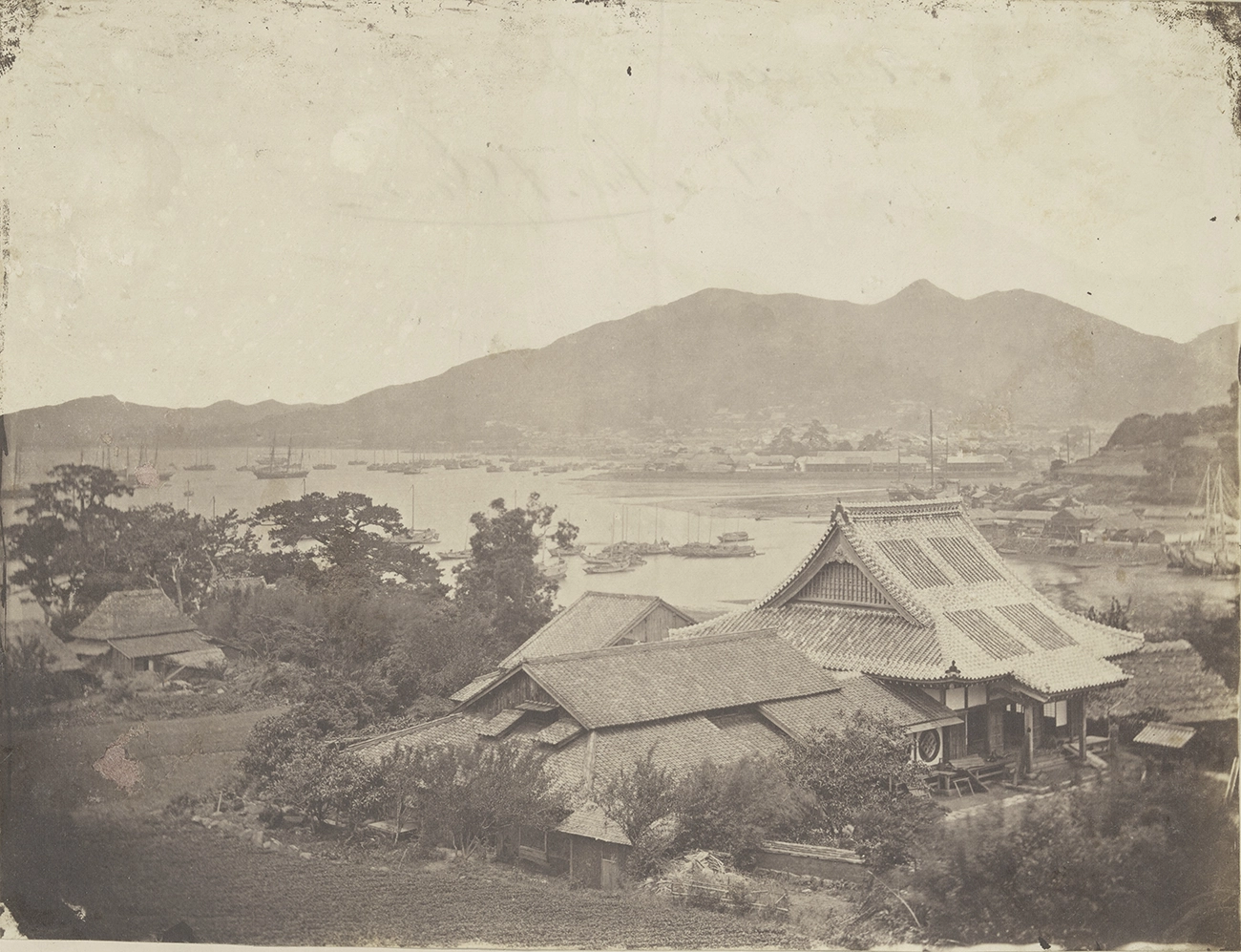
Oldest photograph, Bay of Nagasaki, 1859, Abel Anthony James Gower / Collection The National Maritime Museum, Amsterdam