Pittsburgh - 7227 Reynolds St. PA 15208 - PA 15208
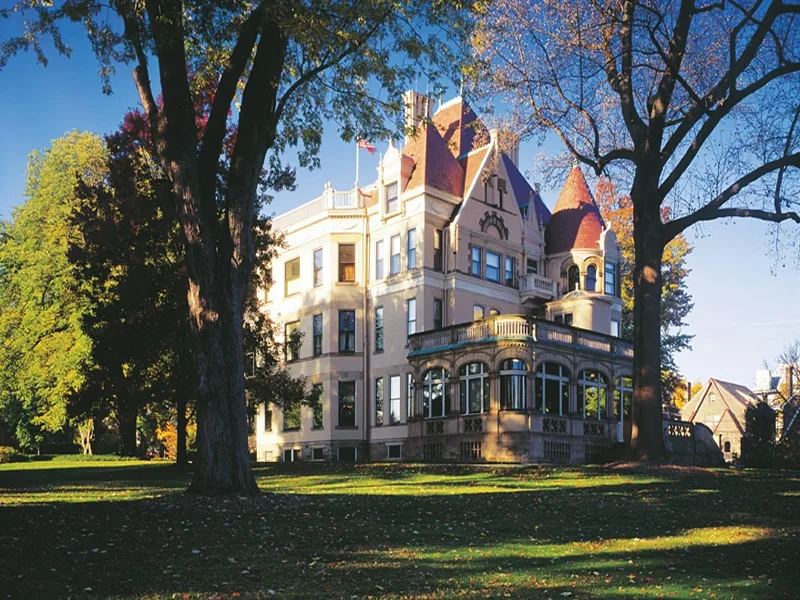
The Frick Pittsburgh is a distinctive cultural campus in the Point Breeze neighborhood of Pittsburgh, centered on the historic residence known as Clayton. Once home to industrialist and collector Henry Clay Frick, the estate has evolved into a multifaceted museum complex set across 5.5 acres of lawns and gardens. Visitors encounter a rich blend of art, architecture, and social history through Clayton, the Frick Art Museum, the Car and Carriage Museum, the Greenhouse, and family-oriented spaces. Together, these sites interpret the life and era of the Frick family while offering a broader reflection on American and European artistic traditions.
The Frick Art Museum houses a refined collection that spans Renaissance devotional paintings, Baroque bronzes, nineteenth-century European works, and an important group of works on paper by Jean-François Millet. Within this context, photography plays a complementary and increasingly visible role. While the historic collections focus primarily on painting and decorative arts, special exhibitions frequently incorporate photography to illuminate the social environment of the Gilded Age, the evolution of portraiture, and the transformation of industry and domestic life. Archival photographs and interpretive displays enrich the narrative of Clayton, offering visual insight into the Frick family, their household, and the changing city around them.
Photography is also integral to the interpretation of the Car and Carriage Museum. Historic images help contextualize the development of early automobiles and carriages, situating the vehicles within the technological optimism of the late nineteenth and early twentieth centuries. By pairing objects with period photographs, the museum deepens visitors’ understanding of mobility, craftsmanship, and modernity.
Through rotating exhibitions, educational programs, and community initiatives, The Frick Pittsburgh continues to expand the dialogue between past and present. Photography, whether as archival document or contemporary artistic medium, strengthens this mission by bridging fine art, social history, and lived experience. In doing so, the institution preserves tradition while inviting fresh perspectives on the cultural legacy it safeguards.
Website