Beuford Smith: A Retrospective of Community, Witness, and History presents a profound and long-overdue examination of a photographer whose work shaped the visual language of African American life in the second half of the twentieth century. On view from February 11 to March 12, 2026, the exhibition spans decades of Smith’s practice, bringing together intimate scenes of daily life with landmark moments of national significance. Through his lens, history unfolds not as abstraction, but as lived experience—felt on sidewalks, in homes, and within tightly knit communities.
Beuford Smith photographed from a position of trust and belonging. His images move seamlessly between quiet domestic moments and charged public spaces, capturing joy, tension, humor, and resilience with remarkable sensitivity. Rather than observing from the margins, Smith worked from within the communities he photographed, producing images marked by emotional precision and dignity. Family gatherings, neighborhood streets, and fleeting encounters are rendered with the same care as moments of collective upheaval, forming a body of work that feels both personal and historically grounded.
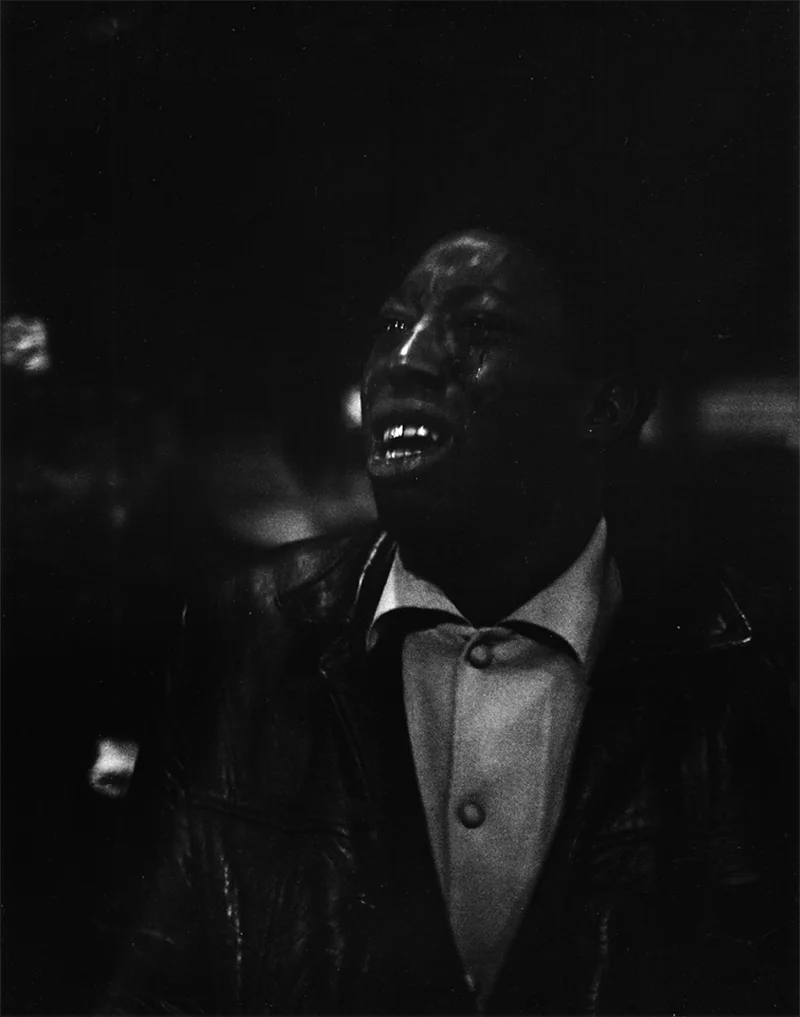
At the center of the retrospective is Smith’s extraordinary photographic response to April 4, 1968, the day Dr. Martin Luther King JR. was assassinated. On the streets of Harlem, Smith recorded the immediate aftermath as grief and disbelief swept through the community. His photographs capture faces suspended between shock and resolve, crowds bound together by sorrow, and the charged stillness of a historic rupture. These images stand as rare visual testimony—documents of mourning made by someone who shared fully in the weight of that moment.
Beyond his own photographic output, Smith was a vital force in shaping African American photography. As a founding member of the Kamoinge Workshop and a driving presence behind the
Black Photographers Annual, he helped build platforms for artists long excluded from institutional recognition. This retrospective affirms Smith’s legacy as both artist and advocate, reminding us that photography can preserve memory, challenge erasure, and carry history forward through images rooted in truth and human connection.
Image:
The Day After MLK was Assassinated, NYC, 1968 © Beuford Smith