The International Center of Photography (ICP) presents
Eugène Atget: The Making of a Reputation, an exhibition that traces how Eugène Atget (1857–1927) came to be recognized as a foundational figure in the history of modern photography. Central to this story is the pivotal role played by photographer Berenice Abbott, whose sustained advocacy transformed Atget from a largely overlooked documentarian into a canonical artist of the twentieth century.
Drawing on historic prints from ICP’s collection alongside rare publications and printed ephemera, the exhibition reexamines how Atget’s reputation was constructed after his death—and how Abbott’s championing of his work often eclipsed recognition of her own groundbreaking career. Atget never lived to witness his international acclaim, but Abbott proved that enduring artistic legacies are often forged not only by talent, but by unwavering stewardship.
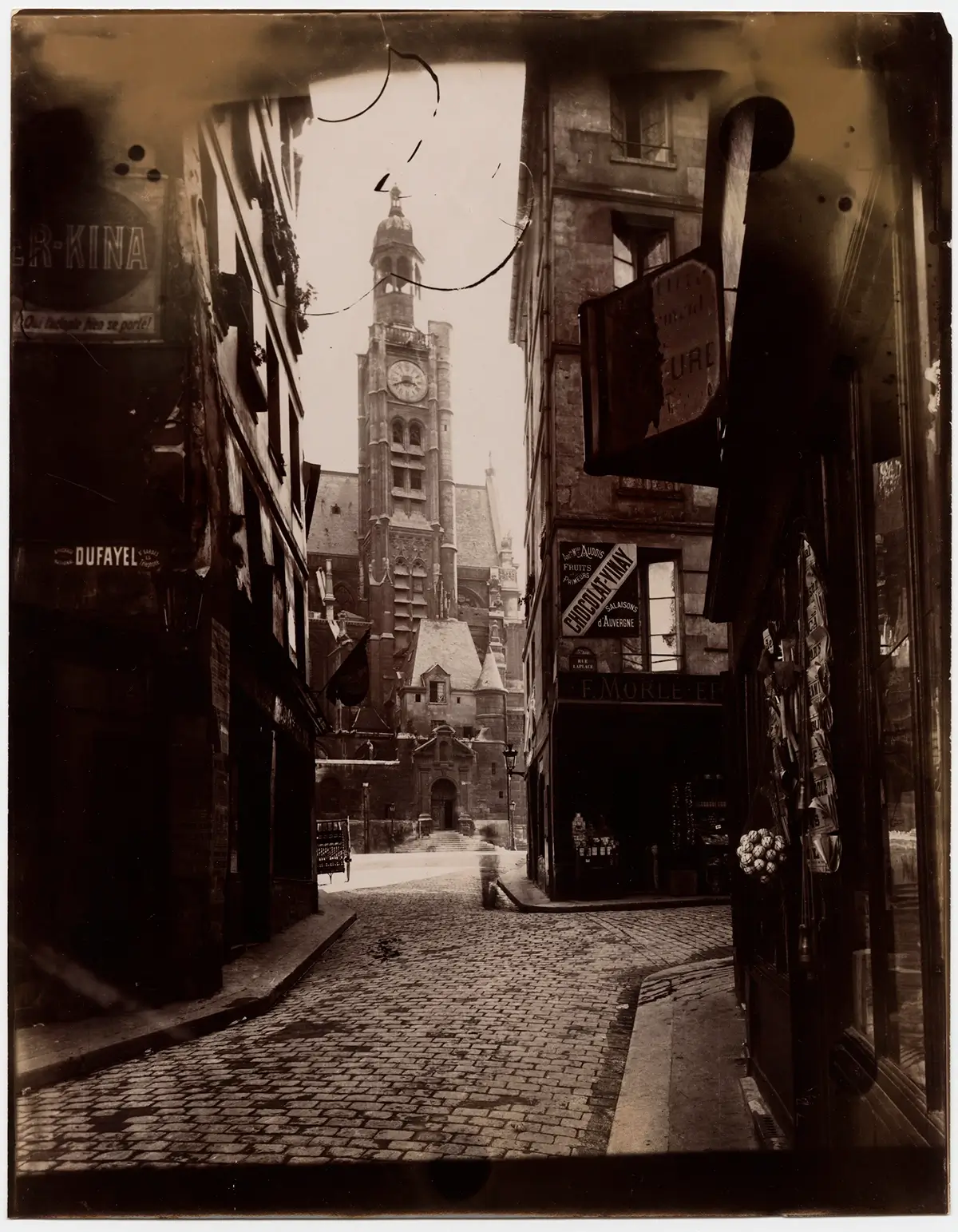
© Eugène Atget, Rue de la Montagne-Sainte-Geneviève, 1898 (printed 1919–27). International Center of Photography, Gift of Caryl and Israel Englander, 2010 (2010.114.10)
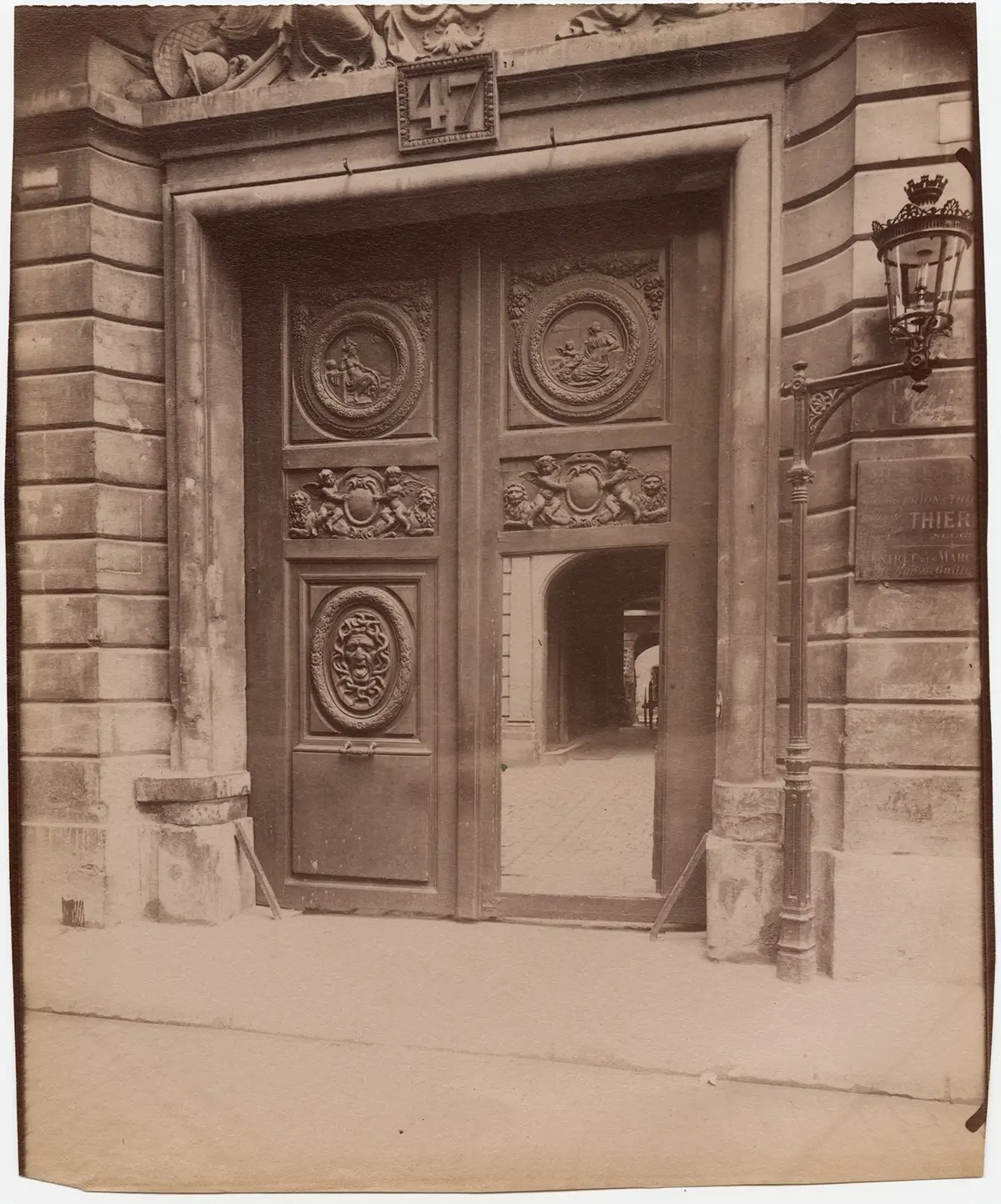
© Eugène Atget, Hôtel des Ambassadeurs de Hollande, 47 rue Vielle-du-Temple, 1900. International Center of Photography, Gift of Caryl and Israel Englander, 2011 (2011.52.18)
During the final three decades of his life, Eugène Atget undertook an extraordinary photographic project: the systematic documentation of Paris and its surrounding districts at a moment of profound urban transformation. As modernization reshaped the city in the early twentieth century, Atget created an extensive visual archive of spaces and structures on the brink of disappearance.
His subjects ranged from iconic landmarks to modest architectural details—storefronts, stairways, courtyards, ironwork, street vendors, parks, trees, and the city’s undefined edges. While Atget described his work as documentary, his photographs possess a quiet formal rigor and historical sensitivity that later generations would recognize as deeply influential to modern photographic practice. His images preserved Paris not as spectacle, but as lived environment—both recording and subtly transforming the city through the camera’s lens.
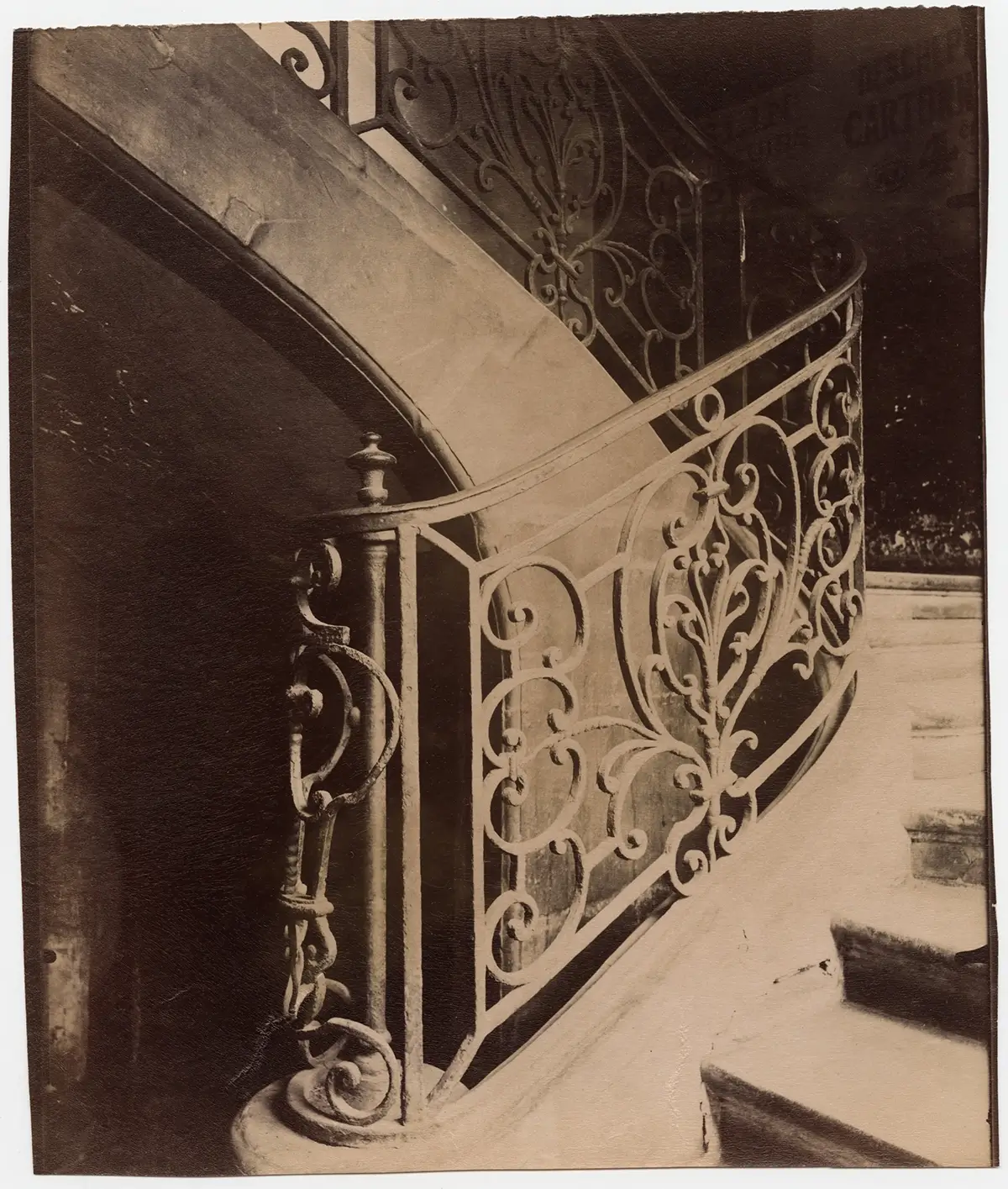
© Eugène Atget, Départ d'escalier, hôtel de Montmorency, 5 rue de Montmorency, Paris, 1908–9 (printed 1908–27). International Center of Photography, Gift of Caryl and Israel Englander, 2009 (2009.79.38)
In 1923,
Berenice Abbott—then a young American sculptor living in Paris—was introduced to
Man Ray and soon became his studio assistant. Through this proximity, she discovered photography and, in 1926, met Eugène Atget, whose studio happened to be located on the same street as Man Ray’s. Recognizing the significance of his work, Abbott photographed Atget in a series of portraits in 1927. He died shortly afterward, before she was able to show them to him.
Although some of Atget’s prints had already been sold to the Paris city archives, Abbott acquired the remainder of his estate, including thousands of prints and glass negatives. With little expectation of financial return, she immediately set about promoting his photographs, convinced they represented a major artistic achievement. Her efforts would span decades, shaping how Atget was understood, published, and exhibited internationally.
In 1968, Abbott’s role as Atget’s primary advocate reached its conclusion when her collection—comprising 1,415 glass negatives and approximately 8,000 vintage prints—was acquired by the Museum of Modern Art (MoMA) in New York. From that moment forward, the institutional responsibility for Atget’s legacy passed to MoMA, securing his place within the canon of photographic history.
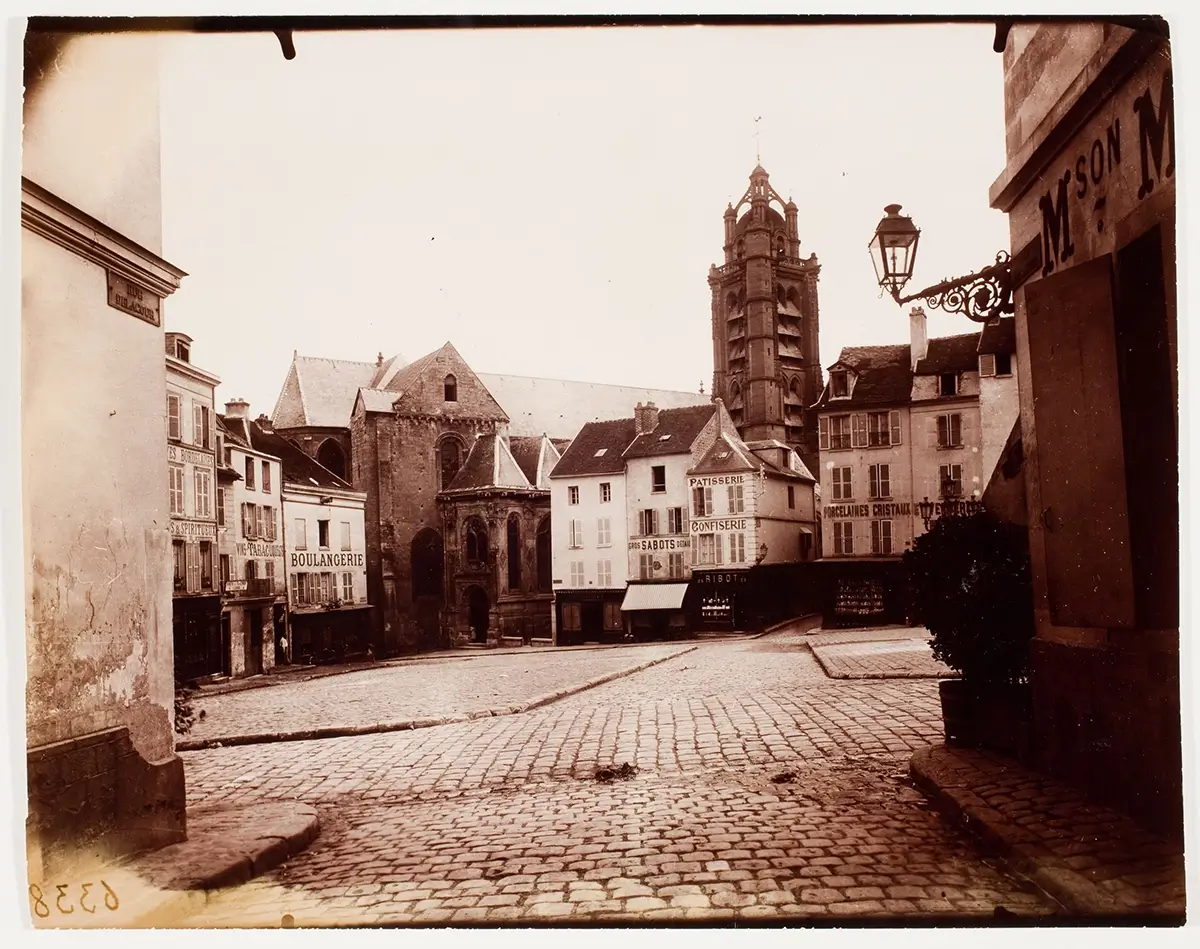
© Eugène Atget, Pontoise, Place du Grand Martroy, 1902 (printed 1919–27). International Center of Photography, Gift of Caryl and Israel Englander, 2008 (2008.111.46)
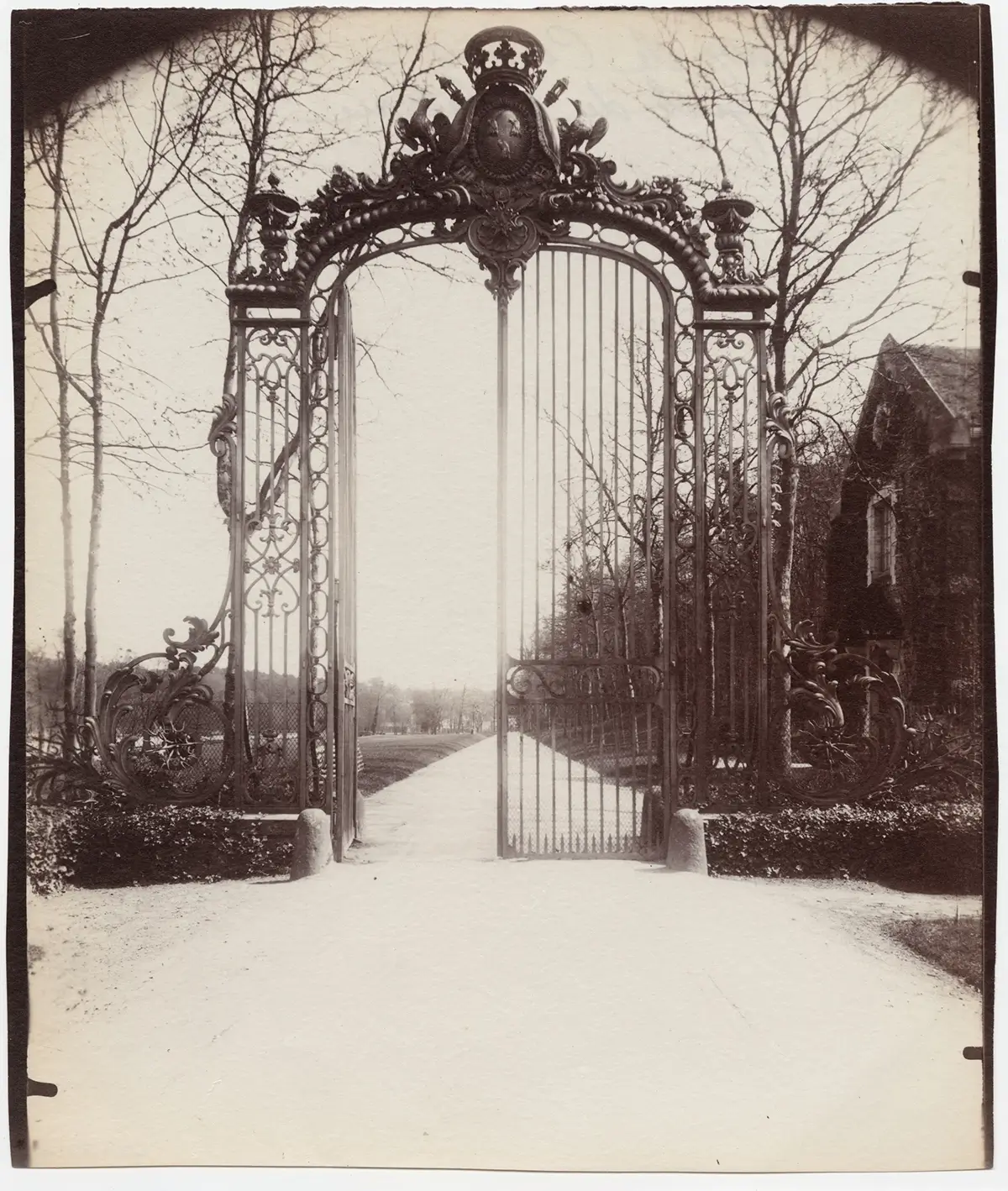
© Eugène Atget, Vaux-de-Cernay, 1908–10 (printed 1908–27). International Center of Photography, Gift of Caryl and Israel Englander, 2009 (2009.79.49)
Curated by David Campany, Creative Director at ICP, Eugène Atget: The Making of a Reputation focuses on a critical four-year period in the posthumous construction of Atget’s legacy. The exhibition spans from the uncredited publication of his photographs in the Surrealist journal La Révolution Surréaliste in 1926 to the release of ATGET: Photographe de Paris in 1930—the first book devoted to his work, overseen by Abbott.
The exhibition presents three interrelated forms through which Atget’s photographs gained meaning and authority: avant-garde magazines, original photographic prints (primarily from ICP’s collection), and the curated sequence of images selected for the book. Together, these materials reveal how Atget’s work was interpreted, framed, and positioned within modern art discourse—demonstrating that reputation is not discovered, but constructed.
Why This Exhibition Matters
Eugène Atget: The Making of a Reputation offers more than a reassessment of a singular photographer. It is a study in how artistic value is assigned, how histories are written, and how advocacy shapes cultural memory. By foregrounding Berenice Abbott’s role alongside Atget’s photographs, the exhibition invites viewers to reconsider authorship, recognition, and the unseen labor behind artistic legacies—reminding us that every great photographer, indeed, needs a champion.
“Every photographer needs a champion,” said Campany.
“Eugène Atget had Berenice Abbott and without her, his work would have been all but lost.”
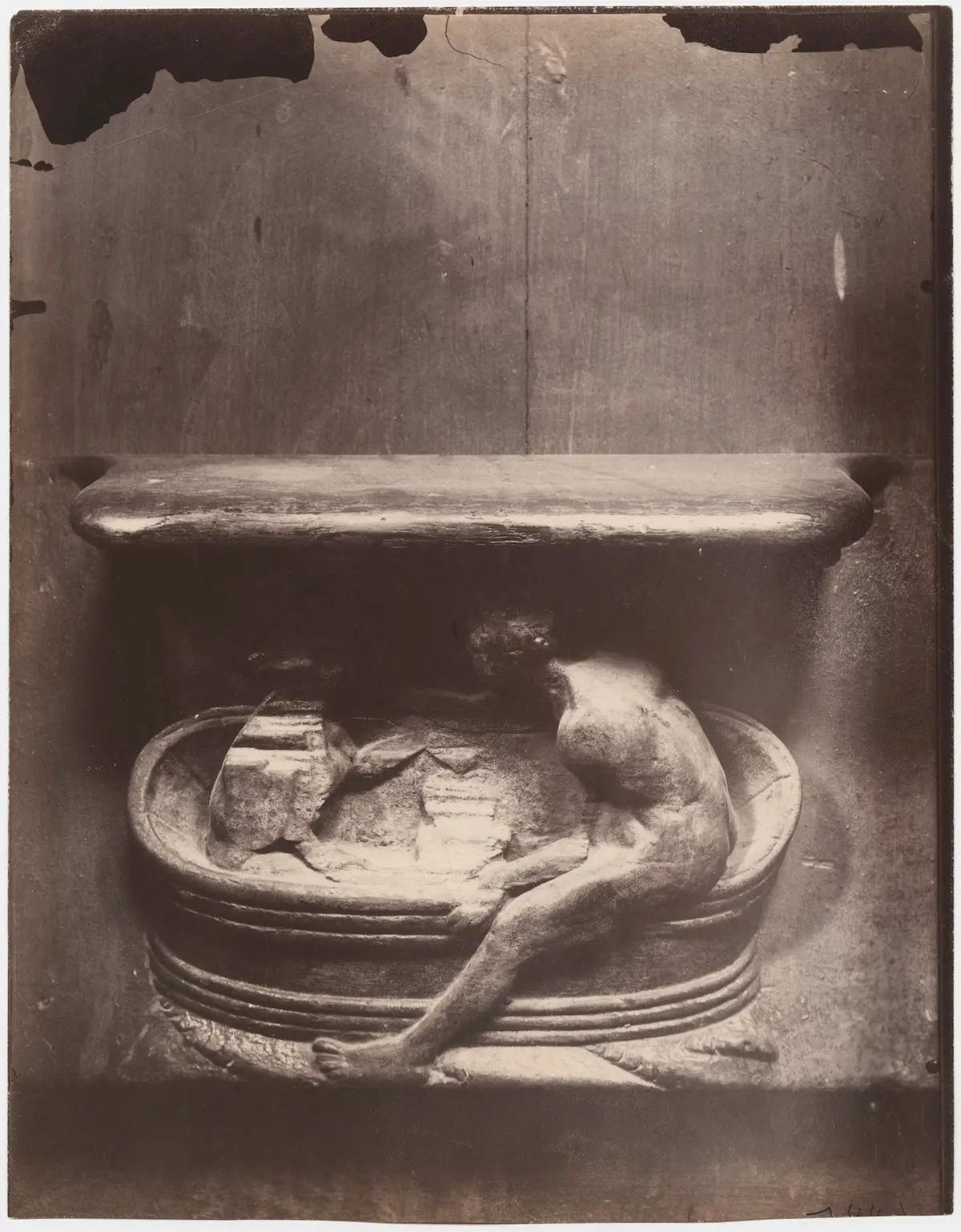
© Eugène Atget, Saint Gervais (stalles), 1903–4. International Center of Photography, Gift of George Rohr, 2012 (2012.100.23)
(1857-1927) was a French photographer best known for his photographs of Paris and its environs. He supplied studies for painters, architects and stage designers, while also making formally complex pictures. Atget’s subjects included everything from grand buildings to typical street scenes, storefronts and workers. His photographs, often taken in the early hours, are notable for their diff use light and wide views that give a sense of enigma and mystery. They also document Paris and its rapid changes; many of the areas Atget photographed were soon to be razed as part of widespread modernization projects.
Atget drew the admiration of a variety of artists, most notably Man Ray who even used one of Atget’s photographs on the cover of the magazine La Révolution Surréaliste. The photographer Berenice Abbott preserved many of Atget’s prints and negatives. She exhibited his work, wrote about it and for decades championed Atget as a forerunner of modern photography.
About The International Center of Photography
The International Center of Photography (ICP) is the world’s leading institution dedicated to photography and visual culture. Cornell Capa founded ICP in 1974 to champion “concerned photography”—socially and politically minded images that can educate and change the world. Through exhibitions, education programs, community outreach and public programs, ICP off ers an open forum for dialogue about the power of the image. Since its inception, ICP has presented more than 700 exhibitions, provided thousands of classes and hosted a wide variety of public programs. ICP launched its new integrated center at 84 Ludlow Street on Manhattan’s Lower East Side in January 2020. ICP pays respect to the original stewards of this land, the Lenape people and other Indigenous communities. Visit icp.org to learn more about the museum and its programs.
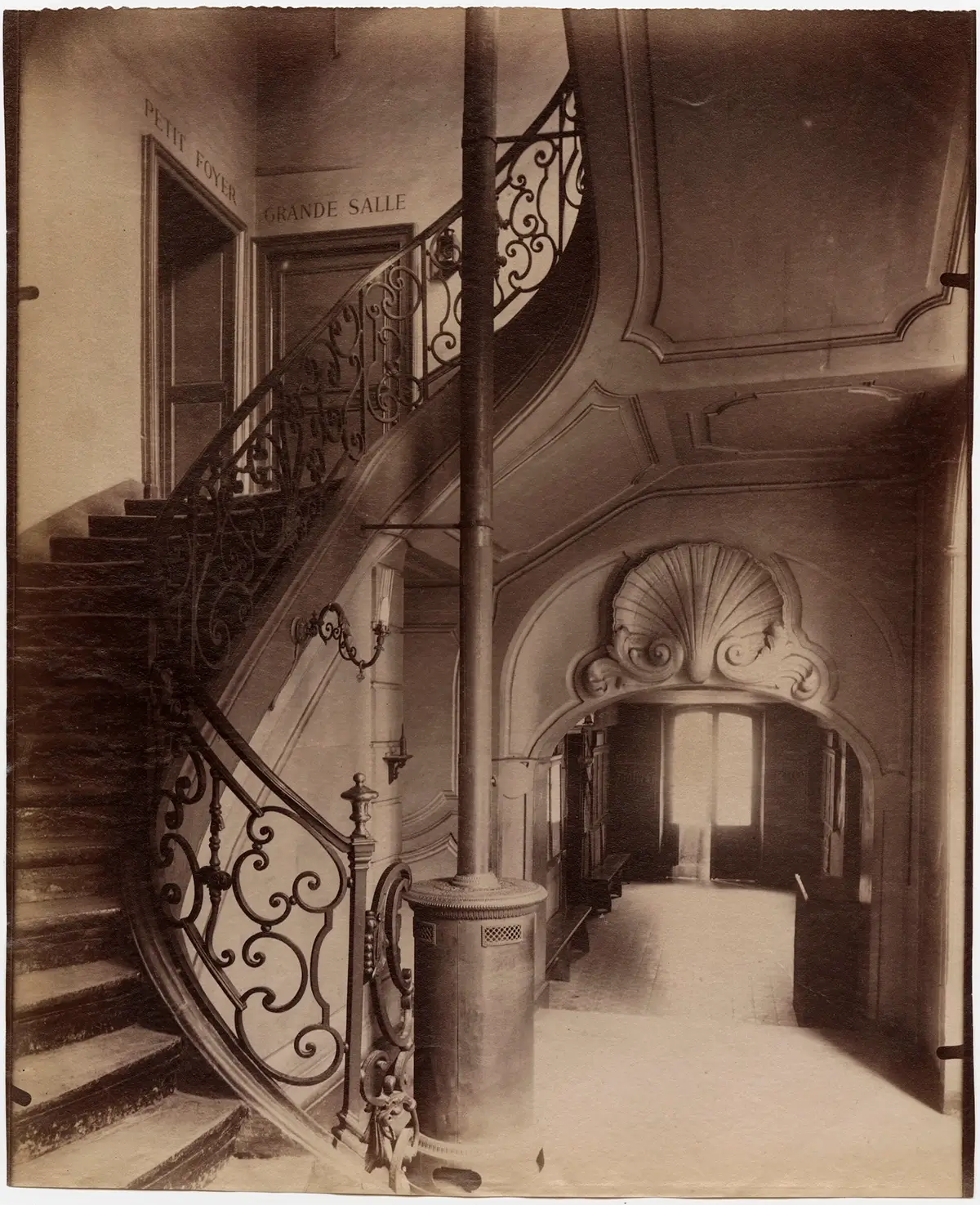
© Eugène Atget, Ancien Monastere des Bénédictins anglais. 269 rue Saint-Jacques,1905. International Center of Photography, Gift of Caryl and Israel Englander, 2011 (2011.52.2)
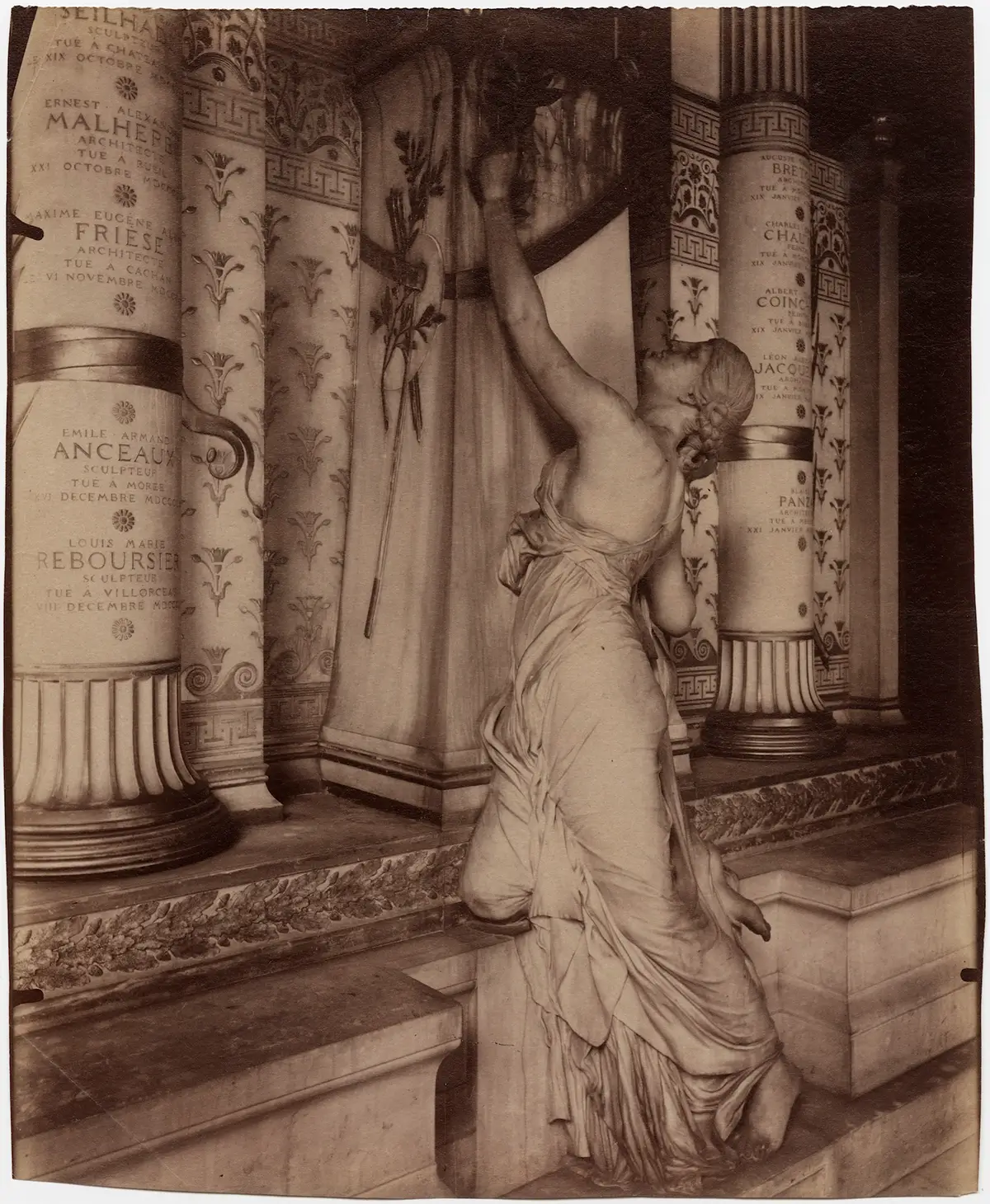
© Eugène Atget, École des Beaux-Arts, Monument Henri Regnault, 1903. International Center of Photography, Gift of George Rohr, 2012 (2012.100.15)