In Rome,
rhinoceros gallery, the art space founded by Alessia Caruso Fendi within Palazzo Rhinoceros, presents “Act 2/3: Col Tempo (With Time)”, the second chapter of a trilogy of exhibitions developed in collaboration with the Paris-based gallery
Bigaignon.
On view from November 26, 2025 to January 14, 2026, this new exhibition is dedicated to the essential element of time,marking the continuation of a three-part project that will unfold through March 2026.
Founded in Paris nearly a decade ago, Bigaignonis renowned for promoting artists who explore the fundamentals of light, space, and time through minimalist, abstract, and conceptual photography.
Time —invisible and elusive —forms the fabric of all human experience and stands as one of art’s essential materials. If photography is defined by light and space, it is equally defined by time: photography cuts it, suspends it, transforms it into a tangible substance.Every image is a fragment of duration frozen in its momentum —a moment that refuses to disappear.
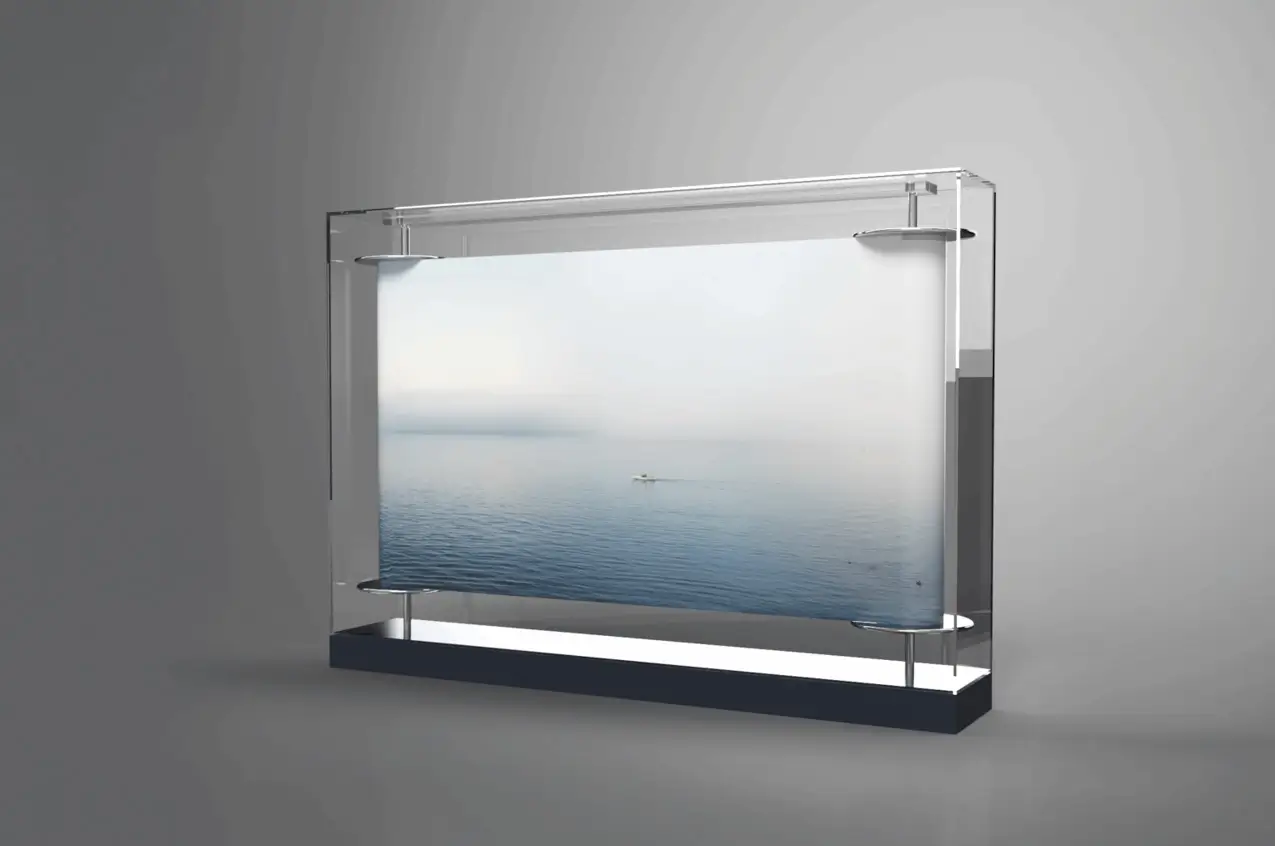
Charles Xelot, Horloge Photographique Courtesy © Bigaignon
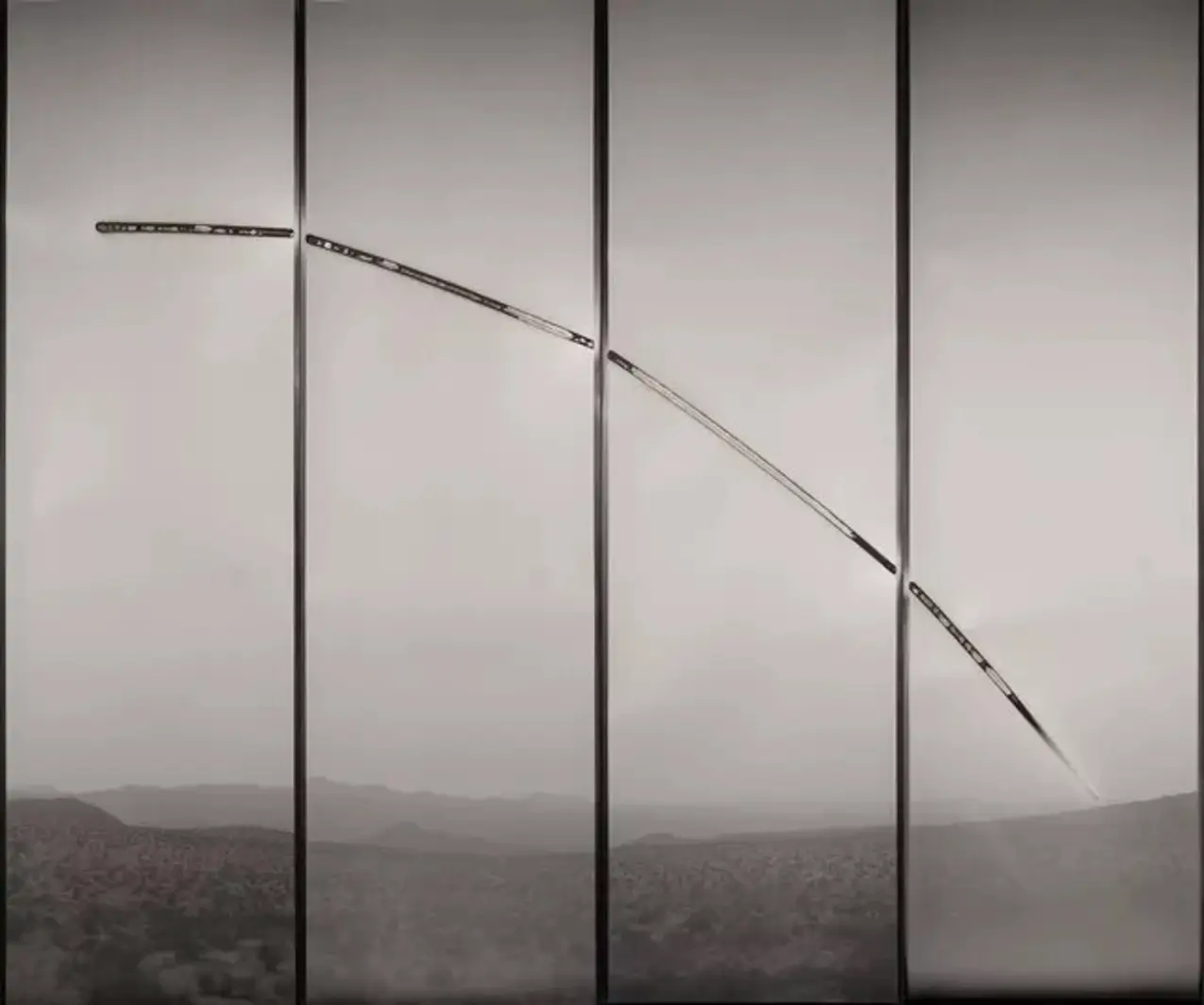
Chris McCaw, Sunburned GSP#1099 Courtesy © Bigaignon
Artists have long sought to understand what time does to form, to the body, to memory. Heraclitus saw the world as a perpetual flow, while Saint Augustine, meditating in Rome itself, marveled at this paradox: time exists only within human consciousness,stretched between the memory of the past and the anticipation of the future. In Rome, this reflection takes on a special resonance. Here, time becomes visible, almost tangible. Layers of history overlap like strata of memory: ruins converse with the present, ancient stones meet the light of a new day. The Eternal City reminds us that timeis not only what passes, but also what endures.
The artists explore this invisible, fluid, and persistent material. Through trace, layering, repetition, or, conversely, the brilliance of a single fleeting instant, they probe the tension between transienceand permanence.Thomas Paquetcaptures the trace of time over an entire year using cyanotype —as does Spanish artist Juan Couder,though in a different way. Morvarid K,through performance, kneads her photographic paper with temporal traces. Hideyuki Ishibashi,in his Latentseries, evokes time through memory. In a more conceptual yet equally powerful approach, the Belgian collective Lab(au)presents a monochrome that seems to take the form of a two-tone painting. Using uranium powder on one side and leadon the other, it is time itself that will turn this work into a monochrome —for the only thing separating these two materials is time. French artist Yannig Hedeland American artist Chris McCawboth offer masterful compositions that poetically evoke the inscription of passing time. As philosopher Henri Bergson reminds us, lived time —duration —cannot be measured but rather felt; it contracts or thickens according to our emotions and memories. Guest artist Charles Xelotmakes this duration visible. Finally, Portuguese artist Fernando Maranteand American photographer Harold Feinsteininvite us to contemplate time as a living substance: in one’s work, it stretches like a tranquil wave; in the other’s, it unfolds image after image, like a cinematic sequence.
In an era saturated with instant images and fleeting information, to rethink time —its slowness, its depth, its density —becomes an almost political act. Perhaps, in the end, art’s true purpose is to give form to time, so that, for just a moment longer,we may inhabit it differently.
In parallel, since last September and continuing through March 2026, Bigaignon has occupied a space on the first floor of this historic building with a major installation by Olivier Ratsi.A true synthesis of the three exhibitions planned at Rhinoceros, this immersive work brings together the three themes that the French gallery seeks to explore during its residency in Rome: light, time, and space.
br>
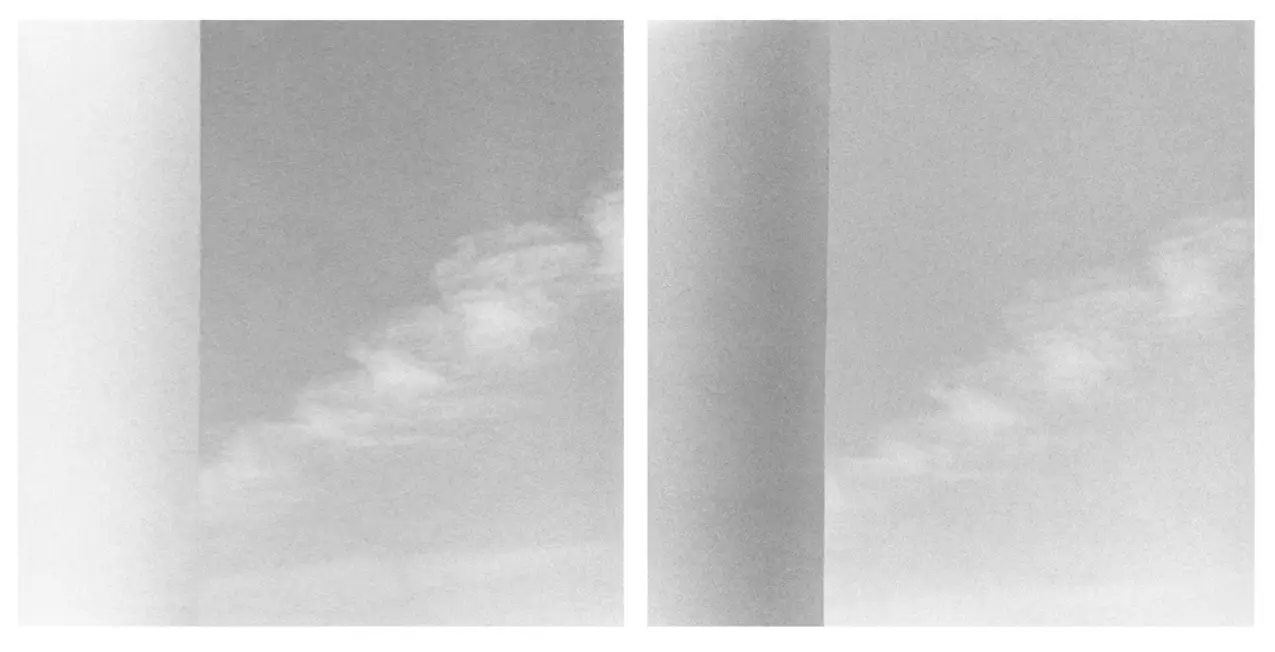
Yannig Hedel, Nuéeettrainées, Courtesy © Bigaignon
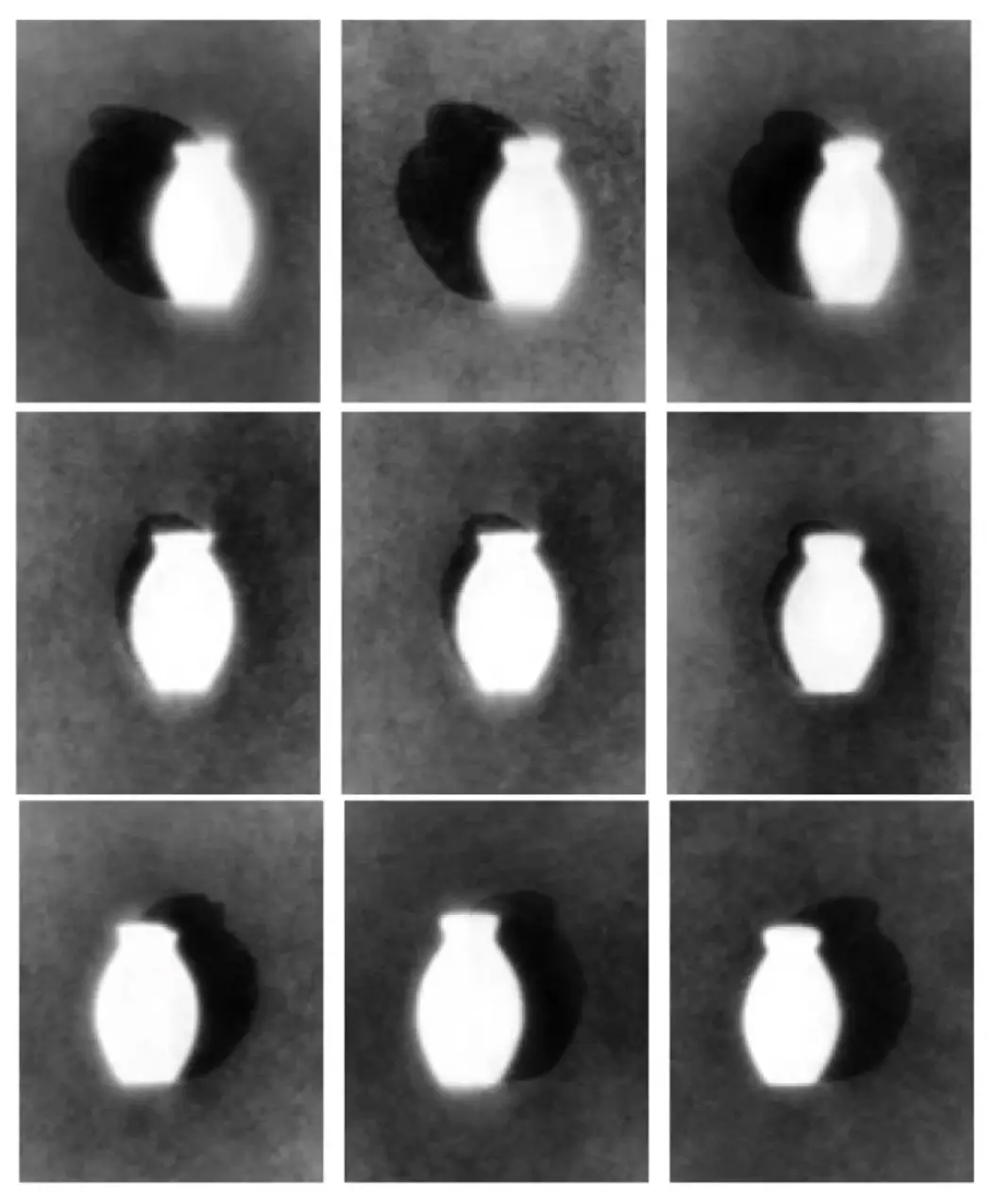
Hideyuki Ishibashi, Latent, Courtesy © Bigaignon