All about photo.com: photo contests, photography exhibitions, galleries, photographers, books, schools and venues.
Win a Solo Exhibition in April 2026!
Alon  Goldsmith
Alon  Goldsmith
Alon  Goldsmith

Alon Goldsmith

Country: South Africa/United States
Birth: 1961

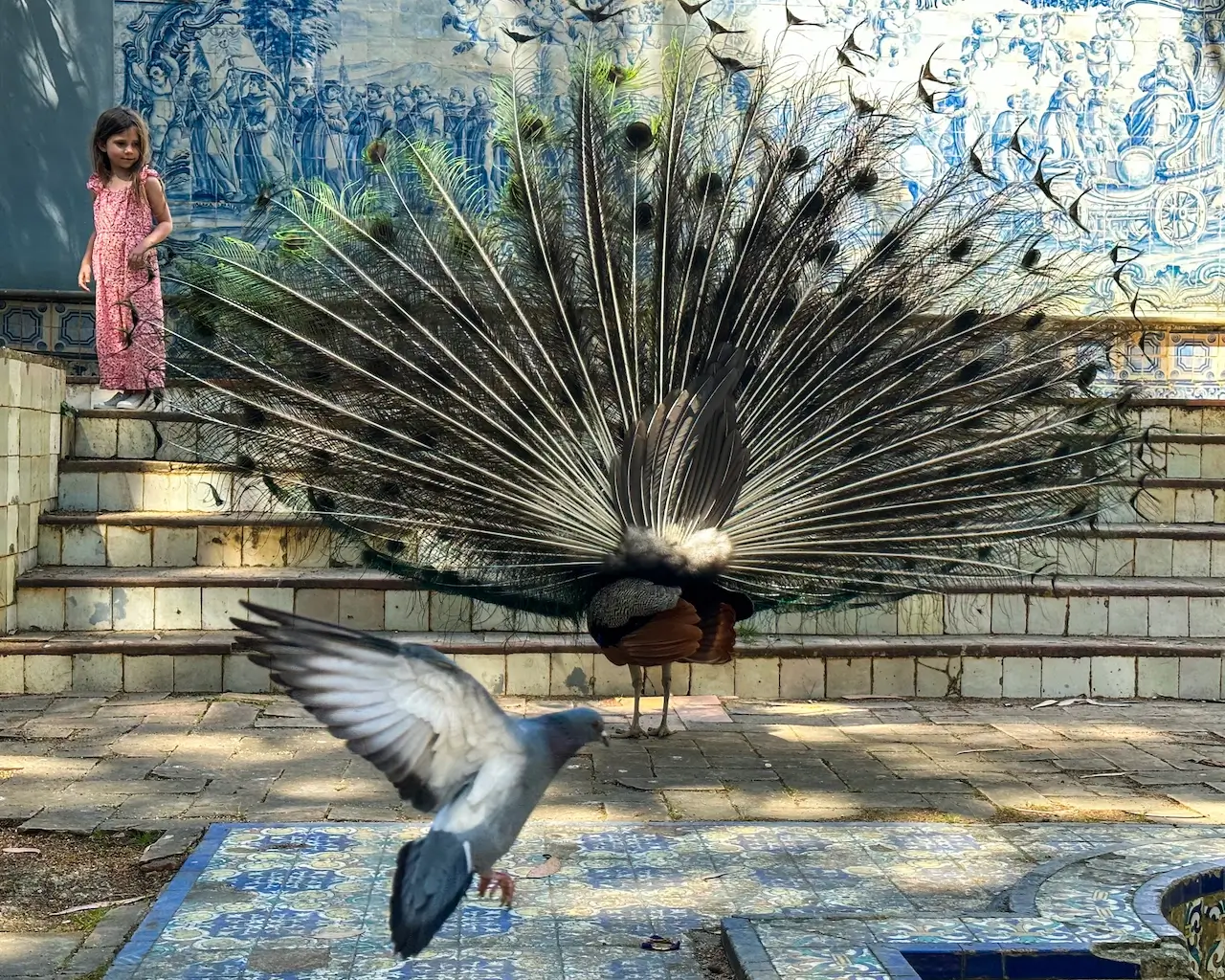
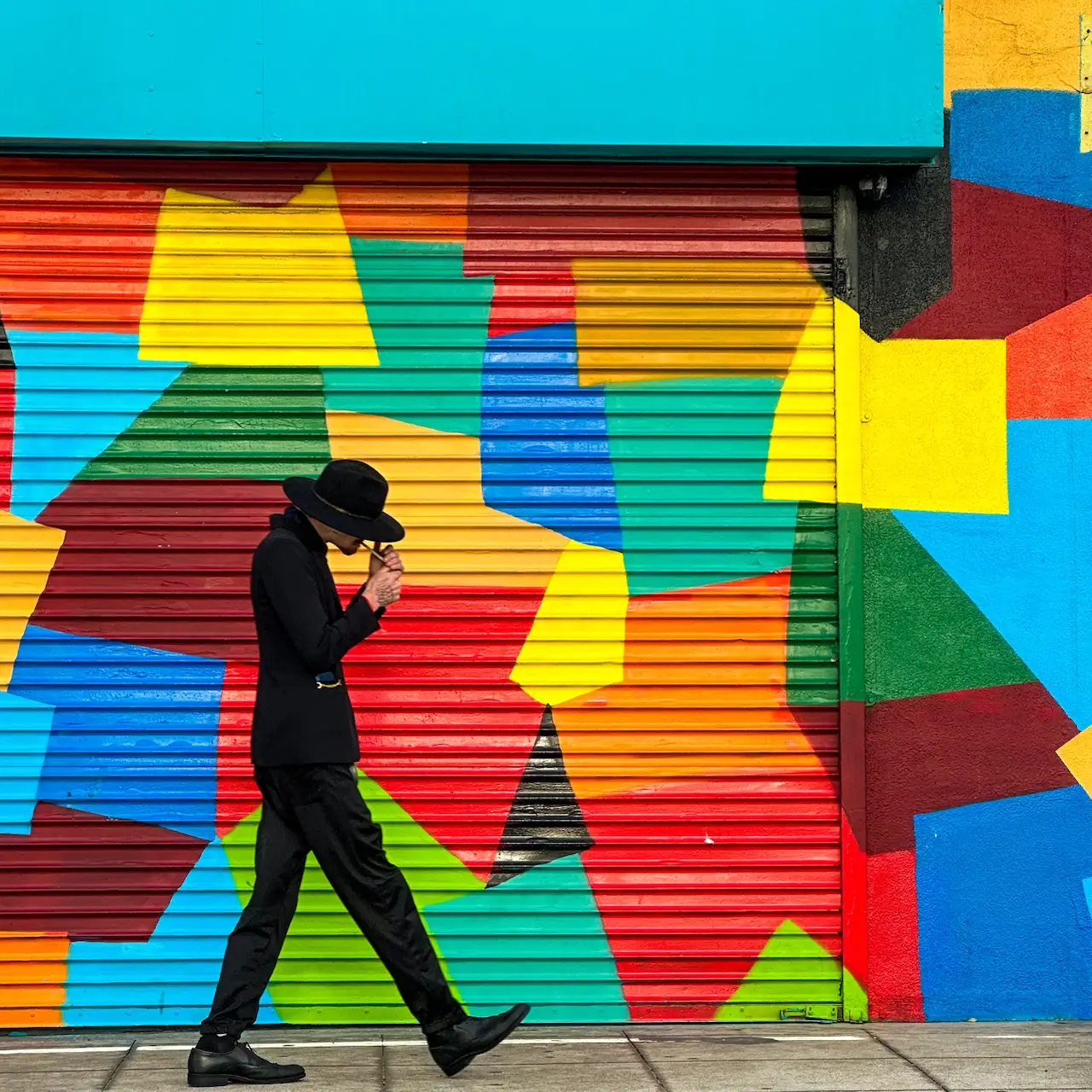
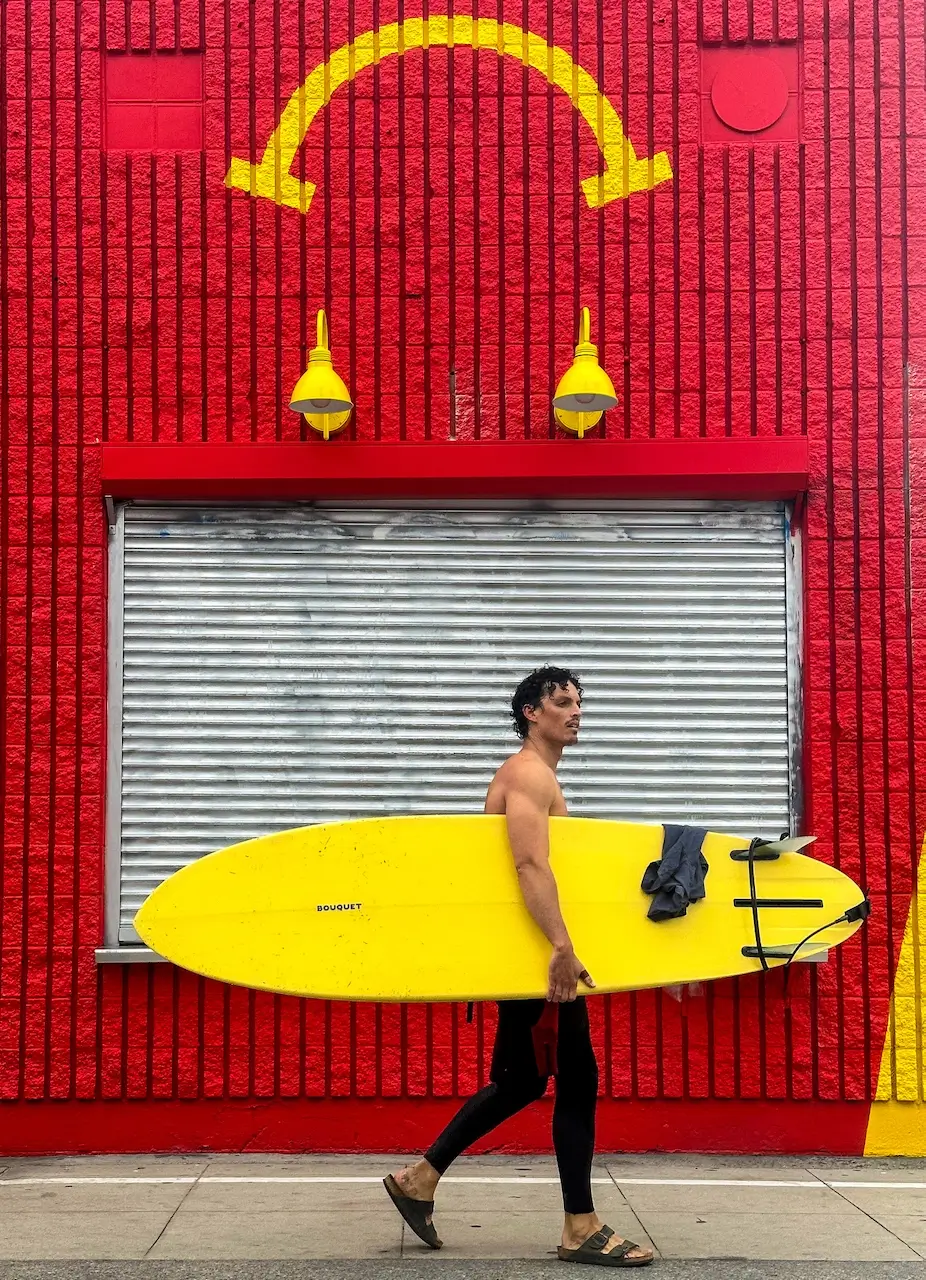
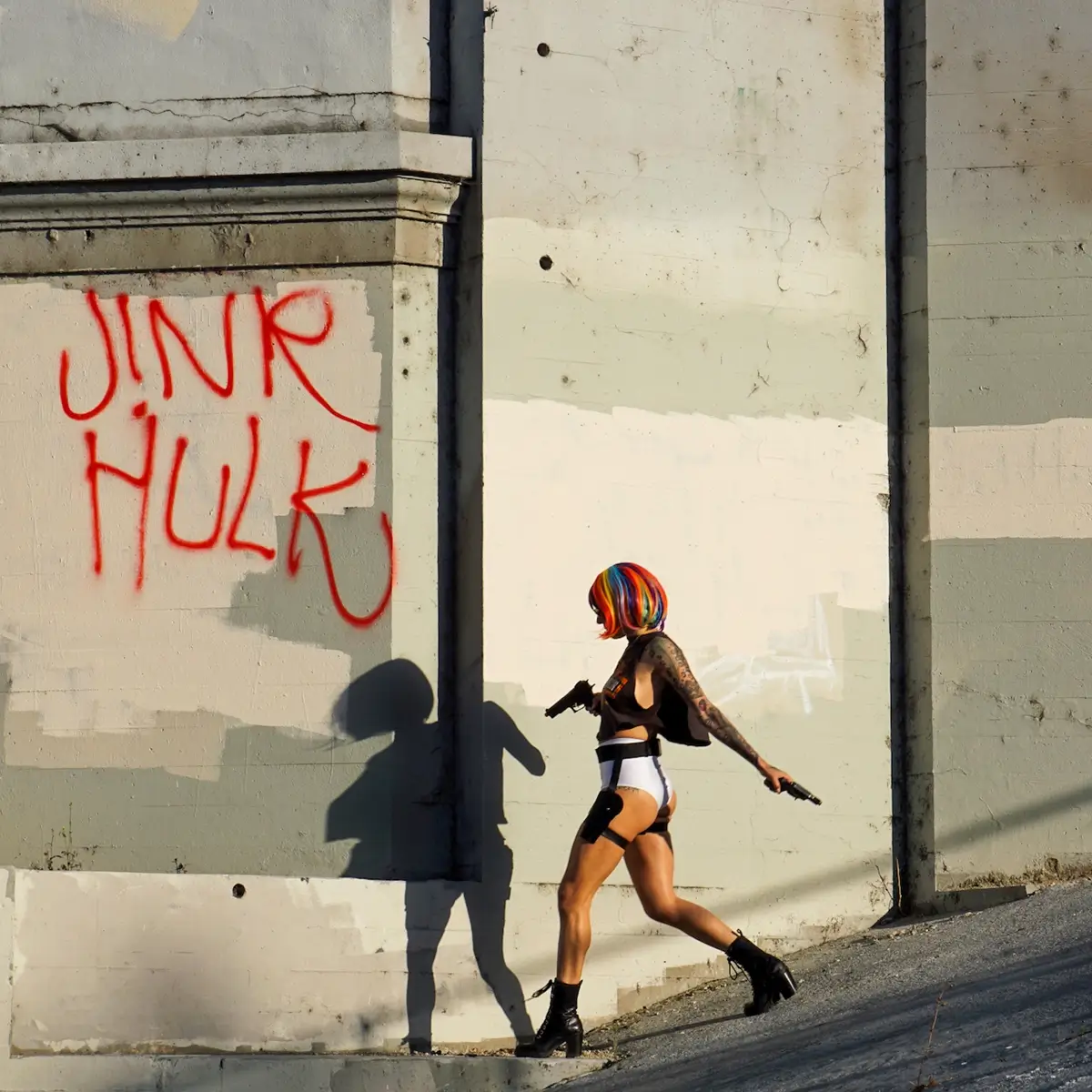
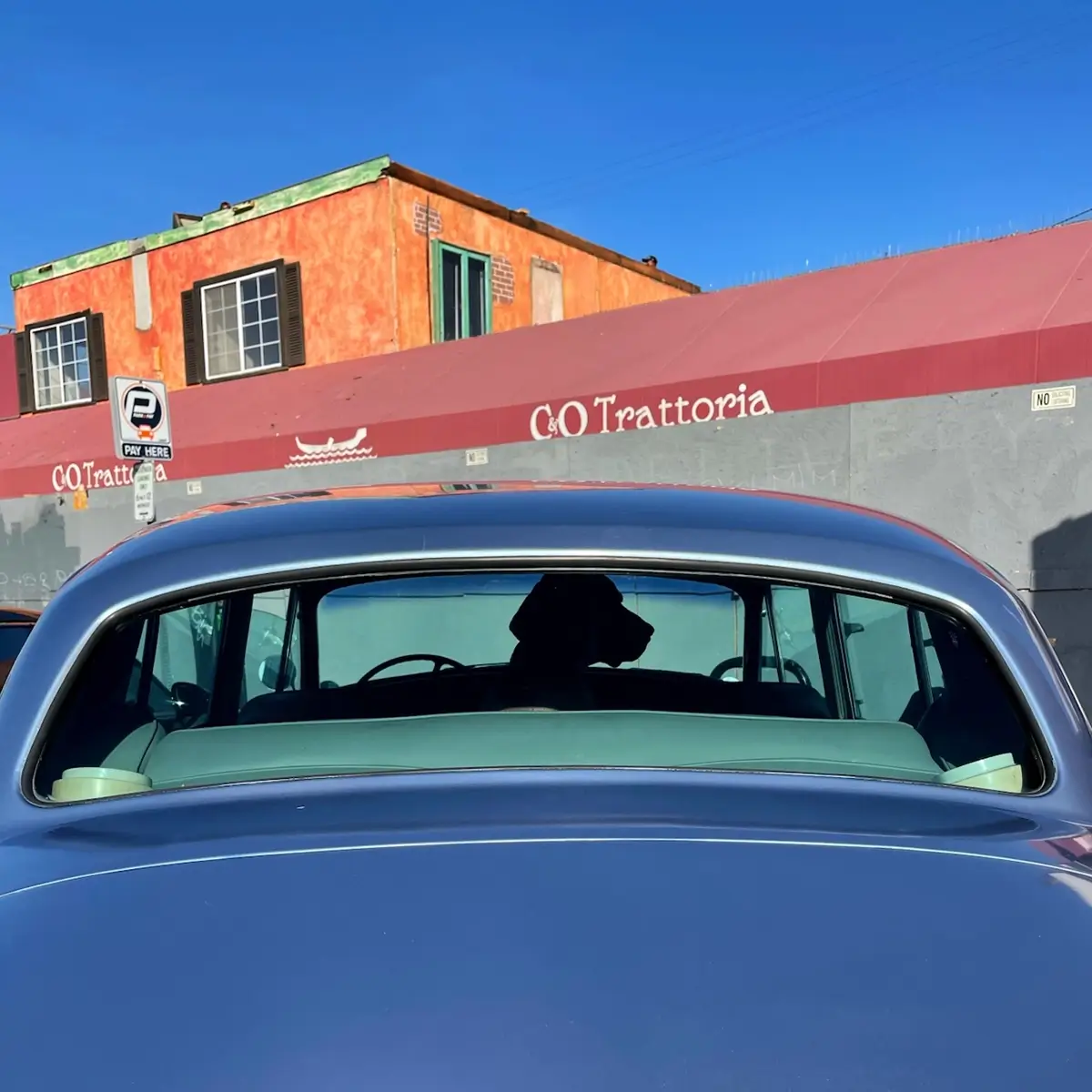
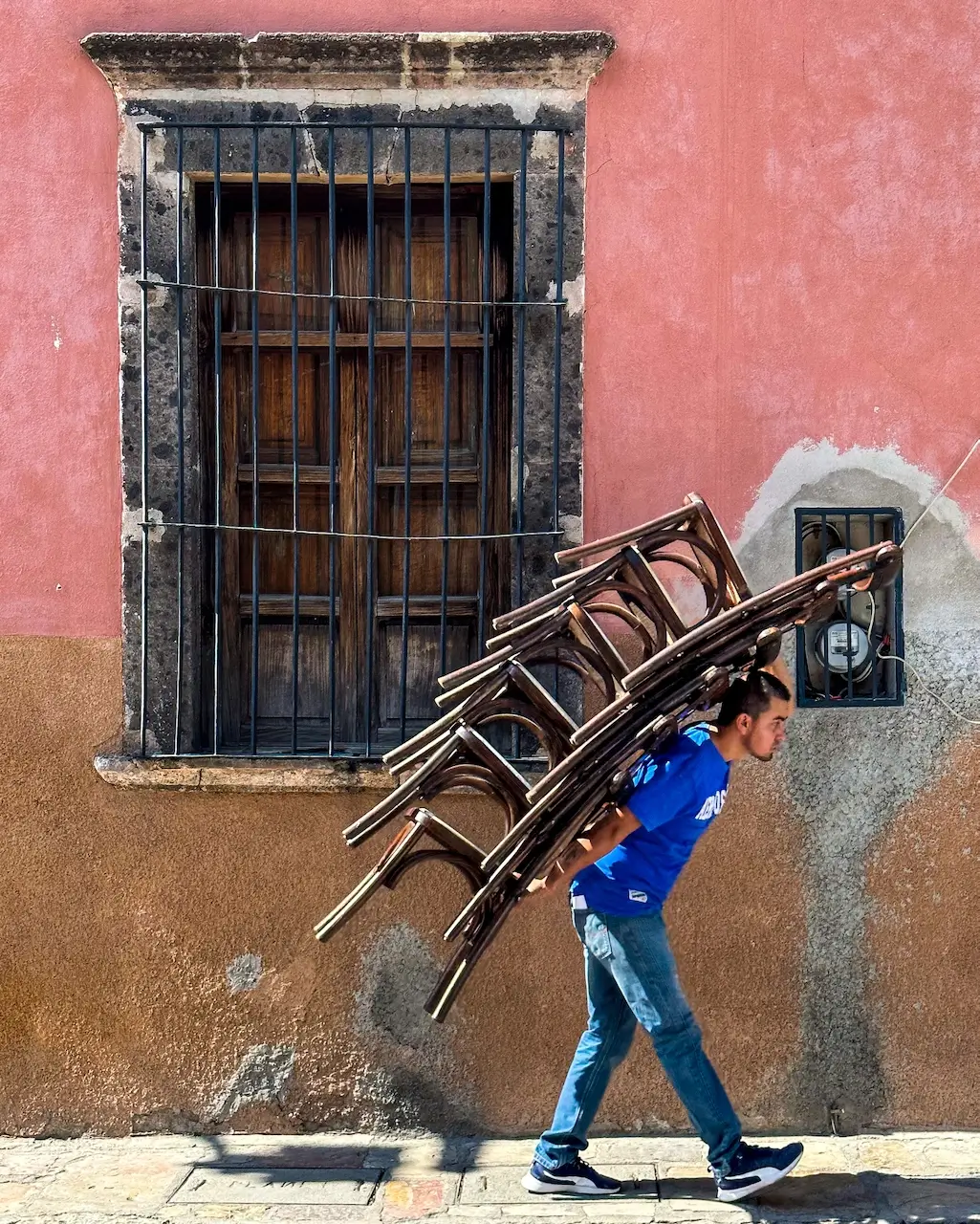
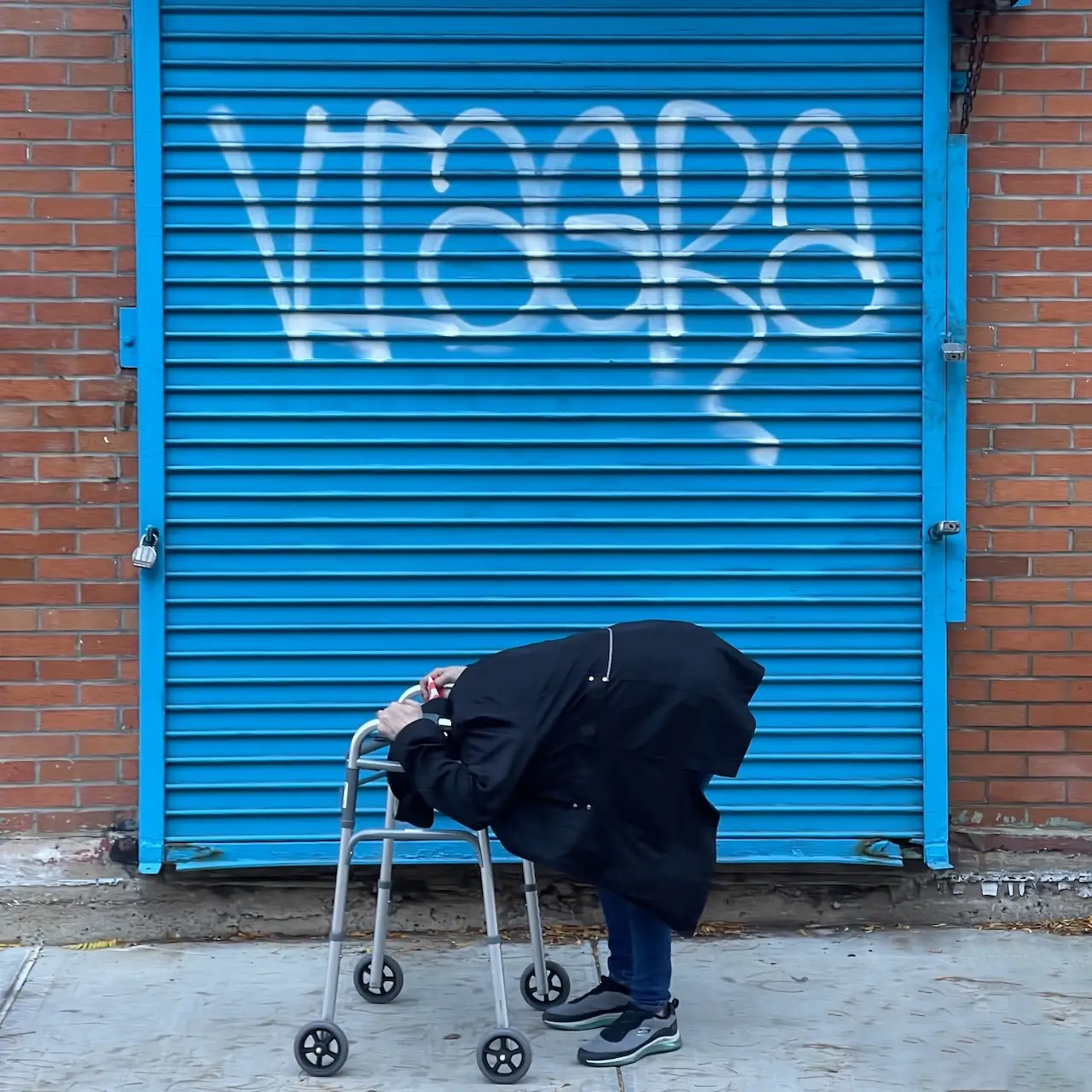
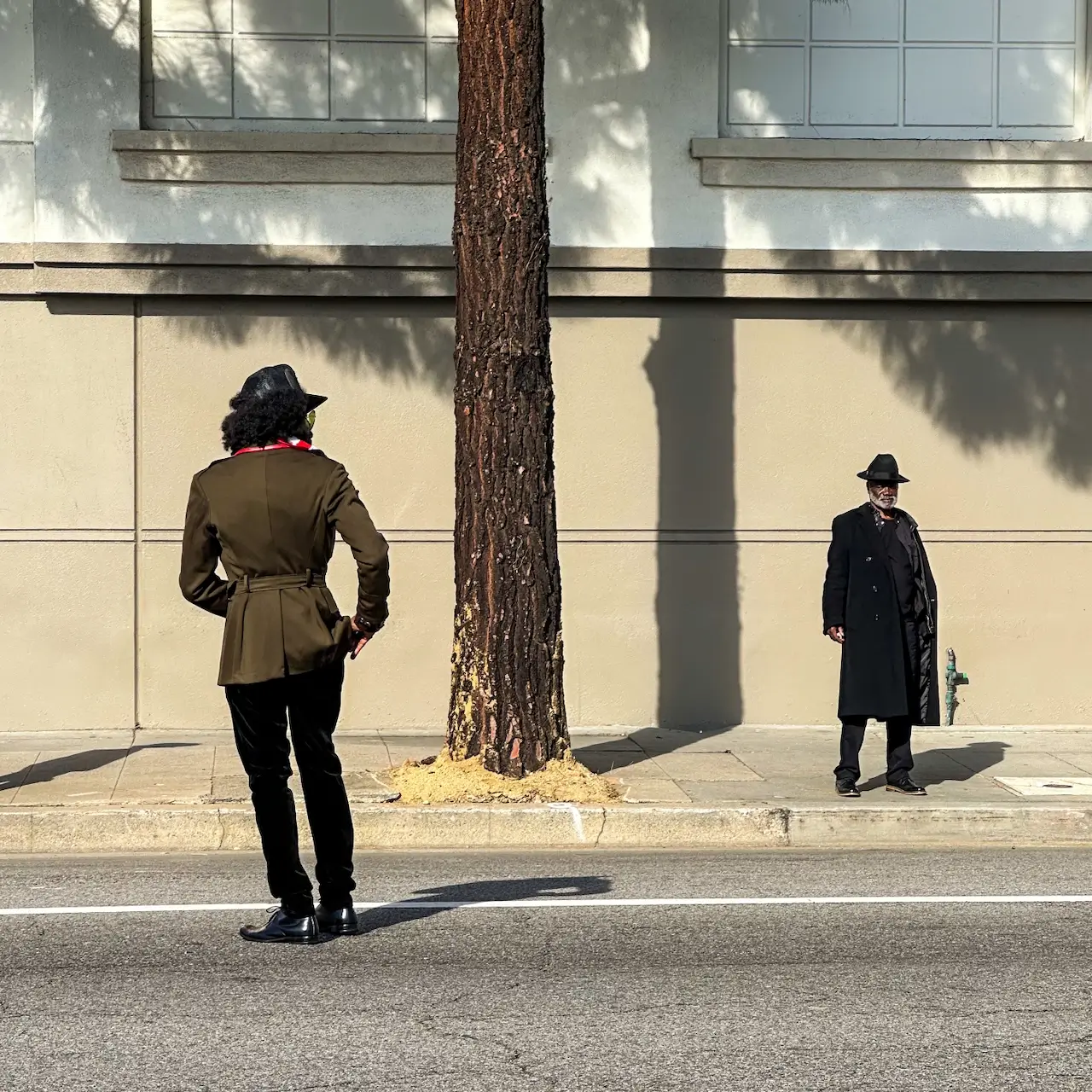
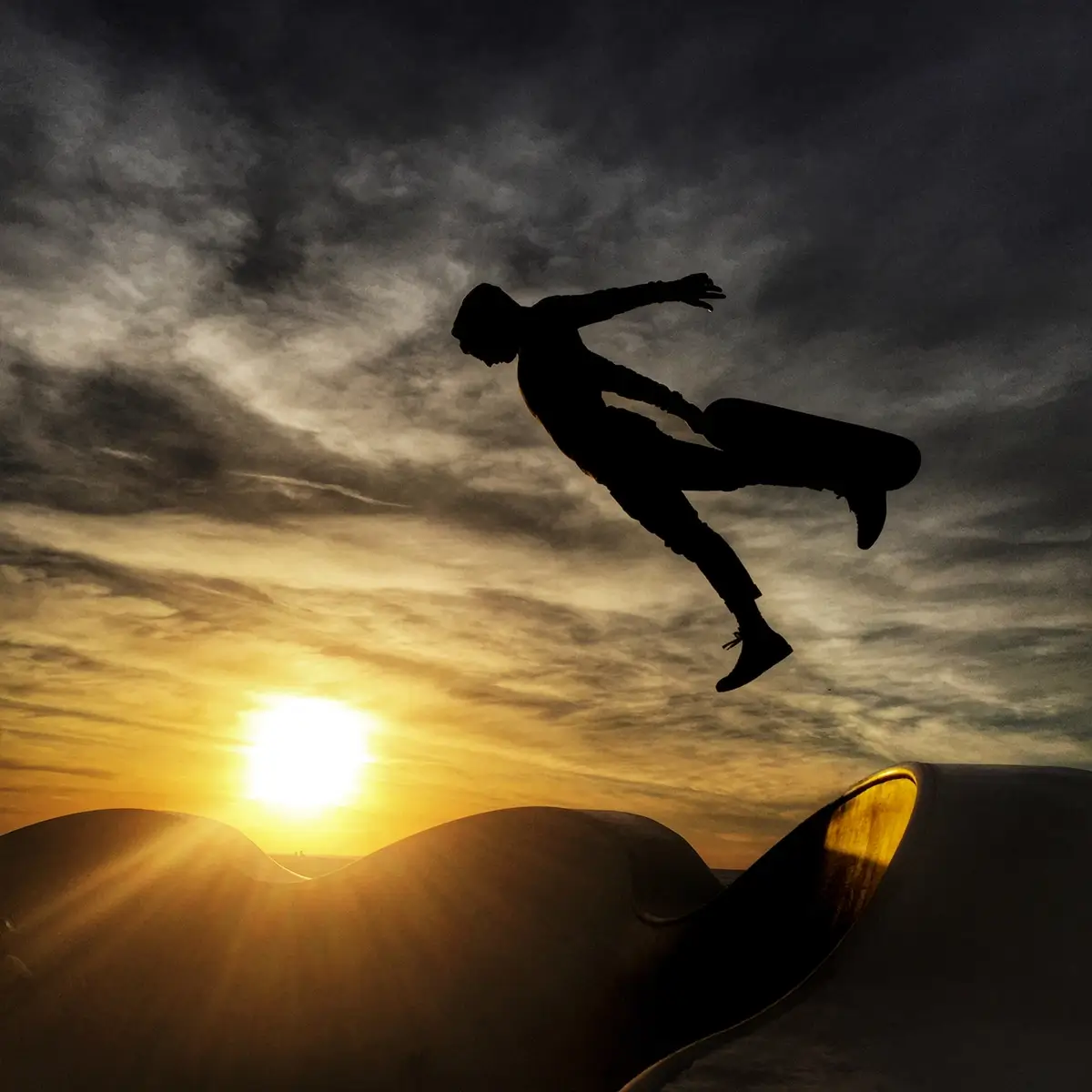
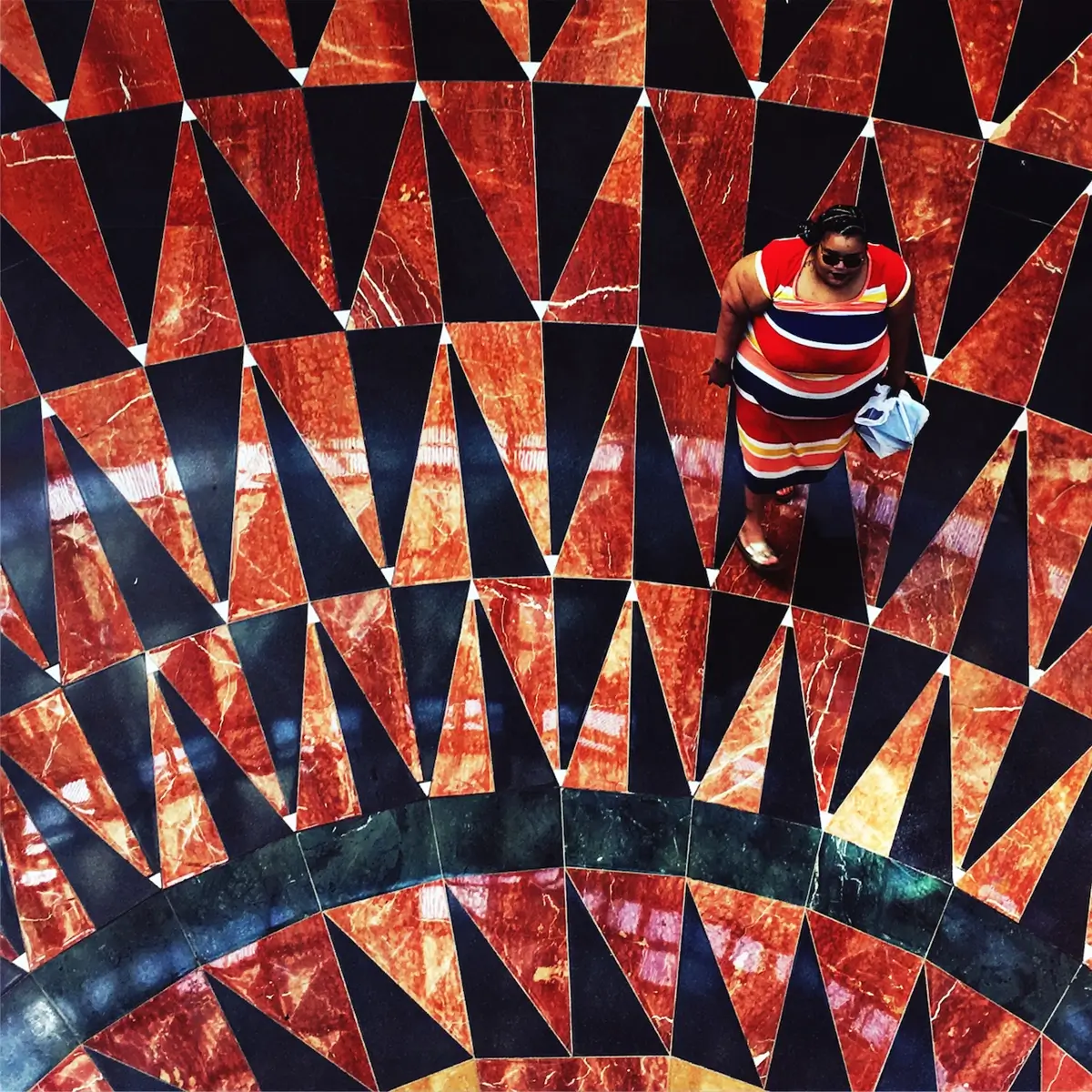
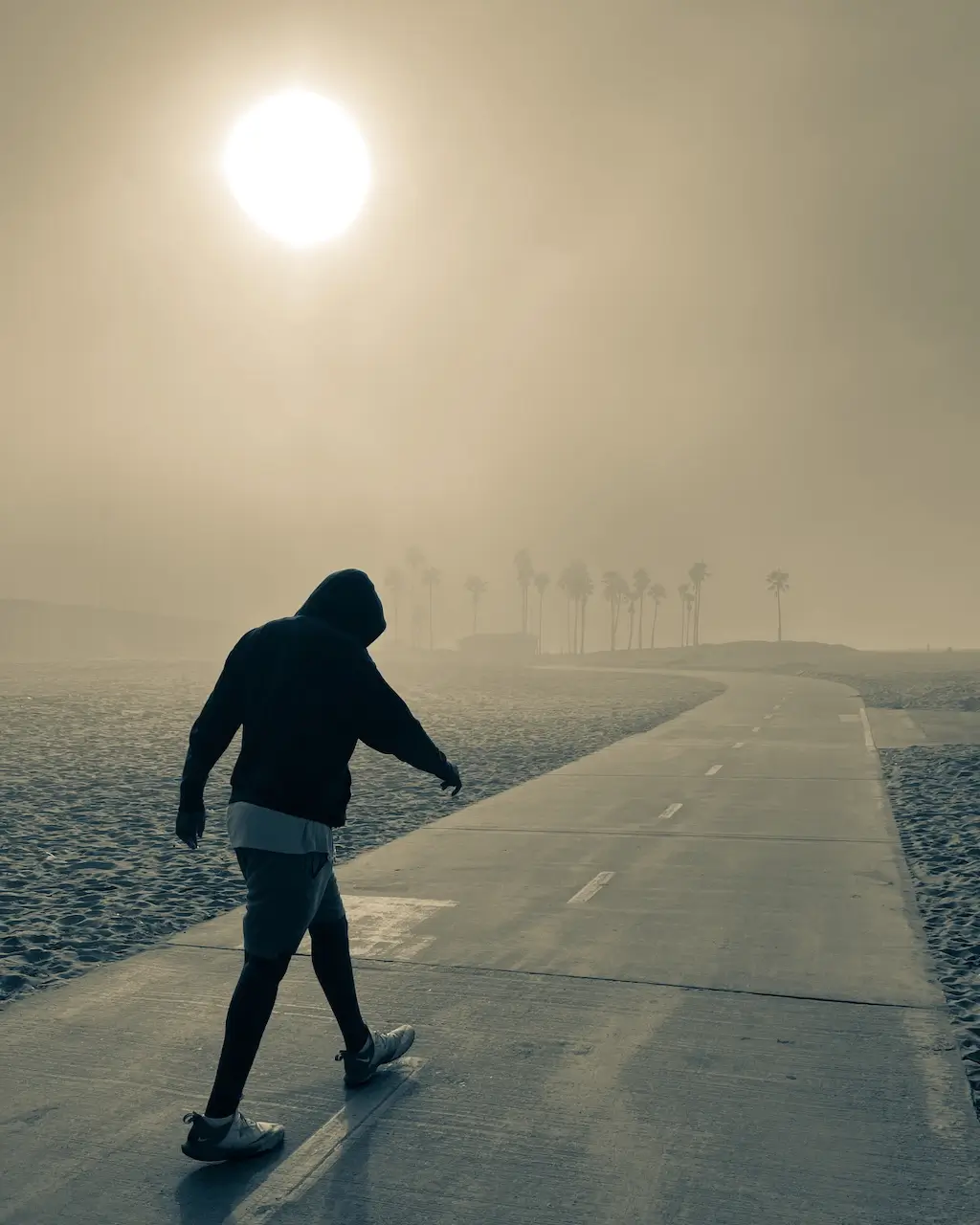
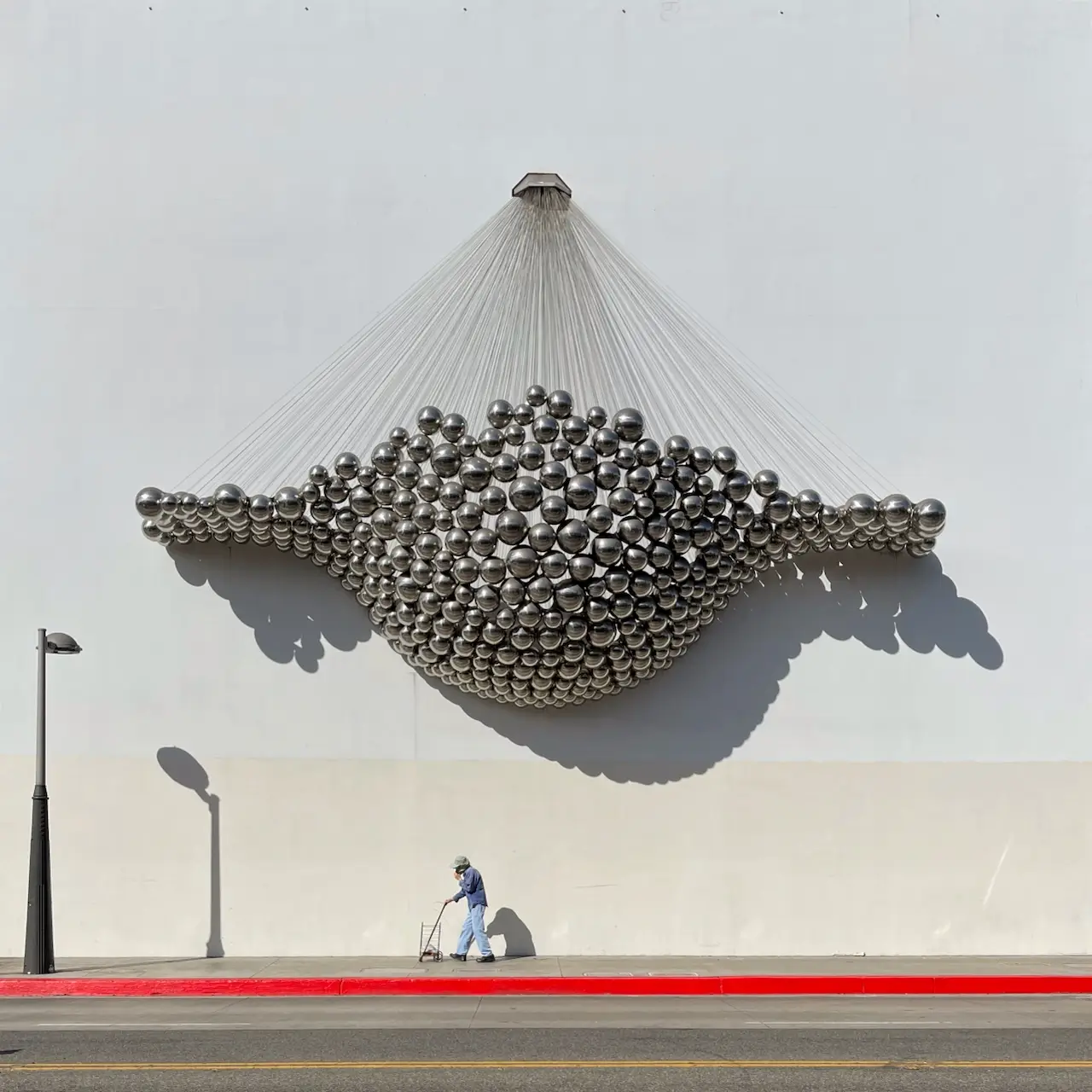
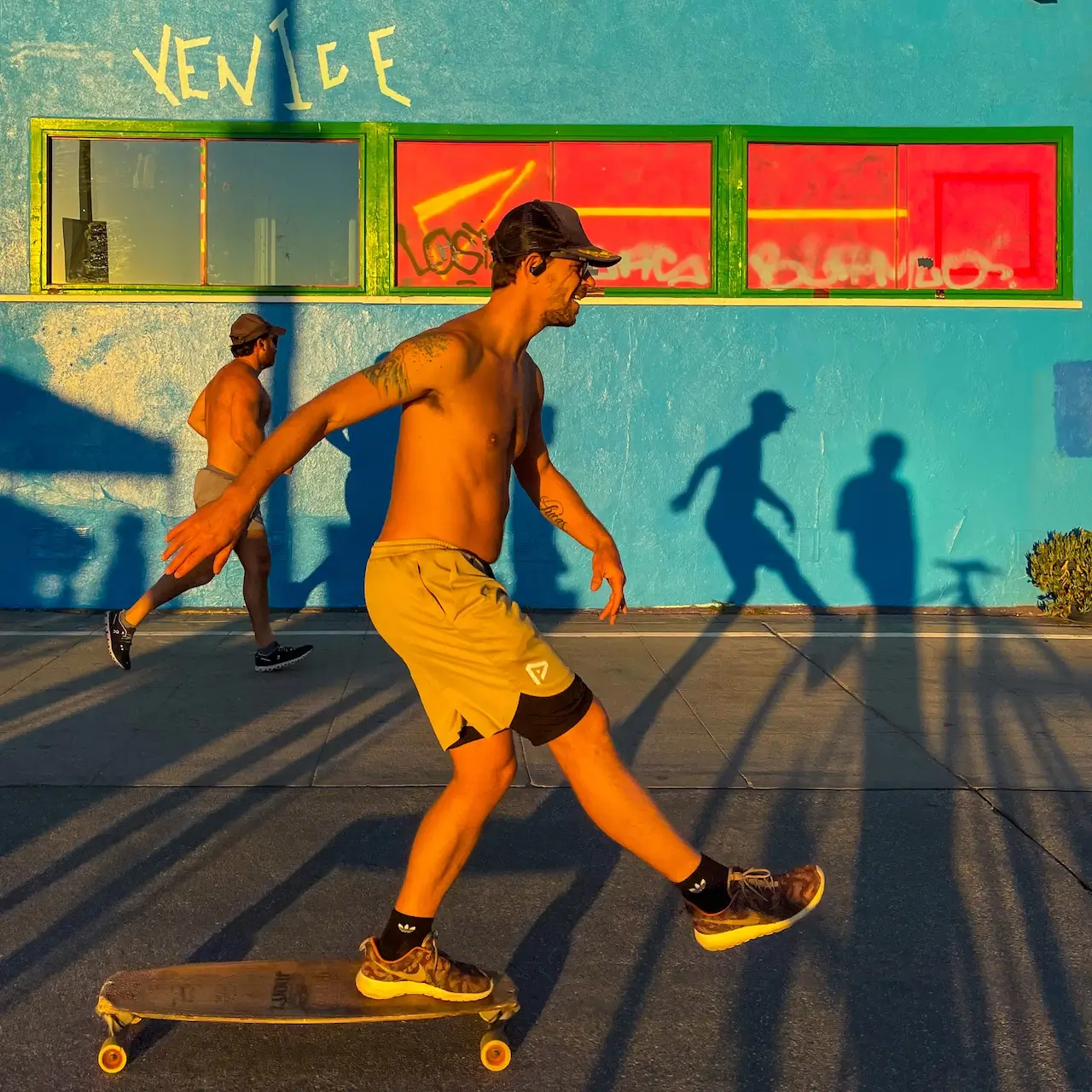
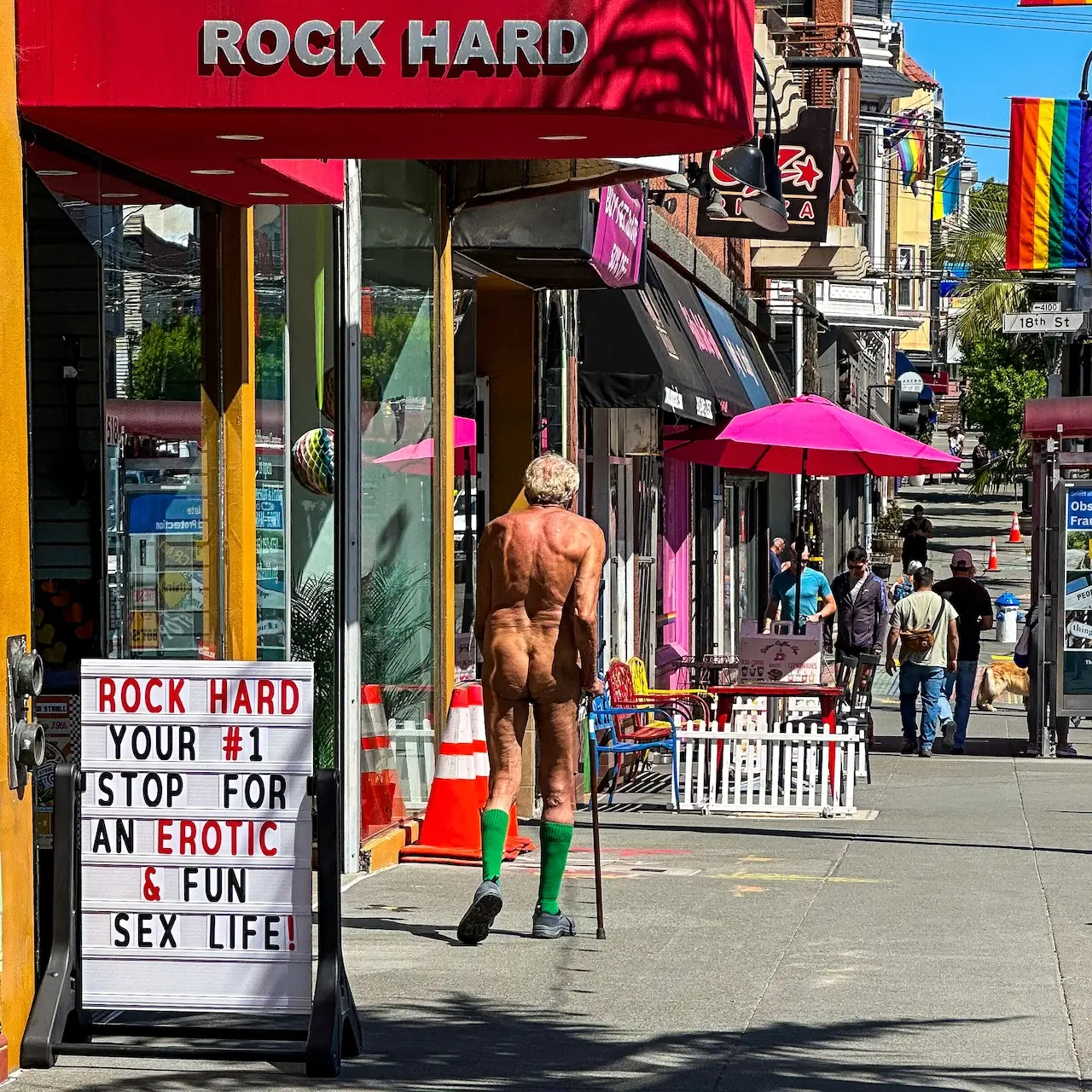
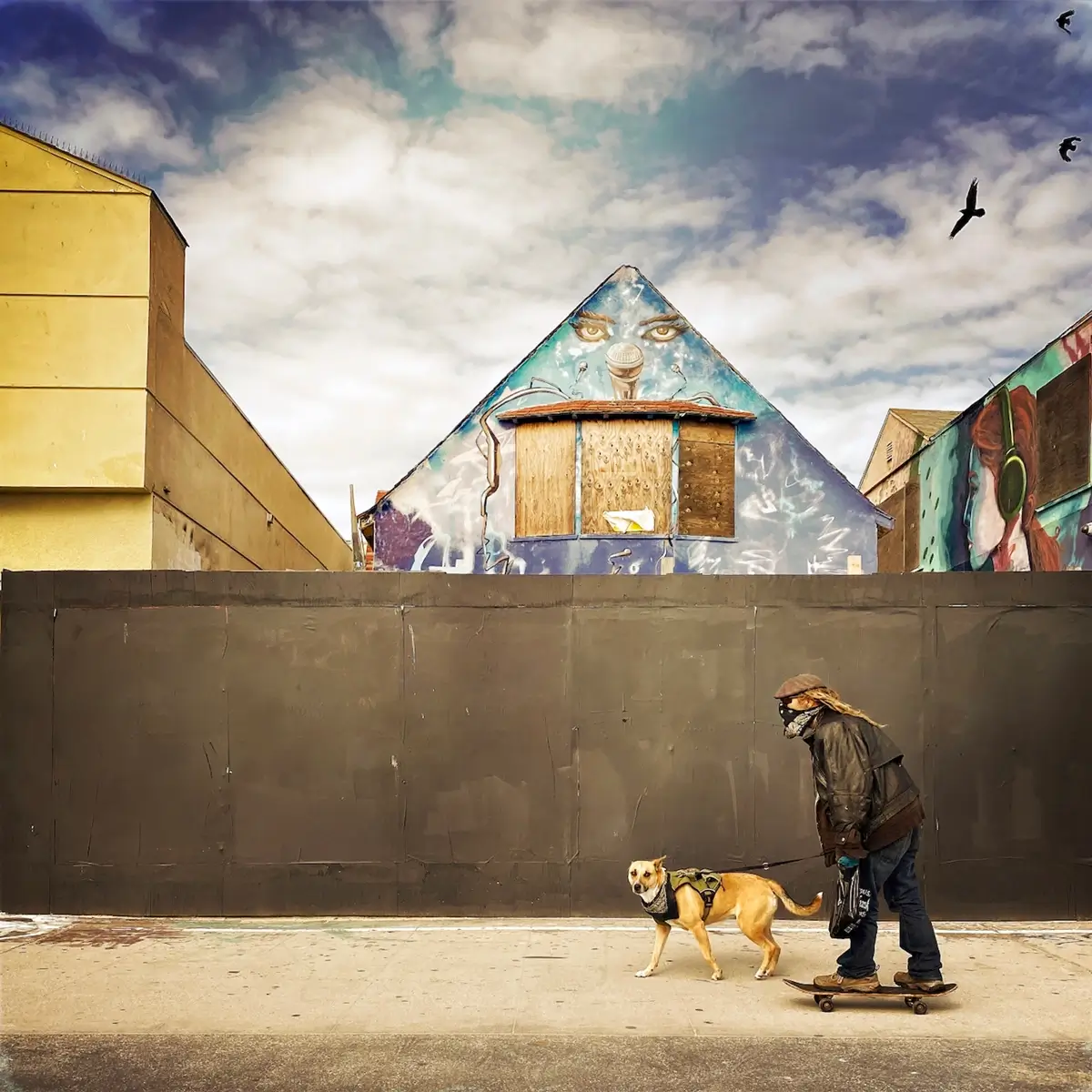
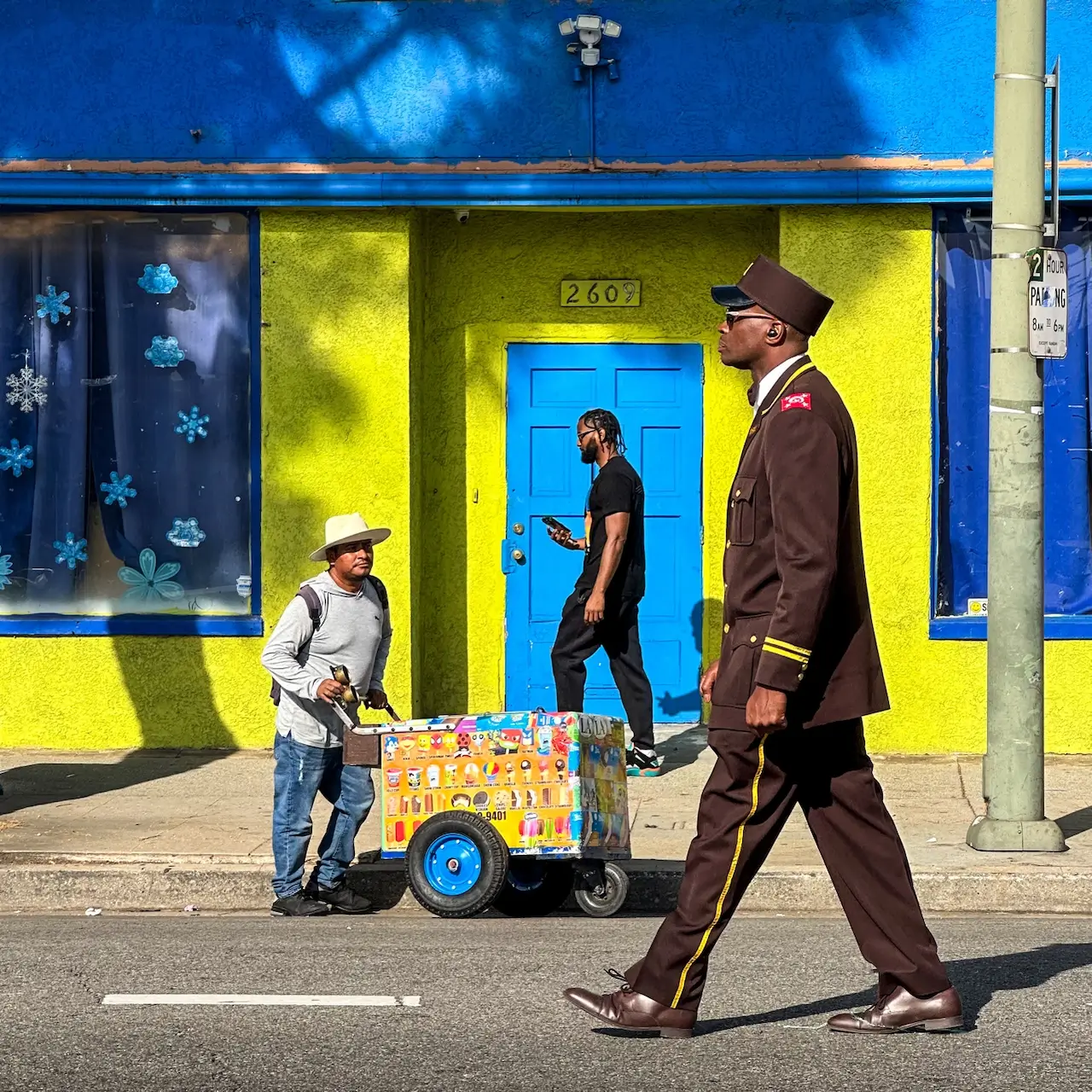
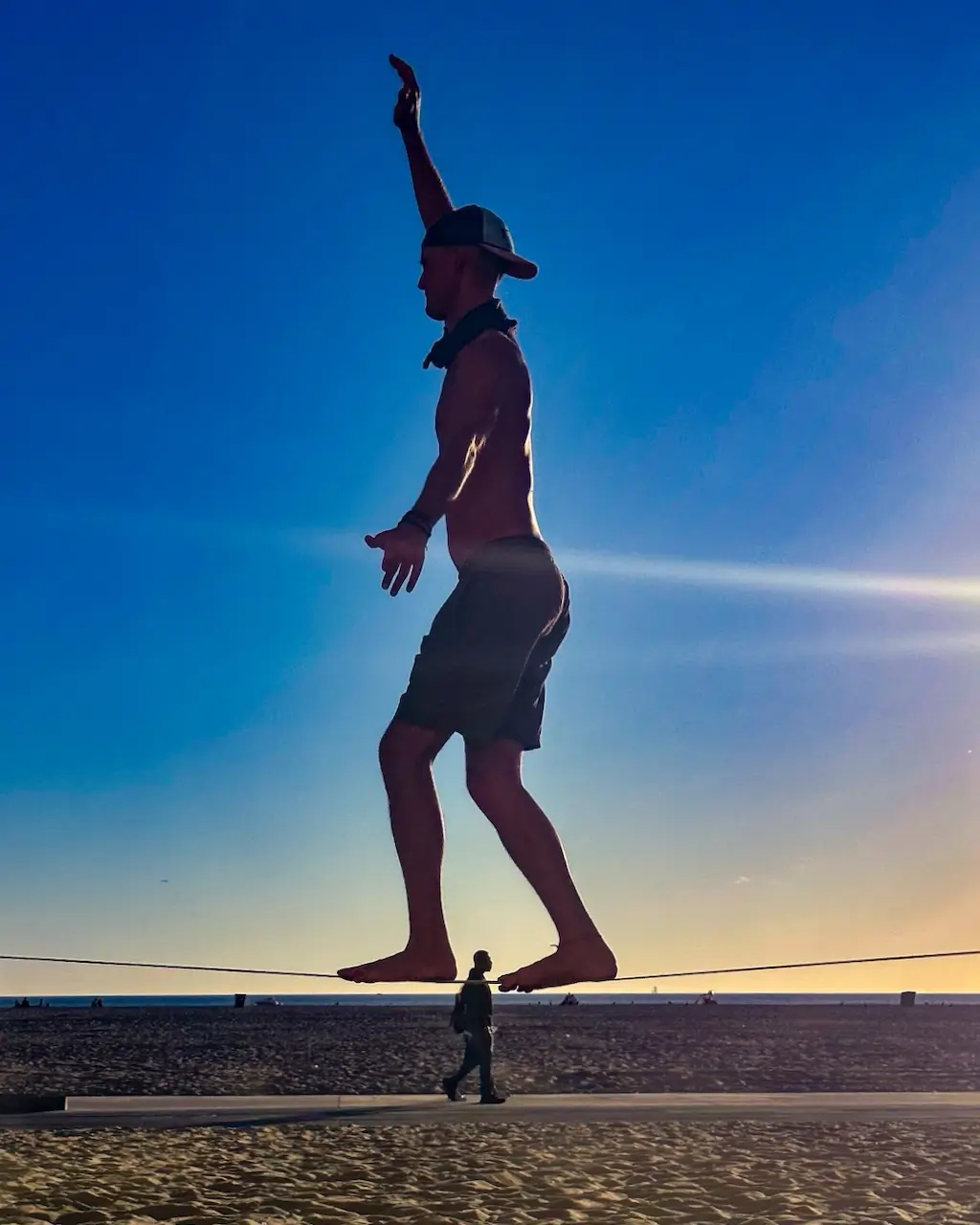
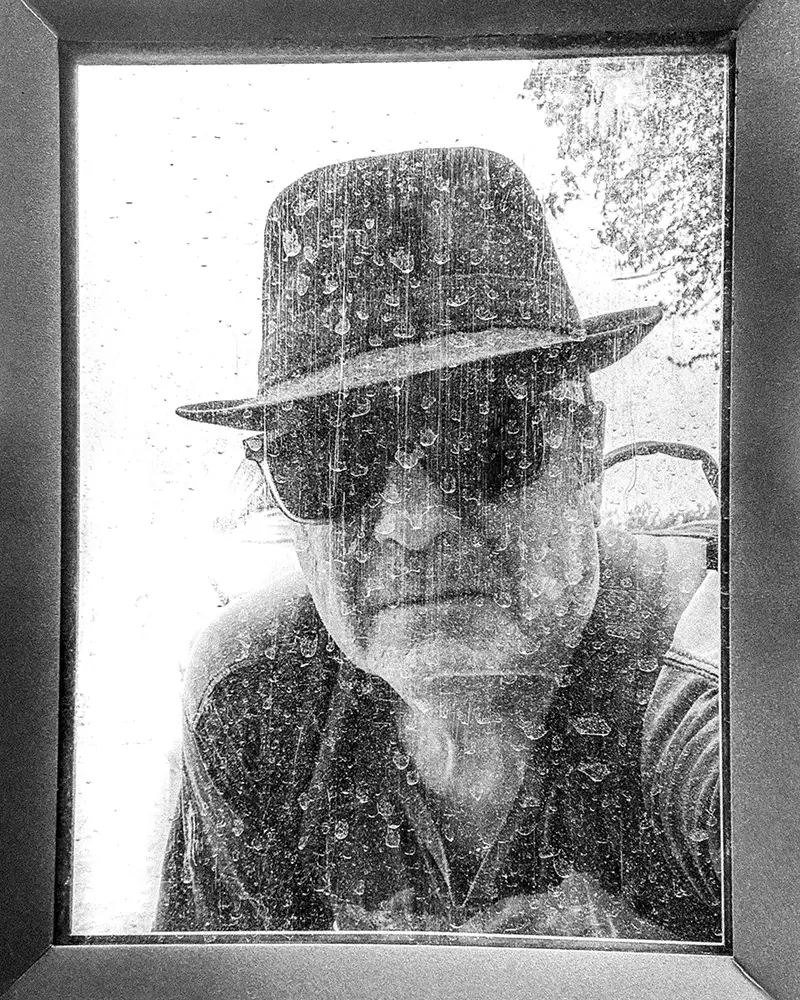
Dubbed “LA’s iPhoneography Wizard” by Forbes magazine, Alon Goldsmith is an award-winning photographer who has been featured extensively across media and exhibited in galleries around the globe. Alon’s achievements include overall winner of the MIRA Mobile Prize in 2022, 3rd place in the Los Angeles Center of Photography’s Street Photography Around the World Competition, winner of Santa Monica College’s Curriculum Cover Contest and runner up in the journalism category in the prestigious Mobile Photography Awards. Alon was a jury member for the 2018 and 2019 MPAs. His work has also been published in Street Photography Magazine, the Los Angeles Times, Reader's Digest, the Forward, the Argonaut and the App Whisperer, and has been extensively featured in Snap and Mobiography magazines. In 2020, Alon published In Place | Portraits of a Pandemic, a book documenting people isolating during lockdown. In 2025 he published 366 Days in the Life of an iPhone Wizard featuring a photo taken every day during 2024.

ARTIST STATEMENT:
I am a photographer and storyteller drawn to the intersections of people, place, and perception. My work explores how we inhabit the world together — how identity, environment, and chance encounters shape our shared experience of being alive. Whether photographing a stranger on a busy street or creating large-scale composite portraits, I seek to reveal the quiet connections that exist beneath the surface of ordinary life.

Photography, for me, is an act of attention. It asks me to slow down, to notice, and to honor the presence of others. Much of my work begins in public space — sidewalks, markets, transit stops, festivals — places where humanity unfolds in its most spontaneous and diverse form. I am fascinated by how these encounters, however brief, can become profound when framed through care and curiosity. The camera becomes less a tool of documentation and more a bridge — a means of acknowledging another person’s existence.

Over the years, my projects have consistently examined how art can restore connection in a fragmented world. During the pandemic, my series In Place | Portraits of a Pandemic became both archive and lifeline — documenting resilience and loneliness while reaffirming the human capacity for hope. That experience crystallized my belief that photography can serve as a form of care, a way of holding space for others.

My current series, Going Places, continues this pursuit on a global scale. Each collage is built from dozens of environmental portraits taken within the same setting — city squares, beaches, villages — then woven together into a single composition. Some subjects engage directly with the camera; others remain absorbed in their own rhythm. The result is a visual chorus that speaks to the tension between individuality and belonging. In expanding this series across continents, I aim to create a planetary portrait — a reflection of how people live, adapt, and coexist within their ecological and cultural environments.

Ultimately, I see my practice as a dialogue between seeing and being seen. The work invites viewers to slow their gaze, to recognize themselves in others, and to sense the invisible threads that bind us all. Photography, at its best, is an act of empathy — a quiet reminder that we are, each of us, part of something larger, fragile, and profoundly connected.

AAP Magazine:

AAP Magazine 52 Street

 

Inspiring Portfolios

Call for Entries
AAP Magazine #55 Women
Publish your work in our printed magazine and win $1,000 cash prizes
 
Stay up-to-date  with call for entries, deadlines and other news about exhibitions, galleries, publications, & special events.

More Great Photographers To Discover

Daido Moriyama
Daido Moriyama is a major photographer of the 20th century. Born in Osaka in Japan, he continues to work mostly in Tokyo. He studied graphic design before he learned photography with his first mentor Takeji Iwamiya. In 1961 he moved to Tokyo and became the assistant of Eikoh Hosoe and worked also with the writer Yukio Mishima on the series Ordeal by Roses. It is only in 1964 that he became an independent photographer. He gained recognition quickly with his first book Japan a Photo Theatre (1968) and later Farewell Photography (1972), Hunter (1972), Mayfly (1972), Another Country in New York (1974), Light and Shadow (1982), A Journey to Nakaji (1987), Lettre à St Lou (1990)... We will stop there as we cannot list his 200 books! In 1968 Daido Moriyama became a member of the Provoke movement. He describes his work as been "are, bure, boke". He gave birth to a new kind of street photography. His work was shown in 1974 at the MOMA in an exhibition called "New Japanese Photography". Since then we have seen his work all around the world in majors exhibitions and museums. In 2012 he won the ICP Infinity Award. After studying graphic design, Daido Moriyama first explored photography under Takeji Iwamiya. He moved to Tokyo in 1961 to become an assistant to the great Japanese photographer Eikoh Hosoe while he was working on his famous series Ordeal by Roses with the writer Yukio Mishima. Daido Moriyama began to work independently in 1964. His first monograph, Japan, a Photo Theater (1968), was immediately acclaimed by the artistic community and was followed by several books that became references in the history of photography, such as Farewell Photography (1972), Hunter (1972), Mayfly (1972), Another Country in New York (1974), Light and Shadow (1982), A Journey to Nakaji (1987) and Lettre à St.Loup (1990), to name only a few. Daido Moriyama has published over 180 books to date. As a member of the Provoke movement, which he joined in 1968 for the second issue of the eponymous magazine, Daido Moriyama delivers rich, dense and versatile photographs. His work, often described as raw, blurried and troubled (or, in Japanese, the "are, bure, boke" aesthetics), gave birth to a new street photography practice in which the artist roams the street, confronting and being confronted by public spaces. Daido Moriyama started manipulating silkscreen printing in the seventies, using the technique for his books as well as his exhibition pieces. The Japanese artist also organized interactive events and installations as a way to adapt his discourse to different spaces and situations. Through several autobiographical texts, such as Memories of a Dog (1984 and 1997), he explains how his artistic practice is inspired by the heritage left by the likes of Eugène Atget, Jack Kerouac, William Klein, Nicéphore Niépce, Shomei Tomatsu, Andy Warhol, Weegee, and Garry Winogrand. Daido Moriyama's work has had a radical impact on the artistic communities both in Japan and abroad. In 1974, the MoMA in New York presented his work as part of the first Western exhibition focused on Japanese Photography. His pieces have since been showcased in many major exhibitions: at the TATE in London (William Klein + Daido Moriyam, 2012); at SFMoMa in San Francisco and at the Metropolitan Museum in New York (Stray Dog, 1999); at the National Art Museum in Osaka (On the Road, 2011);l at the Fondation Cartier pour l'Art Contemporain (Paris, 2003); at FOAM in Amsterdam (2006); and, more recently, at the Rencontres Internationales de la Photographie d'Arles (Labyrinth + Monochrome, 2013).Source: Polka Galerie Articles: Book Review: Quartet
Susan Meiselas
United States
1948
Susan Meiselas is a documentary photographer who lives and works in New York. She is the author of Carnival Strippers (1976), Nicaragua (1981), Kurdistan: In the Shadow of History (1997), Pandora's Box (2001), Encounters with the Dani (2003) Prince Street Girls (2016), A Room Of Their Own (2017) and Tar Beach (2020). She has co-edited two published collections: El Salvador, Work of 30 Photographers (1983) and Chile from Within (1990), rereleased as an e-book in 2013, and also co-directed two films: Living at Risk (1985) and Pictures from a Revolution (1991) with Richard P. Rogers and Alfred Guzzetti. Meiselas is well known for her documentation of human rights issues in Latin America. Her photographs are included in North American and international collections. In 1992 she was made a MacArthur Fellow, received a Guggenheim Fellowship (2015), and most recently the Deutsche Börse Photography Foundation Prize (2019) and the first Women in Motion Award from Kering and the Rencontres Internationales de la Photographie d'Arles. Mediations, a survey exhibition of her work from the 1970s to present was recently exhibited at the Fundació Antoni Tàpies, Jeu de Paume, San Francisco Museum of Modern Art and the Instituto Moreira Salles in São Paulo. She has been the President of the Magnum Foundation since 2007, which supports, trains, and mentors the next generation of in-depth documentary photographers and innovative practice. About Nicaragua Susan Meiselas became known through her photo reportages on the Nicaraguan revolution. From 1978 to 1982 she documented the uprising of the Sandinistas against the then president Anastasio Somoza Debayle. Some of her photographs, foremost among them the “Molotov Man”, became iconic media images and shaped the way the Latin American revolution was perceived in the West. About Carnival Strippers The role of women has been a focal point of Meiselas’ work ever since the 1970s. In her first major photographic essay entitled Carnival Strippers (1972-1975), she showcased the working conditions of women who earned a living working as strippers at fairs in New England. She combined her photographs with audio recordings of the women, their clients, and their managers. In this project Meiselas depicts the reality of life for these protagonists and lets them tell their own stories, thereby strengthening their feeling of self-worth and their personal identity. About Prince Street Girls For the series Prince Street Girls, she accompanied young girls in Little Italy, New York City over a period of seventeen years - from childhood to puberty and on into adulthood. The photographs illustrate the gradual changes in their lives, their bodies, and their place within society. About Archive of Abuse In her series Archive of Abuse Susan Meiselas addressed the issue of domestic abuse. In the early 1990s, the photographer was invited to support an awareness-raising campaign in San Francisco on the subject of domestic violence. Meiselas used material from police reports to focus on documenting the crimes, both visually and in text. The collages created in this way were posted in public spaces to raise people’s awareness of the many different forms of violence towards women as a structural phenomenon. About Kurdistan Meiselas’ starting point for her long-term project Kurdistan was the documentation of the genocide perpetrated against the Kurds by the Iraqi regime under Saddam Hussein in northern Iraq in 1988. She created an archive that preserves a people’s cultural memory and the chequered history of the Kurdish diaspora. The multimedia project comprises photographs, videos, documents, and oral accounts compiled by the artist over a period of more than thirty years.Source: Kunst Haus Wien
García De Marina
Born in Spain in 1975. Since the year 2012 uses the object like expression way. This Poet of the Prosaic made the leap from social networking to the galleries in a few months' time. His creativity has not gone unnoticed in Spain as well as the foreign media, having his work published in several countries in the world. He has made a number of individual exhibitions and taken part in different collective exhibits, in addition to diverse art fairs. His lens is profoundly irreverent with the real: it seeks to transform and stamp objects with new identities; it challenges the obvious, and pays heed to the grandeur of the everyday. The bareness of his photography endows objects with a leading role, while they are stripped of their essence to be reinvented. The artist does not carry out any photographic manipulation on the images. From the minimalist perspective, the inventiveness of his gaze lays claim to another reality. In 2015 the artist was one of the chosen ones, by the Spanish Embassy, to participate in the "Photo Week Washington D.C.". In 2017, the Contemporary Art Museum of Castilla León in Spain (MUSAC) selected three of his pieces for the "Constellations" exhibition, experimental poetry in Spain (1963-2016), where for the first time, the presence of visual and experimental poetry in Spain from the 1960s to the present is addressed. During last years the artist has participated in some Festivals of photography, in Spain and abroad as Photo Week D.C. in Washington (2015), Photo Romania Festival (2015), Photometria Festival in Greece (2016), Festival of the light in Argentina (2016), Bucharest Foto Week (2016), Addis Foto Fest in Ethiopia (2016), Uppsala Foto Festival in Sweden (2017) and Yangon Photo Festival in Myanmar (2018). In 2018 presented his exhibition "Diálo2" in the Barjola's Museum in Spain together with one the most important visual poets of the 20th century in Spain, Joan Brossa."
Paul Strand
United States
1890 | † 1976
Paul Strand was born in New York City. As a teenager, he was a student of renowned documentary photographer Lewis Hine at the Ethical Culture Fieldston School. A visit to Gallery 291 (owned by Alfred Stieglitz) proved to be a strong influence on Strand, who began to take photographs of his own. He experimented with abstraction but also used his camera as a means to promote social reform. Alfred Stieglitz praised these early efforts and featured Strand's work in his gallery and in his magazine Camera Work. In the early 1920s, Strand began to work in motion pictures as well as still photography. In June 1949, Strand left the United States to present a film in Czechoslovakia, an event which marked the beginning of his self-imposed exile overseas due to the prevailing climate of McCarthyism in America. He settled in Orgeval, France and in the ensuing years photographed extensively, and also produced six book "portraits" of places: Time in New England (1950), La France de Profil (1952), Un Paese (1955), Tir a'Mhurain / Outer Hebrides (1962), Living Egypt (1969) and Ghana: An African Portrait (1976).Source: Robert Mann Gallery Strand married the painter Rebecca Salsbury on January 21, 1922. He photographed her frequently, sometimes in unusually intimate, closely cropped compositions. After divorcing Salsbury, Strand married Virginia Stevens in 1935. They divorced in 1949; he then married Hazel Kingsbury in 1951 and they remained married until his death in 1976. The timing of Strand's departure to France is coincident with the first libel trial of his friend Alger Hiss, with whom he maintained a correspondence until his death. Although he was never officially a member of the Communist Party, many of Strand's collaborators were either Party members (James Aldridge; Cesare Zavattini) or prominent socialist writers and activists (Basil Davidson). Many of his friends were also Communists or suspected of being so (Member of Parliament D. N. Pritt; film director Joseph Losey; Scottish poet Hugh MacDiarmid; actor Alex McCrindle). Strand was also closely involved with Frontier Films, one of more than 20 organizations that were identified as "subversive" and "un-American" by the US Attorney General. When he was asked by an interviewer why he decided to go to France, Strand began by noting that in America, at the time of his departure, "McCarthyism was becoming rife and poisoning the minds of an awful lot of people." During the 1950s, and owing to a printing process that was reportedly only available in that country at the time, Strand insisted that his books be printed in Leipzig, East Germany, even if it meant they were initially banned in the American market on account of their Communist provenance. Following Strand's move to Europe, it was later revealed in de-classified intelligence files, obtained under the Freedom of Information Act and now preserved at the Center for Creative Photography at the University of Arizona, that he was closely monitored by security services.Source: Wikipedia
Nick Turpin
United Kingdom
1969
Nick Turpin is a British street photographer and advertising and design photographer. He is based in London and near Lyon, France. He studied an art and design foundation course at the University of Gloucestershire, specializing in photography; then a BA in photography, film and video at the University of Westminster. Whilst at university he showed his second-year photojournalism stories to the picture editor at The Independent and in 1990, aged 20, quit his course to be a press photographer for the newspaper. He left The Independent in 1997 for a career in advertising and design photography that would finance his street photography (for example he photographed the cover of Bridget Jones's Diary (1995) by Helen Fielding). Turpin established the first international collective of street photographers, In-Public, in 2000 with the intention of bringing together like-minded photographers to hold exhibitions, produce books, and conduct workshops. Colin Westerbeck, writing in Time in 2011, said Turpin was "notable for having been instrumental in a collaborative documentary project", namely In-Public. He left the collective in 2018. His work has been published in his own book, On The Night Bus (2016), and in various survey publications, as well as being included in a number of group exhibitions. He publishes through Nick Turpin Publishing, makes short films, and gives workshops on street photography.Source: Wikipedia Artist Statement "There is something about the making of photographs in public places that resonates with me more than any other kind of photography. I think it simply suits my personality. It’s nice, when taking pictures in the street, not to have to participate in any way in the stream of life passing you by. It makes me feel special to be there but not to be chatting, not to be shopping or not even to be heading for somewhere else. I feel like I am invisible to the passing crowds. This in turn leads to a loss of my sense of self, which is the finest feeling of all. Having worked for several years both in newspapers and advertising, I am fascinated by the things that I ‘choose’ to photograph when I leave the house with my camera but without a ‘story’ or ‘brief’ to fulfill. These ‘choices’ are revealing,in some way, of who I am. I go to the busiest, public places to discover something very personal and private. It is an inescapable truth that the resulting photographs are as much about my inner state as they are about the external world they were made in. They are all self-portraits. It is important to me that my personal pictures don’t have to ‘do’ anything. They don’t have to sell in a gallery or sit well beside the ads in a magazine. I don’t have to make pictures that are easily categorised. They are not reportage, there is no subject, they are not art, there is no great technical craft or aesthetic beauty. They are just pictures about life. For these reasons, Picture Editors, Art Directors and Curators don’t know what to do with them, where to put them. I like that." -- Nick TurpinSource: In-Public
Marco Sanges
Italian
1970
SANGES is an imaginative and innovative photographer who has exhibited worldwide and published extensively. Clients and art projects include: Agent Provocateur, Cutler & Gross, Vogue, National Opera Munich,Dolce & Gabbana National Opera Stuttgart, Dario Argento, Stash Klossowski de Rola and Gunther Von Hagens' Body World. Academy of Art New York. Magazines include: Sunday Telegraph, Silver Shotz, Photo, All About Photos, Musee, Katalog, Lomography, Normal, Elle, Esquire, The Times, Independent, Fault , Aesthetica , Shoot, Harpers Bazar, L’œil De la Photographie. Wonderland Some of his short films include : Sugar, Meet me in Winter, Circumstances, Music Sound Machine, Sonnambula, Wunderkamera. His books include : Circumstances, Venus, Wild, and Erotic Photography, Love Lust Desire, Dolce & Gabbana Animal, National Opera Munich, The Cutting Room. Mefistofele Opera Stuttgart by Arrigo Boito. A multi-disciplinary artist, his film 'Circumstances' won Best Art Film at the Portobello Film Festival in London and Best Experimental Film at the Open Cinema Film Festival, St. Petersburg, Russia. Sanges' work is exhibited in the Virginia Museum of Fine Arts permanent collection and at the Center for Creative Photography in Arizona - USA His distinctive photographs have been shown at major contemporary photography festivals including Helsinki Photo Festival and Batumi PhotoDays in Georgia and the Lodz Photofestiwal in Poland. One of his latest project 'Wunderkamera' has been exhibited at the Hospital Club in London and at the Chateau de Dampierre (France) and will be exhibited in the Gallerie de Buci in Paris February 2020.
Nick Brandt
United Kingdom
1964
Nick Brandt is an English photographer whose themes always relate to the disappearing natural world, before much of it is destroyed by mankind. From 2001 to 2018, he has photographed in Africa. In his trilogy, On This Earth, A Shadow Falls Across The Ravaged Land (2001-2012), he established a style of portrait photography of animals in the wild similar to that of the photography of humans in studio setting, shot on medium format film, attempting to portray animals as sentient creatures not so different from us. In Inherit the Dust (2016), in a series of panoramas, Brandt recorded the impact of man in places where animals used to roam, but no longer do. In each location, Brandt erected a life-size panel of one of his unreleased animal portrait photographs, placing the displaced animals on sites of explosive urban development, new factories, wastelands and quarries. This Empty World (2019) addresses the escalating destruction of the natural world at the hands of humans, showing a world where, overwhelmed by runaway development, there is no longer space for animals to survive. The people in the photos also often helplessly swept along by the relentless tide of 'progress'. Each image is a combination of two moments in time, captured weeks apart, almost all from the exact same locked-off camera position: A partial set is built and lit. Weeks follow whilst the wild animals in the area become comfortable enough to enter the frame. Once the animals are captured on camera, the full sets are built. A second sequence is then photographed with a cast of people drawn from local communities and beyond. Brandt has had solo gallery and museum shows around the world, including New York, London, Berlin, Stockholm, Paris and Los Angeles. Born and raised in England, he now lives in the southern Californian mountains. He is co-founder of Big Life Foundation, fighting to protect the animals and ecosystem of a large area of Kenya and Tanzania. On this Earth: The first book in the trilogy, On This Earth (Chronicle Books, 2005) constitutes 66 photos taken 2000-2004, with introductions by the conservationist and primatologist Jane Goodall and the author Alice Sebold. The photographs in this book are a unadulterated vision of an African paradise, deliberately contrasting with what is to follow in the subsequent books. Elephant with Exploding Dust, Amboseli 2004, the photo on the book's cover, has since become one of Brandt's best-known images. Critical response to the book, heralded Brandt's photographic achievement. Black and White magazine called his photos "heartbreakingly beautiful". A Shadow Falls: The second book in the trilogy, A Shadow Falls, (Abrams, 2009) features 58 photographs taken 2005-2008. It is generally regarded to be superior to "On This Earth". In additional introductions, philosopher Peter Singer, author of the groundbreaking Animal Liberation, explains why Brandt's photographs speak to an increasing human moral conscience about our treatment of animals. The photography critic Vicki Goldberg places Brandt's work in the history of the medium. As the title of the book implies, this book, although replete with images of ethereal beauty and poetry, is a more melancholic interpretation of the world he photographs. Indeed, critic Vicki Goldberg writes: " A Shadow Falls, taken in its entirely, is a love story without a happily ever after." The photos in the book are deliberately sequenced: the opening images are of an unspoiled lush green world, filled with animals and water ("Wildebeest Arc, Masai Mara 2006" ). As the book progresses, the photos become gradually more stark, until towards the end, the trees are dead, the water gone, the animals are vastly reduced in numbers, until the book closes with the final ambiguous image, of a lone, abandoned ostrich egg on a parched lake bed. "Abandoned Ostrich Egg, Amboseli 2007". In addition the Artist's Edition book, entitled, On this Earth, a Shadow Falls, (Abrams Books/Big Life Editions) was published in 2010, combining the best 90 photos from the first two books, in a larger volume with much superior printing to the first two books. Across The Ravaged Land: The completion of Nick Brandt’s trilogy: “On This Earth, A Shadow Falls, Across The Ravaged Land.” Release date, September 3, 2013 (Abrams Books, 2013), documents the disappearing natural world and animals of East Africa. This is the third and final volume of Nick Brandt's work which reveals the darker side of his vision of East Africa’s animal kingdom and the juxtaposition of mankind. The trilogy marks the last decade of a stunning world of the beauty of East Africa’s Serengeti, Marsai Mara, Amboseli, and ends with a dark and well-known unhappy ending. “Across The Ravaged Land” introduces humans in his photography for the first time exhibiting the cost of poachers, killing for profit. One such example is Ranger with Tusks of Killed Elephant, Amboseli 2011. This photograph features one of the rangers employed by Big Life Foundation, the Foundation that Nick Brandt started in 2010. The ranger holds the tusks of an elephant killed by poachers in the years prior to the Foundation's inception. Brandt captures the trophies in these epic landscapes and the images of perfectly preserved creatures calcified by the salts of the Rift Valley soda lake. In both instances, the creatures appear in an ethereal animated state seemingly posing for their portraits. Big Life Foundation: In September 2010, in urgent response to the escalation of poaching in Africa due to increased demand from the Far East, Nick Brandt founded the non-profit organization called Big Life Foundation, dedicated to the conservation of Africa's wildlife and ecosystems. With one of the most spectacular elephant populations in Africa being rapidly diminished by poachers, the Amboseli ecosystem, which straddles both Kenya and Tanzania, became the Foundation's large-scale pilot project. Headed up in Kenya by renowned conservationist Richard Bonham, multiple fully equipped teams of anti-poaching rangers have been placed in newly built outposts in the critical areas throughout the 2-million-acre (8,100 km2) + area, resulting in a dramatically reduced incidence of killing and poaching of wildlife in the ecosystem. Source: Wikipedia Must Read Articles Exclusive Interview with Nick Brandt Big Life Foundation This Empty World, Inherit The Dust
Robert Polidori
Canada/United States
1951
Robert Polidori is a Canadian-American photographer known for his large-scale color images of architecture, urban environments, and interiors. His work has been the subject of solo exhibitions at the Metropolitan Museum of Art (New York), Musée d'art contemporain de Montréal, Martin-Gropius-Bau museum (Berlin), and Instituto Moreira Salles (São Paulo and Rio de Janeiro). His photographs are also included in the collections of the Museum of Modern Art (New York), New Orleans Museum of Art, The J. Paul Getty Museum (Los Angeles), Victoria and Albert Museum (London), Château de Versailles, Centre Pompidou (Paris), and Bibliothèque Nationale de France (Paris), as well as many private collections. Described as one of "most esteemed practitioners of large-scale photography," Polidori has photographed the restoration of the Château de Versailles since the early 1980s. He has also recorded the architecture and interiors of Havana, the inner-city habitats of Mumbai, Rio de Janeiro, and Amman, the post-Hurricane Katrina devastation of New Orleans, buildings emptied by the Chernobyl nuclear disaster, and shelled structures in Beirut. At the time of the Musée d'art contemporain de Montréal retrospective exhibition in 2009, curator Paulette Gagnon described his work as a "photographic account that invites us to share the historical moments it portrays, making them part of the collective memory." Where you point the camera is the question and the picture you get is the answer to decipher. -- Robert Polidori Robert Polidori was born in 1951 in Montreal, Quebec, Canada, to a French-Canadian mother and a Corsican father. At age 9, Polidori’s family moved to the United States where his father worked as an engineer at Air Force bases and NASA installations. He grew up in Seattle, southern California, New Orleans, and Cocoa Beach, and first attended university in Florida in 1969. During his freshman year, Polidori saw Michael Snow's film Wavelength (1967 film) and, inspired to study filmmaking, moved to New York City. The following year, he was hired by the legendary Jonas Mekas and worked as the theatre manager of the Anthology Film Archives. During this time, Polidori worked on four experimental films, exhibited in 1975 at the Whitney Museum of American Art. In 1980 he graduated with a Masters of Arts in film from State University of New York (Buffalo). Polidori became interested in still photography while editing film frame-by-frame. Inspired by Frances Yates' description in The Art of Memory of mnemonic systems requiring the memorization of empty rooms, he purchased a large-format camera in 1982 and photographed abandoned and apartments on New York's Lower East Side. In 1983 he moved to Paris and, interested in how empty spaces revealed history, began to document the restoration of Château de Versailles as a symbol of "society’s superego". In the late 1990s, Polidori was engaged by The New Yorker to photograph Havana’s decaying architectural heritage and joined the magazine as a staff photographer in 1998. Images from his Cuban series were later published in Havana (2001) by Steidl Verlag. Also interested in inner-city habitats or "auto-constructed" growth, Polidori recorded the favelas of Rio de Janeiro, the urban sprawl of Brasilia, the construction boom in Dubai, and the slums of Mumbai. In May 2001, he photographed the closed Chernobyl nuclear power plant and nearby ghost town of Pripyat, Ukraine, and these images were later published as Zones of Exclusion – Pripyat and Chernobyl (2003). In 2002 Polidori was commissioned to photograph Detroit's Michigan Central Station for Metropolis (architecture magazine). Described by editor Martin C. Pedersen as "a keen observer of the built world", the magazine later published his urban images as Robert Polidori's Metropolis (2005). In the wake of Hurricane Katrina in 2005, Polidori photographed the damaged homes and buildings of New Orleans, and documented the city's early restoration in 2006. Published as After the Flood (2006) by Steidl Verlag, many of these images were also exhibited at New York's Metropolitan Museum of Art as New Orleans after the Flood, a popular and well-attended exhibition. Exhibitions of After the Flood were also mounted in London, Venice, and Toronto, as well as in New Orleans. During this time, Polidori continued to document the restoration of Château de Versailles and these photographs, published in the three-volume Parcours Muséologique Revisité (2009), were included in his retrospective exhibition at the Musée d'art contemporain de Montréal. Polidori returned to Beirut in 2010 where he photographed the damaged rooms of the famous Hotel Petra, abandoned during Lebanon’s civil war. The following year, he traveled to Paris to photograph the stored art collection of Yves Saint Laurent (designer), and to Venice to photograph the fashion label Bottega Veneta's fall 2011 campaign at the Palazzo Papadopoli. From 2011 to 2015 Polidori also revisited and rephotographed Rio as well as Mumbai, including Dharavi's industrial street facade in a series of tracking shots. Exhibited as composite panoramic murals at Paul Kasmin Gallery (New York) in September 2016, these images were also published in the accompanying volume 60 Feet Road by Steidl Verlag. Since 2015, Polidori and his family live in Ojai, California.Source: Wikipedia My photos are physical graphic records. A lot of the places I’ve photographed simply won’t exist – many have already ceased to exist in the state that they were photographed in. They’ve been bulldozed over. Photography is collective memory – that’s its nature... -- Robert Polidori
Advertisement
AAP Magazine #55 Wmen
Win a Solo Exhibition in April
AAP Magazine #55 Wmen

Latest Interviews

Exclusive Interview with Anastasia Samoylova
Anastasia Samoylova is an American artist whose photographic practice is shaped by close observation and a deep attentiveness to place. Working between documentary and formal exploration, she photographs landscapes, architecture, and everyday scenes with a sensitivity to light, structure, and atmosphere. Since relocating to Miami in 2016, her work has increasingly focused on how environments—both natural and built—carry social, cultural, and emotional traces. We asked her a few questions about her practice and her way of seeing, to better understand the thoughts and experiences that shape her work—while allowing the images themselves to remain open and speak in their own time.
Exclusive Interview with Marijn Fidder
Marijn Fidder is a Dutch documentary photographer whose work powerfully engages with current affairs and contemporary social issues. Driven by a deep sense of social justice, she uses photography to speak on behalf of the voiceless and to advocate for the rights of those who are most vulnerable. Her images have been widely published in major international outlets including National Geographic, CNN Style, NRC Handelsblad, Volkskrant, GUP New Talent, and ZEIT Magazin. Her long-term commitment to disability rights—particularly through years of work in Uganda—culminated in her acclaimed project Inclusive Nation, which earned her the title of Photographer of the Year 2025 at the All About Photo Awards. She is also the recipient of multiple prestigious honors, including awards from World Press Photo and the Global Peace Photo Award. We asked her a few questions about her life and work.
Exclusive Interview with Josh S. Rose
Josh S. Rose is a multidisciplinary artist working across photography, film, and writing. His practice bridges visual and performing arts, with a strong focus on movement, emotion, and the expressive potential of the image. Known for his long-standing collaborations with leading dance companies and performers, Rose brings together authenticity and precise composition—a balance he describes as “technical romanticism.” His work has been commissioned and exhibited internationally, appearing in outlets such as Vogue, at the Super Bowl, in film festivals, and most recently as a large-scale installation for Lincoln Center for the Performing Arts. A sought-after collaborator, he has worked with major artists, cultural institutions, and brands, following a previous career as Chief Creative Officer at Interpublic Group and the founder of Humans Are Social. We asked him a few questions about his life and work.
Interview with Maureen Ruddy Burkhart
Photographer Maureen Ruddy Burkhart brings a quietly attentive and deeply human sensibility to her exploration of the world through images. Shaped by a life immersed in photography, film, and visual storytelling, her work is guided by intuition, observation, and an enduring interest in the emotional undercurrents of everyday life. With a practice rooted in both fine art traditions and documentary awareness, she approaches her subjects with sensitivity, allowing subtle moments to emerge naturally rather than be imposed. Her series Til Death, selected as the Solo Exhibition for February 2025, reflects this long-standing commitment to photography as a space for reflection rather than spectacle. Drawn to moments that exist just outside the expected frame, Burkhart’s images suggest narratives without resolving them, leaving room for ambiguity, humor, and quiet connection. We asked her a few questions about her life and work.
Exclusive Interview with Peter Ydeen
Winner of AAP Magazine #45 Travels, his series reflects this unique vision—capturing the spirit of place through subtle layers of light, color, and emotion. Whether traveling abroad or observing the rhythms of his own surroundings, Ydeen creates images that feel both grounded and enchanted, inviting viewers into a world where reality and reverie meet.
Exclusive Interview with Julie Wang
Chinese-born photographer Julie Wang brings a poetic, contemplative sensitivity to her visual exploration of the world. Having lived for nearly equal parts of her life in China, Europe, and the United States, she approaches her subjects with the nuanced perspective of someone shaped by many cultures. This blend of distance, curiosity, and emotional resonance infuses her work with a quiet depth, allowing her to reveal the fragile beauty and subtle tensions that often pass unnoticed.
Exclusive Interview with Ghawam Kouchaki
American photographer Ghawam Kouchaki brings a sharply observant and introspective gaze to the streets of Japan’s capital. Based in Los Angeles, he approaches Tokyo with the distance — and curiosity — of an outsider, allowing him to uncover the city’s subtle contradictions, quiet tensions, and fleeting gestures that often go unnoticed. His series Tokyo no no, selected as the Solo Exhibition for December 2024, explores the hidden undercurrents of urban life: the unspoken rules, the small ruptures in routine, the poetic strangeness found in everyday moments. Through muted tones, instinctive timing, and meticulous framing, Kouchaki reveals a Tokyo that exists somewhere between reality and imagination — both intimate and enigmatic. We asked him a few questions about his life and work.
Exclusive Interview with Tommi Viitala
Tommi Viitala, winner of AAP Magazine #44: Street, is a Finnish photographer celebrated for his striking and cinematic street photography. With a keen eye for atmosphere and composition, he captures fleeting urban moments that reveal the poetry of everyday life. His work often explores the tension between solitude and connection within contemporary cityscapes, blending documentary realism with artistic sensibility. Viitala’s photographs have been exhibited internationally and recognized for their strong visual storytelling and emotional depth. We asked him a few questions about his life and work.
Exclusive Interview with Robert Mack
Robert Mack is a California-based visual artist, photographer, and filmmaker. His fine art photography and films have been exhibited widely in the United States and Europe, with major shows at the Baltimore Museum of Art and the Reiss-Engelhorn Museum in Mannheim, Germany. Both institutions hold his work in their permanent collections. Working across different media, Mack has built a career exploring the complexities of human presence and representation. In 1981, while living in Baltimore, he produced The Perkins Project: Not Guilty by Reason of Insanity, a rare photographic and film study inside Maryland’s hospital for the criminally insane. These stark yet compassionate black-and-white portraits remain one of his most powerful and controversial bodies of work.
Call for Entries
AAP Magazine #55 Women
Publish your work in our printed magazine and win $1,000 cash prizes