All about photo.com: photo contests, photography exhibitions, galleries, photographers, books, schools and venues.
Win a Solo Exhibition this February. Juror: Harvey Stein
Joe Goldberg
Joe Goldberg
Joe Goldberg

Joe Goldberg

Country: United States
Birth: 2001

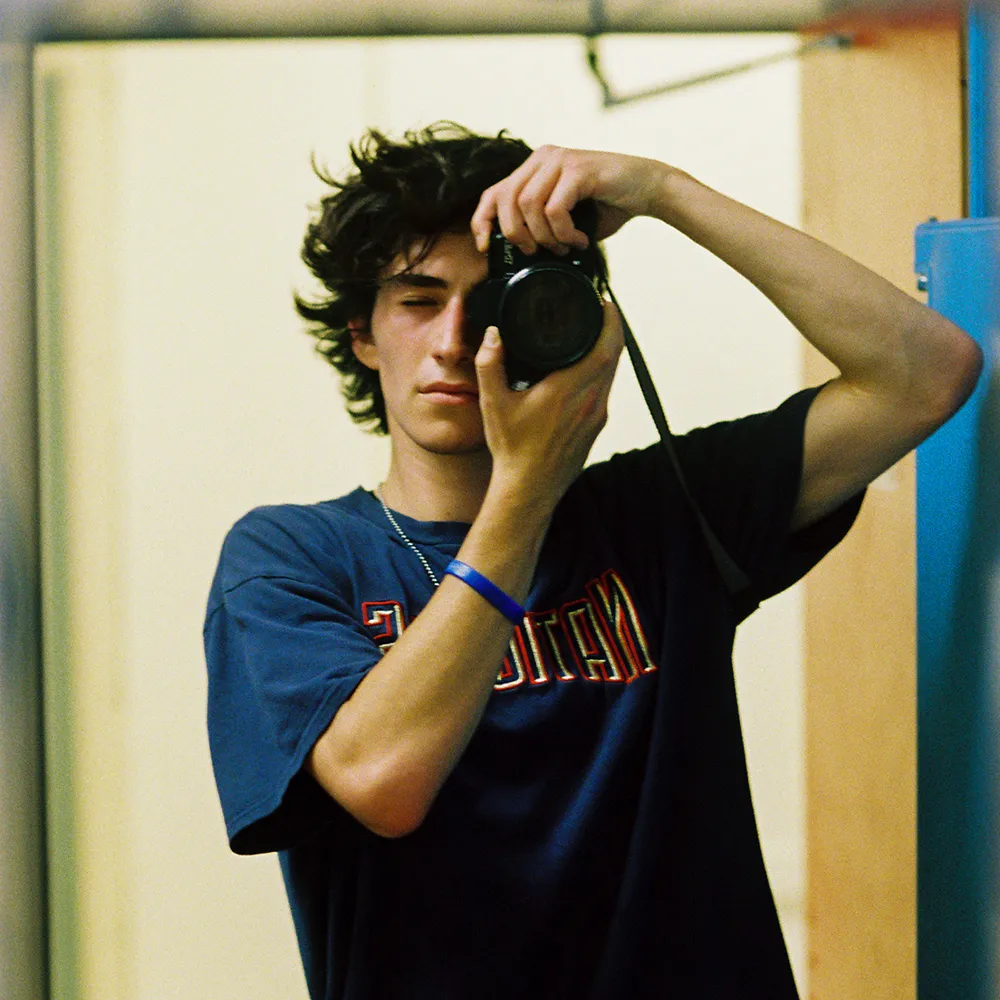
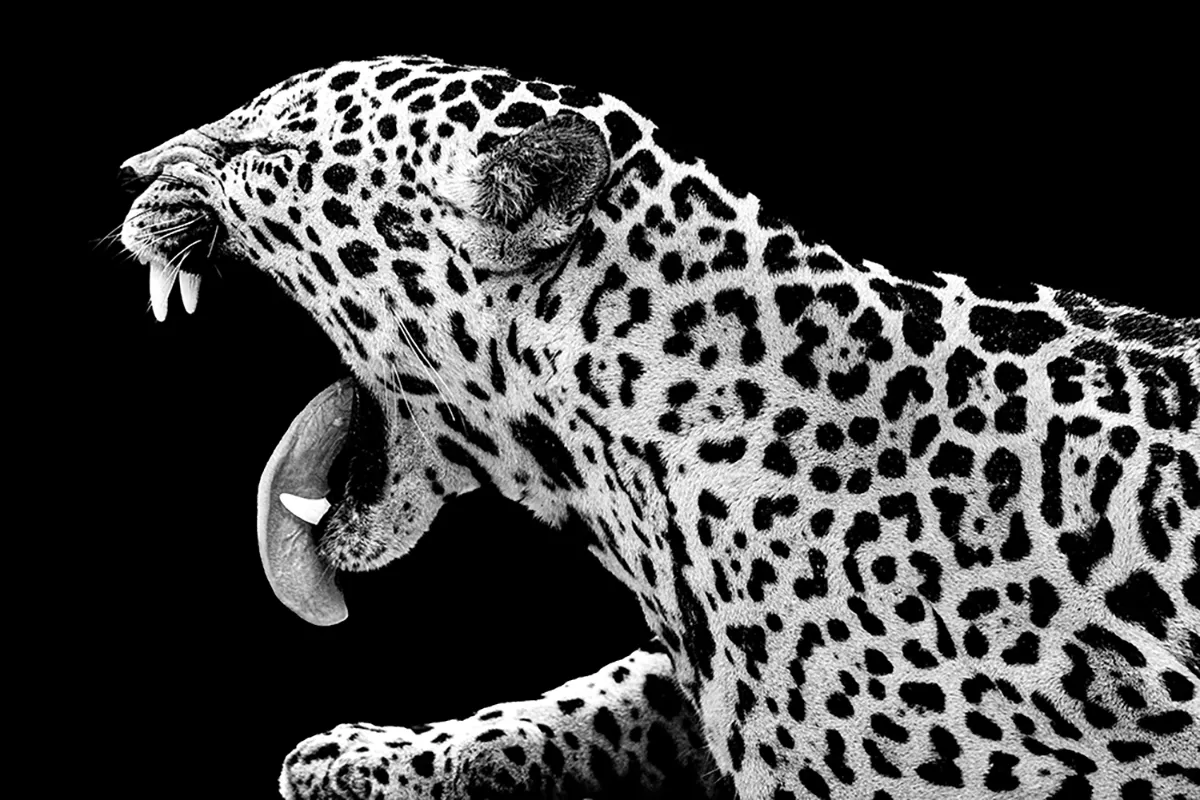
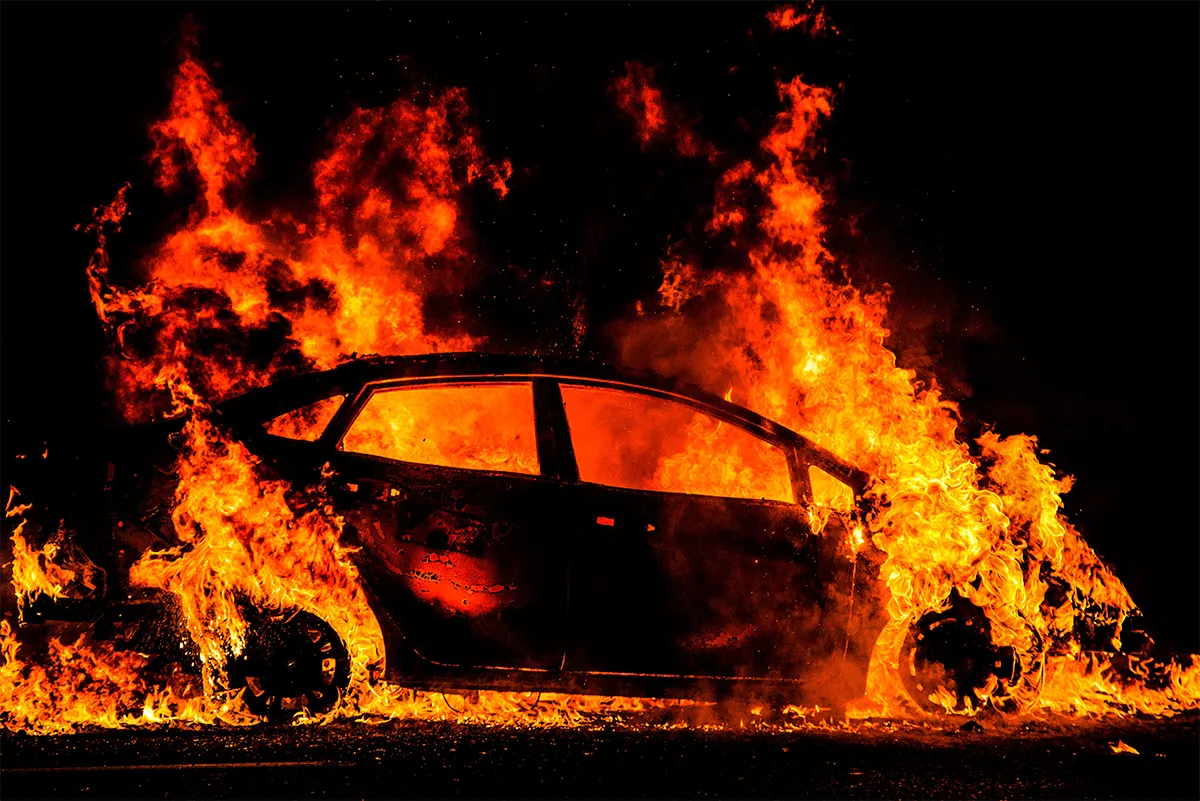
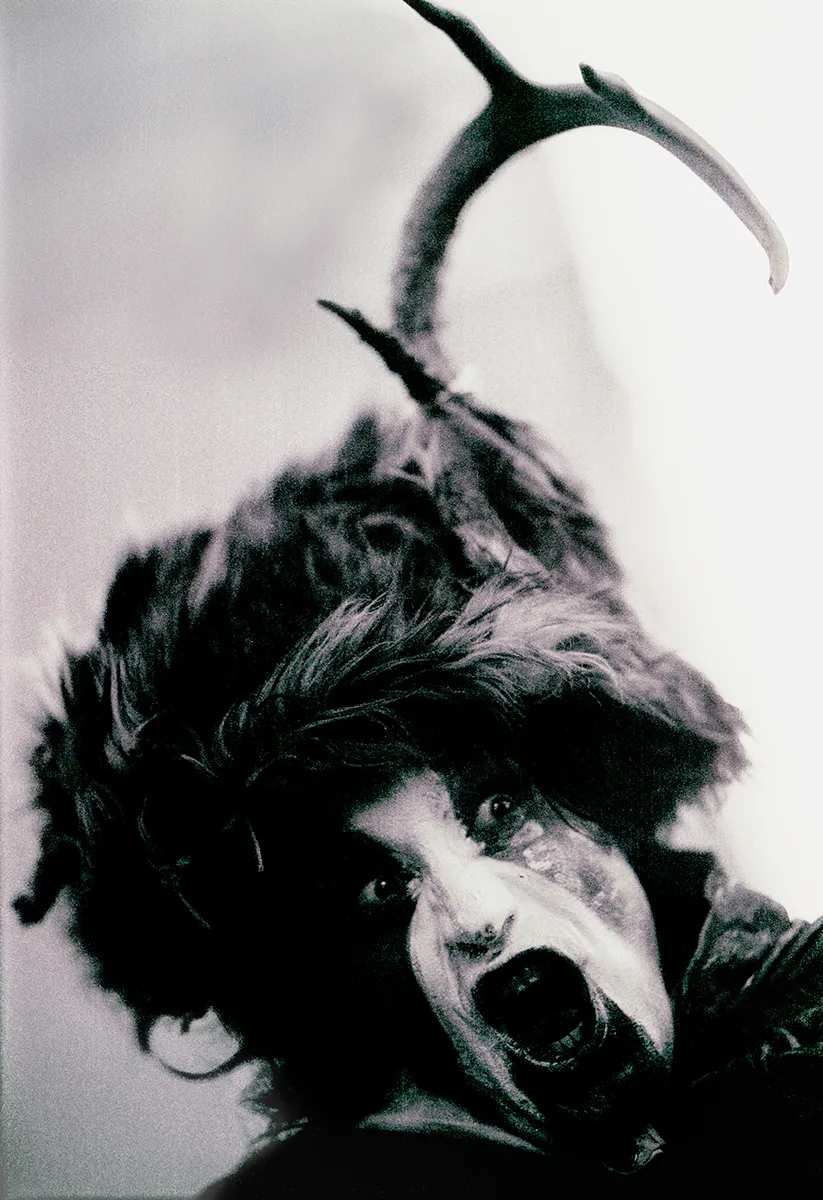
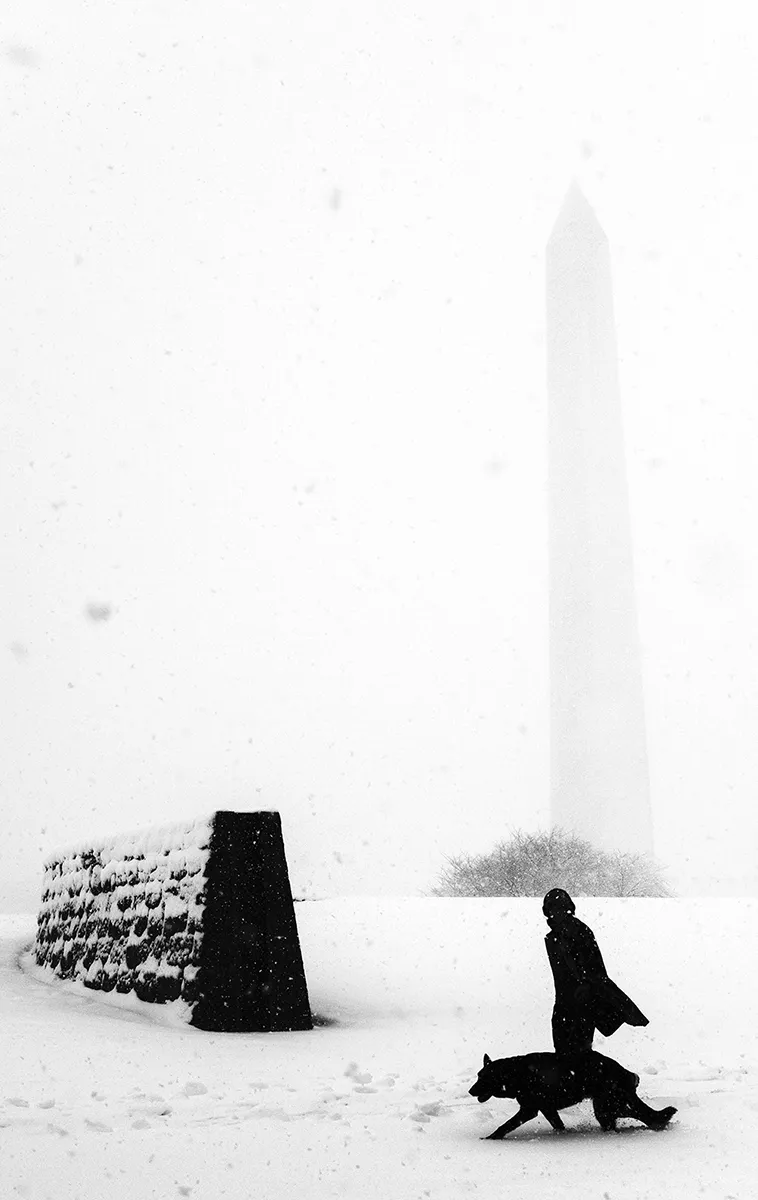
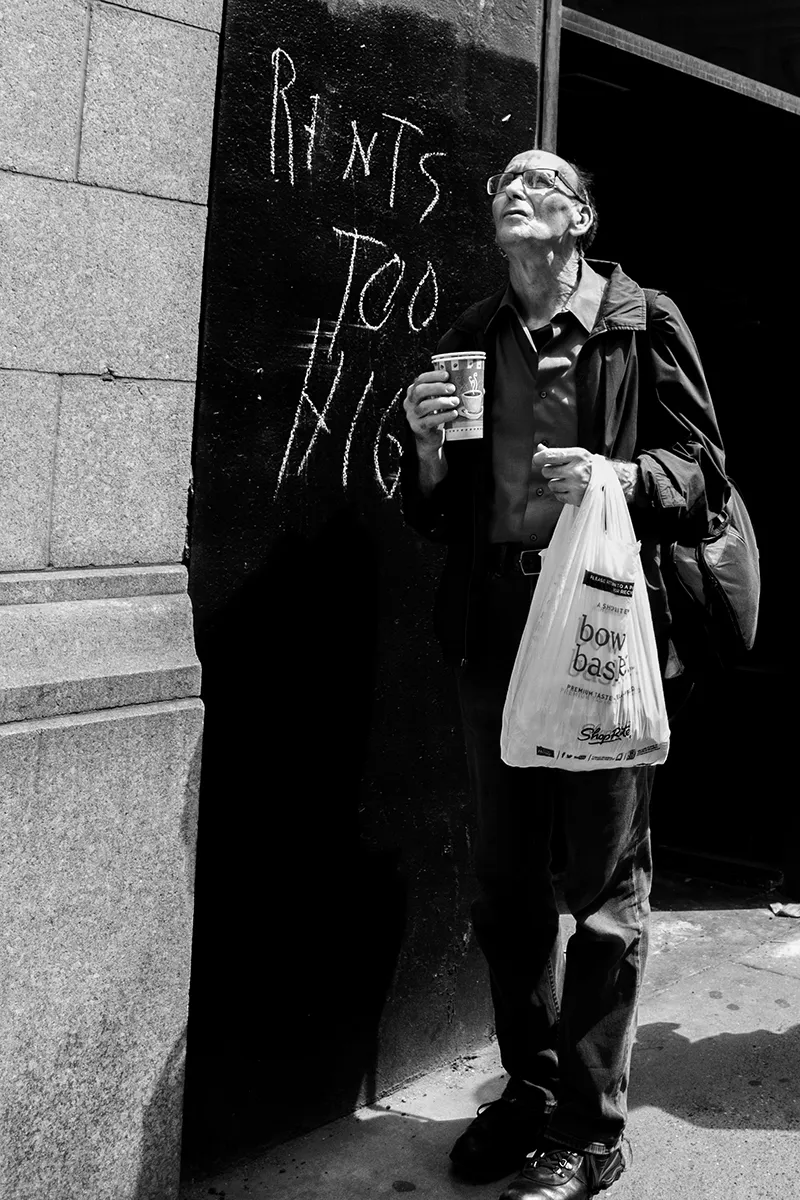
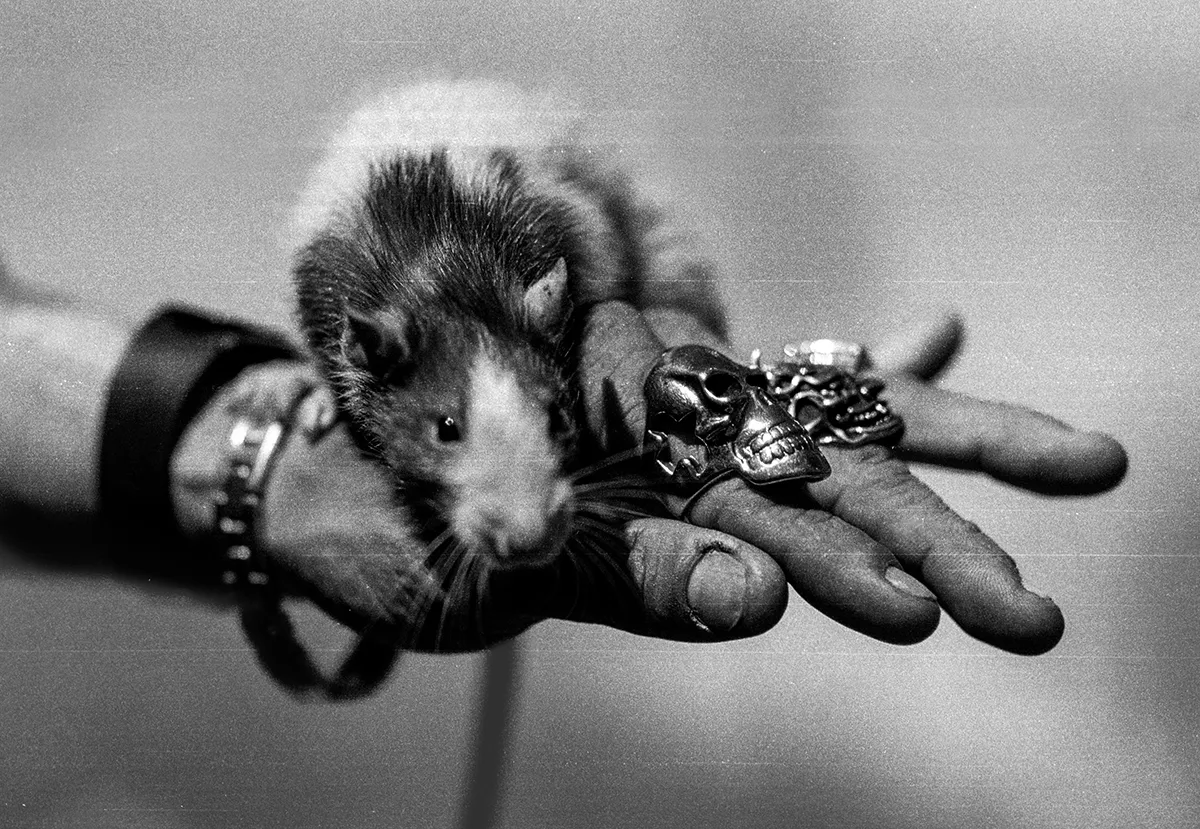
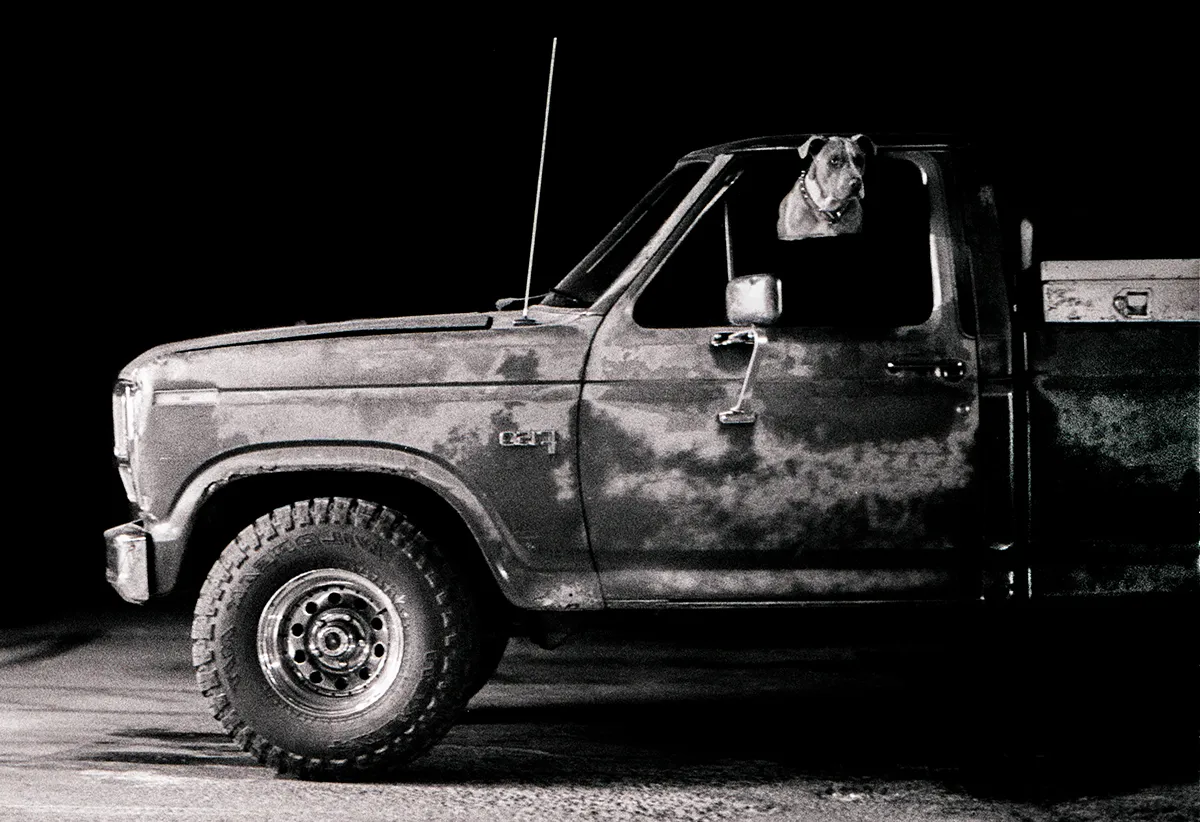
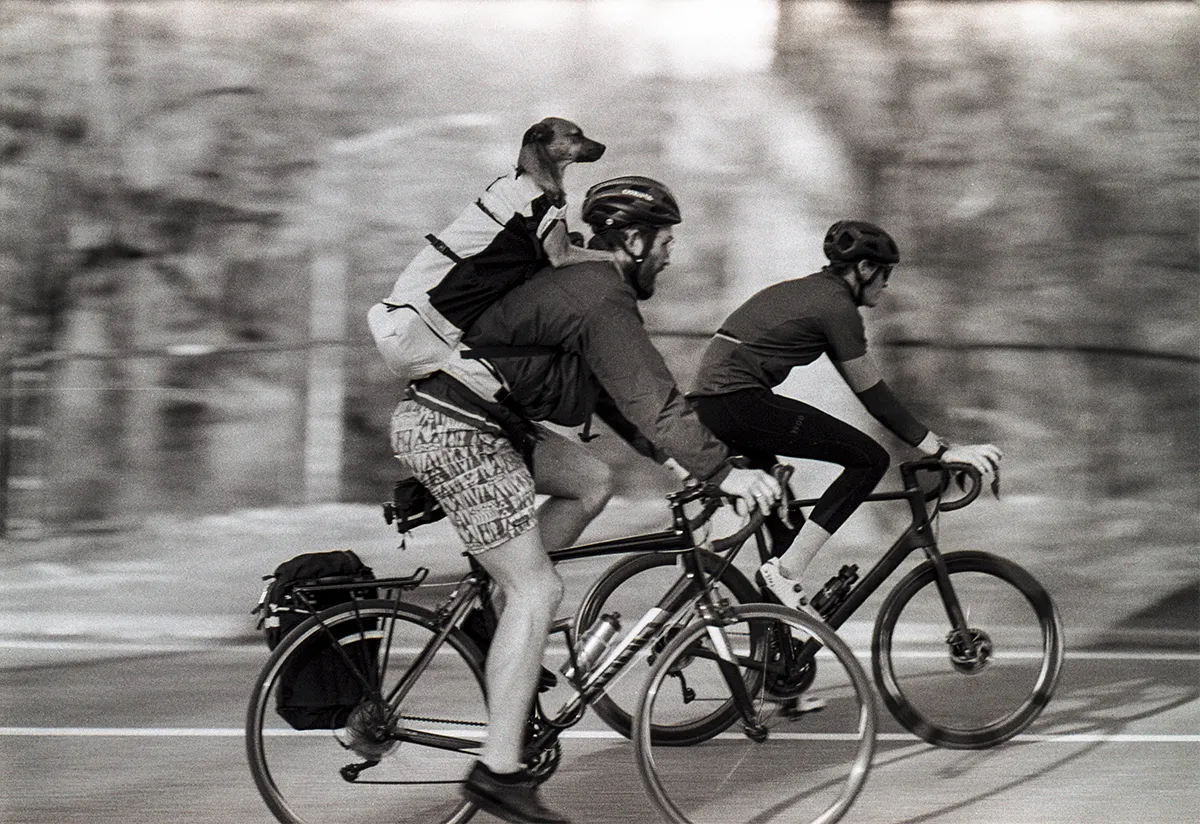
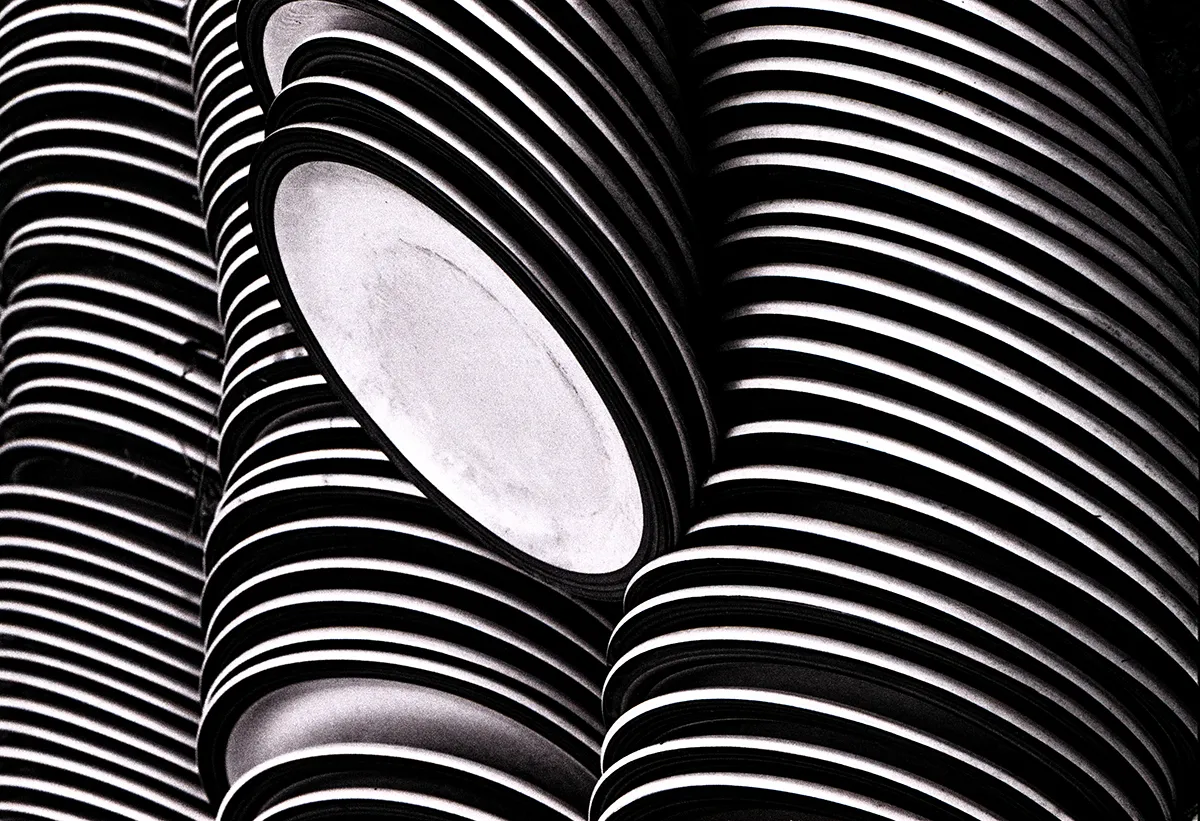
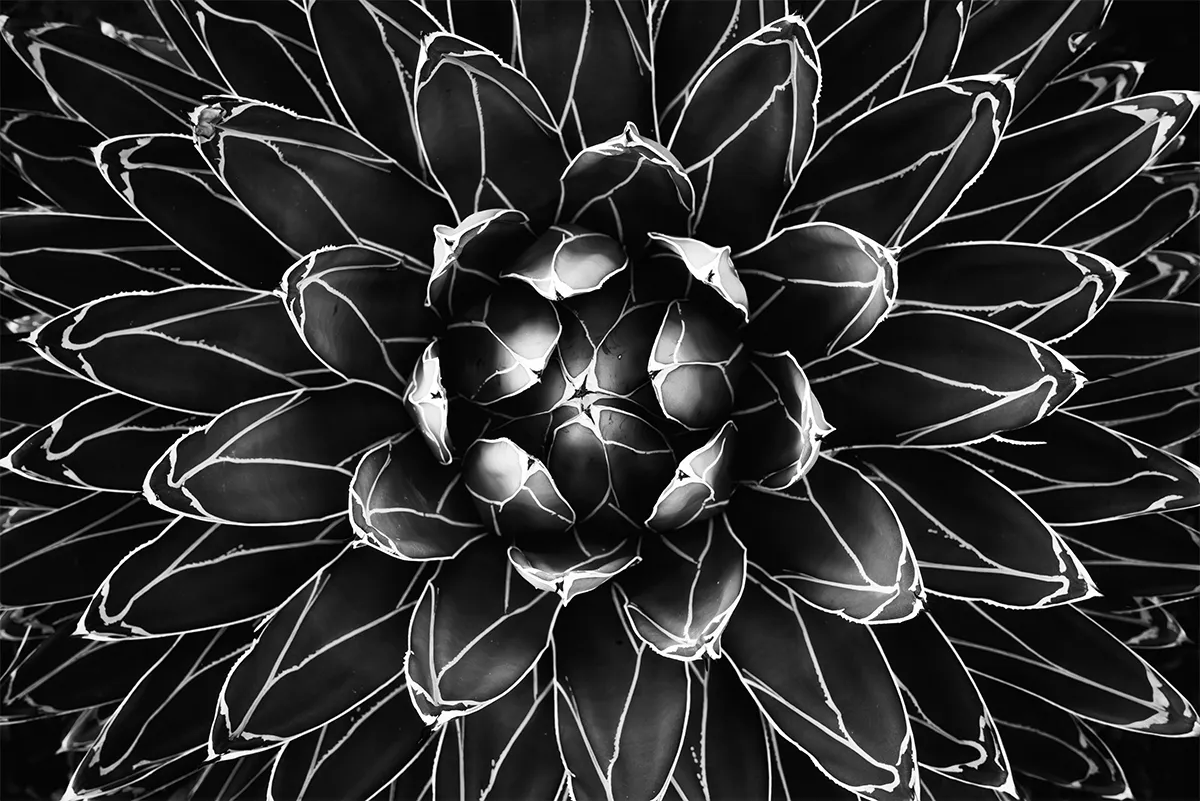
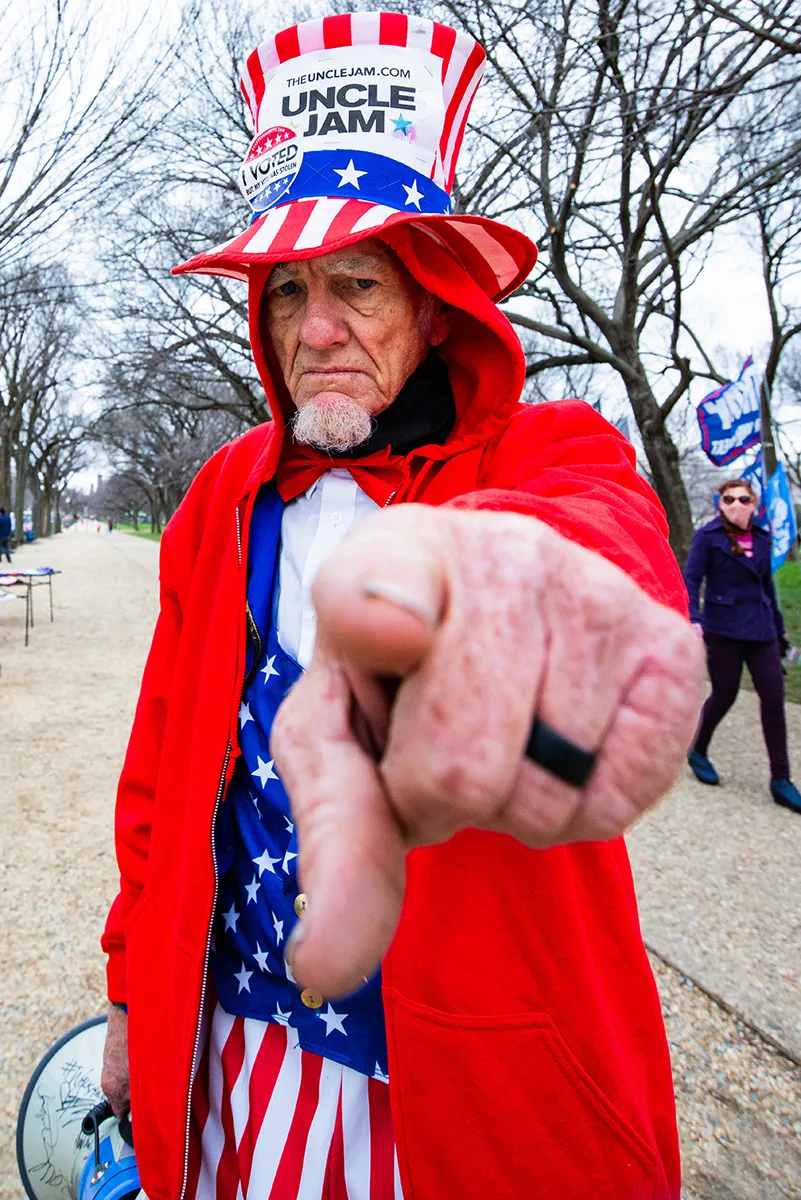
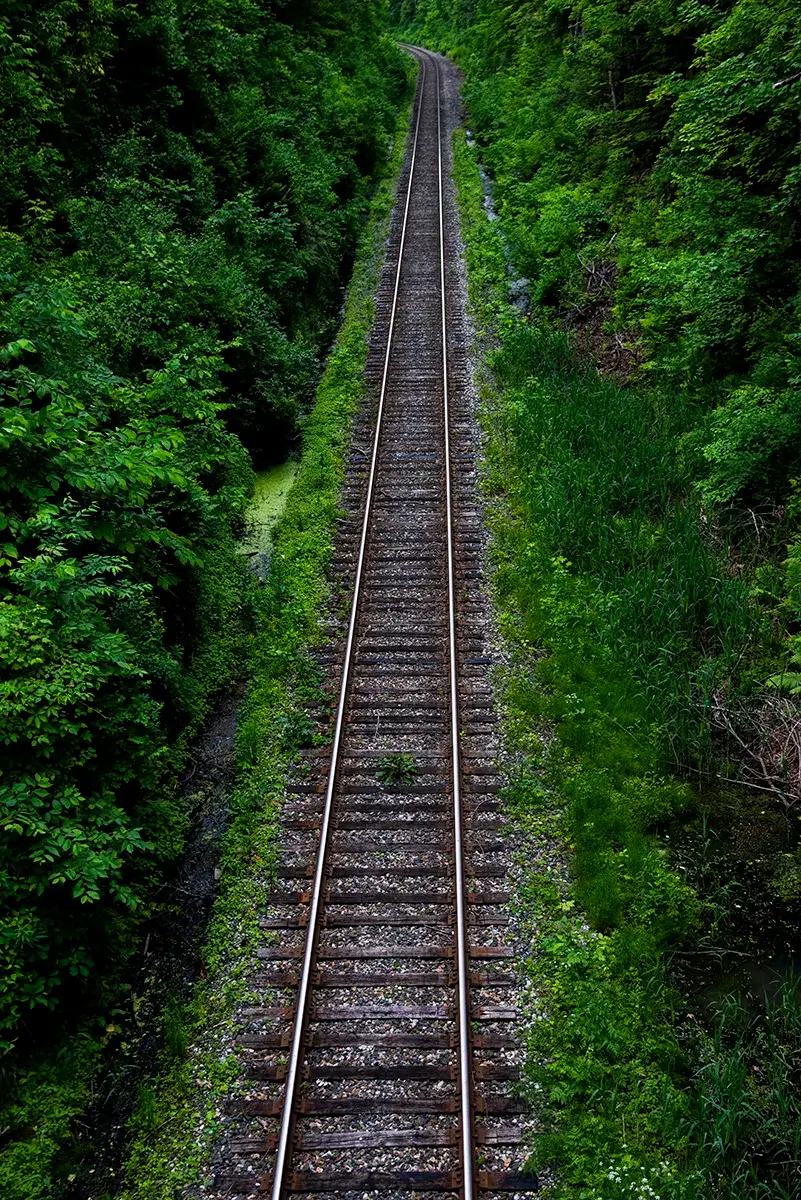
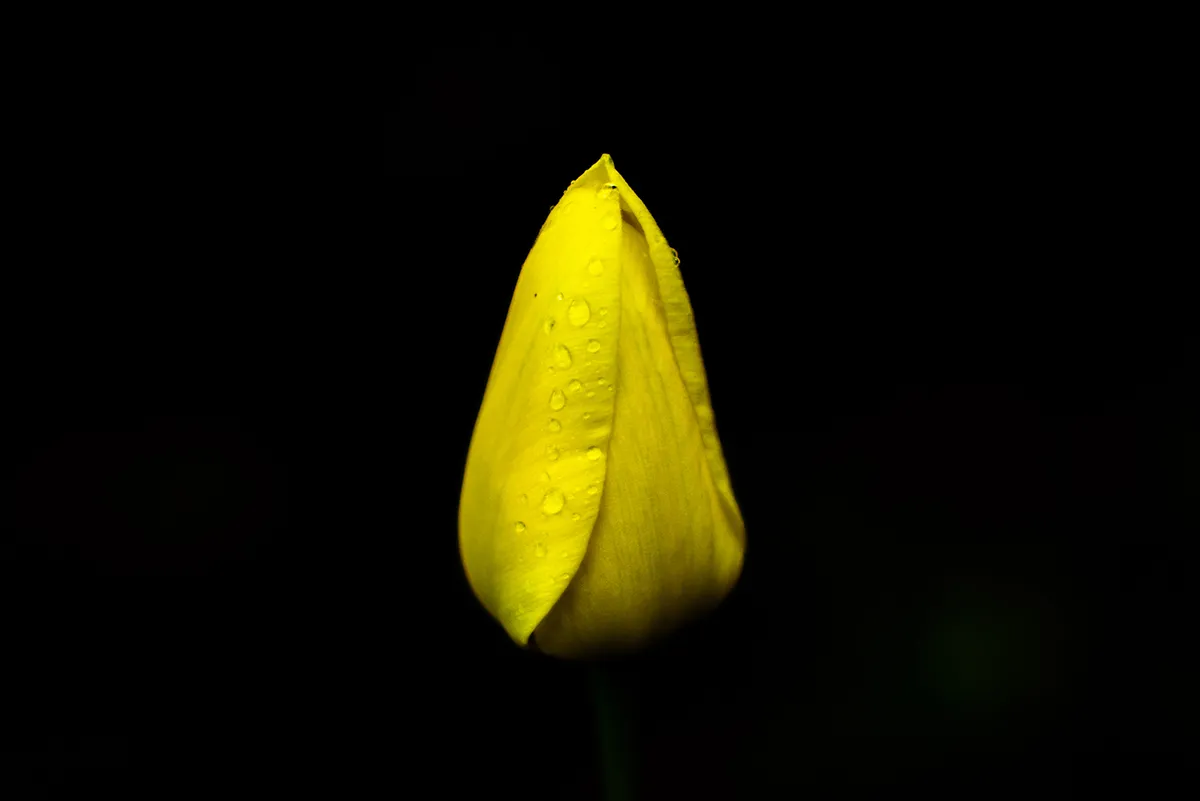
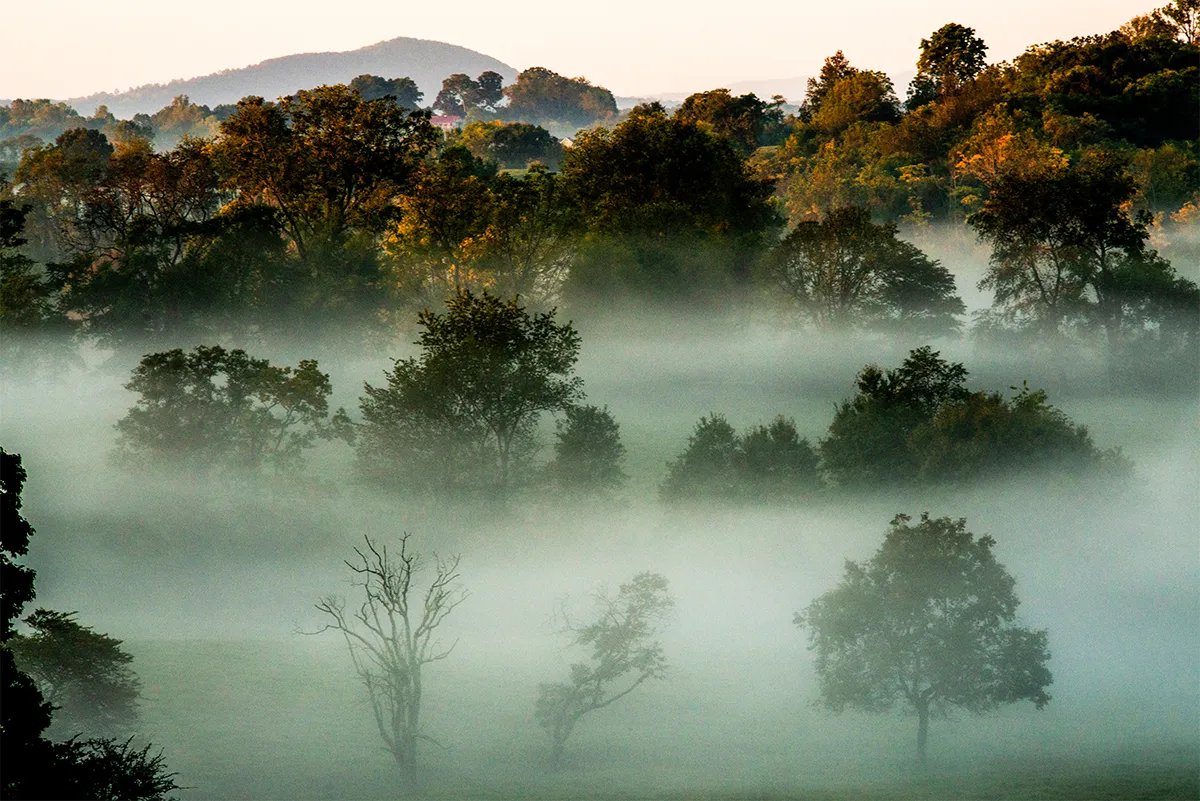
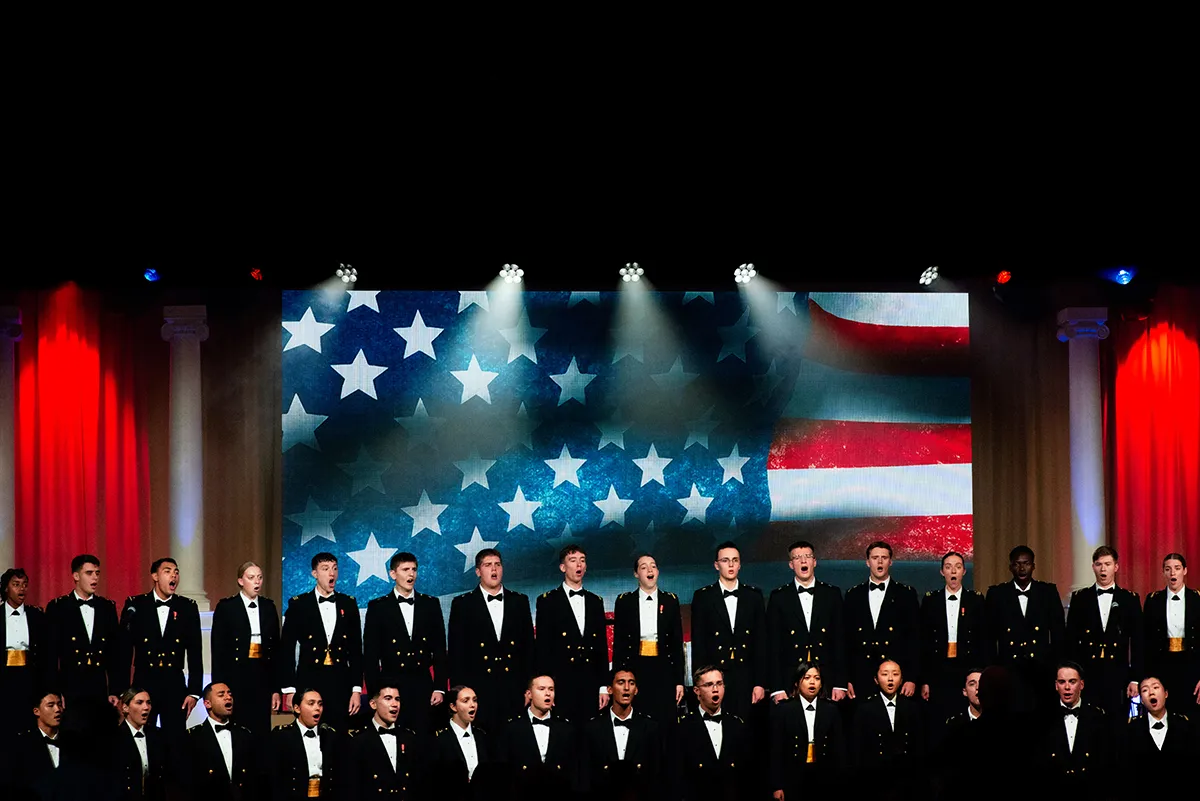
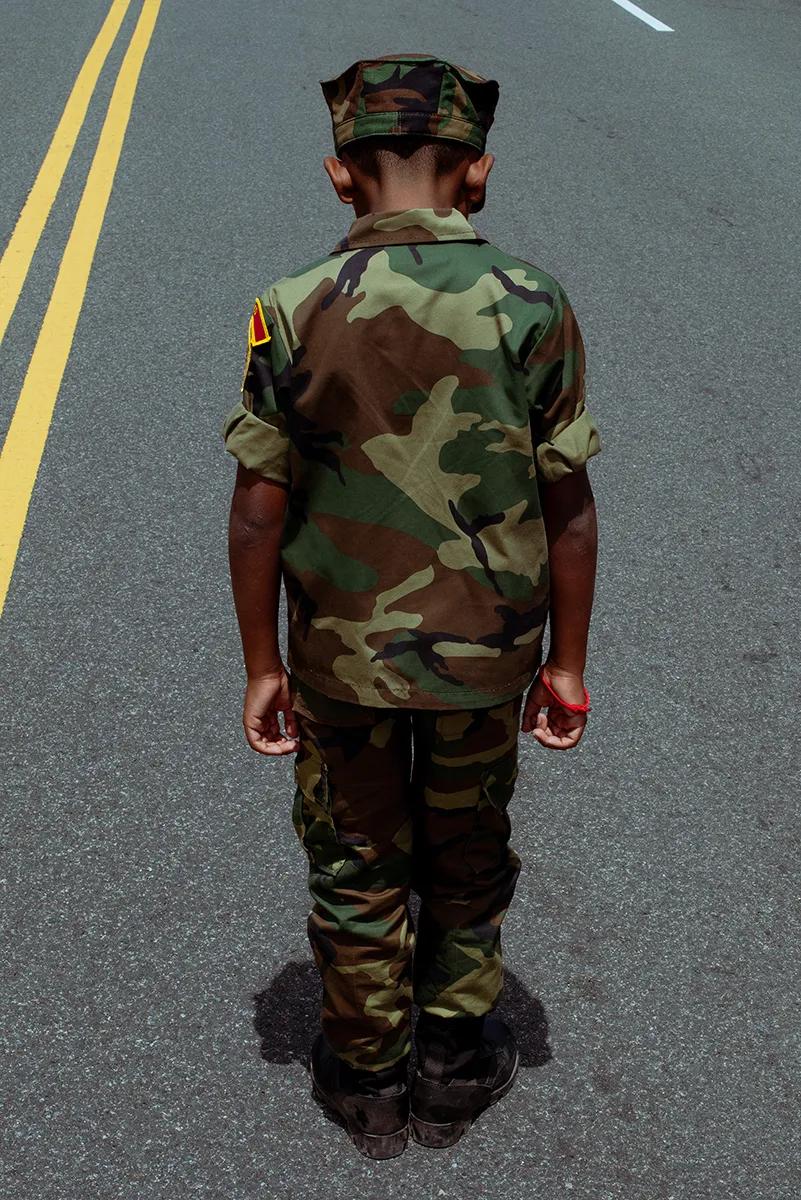
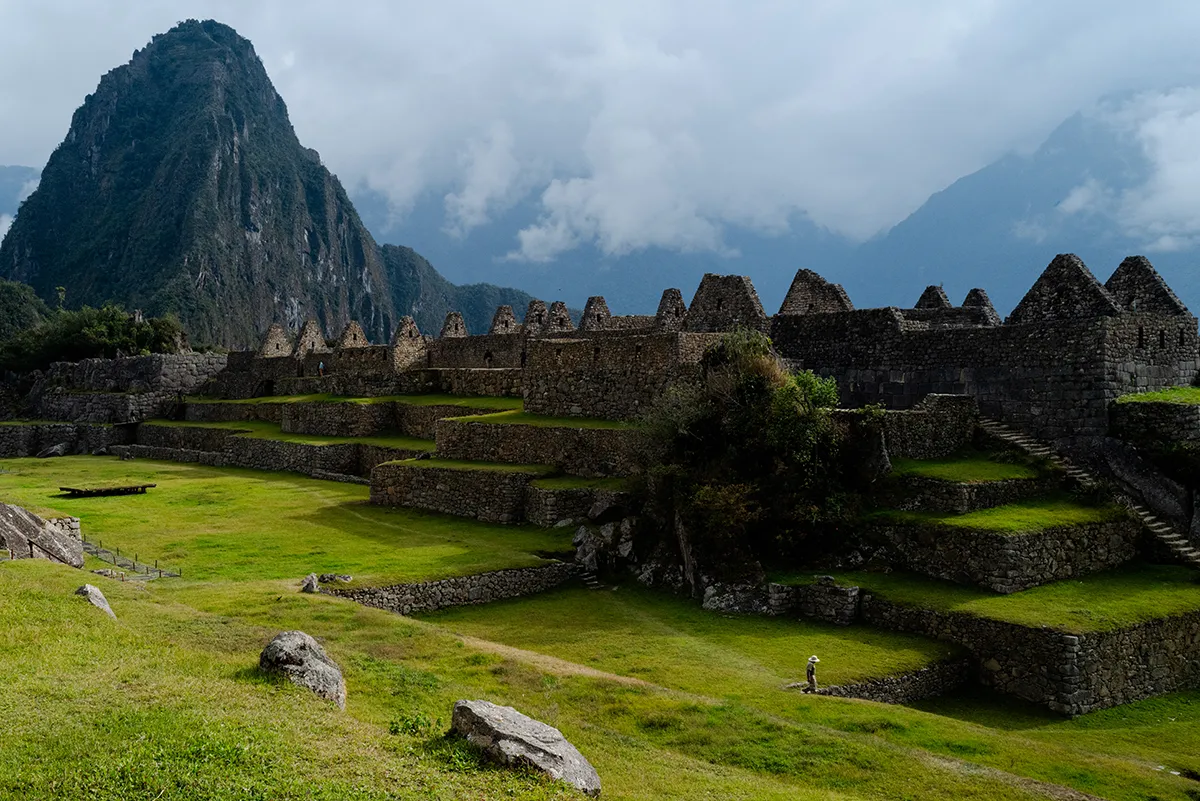
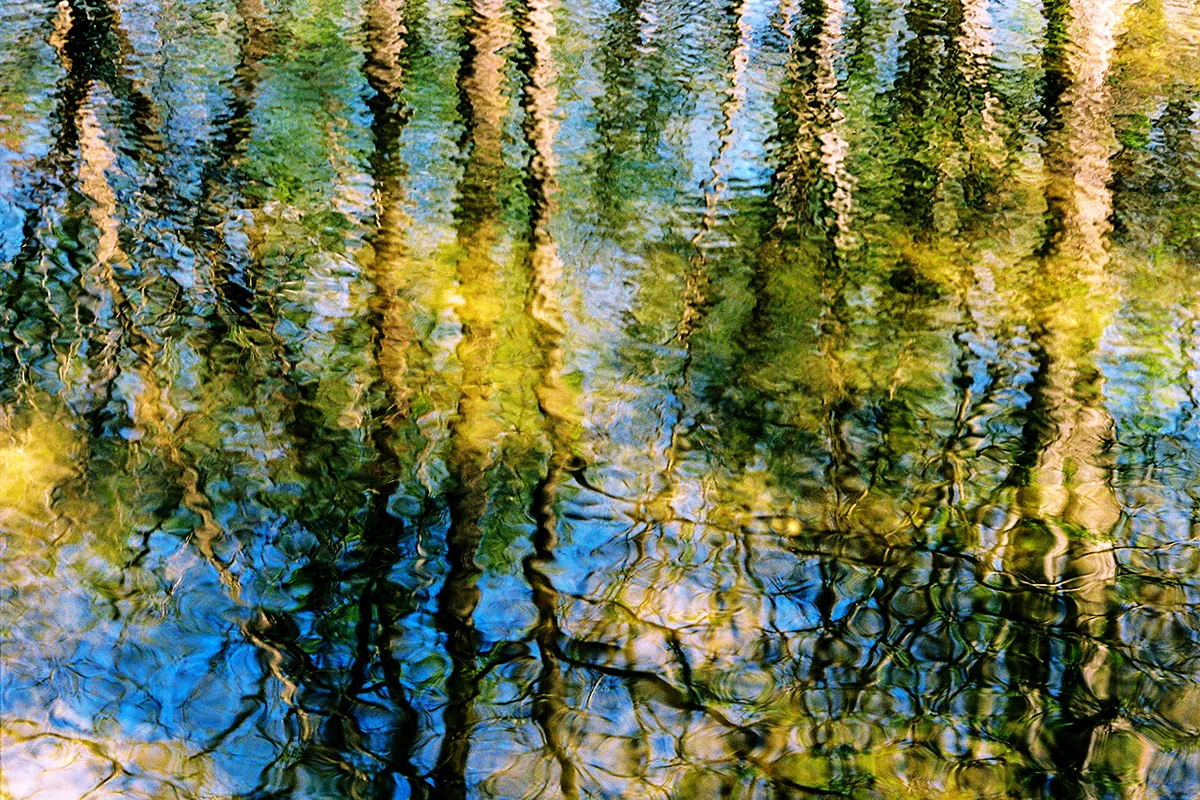
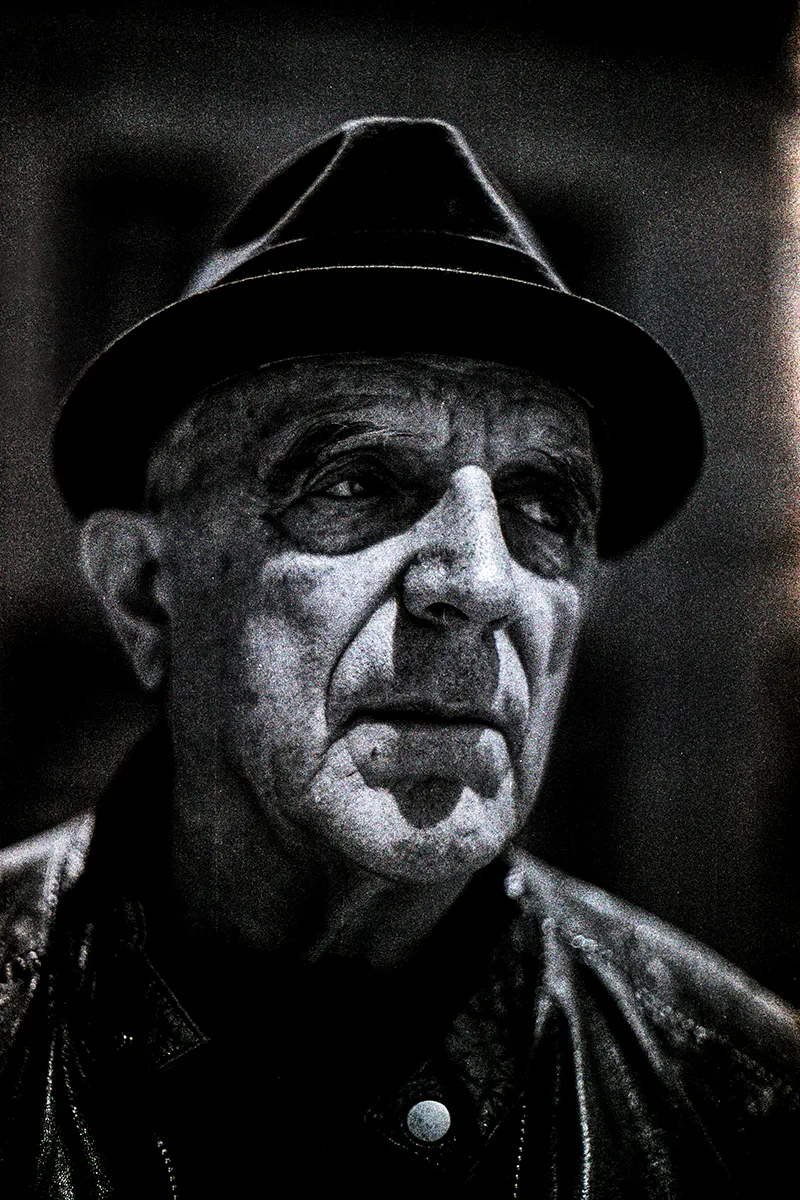
Joe Goldberg (born in Washington, DC, 2001) is an award-winning photographer. Goldberg first picked up a camera at twelve. He believes the greatest moment is around the corner and that search is what makes life so beautiful.

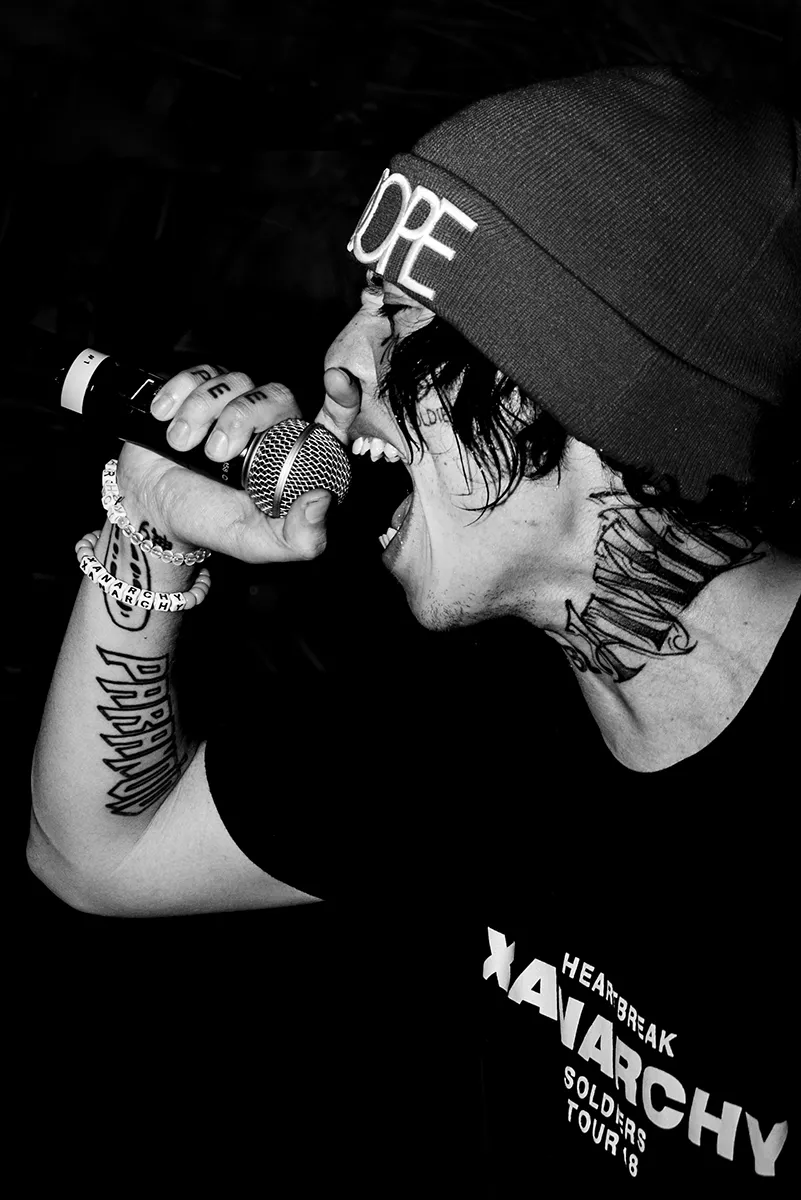
His work has earned recognition including Best Photo in the Framing the Monument competition at The Foundry Gallery, Best Portrait at the DC State Fair, and Photographer of the Week on All About Photo. His work has been featured in outlets ranging from PBS Newshour to Outside Magazine to Playboy. His photograph from the Women's March was selected for the official poster, and his work has been exhibited at BRIC Studios in Brooklyn, The Foundry Gallery in Washington, DC, and Van Der Plas Gallery in New York City. He has worked with numerous musicians including serving as official tour photographer of rapper Lil Xan on the Xanarchy 2019 US tour.

Joe's sense of adventure has taken him to remote destinations throughout the world, connecting him with people and places that have expanded his curiosity beyond anything he could imagine. Goldberg currently lives in Washington, DC, and continues to travel widely in search of that next great moment.

Awarded Photographer of the Week - Week 48, 2025

 

Inspiring Portfolios

Call for Entries
All About Photo Awards 2026
$5,000 Cash Prizes! Juror: Steve McCurry
 
Stay up-to-date  with call for entries, deadlines and other news about exhibitions, galleries, publications, & special events.

More Great Photographers To Discover

Colby Deal
United States
1988
Colby Deal is a photographic artist born (b. 1988) and raised in Houston, Texas. He received his Bachelor of Fine Arts in the practice of photography from The University of Houston. Within his practice, he explores the culmination of elements of the psychological environment as well as the physical. He shows the dynamic range of family, community and the individual by combining street photography and portraiture to capture vibrant communities. In recent years he has incorporated the medium of sculpture and public art as a means of preserving cultural characteristics that are being erased and positively influencing his community and others alike. Colby is directly inspired by his upbringing through getting to see his family’s photographs that were mostly taken by his father. This appreciation for slowing down and concentrating on photographing what’s right in front of him, “The Now”, has led him to be more in touch with using analog photography. Colby Deal is an alumni of Project Row Houses residency, Red Line Contemporary Art Center residency in Denver, Colorado and in 2020, was awarded an exhibition at the Houston Museum of African American Culture. Colby became a Magnum nominee member in 2020.Source: Magnum Photos Colby Deal is a firm believer in the potential of photography to be a transformative medium. “Especially now with Covid and how it is separating people, imagery is so important” he says, over video call from outside his home in Houston’s Third Ward, where he has been photographing with the intention to uplift cultural representations of the predominantly Black neighborhood. “People of color and people from under-resourced communities are always shown negative images about themselves,” says Deal, whose practice involves pasting his images onto abandoned buildings and derelict shopfronts. “Imagine being a kid, waking up, getting on the school bus, and seeing yourself displayed monumentally in a positive manner. That can have a strong psychological effect on the way you think about yourself and others. Like seriously, just a glance at an image can change your thought patterns — it can change your whole life.” Adopting a participatory approach, Deal’s process involves a lot of talking and walking. On a typical day, he will drag his large format camera on a wagon, stopping at people’s doorsteps and porches for a drink, smoke, and conversation, about their lives and the condition of their community. “I don’t want to call it a story because I sound like a fucking news reporter,” he laughs, “but what I’ll do is walk around, find things I like, and shoot around it”. The culmination of these excursions is Beautiful, Still, an ongoing collection of over 1,000 black-and-white negatives of street photographs and portraits. The ability to layer these historical, personal, and social contexts in a single image can be cited back to Deal’s childhood and evolution as an artist. Deal was initially self-taught, later enrolling in the Photography BFA at The University of Houston, mostly for “the network,” he says, and to “learn how to better articulate what I was doing”. The documentary photographer, who last month became a Magnum nominee, is also a sculptor, carpenter, graphic designer, and painter. “As a child, everything I found joy in was about art,” says Deal, who was drawing from the age of three, and later developed an obsession with breaking down objects and piecing them back together. “That aspect has played a huge part in what I do today, which is looking at an idea, concept, or message that I want to get across, then starting from the root, and working from there.”Source: British Journal of Photography
Ali Shokri
Iran
1982
In our family culture, the tree is a symbol of life." Nature photographer Ali Shokri grew up in Iran. It was in his beautiful home country that he would begin to develop his passion and love for nature – more so, trees. Years later, his passion would become the centerpoint of his life's ambitions. For the last 16 years, Shokri has been photographing trees. His mission? To show everyone how important and beautiful they are to the world. His body of work has since been turned into a photo book, The Passion of Trees. Showing his collection of images and highlighting his message, Shokri spoke to us about a topic he holds tightly close to his heart. Statement "To me, each tree, like a human being, has a tale to tell," Shokri says. "When a tree dies, a whole story is interrupted, a destiny is altered for the worse. I feel as if the trees, bundled at the back of trucks, are cursing us with their broken hands, wounded faces, and severed roots. "Perhaps this is how we are led towards damnation, little by little stripped of our humanity, when man's 'abounding foliage moistened with the dew' is reduced to ash and smoke." The nature is a mirror to show us what is going inside us. Why we cant be kind with the nature and the lungs of the earth- trees-? Yes, the lungs of the earth. How we can damage her lungs. As an artist, I beilive that the art brings us responsibility and introducing the lungs of the earth is my responsibility. I know I can't save our trees with my photographs," Shokri says. "I can't restore Nature to her imperious verdure, yet I try to capture the lonesomeness and exile of the trees and encourage the viewers to look at nature with a different gaze, to remember that in the absence of trees the birds are homeless and there's no air to breathe, to remember that if there are no trees humanity has already vanished..."
Mauro De Bettio
Tod Papageorge
United States
1940
Tod Papageorge is an American photographer whose career began in the New York City street photography movement of the 1960s. He started taking photographs in 1962 as an English literature major at the University of New Hampshire. Between 1979 and 2013 he directed the graduate program in photography at the Yale School of Art, where his students included Philip-Lorca diCorcia, Lois Conner, Abelardo Morell, Susan Lipper, Gregory Crewdson, An-My Le, Anna Gaskell, Steve Giovinco, and Katy Grannan. In 2007, Steidl published Passing through Eden, a collection of photographs Papageorge took over 25 years in Central Park. Also in 2007, Aperture published American Sports, 1970: Or How We Spent the War in Vietnam, containing photographs taken during his 1970 Guggenheim Fellowship.Source: Wikipedia About Passing through Eden Taken between 1969 and 1991, these black and white photographs capture the primeval character of Central Park, a human tragedy and comedy in this particular vision of the garden of Eden. During the 1970s, when Papageorge began to work on this series, Central Park was portrayed as a dangerous place not to be visited after dark. These photographs depict a different view showing innocence, beauty, ugliness, isolation, chaos and humour - the whole scope of human life on view within the park. Papageorge parallels this series with the first four books of Genesis, pulling the disparate images together by presenting the park as a public Eden, his elegy to a lost Elysium. This projected narrative lends the images structure and gravity: the audience can recognise Adam and Eve, Cain and Abel in various guises acting out their elemental roles in our commonplace world. Initially, Papageorge's project was driven less by a fascination with Central Park than by the desire to utilise a particular camera (6 x 9 cm Fujica) that was too cumbersome for the city's streets. He found within the park an intense and palpable realm of bodies, action and objects. Daily photographic excursions alongside Garry Winogrand and Joel Meyerowitz on the streets of New York had honed his abilities to both anticipate and capture great photographic moments within the disorder of the park. Established as an articulate and influential critic and teacher of other's work, Papageorge's own photographs have rarely been in the spotlight. Professor and Director of Graduate Studies in Photography at Yale Art School since 1979, he has taught many of the strongest American photographers of the past three decades, including Abelardo Morell, Gregory Crewdson, Anna Gaskell and Katy Grannan. This re-examination of Papageorge's photography has been prompted by the recent reconsideration of work by his peers -- Winogrand by the ICP, Friedlander by the MOMA and Stephen Shore by the ICP.Source: Michael Hoppen Gallery
Johnny Kerr
United States
1982
Johnny Kerr is a fine art photographer based in the West Valley of Arizona’s Phoenix Metropolitan Area. Johnny is self-taught in the craft of photography but entered into his study of the medium with many years of art education and design experience. In 2003 he earned a Bachelor’s degree in Media Arts from the Art Institute of Phoenix and went on to make his living as a graphic designer. Johnny began learning and experimenting with photography in 2011 and in 2013 decided to shift his focus, pursuing photography as his primary medium of expression. He cites his graphic design experience, along with his appreciation for minimalist design, as having the largest influence on his vision as a fine art photographer. After deciding to change careers Johnny went back to school, earning his Master of Arts in Education degree in 2010. Johnny currently makes his living as a photography teacher in the greater Phoenix area, where he lives with his wife and daughter. STATEMENT Growing up in Arizona has certainly given me an appreciation for the unique beauty of the desert. However, I have never found my desert surroundings to be particularly inspiring in my artistic endeavors. Lacking the inspiration to capture my natural surroundings in a representational manner, I have found freedom and gratification in abstraction. I found architecture to be an inspiring subject matter for its graphic qualities, but my photographs are not really about the buildings. Each photograph is a study of the rudimentary elements that catch my attention: shape, space, volume, line, rhythm, etc. Drawing heavily from my graphic design experience, each architecture photograph represents an exercise in isolating those basic elements and trying to present them in a harmonious design. Often I have incorporated long exposure techniques to create images that seem to exist outside of the reality our eyes perceive on a daily basis. My goal has not been to abstract the subject beyond recognition, but to simplify, to pull it out of its usual context, and try to see the ordinary surroundings of city life in a new way. The lessons I learned from my exercises in abstracting architecture have also carried through into other subject matter, including landscape and seascape, helping me to find solace and inspiration in unexpected places.
James Peaslee
United States
1952
Bryan Adams
Canada
1959
Adams works as a photographer as well as musician, aside from being published in British Vogue, L'uomo Vogue, Harper's Bazaar, Esquire, Interview magazine and i-D, among others, he has also shot advertising campaigns for Guess Jeans, Sand, Converse, Montblanc, John Richmond, Fred Perry, and more recently for Escada. He has won Lead Awards twice in Germany for his fashion work, most recently June 2012 and previously in 2006. Other photographic endeavours include founding the art fashion Zoo Magazine, based in Berlin, Germany for which he shoots for regularly. His first book of photos will be released by Steidl in 2012 entitled Exposed. Previous published collaborations include; American Women June 2005, for Calvin Klein in the United States; proceeds from this book went to Memorial Sloan–Kettering Cancer Center in New York City for their breast cancer research for programs, and Made in Canada December 1999 for Flare Magazine in Canada; proceeds went to the Canadian Breast Cancer Foundation. Both books were dedicated to his friend Donna, who died of the disease. As a photographer, Adams has worked with many of his musical peers, including Lana Del Rey, The Who, Sting, Shania Twain, Mick Jagger, Arcade Fire, Ray Charles, Tina Turner, Rod Stewart, Robert Plant, Take That, Joss Stone, Plácido Domingo, Sarah McLachlan, Celine Dion, Billy Idol, Moby, Lindsay Lohan, Amy Winehouse, Annie Lennox, Peter Gabriel, Bryan Ferry, Lenny Kravitz, Die Antwoord, and Morrissey to name a few. On 27 November 2000 Adams played onstage with The Who at the Royal Albert Hall. A DVD of the concert was issued. Adams photographed the band and his photos appear in the DVD booklet. In 2002, Adams was invited, along with other photographers from the Commonwealth, to photograph Queen Elizabeth II during her Golden Jubilee; one of the photographs from this session was used as a Canadian postage stamp in 2004 and again in 2005 (see Queen Elizabeth II definitive stamp (Canada)), another portrait of both Queen Elizabeth II and Prince Philip is now in the National Portrait Gallery in London. Adams supports the Hear the World initiative as a photographer in its aim to raise global awareness for the topic of hearing and hearing loss. He photographed Michael J. Fox and Tatjana Patitz in the 2011 Carl Zeiss AG company calendar in New York City in the summer of 2010. The focus was about the size difference of the subjects in a comedic presentation. In 2011, Adams provided the cover art for Lioness: Hidden Treasures, a posthumous release by Amy Winehouse.Source: Wikipedia Rock Icon Bryan Adams' lifelong interest in photography turned into a vocation when he began shooting for fashion magazines and advertisers more than a decade ago. But it's not all models and celebrities: He most recently turned his lens on 40 British soldiers returning from Iraq and Afghanistan. His series Wounded: The Legacy of War, the subject of a 2013 book from Steidl and an exhibit at London’s Somerset House on display this month through Jan. 25, showcases the brutal (and all too common) injuries incurred in battle. "I didn't like the fact that people were getting so badly hurt, so many people were killed, were displaced, forgotten. This is my statement," says Adams, 55. On the legacy of the images, he says, "I hope [people] realize that these guys made an incredible sacrifice. War is disgusting and this is the result of what happens when we decide to beat each other up."Source: Billboard
Advertisement
All About Photo Awards 2026
Win a Solo Exhibition in February
All About Photo Awards 2026

Latest Interviews

Exclusive Interview with Marijn Fidder
Marijn Fidder is a Dutch documentary photographer whose work powerfully engages with current affairs and contemporary social issues. Driven by a deep sense of social justice, she uses photography to speak on behalf of the voiceless and to advocate for the rights of those who are most vulnerable. Her images have been widely published in major international outlets including National Geographic, CNN Style, NRC Handelsblad, Volkskrant, GUP New Talent, and ZEIT Magazin. Her long-term commitment to disability rights—particularly through years of work in Uganda—culminated in her acclaimed project Inclusive Nation, which earned her the title of Photographer of the Year 2025 at the All About Photo Awards. She is also the recipient of multiple prestigious honors, including awards from World Press Photo and the Global Peace Photo Award. We asked her a few questions about her life and work.
Exclusive Interview with Josh S. Rose
Josh S. Rose is a multidisciplinary artist working across photography, film, and writing. His practice bridges visual and performing arts, with a strong focus on movement, emotion, and the expressive potential of the image. Known for his long-standing collaborations with leading dance companies and performers, Rose brings together authenticity and precise composition—a balance he describes as “technical romanticism.” His work has been commissioned and exhibited internationally, appearing in outlets such as Vogue, at the Super Bowl, in film festivals, and most recently as a large-scale installation for Lincoln Center for the Performing Arts. A sought-after collaborator, he has worked with major artists, cultural institutions, and brands, following a previous career as Chief Creative Officer at Interpublic Group and the founder of Humans Are Social. We asked him a few questions about his life and work.
Interview with Maureen Ruddy Burkhart
Photographer Maureen Ruddy Burkhart brings a quietly attentive and deeply human sensibility to her exploration of the world through images. Shaped by a life immersed in photography, film, and visual storytelling, her work is guided by intuition, observation, and an enduring interest in the emotional undercurrents of everyday life. With a practice rooted in both fine art traditions and documentary awareness, she approaches her subjects with sensitivity, allowing subtle moments to emerge naturally rather than be imposed. Her series Til Death, selected as the Solo Exhibition for February 2025, reflects this long-standing commitment to photography as a space for reflection rather than spectacle. Drawn to moments that exist just outside the expected frame, Burkhart’s images suggest narratives without resolving them, leaving room for ambiguity, humor, and quiet connection. We asked her a few questions about her life and work.
Exclusive Interview with Peter Ydeen
Winner of AAP Magazine #45 Travels, his series reflects this unique vision—capturing the spirit of place through subtle layers of light, color, and emotion. Whether traveling abroad or observing the rhythms of his own surroundings, Ydeen creates images that feel both grounded and enchanted, inviting viewers into a world where reality and reverie meet.
Exclusive Interview with Julie Wang
Chinese-born photographer Julie Wang brings a poetic, contemplative sensitivity to her visual exploration of the world. Having lived for nearly equal parts of her life in China, Europe, and the United States, she approaches her subjects with the nuanced perspective of someone shaped by many cultures. This blend of distance, curiosity, and emotional resonance infuses her work with a quiet depth, allowing her to reveal the fragile beauty and subtle tensions that often pass unnoticed.
Exclusive Interview with Ghawam Kouchaki
American photographer Ghawam Kouchaki brings a sharply observant and introspective gaze to the streets of Japan’s capital. Based in Los Angeles, he approaches Tokyo with the distance — and curiosity — of an outsider, allowing him to uncover the city’s subtle contradictions, quiet tensions, and fleeting gestures that often go unnoticed. His series Tokyo no no, selected as the Solo Exhibition for December 2024, explores the hidden undercurrents of urban life: the unspoken rules, the small ruptures in routine, the poetic strangeness found in everyday moments. Through muted tones, instinctive timing, and meticulous framing, Kouchaki reveals a Tokyo that exists somewhere between reality and imagination — both intimate and enigmatic. We asked him a few questions about his life and work.
Exclusive Interview with Tommi Viitala
Tommi Viitala, winner of AAP Magazine #44: Street, is a Finnish photographer celebrated for his striking and cinematic street photography. With a keen eye for atmosphere and composition, he captures fleeting urban moments that reveal the poetry of everyday life. His work often explores the tension between solitude and connection within contemporary cityscapes, blending documentary realism with artistic sensibility. Viitala’s photographs have been exhibited internationally and recognized for their strong visual storytelling and emotional depth. We asked him a few questions about his life and work.
Exclusive Interview with Robert Mack
Robert Mack is a California-based visual artist, photographer, and filmmaker. His fine art photography and films have been exhibited widely in the United States and Europe, with major shows at the Baltimore Museum of Art and the Reiss-Engelhorn Museum in Mannheim, Germany. Both institutions hold his work in their permanent collections. Working across different media, Mack has built a career exploring the complexities of human presence and representation. In 1981, while living in Baltimore, he produced The Perkins Project: Not Guilty by Reason of Insanity, a rare photographic and film study inside Maryland’s hospital for the criminally insane. These stark yet compassionate black-and-white portraits remain one of his most powerful and controversial bodies of work.
Exclusive Interview with Alan Schaller About Irys
Alan Schaller is a London-based photographer best known for his striking black-and-white street photography and as co-founder of Street Photography International, one of the largest online communities dedicated to the genre. With years of experience both behind the camera and in building platforms that give visibility to photographers, Schaller has now turned his focus to creating a new digital space for photography itself. His latest venture, Irys, is a photography app designed by photographers, for photographers, with the aim of offering a dedicated platform where images are respected as works of art rather than treated as disposable content.
Call for Entries
All About Photo Awards 2026
$5,000 Cash Prizes! Juror: Steve McCurry