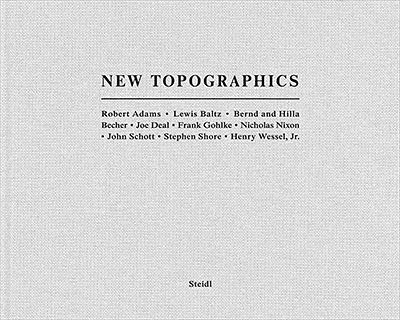
The 1975 exhibition at the George Eastman House in Rochester, New York, stands as a watershed moment that permanently altered the trajectory of landscape photography. Curated by William Jenkins, New Topographics: Photographs of a Man-Altered Landscape dismantled the romanticized traditions of the American wilderness popularized by figures like Ansel Adams. In their place, it installed a rigorous, detached aesthetic focused on the intrusion of human industry and suburban sprawl. This movement introduced a radical objectivity, where the camera functioned as a surveying tool rather than a romantic brush, capturing the stark reality of industrial parks, motels, and tract housing with a deliberate lack of emotional theater.
The original group of ten photographers—including Robert Adams, Lewis Baltz, Stephen Shore, and the influential German duo Bernd and Hilla Becher—represented a bridge between traditional craftsmanship and the burgeoning world of conceptual art. While their work appeared at first glance to be purely informational and topographic, it signaled a profound paradigm shift. By focusing on the "man-altered" terrain, these artists highlighted the mundane and the overlooked, finding a new kind of visual language in the grey geometry of the modern environment. Their collective vision established what many historians now consider the first truly photoconceptual style, influencing generations of artists who had not yet been born when the first catalog went to press.
Half a century later, the legacy of this exhibition continues to resonate within the contemporary art world. This meticulous reimagining of the original catalog, led by curator Britt Salvesen, provides an essential reassessment of how these ten individuals redefined our relationship with the land. Through installation views and comparative analysis, the volume traces the enduring impact of a style that once claimed to eschew beauty, yet ultimately found a profound, haunting significance in the ordinary. It remains a vital document for understanding the transition of photography from a niche documentary practice into a central pillar of fine art.
For some travelers, a hotel is simply a place to stay. For LEONE, it is an experience shaped by atmosphere, people, and a sense of belonging. His third book, *A Place We Like*, grew out of a years-long search for that elusive feeling. Published as the inaugural title under the Leisure imprint of C41 Magazine, the project serves as both a visual guide to some of Europe’s most remarkable hotels and a personal reflection on the meaning of hospitality.
Discover Crossing, Kaplan’s powerful documentary photography project capturing Roxham Road, the irregular Canada-US border crossing used by refugees from 2018 to 2023.
Spurred by Trump-era immigration policies, this tiny site between New York and Quebec became a safe, highly unusual microcosm of global migration. Over four years, Kaplan photographed the entire ecosystem—from local cab drivers and border police to the asylum-seekers themselves. Moving past traditional media tropes of victimhood, these photographs challenge stereotypes to highlight the immense courage and resilience required to step into an unknown future before the site's closure in 2023.
I have spent years looking at Lee Friedlander’s America. It has always been a country of sharp angles, cluttered street corners, and shadows that seem to swallow the photographer whole. So when I picked up his latest monograph, Life Still, I expected the familiar noise of his world. Instead, I found something stranger: a 91-year-old master holding his breath.
Part of a bigger journey of liberation through self-exploration, this new photobook by Jo Ann Chaus is above all a collection of self-portraits, complemented by landscapes, still lifes and domestic interiors observed and inhabited by the photographer-cum-model
Blending photography and poetry, Burnt Eyes explores nostalgia, memory, and identity, offering a profound reflection on the complexities of belonging and the stories that shape us.
Seasons of Time by Nathalie Rubens is an intimate and fearless photobook exploring the emotional distance and deep connection between mother and daughter, while confronting the beauty, vulnerability, and physical reality of a woman’s aging body with rare honesty.
1804 continues Rich-Joseph Facun’s exploration of life in the Appalachian foothills of Southeast Ohio, this time turning his lens toward the local university and its complex, symbiotic relationship with the surrounding community.
GOST Books presents Robin Bernstein’s debut photobook MAPALAKATA, a compelling visual investigation into landscape, memory, and the layered histories of Southern Africa. The project offers a nuanced reflection on how geography is not only inhabited, but continually rewritten through movement, extraction, and shifting narratives of belonging.