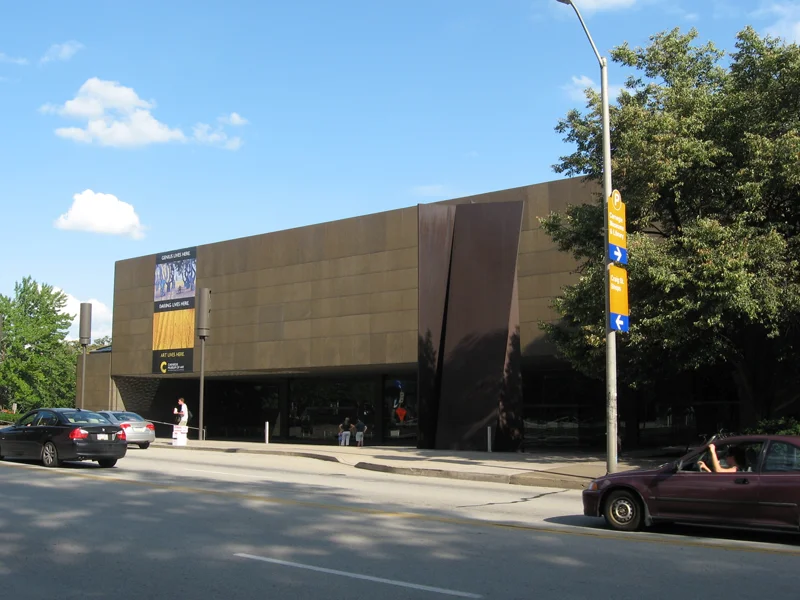
Pittsburgh - 4400 Forbes Avenue - PA 15213
The Carnegie Museum of Art in Pittsburgh, founded in 1895 by Andrew Carnegie, holds a distinguished place among American cultural institutions. Conceived as part of Carnegie’s vision to enrich the city with art, science, and knowledge, the museum has steadily grown into a repository of world-class collections that reflect both historical achievements and contemporary concerns. While its holdings span painting, sculpture, architecture, and decorative arts, one of its most compelling treasures is its photography collection.
Central to this is the archive of Charles “Teenie” Harris, acquired in 2001. Harris, a Pittsburgh-born photojournalist, documented African American life in the city from the 1930s through the 1970s. His archive of more than 70,000 negatives is among the most extensive visual records of Black urban life in the United States. The photographs capture everything from daily routines and neighborhood gatherings to moments of national significance, creating a body of work that is both intimate and monumental. Through exhibitions, community engagement, and ongoing identification projects, the museum ensures Harris’s images remain a living resource for scholarship and public history.
Beyond Harris, the museum has embraced photography as a vital part of its mission to interpret art of our time. Works by internationally acclaimed artists such as Hiroshi Sugimoto and James Abbott McNeill Whistler, acquired through the Carnegie International and other initiatives, testify to photography’s enduring role in shaping modern and contemporary art. The museum’s commitment to the medium extends to displaying both documentary traditions and experimental practices, underscoring photography’s versatility as art and cultural record.
By preserving the legacies of past masters while engaging with new voices, the Carnegie Museum of Art has established photography not merely as an auxiliary collection but as a core strength. It offers visitors a profound opportunity to explore how images construct memory, identity, and collective experience across generations.
Website