Pittsburgh - 117 Sandusky Street - PA 15212
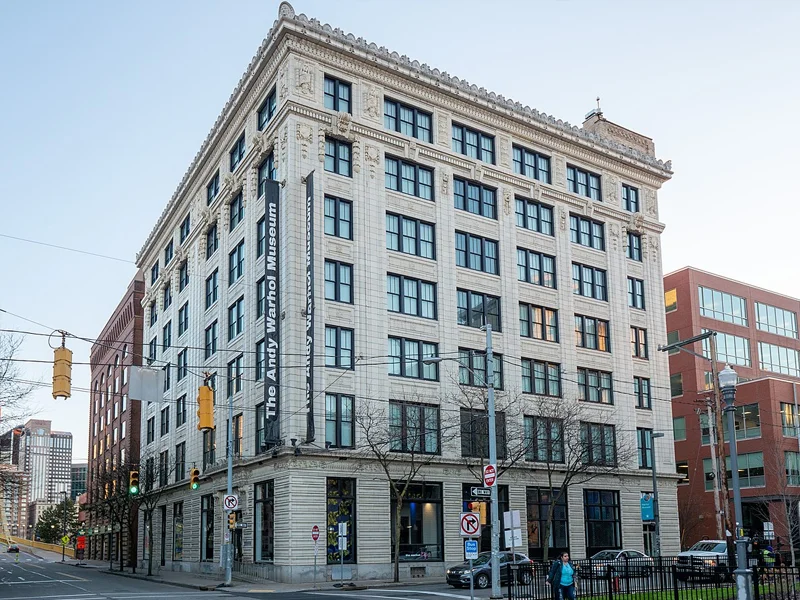
The Andy Warhol Museum in Pittsburgh, the largest museum in North America dedicated to a single artist, offers a multifaceted view of Warhol’s creative output. While his paintings, silkscreens, and films are widely celebrated, the museum’s photography collection provides one of the most intimate portals into understanding both the man and the artist.
Warhol was fascinated with the camera, using it as a tool not just to document his world but to craft identities, test personas, and reflect on the shifting surfaces of fame and selfhood. His early use of photobooth strips in the 1960s anticipated the serial repetitions that became central to his work, while also offering unguarded glimpses of a restless imagination. By the late 1970s, his engagement with the large-format Polaroid camera provided startlingly close examinations of his own face, works that verge on topographical studies of insecurity and self-scrutiny. These images are poignant, revealing a side of Warhol that contrasts sharply with the aloof, enigmatic persona he cultivated in public.
Perhaps most striking are the Polaroid photographs of Warhol in drag. These images blur boundaries between play, performance, and vulnerability, touching on themes of gender, aging, and transformation. They also echo the lives of the socialites he so often painted, while subverting the conventions of glamour and power. In his final years, Warhol returned again to the photographic self-portrait, producing iconic images of his spiky-haired head floating against darkness. These works—layered with camouflage and artifice—seem to oscillate between revelation and concealment, between public mask and private truth.
The Andy Warhol Museum preserves and interprets these vast photographic explorations, ensuring that visitors can engage with Warhol not only as a cultural icon but as an individual who used the lens to question identity, mortality, and the very nature of image itself.
Website