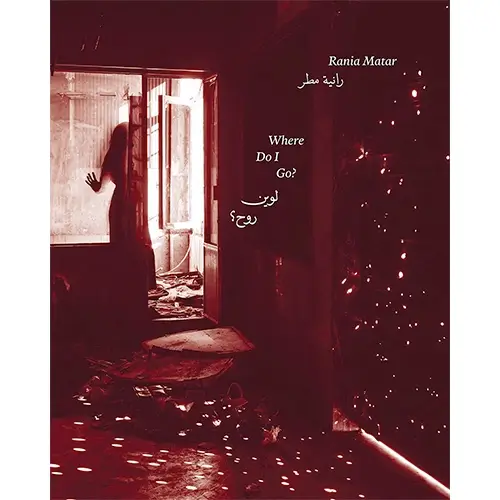
Where Do I Go? is the newest photobook by
Rania Matar, bringing together approximately 128 color portraits of young women living in Lebanon today. Released in the shadow of the fiftieth anniversary of the Lebanese Civil War, the book offers a meditation on life shaped by prolonged instability, without allowing conflict to dominate the narrative. Instead of foregrounding destruction, Matar centers creativity, dignity, and resilience, crafting a body of work that quietly insists on the complexity of everyday existence amid uncertainty.
The book takes its title from a piece of graffiti Matar encountered on an abandoned wall: a simple yet piercing question—“Where do I go?” The phrase reverberates throughout the project, echoing the internal dilemmas faced by a generation coming of age in a country marked by political, economic, and social upheaval. For many of the women photographed, the question is not rhetorical but deeply practical, reflecting the ongoing tension between staying rooted and seeking a future elsewhere.
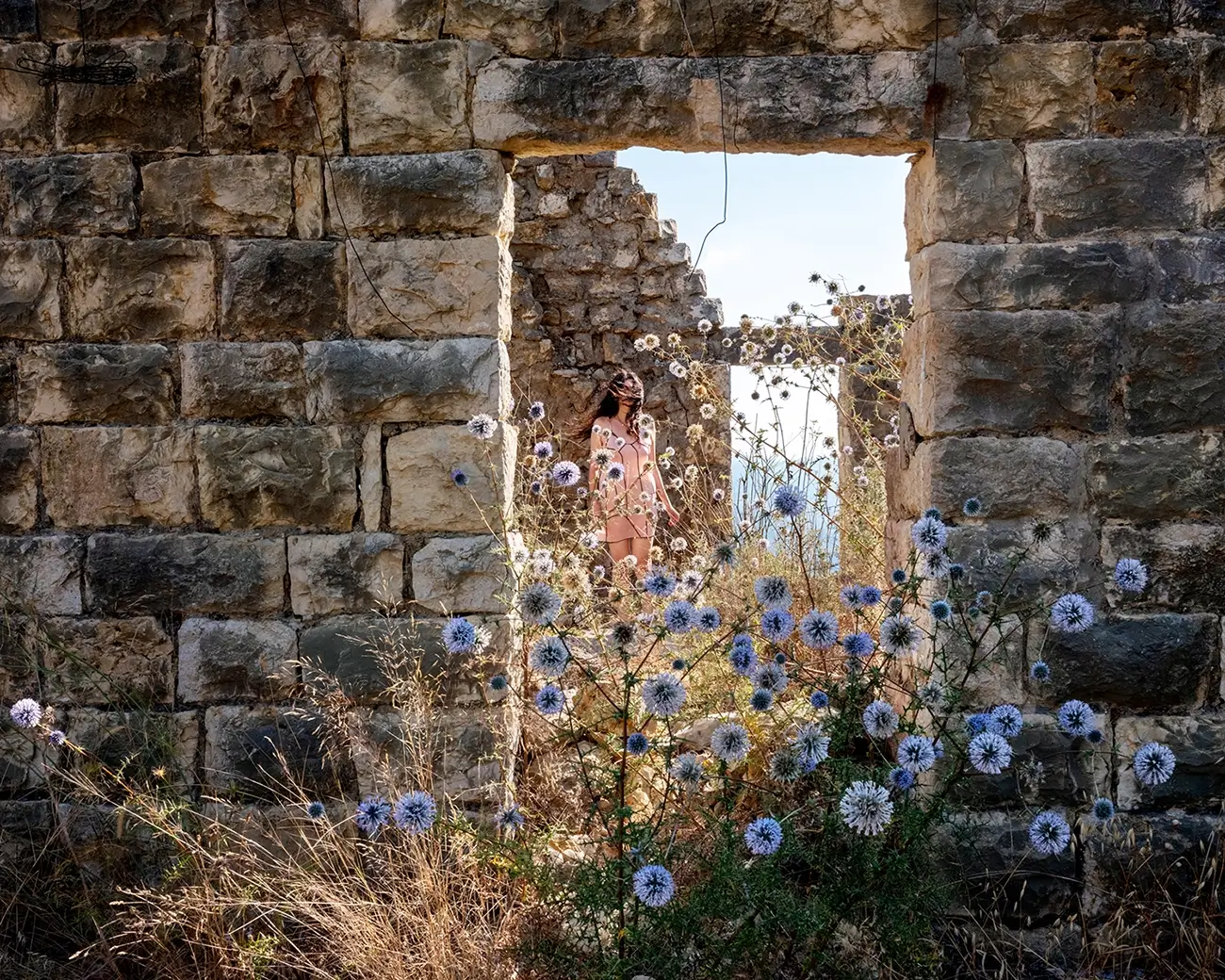
Rianna, Chartoun, Lebanon, 2022 © Rania Matar
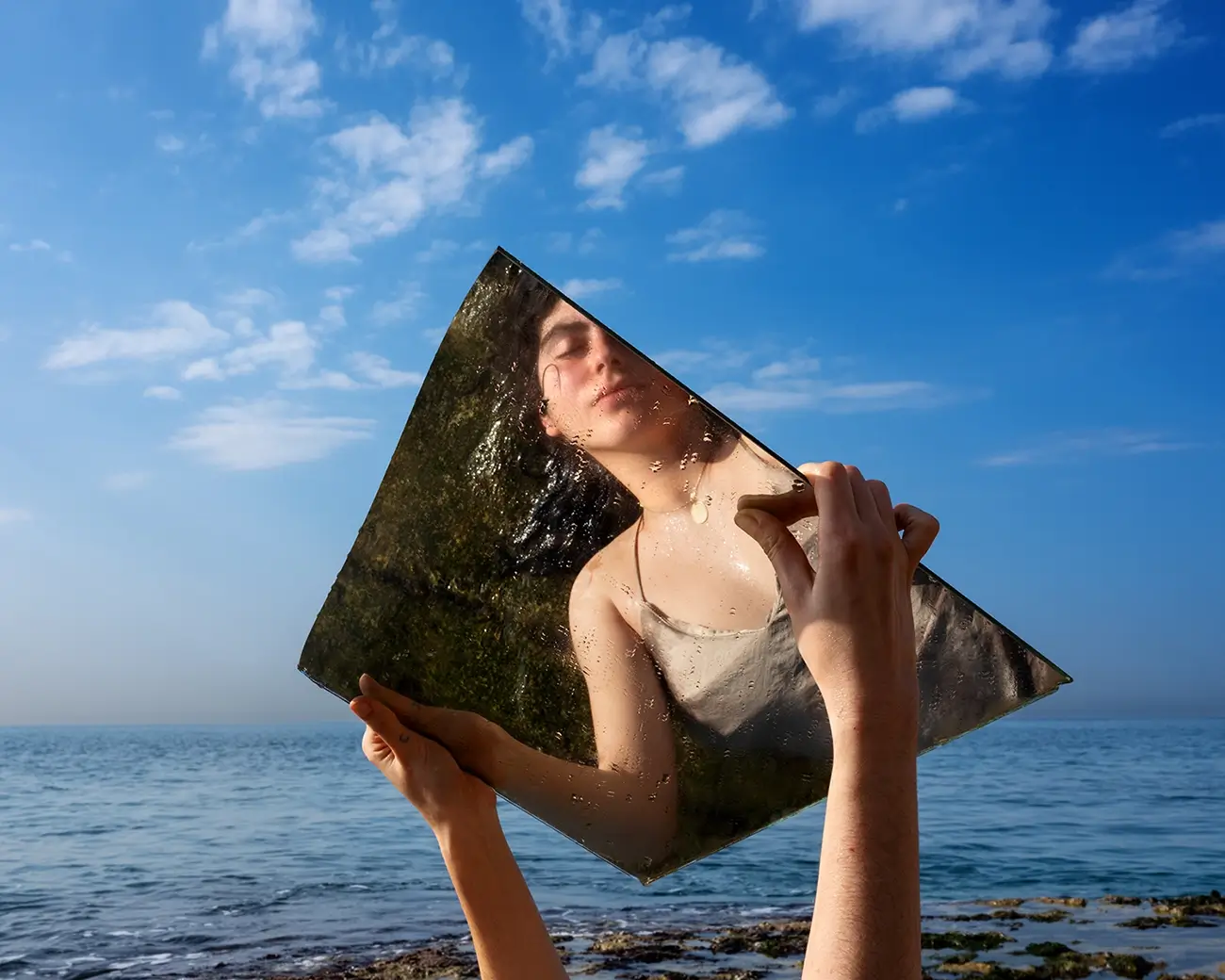
Rianna (with Mirror), Amshit, Lebanon, 2024 © Rania Matar
Matar began the project after returning to Beirut in the aftermath of the 2020 Port explosion, a moment that intensified her engagement with the country and its people. Having left Lebanon herself at the age of twenty, she recognizes her own story in the lives of her subjects—women now confronting the same painful choice of whether to remain or depart. This shared experience underpins the intimacy of the portraits and informs Matar’s long-standing commitment to collaboration. Each participant plays an active role in shaping her image, choosing locations and actions: climbing trees or rocks, entering abandoned buildings, standing at the water’s edge. Agency is central to the work, allowing the women to determine how and where they are seen.
The photographs traverse Lebanon’s varied geographies, moving from Mediterranean coastlines to Mount Lebanon, from dense urban neighborhoods to border regions. Beirut’s layered architecture appears alongside remote landscapes, with grand abandoned mansions, shuttered theaters, former hotels, and ordinary streets bearing visible traces of conflict. Bullet-scarred interiors overtaken by vegetation contrast with open fields of poppies, yarrow, and thistle, or expansive mountain views. As collector and archivist Georges Boustany observes, Matar has “crisscrossed Lebanon, each time discovering the most incredible places to serve as a backdrop for her radiant subjects.”
Throughout the book, place functions as a form of psychological architecture. Environments are never decorative; they extend the emotional and interior worlds of the women depicted. Curator and writer Elliot Josephine Leila Reichert notes that the recurring azure sky holds both “the hope of a life beyond its borders” and the weight of departure. Matar’s visual language balances strength without triumphalism and vulnerability without collapse. Material decay carries meaning without becoming illustrative, and even when the images lean toward the lyrical, compositional restraint prevents sentimentality. Each portrait preserves complexity, allowing the subject’s inner presence to remain intact.
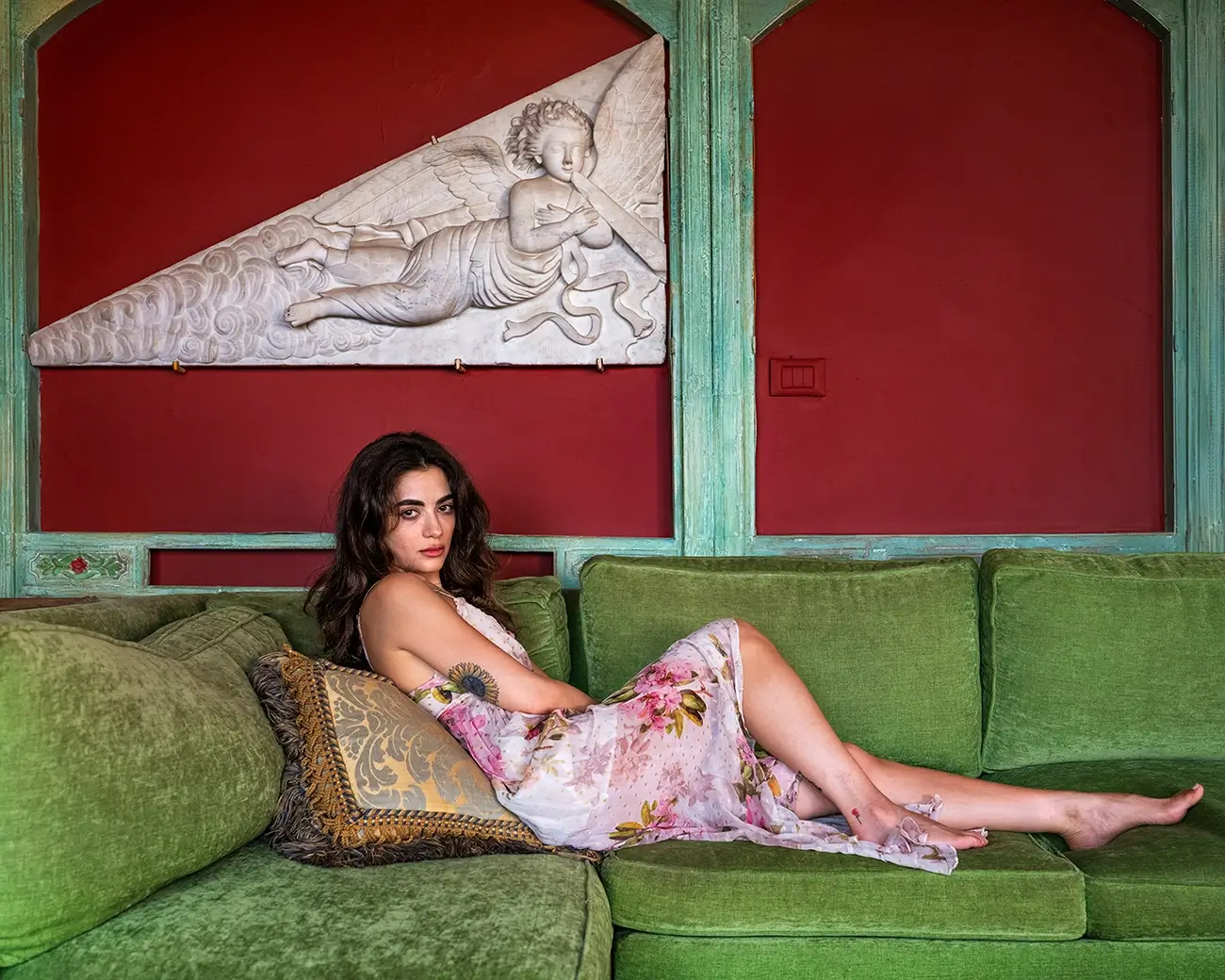
Maya, Tallet El Khayat, Beirut, Lebanon, 2023 © Rania Matar
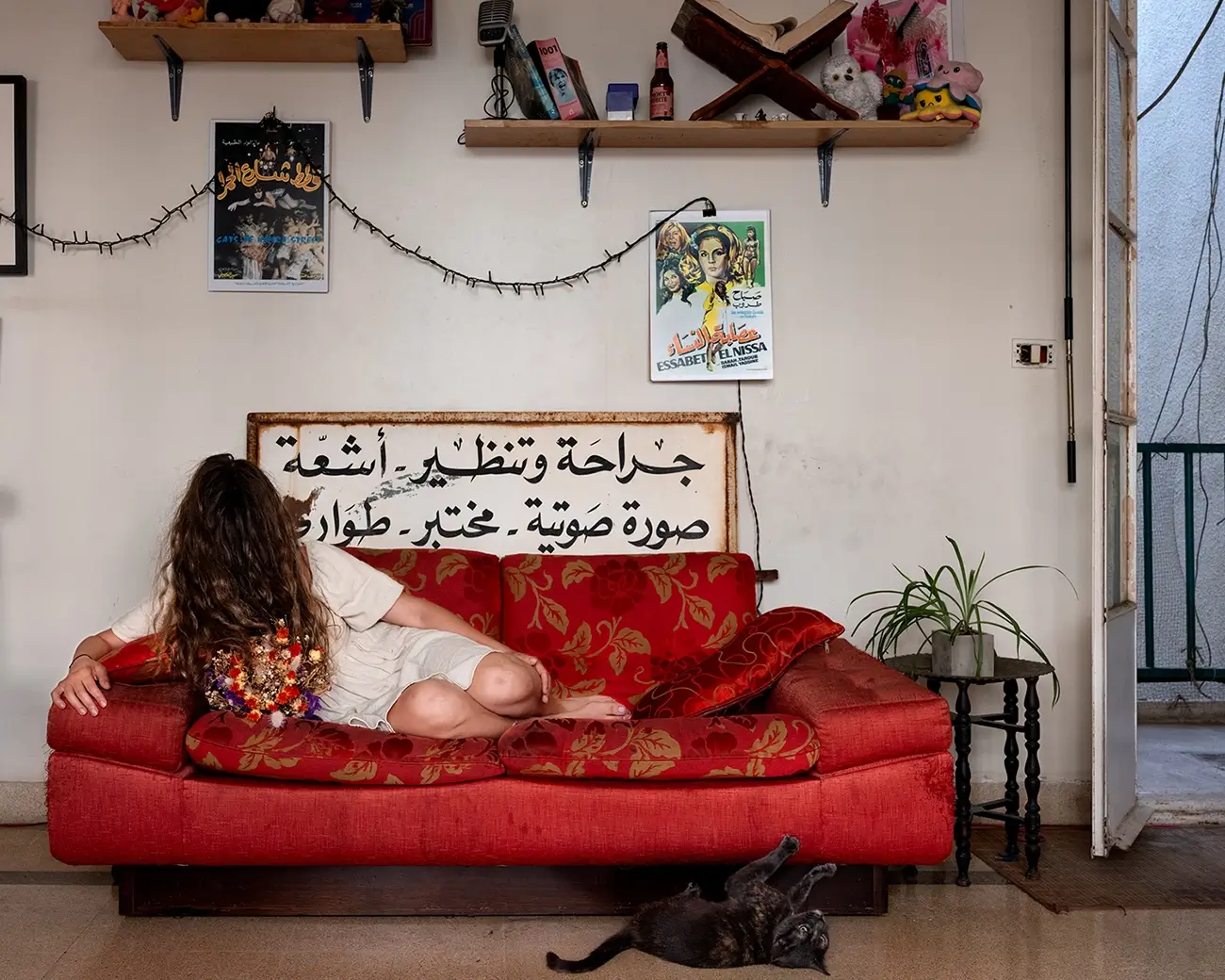
Maya (Odalisque with Cat), Beirut, Lebanon, 2024 (The sign says: Surgery, Endoscopy, X-ray, Ultrasound, Lab, Emergency) © Rania Matar
An accompanying exhibition, Rania Matar: Where Do I Go?, لوين روح؟, opens on March 5 and runs through August 2, 2026, at the Sidney and Lois Eskenazi Museum of Art in Bloomington, Indiana. The publication includes an essay by Reichert and an introduction by Mariah R. Keller, the museum’s former Interim Director. Keller situates the project within Matar’s long engagement with collaborative portraiture, describing the work as “both a plaintive cry and a hopeful quest from Matar and Lebanon’s women for a more tranquil and fruitful future.” Reichert’s essay acknowledges the difficulty of creating art about Lebanon without invoking its tragic history, while emphasizing that Matar’s photographs attend insistently to the present and to the possibility of a more sustainable life.
Additional voices deepen the book’s resonance. Writer and editor Youmna Melhem Chamieh, close in age to the women portrayed, reflects on the challenge of narrating a country conditioned by recurring catastrophe, questioning what remains of language when disbelief becomes routine. Addressing the politics of representation, she writes: “Arab life is, ultimately, disposable. It is never the central story. It is rarely the story at all.” Her essay frames Matar’s work as a refusal of erasure, demanding sustained visibility for individual lives.
Journalist and author Kim Ghattas contributes a personal reflection shaped by a life informed by war—from childhood crossings through dangerous city zones to later reporting on global conflicts, and repeated returns to Beirut as violence persists. “Survival,” she writes. “All your senses are awake. Every sunrise is a gift.” Her essay recounts collaborating with Matar at a site tied to her earliest memories, grounding the photographs in lived experience. Boustany’s contribution places Matar’s portraits in dialogue with vernacular archival photographs from his collection, juxtaposing anonymous family images with contemporary portraits to extend the project’s historical dimension. Together, he argues, they express “absurdity as a way of life,” revealing repetition, decay, and continuity across generations.
Rooted firmly in Lebanon yet resonant far beyond its borders, Where Do I Go? addresses female experience through themes of belonging, migration, and the uncertainty of living amid political and economic instability. At a time when women from the region are too often reduced to symbols of victimhood in Western discourse, Matar’s portraits insist on presence, self-determination, and complexity. Collectively, the images speak with clarity and nuance to the human condition, standing as records not only of place, but of endurance and hope—qualities that remain recognizable, and necessary, everywhere.
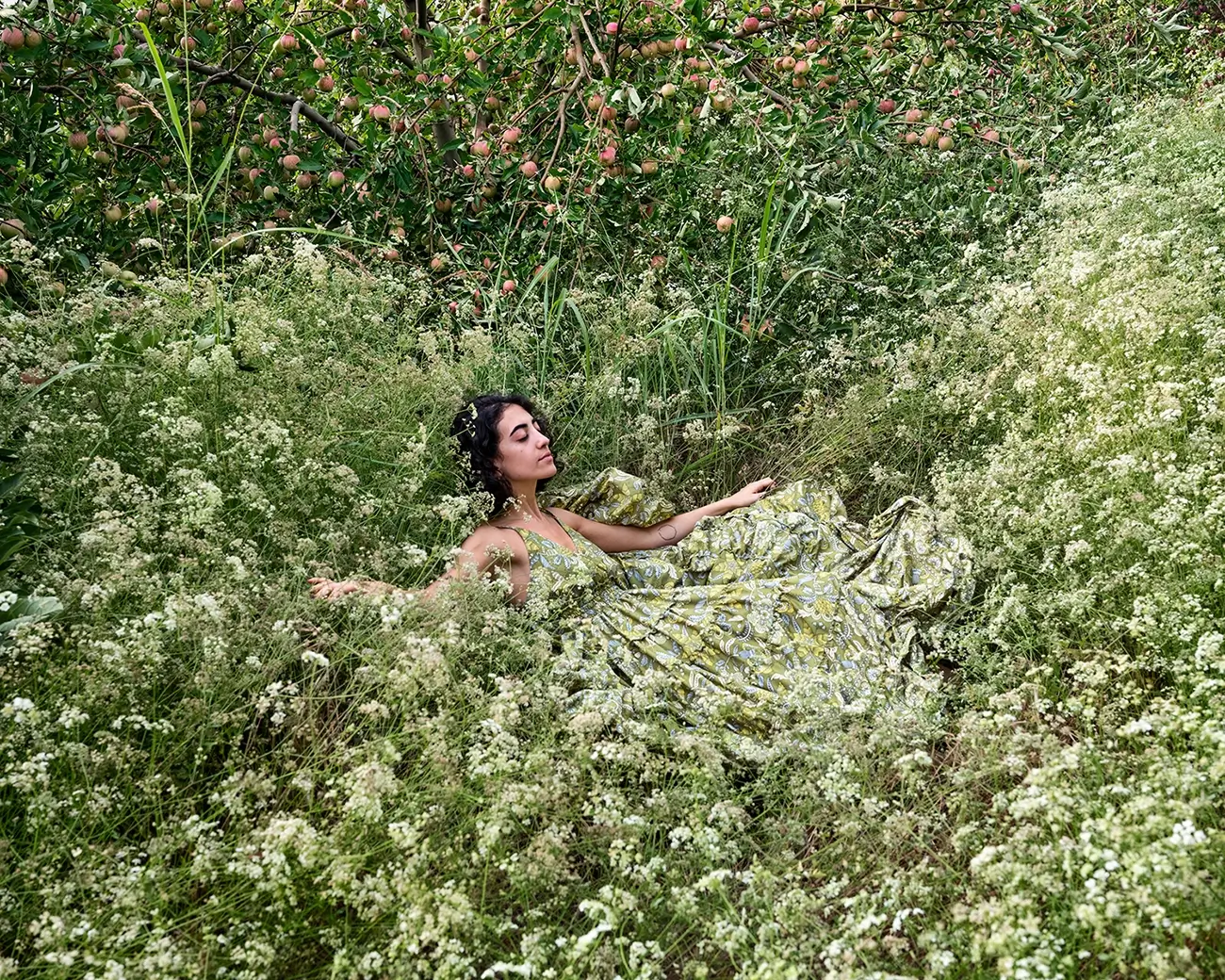
Tara (in the Flowers), Bekaatat Kanaan, Lebanon, 2022 © Rania Matar
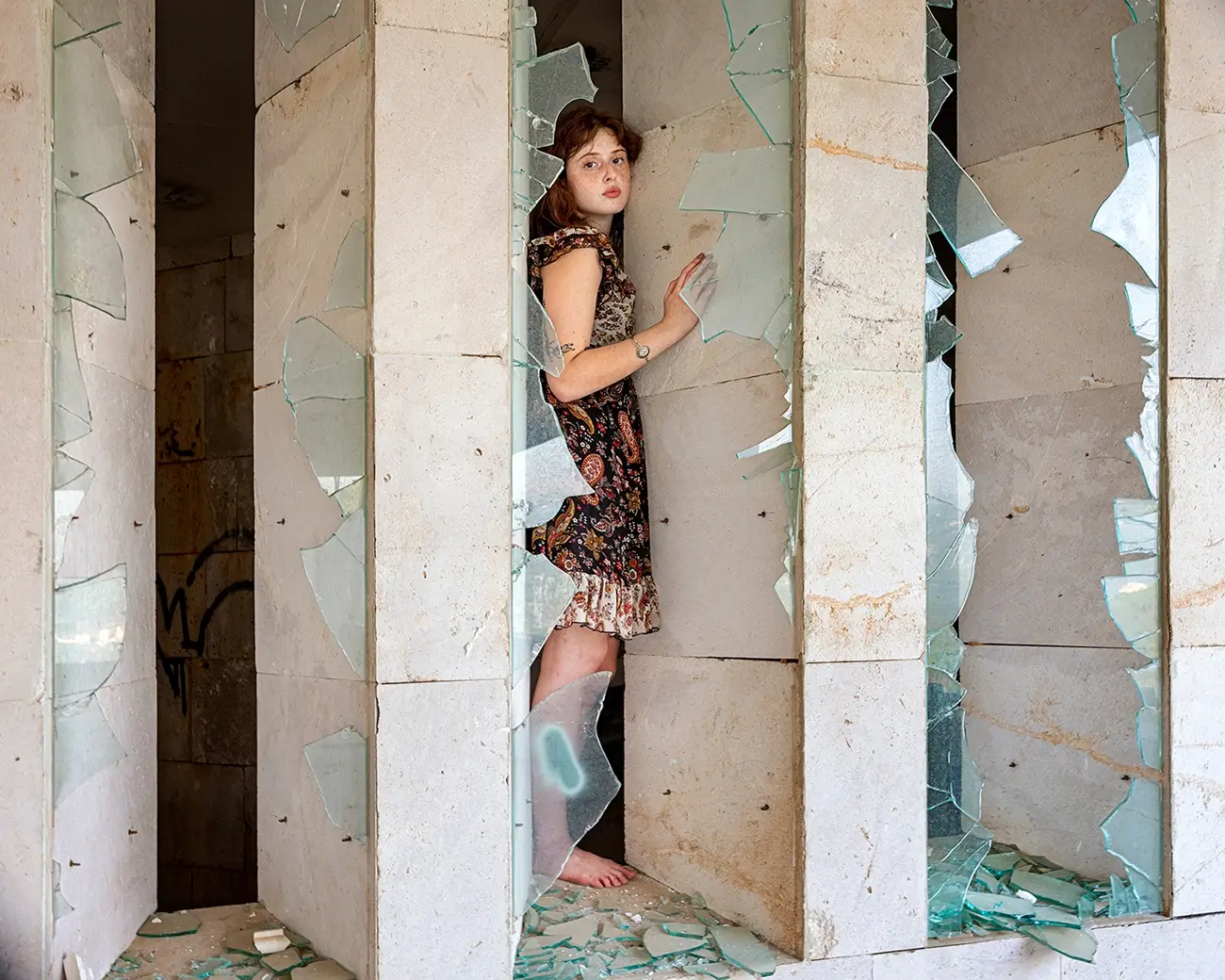
Demi, (Broken Glass—One Year After the Beirut Port Explosions), Brummana, Lebanon, 2021© Rania Matar
Rania Matar is a Lebanese-born American/Palestinian photographer and a 2018 Guggenheim Fellow. Born and raised in Lebanon, she moved to the United States in 1984. Her cross-cultural background and personal experience as a woman and mother deeply inform her photographic practice, which explores personal and collective identity through images of female adolescence and womanhood. Working between the United States and the Middle East, Matar examines individuality within the shared universality of these experiences.
Her work has been widely exhibited internationally in solo and group exhibitions at major institutions including the Museum of Fine Arts, Boston; LACMA; Carnegie Museum of Art; ICA/Boston; National Museum of Women in the Arts; Fotografiska; and the Institut du Monde Arabe, among others, and is held in several permanent museum collections. A mid-career retrospective of her work was presented at the Cleveland Museum of Art, the Amon Carter Museum of American Art, and the American University of Beirut Museum. She curated Louder Than Hearts, a group exhibition of women artists from the Arab world and Iran, at the Middle East Institute in Washington, DC, in 2025.
raniamatar.com
@raniamatar
All About Rania Matar
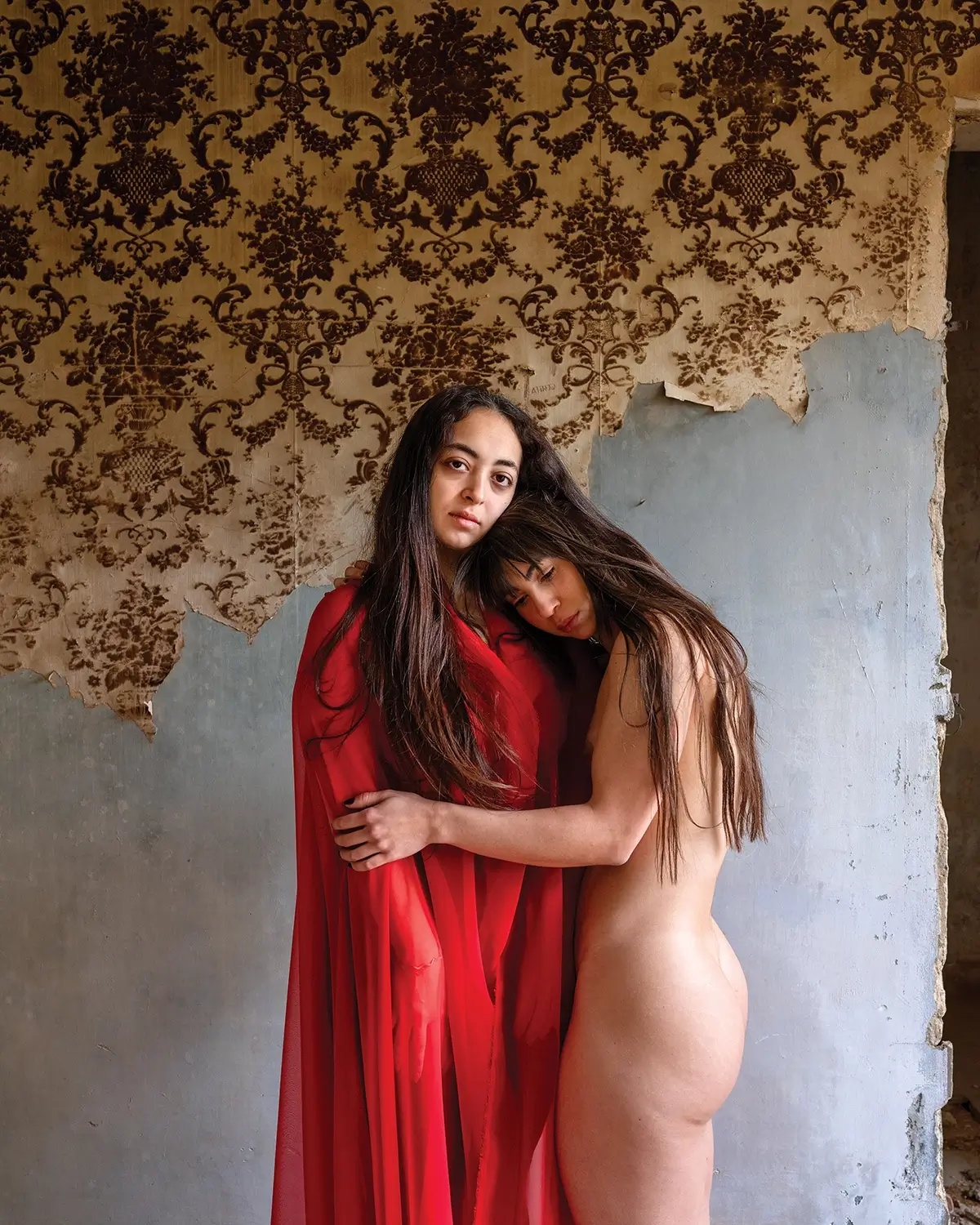
Dahlia and Talia, Louaize, Lebanon, 2023 © Rania Matar
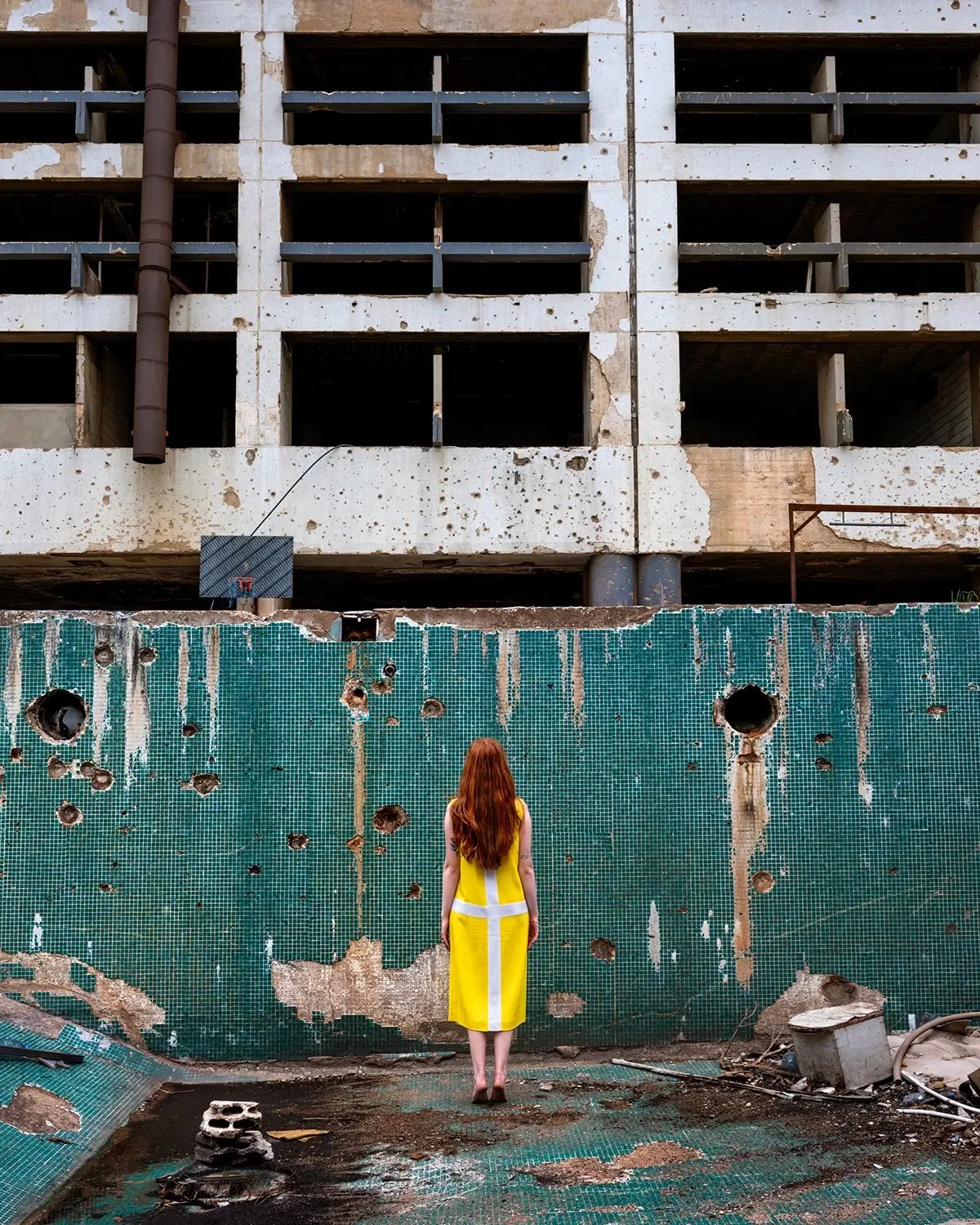
Petra, Holiday Inn Hotel Pool (the hotel was desroyed in 1976 shortly after it was built), Beirut, Lebanon, 2021 © Rania Matar