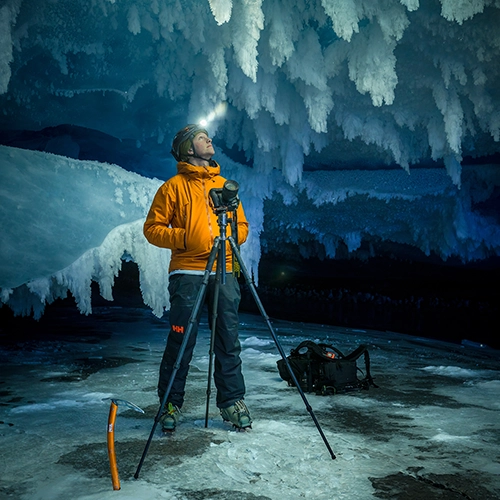
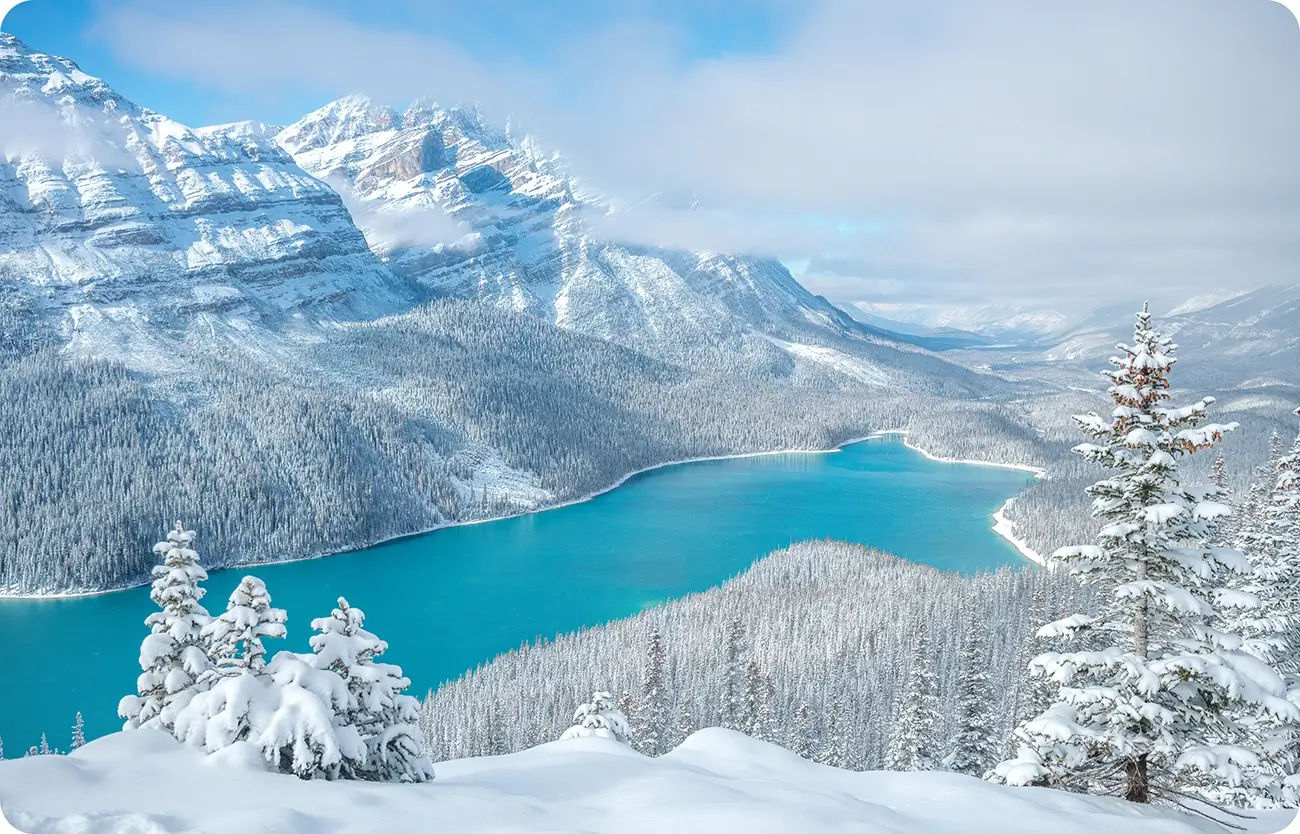
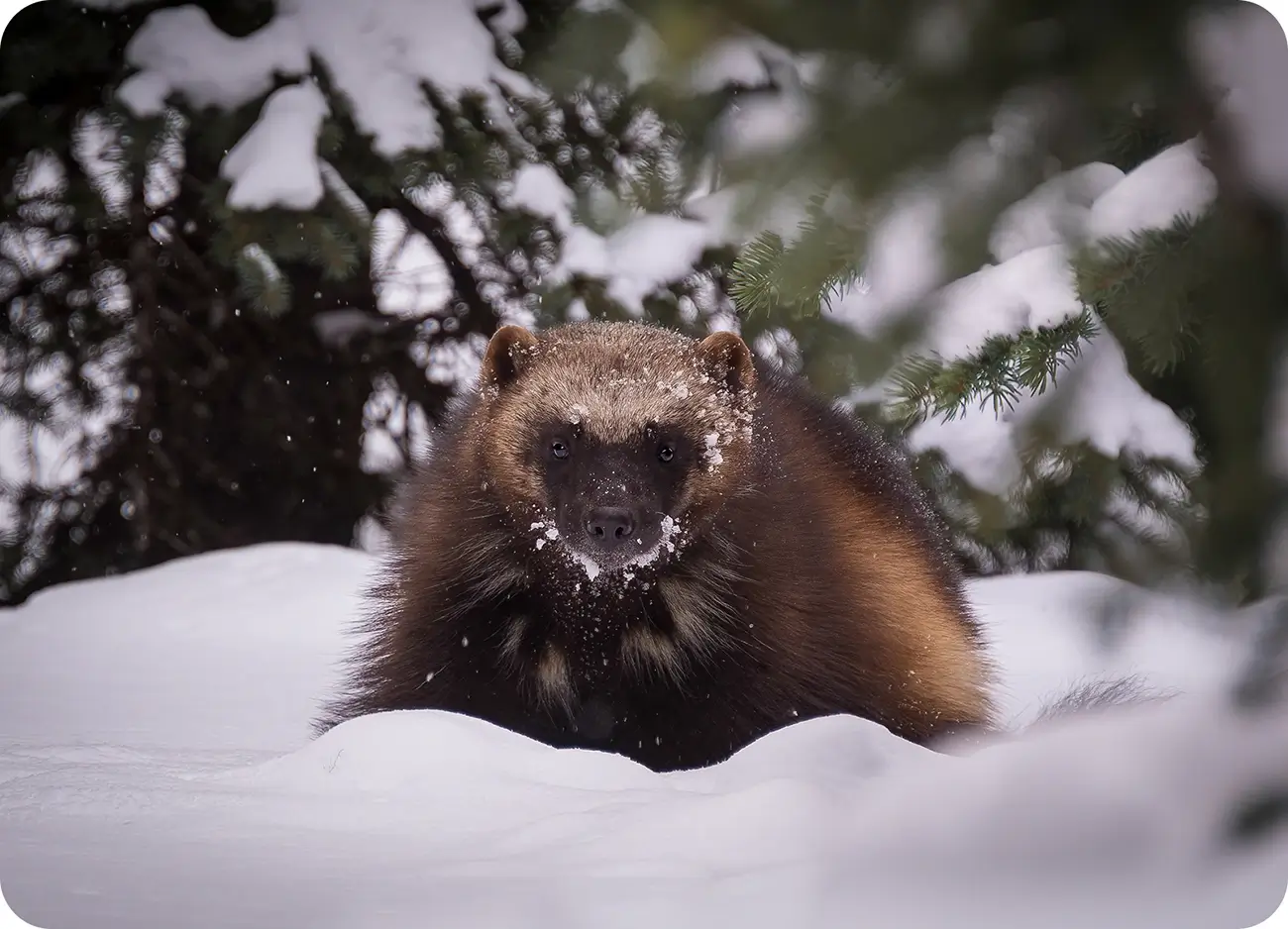
Snow transforms the world into something magical - a vast, pristine canvas of whites and subtle hues that invites photographers to see familiar landscapes in a completely new light.
But that beauty also presents technical and artistic challenges.
As seasoned adventure photographer
Will Lambert told photo curation app
Popsa, snowy scenes feel like a “blank page,” where the interplay of light and shadow shapes the image.
Whether you’re shooting sweeping alpine panoramas, intimate close-ups of falling snowflakes, or high-speed action in a powder field, mastering snow photography demands both preparation and creativity.
Below, we explore key Will’s practical tips to help you capture breathtaking winter images - from exposure and composition to gear care and storytelling.
1. Embrace the Golden Hour Light
One of the greatest assets in snow photography is light itself. Snow is highly reflective, acting like a giant natural reflector that amplifies every tint and glow. Yet midday sun can be harsh, washing out detail and creating contrast that’s too stark.
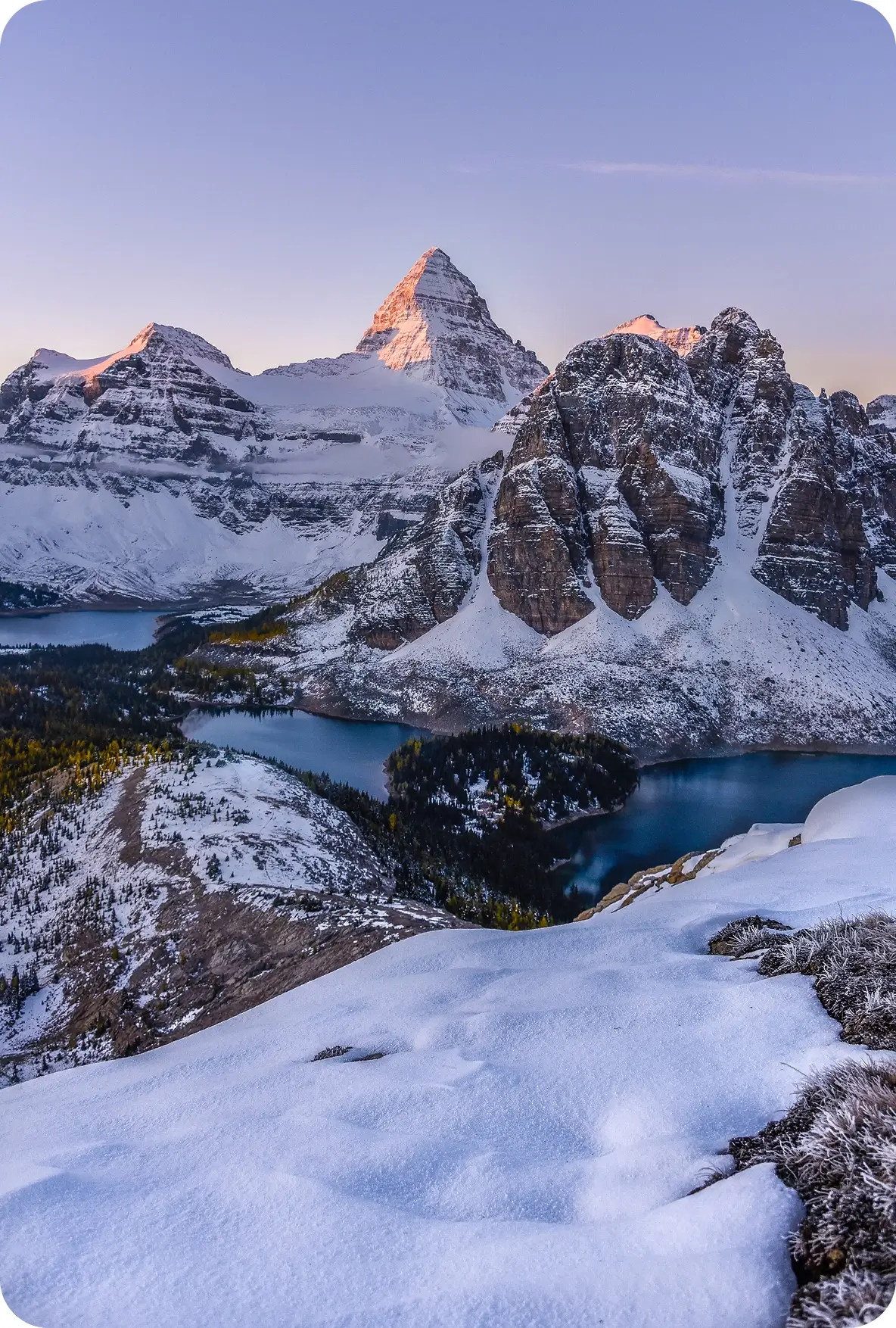
That’s why Will recommends golden hours - the periods shortly after sunrise and before sunset - as ideal daylight conditions. At these times, the light is soft and warm, casting long shadows and infusing snow with tones of pink, gold and lilac.
To enhance these tones, Will says to
“set your camera’s white balance to “Shade” or manually adjusting the Kelvin temperature toward warmer values to balance the scene.”
2. Master Exposure to Bring Out Snow’s White
A classic challenge in snow photography is underexposure. Most cameras are calibrated to render scenes at a neutral mid-tone (“18% gray”), which means a bright snowy scene often comes out dull and grey in photographs.
To counter this, Will overexposes:
“Snow can fool your camera’s light meter, resulting in dull grey images. I almost always overexpose by +1 EV, sometimes +2 in heavy snow or overcast conditions, keeping whites crisp and true to how the eye sees them.”
Checking your histogram is essential to avoid blown highlights. Shooting in
RAW format helps retain details for editing later, giving more freedom to adjust exposure and white balance without degrading image quality.
3. Composition in White: Find Contrast and Depth
A snow-covered scene can often look flat if the composition lacks contrast. Look for strong visual anchors such as trees, rocks, buildings, or people that break up the white expanse and guide the viewer’s eye.
“Scout for a dark element to break up white expanses,” Will says.
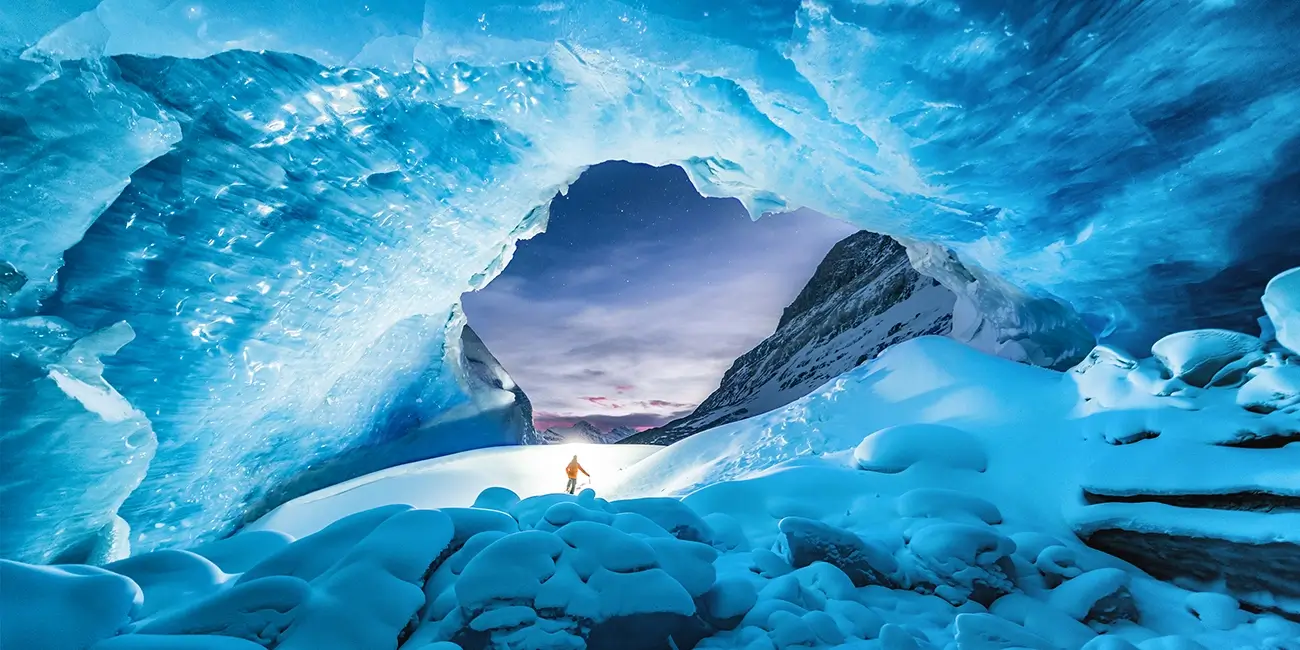
“A lone tree, a hiker, or a shadow stretching across fresh snow can transform a simple scene into a compelling composition.”
Shadows add visual depth and drama, especially during early morning or late afternoon light. Minimalist compositions isolating a single subject against snow can also be striking.
4. Work with the Soft Light Weather
Overcast skies may seem uninspiring, but Will insists that cloudy conditions can be a photographer’s ally. Soft light reduces harsh shadows and glare, allowing fine details in snow to pop.
For portraits or action shots, seek shaded areas that naturally soften light. Snow itself acts as a giant reflector, brightening faces evenly and preserving subtle color and mood.
5. Protect Yourself and Your Gear
Winter photography requires preparation as much as creativity. Cold drains batteries quickly—pack spares and keep them warm. Slow acclimatization prevents condensation on lenses, and a simple plastic cover can help. Keep a microfiber cloth handy to wipe snow or moisture. Gloves that allow dial manipulation and layered clothing help you stay comfortable and focused.
6. Fast Shutters for Fast Speeds
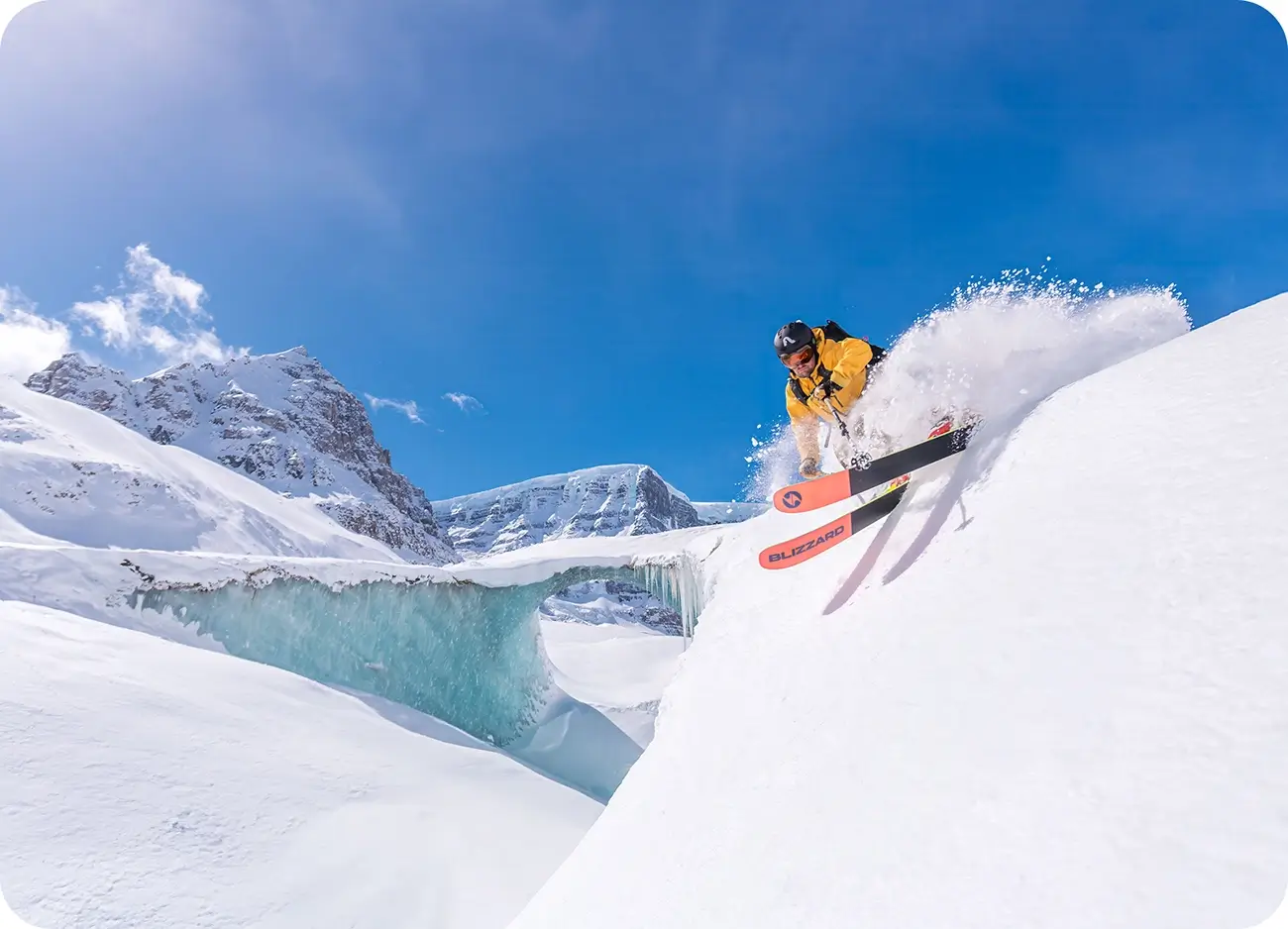
For action photography, placing your subject thoughtfully in the frame—like a skier cutting through powder—adds energy and narrative. Use
fast shutter speeds (1/2000s+) and Burst mode to freeze motion and capture the perfect peak-action frame.
Final Thoughts: Storytelling in the Snow
Great photography is about narrative, not just technical skill. Will often thinks in sequences: gearing up, hiking, reaching a summit, and returning. Small details—footprints, a steaming thermos—connect viewers to the experience. Sequencing images into a series tells a cohesive story in a photo book, portfolio, or online gallery.
Snow photography is challenging but deeply rewarding. With preparation, experimentation, and attention to light, shadow, and composition, winter landscapes offer some of the most compelling photographic opportunities.