“This is not just a story of survival, but of pride, connection, and the struggle to preserve selfhood amidst change. The experiences of the Shankill echo those of marginalized communities everywhere: voices often overlooked; histories misunderstood.” — Julie McCarthy
In 1998, the Good Friday Agreement was signed in Belfast, signaling peace following 30 years of sectarian violence in Northern Ireland known as The Troubles. Photographer
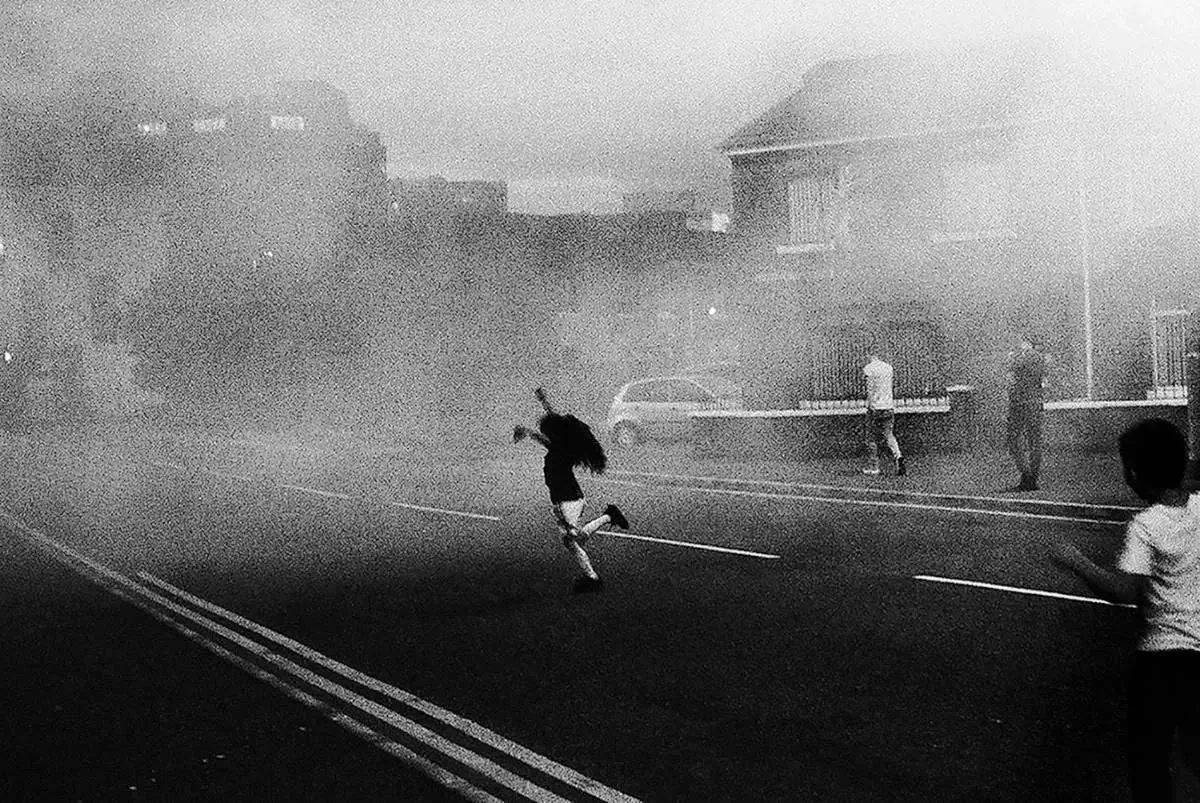
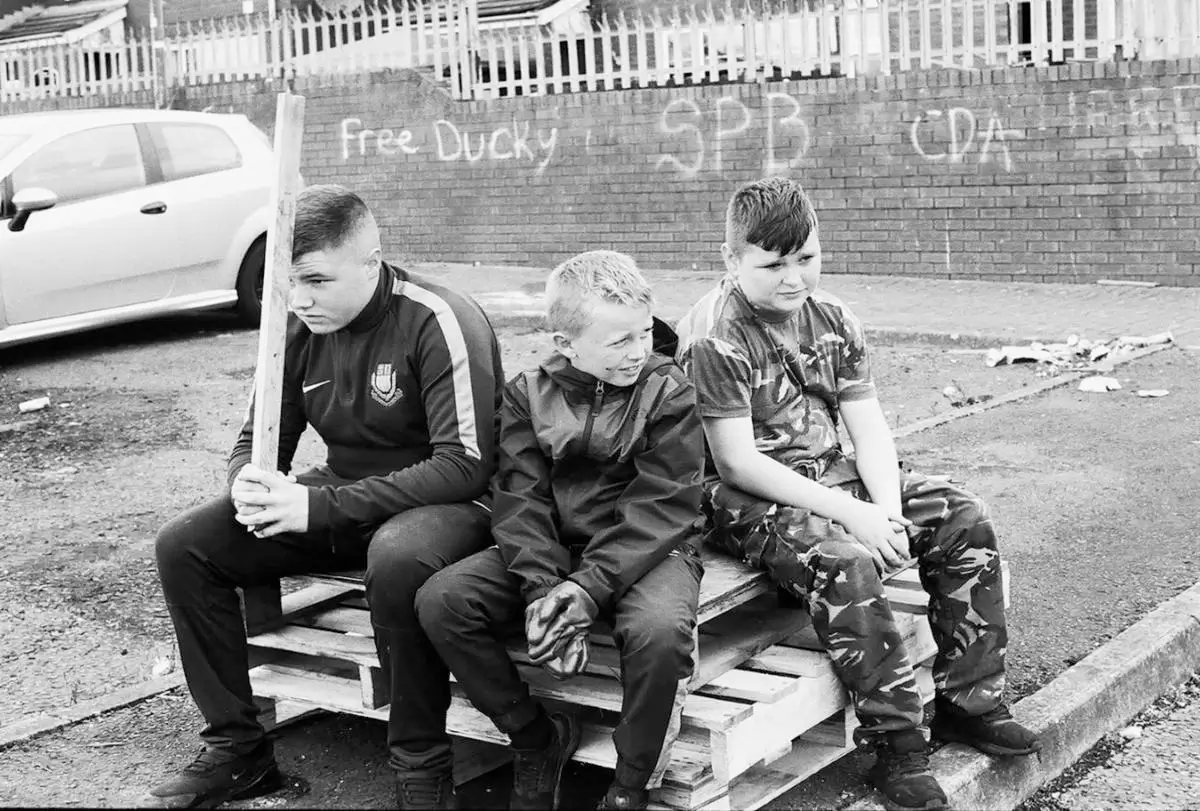
Julie McCarthy photographed annually for five years on Shankill Road, a one-mile Protestant/Loyalist enclave running parallel to the Catholic/Republican area. A wall called the “Peace Wall” divides the two communities.
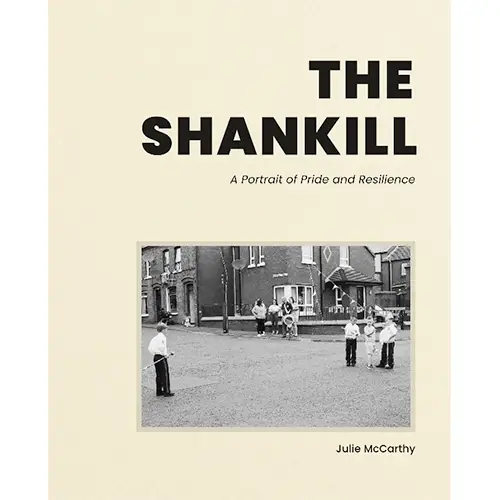
Fifty of her black and white photographs of the Shankill Road are collected in her new book,
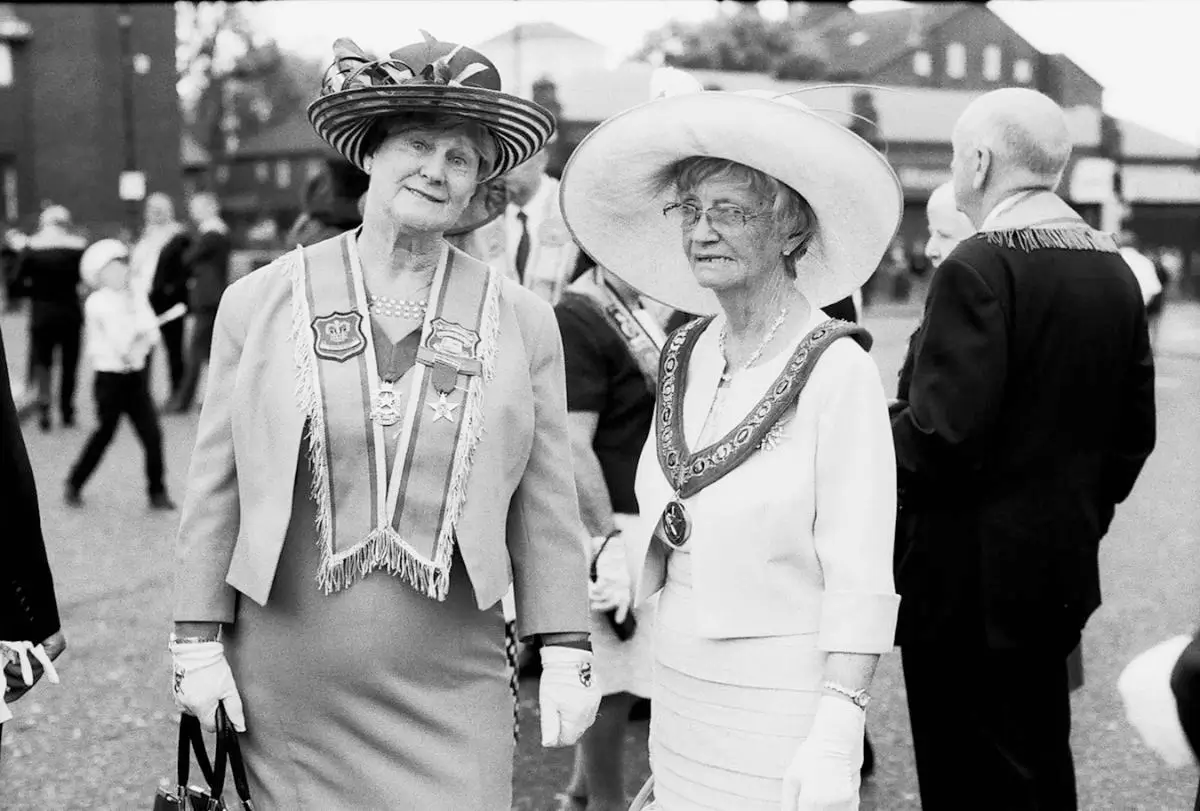
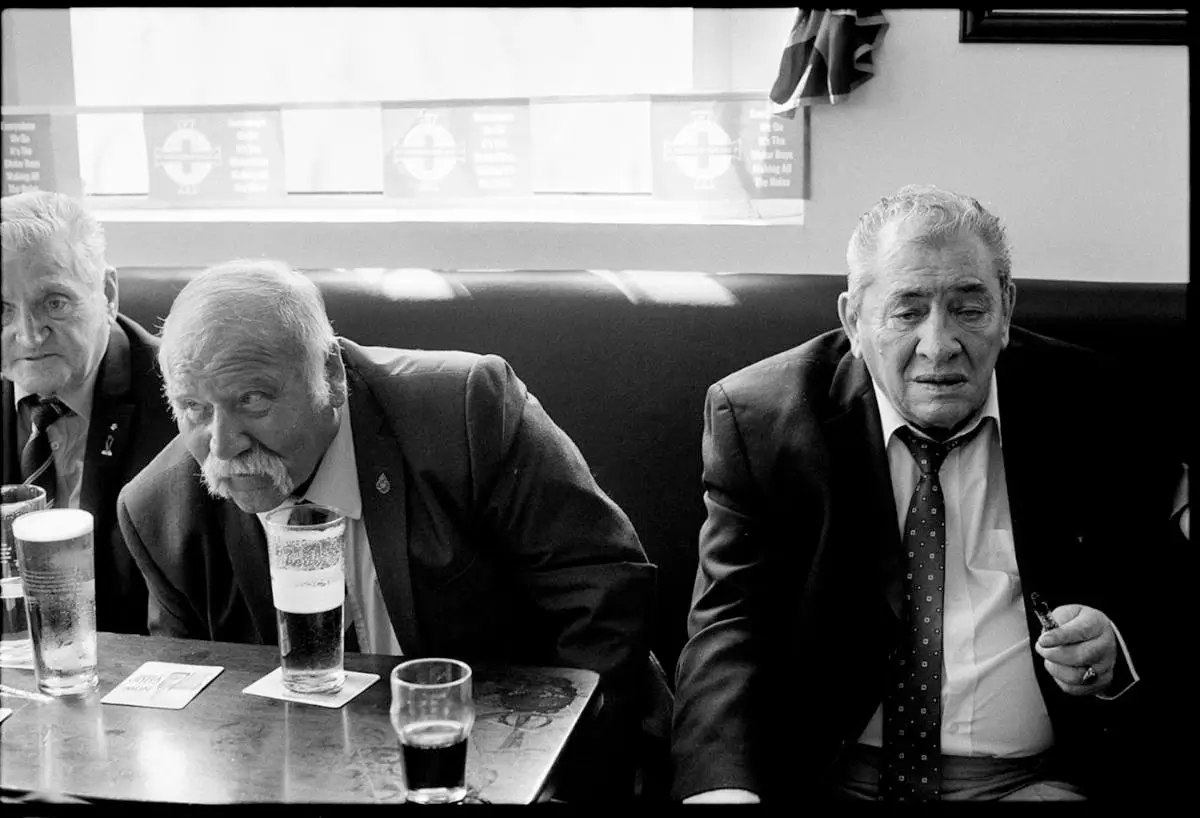
The Shankill: A Portrait of Pride and Resilience (Daylight 2025). McCarthy’s portraits of individuals, as well as images of buildings and landscape, combine to reflect a community working to live in a present shaped by the legacy of its complex past. Her photos demonstrate a remarkable ability to notice, document, and honor the authenticity of generations continuing the activities of daily life. The images also resonate through her commitment to listening and immersing herself within the community, its history, and its stories.
In her preface, McCarthy notes that on the surface, with shops, grocers, and the hum of daily life, the Shankill Road appears familiar, mirroring any small European neighborhood. But a culture’s identity is built on its history, and her photographs highlight the community’s relationship with the physical place of this corner of Belfast and all it represents.
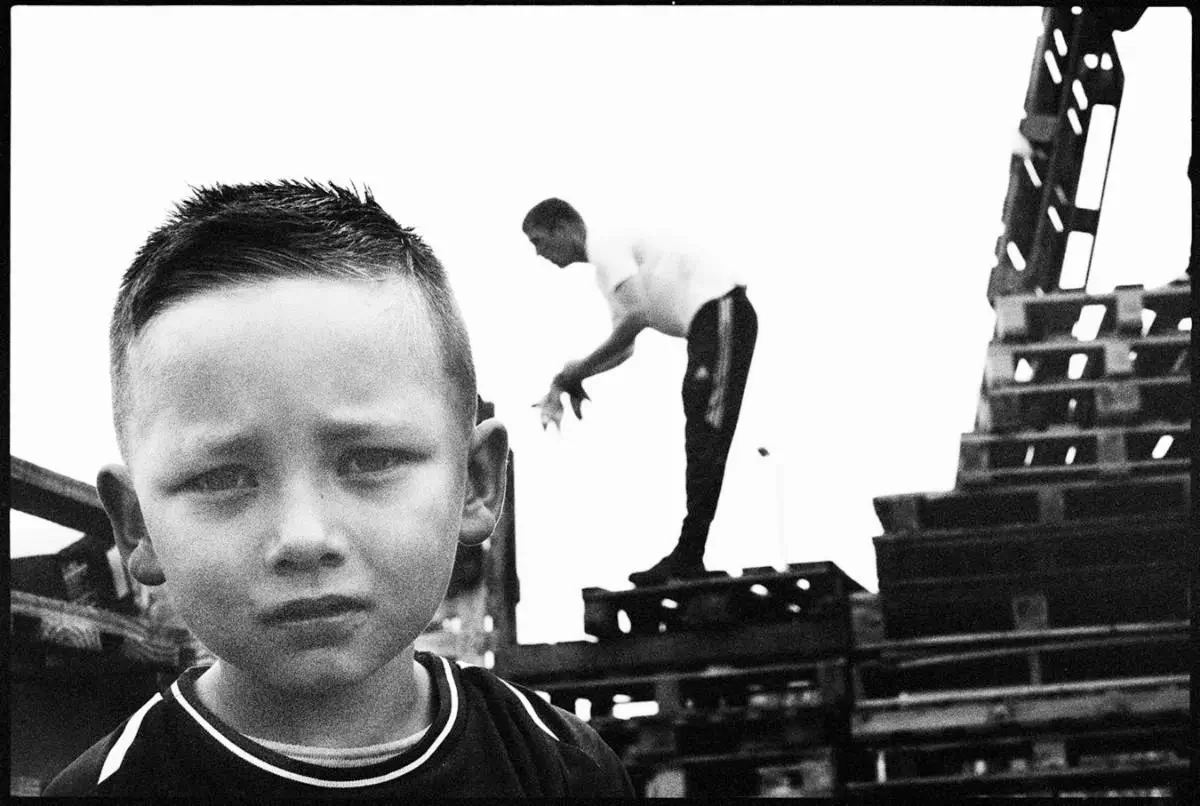
Traditions and rituals such as parades and bonfires commemorating events dating back to the Battle of the Boyne in 1690 continue today. Like the murals on many of its buildings, they serve an important role in honoring and reminding the community that the work of integrating past, present, and future is ongoing. “These rituals, while steeped in history, serve as affirmations of identity and belonging.”
Celebrated Irish author Tony Macaulay, who grew up in the Shankill, contributed the book’s introduction. His essay provides rich historical context and deep insight into the effects of decades of conflict and violence.
He writes, “At the outbreak of the Troubles in 1969, those streets became unsafe and were eventually demolished and replaced with barriers to keep our people apart. In the years that followed, the Shankill community suffered enormously from sectarian violence, paramilitarism, industrial decline, poor redevelopment, and persistent social, educational, and economic neglect. Despite all the hardships of history, the Shankill has endured with a distinctive sense of identity, culture, and community.”
It is this distinctive sense of the people of Shankill Road and their shared history that McCarthy highlights and honors in her images. Macaulay notes that the photographs reveal McCarthy’s unique ability to hold a larger story within each portrait through keen and compassionate observation. He writes, “Every face tells its own story. You can see joy and sorrow, belief and conviction, resilience and struggle, hope and celebration. Here you will see all of this and more on the faces of the people of the Road.”
About the Artist:
Julie McCarthy is a documentary photographer whose work has been exhibited in the U.S. and Europe. She uses photography to explore the human condition, capturing the grace and dignity of her subjects while also hinting at the struggles that connect us all. She believes that everyone has a story worth telling.
About the Contributor:
Tony Macaulay is an author, peacebuilder, and broadcaster. His Irish bestselling memoirs of growing up in the Shankill community during the Troubles — Paperboy, Breadboy, and All Growed Up — have been adapted into hit musicals at the Lyric Theatre in Belfast. His autobiography Little House on the Peace Line recounts his life and work on the Belfast peace line in the 1980s. His debut novel, Belfast Gate, was Book of the Week in the Irish News. His latest novel, Kill the Devil: A Love Story from Rwanda, was co-authored with Rwandan screenwriter Juvens Nsabimana. He was awarded an honorary doctorate by Ulster University for services to literature and peacebuilding at home and abroad.
About Daylight Books
Founded in 2003, Daylight seeks out emerging and mid-career photographic artists and showcases them to a global audience through both print and digital publishing programs. By exploring the documentary mode alongside conceptual photographic work, Daylight raises awareness about important issues while revitalizing the relationship between art, photography, and the world at large. For more information, visit
Daylight Books.