As the editor and a juror at All About Photo, I’ve witnessed an unmistakable trend in recent years: a growing wave of photographers, especially Millennials and Gen Z, are embracing film photography. These aren’t just seasoned photographers revisiting old habits—they are young creators in their twenties, choosing analog cameras over the instant gratification of digital.
In an era dominated by 4K smartphones, mirrorless cameras, and AI-generated imagery, it might seem counterintuitive. Yet at every photo festival, portfolio review, or contest submission, I see the same thing: a new generation proudly shooting on vintage film cameras. Film photography is not just making a comeback—it’s becoming a cultural movement, a deliberate act of slowing down in a world obsessed with speed, perfection, and algorithms.
The Return to the Tangible
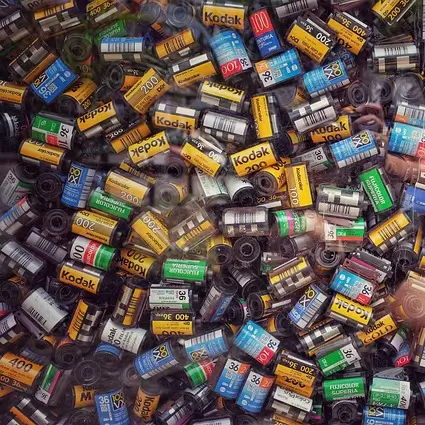
For Millennials and Gen Z, film photography represents more than aesthetic choice—it’s tactile and intentional. Every roll of 36 exposures demands patience, care, and anticipation.
“I love that I can hold my negatives,” says
Emily Tran, 25, a street photographer from Portland. “It feels like a piece of time that actually exists — not just pixels in the cloud.”
Unlike digital, where endless shooting and instant deletion are possible, film forces a deliberate pace. Every frame matters. In a world of instant gratification, this slowed, mindful approach is both meditative and creatively rewarding.
Voices Across the Globe
The revival isn’t confined to one city or one style. Across the globe, young photographers are rediscovering analog creativity.
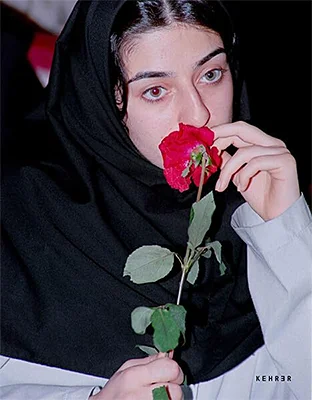
The fear of loss and imperfection that comes with film photography raises the stakes, and as a result every moment photographed becomes sacred. Says
F, Bessma Rhea (b.2002)
quotes
The Allure of Imperfection
Digital photography has made perfection easy. You can shoot endlessly, tweak every pixel in Lightroom, and erase mistakes before anyone notices. Film, on the other hand, embraces
imperfection. Grain, light leaks, color shifts — these are no longer flaws, but elements of personality and authenticity.
This unpredictability has become a hallmark for younger photographers looking to escape algorithm-driven aesthetics. Film creates a visual signature that feels human, organic, and unique — exactly what digital perfection often lacks.
Aesthetic, Authentic, and Algorithm-Proof
Film’s visual appeal goes beyond nostalgia. The subtle tones of
Kodak Portra 400, the dramatic contrast of
Ilford HP5, and the soft pastel hues of
Fujifilm Pro 400H give photographs a timeless quality. Unlike digital filters that can feel manufactured, film provides an authentic aesthetic straight out of the camera.
Search
#filmphotography or
#filmisnotdead on Instagram or TikTok and you’ll see millions of posts from both seasoned shooters and beginners. Film has become a visual language, a badge of authenticity, and even a social media statement against the curated perfectionism of online platforms.
Film vs Digital: A Creative Mindset Shift
While digital photography is fast and convenient, film demands mindfulness. Consider this comparison:
Digital: Instant feedback, nearly free shots, extensive post-processing, cloud storage.
Film: Delayed feedback (you must develop the roll), ~$1–2 per frame, minimal editing (film stock defines the look), physical negatives.
Film photography teaches patience, careful observation of light, and disciplined composition. The constraints force creativity — ironically, limitations make the art more meaningful.
Mini Guide to Film Stocks
Kodak Portra 400: Soft, natural skin tones; perfect for portraits and street photography.
Fujifilm Pro 400H: Pastel and subtle colors; ideal for fashion/editorial work.
Ilford HP5: Classic black-and-white; versatile and forgiving for beginners.
Kodak Ektar 100: Highly saturated colors; great for landscapes and bold visuals.
Expired Film: Adds unpredictable tones and unique textures — popular among experimental shooters.
History of the Resurgence
Film’s decline began in the early 2000s with the rise of digital SLRs and the convenience of smartphones. By 2010, many labs and camera stores had closed. Yet, in parallel, a counterculture of indie, hipster, and analog enthusiasts began preserving vintage cameras, experimenting with film, and sharing results online.
Platforms like Instagram, YouTube, and TikTok amplified the resurgence. Creators posting cinematic, grainy images inspired others, creating a digital echo chamber where analog photography became cool again.
Community and Culture: The Online Analog Revival
Online communities play a critical role. Subreddits like
r/analog, YouTube creators such as
Grainydays and
Negative Feedback, and TikTok tutorials provide guidance and inspiration. They offer film tips, camera reviews, development tutorials, and encouragement for beginners.
Camera resellers such as KEH, Japan Camera Hunter, and UsedPhotoPro have seen unprecedented demand. Even luxury brands like
Gucci,
Saint Laurent, and
Dior have returned to film for editorial campaigns, drawn by its nostalgic beauty and organic tones.
Sustainability and Slow Creation
Analog photography aligns with the “slow living” movement. Instead of constantly upgrading digital gear, many photographers reuse vintage cameras from the 1970s and ’80s. Each camera has history, character, and a story to tell.
While film production isn’t entirely eco-friendly, the mindset encourages deliberate shooting, fewer wasted frames, and creative resourcefulness — reducing the disposable culture associated with fast-paced digital photography.
Getting Started with Film Photography
Choose Your Camera: Classics like
Canon AE-1,
Nikon FM2, or
Pentax K1000 are reliable and affordable.
Pick a Film Stock: Kodak Gold 200 and Ilford HP5 are beginner-friendly.
Developing: Find a local lab or learn home development for black-and-white film.
Scanning & Sharing: Hybrid workflows let you digitize film for social media without losing the analog aesthetic.
Additional Tips:
Experiment with expired film for creative effects.
Use light meters or smartphone apps to understand exposure.
Keep a notebook for shot planning — film encourages intentionality.
“When I shoot film, I’m not thinking about likes,” says Emily. “I’m thinking about light.”
Cultural Impact and Editorial Uses
Film photography has made a mark in fashion, music videos, and indie films. Its organic colors, grain, and unpredictability create a cinematic, emotional quality. Editorial campaigns and social media creators alike leverage analog aesthetics to stand out in a digital-first world.
Why Film Photography Matters in 2025
Film photography isn’t a mere trend; it’s a return to intentionality, imperfection, and artistry. In a world dominated by AI filters, digital perfection, and fast consumption, analog offers a creative sanctuary. Every frame is a deliberate act, a moment captured with patience, care, and emotion.
It reminds us that not every photograph needs to be flawless — it just needs to be
felt.
The film photography comeback proves that creativity isn’t just about technology. Millennials and Gen Z are rediscovering what photography has always been: a human act of seeing, feeling, and remembering.
“You don’t take a photograph — you make it.”