The Saltzman-Leibovitz Photography Prize was founded in 2025 by photographer and philanthropist Lisa Saltzman, through the
Saltzman Family Foundation, in collaboration with internationally renowned photographer
Annie Leibovitz. It honours the legacy of Ralph and Muriel Saltzman, both deeply committed collectors and longstanding patrons of the arts.
The 2026 Prize celebrates the next generation of female visual storytellers, inspired by Annie Leibovitz’s book
Women, and is designed to spotlight emerging talent at a pivotal moment in their creative journeys. For this edition, five international nominators from across the photography field have each proposed an exceptional artist, whose work is evaluated by an esteemed jury. A selection of works by the nominated artists will be exhibited at Photo London, Olympia, from 13–17 May 2026.
The 2026 winner is
Marisol Mendez, for
MADRE, and she will receive $15,000 USD. Second place is awarded to
Miranda Barnes, for
Social Season, who will receive $5,000 USD.
Marisol Mendez is a photographer and researcher from Cochabamba, Bolivia, whose practice explores the tension between truth and fiction, and the relationship between what a photograph constructs and the (sur)reality it draws from. Through research-driven and self-initiated projects, she challenges traditional modes of representation and builds layered, multifaceted narratives. Rooted in the landscapes and folklore of her culture, her work moves between candid and staged, naturalistic and mythical. Her practice ultimately invites viewers to question the stories images tell and the systems of belief they sustain.
By weaving together Andean folklore and Catholic iconography, her work highlights the complexities of contemporary Bolivian identity and reflects the country’s rich and diverse culture.
MADRE also incorporates archival photographs from her family album depicting female relatives, using the archive as a bridge to reconnect with her matriarchal lineage.
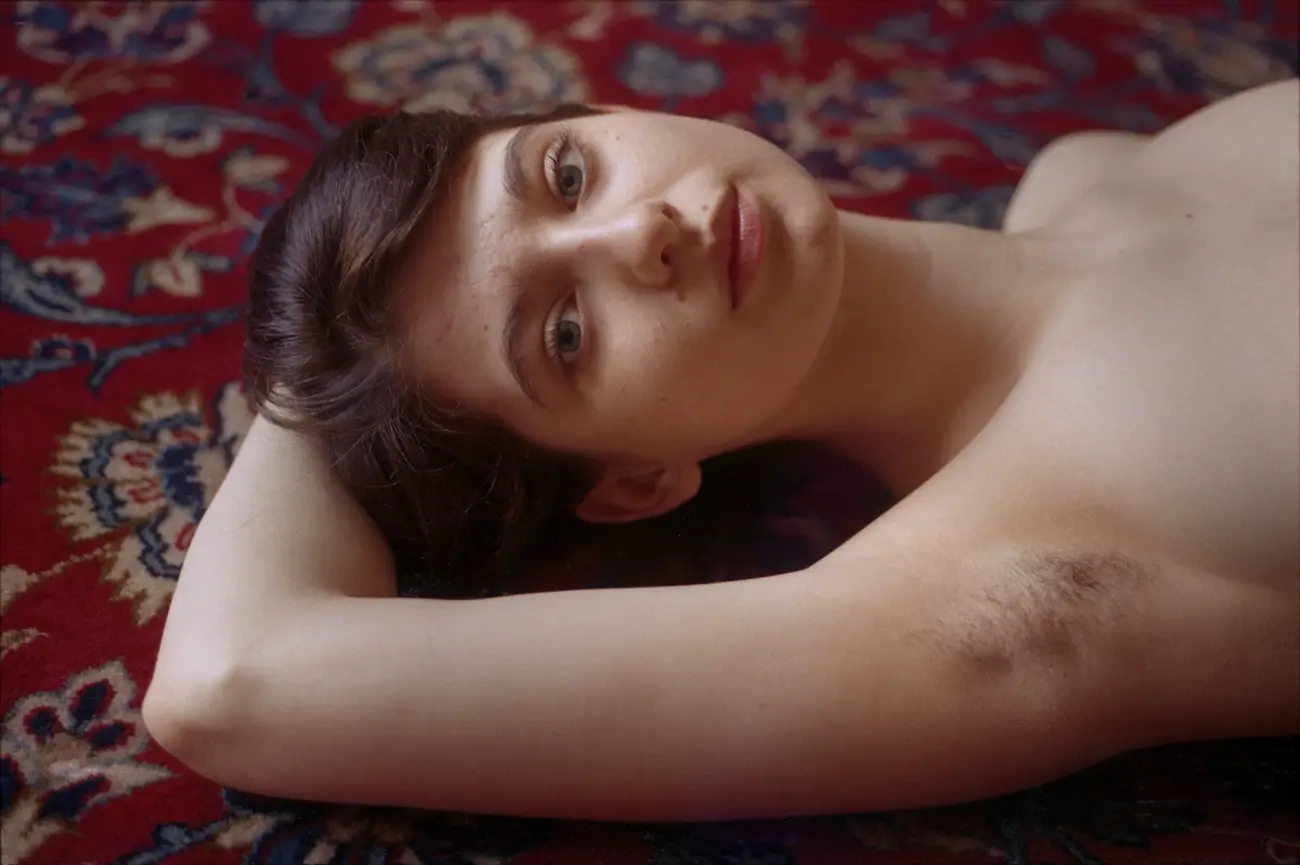
Portrait of Tam, a dancer and friend, who approached me to collaborate on images
exploring the “less desirable” aspects of the body as a means of reclaiming agency.
While working on MADRE, many of my ideas around gender and its expression began to shift.
Tam showed me that gender is not stable but elastic, something we all perform in different ways.
Some adhere to a strict choreography, while others choose to improvise, moving between forms.
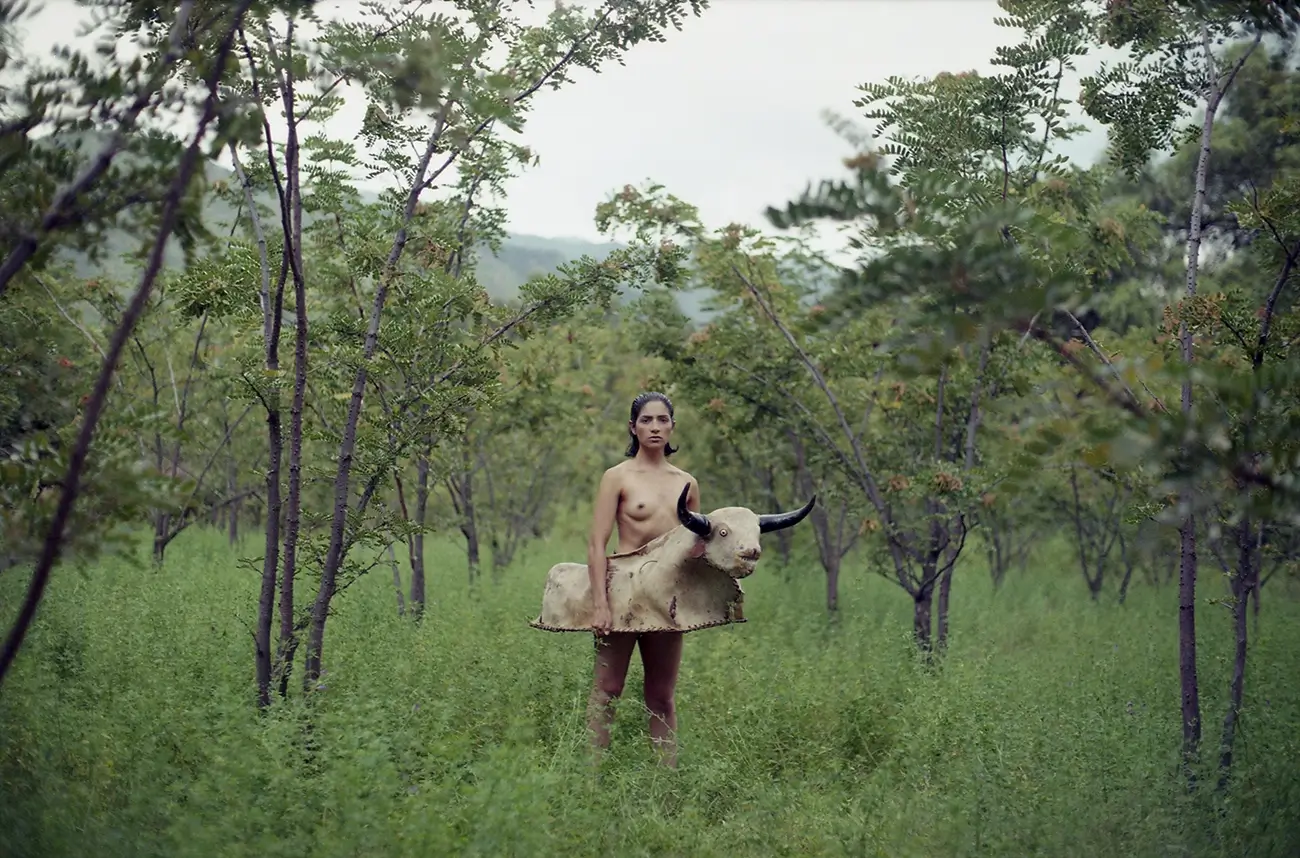
MADRE confronts the machismo that runs deep in Bolivian society and the Catholic dogmas
that continue to define femininity. The work borrows from Andean mythology and ritual to expose
how gender, faith, and colonial history intertwine. One of its references is the Waka Thuqhuri
dance, a tradition that mocks Spanish bullfighting and turns it into a parody of conquest. Through
costume and gesture, the dance reclaims power by transforming the spectacle of domination into
laughter and subversion.
In this photograph, a woman wears the bull’s costume. The animal, an emblem of virility and
violence, becomes her mask, her armour. By embodying it, she inverts its meaning, shifting the
narrative from submission to defiance. The image, like dance, becomes an act of rebellion.
Marisol Mendez says:
“When I told my mom about the nomination, she recognized Annie Leibovitz’s name as someone who had left a mark on me. I remember being captivated by her images, which led me to embrace fiction and storytelling in my own work, especially when approaching complex subjects. After all, it is often easier to understand love or time through a poem or a song than through a chemistry lesson or the manual of a clock. I am deeply moved by this recognition. The Saltzman-Leibovitz Photography Prize allows me to continue telling my stories, and more importantly, encourages me to do so on my own terms.”
Nominators for the 2026 edition were Emma Bowkett (Director of Photography, FT Weekend Magazine), Zanele Muholi (Visual Activist), Jennifer Pastore (Global Creative Director, Vanity Fair), Ivan Shaw (Visuals Editor, The World of Interiors and Director, Archive Strategy and Engagement), and Leslie Simitch (Executive Vice President, Trunk Archive).
The jury included Deborah Aaronson (Vice President and Group Publisher, Phaidon), Phyllis Posnick (Contributing Editor, Vogue), David Campany (Curator and Creative Director, International Center of Photography, New York), and Azu Nwagbogu (Curator; National Geographic Explorer at Large; Founder and Director of the African Artists’ Foundation; Founder of LagosPhoto Festival; Creator of Art Base Africa).
Lisa Saltzman, Founder and Director of the Saltzman Family Foundation, said: “I established the Saltzman Leibovitz Prize in honour of my parents, Ralph and Muriel Saltzman—passionate art collectors, patrons and philanthropists—who taught me to pay attention: to art, to people, and to the world around us. Annie Leibovitz has spent a lifetime doing exactly that, finding the profound in the intimate and the monumental in the everyday. This prize is my way of carrying those legacies forward by supporting emerging artists as they discover their own ways of seeing. Being a photographer myself, I truly understand the importance of these opportunities.”
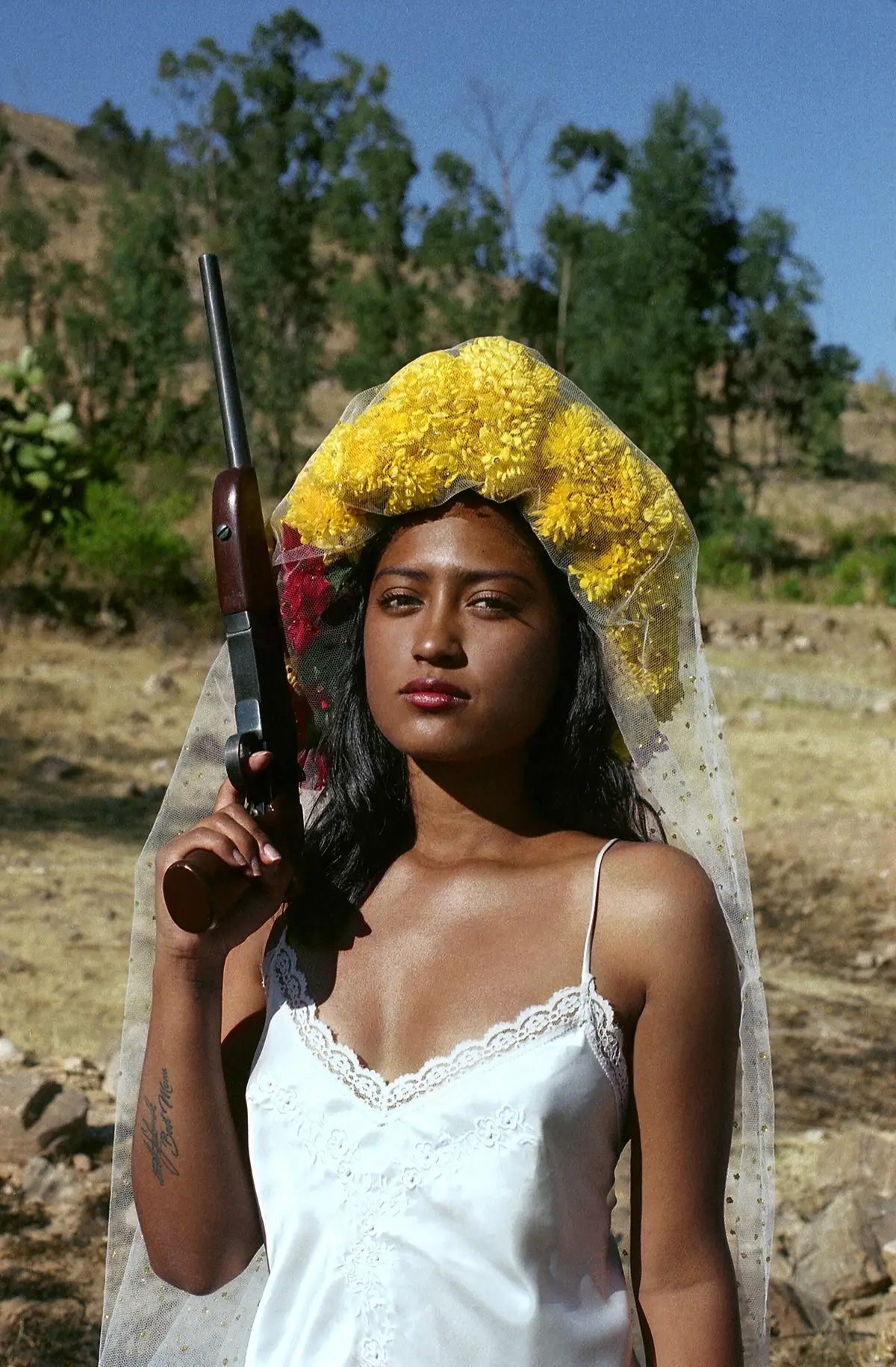
Killa, the Quechua word for moon, evokes Mama Quilla, the Inca moon goddess traditionally
seen as a protector of women. Invoking this lineage allows the work to place contemporary
struggles within a longer cosmology of care and guardianship.
In recent years Bolivia has registered alarming levels of gender violence, and 2019 marked a
period of intensified public outcry around feminicides and impunity. Against this backdrop,
MADRE does more than document: it insists on a visual language that resists erasure. Vanessa
Galindo’s portraiture in the series channels that growing female revolt, a ripening, stubborn refusal
to be silenced, by reworking religious and vernacular iconography into images of dignity and
defiance.
Miranda Rae Barnes is a photo-based artist born in Brooklyn, NY. She received her Bachelor of Arts in Humanities and Justice from John Jay College in 2018. Her practice draws from vernacular photography and a fine art tradition of documenting everyday scenes of family and friends, often in moments of communion and celebration. She has photographed across the United States and internationally, both on commission and through personal artistic explorations. She lives and works between Brooklyn, New York, and Austin, Texas.
Her project offers a glimpse into the unique tradition of African American cotillion culture, focusing on Black debutante balls. Through color photography, she highlights generational Black excellence and forms of cultural expression. While visually refined and elegant, the images also serve as a reminder that within living memory, being a well-dressed, articulate Black person could be perceived as inappropriate—or even dangerous.
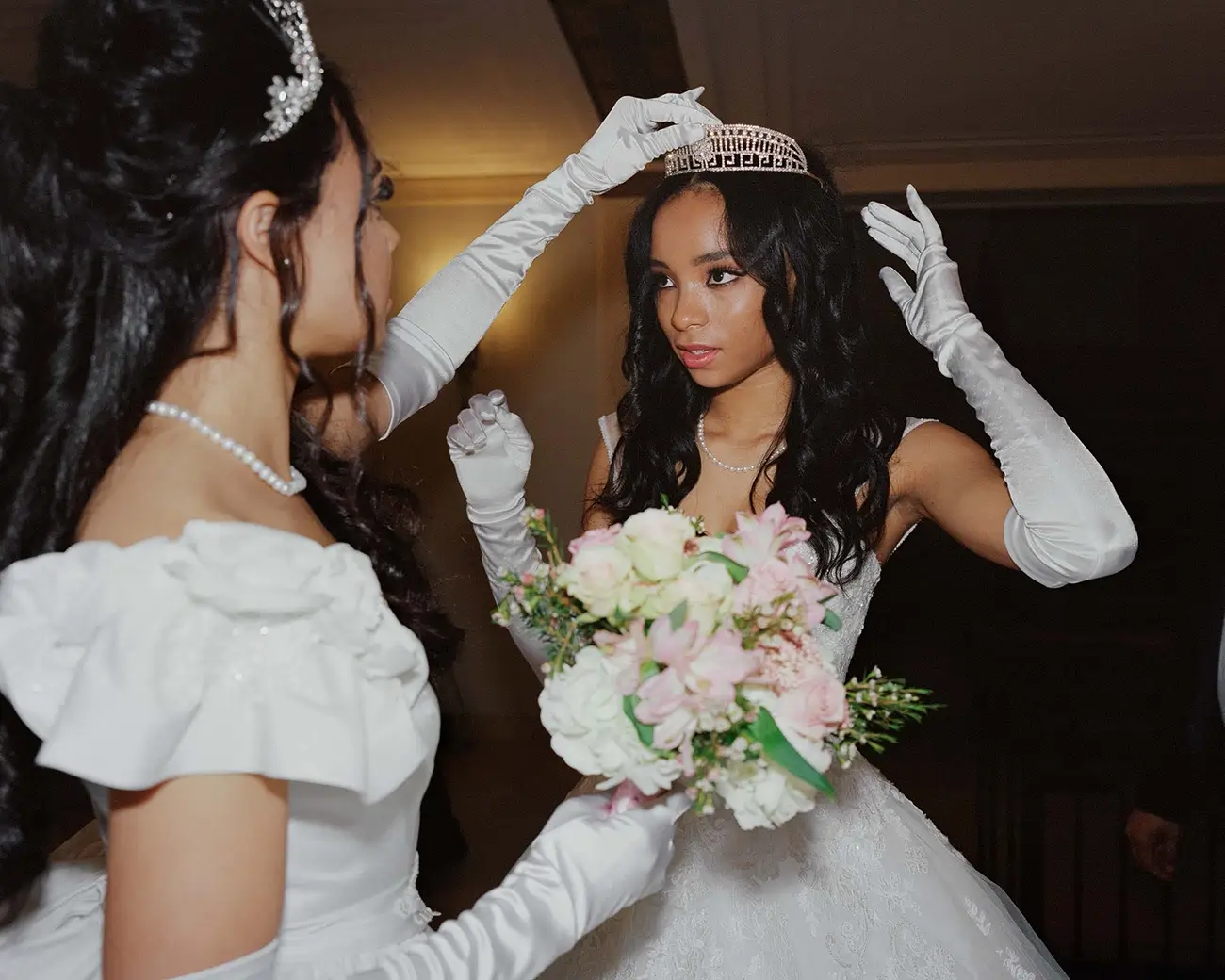
Social Season © Miranda Rae Barnes
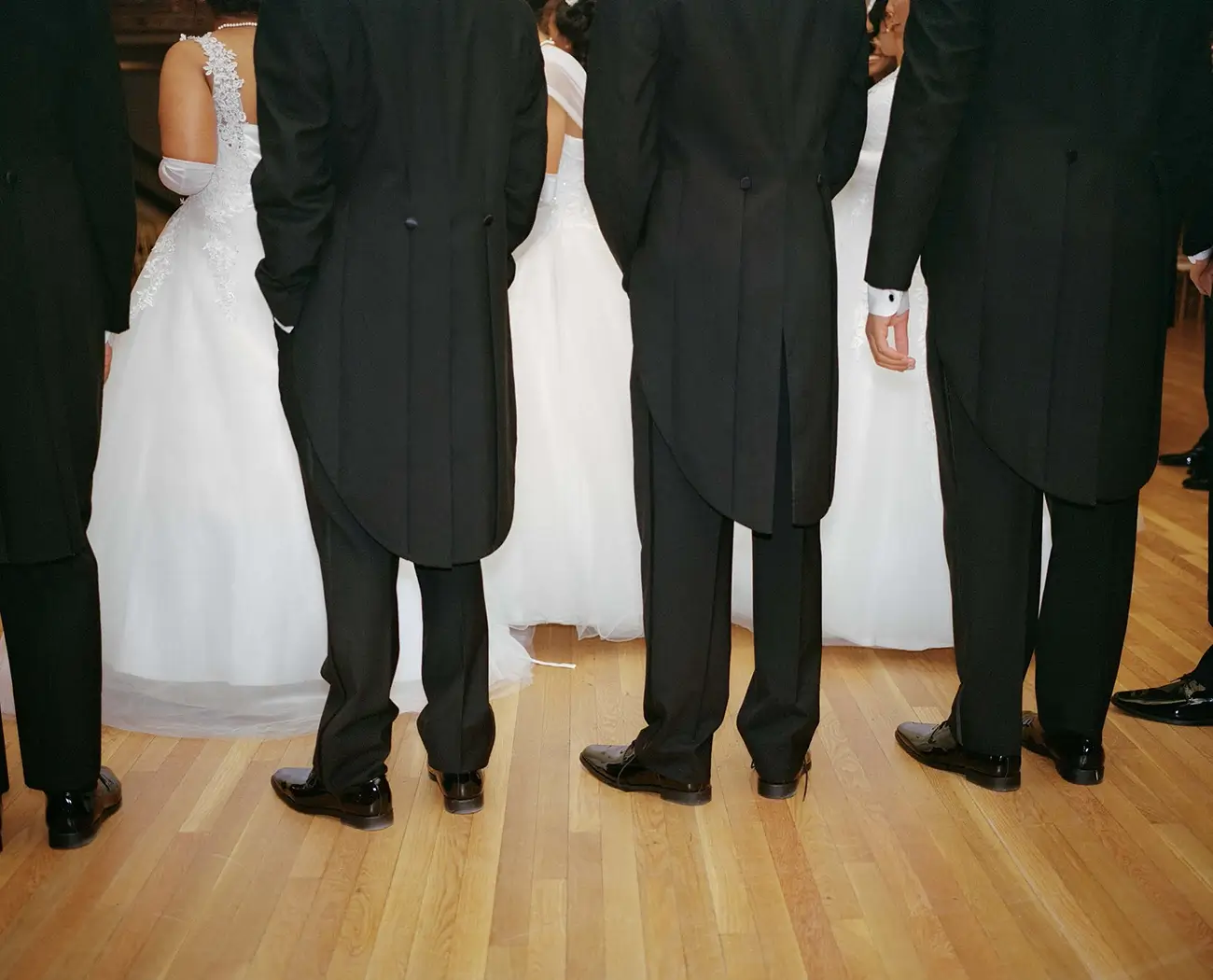
Social Season © Miranda Rae Barnes