“In Still Life, we witness how sorrow can give birth to beauty and how loss can lead to a deeper connection with life.” —James Baraz
When photographer
Jane Fulton Alt lost her husband unexpectedly, the garden he had begun planting out of concern for climate change became more than a landscape. It became a place of memory, responsibility, and eventually, artistic transformation.
Her book
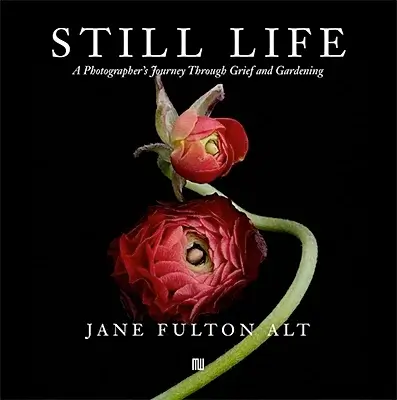
Still Life: A Photographer’s Journey Through Grief and Gardening gathers forty-five photographs documenting the native garden that her late husband, Howard, carefully planted near their home. After his death, Alt—who openly admits she had never been a gardener—found herself caring for a living ecosystem still in its early stages. What began as daily stewardship gradually evolved into a deeply personal photographic practice, one that connected mourning with the quiet rhythms of nature.
The result is not simply a photography project, but a layered exploration of grief, ecology, and artistic tradition.
A Garden Becomes a Visual Language
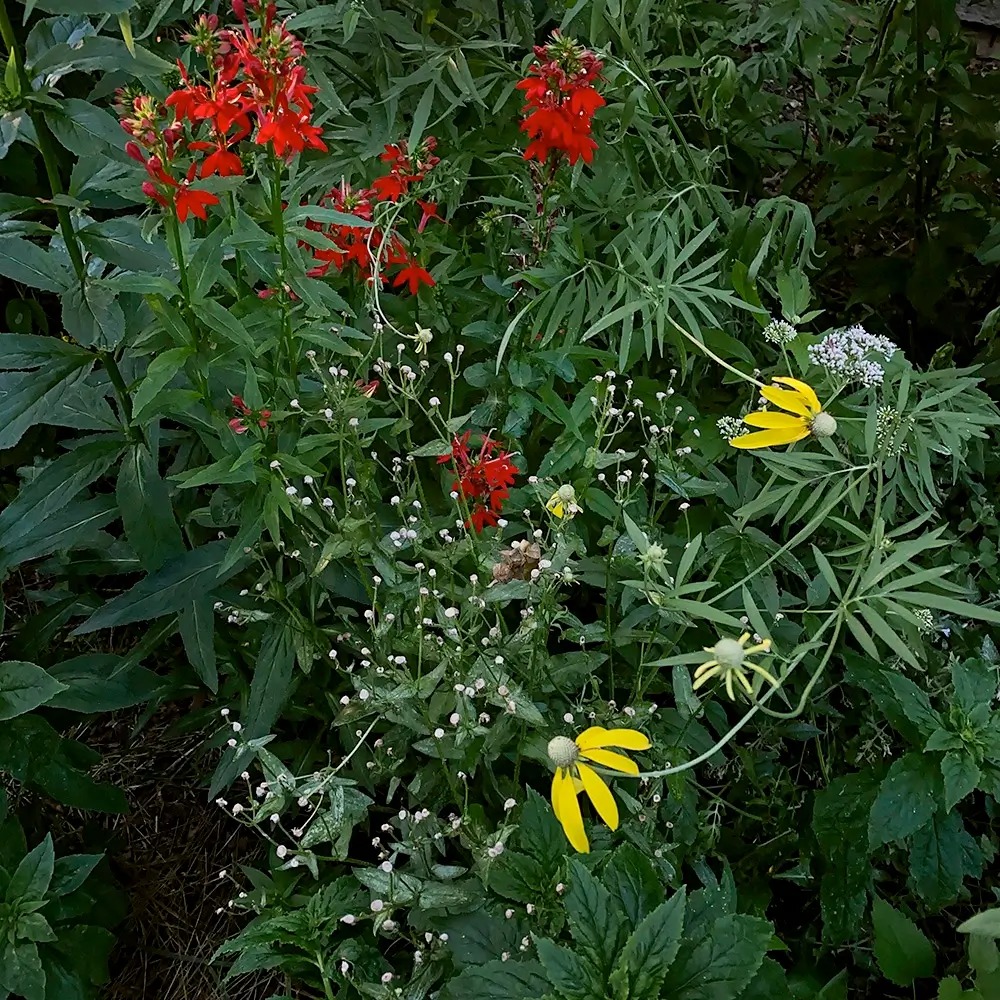
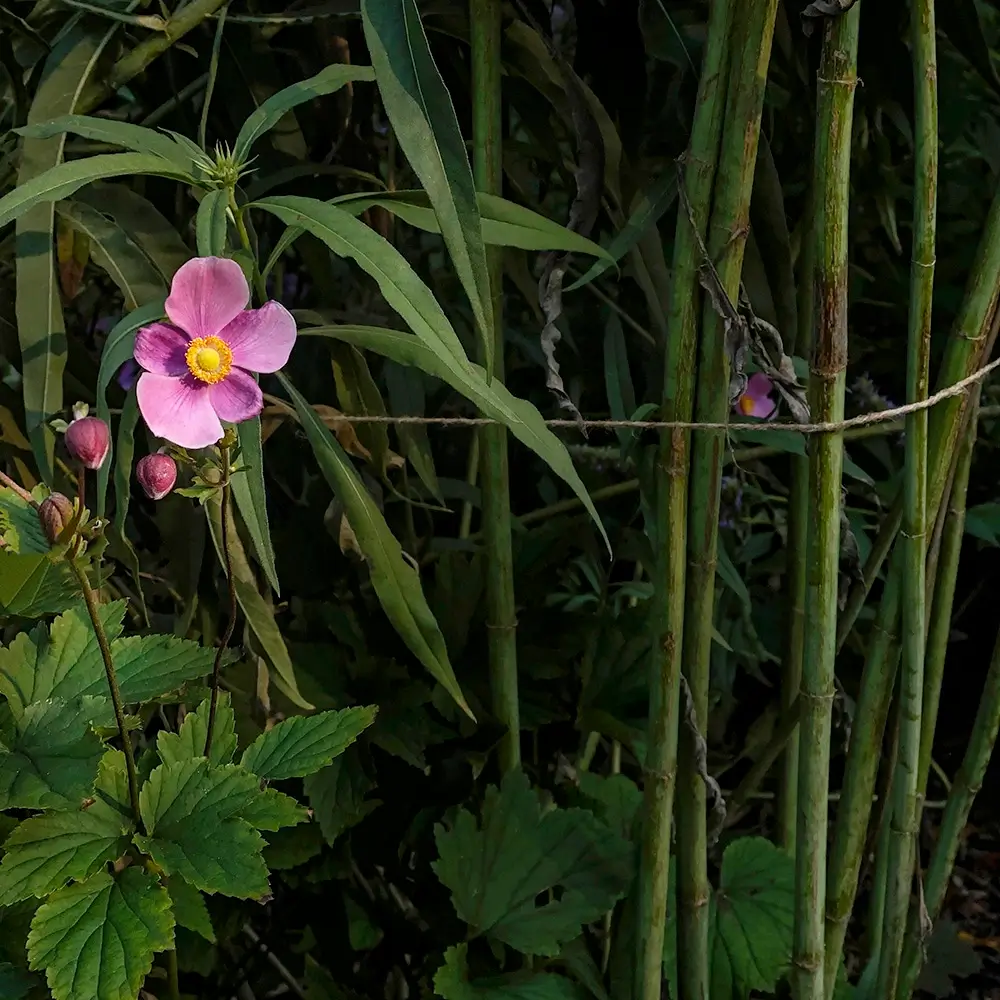
Throughout Still Life, Alt photographs flowers, plants, and subtle moments of change within the garden. Yet the series moves across three distinct visual registers, each revealing a different emotional dimension of the work.
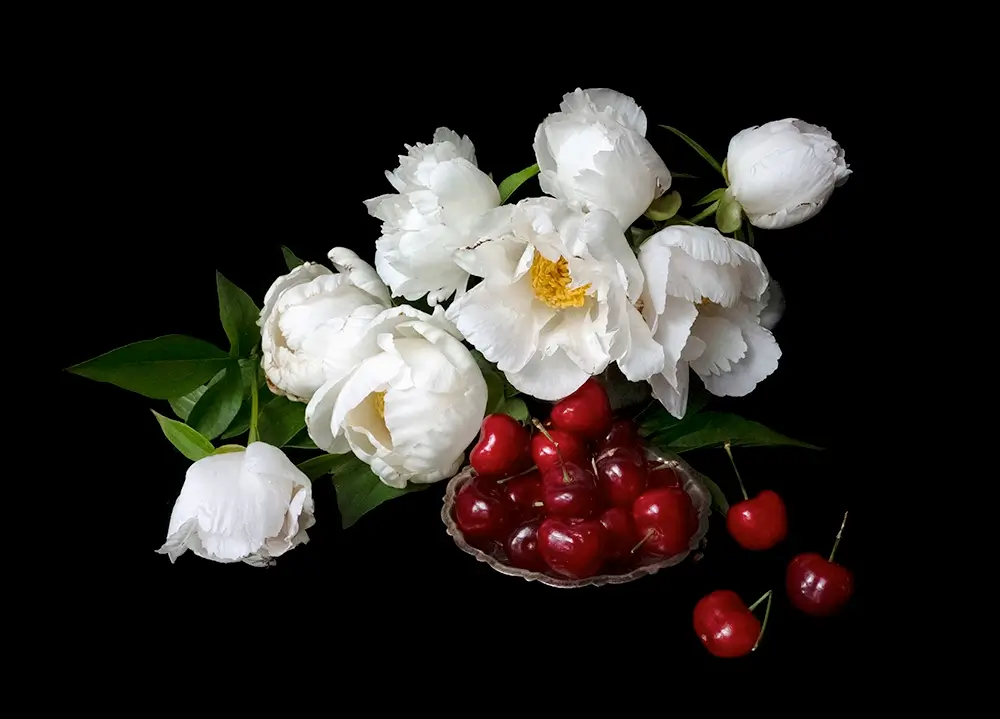
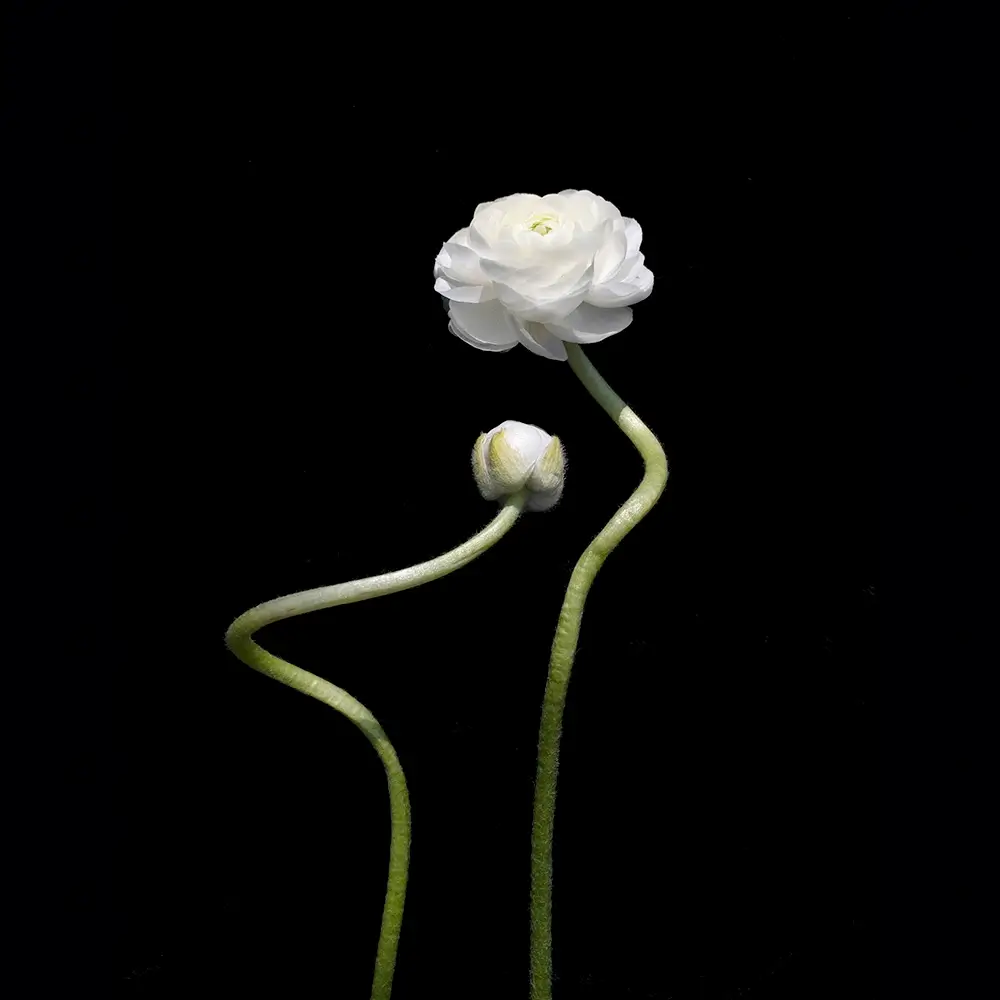
Some images place flowers against a dark background—tree peonies paired with sweet cherry branches, common lilac, and Persian buttercups. These compositions recall the richness of the Dutch still-life tradition without imitating it directly. Instead, they reinterpret the genre with contemporary sensitivity.
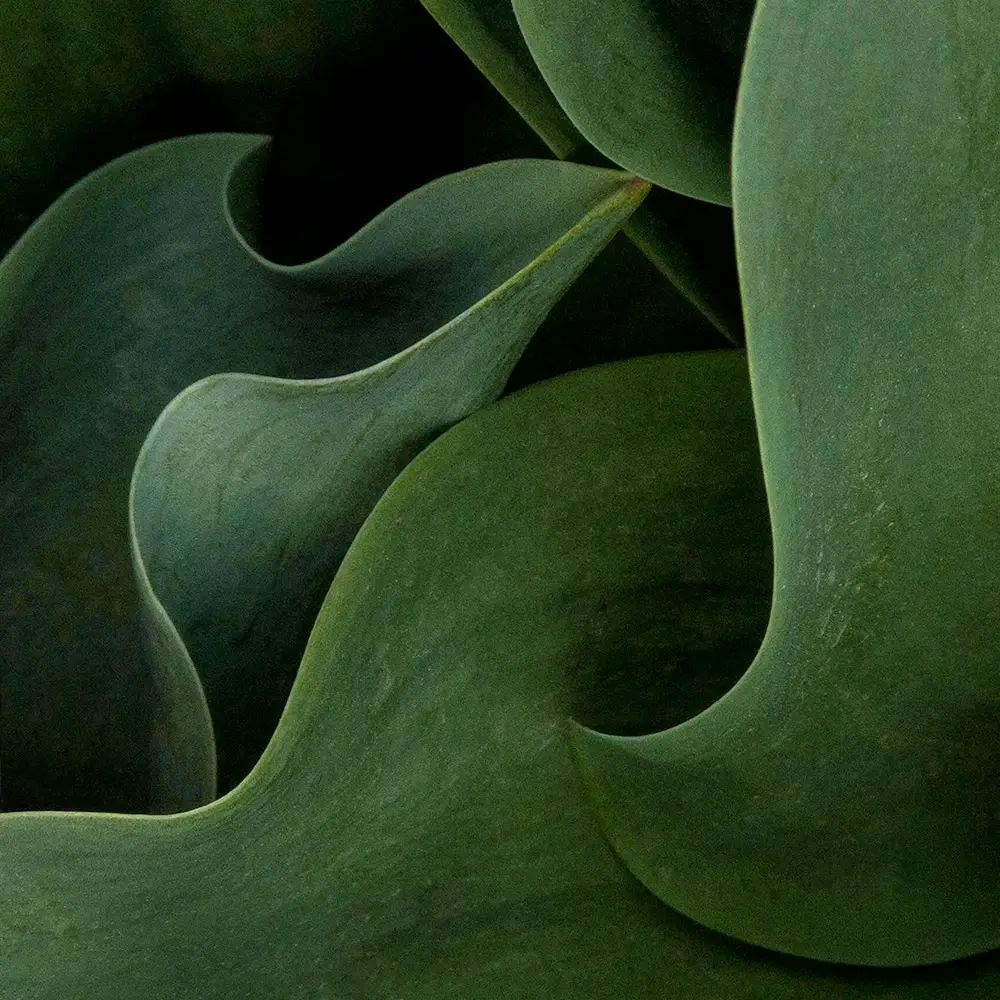
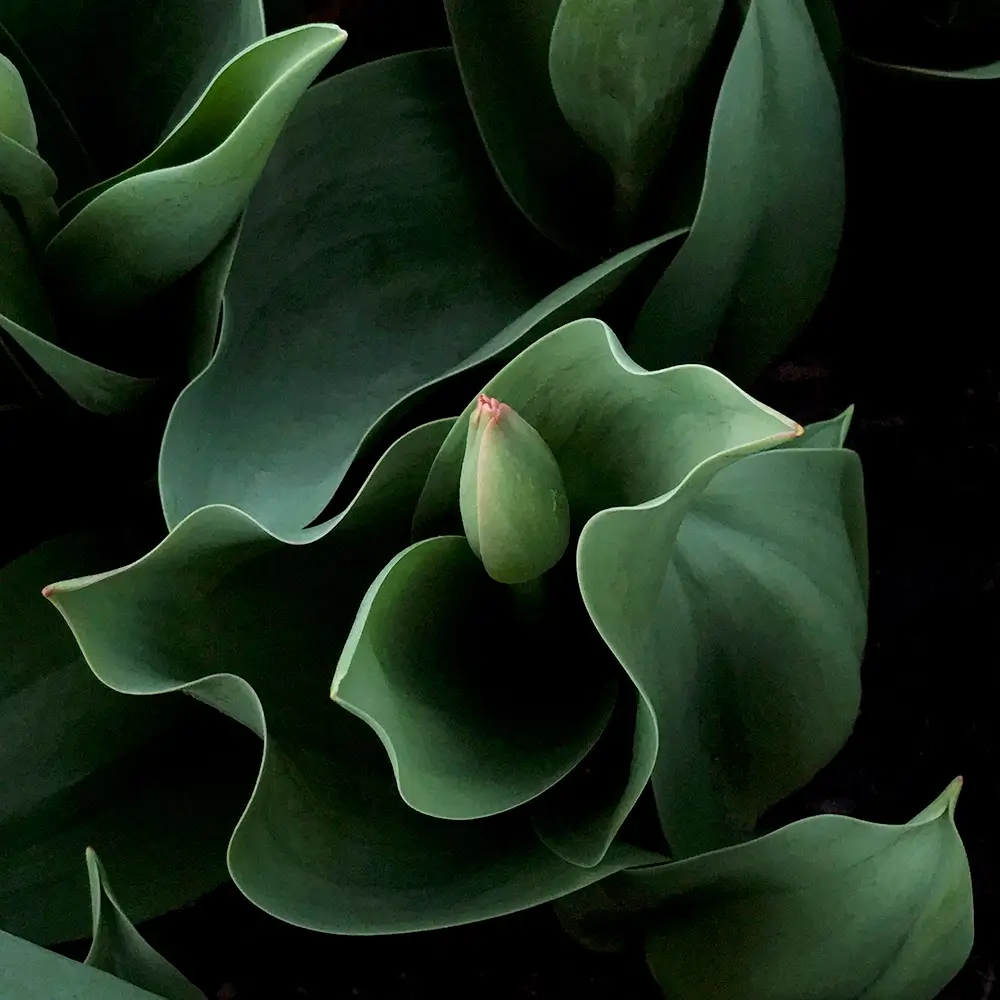
Other photographs move closer, transforming familiar flowers into abstract studies of form and texture. Garden tulips, for example, become fields of pattern and color, their petals unfolding like intricate surfaces rather than recognizable blooms.
But it is the images of the garden itself that carry the deepest emotional resonance. Petals crease and curl, dry leaves gather, stems bend under their own weight. Nothing is arranged into perfection. Instead, the photographs embrace fragility and impermanence—qualities that mirror both the life cycle of plants and the human experience of loss.
Photography as a Practice of Presence
Meditation teacher James Baraz reflects on this aspect of the work in his essay accompanying the book. Rather than seeing the images as attempts to resolve grief, he describes them as practices of attention—ways of remaining present with sorrow.
“In opening ourselves to the pain of our loss and finding constructive ways to express all that we feel, we transform our suffering into compassion and ultimately into a more enduring kind of love.”
For Baraz, tending the garden becomes a sustained engagement with grief itself. The process does not erase sadness or offer easy consolation; instead, it allows mourning to coexist with beauty and growth.
Gardening as Environmental Action
While deeply personal, Alt’s project also touches on broader environmental concerns. Her husband originally planted the native garden in response to growing alarm about climate change and the rapid decline of biodiversity.
Ecologist Douglas Tallamy places this gesture within the wider movement toward ecological landscaping. He argues that conservation must happen not only in remote wilderness areas but also in everyday spaces—backyards, neighborhoods, and urban gardens.
“The future of conservation lies in landscaping that includes, rather than excludes, nature outside of our parks and preserves.”
Native gardens, Tallamy suggests, can become vital habitats for pollinators and wildlife, helping restore biodiversity where people live. In this sense, Howard’s garden—and Alt’s photographs of it—carry a quiet environmental message: small, local actions can shape the future of the planet.
A Dialogue with Art History
The project also resonates within a long artistic tradition. Photographer, collector, and curator W. M. Hunt sees echoes of historical painters such as Martin Johnson Heade, Raphaelle Peale, Georgia O'Keeffe, and Henri Rousseau in Alt’s approach to color, form, and subject.
Yet he emphasizes that the book’s title should not be understood as a static genre reference. Instead, it suggests continuity and resilience.
“Think of the title Still Life as in: there is still life to live.”
Hunt also points to Alt’s remarkable use of illumination. Light moves across petals, leaves, and shadows with quiet intensity, suggesting that the photographer’s search for light is both visual and philosophical. Her images, saturated with deep color and patience, reveal a persistent attempt to see the world with clarity and tenderness.
Love at the Center of the Story
At the heart of the book lies the relationship between Alt and her husband. Their shared life—and the garden they built together—forms the emotional foundation of the series.
Hunt writes:
“Alt’s late husband, Howard, is at the center of her story. Theirs was by all accounts a great romance and collaboration, brought to life charmingly in this sweet dance of red ranunculus.”
The transformation of the green space surrounding their home was, according to Alt, “stunning.” Yet after Howard’s death, the question remained: who would care for the garden?
Over time, she realized that tending it was not only possible—it was a gift.
A Story of Renewal
Despite its reflections on environmental crisis, artistic history, and personal mourning, Still Life: A Photographer’s Journey Through Grief and Gardening ultimately tells a story about continuation.
The garden grows. Seasons change. Flowers bloom and fade.
Through forty-five photographs, Jane Fulton Alt documents not just the landscape her husband began, but the life that continues within it—and within herself.
In the quiet act of observing petals, leaves, and light, grief transforms into attention, memory becomes presence, and the living world offers a path forward.