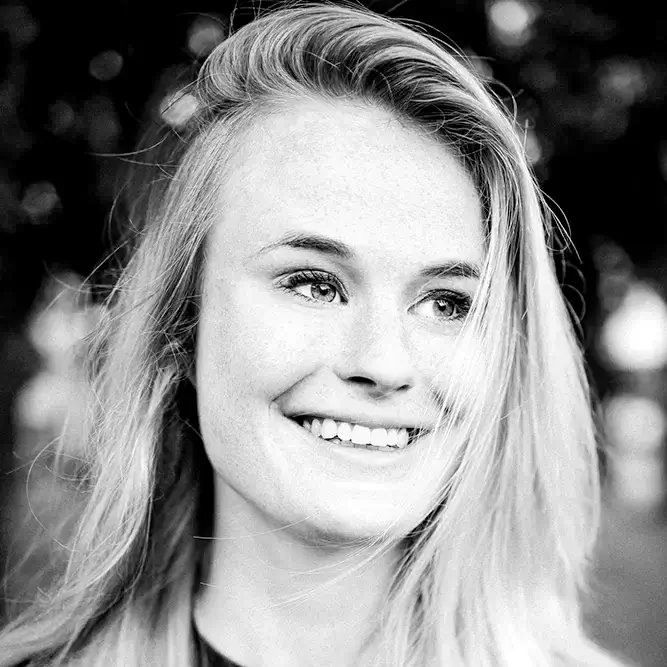
Marijn Fidder is a Dutch documentary photographer whose work powerfully engages with current affairs and contemporary social issues. Driven by a deep sense of social justice, she uses photography to speak on behalf of the voiceless and to advocate for the rights of those who are most vulnerable. Her images have been widely published in major international outlets including National Geographic, CNN Style, NRC Handelsblad, Volkskrant, GUP New Talent, and ZEIT Magazin.
Her long-term commitment to disability rights—particularly through years of work in Uganda—culminated in her acclaimed project
Inclusive Nation, which earned her the title of Photographer of the Year at the
All About Photo Awards 2025. She is also the recipient of multiple prestigious honors, including awards from World Press Photo and the Global Peace Photo Award.
We asked her a few questions about her life and work.
All About Photo: Can you tell us a bit about your background and what first drew you to photography?
Marijn Fidder: Stories and the people behind them have fascinated me from a young age. At the end of 2018, I decided to leave my graphic design studies because it didn’t feel purposeful enough. I started working as a cashier in a supermarket. One day, the mother of a boy from my primary school came through my checkout. He had been diagnosed with a rare childhood cancer when we were classmates at age seven, and he later passed away. She told me she had very few photos of him during his illness. in the chaos, she simply forgot to take them.
Hearing that stayed with me. I decided to spend my gap year photographing families with a child who had cancer, hoping that the images could support them as they navigated such a difficult time. Over three years, I photographed around 35 families. Some I visited only twice; others I saw regularly. That’s when I realized photography could be much more than making a nice picture — it could help people feel seen and heard.
From that point, I committed fully to documentary photography, aiming to give people a voice through the work.
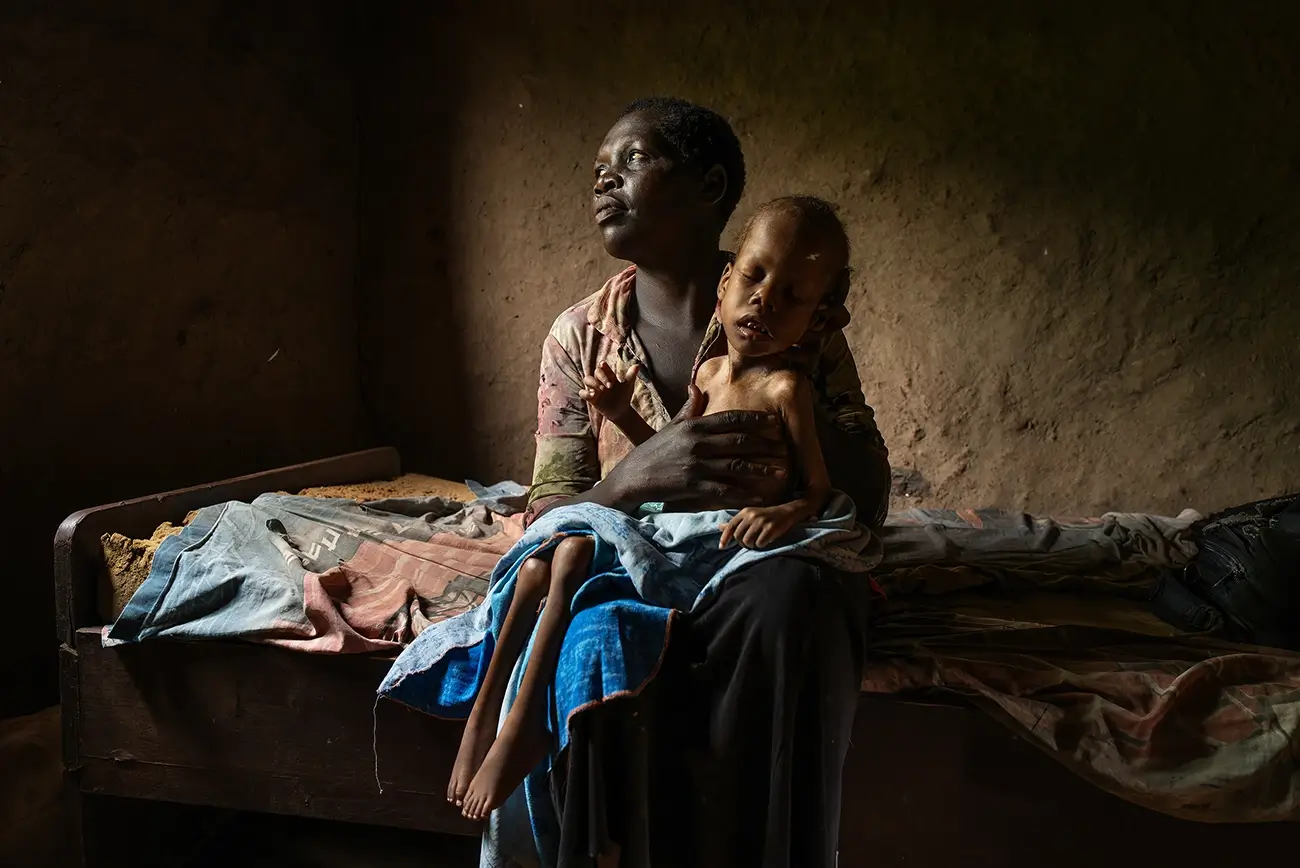
Inclusive Nation © Marijn Fidder
Documentary work gives the time and space to build real relationships with people and communities and to tell their stories as respectfully as possible. It’s about nuance, about capturing stories that go beyond headlines and reveal the slow, often unseen processes of change.
Your work often focuses on social issues and marginalized communities. When did this focus start, and what drives your commitment? The work has always been about giving visibility to those often left unheard. One of my early projects explored children left behind by migration and later I focused on inclusion and disability rights in Uganda. The commitment comes from empathy and curiosity, but also from a strong belief that photography can influence how society understands and talks about justice.
How do you balance journalistic storytelling with artistic expression?
For me, the story and people always comes first. Truthfulness, context, consent and capturing people respectfully are what matter most. Artistic choices, like color, light, composition, come afterward, to deepen emotional connection and keep viewers engaged. Aesthetics should never distort reality; they should help reveal it.
How have your experiences working internationally — especially in Uganda — shaped your perspective as a photographer?
Working in Uganda has broadened my view of how change happens. Laws and policies can be progressive, but daily life often tells a more complicated story. Spending long periods on the ground allowed me to build trust and portray people beyond stereotypes.
What does receiving recognition from organizations like World Press Photo and the Global Peace Photo Award mean to you?
It’s incredibly encouraging, of course, to receive recognition. It feels like a confirmation that the work matters. But what’s even more important is how it helps the stories reach further. Awards and publications bring the work to editors, policymakers and audiences who might never have encountered these stories otherwise. That kind of visibility can make a real difference, amplifying the impact of the people and communities I photograph and giving their stories the attention and respect they deserve.
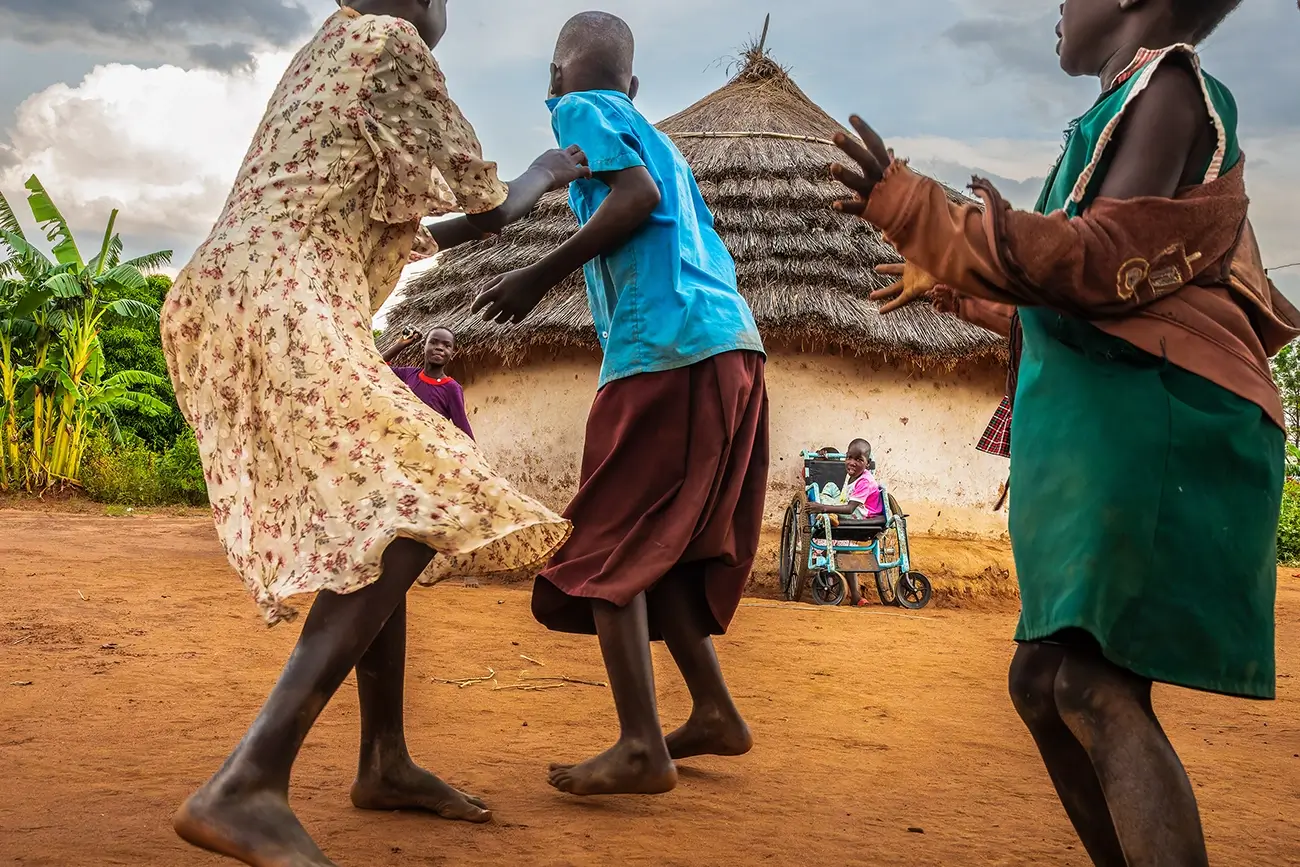
Inclusive Nation © Marijn Fidder
While photographing families with a child who had cancer, I met a girl named Anne. She had lost one of her legs to a form of bone cancer. In the Netherlands, where she was born, she received a lot of support — she was able to get a prosthesis and undergo rehabilitation. That experience sparked my curiosity about how people in developing countries navigate similar challenges.
Back at my parents’ home, my father mentioned an old classmate who was married to a woman in Uganda. That led me to start researching the rights of people with disabilities there. I discovered that Uganda is actually quite progressive in terms of inclusive legislation, which made me wonder how these laws translate into everyday life. From that moment, I decided to just go and see for myself.
What initially drew you to explore disability rights in Uganda?
Uganda has made legal steps toward inclusion, but social stigma remains a huge barrier. That contradiction fascinated me. It’s where law, culture and humanity meet. Photographing it meant working closely with local organizations and communities to ensure the project would also support awareness efforts on the ground.

Inclusive Nation © Marijn Fidder

Inclusive Nation © Marijn Fidder
The process always begins with listening. I spend time with families, sharing conversations or meals, simply being present and paying attention. I also work closely with local NGOs and social workers to ensure the approach is ethical and respectful.
Building trust is essential. I try to show that people are seen as individuals, not just subjects for a photograph. When that trust is there, images begin to emerge. In those moments, when people feel safe and seen, the photographs reflect both their struggles and their resilience.
How do you approach photographing sensitive topics like disability and inclusion while maintaining respect and authenticity?
Transparency and consent are at the heart of my approach. I try my best to make sure people understand why I’m photographing, how the images might be used and what to expect. I try to show people as they are, with their strength and complexity. That honesty is what makes the work and the relationship with people meaningful.
Uganda has made legislative progress toward inclusion. How do you translate such complex realities into visual storytelling?
The approach combines everyday life photographs, portraits and captions that provide context. I try to reflect the full range of experiences for people with disabilities. At school, at work, with friends, on the street, or during sports and community activities. The aim is to show what daily life looks like, the challenges people with disabilities encounter and the ways they participate and contribute to their communities.
What challenges did you face while working on this project, both logistically and emotionally?
The search for stories often started online which in many cases worked well. For example, I first came across Husnah Kukundakwe, who is a role model for people with disabilities. Organizations and schools for people with disabilities were also relatively easy to find. But much of the work happened on the ground. Uganda is a very social country and people often know others who are involved with supporting people with disabilities or who have hopeful or difficult stories to share. Many of my initial appointments ended up finding themselves and some of those spontaneous encounters became the most surprising and important moments for the series.
Working on issues like stigma and discrimination could also be incredibly heavy. I met many children who were locked up or restrained, not because their parents didn’t care, but because of the stigma in their communities and the perceived need to protect the child. Seeing the sense of powerlessness parents sometimes felt was heartbreaking.
But sadness or pain has never been a boundary for me to protect. Feeling grief, being able to cry with someone and allowing love and empathy for the people I photograph is often what leads to the most powerful images. At the same time, moments of hope make the work meaningful. Witnessing small victories, like a child learning new skills, attending school or simply being included in community life, reminds me why this work matters. I hope these stories spark conversations about stigma and inspire change, so that hopefully more children can have the chance to go to school and fully participate in their communities one day.
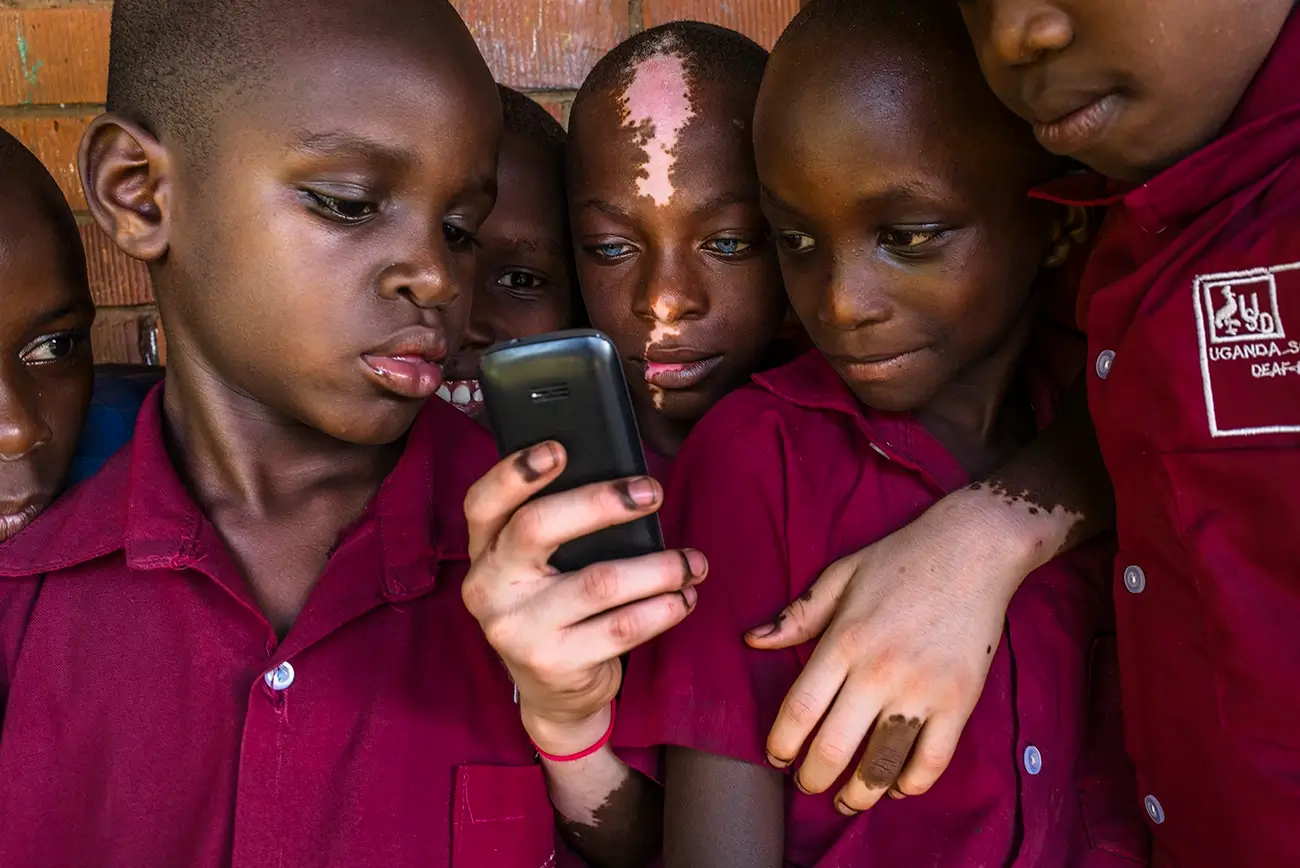
Inclusive Nation © Marijn Fidder

Inclusive Nation © Marijn Fidder
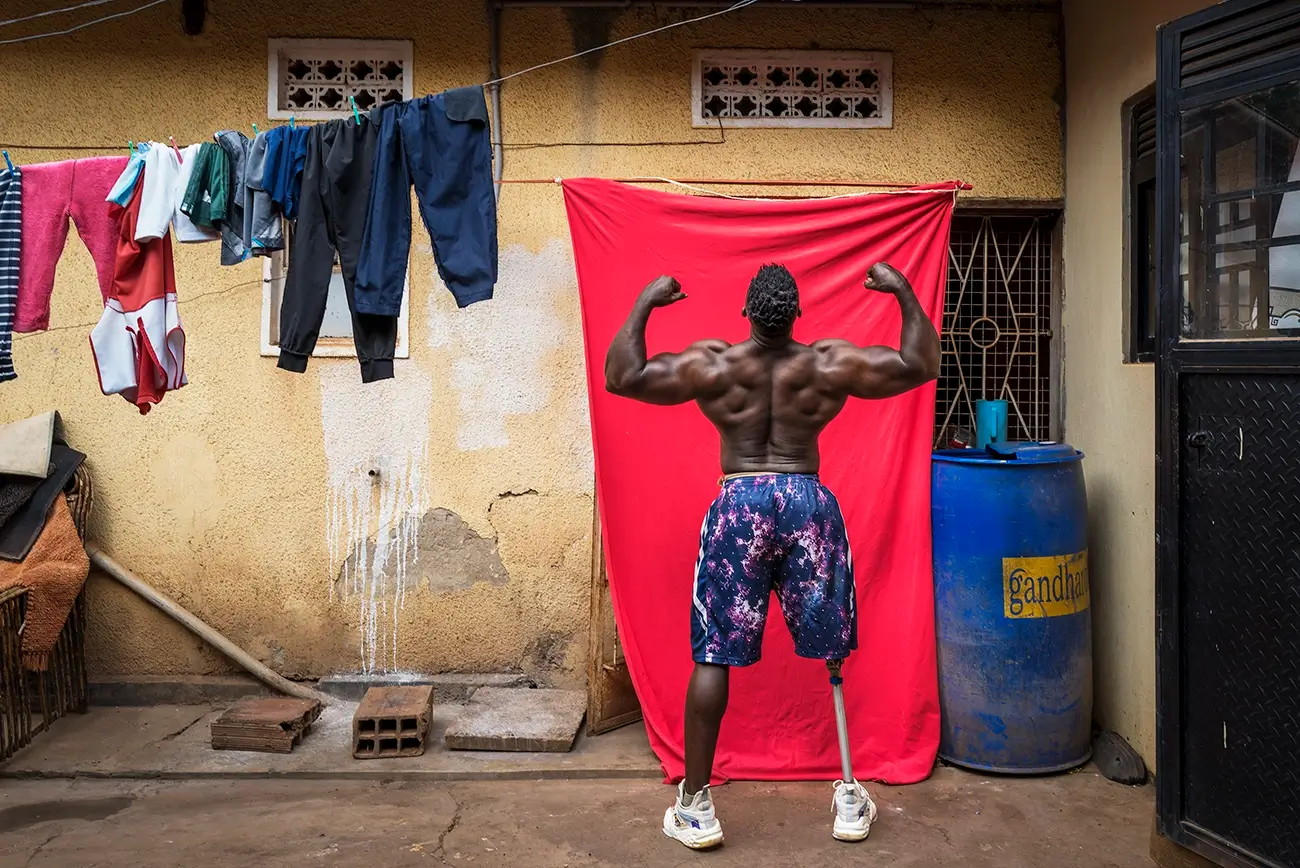
Inclusive Nation © Marijn Fidder
Yes, but it’s really hard to name just one example. I’ve learned so much from so many people. From Husnah, I learned what it means to turn vulnerability into strength. From parents of a child with a disability, I learned what it means to keep going despite stigma and how a parent’s love can be stronger than any prejudice or judgment in the world.
What message do you hope viewers take away from this series?
That inclusion isn’t an abstract right. It’s something we build daily, in our policies, our education systems, and our interactions. I want people to feel empathy, but also responsibility.
What message do you hope viewers take away from this series?
Inclusion isn’t just an idea or a right on paper. It’s something we build together every day. It shows up in our interactions, in schools, at work, in community life. I hope the series gives people an emotional connection to these stories and also a reminder that we all have a role in creating spaces where everyone belongs.
In your view, what role can photography play in promoting inclusivity and human rights globally?
Photography can open doors to understanding and connection. It doesn’t solve injustice on its own, but it can help people see and feel what others experience, sparking conversations and awareness that might lead to change. By giving visibility to stories that might otherwise go unheard, photography can help build empathy and encourage action.
Do you plan to continue documenting social change in Uganda or expand this project elsewhere?
At the moment, I’ve just returned from a trip to Uganda, where I completed the most recent photographs for this series. For now, this was my final trip connected to the project. I spent three years working on it, and over that time I was able to photograph almost all of the people and subjects I had hoped to capture.
That said, I don’t see the work as something that is permanently closed. Social change is ongoing and Uganda continues to evolve. While the project feels complete at this stage, I remain open to the possibility of returning in the future if there is a meaningful reason to do so. For now, I’m allowing the series to stand as a finished body of work.
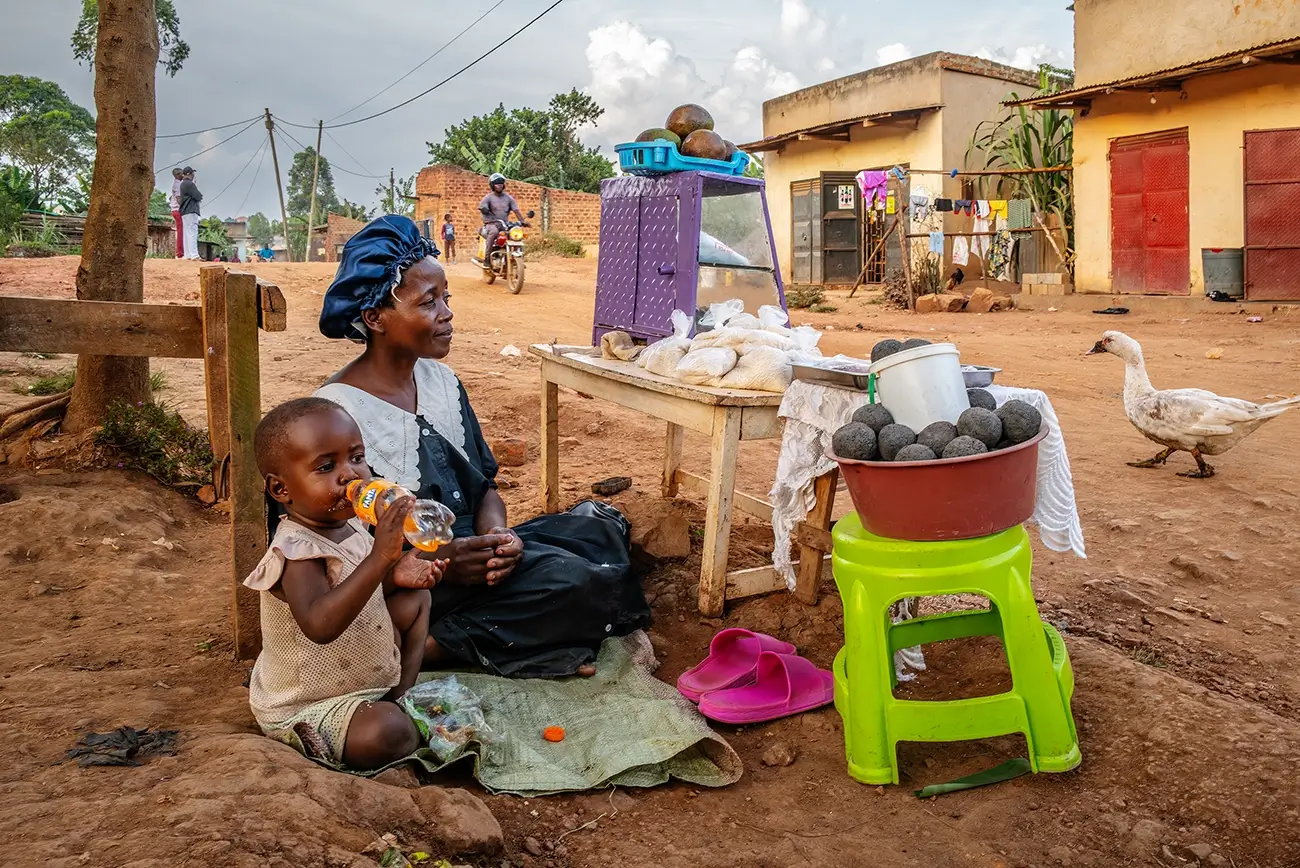
Inclusive Nation © Marijn Fidder
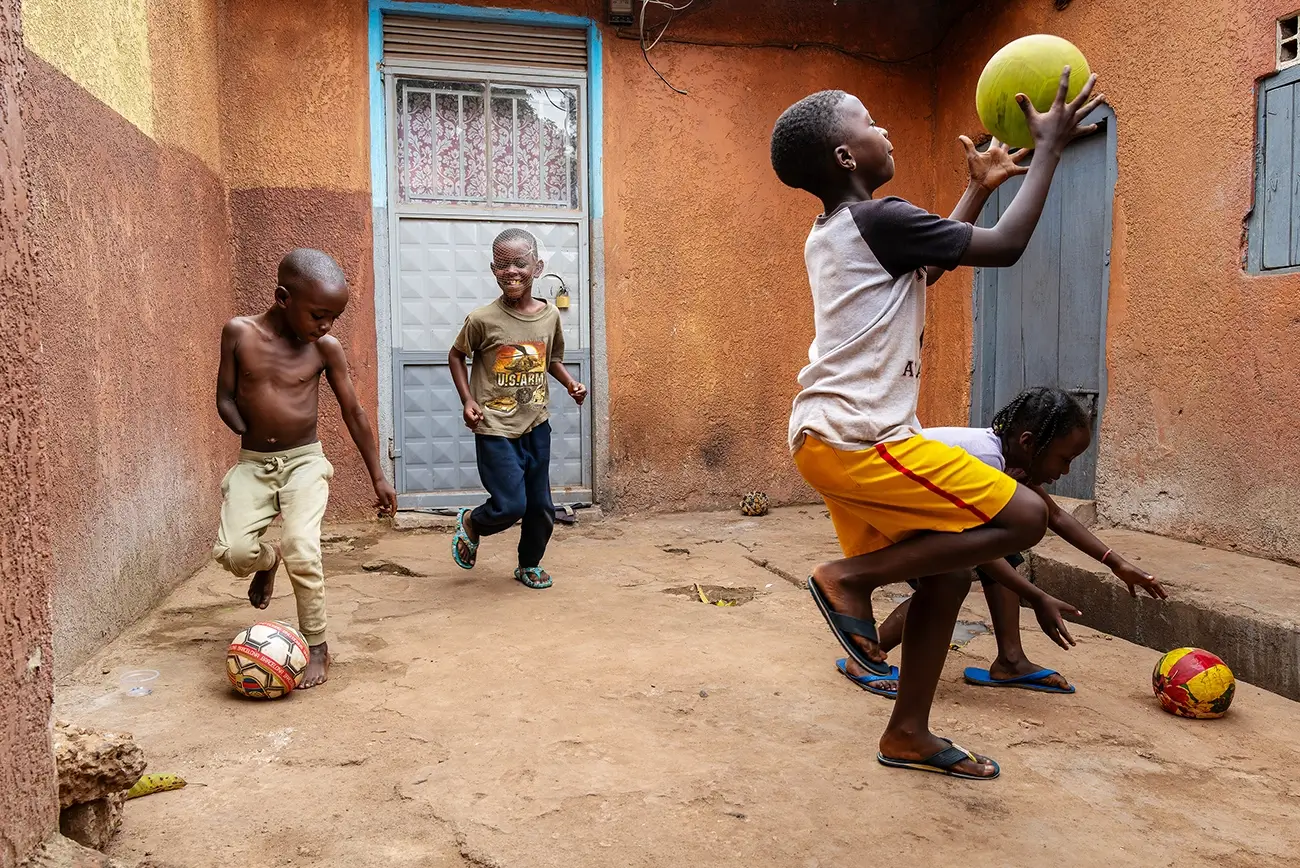
Inclusive Nation © Marijn Fidder
Working on Inclusive Nation made one thing very clear to me: I want to keep telling social stories through photography. Spending time with people, getting to know them and sharing their stories through images feels meaningful to me and it’s something I want to continue doing. There are still so many people I’d love to photograph and so many stories waiting to be told.
Are there other issues or regions you’re currently researching?
Absolutely. I’m always looking for new stories to tell. Some of the projects I’m working on right now are still in the early stages, which is why I prefer not to share too much about them yet. For me, that initial phase is about exploring and allowing the story to take shape before bringing it into the open.
Why do you work exclusively in color?
The world around us is colorful. In people, in stories and in the way we look at things. For me, color doesn’t make an image more dramatic than it needs to be. It simply feels right. Just like we need inclusivity as people, we also need color. It reflects life as it is.
What equipment do you use?
At the moment, I shoot with a Canon R5 and actually only use two lenses. For the Inclusive Nation series, I also used a Leica Q2 because it’s small, which made it easier to be close to people.
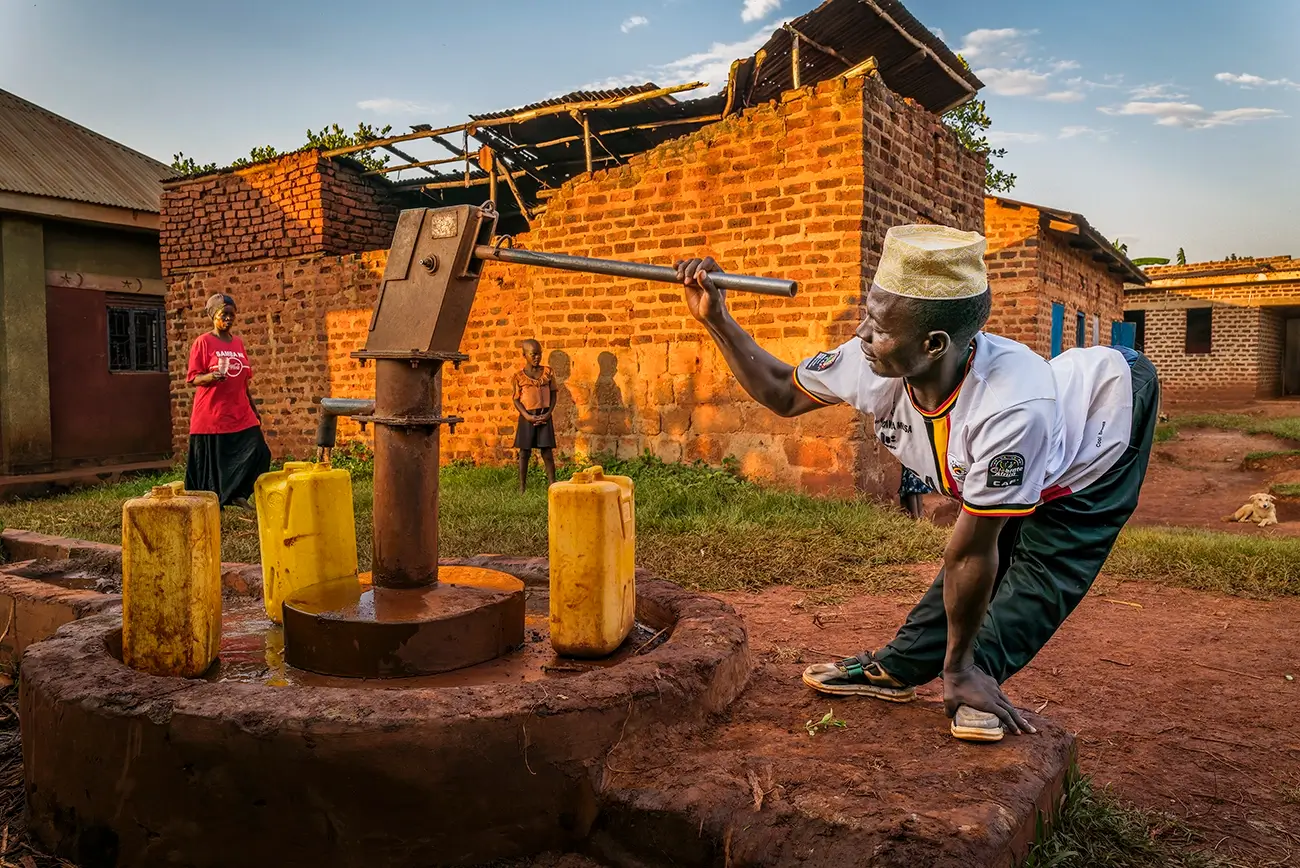
Inclusive Nation © Marijn Fidder
Yes, I do spend time editing, but mostly to shape the story. Adjusting color and the sequence of images. I try to capture the essence of the moment while shooting, so editing is more about enhancing what’s already there rather than fixing it.
What compliment touched you the most, or what do you consider your biggest accomplishment?
Awards and publications are meaningful, of course, but what touches me most is when the people I’ve photographed feel truly seen and respected. That connection, that feeling that their story matters, is what I consider my biggest accomplishment.
What advice would you give to emerging photographers who want to create long-term projects with social impact?
My advice would be: do your research first and take the time to build real relationships before you start shooting. Work closely with local partners, be open about your intentions and above all, be patient. Long-term projects take time.
Ultimately, what does “inclusivity” mean to you — as a photographer and as a person?
To me, inclusivity means recognizing everyone’s dignity and giving people the chance to be heard. As a photographer, it means showing people as whole individuals, not just their challenges but by who they are.
If you weren’t a photographer, what would you be doing?
That’s a tough question. One of the reasons I chose photography is the sense of adventure and the fact that no two days are ever the same. And I’ve always been interested in people and their stories, so there’s a good chance I would have chosen something like social work or anthropology. But I could also see myself doing something completely different, because I find so many things in life interesting.
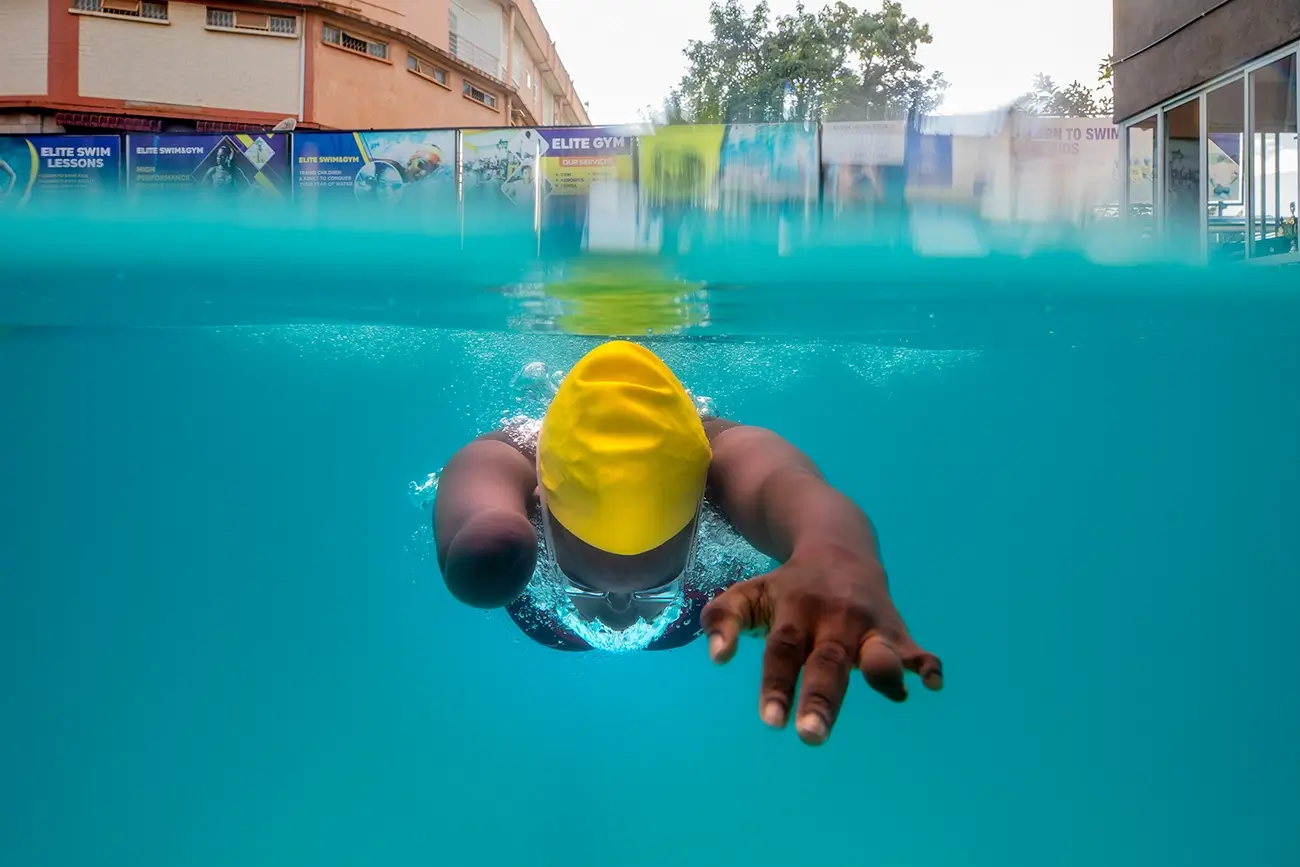
Inclusive Nation © Marijn Fidder
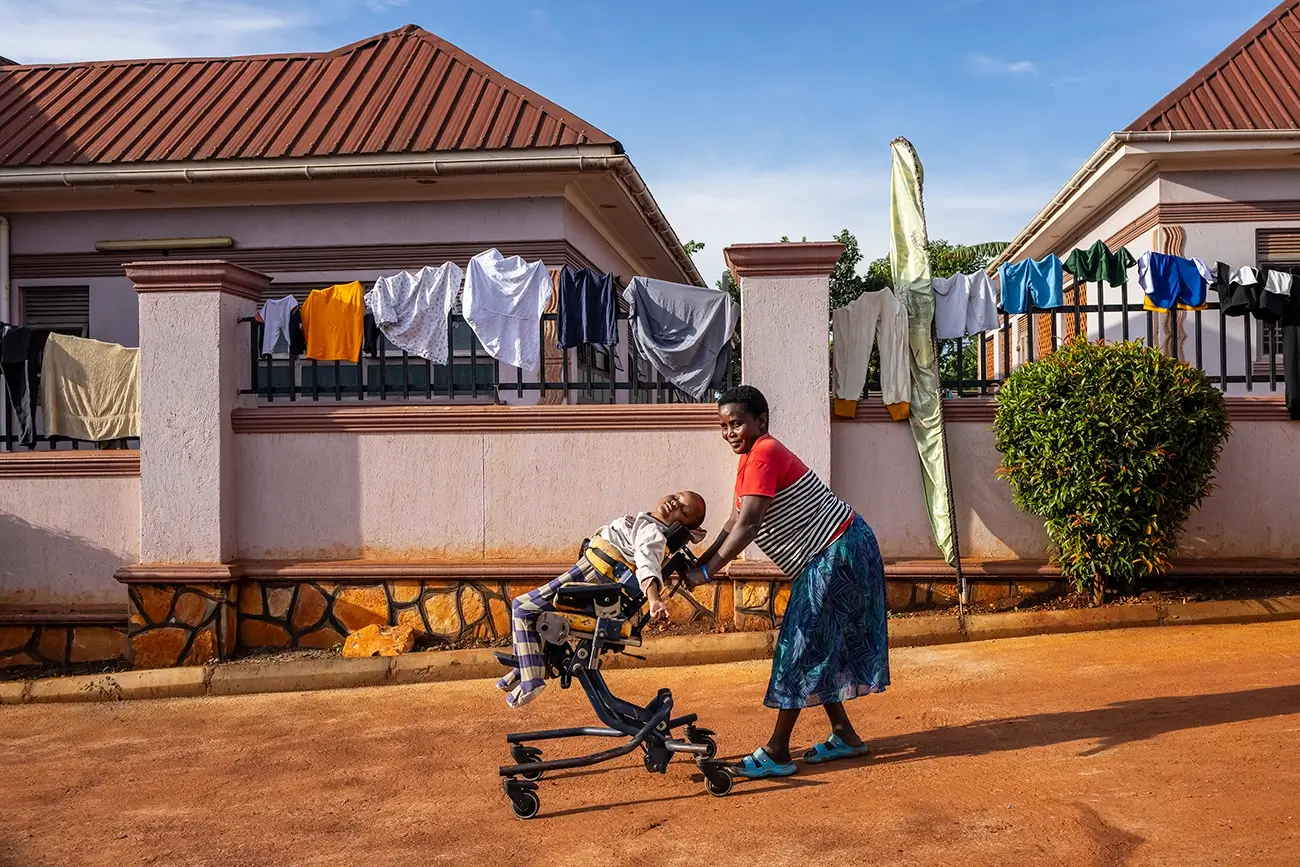
Inclusive Nation © Marijn Fidder
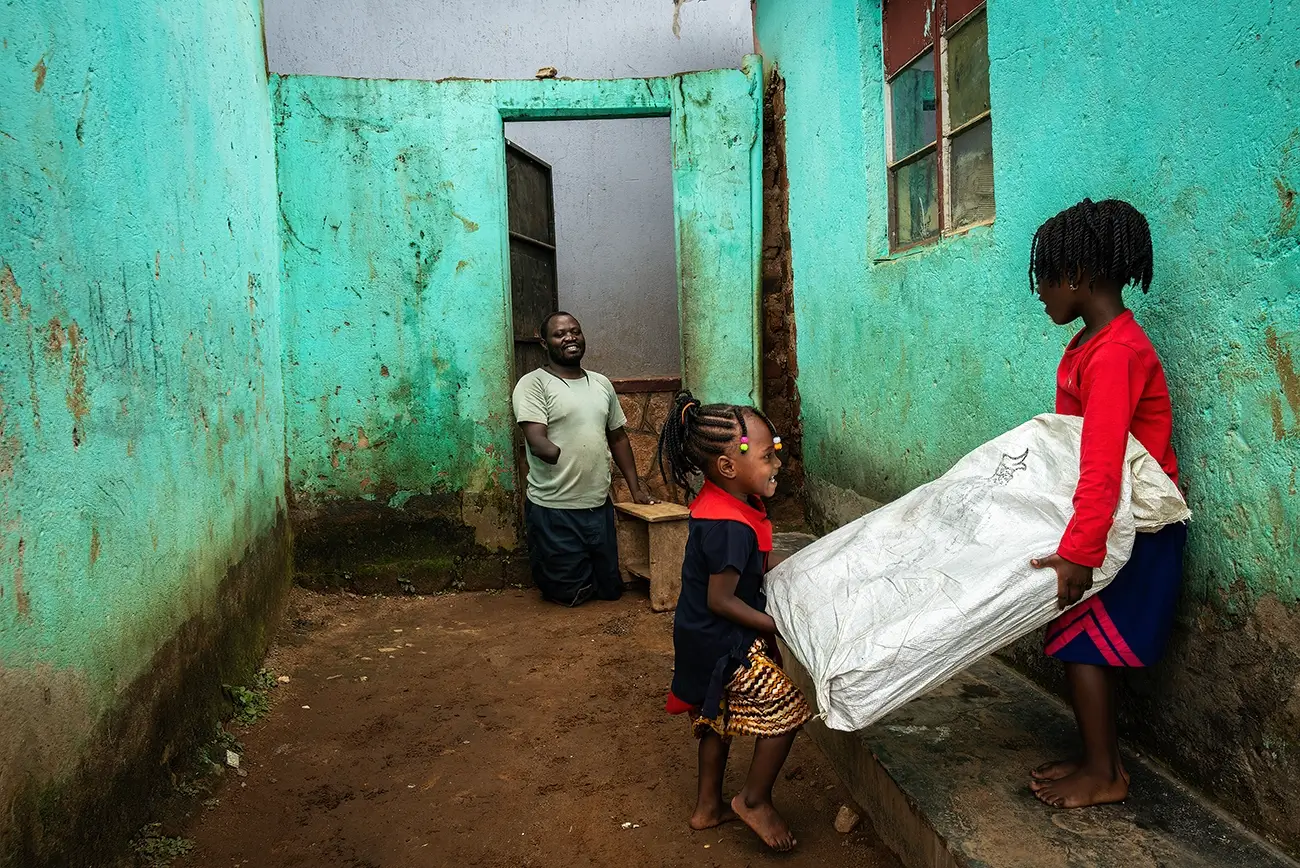
Inclusive Nation © Marijn Fidder