For the first time, a comprehensive exploration of Dora Maar’s enigmatic photography reveals her as an extraordinary and influential artist in her own right.
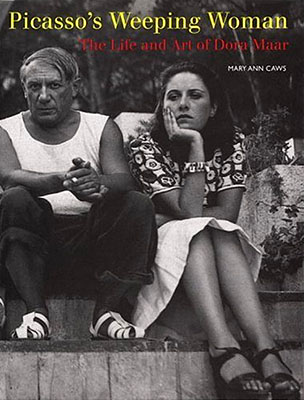
Dora Maar (born Henriette Théodora Markovitch, 1907–1997) was active at the height of Surrealism in France. She was recognized as a key member of the movement and maintained professional relationships with many of its prominent figures, such as André Breton, Brassaï, Henri Cartier-Bresson, and Man Ray. However, her standing as the one-time muse and mistress of Pablo Picasso—his famous “Weeping Woman”— has long eclipsed her creative output and minimized her influence.
Richly illustrated with 240 key works showcasing Maar’s inimitable acumen as a photographer, this book examines the full arc of her career for the very first time. Subjects include her innovative commercial and fashion photography, approach to the nude and eroticism, engagement with political groups, interest in socially concerned photography, affiliation with the Surrealist movement, and hitherto unknown work from her reclusive late career, providing a dynamic and multifaceted examination of an important artist.
This volume is published to accompany an exhibition on view at the Centre Pompidou Paris, France June 5 to July 29, 2019; the Tate Modern London, United Kingdom November 19, 2019, to March 15, 2020; and the J. Paul Getty Museum at the Getty Center April 21 to July 26, 2020.
Dora Maar

Category: Photographer Monographs & Art Books
Reviews: star
star
star
star
star
Author: Dora Maar, Damarice Amao, Amanda Maddox, Karolina Ziebinska-Lewandowska
Publisher: J. Paul Getty Museum
Publication Date:
2020
Print Length: 208 pages
Language: English
Price: paid
paid
paid
Buying Link: Amazon (affiliate)
Selected Books by This Photographer
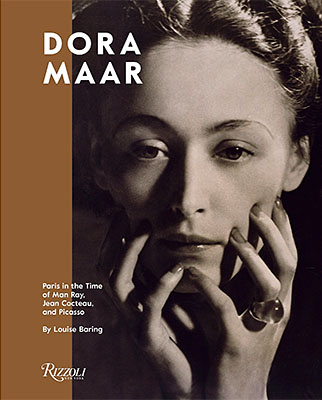
Dora Maar: Paris in the Time of Man Ray, Jean Cocteau, and Picasso
2017 - Rizzoli
Dora Maar, Louise Baring
Books From the Same Publisher



expand_circle_rightLatest Books in This Category














John Baer: The Extraordinary Ordinary: A Memoir in Photographs, 1945–1954
Sep 2026 — John Baer Archive











expand_circle_rightFollow Us






expand_circle_rightSearch

Affiliate Link
Latest Issue
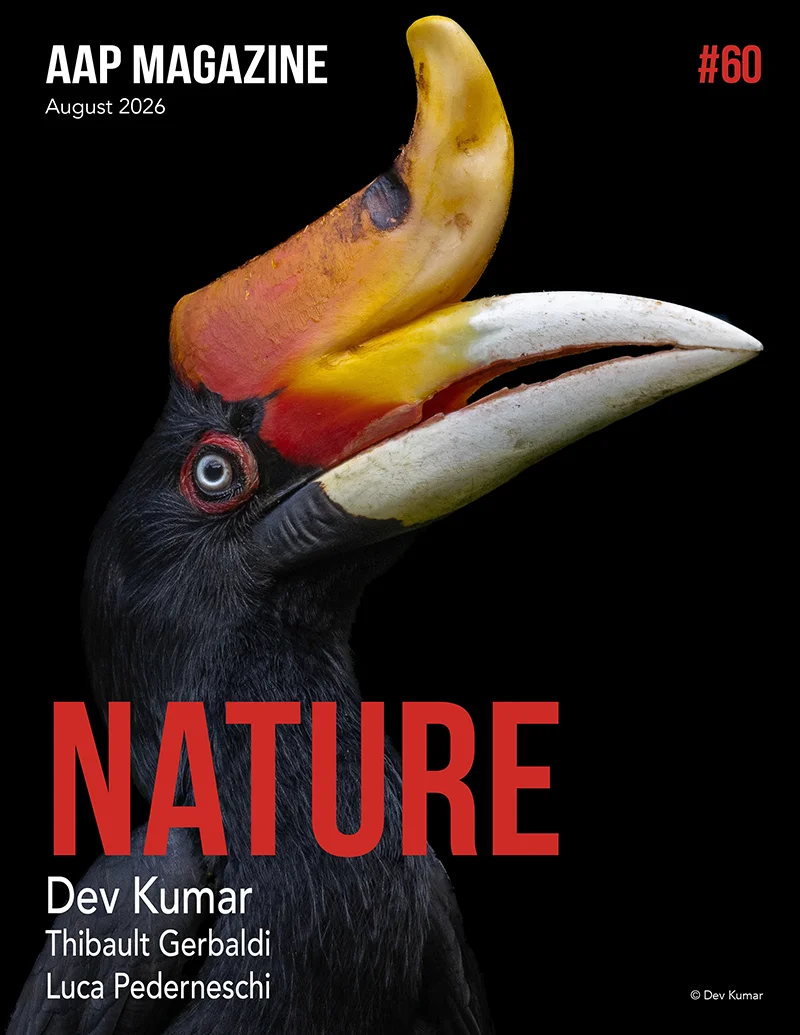
AAP Magazine #60
expand_circle_rightTrending This Week

 Instagram
 Facebook
 Pinterest
 X / Twitter