
The International Center of Photography (ICP) in New York presents I’m So Happy You Are Here: Japanese Women Photographers from the 1950s to Now, a landmark exhibition bringing together the work of 28 Japanese women photographers across several generations. Organized by Aperture, the exhibition traces more than seven decades of photographic practice, revealing how women artists have documented everyday life, challenged social expectations, and expanded the possibilities of the photographic medium.
Making its US debut at ICP, the exhibition offers a fresh perspective on Japanese photography, a field whose international history has often focused predominantly on male practitioners. Through historical and contemporary photographs, photobooks, magazines, installations, sculpture, and video, it celebrates artists whose contributions have shaped the medium, including many whose work has received limited public recognition.
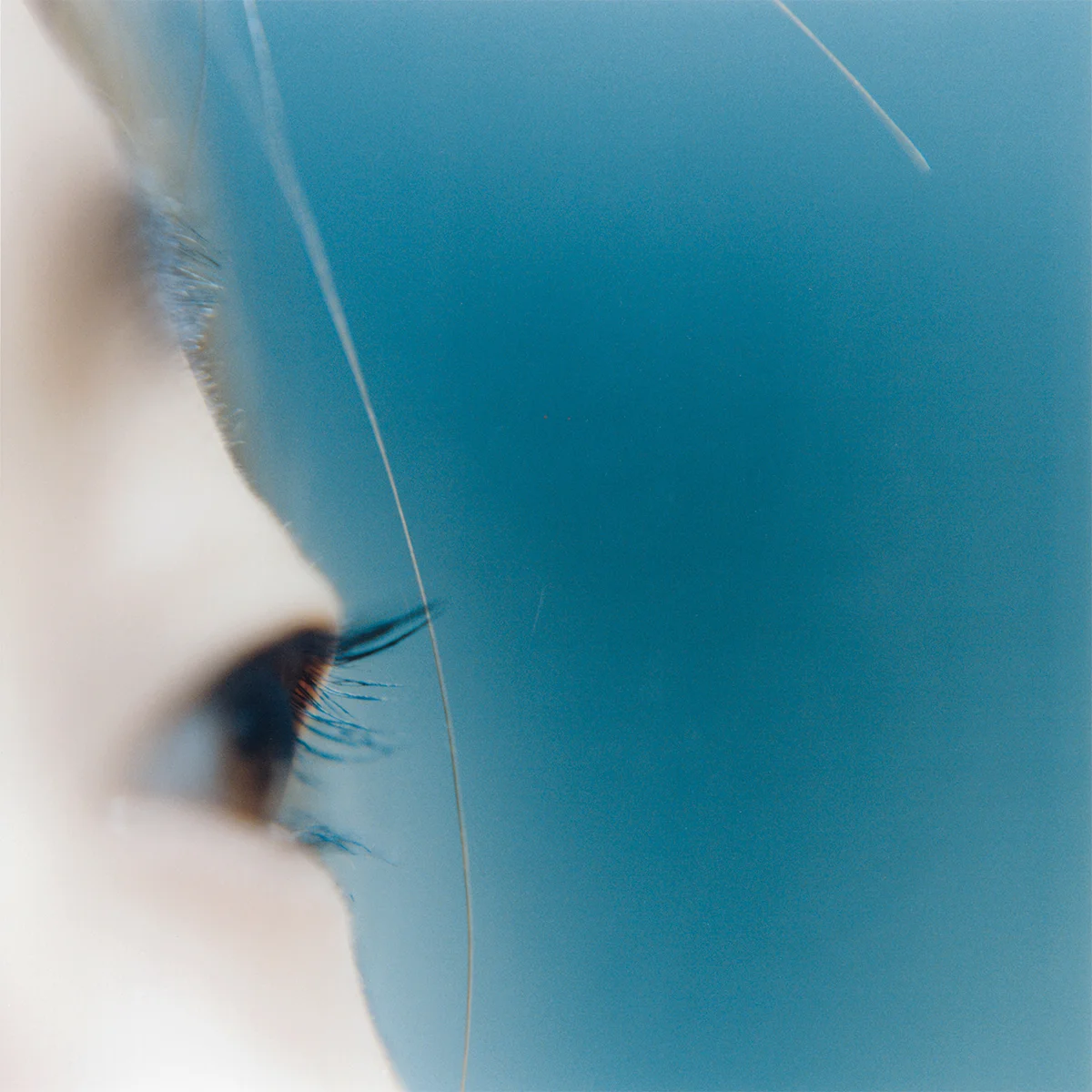
© Kawauchi Rinko, Untitled, 2004; from the series the eyes, the ears. Courtesy the artist and Aperture
Reframing the History of Japanese Photography
Since the 1970s, Japanese photography has attracted considerable international attention through exhibitions and publications. Yet the work of women photographers has frequently remained on the margins of this narrative. I’m So Happy You Are Here addresses this imbalance, presenting a broad and diverse survey of artistic practices that deserve a more prominent place in photographic history.The exhibition explores three interconnected themes: intimate and sometimes unflinching observations of everyday life; critical examinations of women's roles and identities within Japanese society; and experimental approaches that push photography beyond conventional boundaries. Together, these perspectives reveal how Japanese women photographers have used the camera to question established narratives, examine personal and collective experience, and redefine visual representation.
Their work reflects the profound transformations that have shaped Japan since the 1950s. From postwar reconstruction and the US military occupation to the women's liberation movement and the expansion of popular culture, successive generations of artists have responded to a society in constant change. Their photographs explore the tensions between tradition and modernity, private and public life, and individual expression and social expectations.
Women photographers have also played a significant role in the development of Japanese photographic culture, particularly through their engagement with color photography, self-portraiture, performance, and the representation and commodification of women's bodies. By bringing these practices together, the exhibition demonstrates the breadth of their influence and the continuing relevance of their work.

© Narahashi Asako, Kawaguchiko, 2003; from the series half awake and half asleep in the water. Courtesy Osiris, Tokyo, and Aperture
Twenty-Eight Artists Across Seven Decades
The exhibition features 28 artists whose approaches range from documentary photography and intimate visual diaries to staged imagery, conceptual work, and experimental forms. Among them are internationally recognized photographers such as Miyako Ishiuchi, Rinko Kawauchi, Mika Ninagawa, and Tomoko Sawada, alongside artists whose contributions are less widely known outside Japan.Participating artists include Aya Fujioka, Mikiko Hara, Hiromix, Mao Ishikawa, Mari Katayama, Hiroko Komatsu, Michiko Kon, Yurie Nagashima, Asako Narahashi, Tamiko Nishimura, Rika Noguchi, Sakiko Nomura, Momo Okabe, Toshiko Okanoue, Yuki Onodera, Lieko Shiga, Kunié Sugiura, Nozomi Suzuki, Yuki Tawada, Toyoko Tokiwa, Tokuko Ushioda, Hitomi Watanabe, Eiko Yamazawa, and Miwa Yanagi.
Spanning different generations and artistic sensibilities, these photographers demonstrate that there is no single way to represent Japanese women's experiences. Their work moves between personal reflection and social critique, embracing photography as a means of documenting the world while also questioning how that world is seen.
The exhibition was curated by Lesley A. Martin, Executive Director of Printed Matter; Mariko Takeuchi, photography critic, curator, and professor at Kyoto University of the Arts; and Pauline Vermare, Phillip and Edith Leonian Curator of Photography at the Brooklyn Museum.

© Watanabe Hitomi, Untitled, 1968–69; from the series Tōdai Zenkyōtō. Courtesy Zen Foto Gallery, Tokyo; Galerie Écho 119, Paris; and Aperture
An International Exhibition Comes to New York
The project originated with Aperture's 2024 publication of the same title and its accompanying exhibition at Les Rencontres d'Arles in France. It subsequently traveled to Fotomuseum Den Haag in the Netherlands, Fotografie Forum Frankfurt in Germany, The Photographers' Gallery in London, and Hikarie Hall in Tokyo, in a presentation organized by Bunkamura.Its presentation at ICP marks the exhibition's first appearance in the United States. The partnership between ICP and Aperture brings this important survey to a New York audience, extending the international conversation around the history and influence of Japanese women photographers. Following its ICP presentation, the exhibition is scheduled to continue to additional venues internationally.
For ICP, the exhibition also builds on a longstanding commitment to presenting Japanese artists to American audiences. By foregrounding women whose work has historically been overlooked, the institution continues its efforts to broaden the representation of international photography and reconsider the narratives through which photographic history is told.
I’m So Happy You Are Here: Japanese Women Photographers from the 1950s to Now is more than a historical survey. It is an invitation to discover the diversity of Japanese women's photographic practices and recognize their essential role in shaping the medium, both in Japan and beyond.
The accompanying book, I’m So Happy You Are Here: Japanese Women Photographers from the 1950s to Now, is published by Aperture.

© Yanagi Miwa, Elevator Girl House 1F, 1997; from the series Elevator Girl. Courtesy the artist and Aperture

© Ishikawa Mao, Kin, Koza (present-day Okinawa City), Okinawa Prefecture, 1975–77; from the series Akabanaa (Red flower). Courtesy Nap Gallery, Tokyo, and Aperture









 Instagram
 Facebook
 Pinterest
 X / Twitter