All about photo.com: photo contests, photography exhibitions, galleries, photographers, books, schools and venues.
FINAL DAYS TO ENTER AAP MAGAZINE B&W: PUBLICATION AND $1,000 CASH PRIZES
Shulan Wang
Shulan Wang

Shulan Wang

Country: China
Birth: 1994

Shulan Wang is a fine art photographer hailing from Hangzhou, China. She holds an M.A. in Photography from Spéos International School of Photography, an M.A. from the University of Westminster, and a B.A. from the China Academy of Art. Employing innovative creative approaches, she integrates a variety of techniques—digital darkroom processing, the soft immediacy of Polaroid, paper textures, visual installation, and the emerging language of artificial intelligence photography —each medium a thread in her visual tapestry. Rooted in the timeless motifs of time and nature, she turns her lens into a translator, rendering the quiet tension and profound resonance of life visible through every frame.

Statement
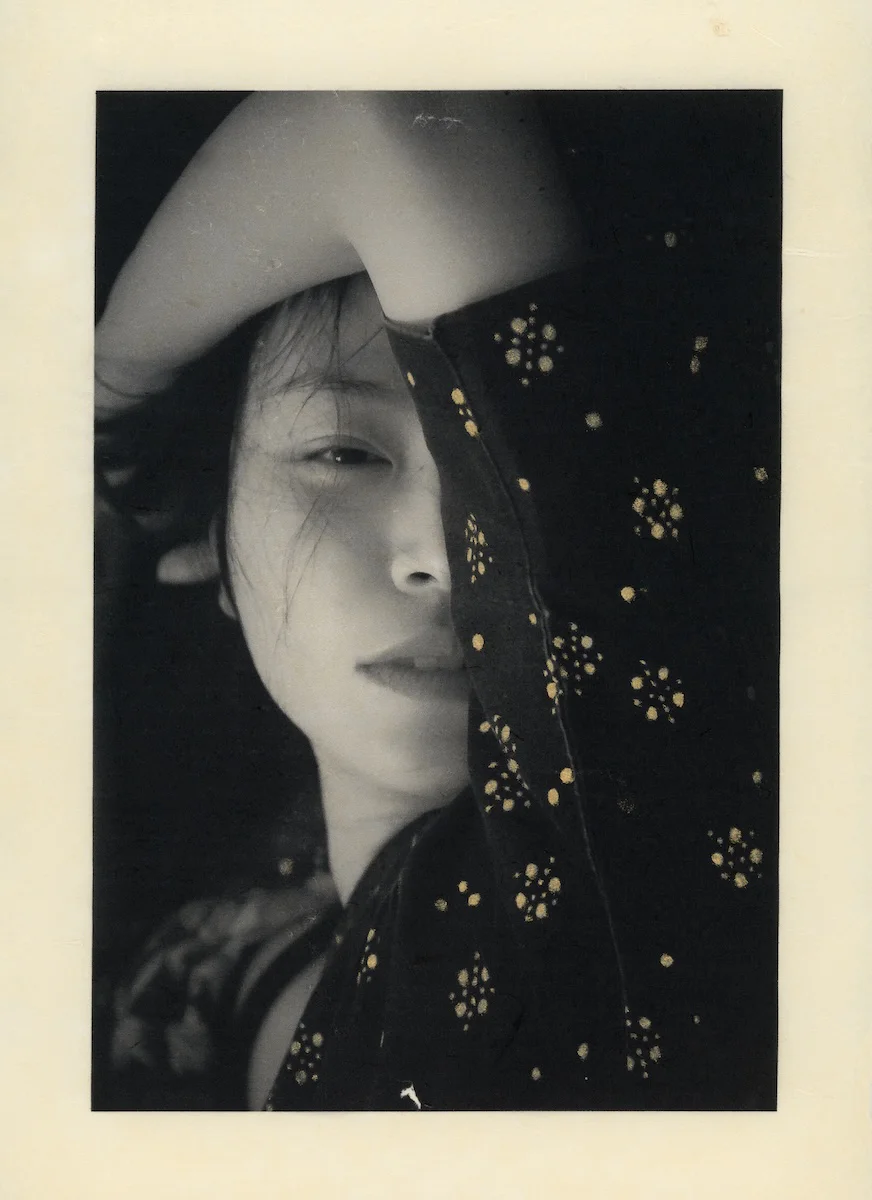
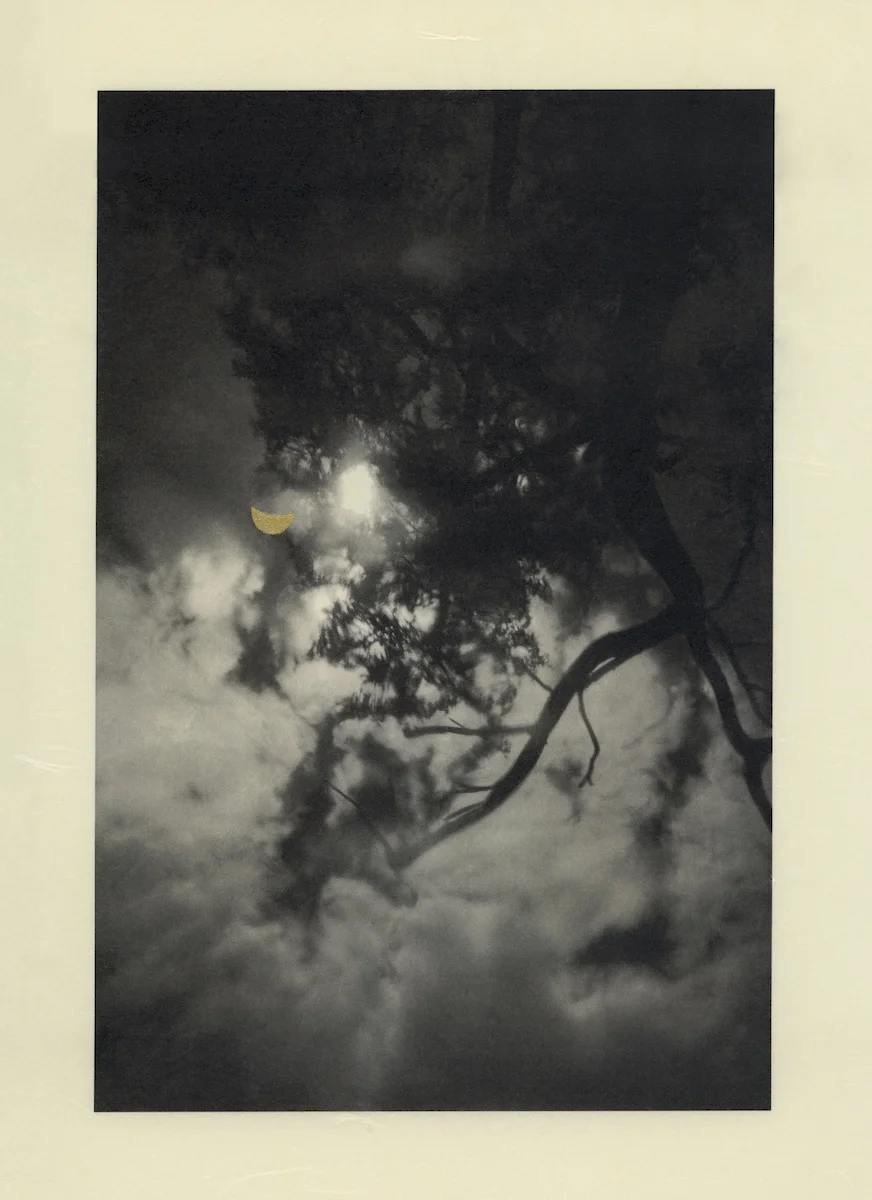
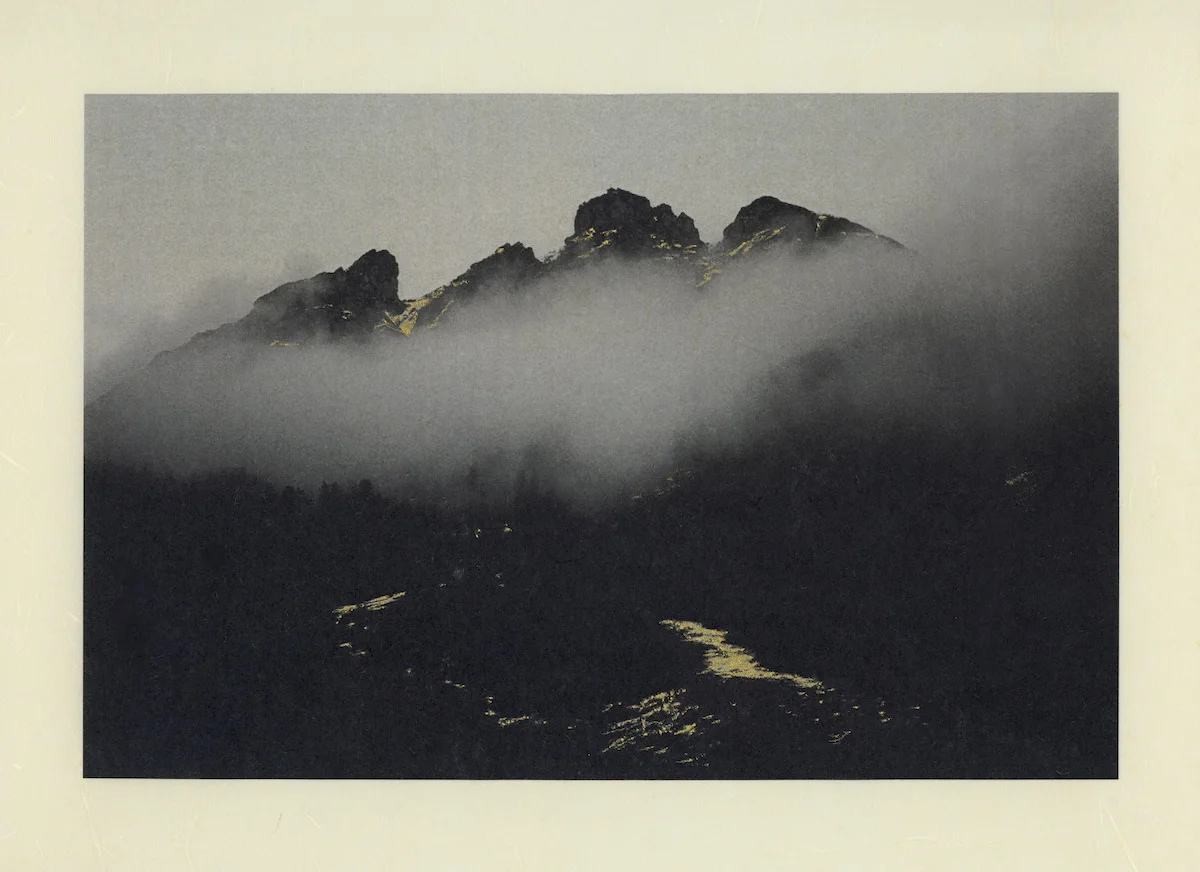
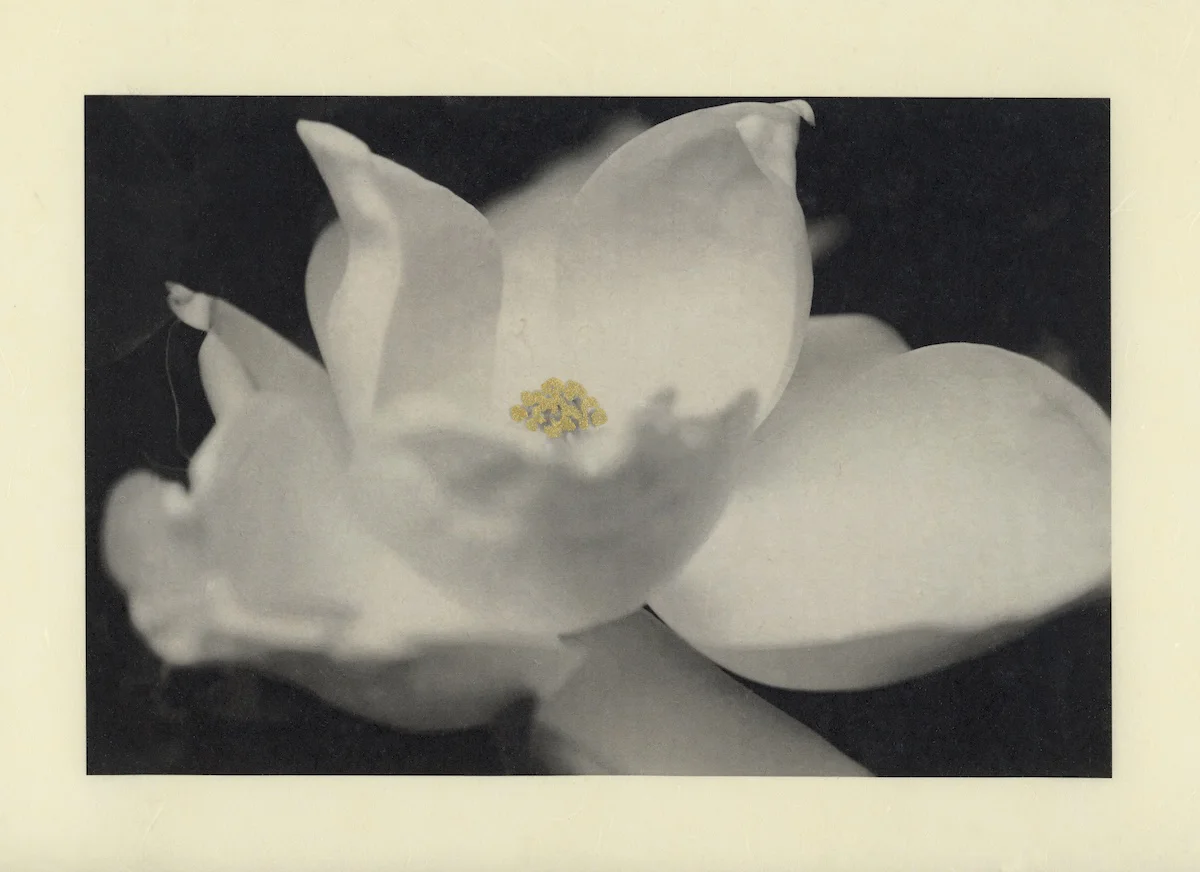
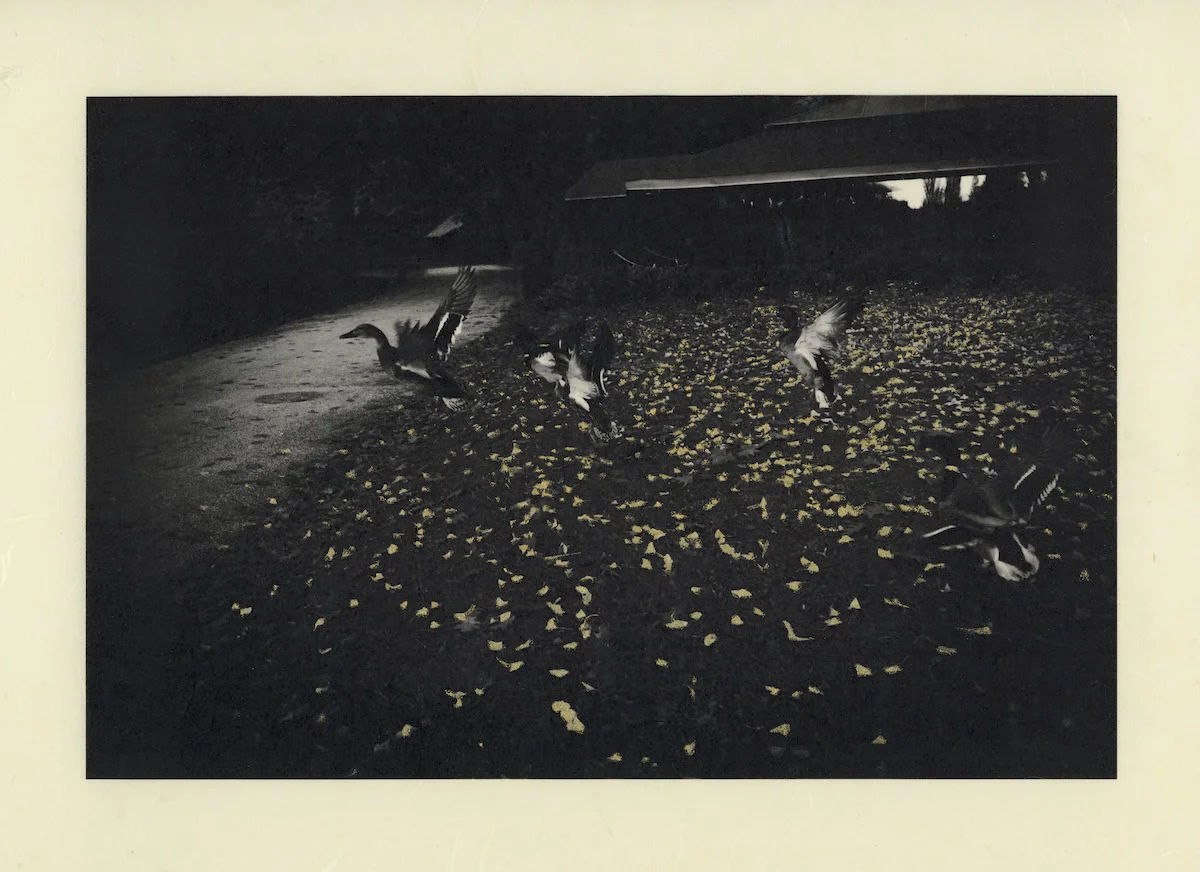
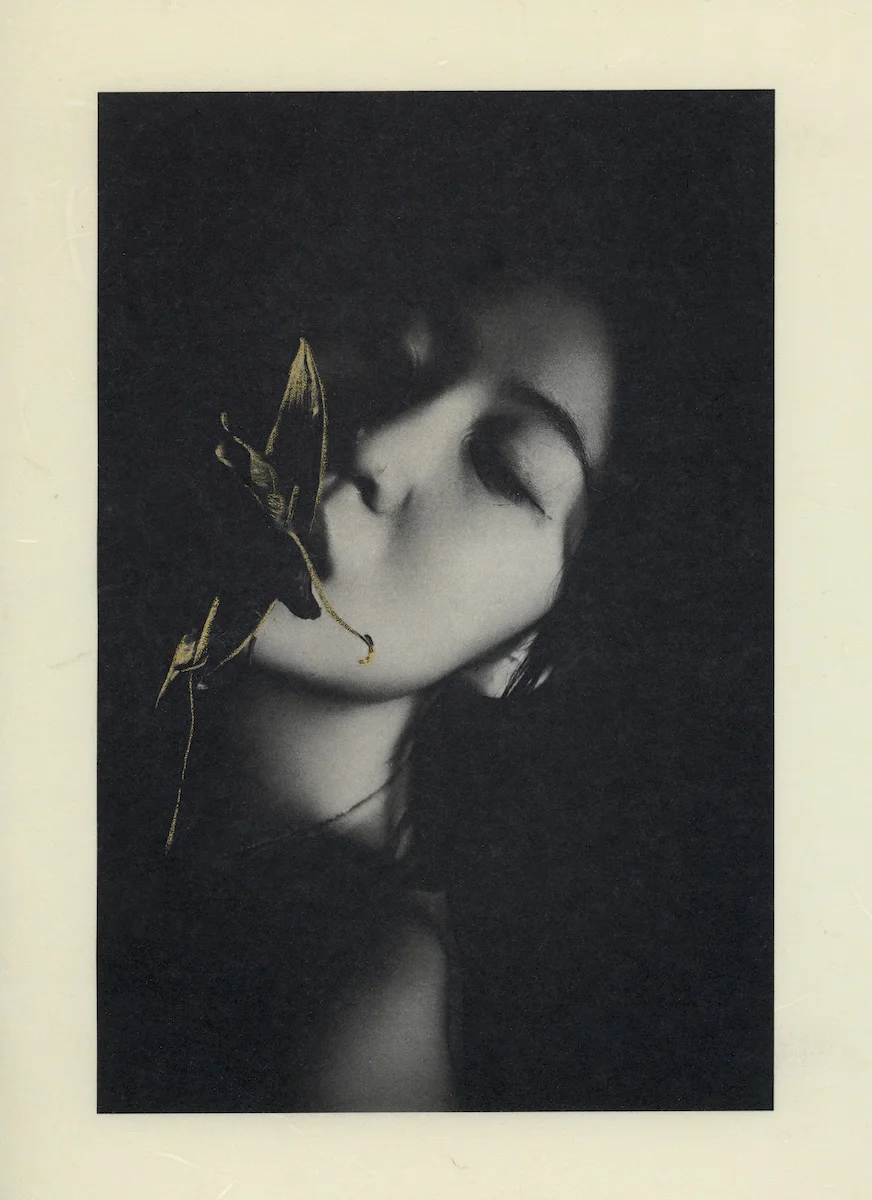
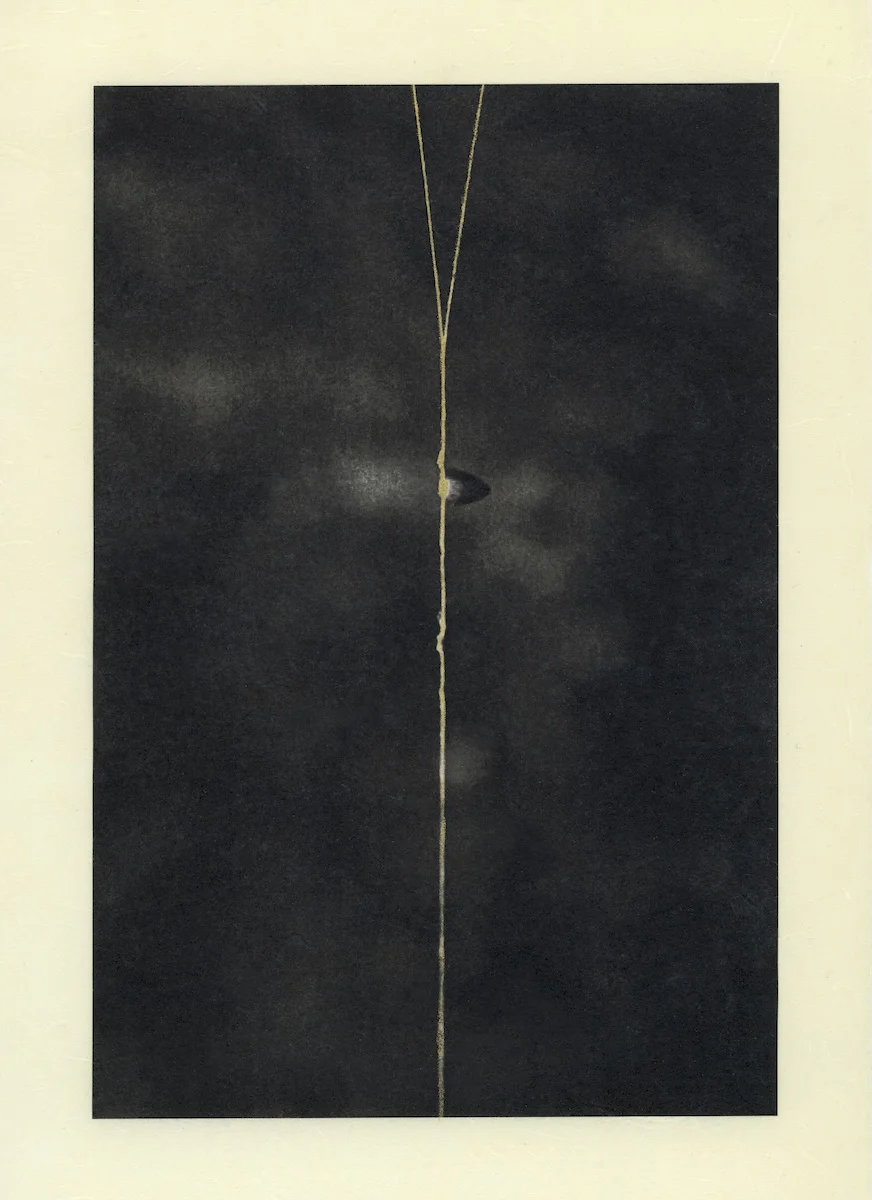
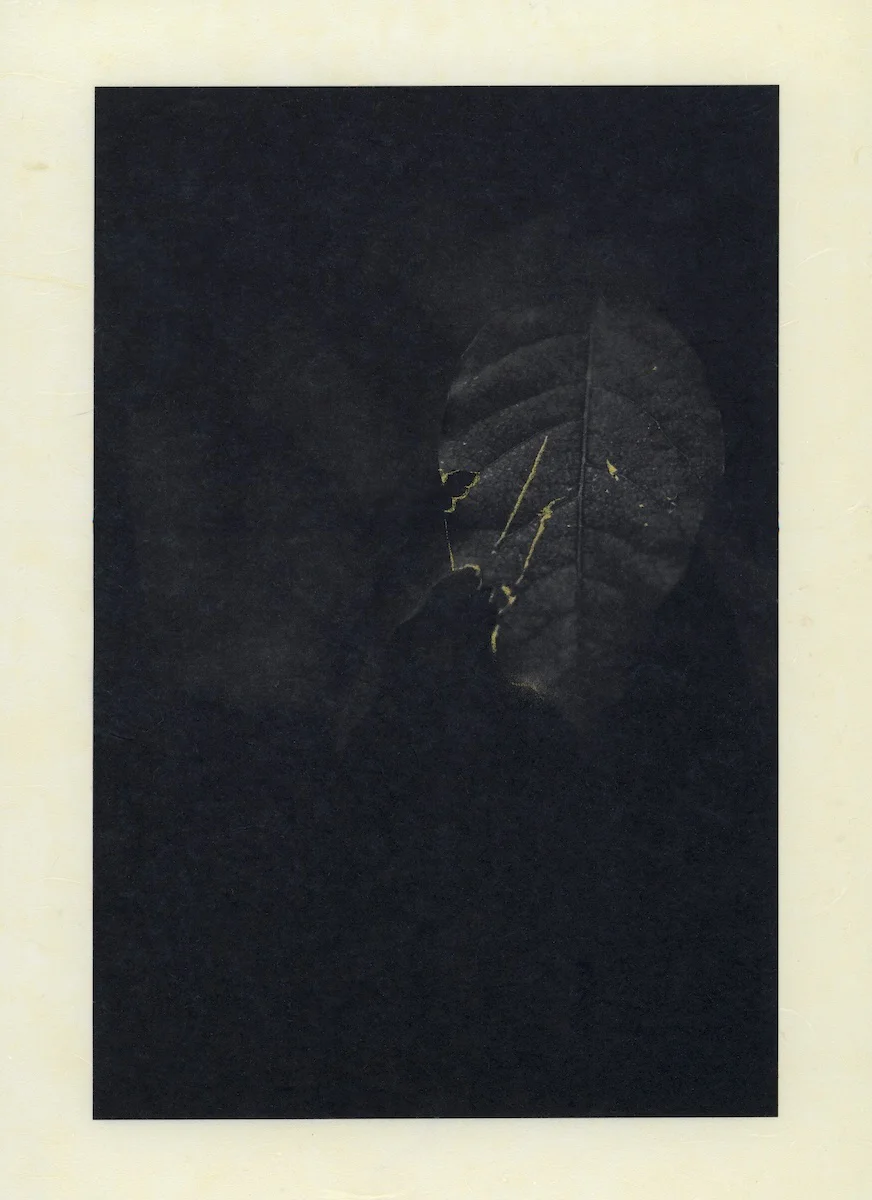
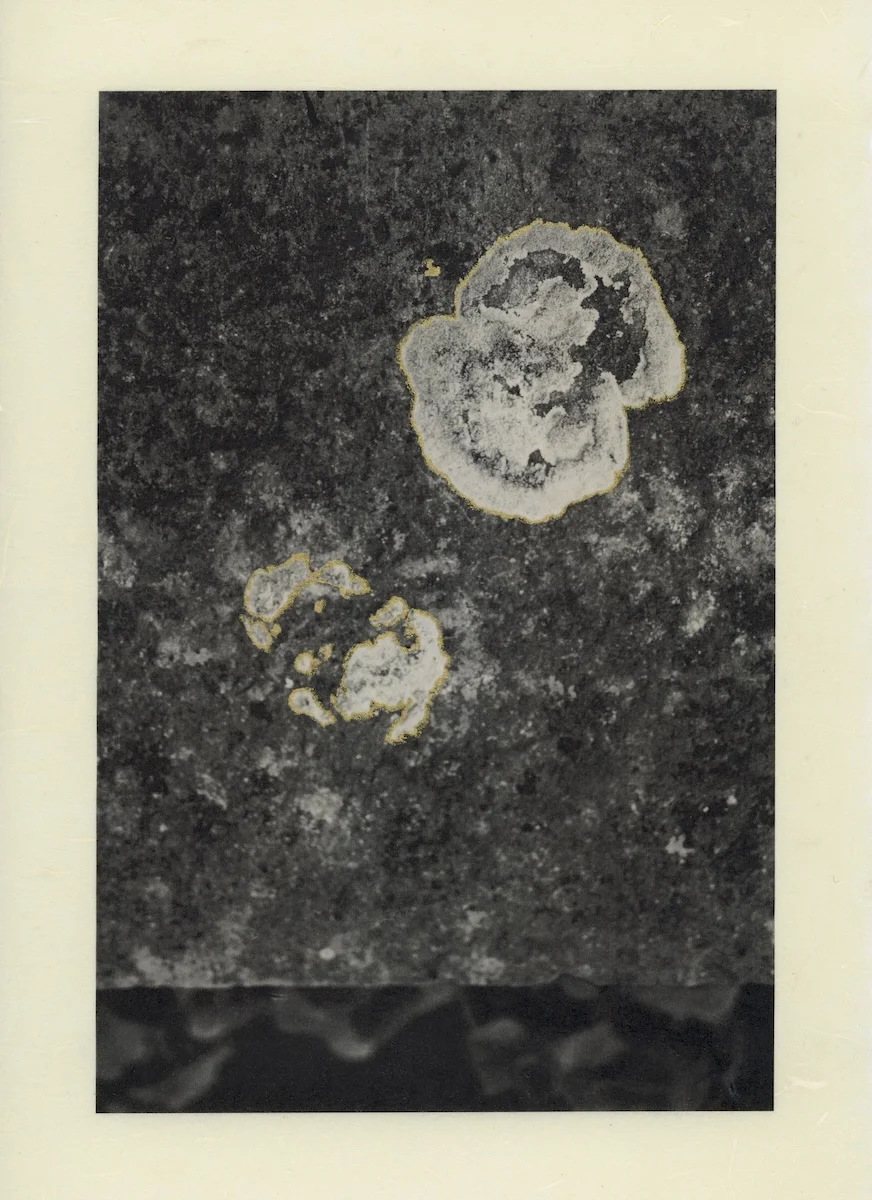
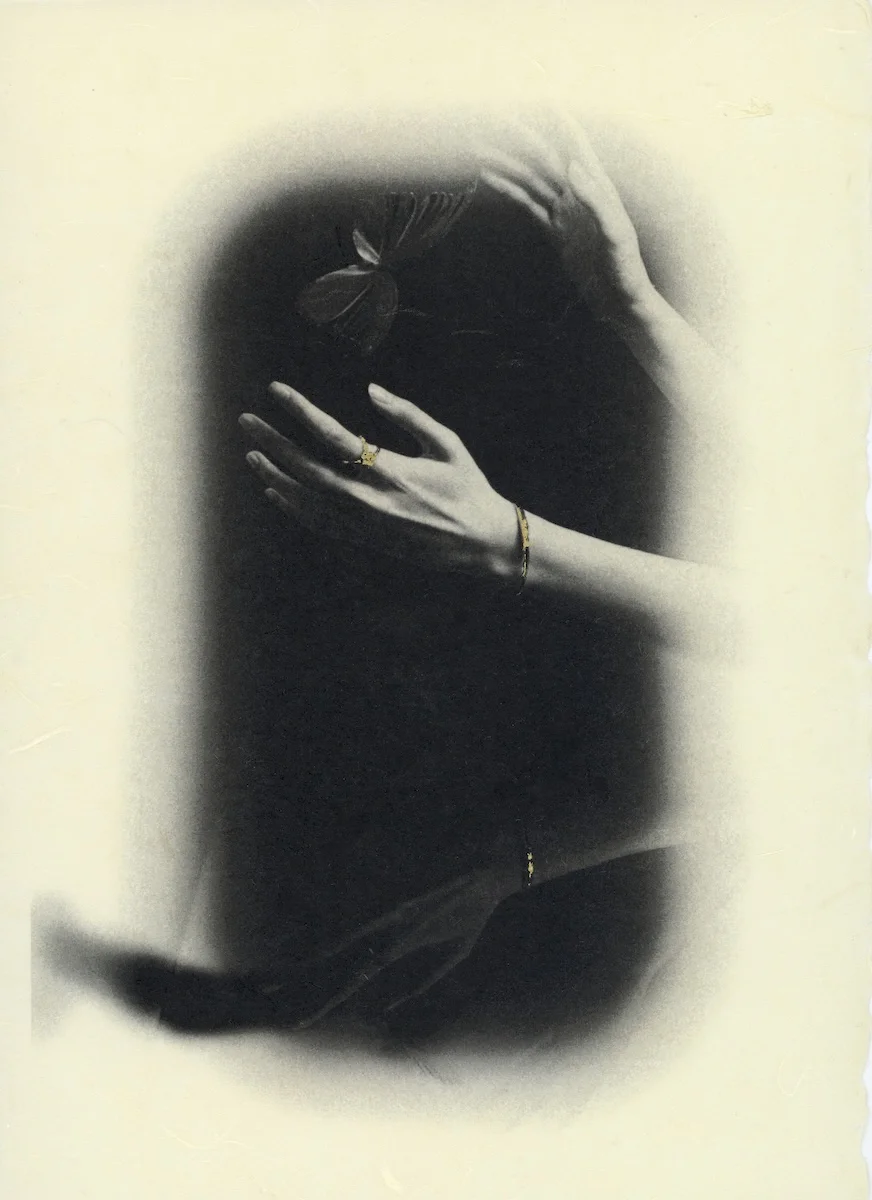
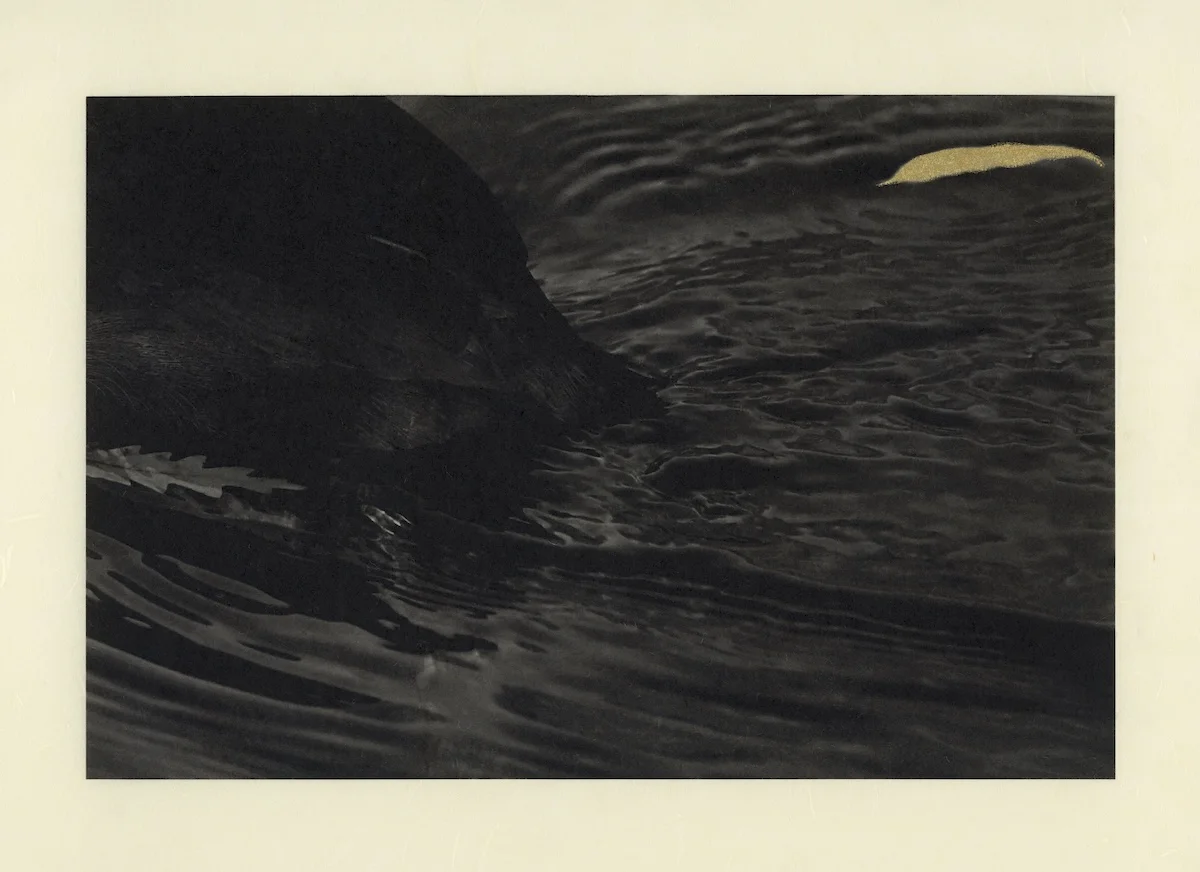
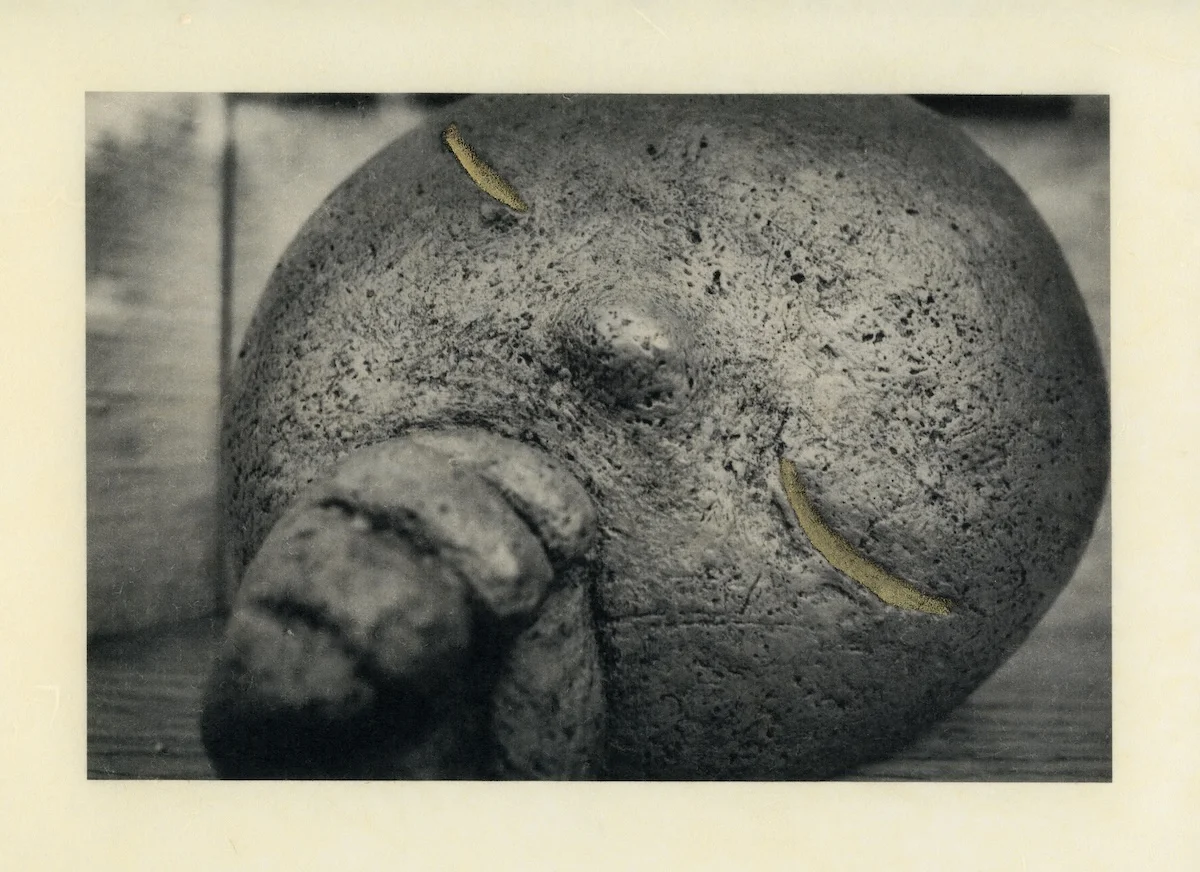
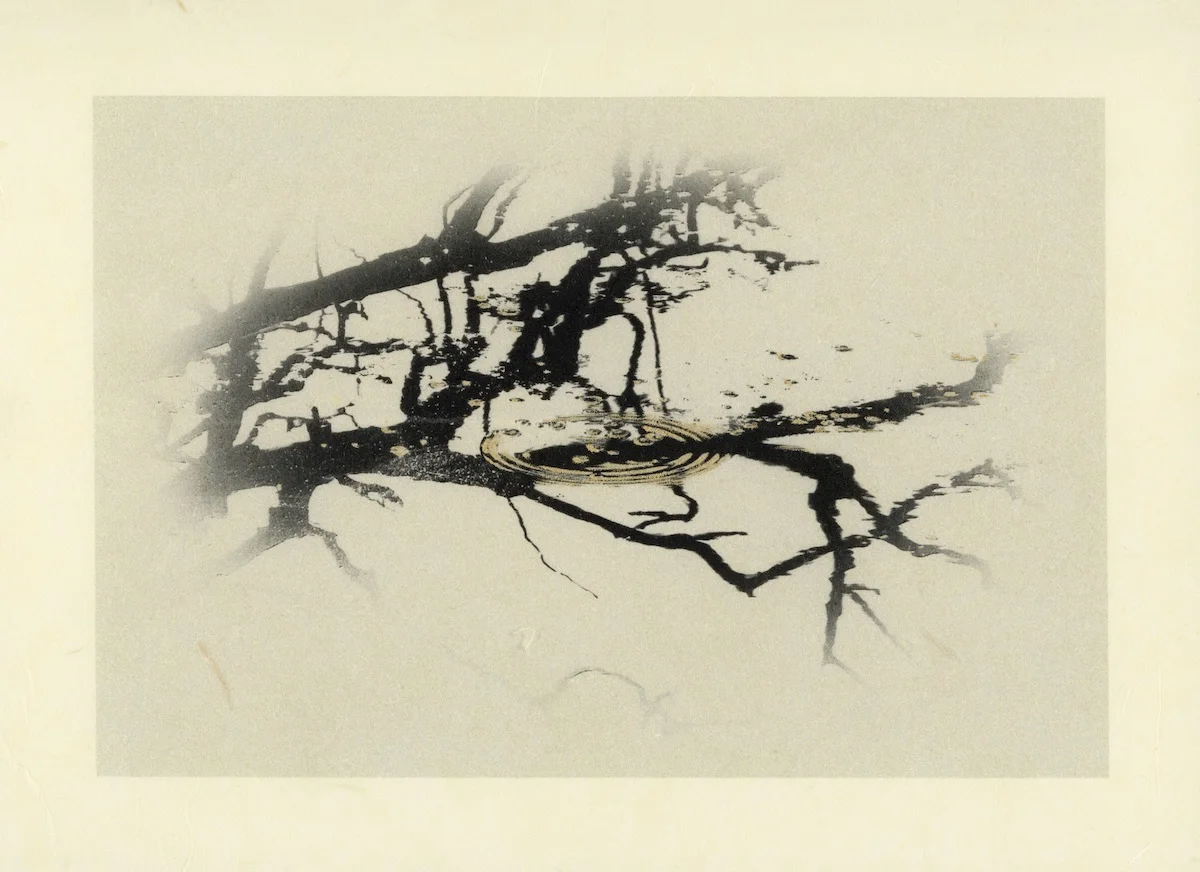
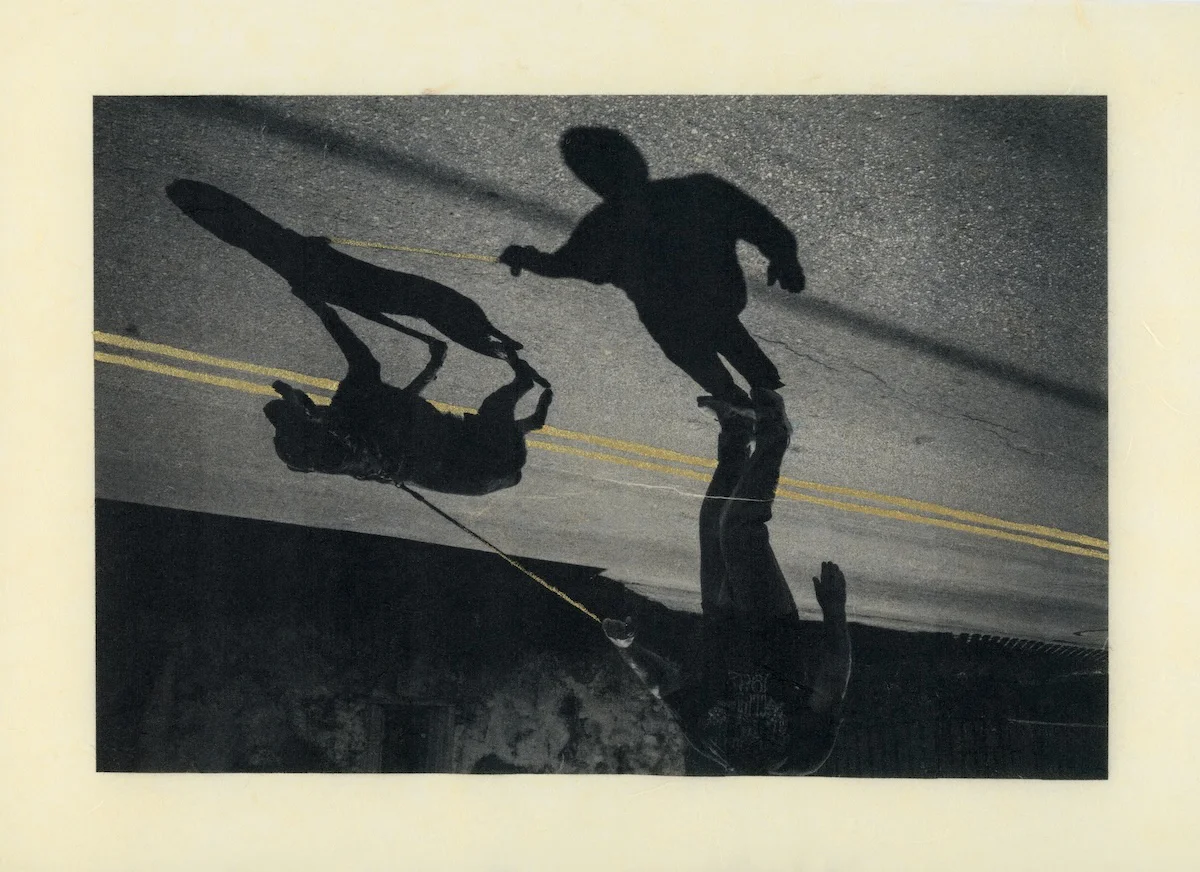
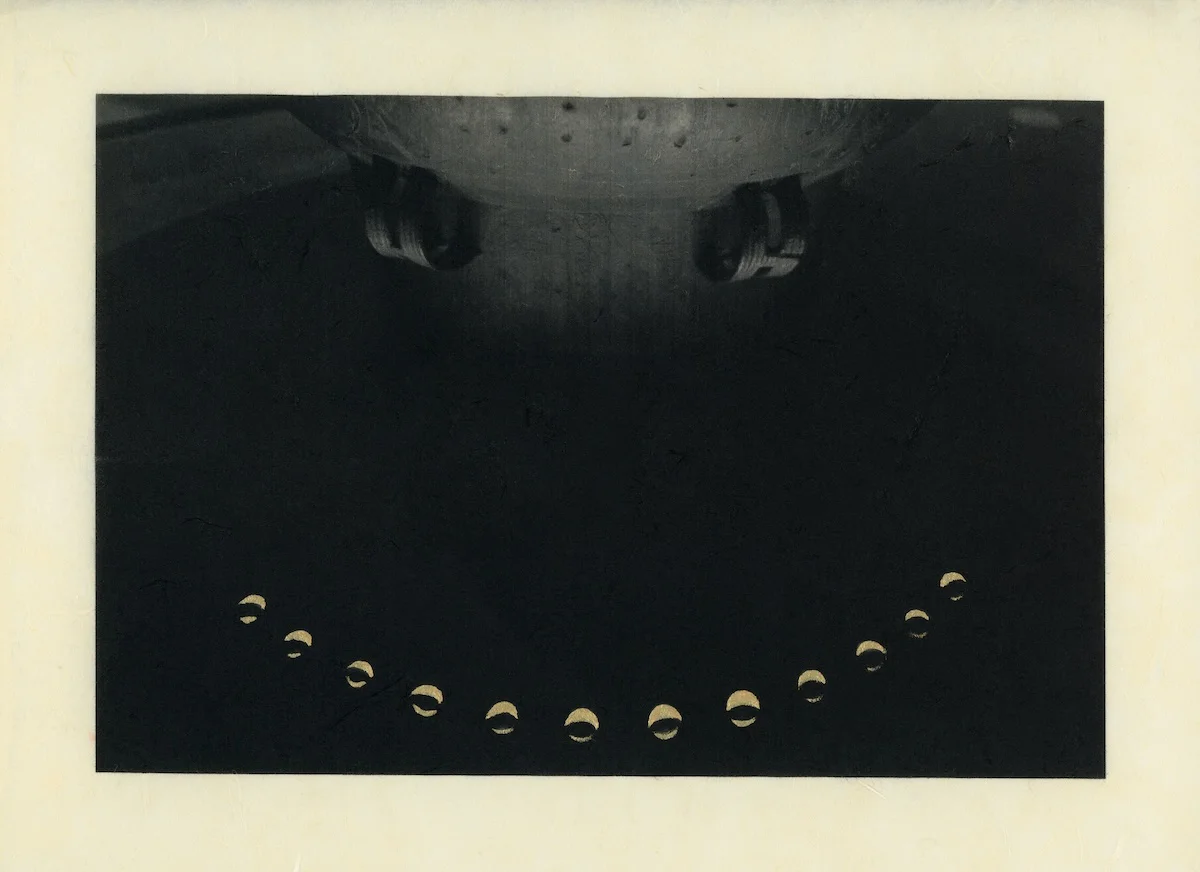
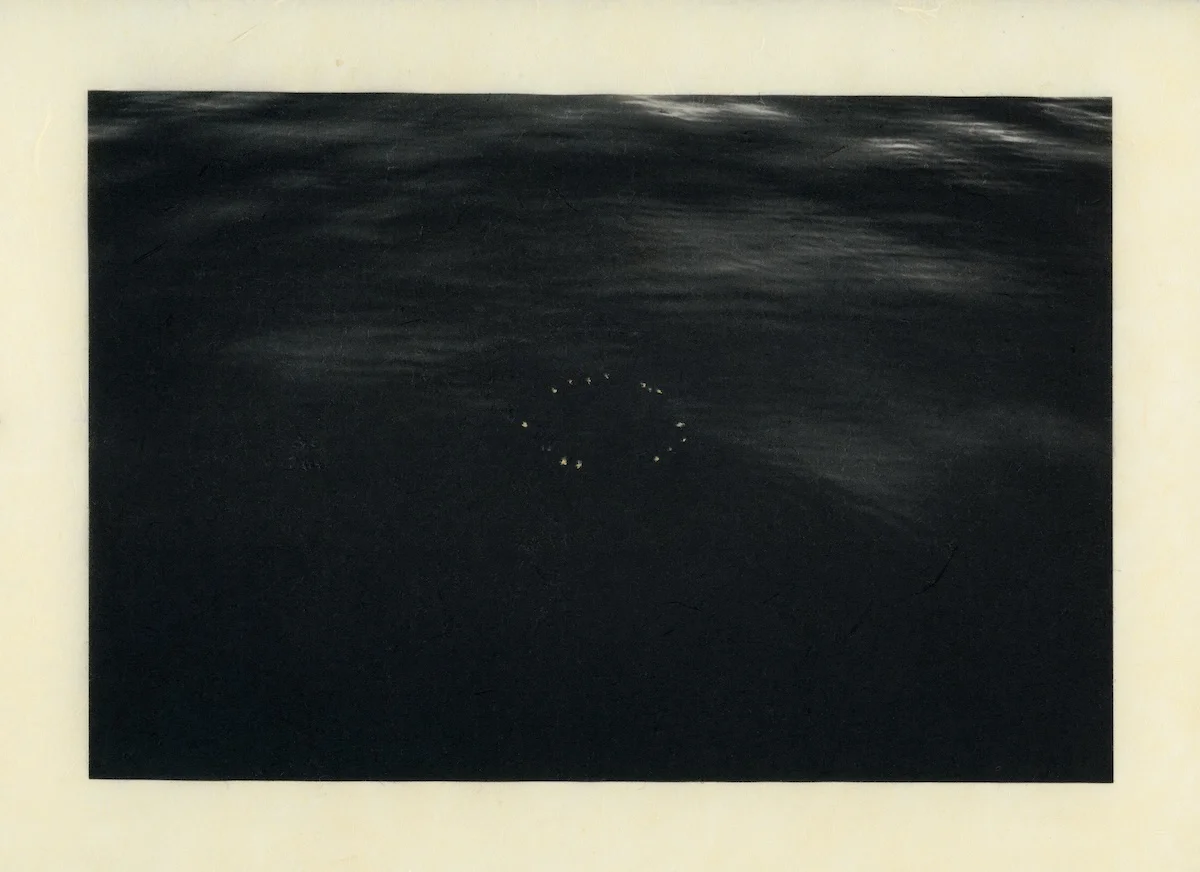
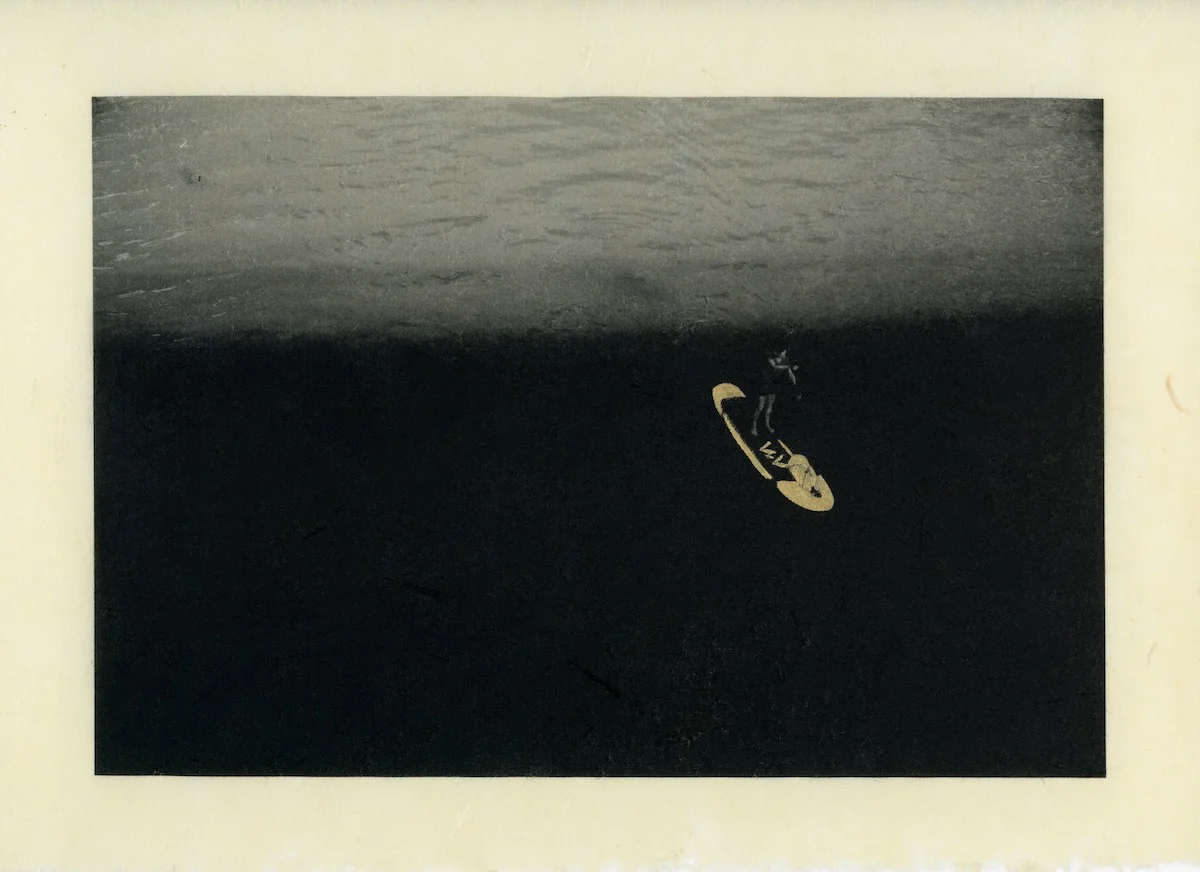
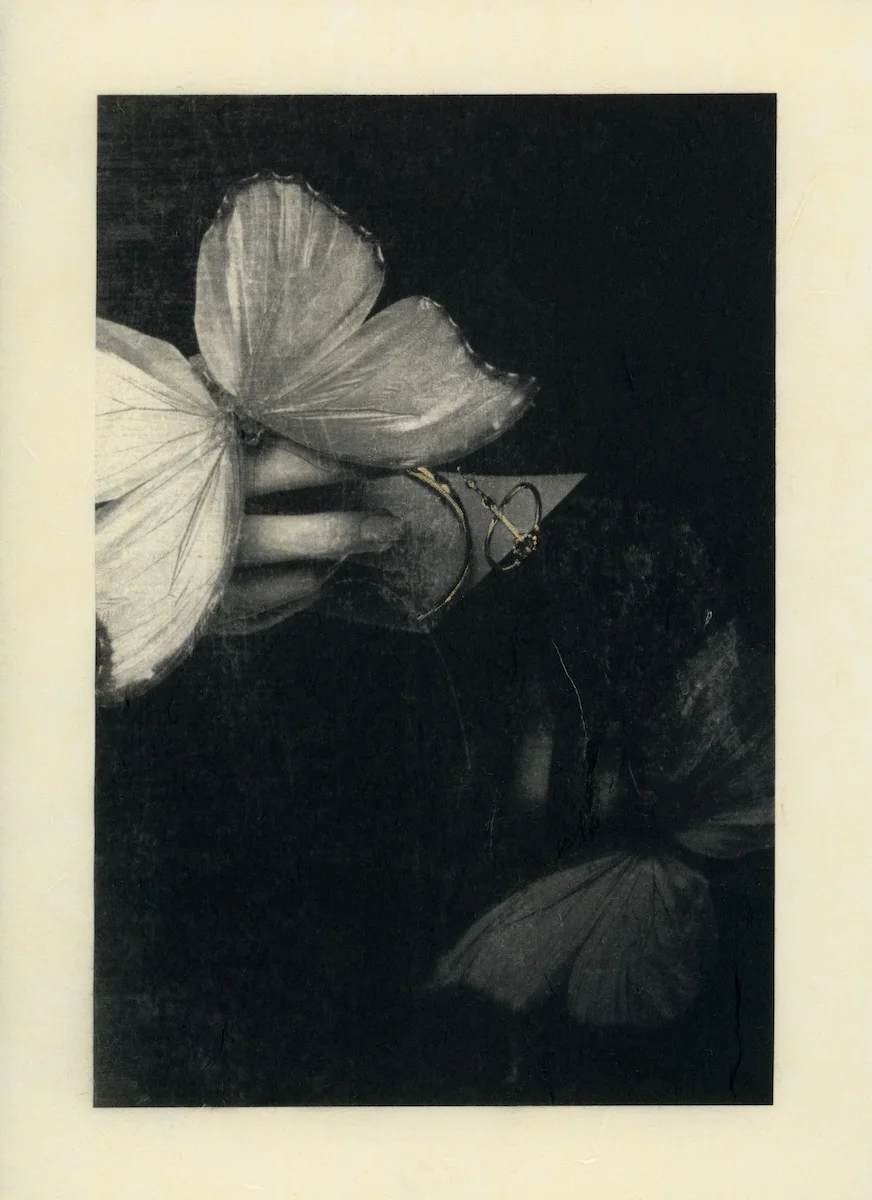
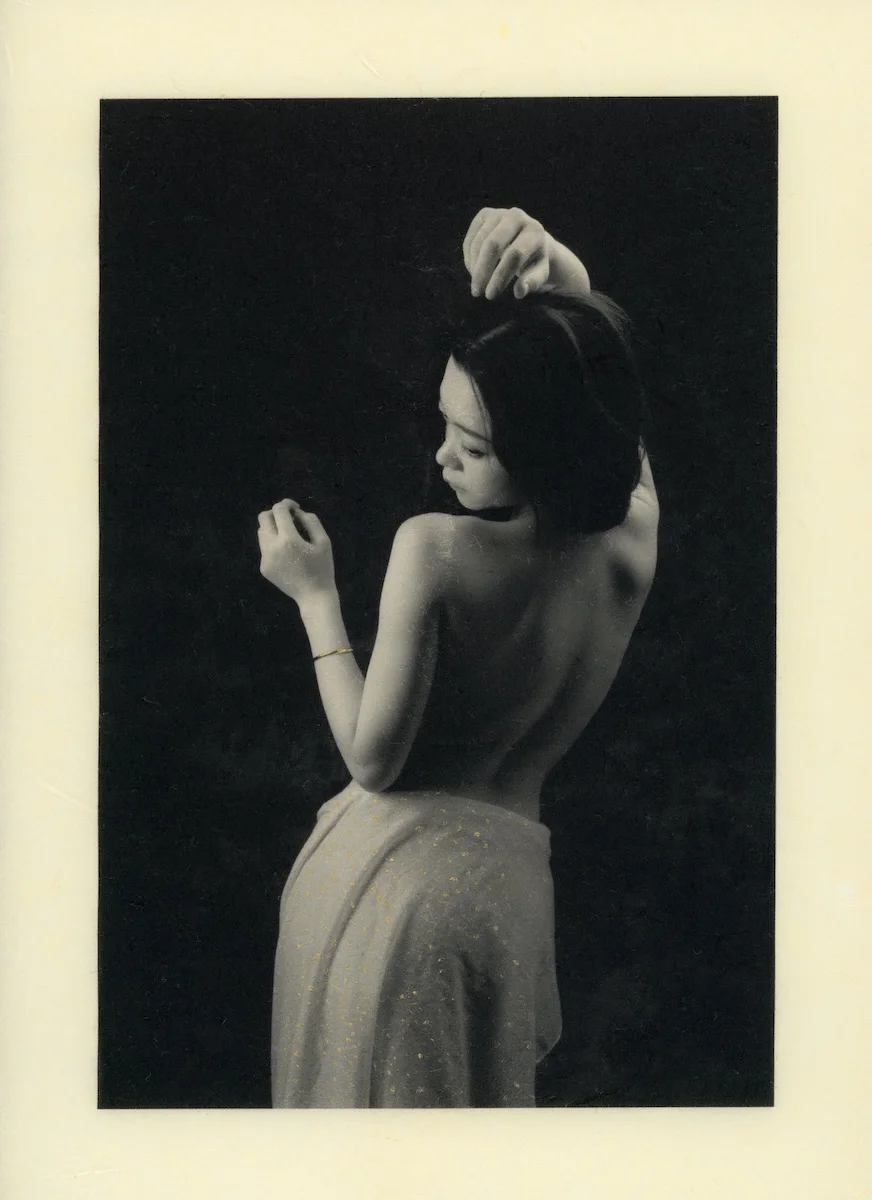
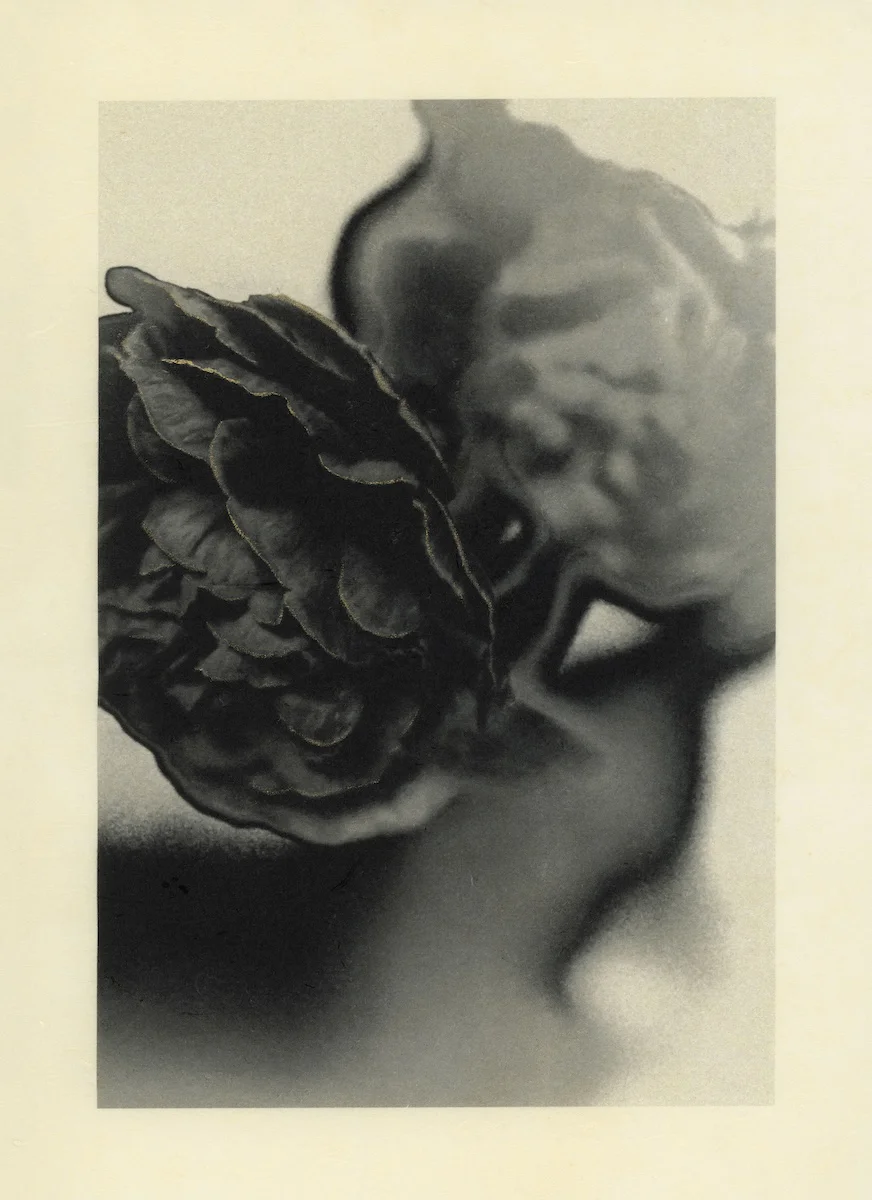
“Golden Dreams” exists between the ebb and flow of being and nothingness, where dreams offer balance between rationality and sensibility: 'I fantasize, I exist; I dream, I exist.’ Golden Dreams was born of the spirit’s eternal need for sanctuary, which hopes to repair the rift between past and present.

The gold accents on top of the black and white photographs express the tension of dreams in life, including illusion and reality, spiritual and bodily, brightness and darkness, destruction and reconstruction, and harmony and disharmony、Yin (negative) and Yang (positive).

The combination of modern photography and traditional Chinese gold powder painting provides a blurred feeling between past and present, balancing the conflict between delicate, gentle craftsmanship and calm, objective photographic techniques.

Digital photography was often considered to be infinitely copyable, Shulan subverted this notion. By printing photographic works on Chinese rice paper and applying gold powder by hand, each piece bears a singular paper texture and distinct brushstrokes. Technically, she has broken through the boundaries between digital photography and the handmade darkroom, allowing objective photography to possess the freedom and variability of painting within the container of ideas.

All About Photo Competitions

Photographer of the Week 22, 2026

 

Inspiring Portfolios

Call for Entries
AAP Magazine #58 B&W
Publish your work in our printed magazine and win $1,000 cash prizes
 
Stay up-to-date  with call for entries, deadlines and other news about exhibitions, galleries, publications, & special events.

More Great Photographers To Discover

Leigh Ann Edmonds
United States
1980
Leigh Ann is a freelance photographer located in a small town just north of Birmingham, Alabama. Her freelance career spans over 20 years as a professional with portrait, commercial and documentary/editorial work for publications and the entertainment industry. Her work has been in ROLLING STONE, VINTAGE GUITAR and B&W MAGAZINE. She is also an award-winning photographer for her portrait titled 'RODEO'. She is an avid trail runner married to a full-time working musician and her work often reflects that of her lifestyle, showcasing her love of adventure, people and the great outdoors. She received a BA in Studio Art and minor in Journalism from the University of Alabama in 2004 and considers photography more about her visual journey than a professional destination. STATEMENT Over the years I have noticed a pattern with my personal works. I often seek out the road less traveled rather it be within my living environment and community or during my travels. The isolation feels comforting and safe for me, as it allows me to slow down, it is here in these moments, when photography becomes my therapy. I've always been intrigued by the unplanned photograph and my work never is pre-conceptualized. I typically don't know what I will end up photographing and often feed off the energy I am given within that moment when I decide to take the image. The act of shooting is more important to me than the image I capture because it is about the connection I have found with the individual or space I come across. I tend to shoot more on sporadic intuition than thinking the shot through. If I feel something, I don't hesitate and click the shutter only to discover the image later, which can add to the excitement of this experience with my camera. The days I find myself inspired to shoot are days that I long for a connection, rather it be connection with others or the space I am in. I have found that over the years, my photography has become more about a glimpse into who I am more than a means to make a living as a professional. The pattern of my work tends to primarily focus on portraits of locals and the environment of small towns documented in black and white. This approach is to give the sense of isolation and nostalgia of small-town living. I don't want my work to feel 'dated' as I hope those viewing my work will also connect them to that place or person without feeling dated or current. I want my work to gather a sense of timelessness to the viewer and to me. I consider my personal works a journal of my life, my adventures, and a sense of belonging somewhere as I hope others will stumble across and 'read' my photographs when I am gone.
Elise Boularan
France
1984
Elise Boularan grew up in the South of France and has a Master's degree in Creation and Artistic Research from the University of Toulouse. She also studied photography at the Toulouse School of Photography. After finishing her academic research and studies, she moved to Paris. She currently lives between Paris and Toulouse, pursuing a career as a photographic artist.She develops a photographic work turned to the story, realizing images loaded with ellipses and silences. This work does not shy away from the world, but intends to build an interpretation, where something deaf, undefinable is very present. Her preoccupations concern the human reality of our time, trying to reveal what can be secret at the individual's.She has been published extensively and has exhibited in Europe and the USA, notably in Madrid, Denmark, and New York, as well as the French Institute of Ukraine, The Museum of New Art (Mona) and The Russell Industrial Center (Mona Detroit) in Detroit; the Instituto Cultural de México, San Antonio, Texas Hill Country, Usa. Her work is in several private collections.Elise Boularan works also for international & national press and collaborates with musicians and other artists, making the universe of songs match perfectly with her poetical vision.All about photo: When did you realize you wanted to be a photographer?I had already done specialized studies in photography, but I remember I really got caught by the photographer' syndrome when I was in Belgium.Do you spend a lot of time editing your images? For what purpose?After the shooting. there is a lot of work. I don't retouch a lot my images or give this impression... But I spend a great deal of time to select and to see which images work together. It's a difficult and very interesting work.The compliment that touched you most?Indeed, there is a compliment which particularly touched me some years ago in Paris. A compliment coming from one of my references photograph, a famous photographer who has a remarkable work. When we met us, she wanted to discover my work and it was unexpected for me to have compliments on my work from her. And the next day, she phoned me to thank me, because my work had motivated her to boost in her creations again. Is there another job you could have done?No, I don't think so. But it's a good question because we should make no mistake about it, the artistic crafts aren't easy so we can have this kind of questions. But my answer is no.
Lisa Kristine
United States
1965
Acclaimed humanitarian photographer Lisa Kristine specializes in images of remote indigenous peoples. Best known for her evocative and saturated use of color, her fine art prints are among the most sought after and collected in the world. Lisa has documented in over 100 countries on six continents, using a 19th century 4×5” field view camera for the majority of her work. Lisa Kristine was born in San Francisco, California, on September 2, 1965. She developed an early interest in anthropology and photography. Lisa was mentored in her youth in Silver Gelatin and Cibachrome printing. Following graduation from the Fashion Institute of Design and Merchandising in San Francisco, Lisa photographed for nearly five years in Europe and Asia. Lisa has collaborated with international humanitarian organizations. When the State of the World Forum convened in San Francisco in 1999 and in New York in 2000, Lisa was asked to present her work to help inspire discussions on human rights, social change, and global security. Her work was auctioned by Christie’s New York to benefit the United Nations with Kofi Annan. She was also honored to be the sole exhibitor at the 2009 Vancouver Peace Summit with His Holiness the Dalai Lama, Reverend Tutu and award winning Nobel Laureates. In 2010 Lisa collaborated with Free the Slaves documenting modern-day slavery. She traveled into the heart of broiling brick kilns, down rickety mine shafts, and into hidden lairs of sex slavery. She bore witness to the most horrific abuses imaginable and the astonishing glimpses of the indomitable human spirit. A groundbreaking photographic book entitled Slavery in which Archbishop Desmond Tutu wrote the foreword was released in the fall of 2010. The sales of the book will help to end slavery. John C. Sweeney, Director of the United Nations, says of her work, “Lisa Kristine’s sensitive and beautiful portrayal of isolated and distant peoples helps us to better appreciate the diversity of the world. She captures the sheer beauty of the differences in people and places and allows us to comprehend the shared nature of the human condition: its hope, its joy and its complexity.” Her work is made distinctive by her passion and intuition and her intense interest in the humanity of her subjects. “I want a person to feel at ease with me, so that they remain who they are and are unchanged by a new, foreign element such as a stranger (myself) or a camera. In order for me to photograph a person in this unaffected environment of ‘self,’ there must be a firm trust between us. Without this, one might still create a beautiful image, but not a stirring one. I’m drawn to people who have been living closer to the earth, and who have very old traditions. People who have not, in any way, been altered by modernity.” “The saturation of color opens our eyes to those who are living in ways very different from our own,” says Paul Oppenheimer, a highly regarded philosopher and teacher. “Lisa invites each of us as humans to look into the eyes of those whom we cannot understand—in a setting that does not diminish our differences. In those differences, we find the roots of our unity.” The images, both inspiring and evocative, draw a connection between the viewer and the subject. Lisa Kristine’s art is her personal statement about the connection of humanity, and about the diversity, beauty, and hardship of our world. Published in 2003, Lisa’s limited edition hardcover monograph A Human Thread of 120 photographs sold out within a year. The accompanying short documentary film, A Human Thread, explores the process behind the photographs and includes interviews with Kristine as well as footage of her on location. Following on the success of her first book, Kristine published This Moment in 2007. This Moment won the bronze metal for the Independent Publisher Book Awards. The book consists of 62 full color plates showcasing her use of the large-format 4x5 field view camera. A second documentary film, Through the Lens, was produced in association with the book. The film illuminates her photographic and artistic process in using a 4x5 large-format view camera.
Solmaz Daryani
Solmaz Daryani is an Iranian photographer and photojournalist, based between the UK and Iran. Her work is particularly known for exploring the themes of climate security, climate change, water crisis, human identity and environment. Daryani has worked internationally, covering social and environmental documentary stories in Iran, Afghanistan, Turkey and the United Kingdom. Her work has been published by international magazines and newspapers such as National Geographic Magazine, L'OBS Magazine, Foreign Policy Magazine, Polka Magazine, Zenith Magazine among others. The Eyes of Earth (THE DEATH OF LAKE URMIA) "A lake is earth's eye; looking into which the beholder measures the depth of his own nature." Henry David Thoreau Lake Urmia is located in the northwest of Iran. It was once the biggest salt lake in the Middle East and sixth biggest salt lake on earth situated between two neighboring provinces (East-Azerbaijan and West-Azerbaijan) in Iran. Lake Urmia was home to many birds like ducks, pelicans, and flamingoes.10 years ago; the lake was still a popular destination for vacationers. Bathers immersed themselves in the saline water and smeared their bodies with its legendary black mud, which helped to treat skin disease. My extended family on my mother's side born and lived in Sharafkhaneh port. The town used to be one of the heavily traveled touristic villages on the north coast of Lake Urmia. My grandfather had built a motel beside the lake, and my uncles were sailors. Less than a decade ago, my grandfather hosted dozens of tourists a day in the summers, with his two sons taking them on boat tours. During the past 20 years, approximately 80% of this lake dried due to climatic changes, excessive development in the agriculture sector, lack of correct management of water consumption, and excessive dams constructed on the lake's basin river in this area. At the moment, hopes for the salt lake's survival have been revived after 2018 torrential rain has boosted a government program aimed at preserving it before it dries up. The desiccation is one of the most unfortunate environmental disasters of Iran in recent years. It will increase the frequency of salt storms that sweep across the exposed lakebed, diminishing the productivity of surrounding land and encouraging farmers to move away. More than 4 million people live in two neighboring provinces (East-Azerbaijan and West Azerbaijan) around the lake and agriculture, animal husbandry, and handicraft making play a significant role in the region. As the lake dried up, agriculture waned which caused my grandparent's garden dry and deserted. Lake's ducks; flamingos and pelicans have vanished, too. My childhood in Sharafkhaneh seems like a long time ago. The motel abandoned, and the almond trees have withered. The port today is a sparsely populated village where most people are old, and it no longer resembles the place where I left my childhood memories. The project investigates the impacts of drying of Urmia Lake on people and the environment around it and to demonstrate environmental, economic, physical, and social changes that happened after lake shrinking. (the Year 2014-ongoing)
Wynn Bullock
United States
1902 | † 1975
Wynn Bullock (April 18, 1902 – November 16, 1975) was an American photographer whose work is included in over 90 major museum collections around the world. He received substantial critical acclaim during his lifetime, published numerous books and is mentioned in all the standard histories of modern photography. Bullock was born in Chicago and raised in South Pasadena, California. After high school graduation, he moved to New York to pursue a musical career and was hired as a chorus member in Irving Berlin’s Music Box Revue. He occasionally sang the primary tenor role when headliner John Steele was unable to appear and then was given a major role with the Music Box Review Road Company. During the mid-1920s, he furthered his career in Europe, studying voice and giving concerts in France, Germany and Italy. While living in Paris, Bullock became fascinated with the work of the Impressionists and post-Impressionists. He then discovered the work of Man Ray and László Moholy-Nagy and experienced an immediate affinity with photography, not only as an art form uniquely based on light, but also as a vehicle through which he could more creatively engage with the world. He bought his first camera and began taking pictures. During the Great Depression of the early 1930s, Bullock stopped his European travels and settled in West Virginia to manage his first wife's family business interests. He stopped singing professionally, completed some pre-law courses at the state university, and continued to take photographs as a hobby. In 1938, he moved his family back to Los Angeles and enrolled in law school at the University of Southern California where his mother Georgia Bullock (California's first woman jurist) had studied law. Completely dissatisfied after a few weeks, he left USC and became a student of photography at the nearby Art Center School. From 1938 to 1940, Bullock became deeply involved in exploring alternative processes such as solarization and bas relief. After graduation from Art Center, his experimental work was exhibited in one of Los Angeles County Museum of Art's early solo photographic exhibitions. During the early 40s, he worked as a commercial photographer and then enlisted in the Army. Released from the military to photograph for the aircraft industry, he was first employed at Lockheed and then headed the photographic department of Connors-Joyce until the end of the war. Remarried, and with a new daughter, Bullock traveled throughout California from 1945 to 1946, producing and selling postcard pictures while co-owning a commercial photographic business in Santa Maria. He also worked on developing a way to control the line effect of solarization for which he later was awarded two patents. In 1946, he settled with his family in Monterey, where he had obtained the photographic concession at the Fort Ord military base. He left the concession in 1959, but continued commercial free-lance work until 1968. A major turning point in Bullock's life as a creative photographer occurred in 1948, when he met Edward Weston. Inspired by the power and beauty of Weston's prints, he began to explore "straight photography" for himself. Throughout the decade of the 1950s, he devoted himself to developing his own vision, establishing deep, direct connections with nature. A lifelong learner, he also read widely in the areas of physics, general semantics, philosophy, psychology, eastern religion and art. Studying the work of such people as Albert Einstein, Korzybski, Alfred North Whitehead, Bertrand Russell, LaoTzu and Klee, he kept evolving his own dynamic system of principles and concepts that both reflected and nurtured his creative journey.Source: Wikipedia Bullock came into the public spotlight when Museum of Modern Art curator Edward Steichen chose two of his photographs for the 1955 Family of Man exhibition. When the exhibition was shown at the Corcoran Gallery in Washington, D.C., his photograph Let There Be Light, was voted most popular. The second, Child in Forest, became one of the exhibition’s most memorable images. By the end of that decade, his work was widely exhibited and published worldwide and in 1957, he was honored with a medal from the Salon of International Photography. During the early 1960s, Bullock departed from the black-and-white imagery for which he was known and produced a major body of work, Color Light Abstractions, which expressed his belief that light is a great force at the heart of all being. Further image-making innovation included alternative approaches including extended time exposures, photograms, and negative printing. During the 1960s and 1970s Bullock expanded his influence through other roles. In 1968, he became a trustee and chairman of the exhibition committee during formative years at Friends of Photography in Carmel, California. He taught advanced photography courses at Chicago’s Institute of Design during Aaron Siskind’s sabbatical and at San Francisco State College at John Gutmann’s invitation. In the last decades of his life, he lectured widely, participated in many photographic seminars and symposia, and was a guest instructor for the Ansel Adams Yosemite Workshops. Bullock died at the age of 73 in November 1975. Along with Ansel Adams, Harry Callahan, Aaron Siskind, and Frederick Sommer, he was one of the founding photographers whose archives established the Center for Creative Photography in 1975. The Bullock collection consists of 223 prints and 90 linear feet of archival materials, including personal papers, diaries, correspondence, activity files, audio-visual and photographic materials. The archive offers significant information on the exhibition, publication, and sale of Bullock's photographs; his experiments with solarization; his involvement with the Friends of Photography; and his teaching activities. The collection offers insight into Bullock's attitudes toward his own work and the development of his philosophical approach to the medium.Source: Center for Creative Photography
Doris Ulmann
United States
1882 | † 1934
Doris Ulmann was an American photographer, best known for her portraits of the people of Appalachia, particularly craftsmen and musicians, made between 1928 and 1934. Doris Ulmann was a native of New York City, the daughter of Bernhard and Gertrude (Mass) Ulmann. Educated at the Ethical Culture Fieldston School, a socially liberal organization that championed individual worth regardless of ethnic background or economic condition and Columbia University, she intended to become a teacher of psychology. Her interest in photography was at first a hobby but after 1918 she devoted herself to the art professionally. She practiced Pictorialism and was a member of the Pictorial Photographers of America. Ulmann documented the rural people of the South, particularly the mountain peoples of Appalachia and the Gullahs of the Sea Islands, with a profound respect for her sitters and an ethnographer's eye for culture. Ulmann was trained as a pictorialist and graduated from the Clarence H. White School of Modern Photography. Other students of the school who went on to become notable photographers include Margaret Bourke-White, Anne Brigman, Dorothea Lange, Paul Outerbridge, and Karl Struss. Her work was exhibited in various New York galleries, and published in Theatre Arts Monthly, Mentor, Scribner's Magazine, and Survey Graphic. Ulmann was married for a time to Dr. Charles H. Jaeger, a fellow Pictorialist photographer and an orthopedic surgeon on the staff of Columbia University Medical School and a likely connection for her 1920 Hoeber publication The Faculty of the College of Physicians & Surgeons, Columbia University in the City of New York: Twenty-Four Portraits. This was followed in 1922 by the publication of her Book of Portraits of the Medical Faculty of the Johns Hopkins University; the 1925 A Portrait Gallery of American Editors, and in 1933, Roll, Jordan Roll, the text by Julia Peterkin. The fine art edition of Roll, Jordan Roll is considered to be one of the more beautiful books ever produced. In an interview with Dale Warren of Bookman, Doris Ulmann referred to her particular interest in portraits. "The faces of men and women in the street are probably as interesting as literary faces, but my particular human angle leads me to men and women who write. I am not interested exclusively in literary faces, because I have been more deeply moved by some of my mountaineers than by any literary person. A face that has the marks of having lived intensely, that expresses some phase of life, some dominant quality or intellectual power, constitutes for me an interesting face. For this reason the face of an older person, perhaps not beautiful in the strictest sense, is usually more appealing than the face of a younger person who has scarcely been touched by life." Ulmann's early work includes a series of portraits of prominent intellectuals, artists and writers: William Butler Yeats, John Dewey, Max Eastman, Sinclair Lewis, Lewis Mumford, Joseph Wood Krutch, Martha Graham, Anna Pavlova, Paul Robeson, and Lillian Gish. From 1927, Ulmann was assisted on her rural travels by John Jacob Niles, a musician and folklorist who collected ballads while Ulmann photographed. In 1932 Ulmann began her most important series, assembling documentation of Appalachian folk arts and crafts for Allen Eaton's landmark 1937 book, Handicrafts of the Southern Highlands. In failing health, she collapsed in August 1934 while working near Asheville, North Carolina, and returned to New York. Ulmann died August 28, 1934. Upon Ulmann's death, a foundation she had established took custody of her images. Allen Eaton, John Jacob Niles, Olive Dame Campbell (of the John C. Campbell Folk School in Brasstown, North Carolina), Ulmann's brother-in-law Henry L. Necarsulmer, and Berea schoolteacher Helen Dingman were named trustees. Samuel H. Lifshey, a New York commercial photographer, developed the negatives Ulmann had exposed during her final trip, and then made proof prints from the vast archive of more than 10,000 glass plate negatives. (Lifshey also developed the 2,000 exposed negatives from Ulmann's last expedition, and produced the prints for Eaton's book.) The proof prints were mounted into albums, which were annotated by John Jacob Niles and Allen Eaton, chair of the foundation and another noted folklorist, to indicate names of the sitters and dates of capture. The Georgia Museum of Art at the University of Georgia organized a major retrospective of her work in 2018 and published the largest book on her work to date. The Library of Congress Prints & Photographs Division holds more than 150 photographic prints by Ulmann.Source: Wikipedia
Advertisement
AAP Magazine #58 B&W
Win a Solo Exhibition in June
AAP Magazine #58 B&W

Latest Interviews

Exclusive Interview with Carolyn Moore
American photographer Carolyn Moore explores the inner landscape of emotion, memory, and personal transformation through a deeply intuitive photographic practice. Her work unfolds as a quiet dialogue between artist and viewer, where images become a space for reflection, vulnerability, and connection.
Exclusive Interview with Luca Desienna and Laura Estelle Barmwoldt
For over seven years, Of Lilies and Remains has explored the depths of the goth and darkwave underground, unfolding in Leipzig—a city long associated with a vibrant and enduring subcultural scene. Moving between iconic gatherings such as Wave-Gotik-Treffen and more intimate moments on the fringes, the project offers a rare and immersive glimpse into a world often misunderstood, yet rich in expression and community. Created by Luca in collaboration with Laura Estelle Barmwoldt, the work embraces a cinematic and deeply personal approach. Rather than documenting from a distance, it moves within the scene itself, capturing its atmosphere, its codes, and its quiet contradictions. The title Of Lilies and Remains hints at this duality—where beauty and darkness, fragility and strength coexist. As the book prepares for its release, we spoke with both artists about the origins of the project, their process, and what it means to document a subculture that continues to evolve while remaining true to its spirit.
Exclusive Interview with Matthew Finley
American photographer Matthew Finley turns inward, using photography as a way to explore identity, memory, and emotional truth. Based in Los Angeles, his practice moves between performance, gesture, and found imagery, creating a visual language that is both intimate and deeply personal
Exclusive Interview with Jan Janssen
Dutch photographer Jan Janssen explores universal human experiences through his long-term project It Matters, winner of the May 2025 Solo Exhibition. Begun in 2016, the series captures intimate moments of everyday life—love, loss, connection, and belonging—across Central and Eastern Europe. Working in countries such as Turkey, Azerbaijan, and Armenia, Janssen spends extended time within communities, building relationships based on trust and respect. His approach allows him to move beyond observation, revealing deeply human and authentic moments. Rooted in travel and personal discovery, It Matters reflects Janssen’s search for what connects us all in an increasingly divided world. The project is ongoing and will culminate in a photobook scheduled for publication in 2026.
Exclusive Interview with Henk Kosche
German photographer Henk Kosche turns his lens toward the streets of Halle an der Saale, capturing everyday life in the late years of the former German Democratic Republic. At the time, Kosche was studying design and exploring the city with his camera, drawn to the atmosphere of its industrial landscape and the quiet rhythms of daily life. His series Street Photography at the End of the 80s, selected as the Solo Exhibition for July 2025, revisits a body of work created just before a period of profound change. Rediscovered decades later in a small box of 35mm negatives, these photographs offer glimpses of a city and its people at a moment suspended between the familiar and the unknown.
Exclusive Interview with Anastasia Samoylova
Anastasia Samoylova is an American artist whose photographic practice is shaped by close observation and a deep attentiveness to place. Working between documentary and formal exploration, she photographs landscapes, architecture, and everyday scenes with a sensitivity to light, structure, and atmosphere. Since relocating to Miami in 2016, her work has increasingly focused on how environments—both natural and built—carry social, cultural, and emotional traces. We asked her a few questions about her practice and her way of seeing, to better understand the thoughts and experiences that shape her work—while allowing the images themselves to remain open and speak in their own time.
Exclusive Interview with Marijn Fidder
Marijn Fidder is a Dutch documentary photographer whose work powerfully engages with current affairs and contemporary social issues. Driven by a deep sense of social justice, she uses photography to speak on behalf of the voiceless and to advocate for the rights of those who are most vulnerable. Her images have been widely published in major international outlets including National Geographic, CNN Style, NRC Handelsblad, Volkskrant, GUP New Talent, and ZEIT Magazin. Her long-term commitment to disability rights—particularly through years of work in Uganda—culminated in her acclaimed project Inclusive Nation, which earned her the title of Photographer of the Year 2025 at the All About Photo Awards. She is also the recipient of multiple prestigious honors, including awards from World Press Photo and the Global Peace Photo Award. We asked her a few questions about her life and work.
Exclusive Interview with Josh S. Rose
Josh S. Rose is a multidisciplinary artist working across photography, film, and writing. His practice bridges visual and performing arts, with a strong focus on movement, emotion, and the expressive potential of the image. Known for his long-standing collaborations with leading dance companies and performers, Rose brings together authenticity and precise composition—a balance he describes as “technical romanticism.” His work has been commissioned and exhibited internationally, appearing in outlets such as Vogue, at the Super Bowl, in film festivals, and most recently as a large-scale installation for Lincoln Center for the Performing Arts. A sought-after collaborator, he has worked with major artists, cultural institutions, and brands, following a previous career as Chief Creative Officer at Interpublic Group and the founder of Humans Are Social. We asked him a few questions about his life and work.
Interview with Maureen Ruddy Burkhart
Photographer Maureen Ruddy Burkhart brings a quietly attentive and deeply human sensibility to her exploration of the world through images. Shaped by a life immersed in photography, film, and visual storytelling, her work is guided by intuition, observation, and an enduring interest in the emotional undercurrents of everyday life. With a practice rooted in both fine art traditions and documentary awareness, she approaches her subjects with sensitivity, allowing subtle moments to emerge naturally rather than be imposed. Her series Til Death, selected as the Solo Exhibition for February 2025, reflects this long-standing commitment to photography as a space for reflection rather than spectacle. Drawn to moments that exist just outside the expected frame, Burkhart’s images suggest narratives without resolving them, leaving room for ambiguity, humor, and quiet connection. We asked her a few questions about her life and work.
Call for Entries
Win A Solo Exhibition in June
Get International Exposure and Connect with Industry Insiders