All about photo.com: photo contests, photography exhibitions, galleries, photographers, books, schools and venues.
Win a Solo Exhibition in July 2026 + An Exclusive Interview!
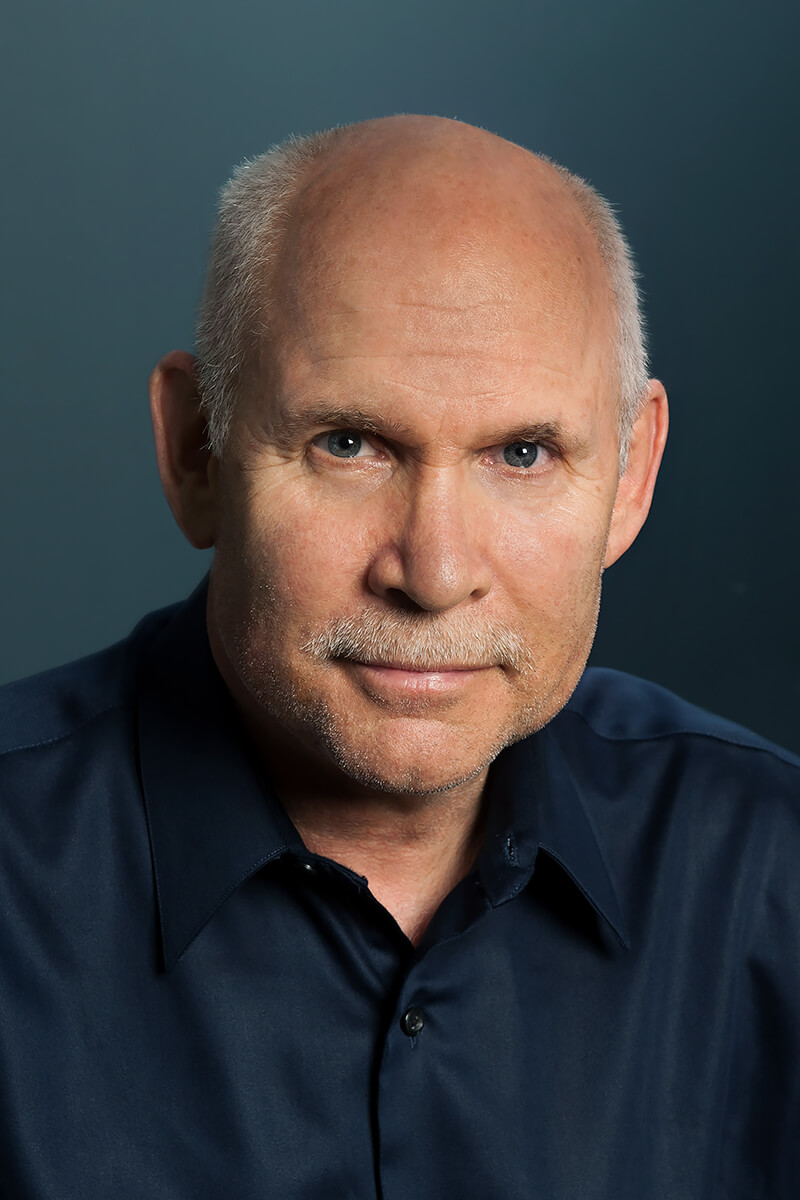
Steve McCurry
France, 2012 Photo by © Bruno Barbey
Steve McCurry
Steve McCurry

Steve McCurry

Country: United States
Birth: 1950

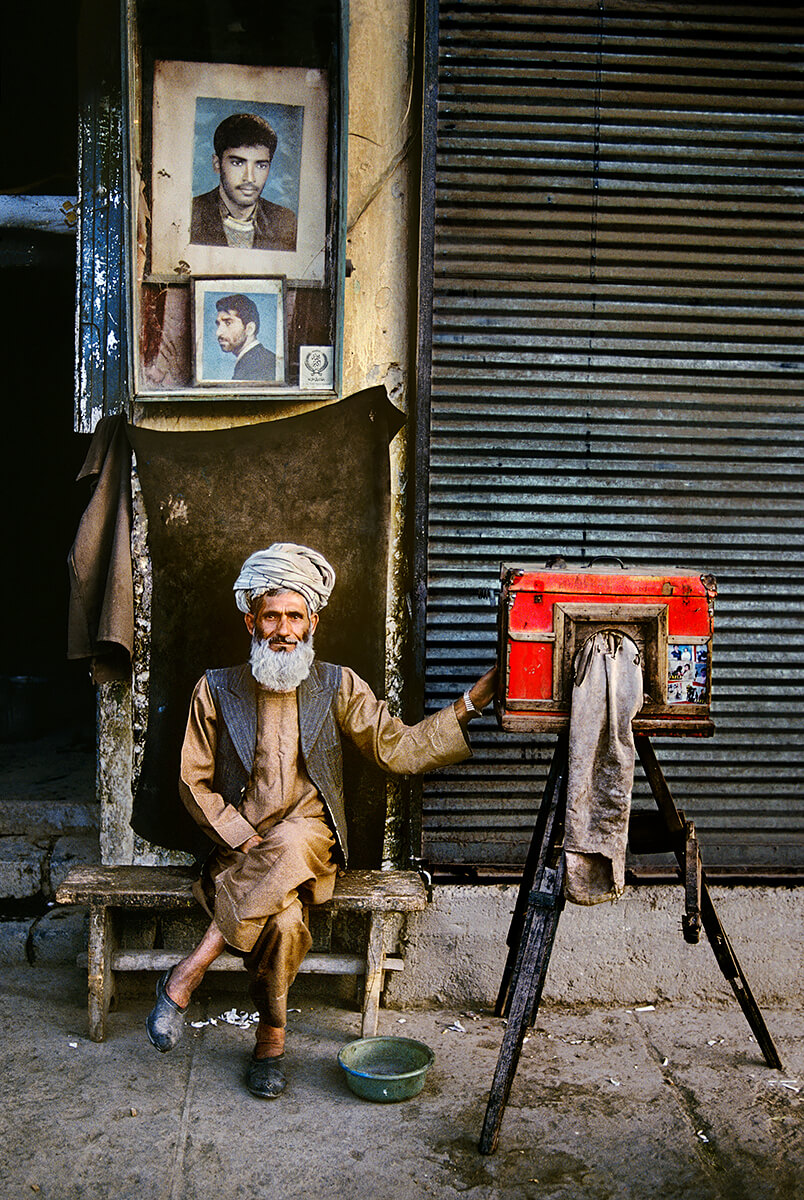
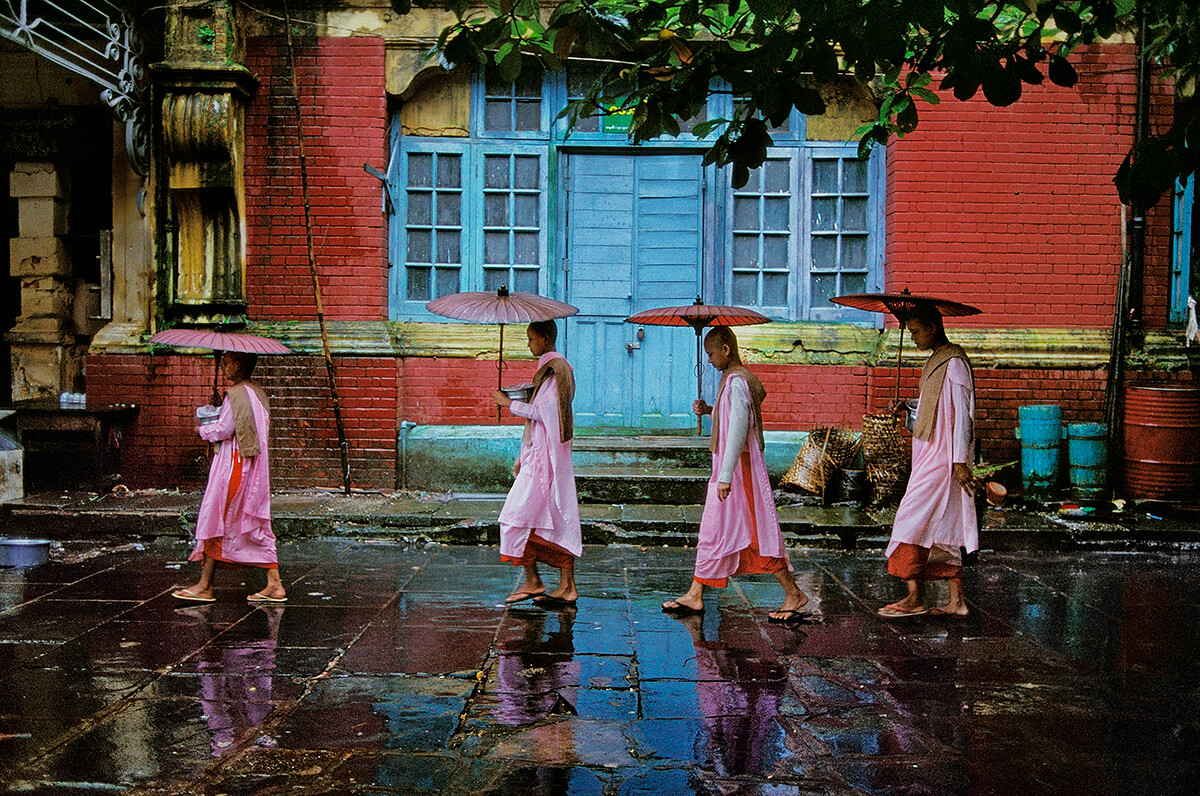
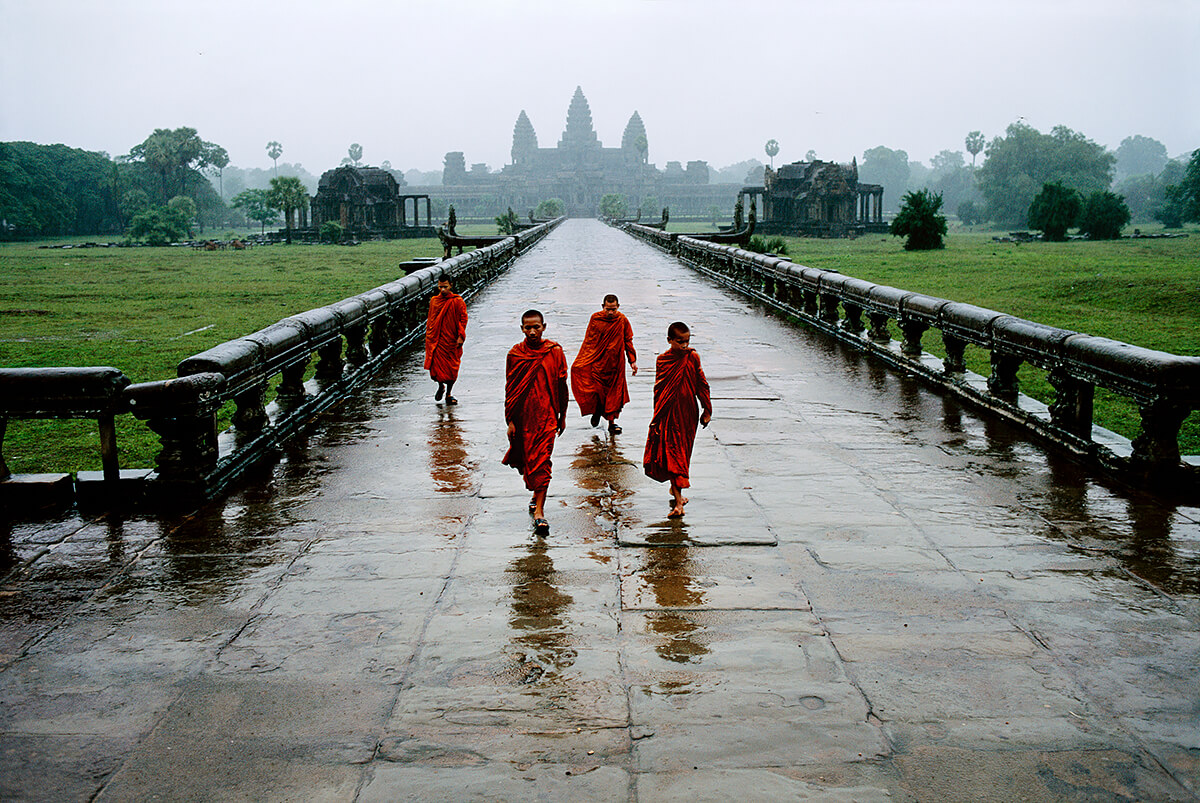
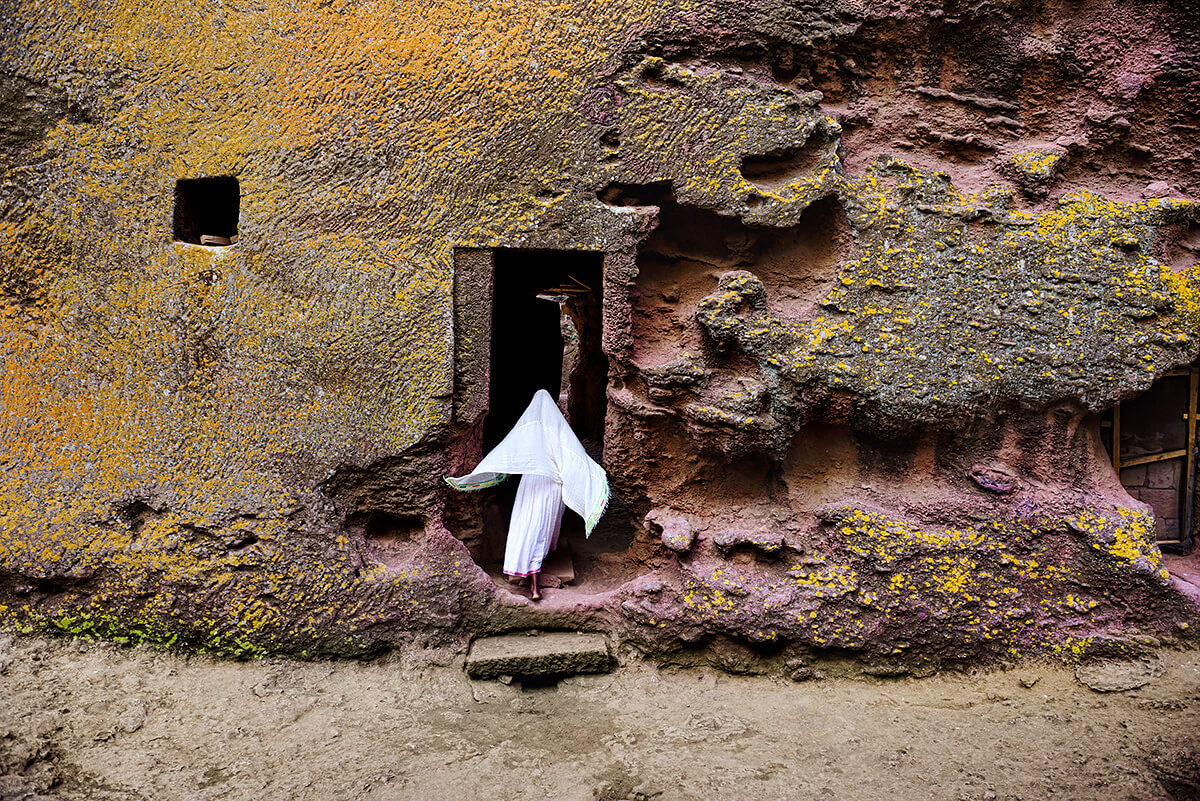
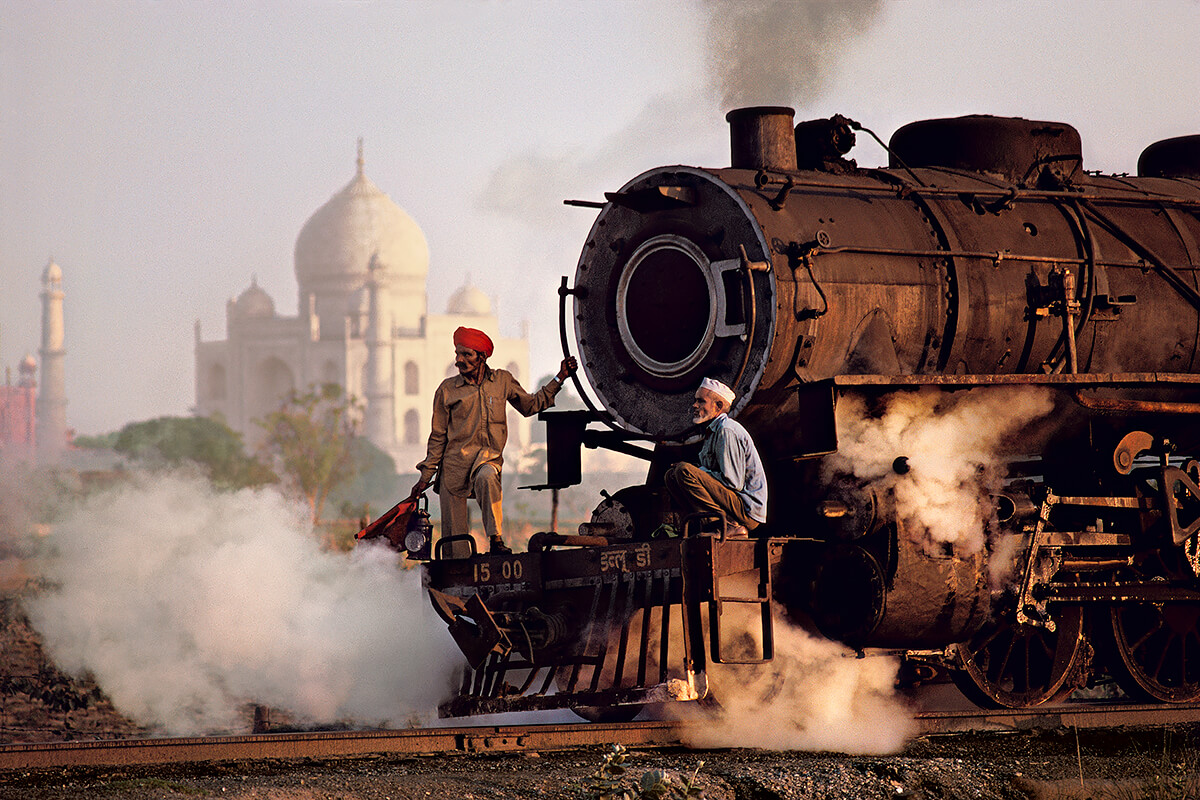
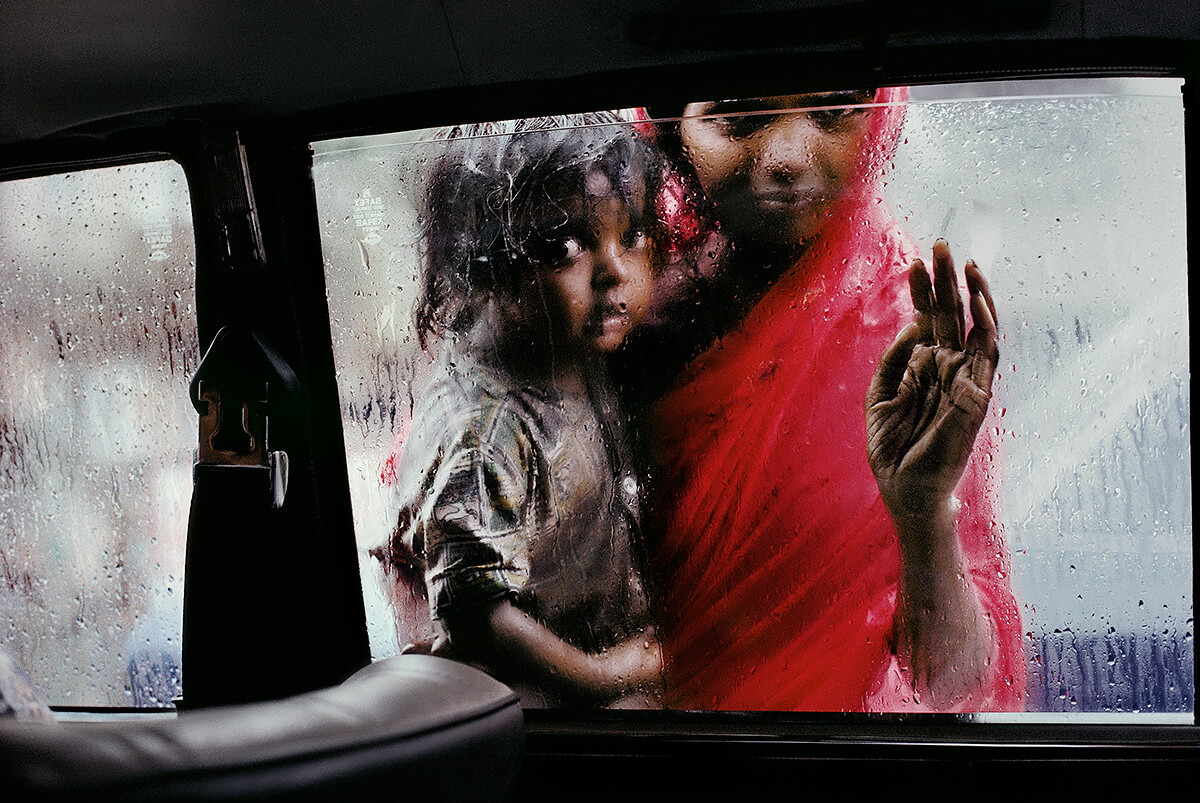
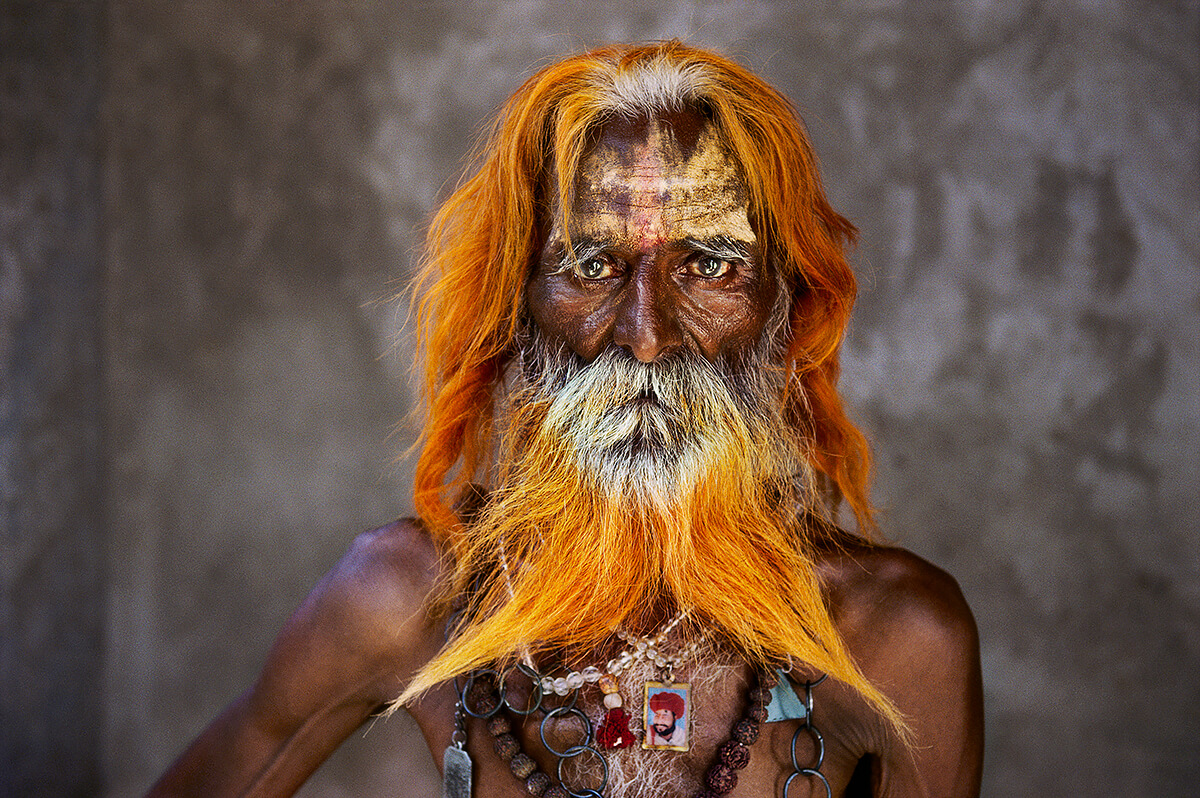
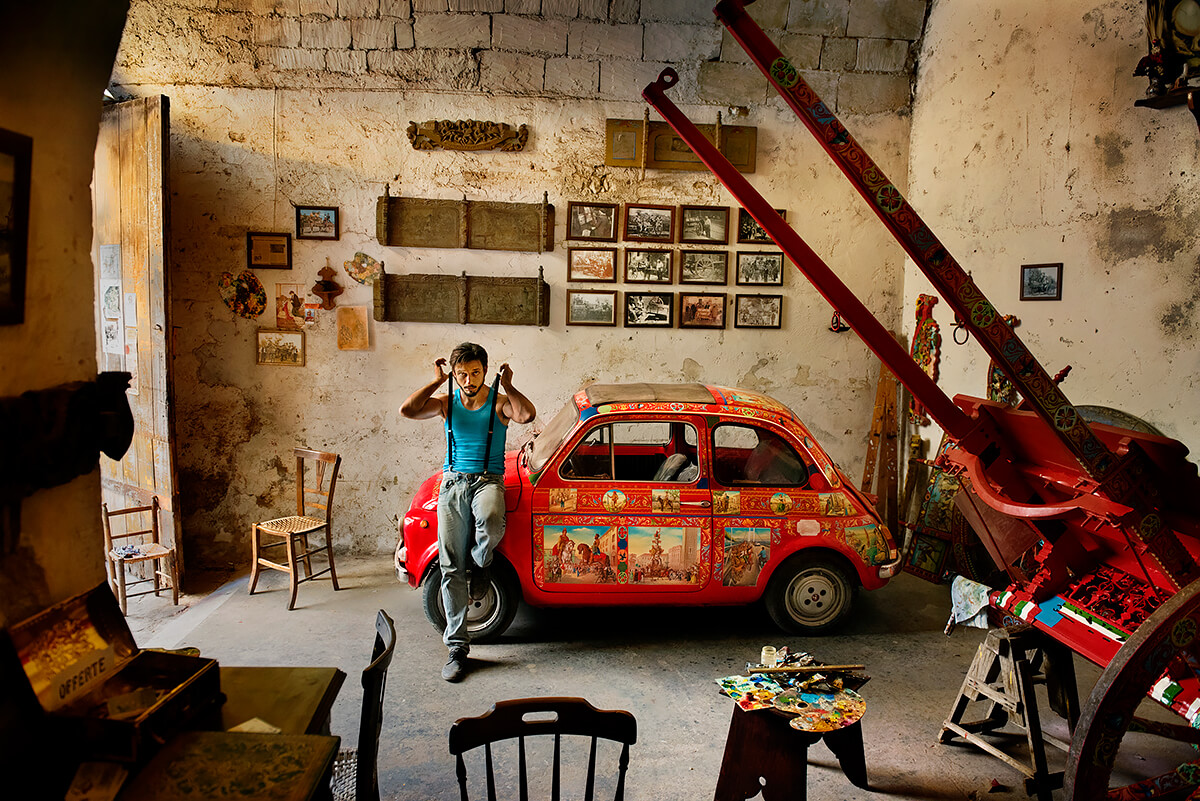
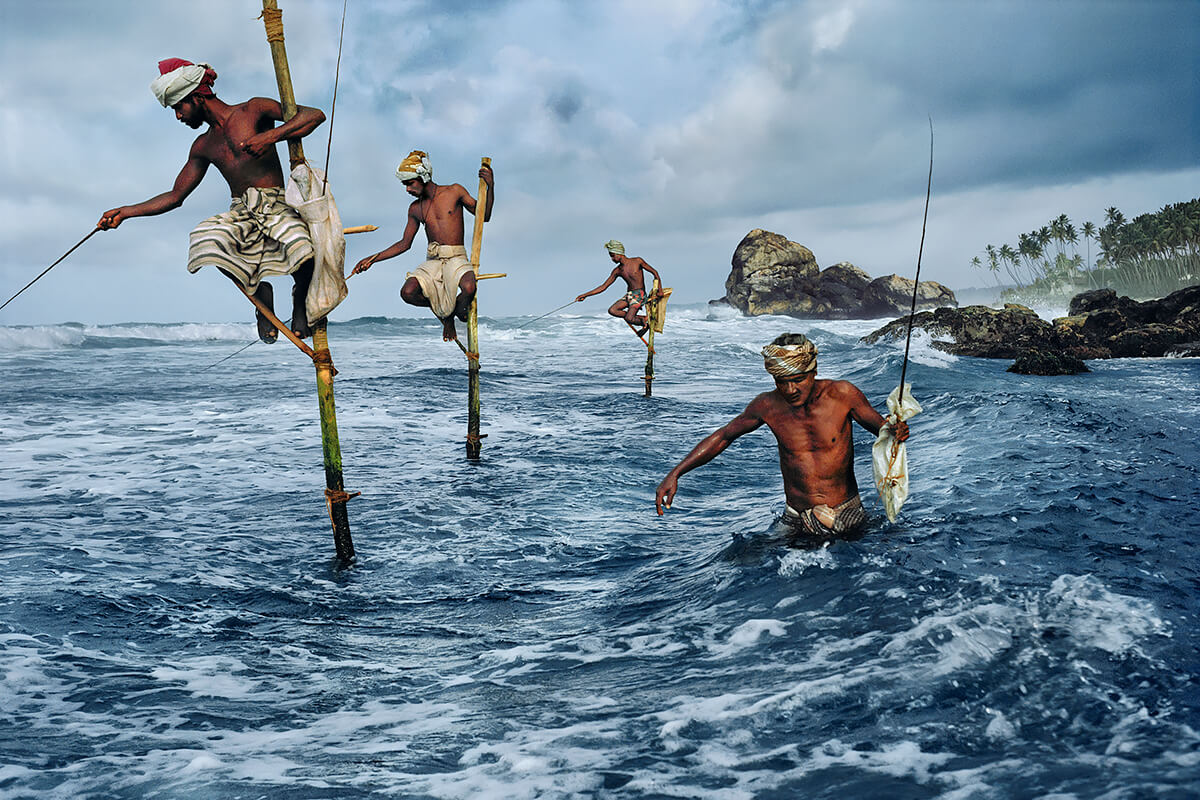
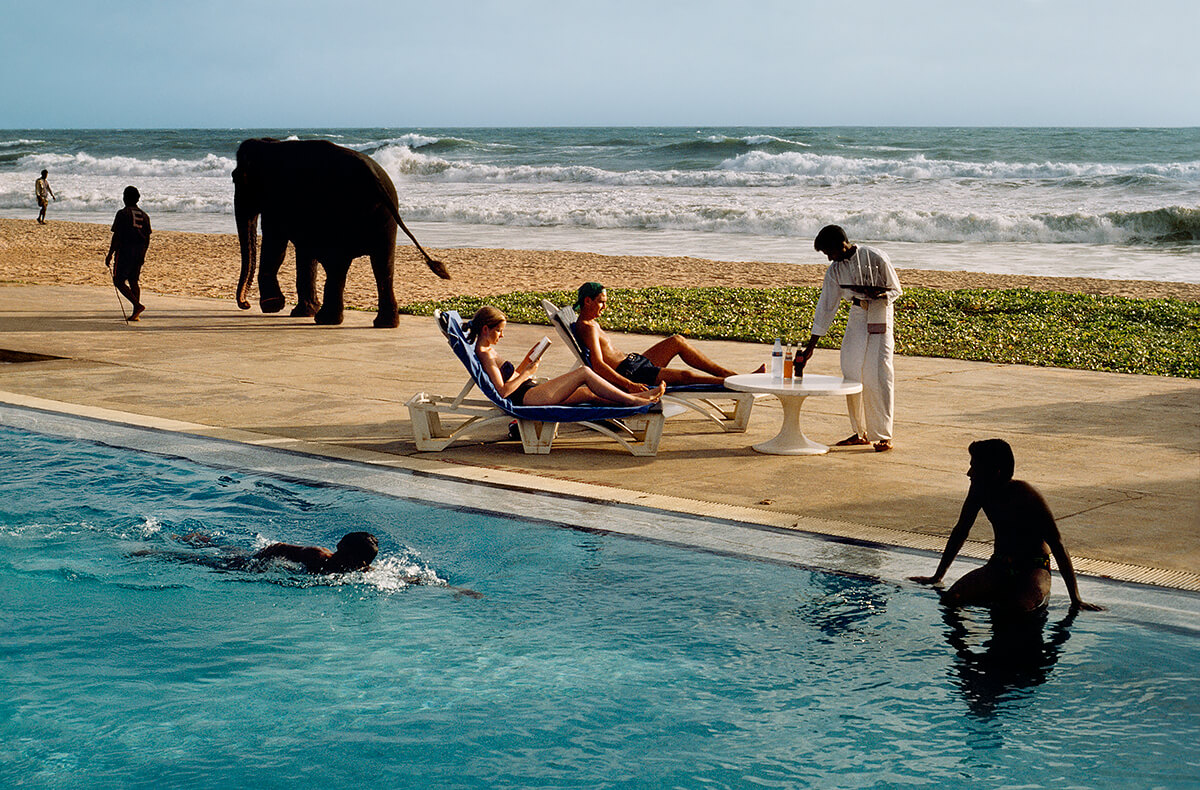
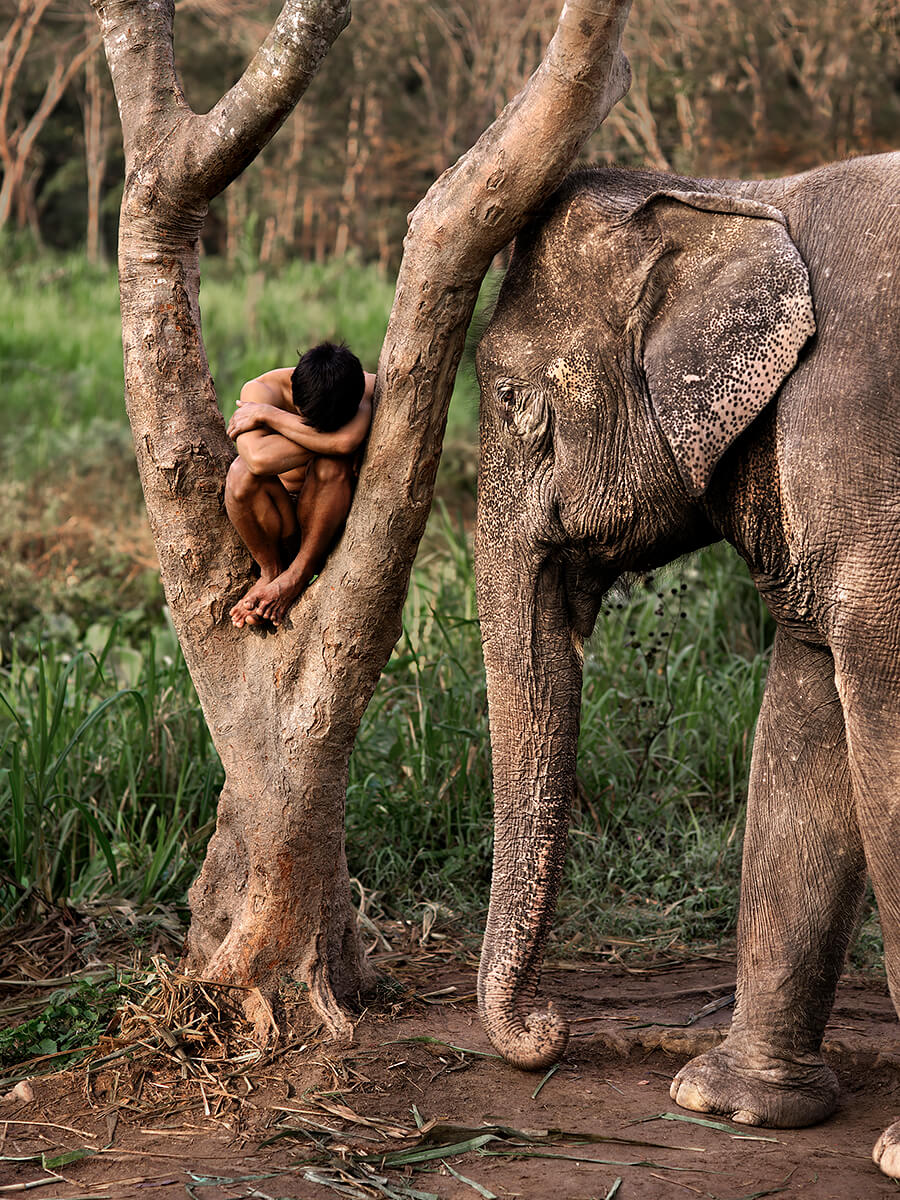
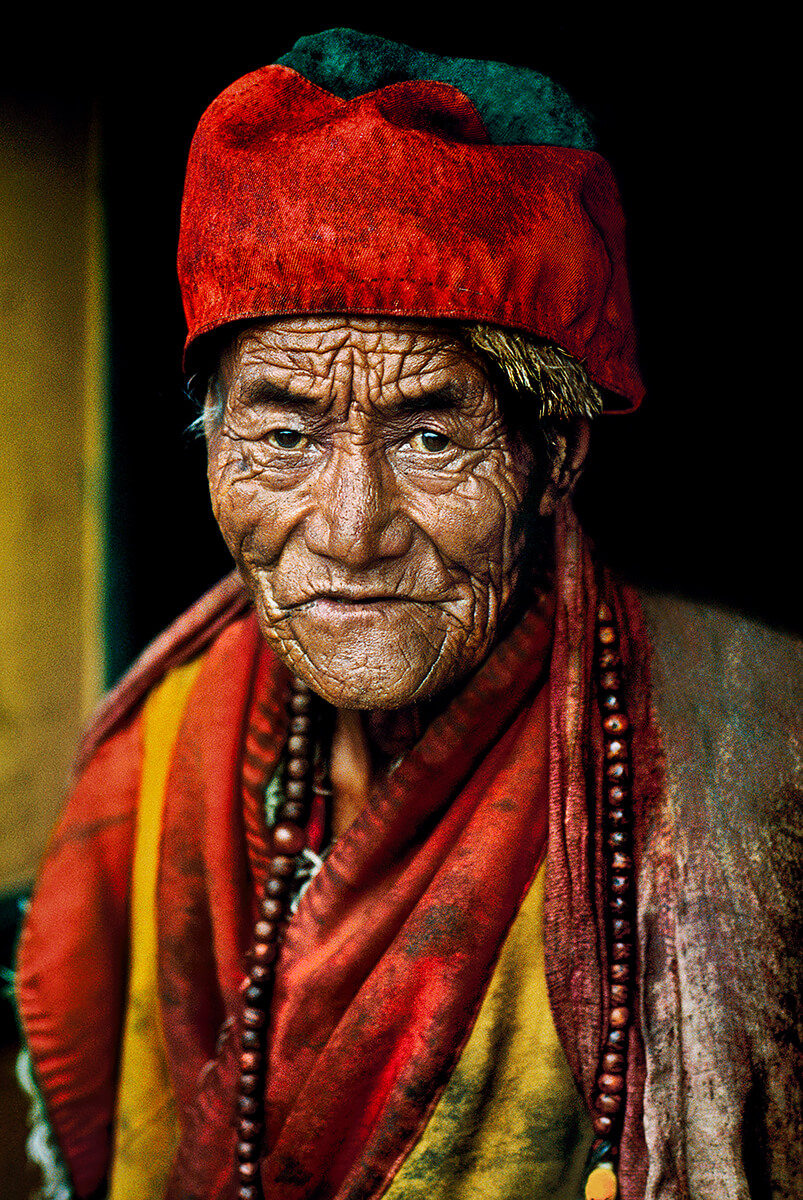
Steve McCurry has been one of the most iconic voices in contemporary photography for more than 30 years, with scores of magazine and book covers, over a dozen books, and countless exhibitions around the world to his name.

Born in a suburb of Philadelphia, Pennsylvania; McCurry studied film at Pennsylvania State University, before going on to work for a local newspaper. After several years of freelance work, McCurry made his first of what would become many trips to India. Traveling with little more than a bag of clothes and another of film, he made his way across the subcontinent, exploring the country with his camera.

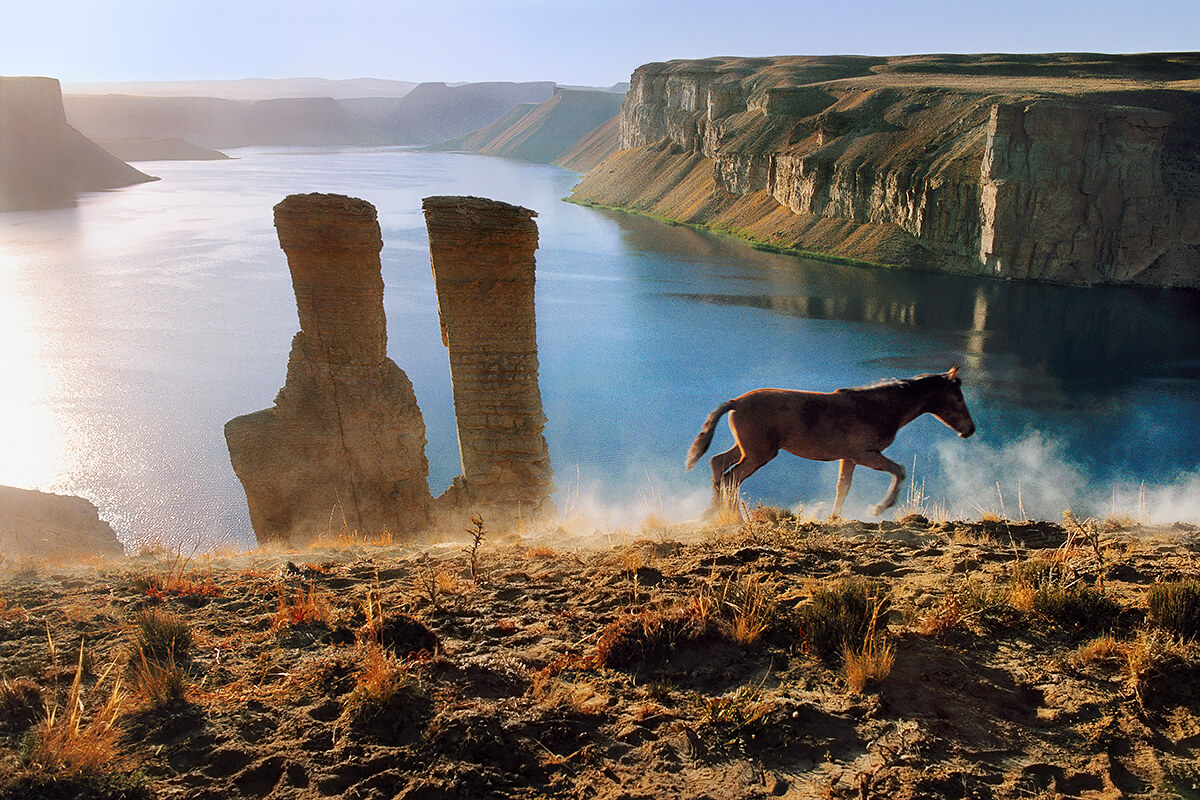
It was after several months of travel that he found himself crossing the border into Pakistan. There, he met a group of refugees from Afghanistan, who smuggled him across the border into their country, just as the Russian Invasion was closing the country to all western journalists. Emerging in traditional dress, with full beard and weather-worn features after weeks embedded with the Mujahedeen, McCurry brought the world the first images of the conflict in Afghanistan, putting a human face to the issue on every masthead.

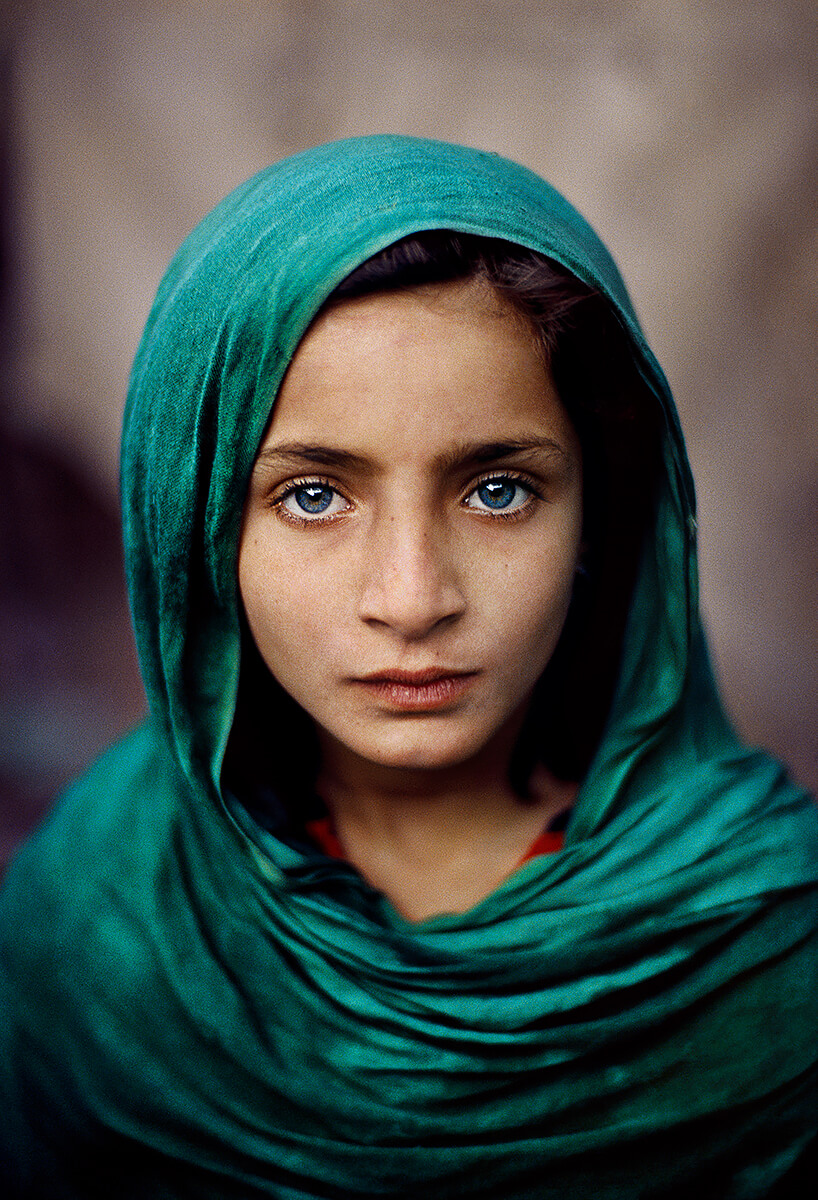
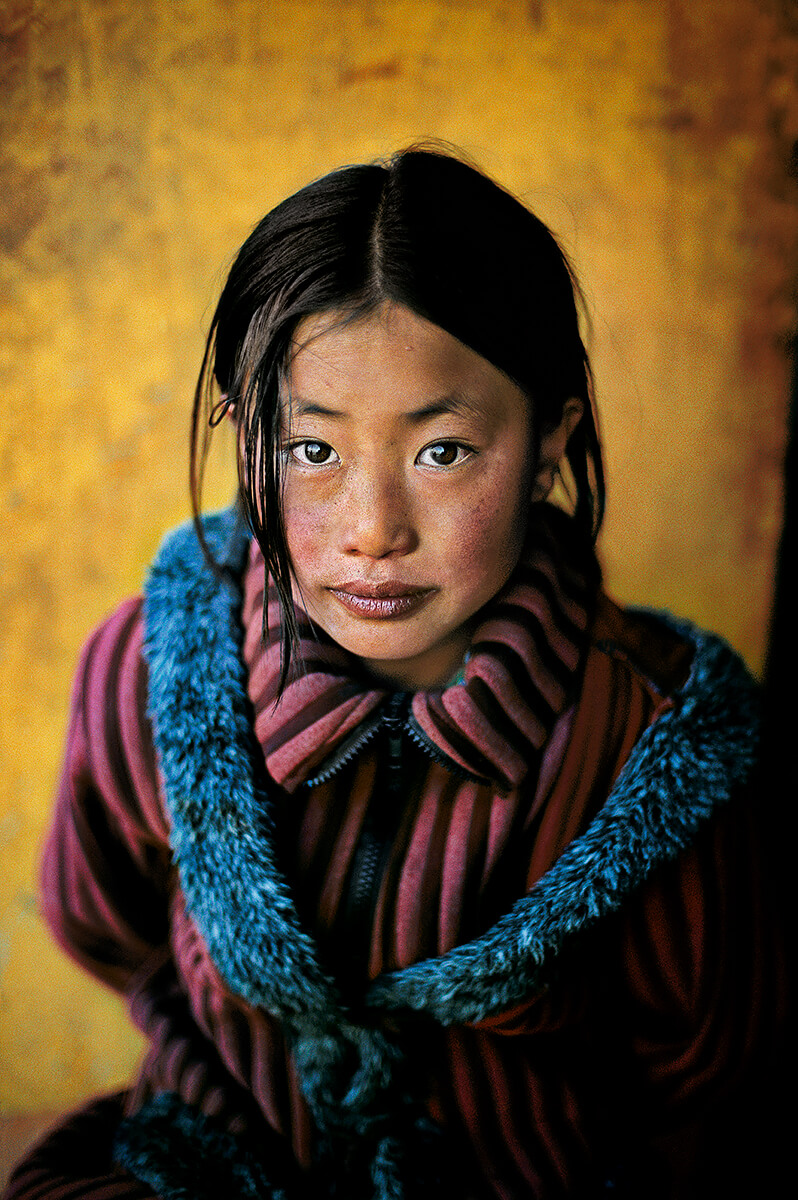
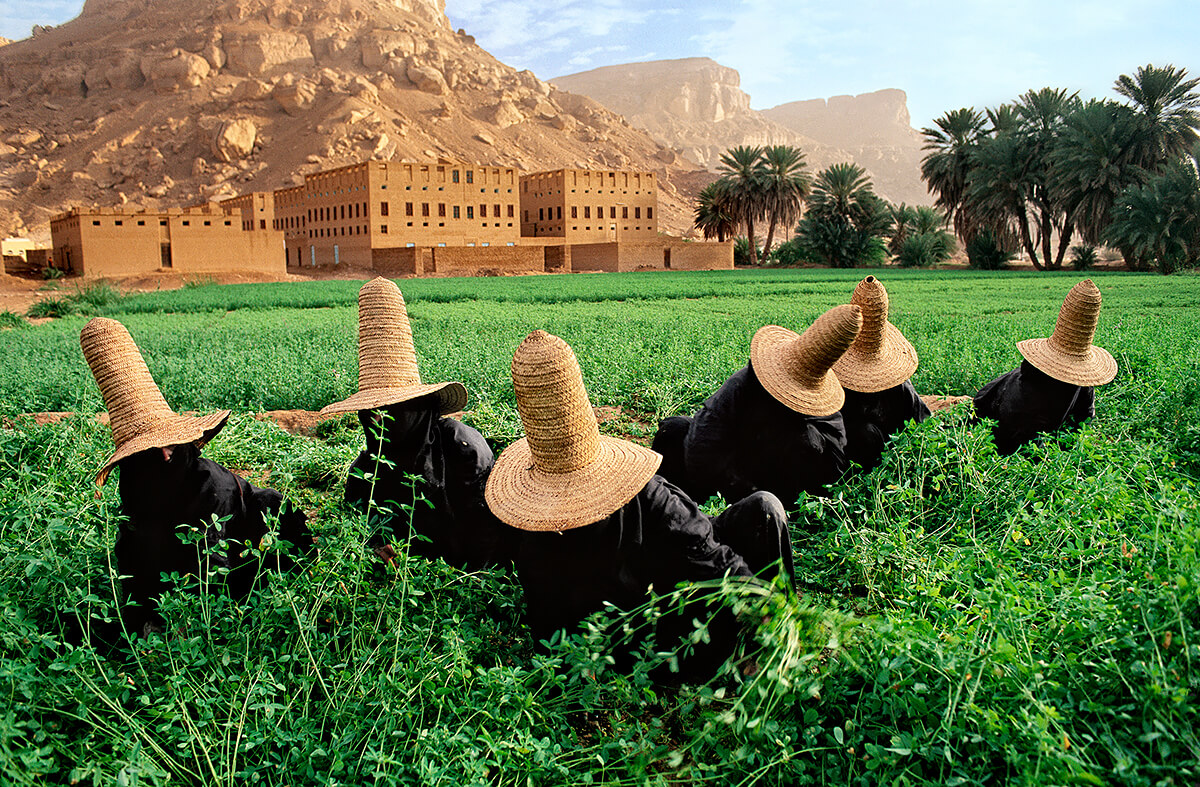
Since then, McCurry has gone on to create stunning images on all seven continents and countless countries. His work spans conflicts, vanishing cultures, ancient traditions and contemporary culture alike - yet always retains the human element that made his celebrated image of the Afghan Girl such a powerful image.

McCurry has been recognized with some of the most prestigious awards in the industry, including the Robert Capa Gold Medal, National Press Photographers Award, and an unprecedented four first prize awards from the World Press Photo contest. The Minister of French Culture has also appointed McCurry a Knight of the Order of Arts and Letters and most recently, the Royal Photographic Society in London awarded McCurry the Centenary Medal for Lifetime Achievement.

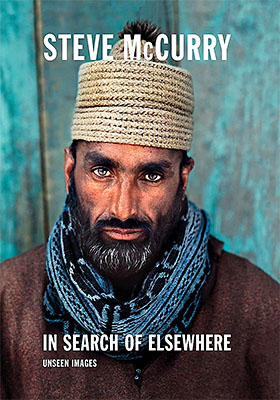
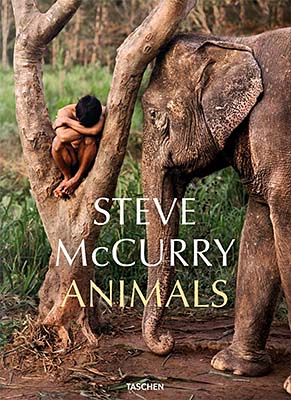
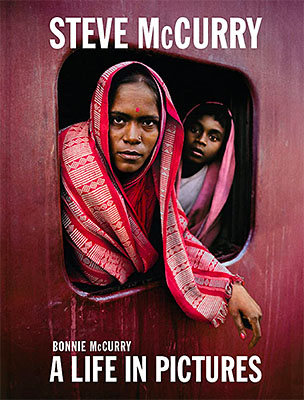
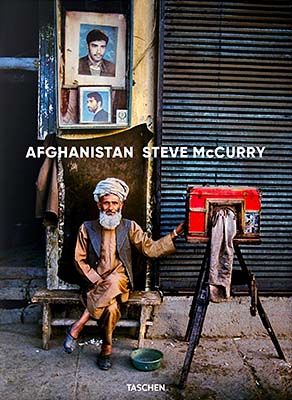
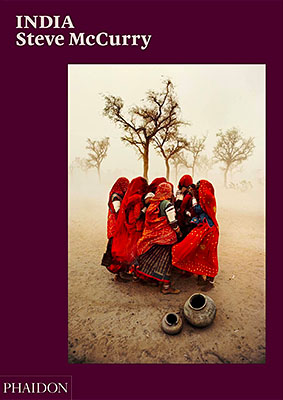
McCurry has published books including The Imperial Way (1985), Monsoon (1988), Portraits (1999 | 2013), South Southeast (2000), Sanctuary (2002), The Path to Buddha: A Tibetan Pilgrimage (2003), Steve McCurry (2005), Looking East (2006), In the Shadow of Mountains (2007), The Unguarded Moment, (2009), The Iconic Photographs (2011), Untold: The Stories Behind the Photographs (2013), From These Hands: A Journey Along the Coffee Trail (2015), India (2015), On Reading (2016), Afghanistan (2017), A Life in Pictures (2018), Animals (2019), In Search of Elsewhere: Unseen Images (2020).

@stevemccurryofficial

"What is important to my work is the individual picture. I photograph stories on assignment, and of course they have to be put together coherently. But what matters most is that each picture stands on its own, with its own place and feeling" -- Steve McCurry


If the photographer's images have made the rounds of newspapers around the world, like the portrait of the young Afghan woman with piercing eyes, it is also due to their aesthetic impact. Steve McCurry spoke of the importance of colour in his photographs, the importance of post-production and retouching, and their ability to touch the viewer: "each single picture has its single story, and we put ours in it" (Steve McCurry). "Sometimes with pictures and photography, what is interesting is that the imagination can go off in different directions. Everything should not be explained" (Steve McCurry): the photographer stresses the importance of leaving their share of mystery to the photographs.

Steve McCurry was confronted with the horror of war; his images bear witness to this. If Susan Sontag suggests in Regarding the Pain of Others that photography “beautifies” and “bleaches out a moral response to what is shown”, the photographer brings an entirely different perspective to the issue. He refers to the mission of war reporters to fight against the blindness and ineptitude of public opinion: "Should we be informed about what's happening in our world? Should we let our governments tell us ? I think that would be a very bad idea. [...] Somebody has to go and give us their impression. We need some person to go there and find the truth" (Steve McCurry).

Source: www.sciencespo.fr

 

Steve McCurry's Video

Selected Books

Inspiring Portfolios

Call for Entries
AAP Magazine #59 Shapes
Publish your work in our printed magazine and win $1,000 cash prizes
 
Stay up-to-date  with call for entries, deadlines and other news about exhibitions, galleries, publications, & special events.

More Great Photographers To Discover

Kinga Owczennikow
A native of Poland, Kinga Owczennikow is an art photographer who considers her practice as a collaboration with the world. Kinga spent most of her adult life in metropolises like Hong Kong, London, Ho Chi Minh City or lesser known places such as Tirana or Paro, in the Himalayas. Having the outsider/insider point of view has been especially valuable to her photographic practice throughout the years. This constant geographical movement permitted her to retain the innocence of curious and attentive eyesight, at the same time gradually building an extensive experience of the wider world. Kinga is currently based in the Bay Area, in California. Kinga first studied photographic theory and practice at the Warsaw School of Photography. She holds a BA (Hons) in Photography from the University for the Creative Arts in the UK. Kinga is an Associate of the Royal Photographic Society, a member of the Center of Photographic Art and the Griffin Museum of Photography. She is also a part of RPS’s Women in Photography group. Kinga had a solo exhibition “The secret paths of Hong Kong” at the Asia and Pacific Museum in Warsaw, in 2011. She was a finalist of the Mediterranean Spirit at the PhotoMed Awards, 2016, and a finalist in the Association of Photographers Student Awards 2019, in the category Places (single photo) and the AOP Student Awards 2020 in the category Things (series). Her photographic work has been exhibited in group shows in the UK, Hungary, France, Spain, Italy, Netherlands, Greece and the United States. 30 of her photographs, including the cover image were featured in Tom LeClair’s novel “Passing Again”, published by I-BeaM Books (2022). Most recently, two of her photographs were selected as part of the 2023 International Juried Exhibition held at the historic CPA in Carmel-by-the-Sea. Framing the World All photographs frame the world. “Framing The World” presents photographs with internal frames, how they sharpen focus on the world and refine viewers’ understanding of viewing - of both the world and photographs. Frames within the photograph’s frame suggest that the photograph self-consciously occupies art space - close viewing space - and these frames invite analysis, interpretation, and appreciation. Internal frames can attract and resist, reveal or deceive, imply their own limitations. Even imply viewers’ limitations, the cognitive frames through which they process the world. by Tom LeClair
Jana Šantavá
Slovakia
1978
Jana Šantavá is a visual artist and fine art photographer based in Bratislava, Slovakia. Her work explores themes of introspection, identity, and the space between reality and dream, often through staged, cinematic imagery that invites the viewer into layered narratives. Using mirrors, duplicated figures, and subtle surreal elements, she creates photographs that function as both visual poetry and metaphorical self-portraits of the human psyche. Her photographs have been exhibited internationally in cities such as Paris, Milan, New York, Venice, Arles, Budapest, and Athens, as well as across Slovakia. She has received multiple awards, including the Gold Medal at the Budapest International Foto Awards 2023, Silver at the World Photo Annual 2023, and recognition from PX3 de la Photographie Paris 2023. In 2024, she presented her solo exhibition Echoes of Identity at the Slovak Institute in Berlin. In 2025, her works are featured at ImageNation London and ImageNation New York, continuing her presence on the international fine art photography scene. Through her distinctive visual language, Šantavá challenges the boundaries between staged reality and dreamlike fiction, offering viewers a space for reflection, emotion, and self-discovery. Artist Statement In my work, I explore silence, introspection, and the space between reality and dream. I am fascinated by the idea of the doppelgänger – the second self – reflecting our inner divisions and untold stories. In my photographs, a figure often turns away, gazes through a curtain, or into a mirror. This moment of indirect gaze becomes a key to intimacy – opening a space for the viewer to become the co-author of the narrative. I stage scenes where I work with mirrors, duplicated figures, and strong color contrasts. My aim is not only aesthetic but also metaphorical – a reflection of our inner dialogues, desires, and contradictions. Each photograph is, for me, a visual trace of an emotional movement that cannot be captured in words. My goal is to create images that awaken questions rather than provide answers, opening an inner conversation about what might be hidden behind an apparent calm. Awarded Photographer of the Week - Week 34, 2025
Leonard Freed
United States
1929 | † 2006
Leonard Freed was a documentary photojournalist and longtime Magnum member. He was born to Jewish, working-class parents of Eastern European descent. Freed had wanted to be a painter, but began taking photographs in the Netherlands and discovered a new passion. He traveled in Europe and Africa before returning to the United States where he attended the New School and studied with Alexey Brodovitch, the art director of Harper's Bazaar. In 1958 he moved to Amsterdam to photograph its Jewish community. Through the 1960s he continued to work as a freelance photojournalist, traveling widely. He documented such events and subjects as the Civil Rights movement in America (1964–65), the Yom Kippur War in 1973, and the New York City police department (1972–79). His career blossomed during the American civil rights movement, when he traveled the country with Martin Luther King, Jr. in his celebrated march across the US from Alabama to Washington. This journey gave him the opportunity to produce his 1968 book, Black in White America, which brought considerable attention. His work on New York City law enforcement also led to a book, Police Work which was published in 1980. Early in Freed's career, Edward Steichen purchased three photographs from Freed for the collection of the Museum of Modern Art.[ In 1967, Cornell Capa selected Freed as one of five photographers to participate in his "Concerned Photography" exhibition. Freed joined Magnum Photos in 1972. Publications to which Freed contributed over the years included Der Spiegel, Die Zeit, Fortune, Libération, Life, Look, Paris-Match, Stern, and The Sunday Times Magazine of London. In later years, Freed continued shooting photographs in Italy, Turkey, Germany, Lebanon and the U.S. He also shot four films for Japanese, Dutch and Belgian television.Source: Wikipedia Born in Brooklyn, New York, to working-class Jewish parents of Eastern European descent, Leonard Freed first wanted to become a painter. However, he began taking photographs while in the Netherlands in 1953, and discovered that this was where his passion lay. In 1954, after trips through Europe and North Africa, he returned to the United States and studied in Alexei Brodovitch's 'design laboratory'. He moved to Amsterdam in 1958 and photographed the Jewish community there. He pursued this concern in numerous books and films, examining German society and his own Jewish roots; his book on the Jews in Germany was published in 1961, and Made in Germany, about post-war Germany, appeared in 1965. Working as a freelance photographer from 1961 onwards, Freed began to travel widely, photographing blacks in America (1964-65), events in Israel (1967-68), the Yom Kippur War in 1973, and the New York City police department (1972-79). He also shot four films for Japanese, Dutch and Belgian television. Early in Freed's career, Edward Steichen, then Director of Photography at the Museum of Modern Art, bought three of his photographs for the museum. Steichen told Freed that he was one of the three best young photographers he had seen and urged him to remain an amateur, as the other two were now doing commercial photography and their work had become uninteresting. 'Preferably,' he advised, 'be a truck driver.' Freed joined Magnum in 1972. His coverage of the American civil rights movement first made him famous, but he also produced major essays on Poland, Asian immigration in England, North Sea oil development, and Spain after Franco. Photography became Freed's means of exploring societal violence and racial discrimination. Leonard Freed died in Garrison, New York, on 30 November 2006.Source: Steven Kasher Gallery
Ricardo Reis
Portugal
1981
Why I Photograph As a young person, I needed and had to put out there so many things that were stuck inside me, and very quickly, I realized that I had a different way of seeing the world. I started noticing that even if there were many people looking at the same thing as me, they weren't seeing what I was seeing. Photography became the most realistic representation of my perspective. Photography blends all the art mediums and I am inspired to create amalgamations of the dream world with the real. I love the challenge of being able to put onto paper the ideas and surreal world of my own creation. My Purpose When I create a photograph image, I want to engage in a dialogue-to make the viewer feel something, even if it's a negative reaction. I appreciate the negative reaction, because I understand I've drawn something out in the viewer: an honest reaction is more potent than an indifferent one. I want to be able to convey an inner conversation-an ambience, a vibe- to create curiosity in the viewer for the lives and moments depicted in my images. My Method I prefer to shoot with black and white 35mm film, because I find it's more honest and direct, at least for me. I like the mental exercise of having to prepare the picture in your mind first and do the chain of thoughts necessary to translate the idea into the final work. Color can be distracting and disruptive of the real intent and emotion I am trying to achieve. My favorite camera is the Canon EOS 1 RS film camera; it has plenty of functions which allow me to have more control over the final product. I love to prepare a playlist and just go and take a walk with my camera and put myself in the mood: a limbo between voyeurism and participant. My Path When I started I wanted to be a war photographer, but in my home country of Portugal, it's very difficult to get the connections necessary to achieve that. I was fortunate to get an internship at a daily newspaper in Portugal which led to my work being published in several major newspapers and magazines. I began to work more in fashion photography and was assigned to the fashion weeks that took place in Europe. During the shows, I found that I always preferred the backstage where I had more freedom to do different things, take more risks. Photography has been the driving force through all my creative pursuits. My love of music, music photography and music videos comprise a large part of my work. As a cinematographer/director for album and DVD covers, I work in collaboration with several European photography agencies in Portugal and in the UK. The more artistic side of my work is represented in several countries and in private collections, from Canada, the UK, France, Netherlands, Australia, China, Portugal, and the United States. Currently I am living in Lisbon, but who knows what's next.
Advertisement
AAP Magazine #59 Shapes
Win a Solo Exhibition in July
AAP Magazine #59 Shapes

Latest Interviews

Exclusive Interview with Trevor Cole: Pastoral Peoples and Practices
For this interview, we wanted to focus specifically on The Face of the Mundari and the wider Pastoral Peoples and Practices series. We spoke with Trevor about his long-term work among the Mundari, what continues to draw him back to their cattle camps, and the experience of documenting a culture whose identity remains deeply connected to livestock, tradition, and the natural environment.
Exclusive Interview with Frank Meo
In our latest exclusive feature for All About Photo, I speak with veteran photography representative Frank Meo about what it truly takes to build a sustainable creative career today. Frank brings decades of experience working with Fortune 500 companies, major agencies, and documentary photographers to the table. We dive into the critical business skills often left out of art school curriculums, the power of mentorship, and the inspiring evolution of PROJECTIONS—his international salon platform for visual storytellers. It’s an essential read for anyone navigating the commercial or editorial photography landscape today.
Exclusive Interview with Carolyn Moore
American photographer Carolyn Moore explores the inner landscape of emotion, memory, and personal transformation through a deeply intuitive photographic practice. Her work unfolds as a quiet dialogue between artist and viewer, where images become a space for reflection, vulnerability, and connection.
Exclusive Interview with Luca Desienna and Laura Estelle Barmwoldt
For over seven years, Of Lilies and Remains has explored the depths of the goth and darkwave underground, unfolding in Leipzig—a city long associated with a vibrant and enduring subcultural scene. Moving between iconic gatherings such as Wave-Gotik-Treffen and more intimate moments on the fringes, the project offers a rare and immersive glimpse into a world often misunderstood, yet rich in expression and community. Created by Luca in collaboration with Laura Estelle Barmwoldt, the work embraces a cinematic and deeply personal approach. Rather than documenting from a distance, it moves within the scene itself, capturing its atmosphere, its codes, and its quiet contradictions. The title Of Lilies and Remains hints at this duality—where beauty and darkness, fragility and strength coexist. As the book prepares for its release, we spoke with both artists about the origins of the project, their process, and what it means to document a subculture that continues to evolve while remaining true to its spirit.
Exclusive Interview with Matthew Finley
American photographer Matthew Finley turns inward, using photography as a way to explore identity, memory, and emotional truth. Based in Los Angeles, his practice moves between performance, gesture, and found imagery, creating a visual language that is both intimate and deeply personal
Exclusive Interview with Jan Janssen
Dutch photographer Jan Janssen explores universal human experiences through his long-term project It Matters, winner of the May 2025 Solo Exhibition. Begun in 2016, the series captures intimate moments of everyday life—love, loss, connection, and belonging—across Central and Eastern Europe. Working in countries such as Turkey, Azerbaijan, and Armenia, Janssen spends extended time within communities, building relationships based on trust and respect. His approach allows him to move beyond observation, revealing deeply human and authentic moments. Rooted in travel and personal discovery, It Matters reflects Janssen’s search for what connects us all in an increasingly divided world. The project is ongoing and will culminate in a photobook scheduled for publication in 2026.
Exclusive Interview with Henk Kosche
German photographer Henk Kosche turns his lens toward the streets of Halle an der Saale, capturing everyday life in the late years of the former German Democratic Republic. At the time, Kosche was studying design and exploring the city with his camera, drawn to the atmosphere of its industrial landscape and the quiet rhythms of daily life. His series Street Photography at the End of the 80s, selected as the Solo Exhibition for July 2025, revisits a body of work created just before a period of profound change. Rediscovered decades later in a small box of 35mm negatives, these photographs offer glimpses of a city and its people at a moment suspended between the familiar and the unknown.
Exclusive Interview with Anastasia Samoylova
Anastasia Samoylova is an American artist whose photographic practice is shaped by close observation and a deep attentiveness to place. Working between documentary and formal exploration, she photographs landscapes, architecture, and everyday scenes with a sensitivity to light, structure, and atmosphere. Since relocating to Miami in 2016, her work has increasingly focused on how environments—both natural and built—carry social, cultural, and emotional traces. We asked her a few questions about her practice and her way of seeing, to better understand the thoughts and experiences that shape her work—while allowing the images themselves to remain open and speak in their own time.
Exclusive Interview with Marijn Fidder
Marijn Fidder is a Dutch documentary photographer whose work powerfully engages with current affairs and contemporary social issues. Driven by a deep sense of social justice, she uses photography to speak on behalf of the voiceless and to advocate for the rights of those who are most vulnerable. Her images have been widely published in major international outlets including National Geographic, CNN Style, NRC Handelsblad, Volkskrant, GUP New Talent, and ZEIT Magazin. Her long-term commitment to disability rights—particularly through years of work in Uganda—culminated in her acclaimed project Inclusive Nation, which earned her the title of Photographer of the Year 2025 at the All About Photo Awards. She is also the recipient of multiple prestigious honors, including awards from World Press Photo and the Global Peace Photo Award. We asked her a few questions about her life and work.
Call for Entries
Win A Solo Exhibition in July
Get International Exposure and Connect with Industry Insiders