All about photo.com: photo contests, photography exhibitions, galleries, photographers, books, schools and venues.
Win a Solo Exhibition in July 2026 + An Exclusive Interview!
Frank Horvat
Frank Horvat
Frank Horvat

Frank Horvat

Country: Italy
Birth: 1928 | Death: 2020

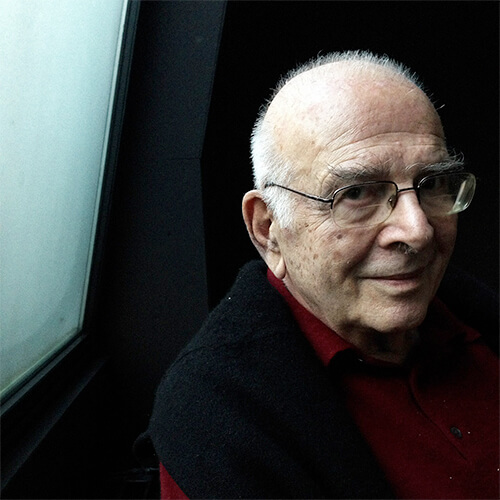
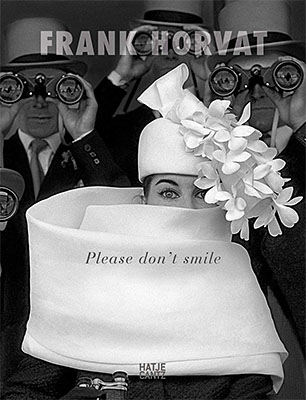
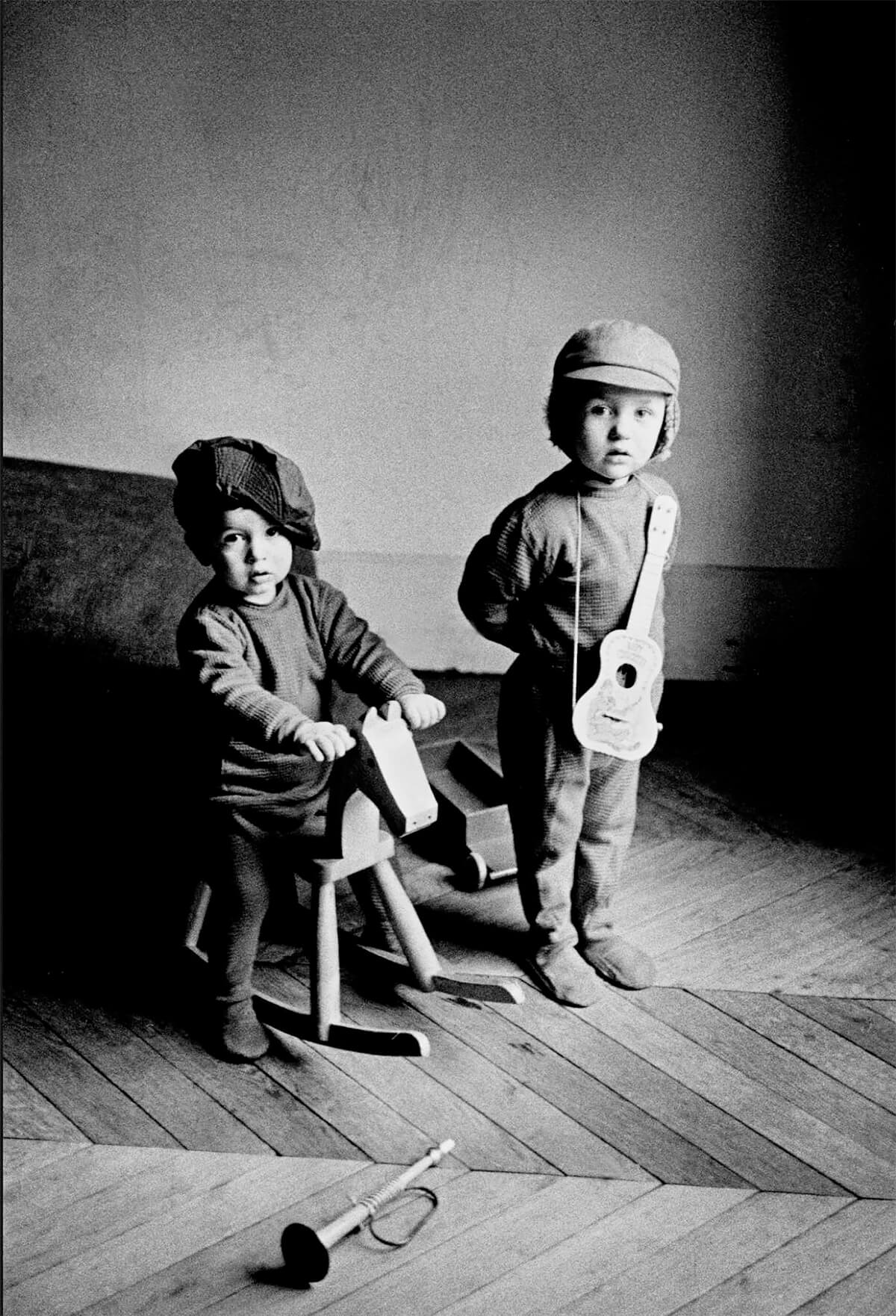
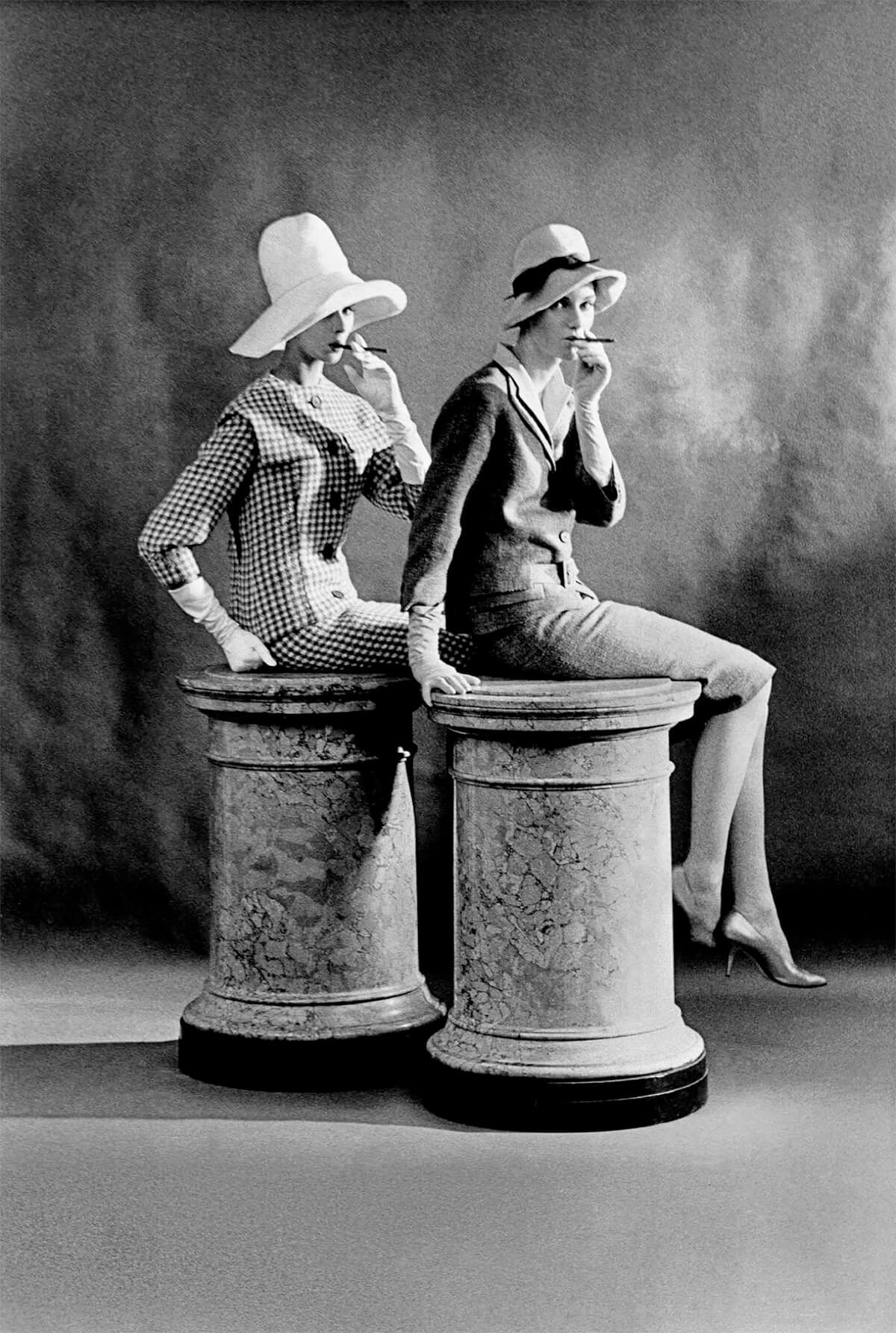
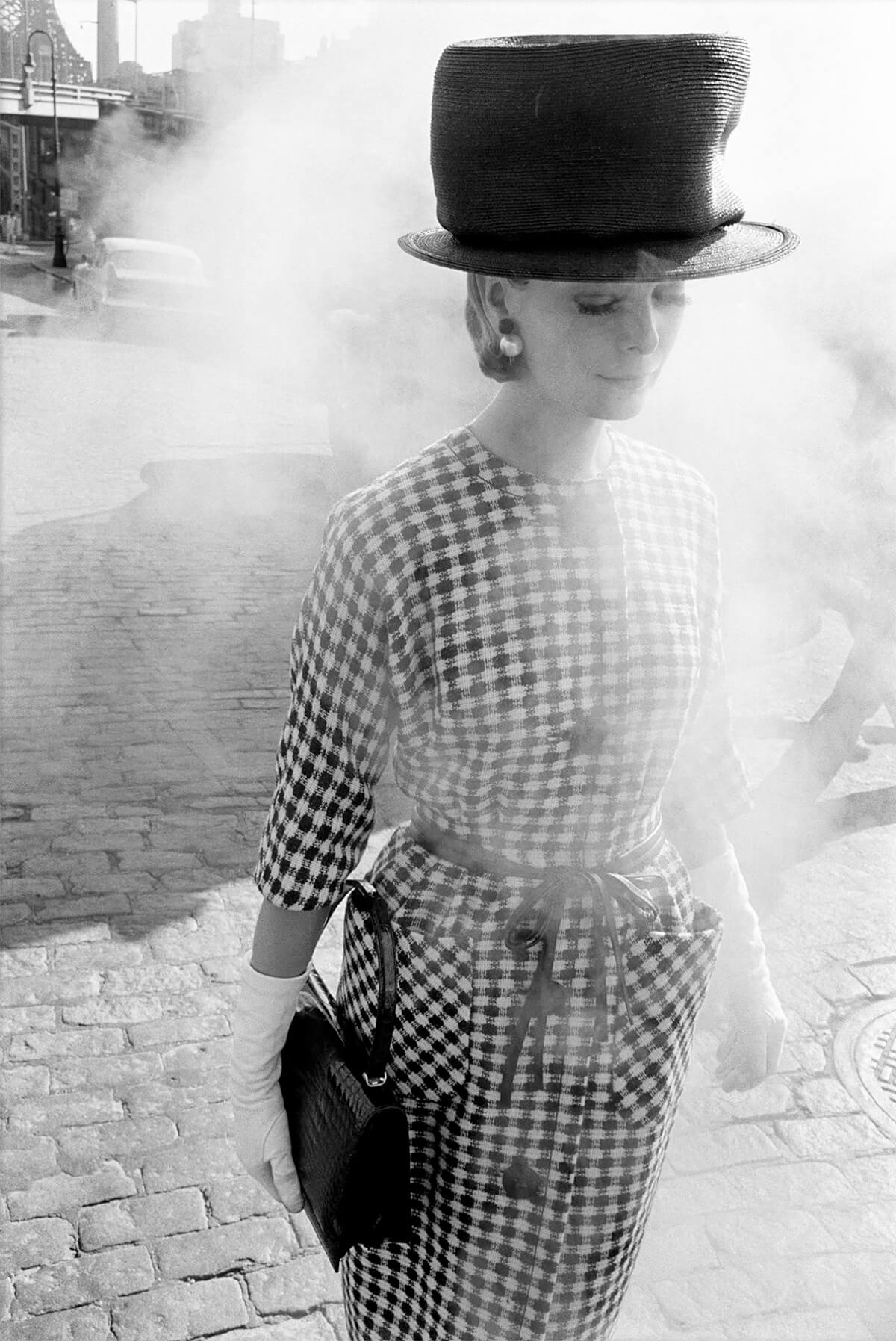
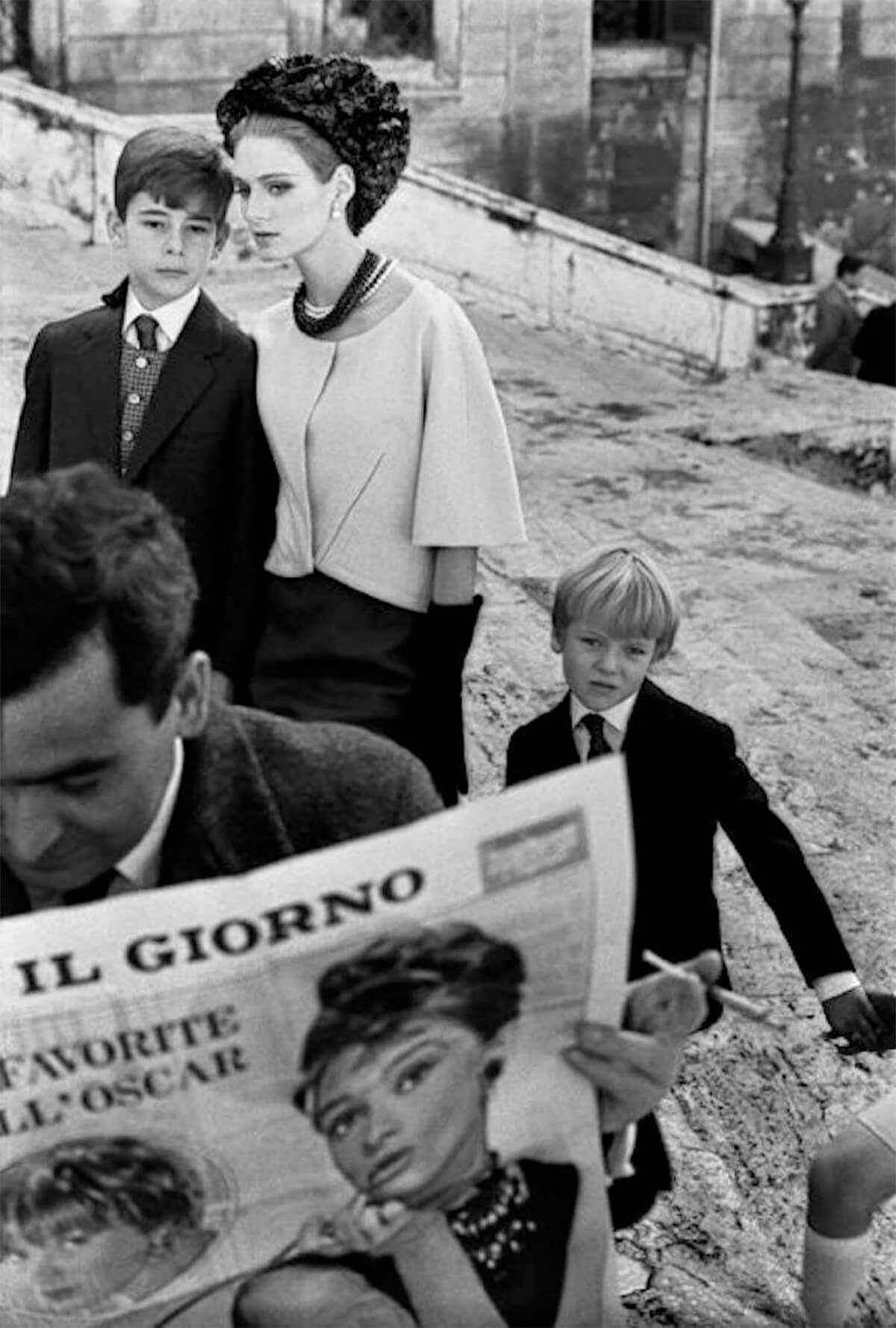
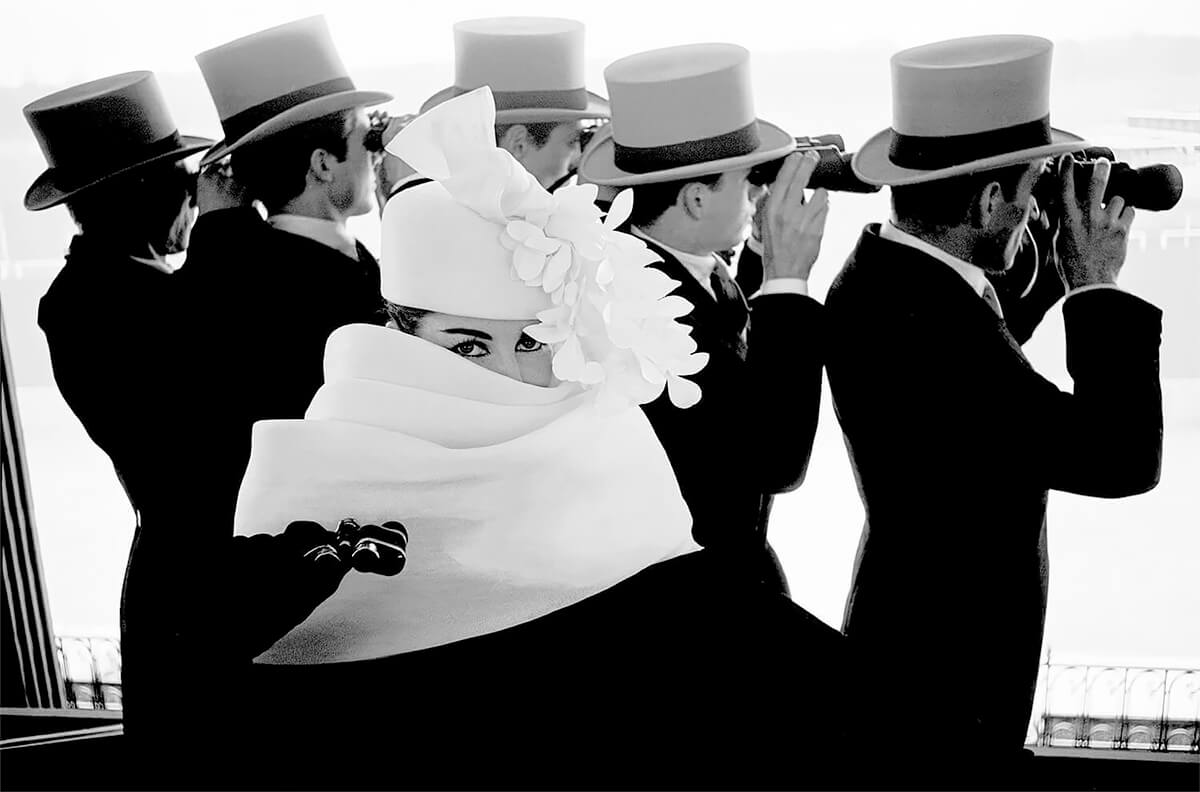
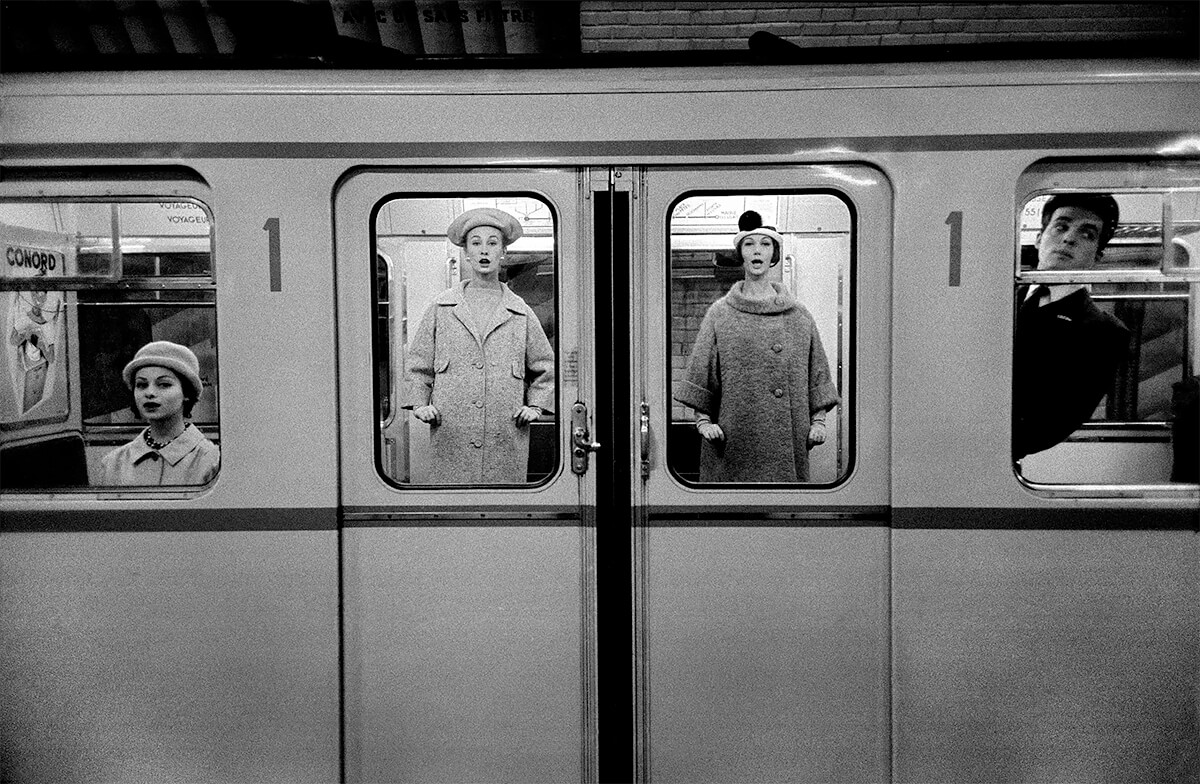
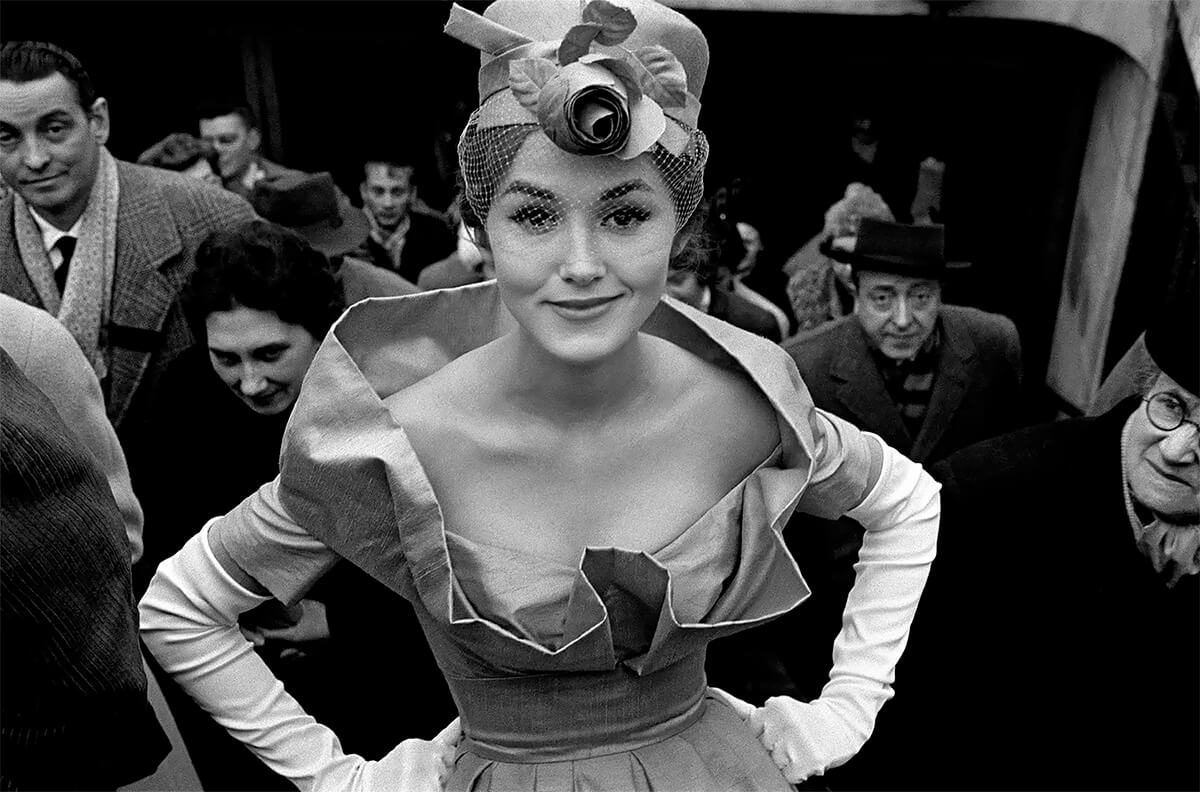
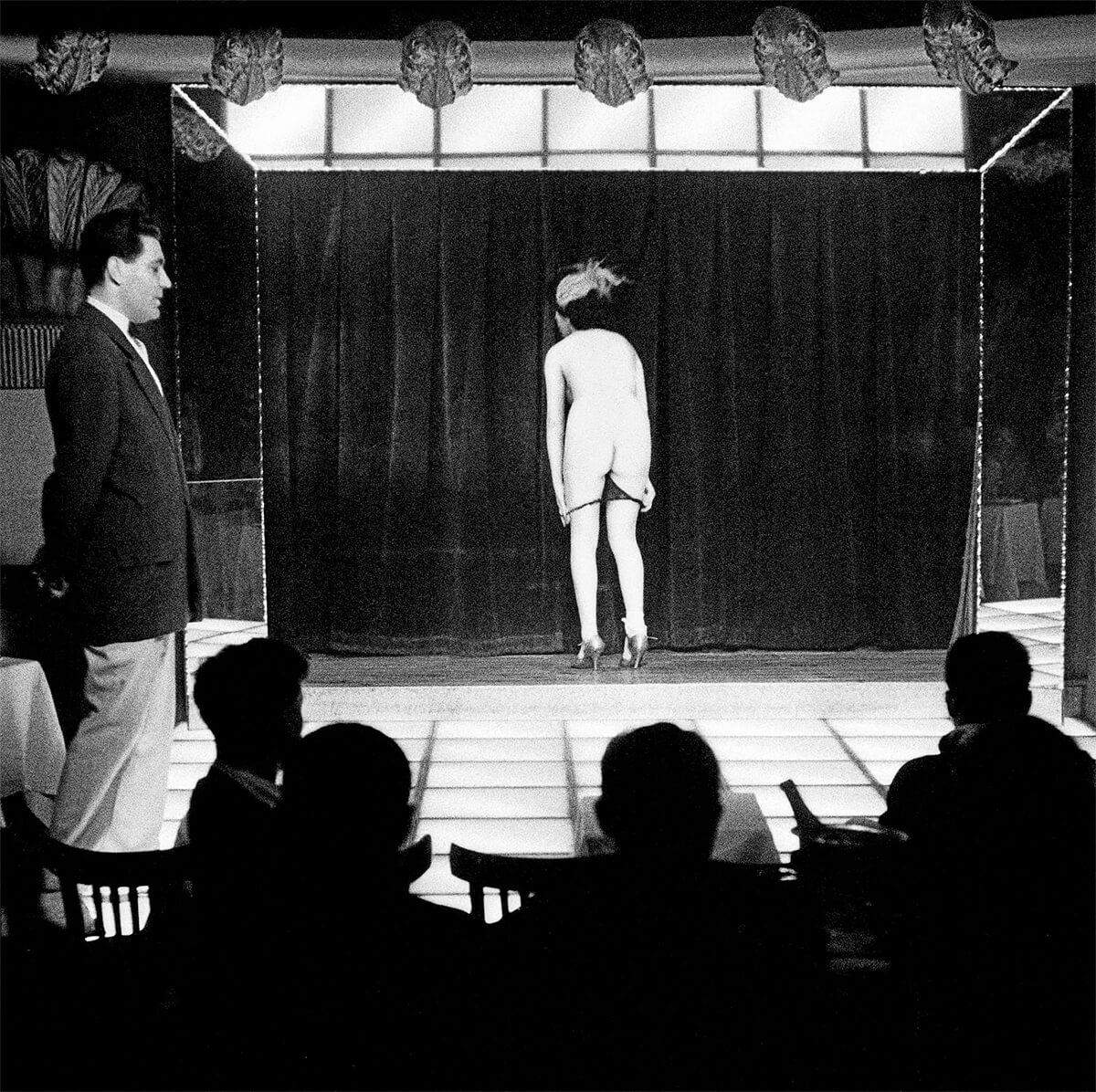
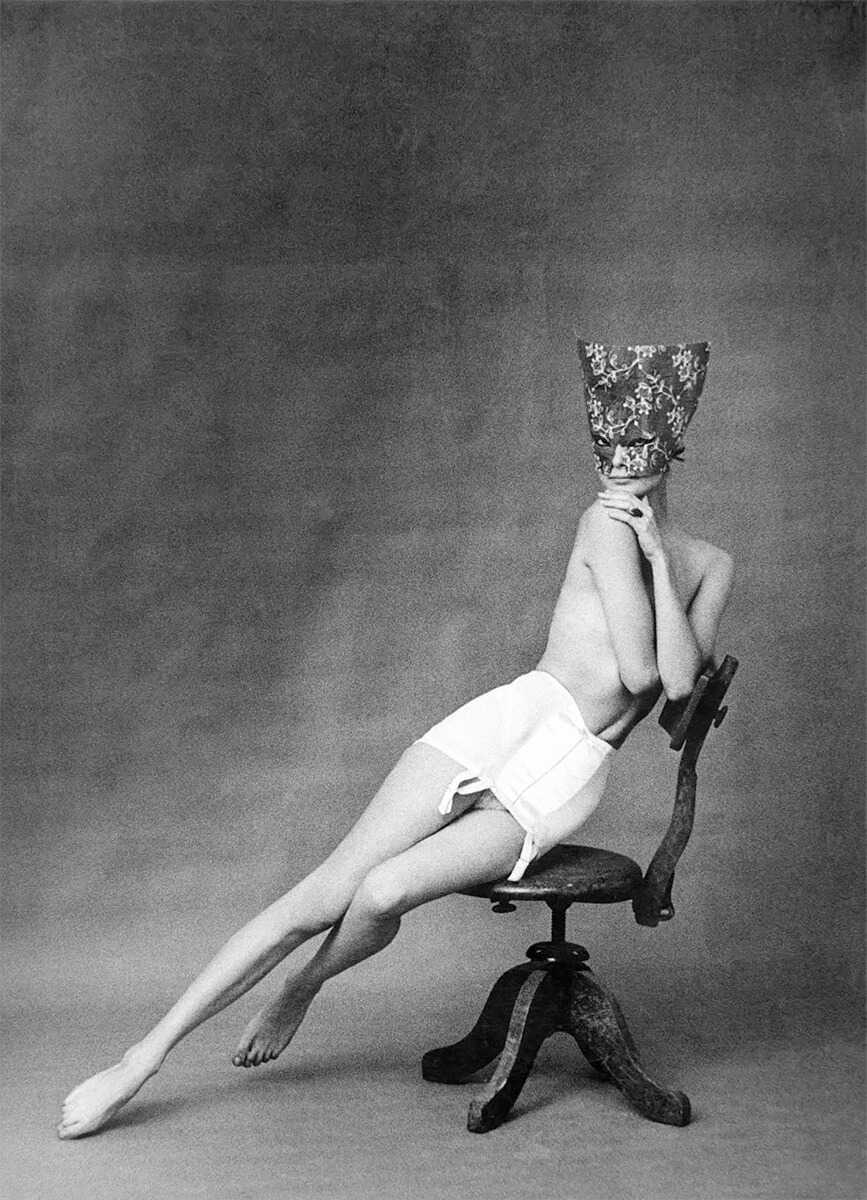
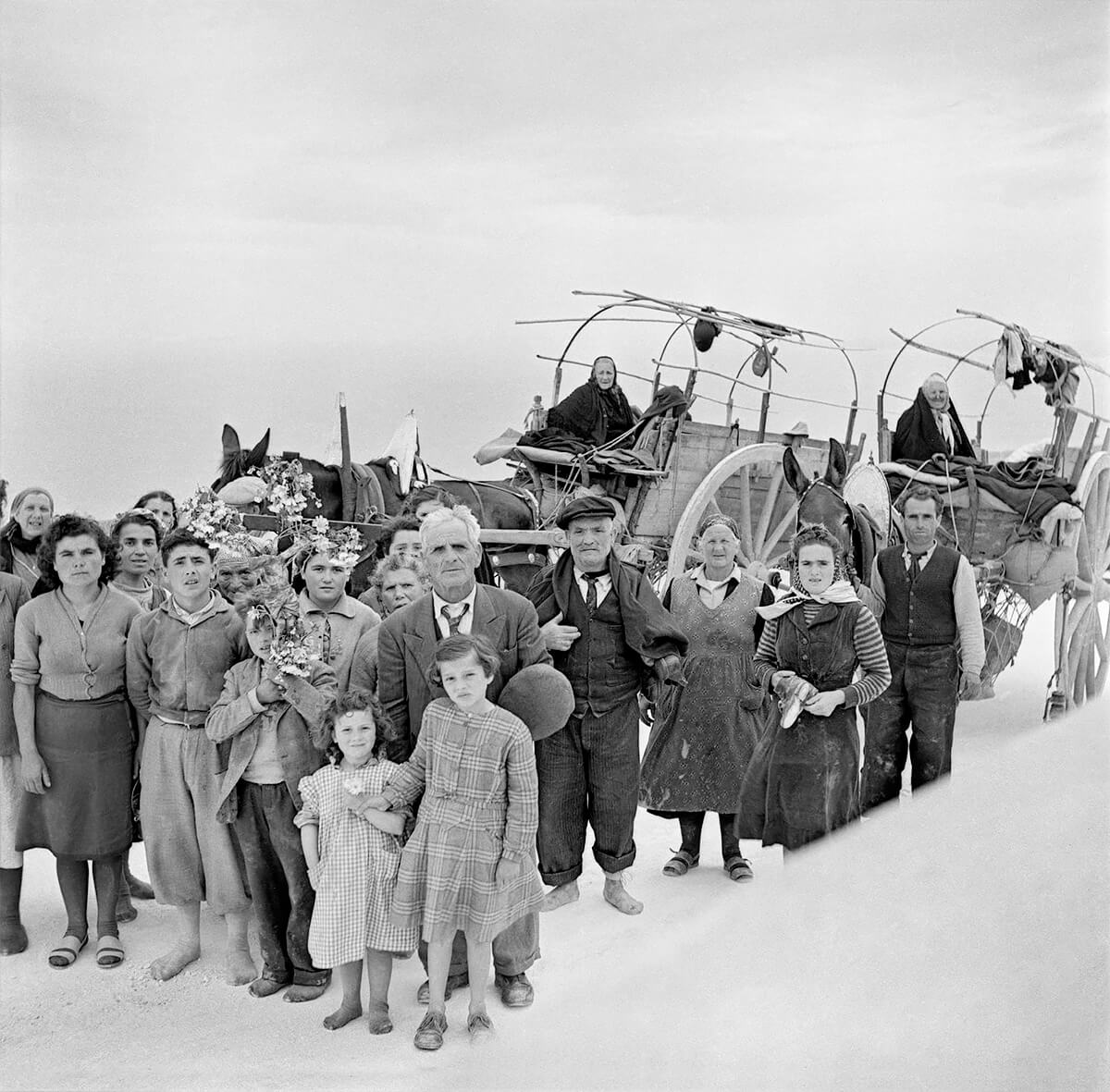
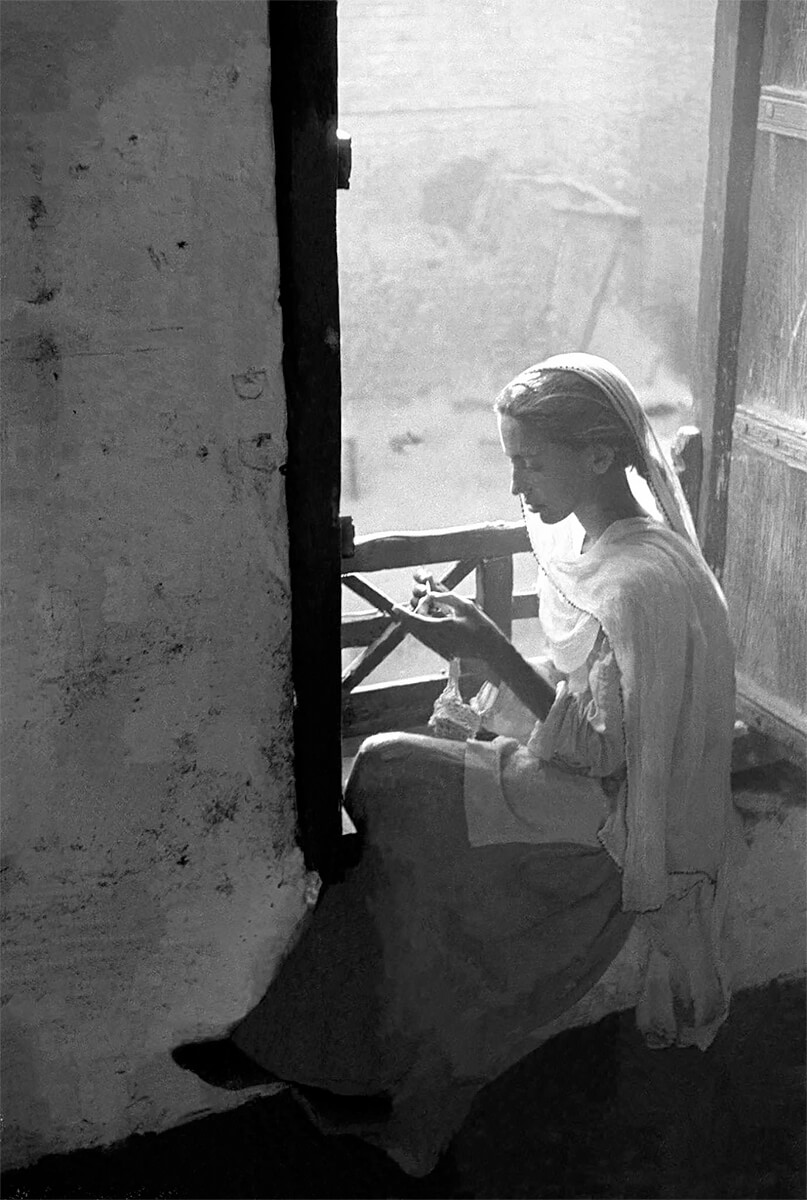
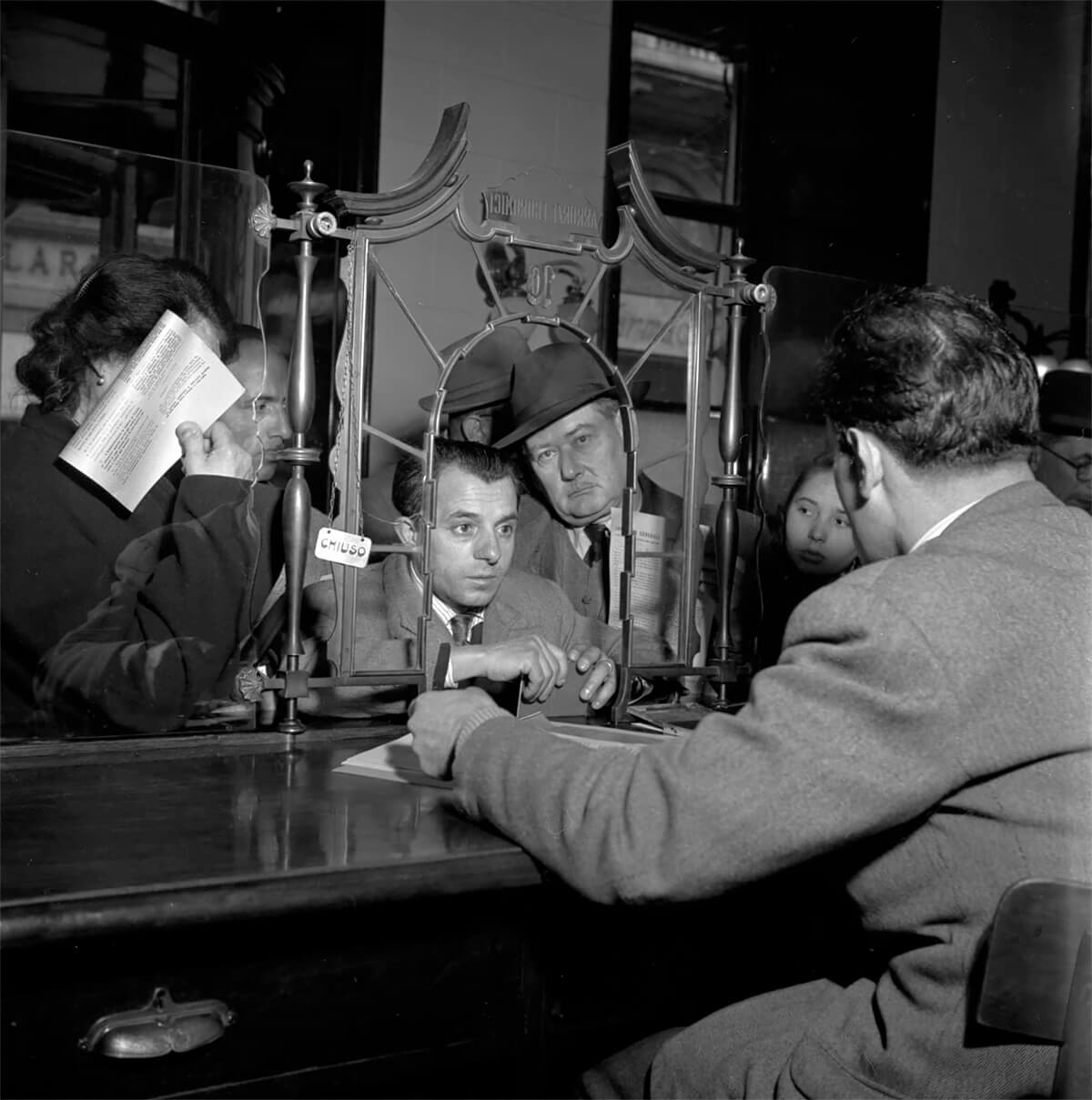
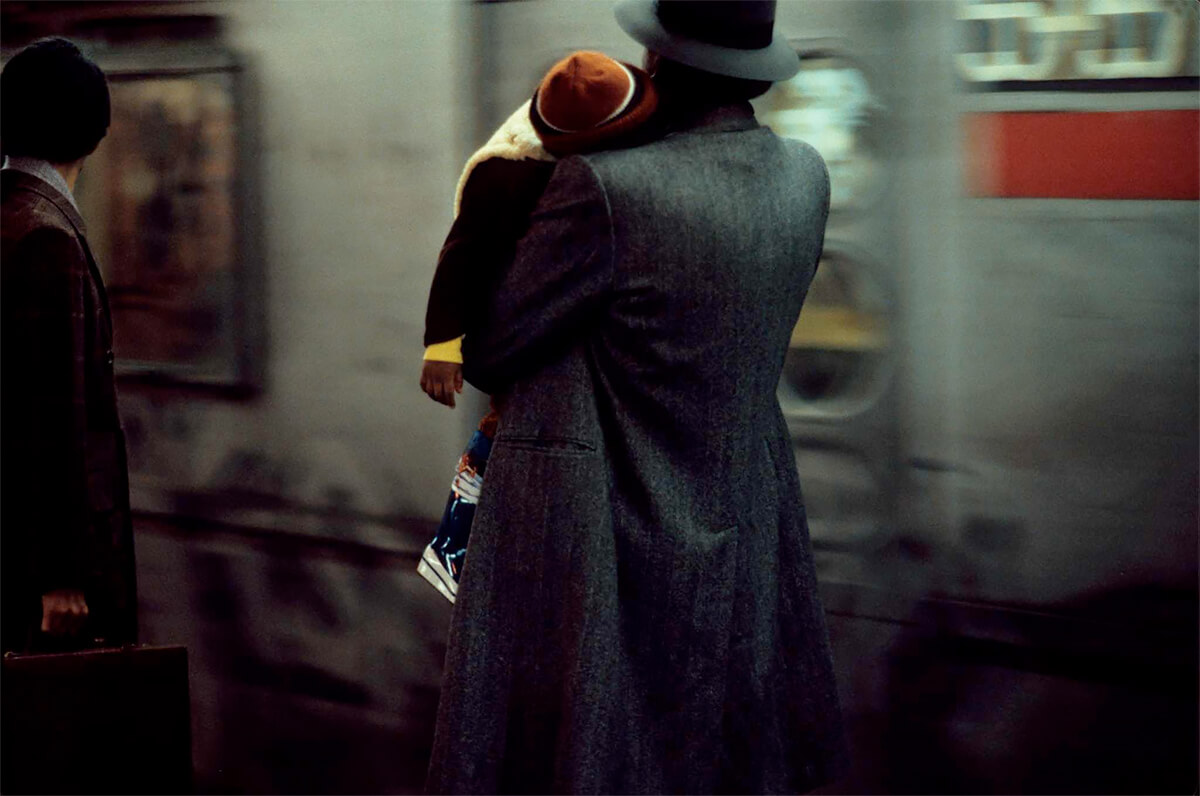
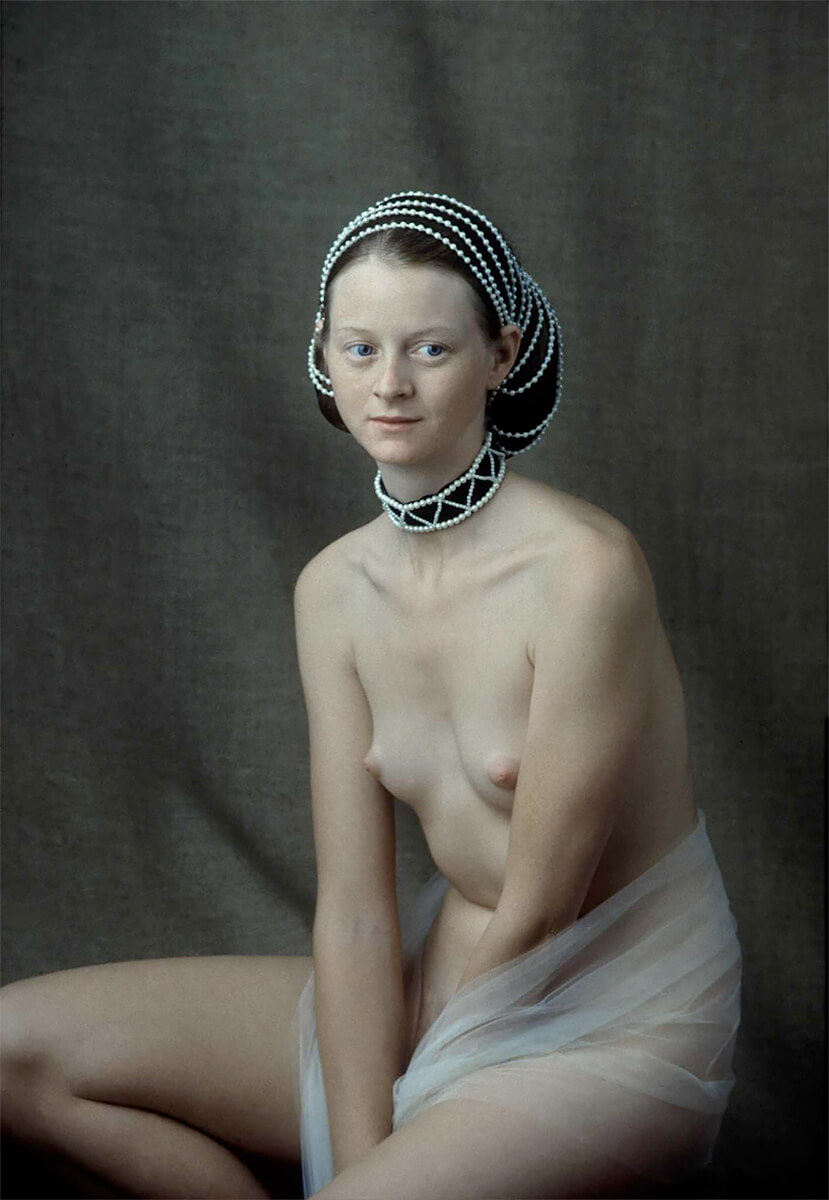
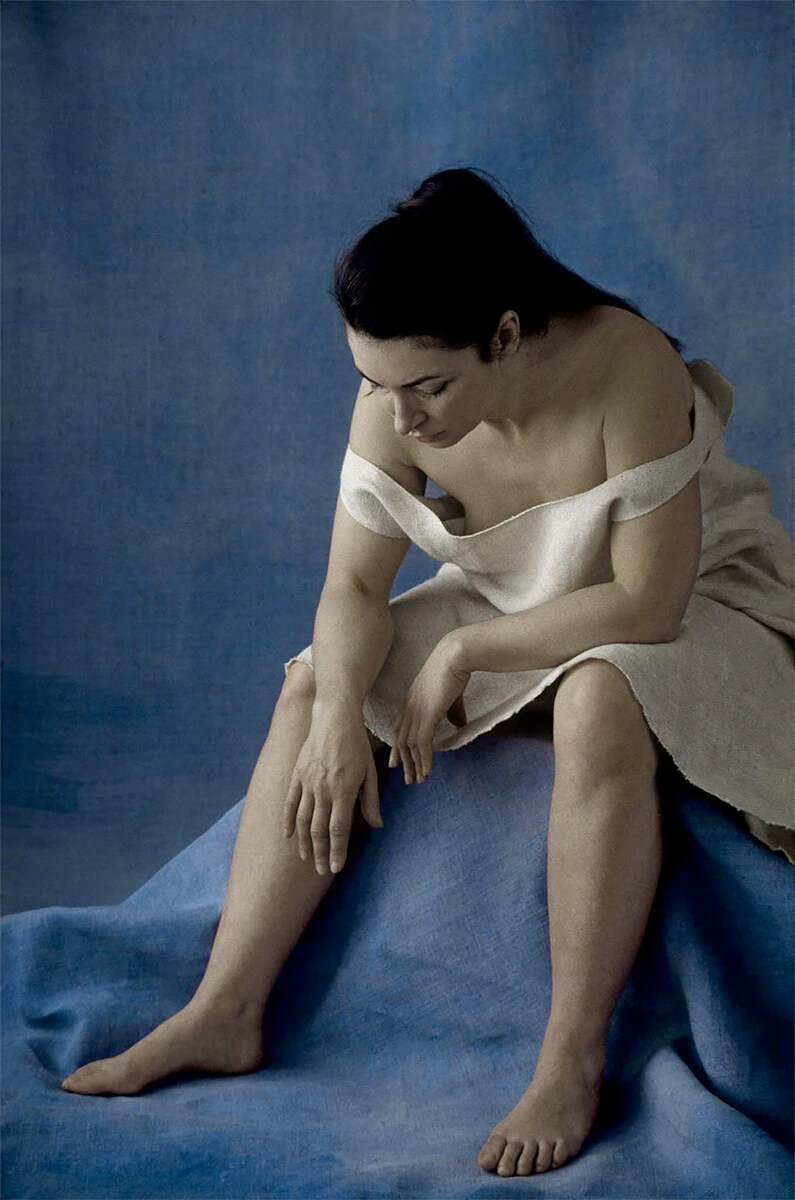
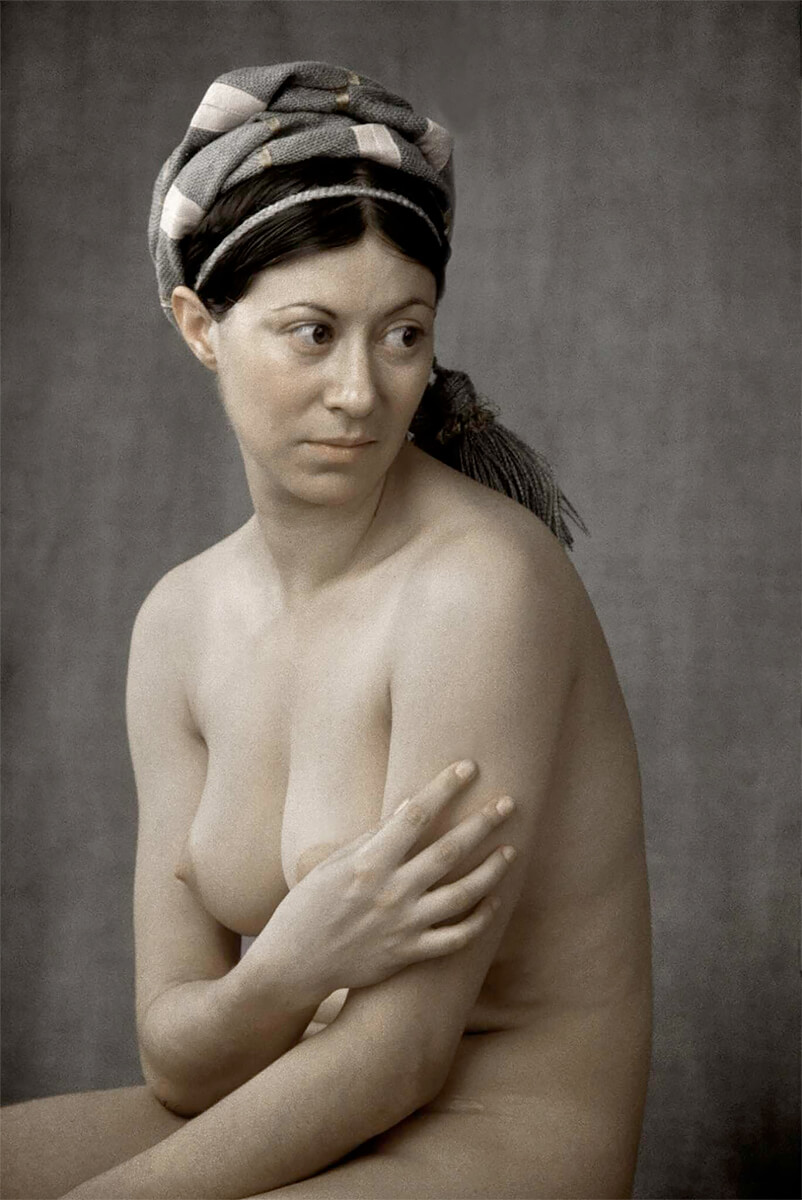
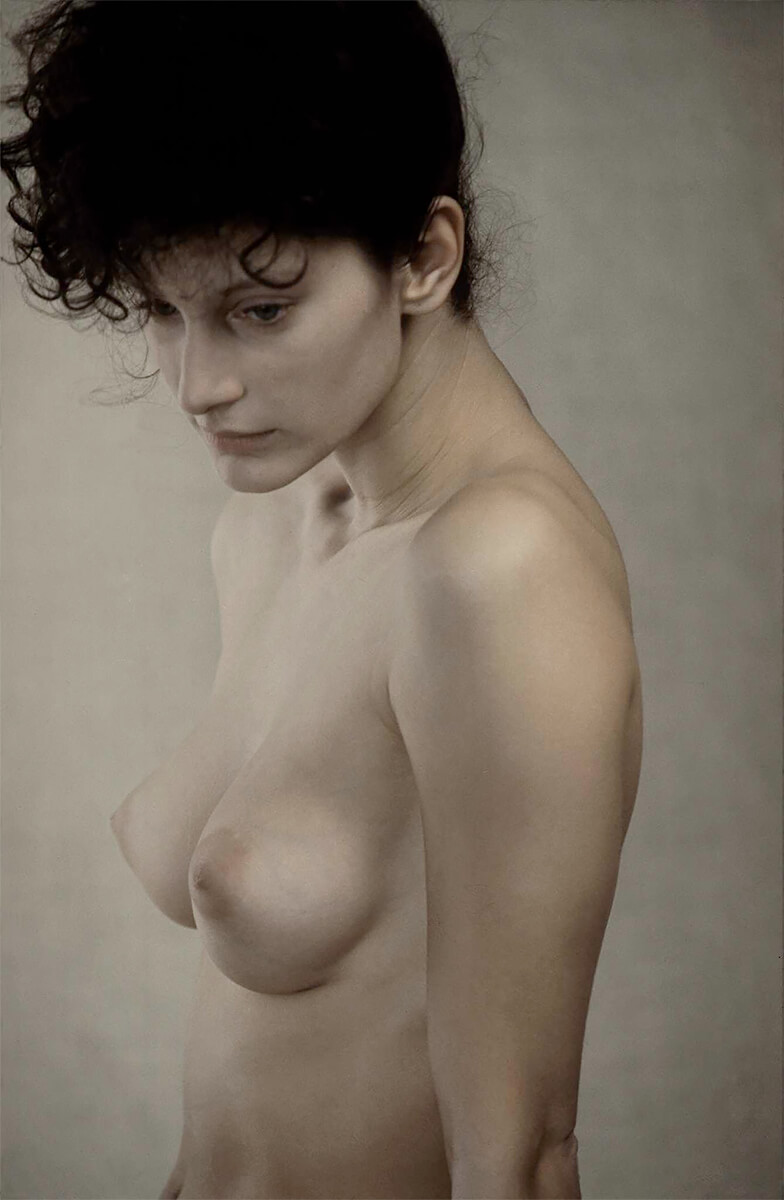
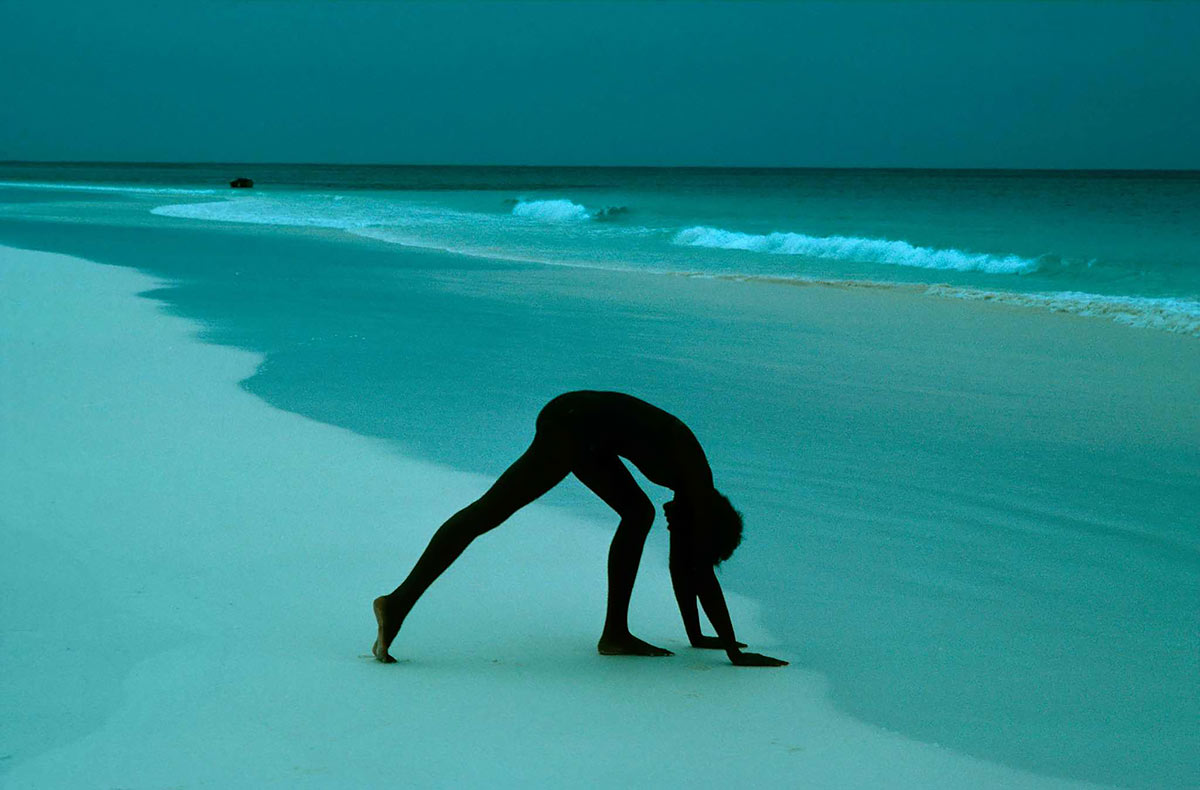
Frank Horvat is an internationally renowned fashion photographer, who has recently celebrated fifty years experience in the field. Throughout these years he has not only embraced fashion photography, but also been unafraid to experiment and adapt to new technologies, transcending the confines of photographic borders. His photography is diverse and considerably more complex than a cursory glance could reveal. He is perhaps best known for his spontaneity, trust and empathy, qualities that express themselves in his sophisticated photographs.

Frank Horvat was born in Italy in 1928. He first started photographing at age fifteen with a 35 mm Retinamat camera, and moved to Milan to study art in 1947. By 1950 he was doing freelance work for Italian fashion magazines; Epoca published his first photographic essay in 1951. Horvat was one of the first artists to apply the 35mm film camera and reportage techniques to fashion art photography. He created a new and more realistic style that revolutionized the development of fashion-based photography in England, France, and the United States. He stylistically combined realism and artifice, movement, and inventive locations, which won him immediate success as a French fashion photographer. His photographs have appeared in leading European and American magazines including Life, Elle, Vogue, Harper’s Bazaar, Glamour and Jardin des Modes from 1951-61.

Horvat initially worked for the American picture agency, Magnum, but since he “posed” his subjects he left for Realities and Black Star. He moved to Paris three years later and currently divides his time between the city and the south of France. Horvat’s work with French fashion photography has been exhibited around the world and can be found in the permanent collections of numerous prestigious museums including Bibliothèque Nationale, Musée National d’Art Moderne, Kunst-bibliothek, Museum of Modern Art, and the George Eastman House, and numerous other collections.

Source: Holden Luntz Gallery

 

Frank Horvat's Video

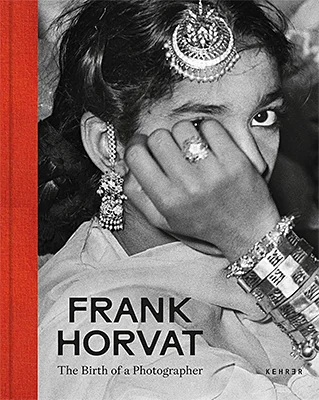
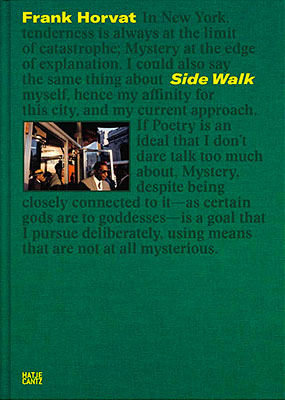
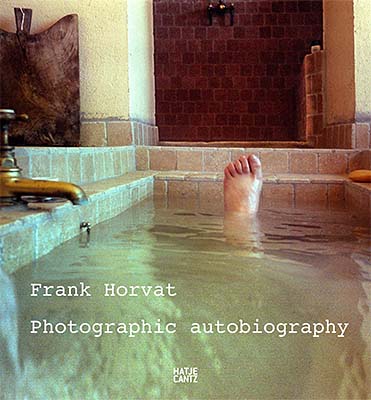
Selected Books

Inspiring Portfolios

Call for Entries
AAP Magazine #59 Shapes
Publish your work in our printed magazine and win $1,000 cash prizes
 
Stay up-to-date  with call for entries, deadlines and other news about exhibitions, galleries, publications, & special events.

More Great Photographers To Discover

David Salcedo
Spain
1981
My maternal grandfather had a grocery store in the town, the paternal grandfather did a thousand jobs throughout Spain, the grandmothers made a living sewing clothes and faced continuous worries. My parents had to emigrate to and they ended up having a bar, where the whole family worked. I, perhaps, should have stayed with the bar, but I chose the path of light. There was no shortage of those who told me that it would be difficult and hard, but no one in my family has had it easy. Why would I be less? Years later I am full of new physical and spiritual scars, which have added to what already existed within me and always defined my way of seeing the world. And it is that I will never be able to escape from what is close to me and is the measure of everything I discover, of the tenderness that they taught me to have in my heart and the silence with which I lived for years. It is in this mixture that my photographs are macerated. The set of these circumstances, nothing special, is what has led me to win several prizes and scholarships, exhibit nationally and internationally, participate in a good number of catalogues, publish several fanzines, collaborate with the Kursala of the University of Cádiz, to publish with the publishing house Ediciones Posibles And it seems that everything was an instant. Statement Next you have Fuchina, a work on the festivals of my parents’ town, Caravaca de la Cross. To do so, I fled from the traditional way of approaching parties with three very clear ideas, also looking for them to be protagonists in a subtle way. The first of the ideas is to do a job where the sound was extracted in the middle of all the noise of some parties with more than 20 music bands and more than 50 brass bands. The second of the concepts is to play with the plans, cuts and compositions to make the viewer feel as if they were inside the festivities. Third is to create a metaphor about the general situation of the town itself with strong light and faded color. The name Fuchina refers to a liquor that decades ago was distilled illegally for parties.
Lucien Clergue
France
1934 | † 2014
Lucien Clergue was born in Arles. From the age of 7, he learned to play the violin. Several years later, his teacher revealed to him that he had nothing more to teach him. From a family of shopkeepers, he could not pursue further studies in a conservatory. In 1949, he learned the rudiments of photography. Four years later, at a corrida in Arles, he showed his photographs to Pablo Picasso who, though subdued, demanded to see others. Within a year and a half, young Clergue worked with the goal of sending photos to Picasso. During this period, he worked on a series of photographs of traveling entertainers, acrobats and harlequins, the Saltimbanques. He also worked on a series whose subject was carrion. On 4 November 1955, Lucien Clergue visited Picasso in Cannes. Their friendship lasted near 30 years until the death of the Master. The book, Picasso my Friend retraces the important moments of their relation. Clergue has taken many photographs of the gypsies of southern France, and he was instrumental in propelling the guitarist Manitas de Plata to fame. In 1968 he founded, along with his friend Michel Tournier the Rencontres d’Arles photography festival which is held in Arles in July. His works was presented during the festival from 1971–1973, 1975, 1979, 1982–1986, 1989, 1991, 1993, 1994, 2000, 2003, 2007. Clergue has illustrated books, among these a book by writer Yves Navarre. Clergue’s photographs are in the collections of numerous well-known museums and private collectors. His photographs have been exhibited in over 100 solo exhibitions worldwide, with noted exhibitions such as 1961, Museum of Modern Art New York, the last exhibition organized by Edward Steichen with Lucien Clergue, Bill Brandt and Yasuhiro Ishimoto. Museums with extensive inventory of photographs by Lucien Clergue include The Fogg Museum at Harvard University and the Museum of Fine Arts, Boston. His photographs of Jean Cocteau are on permanent display at the Jean Cocteau Museum in Menton, France. In the US, the exhibition of photographs of Jean Cocteau was premiered by Westwood Gallery, New York City. In 2007, the city of Arles honored Lucien Clergue and dedicated a retrospective collection of 360 his photographs dating from 1953 to 2007. He also received the 2007 Lucie Award. He is named knight of the Légion d'honneur in 2003 and elected member of the Academy of Fine Arts of the Institute of France on 31 May 2006, on the creation of a new section dedicated to photography. Clergue is the first photographer to enter the Academy to a seat devoted to photography.Source: Wikipedia (…) Until I saw Picasso…I lived in the most perfect solitude and did my work without thinking of anything beyond that. After seeing Picasso and being received by him in Cannes when he repeated: “I’ve never seen anything like it, I’ve never seen anything like it”, I thought, or rather I let myself be convinced that despite my 21 years the time had perhaps come to begin showing my work. -- Correspondence Jean Cocteau, Lucien Clergue Lucien Clergue frequented Pablo Picasso for twenty years, being received on numerous occasions at his villa the California, in Cannes and at Notre-Dame-de-Vie in Mougins where he made his last portrait of the artist in 1971, two years before his death. Picasso, enthusiastic about Clergue’s images of dead animals and the circus children, considered him to be a greater photographer than Henri Cartier Bresson, and complimented him by saying: Clergue’s photographs are the good Lord’s sketchbooks! Or again was quoted in one of Cocteau’s lettres to Clergue, dated 1956: Picasso told me… his complete admiration for your series Stomachs. “You could, he said, sign Renoir”. Thanks to Picasso, the young photographer was able to meet not only Jean Cocteau, but also the historian and art collector Douglas Cooper, who opened up his extraordinary collection of books and artworks to the young man, avid for visual stimulation. Picasso’s generosity to Clergue and his admiration for the work of the budding photographer resulted in many collaborations, notably Picasso’s illustration for the cover of Corps mémorable in 1957, where Clergue’s images accompanied Paul Eluard’s poems; or again, the poster for Clergue’s first exhibition in Cologne in 1958 and then the cover for the book Poesie der Photographie in 1960.Source: lucien-clergue.com
Niki Feijen
Netherlands
1977
Dutch photographer Niki Feijen immortilizes an astonishingly intact glimpse into the past. This autodidact specializes in documenting and capturing historic architecture and abandoned buildings. Each photo fuses together the conflicting notions of beauty and decay and corresponds with his desire to capture and silently communicate with his audience about the subject's very essence. Niki wants to recreate the exact same scene as he sees while standing in a location but the lightspectrum your eye can capture is much, much wider than a camera can capture. Photographing a dark setting with extreme highlights like a window causes the highlights to wash out into white or dark areas can become obscure black blobs. It's impossible to shoot a photo that captures both ends of this spectrum. Since Niki does not use any artificial lighting he uses different exposures to capture a much wider light spectrum than a traditional photograph. The result is a hyper realistic photo which would replicate the exact same thing you would see standing inside the location yourself. In 2010 Feijen visited the quintessential location of desertion: the Chernobyl Exclusion Zone. After a catastrophic nuclear accident occurred in 1986 the entire city of Pripyat, all 50,000 inhabitants, were evacuated within 48 hours. Most of the belongings of the evacuated inhabitants were left behind and never returned to again. The incredible deafening silence of this location, in its absence of the living, permeates the senses and mind of visitors who venture to there to this day. Feijen is currently travelling around the globe looking for more hidden gems tucked away behind 'Do Not Enter' signs. Curious about what lies on the other side, he goes in search of the hidden world that is often in plain sight. When Feijen comes across impressive yet eerie locations, such as homes located in ghost towns, asylums, decaying hospitals, abandoned castles and long forgotten hotels, he intends to preserve the what is left of the past by encapsulating these forgotten masterpieces' ethos in a photo before they crumble and collapse. The impressions left from these places are represented in visual form for the public in three separate books. All works, 'Disciple of Decay' (April 2013) 'Frozen' (September 2014) and 'Tempus Fugit' (December 2017), have been independently published. The first sold out in six months. On top of these publications, Feijen's photographs are exhibited at art galleries and international art fairs several times a year. His works have been featured by NBC, BBC, The Huffington Post, ABC News, The Daily Mail and Chase Jarvis, among a variety of others. As of 2014 Feijen's work is part of the Sir Elton John Photography Collection where his name is among legendary photographers as ; Edward Weston, David LaChapelle, Diane Arbus and Henri Cartier-Bresson.
Jelena Jankovic
Serbia
1985
Jelena Janković is fine art photographer from Belgrade, specialized in dance and theater photography. Actively engaged in the documentary, freelance fashion, conceptual and experimental photography. Recipient of significant awards for her photography, such as Grand Prix Balkan Photo Awards 2016, 2017 Sony World Photography Awards, Siena International Photo Awards 2017, First Prize of 2017 Andrei Stenin International Press Photo Contest, FIAP plate of Sterijino Pozorje for Theatre Photography... She has exhibited at twenty groups and seven solo exhibitions and has been credited for photography in over 40 theater productions. Her photographs have been published: Rolling Stone (DE), Professional Photographer(USA), ELLE (SRB) Digital SLR Photographer magazine (UK), fotoMAGAZINE (DE), LensCulture, Lürzer's Archive, GEO (DE, ESP), National Geographic (SPA)... She is a member of The Association of Fine Arts Artist and Designers of Serbia. Statement Photography helped me to express myself, through it I study about myself and and about people around me. I create in several fields: Documentary photography is my reflection on the world around me; i use it to educate about the truths that exist. Dance and theatre photography is about expressing my inner emotion; the power and fragility of dance is affecting my most profound and intimate feelings. Fashion is the platform for staging my theatre play; it is the blend of knowledge, imagination, and precision. Conceptual and Experimental photography. photography is the space without borders; it liberates my vision beyond known conventions. The project Bird talks about me. I am 32 years old and recently I have been diagnosed with dyslexia. Because of the very poor school system, uneducated teachers that were not able to distinguish dyslexia and me not being able to discover it in time, I have been living my whole life in fear and hiding. Unaware of the problem that I’m living with, frustrated with my inability to work and study normally, I developed various methods with whom I managed to avoid reading in front of my friends and professors. I didn’t knew how to explain that the letters are shaking in front of my eyes while I was reading and that I unconsciously twisted the letters and words that I was writing. I was feeling like a bird locked in a cage. The only safe place that I felt was my art creation; creative expression was my escape. I visited zoological gardens in Belgrade and Amsterdam and photographed locked birds in cages that were representing me and all the others that were living in a similar fear. Afterwards I would draw across the photos combining different techniques like painting and collage, so I can show to the world all the freedoms that exist from the inside. This project was developed as a wish, so people can discuss openly about dyslexia, all the problems that this disease carries, and so we can set ourselves free and stop the process of hiding because of the fear of judgements. The second project is The chosen ones Inspired by visual effects, I watched a bunch of people that reminded me of the great army. In these glorious visual moments, the lights chose some of them randomly, but some of them chose themselves by taking selfies. Selfie culture started to determine our existence; everybody needs to know where we are or are we doing something. Social media has a huge impact on our views about current issues. Social media has become one of the largest epidemics that affect the social relationship between people. While we are waiting for the approval of others, we miss the opportunity to enjoy the mysterious world around us.
Manfred Baumann
Austria
1968
Manfred Baumann was born in Vienna in 1968. The Leica photographer has since presented his works worldwide in the form of exhibitions, books, and calendars. His photographs are displayed in museums as well as in international galleries. Over the past years, Baumann has taken his place among the most influential photographers of our time. Via social media his range is more than 1 million! He lives and works in Europe and the USA, and has already photographed such greats as Kirk Douglas, Sandra Bullock, Olivia Newton John, Martin Sheen, Don Johnson, Danny Trejo, William Shatner, Jack Black, Natalie Portman, Tony Curtis, Paul Anka, Lionel Richie, Kathleen Turner, John Malkovich, Bruce Willis, Juliette Lewis, Angelina Jolie, Toni Garrn, Michelle Rodriguez, Leah Remini, Evander Holyfield, as well as many international top models. For Manfred Baumann, the fascination of photography lies in departing from the familiar and capturing an impression of the moment. He loves to explore the world through the eyes of a photographer. To make visible that which others have not seen has been the objective of Baumann's exhibitions, such as End Of Line, in which he documented the final journey of death row inmates in Texas; Alive, where he photographed homeless persons on the street for one year; and his current project Special, which showcases Baumann's portraits of intellectually disabled persons. His ambition is to break with tradition and the conventional perspective. The viewer of my photographs should discover the soul and history they embody and recognize that photography is the only language that can be understood all over the world. As an ardent animal welfare activist, vegetarian, and goodwill ambassador for Jane Goodall, he also ventured into the world of animal photography for the first time with the project Mustangs. The project's works and exhibition were shown in the Natural History Museum Vienna and the Leica Gallery in Los Angeles. He teaches for the Leica Academy worldwide and does worldwide lectures & workshops. Manfred Baumann was 2017 Testimonial for Huawei international alongside with Robert Lewandowski. His Book and exhibition Vienna were shown at the Grand Hotel Vienna. From February 2019 to May 2019, Baumann exhibited for the first time in Australia (in Melbourne and Sydney). In 2020 two new books will appear, the Lipizzaner the white horses and a Best of book with the name a photographer's life. It is the 15 and 16 illustrated books which have been published worldwide. Among Manfreds role models are great Master of Photography such as Alfred Eisenstaedt, Helmut Newton, Henri Cartier-Bresson, Richard Avedon, Herb Ritts, and Ansel Adams. Manfred Baumann also photographed the late Tony Curtis. This was the Hollywood star's last official photo shoot and did much to bolster Baumann's considerable fame in the USA. For more than 25 years, Manfred has been drawn to the most distant places in the world, where his breathtaking landscape photographs are created, and it is only natural that since 2013, he has cooperated with and photographed for National Geographic. He lives and works in Vienna with his wife and muse Nelly Baumann, although his sojourns to his second home, Los Angeles, have become increasingly frequent and of longer duration. His clientele, however, come from all over the world. Statement "I GIVE THE MOMENT DURATION" "Photographs are like songs that you sing into the world." "HEART AND MIND – THE TRUE LENS OF THE CAMERA" "The truth is the best picture!"
Peter Hujar
United States
1934 | † 1987
Peter Hujar was an American photographer best known for his black and white portraits. He has been recognized posthumously as "one of the major American photographers of the late twentieth century" and "among the greatest American photographers." Hujar was born October 11, 1934, in Trenton, New Jersey, to Rose Murphy, a waitress abandoned by her husband during her pregnancy. He was raised by his Ukrainian grandparents on their farm, where he spoke only Ukrainian until he started school. He remained on the farm with his grandparents until his grandmother's death in 1946. He moved to New York City to live with his mother and her second husband. The household was abusive, and in 1950, when Hujar was 16, he left home and began to live independently. Hujar received his first camera in 1947 and in 1953 entered the School of Industrial Art where he expressed interest in being a photographer. He was fortunate to encounter an encouraging teacher, the poet Daisy Aldan (1923–2001), and following her advice, he became a commercial photography apprentice. Apart from classes in photography during high school, Hujar's photographic education and technical mastery were acquired in commercial photo studios. By 1957, when he was 23 years old, he was making photographs now considered to be of museum quality. Early in 1967, he was one of a select group of young photographers in a master class taught by Richard Avedon and Marvin Israel, where he met Alexey Brodovitch and Diane Arbus. In 1958, Hujar accompanied the artist Joseph Raffael on a Fulbright to Italy. In 1963, he secured his own Fulbright and returned to Italy with Paul Thek, where they explored and photographed the Capuchin Catacombs of Palermo, classic images featured in his 1975 book Portraits in Life and Death. In 1964, Hujar returned to America and became a chief assistant in the studio of the commercial photographer Harold Krieger. Around this time, he also met Andy Warhol, posed for four of Warhol's three-minute "screen tests," and was included in the compilation film The Thirteen Most Beautiful Boys. In 1967, Hujar quit his job in commercial photography, and at a great financial sacrifice, began to pursue primarily his own work. What followed was a dramatic expansion of his output. In 1969, with his lover the political activist Jim Fouratt, he witnessed the Stonewall riots in the West Village. In 1973, he moved into a loft above The Eden Theater at 189 2nd Avenue, where he lived for the rest of his life. In the 1970s and early 1980s, he inhabited the small bohemian art world in downtown New York City and made portraits of people such as drag queen and actor Divine, writers Susan Sontag, William Burroughs, Fran Lebowitz, and Vince Aletti. He visited "extremely serious, very heavy S&M bars" and the abandoned West Side Hudson River piers where men cruised for sex. In 1975, Hujar published Portraits in Life and Death, with an introduction by Sontag. After a tepid reception, the book became a classic in American photography. The rest of the 1970s was a period of prolific work. In early 1981, Hujar met the writer, filmmaker, and artist David Wojnarowicz, and after a brief period as Hujar's lover, Wojnarowicz became a protégé linked to Hujar for the remainder of the photographer's life. Hujar remained instrumental in all phases of Wojnarowicz's emergence as an important young artist. Hujar's work received only marginal public recognition during his lifetime. In January 1987, Hujar was diagnosed with AIDS. He died 10 months later at the age of 53 on November 25 at Cabrini Medical Center in New York. His funeral was held at Church of St. Joseph in Greenwich Village and he was buried at Gate of Heaven Cemetery in Valhalla, New York. Hujar willed his estate to his friend Stephen Koch. Source: Wikipedia Peter Hujar (born 1934) died of AIDS in 1987, leaving behind a complex and profound body of photographs. Hujar was a leading figure in the group of artists, musicians, writers, and performers at the forefront of the cultural scene in downtown New York in the 1970s and early 80s, and he was enormously admired for his completely uncompromising attitude towards work and life. He was a consummate technician, and his portraits of people, animals, and landscapes, with their exquisite black-and-white tonalities, were extremely influential. Highly emotional yet stripped of excess, Hujar’s photographs are always beautiful, although rarely in a conventional way. His extraordinary first book, Portraits in Life and Death, with an introduction by Susan Sontag, was published in 1976, but his “difficult” personality and refusal to pander to the marketplace ensured that it was one of the last publications during his lifetime.Source: The Peter Hujar Archive Peter Hujar, who died of aids-related pneumonia in 1987, at the age of fifty-three, was among the greatest of all American photographers and has had, by far, the most confusing reputation. A dazzling retrospective, curated by Joel Smith at the Morgan Library & Museum, of a hundred and sixty-four pictures affirms Hujar’s excellence while, if anything, complicating his history. The works range across the genres of portraiture, nudes, cityscape, and still-life—the stillest of all from the catacombs of Palermo, Italy, shot in 1963, when he was there with his lover at the time, the artist Paul Thek. The finest are portraits, not only of people. Some memorialize the existence of cows, sheep, and—one of my favorites—an individual goose, with an eagerly confiding mien. The quality of Hujar’s hand-done prints, tending to sumptuous blacks and simmering grays, transfixes. He was a darkroom master, maintaining technical standards for which he got scant credit except among certain cognoscenti. He never hatched a signature look to rival those of more celebrated elders who influenced him, such as Richard Avedon and Diane Arbus, or those of Robert Mapplethorpe and Nan Goldin, younger peers who learned from him. His pictures share, in place of a style, an unfailing rigor that can only be experienced, not described. Hujar needed no introduction to the low. He never met his father, who abandoned his mother, a diner waitress, before his birth, in 1934, in Trenton. She left his raising to her Ukrainian-speaking Polish parents in semirural surroundings in Ewing Township, New Jersey, until, when he was eleven, she took him to live with her and a new husband in a one-room apartment in Manhattan. The home wasn’t happy. Hujar moved out at sixteen, at first sleeping on the couch of a mentoring English teacher at the School of Industrial Arts (now the High School of Art and Design): the fine poet, editor, and translator Daisy Aldan, a free-spirited lesbian who is portrayed in the earliest of his works in the Morgan show, from 1955.Source: The New Yorker
Advertisement
AAP Magazine #59 Shapes
Win a Solo Exhibition in July
AAP Magazine #59 Shapes

Latest Interviews

Exclusive Interview with Trevor Cole: Pastoral Peoples and Practices
For this interview, we wanted to focus specifically on The Face of the Mundari and the wider Pastoral Peoples and Practices series. We spoke with Trevor about his long-term work among the Mundari, what continues to draw him back to their cattle camps, and the experience of documenting a culture whose identity remains deeply connected to livestock, tradition, and the natural environment.
Exclusive Interview with Frank Meo
In our latest exclusive feature for All About Photo, I speak with veteran photography representative Frank Meo about what it truly takes to build a sustainable creative career today. Frank brings decades of experience working with Fortune 500 companies, major agencies, and documentary photographers to the table. We dive into the critical business skills often left out of art school curriculums, the power of mentorship, and the inspiring evolution of PROJECTIONS—his international salon platform for visual storytellers. It’s an essential read for anyone navigating the commercial or editorial photography landscape today.
Exclusive Interview with Carolyn Moore
American photographer Carolyn Moore explores the inner landscape of emotion, memory, and personal transformation through a deeply intuitive photographic practice. Her work unfolds as a quiet dialogue between artist and viewer, where images become a space for reflection, vulnerability, and connection.
Exclusive Interview with Luca Desienna and Laura Estelle Barmwoldt
For over seven years, Of Lilies and Remains has explored the depths of the goth and darkwave underground, unfolding in Leipzig—a city long associated with a vibrant and enduring subcultural scene. Moving between iconic gatherings such as Wave-Gotik-Treffen and more intimate moments on the fringes, the project offers a rare and immersive glimpse into a world often misunderstood, yet rich in expression and community. Created by Luca in collaboration with Laura Estelle Barmwoldt, the work embraces a cinematic and deeply personal approach. Rather than documenting from a distance, it moves within the scene itself, capturing its atmosphere, its codes, and its quiet contradictions. The title Of Lilies and Remains hints at this duality—where beauty and darkness, fragility and strength coexist. As the book prepares for its release, we spoke with both artists about the origins of the project, their process, and what it means to document a subculture that continues to evolve while remaining true to its spirit.
Exclusive Interview with Matthew Finley
American photographer Matthew Finley turns inward, using photography as a way to explore identity, memory, and emotional truth. Based in Los Angeles, his practice moves between performance, gesture, and found imagery, creating a visual language that is both intimate and deeply personal
Exclusive Interview with Jan Janssen
Dutch photographer Jan Janssen explores universal human experiences through his long-term project It Matters, winner of the May 2025 Solo Exhibition. Begun in 2016, the series captures intimate moments of everyday life—love, loss, connection, and belonging—across Central and Eastern Europe. Working in countries such as Turkey, Azerbaijan, and Armenia, Janssen spends extended time within communities, building relationships based on trust and respect. His approach allows him to move beyond observation, revealing deeply human and authentic moments. Rooted in travel and personal discovery, It Matters reflects Janssen’s search for what connects us all in an increasingly divided world. The project is ongoing and will culminate in a photobook scheduled for publication in 2026.
Exclusive Interview with Henk Kosche
German photographer Henk Kosche turns his lens toward the streets of Halle an der Saale, capturing everyday life in the late years of the former German Democratic Republic. At the time, Kosche was studying design and exploring the city with his camera, drawn to the atmosphere of its industrial landscape and the quiet rhythms of daily life. His series Street Photography at the End of the 80s, selected as the Solo Exhibition for July 2025, revisits a body of work created just before a period of profound change. Rediscovered decades later in a small box of 35mm negatives, these photographs offer glimpses of a city and its people at a moment suspended between the familiar and the unknown.
Exclusive Interview with Anastasia Samoylova
Anastasia Samoylova is an American artist whose photographic practice is shaped by close observation and a deep attentiveness to place. Working between documentary and formal exploration, she photographs landscapes, architecture, and everyday scenes with a sensitivity to light, structure, and atmosphere. Since relocating to Miami in 2016, her work has increasingly focused on how environments—both natural and built—carry social, cultural, and emotional traces. We asked her a few questions about her practice and her way of seeing, to better understand the thoughts and experiences that shape her work—while allowing the images themselves to remain open and speak in their own time.
Exclusive Interview with Marijn Fidder
Marijn Fidder is a Dutch documentary photographer whose work powerfully engages with current affairs and contemporary social issues. Driven by a deep sense of social justice, she uses photography to speak on behalf of the voiceless and to advocate for the rights of those who are most vulnerable. Her images have been widely published in major international outlets including National Geographic, CNN Style, NRC Handelsblad, Volkskrant, GUP New Talent, and ZEIT Magazin. Her long-term commitment to disability rights—particularly through years of work in Uganda—culminated in her acclaimed project Inclusive Nation, which earned her the title of Photographer of the Year 2025 at the All About Photo Awards. She is also the recipient of multiple prestigious honors, including awards from World Press Photo and the Global Peace Photo Award. We asked her a few questions about her life and work.
Call for Entries
Win A Solo Exhibition in July
Get International Exposure and Connect with Industry Insiders